- Литьё ABS под давлением требует температуры расплава 200–260°C и сушки до влажности ниже 0.1%, обычно при 80°C в течение 2–4 часов, чтобы предотвратить дефекты поверхности.
- Стандартная усадка ABS составляет 0.4–0.8%, что значительно ниже, чем у PE или PP, и позволяет выдерживать более жёсткие допуски размеров с меньшей компенсацией пресс-формы.
- ABS — наиболее широко используемый инженерный пластик для бытовой электроники, автомобильных интерьеров и корпусов бытовой техники благодаря высокой ударопрочности и пригодности для гальванического покрытия.
- Толщину стенки ABS следует поддерживать в диапазоне 1.5–4.0 mm при максимальном соотношении изменений 3:1, чтобы предотвратить утяжины, коробление и задержку течения.
- Поверхности деталей из ABS после формования можно окрашивать, гальванически покрывать, вакуумно металлизировать и наносить на них тампонную печать без усилителей адгезии, поэтому этот материал предпочтителен для декорируемых деталей.
Что такое ABS и почему он доминирует среди инженерных пластиков?
Вы только что получили запрос на расчет стоимости ABS1 корпуса потребительского устройства, и правильная настройка параметров критически важна. ABS (Acrylonitrile Butadiene Styrene) — аморфный конструкционный термопласт, обеспечивающий сбалансированное сочетание ударопрочности, жесткости, химической стойкости и перерабатываемости, недостижимое для однокомпонентного полимера. Три мономера придают определенные свойства: акрилонитрил обеспечивает химическую стойкость и термостабильность; частицы бутадиенового каучука диаметром 0.1–1.0 µm поглощают энергию удара посредством кавитации и образования микротрещин; стирол обеспечивает жесткость, блеск поверхности и текучесть расплава, благодаря которым ABS является одним из наиболее технологичных конструкционных материалов для литья под давлением.
Типичные свойства стандартных марок ABS: прочность при растяжении 40–55 MPa, модуль упругости при изгибе 2,000–2,700 MPa, ударная вязкость по Изоду с надрезом2 100–400 J/m, температура тепловой деформации3 (HDT) при 1.82 MPa: 70–100°C, усадка 0.4–0.8%. Эти значения помещают ABS между пластиками общего назначения (PP, PE) и высокоэффективными инженерными полимерами (PC, PA), а стоимость $1.5–$3.0/kg делает его экономичным для массового выпуска потребительских товаров. При сравнении поставщиков литья ABS используйте практический руководство по поиску поставщика до размещения заказа на производственную оснастку. На нашем заводе ABS составляет примерно 25% общего потребления смол всеми литьевыми машинами.
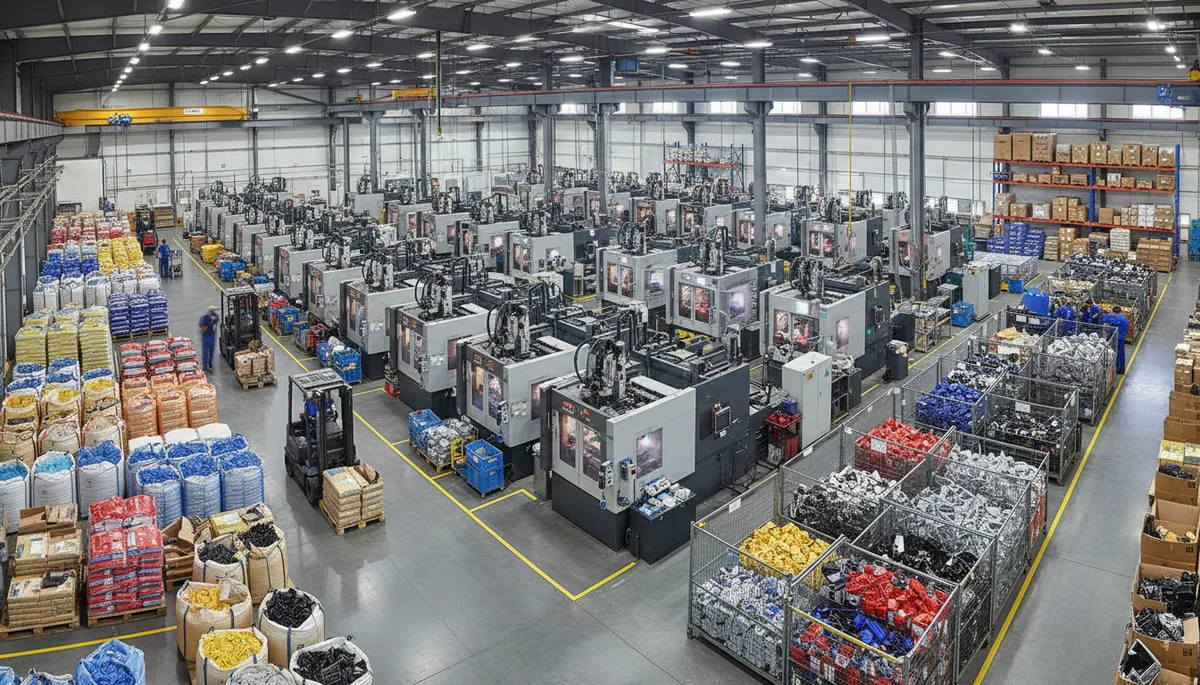
На нашем заводе в Шанхае ZetarMold эксплуатирует 47 литьевых машин от 90 до 1850 тонн и имеет опыт работы с более чем 400 видами пластиковых материалов. Для проектов с АБС этот диапазон важен, поскольку один и тот же материал ведет себя по-разному при изготовлении небольших корпусов, толстых крышек, декоративных деталей и производственных оснасток.
Каковы критически важные параметры процесса литья ABS под давлением?
Температура расплава для ABS литьё под давлением находится в диапазоне 200–260°C в зависимости от марки и применения. Стандартный ABS общего назначения перерабатывается при 220–240°C, ударопрочные марки — в нижней части диапазона (200–220°C) для сохранения бутадиеновой каучуковой фазы, а высокотекучие марки — при 230–250°C. Превышение 270°C вызывает термическую деградацию бутадиеновой фазы, приводящую к изменению цвета, снижению ударной вязкости и выделению летучих веществ. Для предотвращения застывания температуру сопла следует установить на 5–10°C выше температуры передней зоны.
Температуру пресс-формы для ABS задают в диапазоне 40–80°C в зависимости от требований к отделке поверхности. Более высокая температура формы (60–80°C) при полированных стальных полостях создаёт глянцевую поверхность с Ra 0.025–0.1 µm и повышает прочность линии спая на 10–15% по сравнению с холодными формами. Более низкая температура формы (40–50°C) сокращает время цикла, но может вызывать побеление под напряжением, видимые линии спая и внутренние остаточные напряжения, повышающие риск эксплуатационного растрескивания. Для гальванизированных деталей из ABS температура формы 60–70°C обязательна для обеспечения достаточного качества адгезии.
| Параметр | Стандартный ABS | Ударопрочный ABS | Высокотекучий ABS |
|---|---|---|---|
| Температура расплава | 220–240°C | 200–220°C | 230–250°C |
| Температура пресс-формы | 40–80°C | 40–70°C | 40–60°C |
| Давление впрыска | 70–120 MPa | 60–110 MPa | 60–100 MPa |
| Давление удержания | 40–70% впрыска | 35–65% от давления впрыска | 35–60% давления впрыска |
| Время охлаждения | 15–40 s | 10–30 s | 10–25 s |
| Противодавление | 5–15 MPa | 5–12 MPa | 3–10 MPa |
| Скорость вращения винта | 30–70 RPM | 25–60 RPM | 40–80 RPM |
| Предварительная сушка | 80°C, 2–4 часа | 80°C, 2–4 часа | 80°C, 2–4 часа |
Предварительная сушка обязательна при литье ABS под давлением. ABS гигроскопичен и поглощает атмосферную влагу со скоростью, зависящей от влажности и температуры окружающей среды. Невысушенный ABS с содержанием влаги выше 0.1% вызывает серебристые полосы, следы разбрызгивания, шероховатость поверхности и снижение механических свойств. Стандартный режим сушки: 80°C в течение 2–4 часов в бункерной сушилке с осушением и точкой росы ниже -25°C. При относительной влажности 80% ABS может набрать проблемный уровень влаги (>0.1%) за 2–4 часа нахождения в бункере, поэтому во время производства необходима непрерывная осушительная сушка. При планировании цикла сравните время сушки, охлаждения и время производства литья под давлением вместе.

Как проектировать детали из ABS для литья под давлением?
Толщина стенки — наиболее критичный параметр конструкции детали из ABS. Рекомендуемая толщина стенки детали из ABS составляет 1.5–4.0 mm, а оптимальный диапазон для конструкционных потребительских деталей — 2.0–3.0 mm. Мы рекомендуем зафиксировать номинальную толщину стенки до проектирования литникового впуска, поскольку поздние изменения толщины могут нарушить баланс заполнения и режим охлаждения. Для стенок тоньше 1.5 mm требуются высокие скорости впрыска, которые повышают напряжение сдвига и могут вызвать дефекты поверхности. На стенках толще 4.0 mm образуются утяжины вследствие характерной для ABS усадка формы на 0.4–0.8% и может показывать поверхностные впадины даже при максимальном давлении выдержки. Если толстых участков не избежать, удалите материал изнутри, чтобы получить равномерную оболочку.
Для деталей из ABS, отлитых под давлением, уклон на каждую сторону должен составлять 1°–2° для гладких поверхностей, 2°–3° для лёгкой текстуры (MT 11020/SPI C1) и 3°–5° для выраженной текстуры (MT 11030/SPI D2). Недостаточный уклон вызывает задиры при извлечении, следы толкателей и царапины на литой поверхности. ABS сильнее прилипает к стали пресс-формы, чем PE или PP, поэтому достаточный уклон особенно важен. Пресс-форма для литья под давлением рекомендации по проектированию предусматривают добавление 0.5° уклона на каждые 25 mm глубины стенки для глубоко вытягиваемых элементов из ABS.
Как выбирать размеры бобышек, рёбер и защёлок в деталях из ABS?
Конструкция бобышки из ABS соответствует правилу соотношения 0.6:1: толщина стенки бобышки должна составлять 60% номинальной толщины стенки, чтобы предотвратить утяжины на противоположной поверхности. Высота бобышки без усиливающих рёбер не должна превышать 3× её наружного диаметра. Косынки, соединяющие бобышки со стенками, должны иметь толщину 50% номинальной толщины стенки. Для бобышек под винты наружный диаметр должен в 2.0–2.2 раза превышать диаметр резьбы винта, обеспечивая достаточную прочность на вырыв без растрескивания ABS под моментом затяжки.
Проектирование рёбер в деталях из ABS следует тому же правилу 0.6:1: толщина ребра у основания должна составлять не более 60% номинальной стенки, чтобы предотвратить видимые утяжины на противоположной декоративной поверхности. Высота конструкционных рёбер обычно ограничивается 3× номинальной толщиной стенки, а для чистого извлечения рёбра должны иметь уклон не менее 0.5° с каждой стороны. Радиусы углов у основания рёбер должны составлять 0.25–0.5× номинальной толщины стенки, чтобы уменьшить концентрацию напряжений, способную вызвать трещины между ребром и стенкой при повторной нагрузке.
Конструкция защёлок из ABS использует удачное сочетание жёсткости материала и удлинения при разрыве (5–20%). Консольные защёлки из ABS проектируют с деформацией при максимальном прогибе 1.5–2.5% для постоянных соединений и 3–4% для временных защёлок однократной сборки. При полном зацеплении деформация должна оставаться ниже предела текучести ABS, чтобы избежать остаточной деформации или побеления у основания защёлки. Плавное изменение сечения балки защёлки — тоньше у конца и толще у основания — равномерно распределяет деформацию по длине балки и увеличивает допустимый прогиб без превышения локальных пределов деформации.
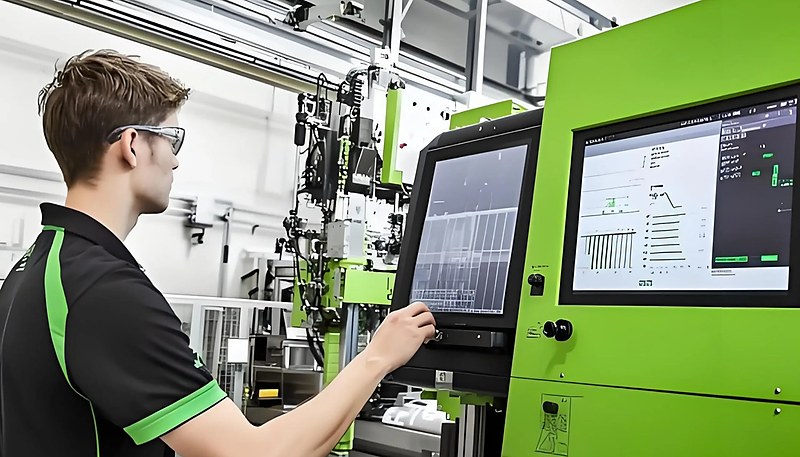
"Перед литьем под давлением ABS необходимо высушить до влажности ниже 0.1%, чтобы предотвратить серебристые полосы и веерные дефекты."True
ABS гигроскопичен из-за акрилонитрила. При влажности выше 0.1% вода испаряется во время впрыска при 220–240°C, создавая пузыри, растягиваемые быстрым потоком в серебристые полосы. Сушка при 80°C в течение 2–4 часов в осушителе снижает влажность ниже 0.05%. Недостаточная сушка — одна из самых частых причин плохой поверхности ABS.
"Литье ABS под давлением обеспечивает одинаковое качество поверхности независимо от заданной температуры пресс-формы."False
Температура формы существенно влияет на качество поверхности ABS. При низкой температуре формы (40°C) ABS быстро охлаждается при контакте с полостью, что приводит к повышенной шероховатости поверхности, более заметным линиям спая и возможному побелению от напряжений. При более высокой температуре формы (60–80°C) расплав дольше сохраняет текучесть у поверхности полости, лучше воспроизводит мелкие детали и образует более глянцевую и гладкую поверхность. Для гальванизированных или окрашенных деталей из ABS обязательна температура формы 60–70°C, обеспечивающая качество поверхности, необходимое для адгезии покрытия или краски.
Какие виды постобработки лучше всего подходят для ABS?
ABS — лучший материал для гальванопокрытия среди смол для литья под давлением. Фаза бутадиенового каучука избирательно травится хромовой кислотой (шестивалентным хромом) или фирменными бесхромовыми травильными растворами, образуя микропористую поверхность, обеспечивающую механическое сцепление последующих слоёв никелевого и хромового покрытия. ABS с декоративным хромовым гальванопокрытием достигает адгезии покрытия 8–12 N/cm (испытание на отслаивание), значительно превышая минимальное требование 5 N/cm для элементов отделки салона автомобиля. Не все марки ABS пригодны для гальванопокрытия — требованиям к равномерности травления отвечают только специальные гальванические марки (обычно с содержанием бутадиена 15–20%).
Для окрашивания ABS на большинстве правильно отлитых поверхностей не требуется адгезионная грунтовка — краски на основе растворителей и водные краски непосредственно и прочно сцепляются с чистым обезжиренным ABS. Для потребительских изделий из ABS широко применяются окрашивание распылением, тампонная печать, трафаретная печать и горячее тиснение. Перед нанесением двухкомпонентного (2K) полиуретанового прозрачного покрытия с поверхности ABS необходимо удалить остатки разделительной смазки, протерев ее спиртом. Лазерная гравировка ABS создает четкие символы с белым контрастом на отлитых черных или темных деталях.
«ABS предпочтителен для литья гальванизированных деталей, поскольку его бутадиеновая фаза обеспечивает механическое сцепление слоев покрытия».True
При гальванизации ABS травление хромовой кислотой избирательно воздействует на частицы бутадиенового каучука и удаляет их с поверхности, создавая сеть микропор диаметром 0.5–5 µm, которые служат механическими анкерами для последующих слоёв химического никеля и электролитического хрома. Эта уникальная морфологическая особенность ABS обеспечивает значительно лучшую адгезию гальванического покрытия по сравнению с другими аморфными пластиками, такими как поликарбонат или полистирол, у которых нет чувствительной к травлению фазы. Адгезия покрытия ABS (8–12 N/cm) соответствует требованиям для автомобильных интерьеров.
"Все марки ABS одинаково хорошо поддаются гальваническому покрытию."False
Только специальные марки ABS, обозначенные как 'plating grade', обеспечивают равномерное травление, необходимое для гальванического покрытия с высокой адгезией. Такие марки содержат 15–20% бутадиена с тщательно контролируемыми размером и распределением частиц каучука. Универсальные, термостойкие и огнестойкие марки ABS имеют измененную морфологию каучука или пакеты добавок, мешающие травлению и вызывающие его неравномерность, потерю адгезии или вздутия. Неверный выбор марки ABS для гальванизации — распространенная и дорогостоящая ошибка, проявляющаяся лишь на готовых деталях и требующая замены всей изготовленной партии.
Каковы распространённые проблемы литья ABS и их решения?
Распространённые проблемы и решения при литье ABS под давлением — основные категории или варианты, рассматриваемые в этом разделе. Расслоение деталей из ABS, при котором поверхность выглядит как отделяющиеся слои, отслаивающиеся подобно страницам книги, почти всегда вызвано загрязнением материала. Даже 0.1% загрязнения несовместимым материалом (PP, PE или силиконом из разделительного состава) вызывает расслоение, заметное на готовой поверхности. Продувка цилиндра коммерческим очищающим составом перед переработкой ABS, отказ от силиконовых разделительных составов и строгие правила обращения с материалом предотвращают расслоение из-за загрязнения. Попав в цилиндр, загрязнение может сохраняться на протяжении 50–100+ циклов.
Растрескивание деталей из ABS в эксплуатации вызывается сочетанием остаточных формовочных напряжений и агентов растрескивания под воздействием среды, таких как смазки, чистящие растворители или ароматические химические вещества. Снижение остаточных напряжений путем уменьшения давления выдержки, увеличения времени охлаждения и отжига деталей при 70–80°C в течение 2–4 часов после формования значительно повышает стойкость к растрескиванию. На нашем заводе критические детали из ABS для сред с химическим воздействием проходят отжиг: это увеличивает стоимость, но устраняет отказы в эксплуатации. Важен и выбор марки термопласта: ударопрочные марки ABS с повышенным содержанием бутадиена устойчивее к растрескиванию под воздействием среды, чем стандартные.
Часто задаваемые вопросы о литье ABS под давлением
Какова оптимальная температура расплава при литье ABS?
Идеальная температура расплава ABS зависит от конкретной марки и области применения. Стандартный ABS общего назначения оптимально перерабатывается при температуре цилиндра 220–240°C, измеряемой в передней зоне. Ударопрочные марки ABS перерабатывают при 200–220°C, чтобы сохранить бутадиеновую каучуковую фазу, которая разрушается при температуре выше 240°C. Высокотекучие марки ABS для тонкостенных деталей перерабатывают при 230–250°C. Температуру сопла обычно устанавливают на 5–10°C выше температуры передней зоны. Превышение 270°C вызывает видимое разложение: пожелтение, снижение ударной прочности и выделение летучих веществ. Практическое правило — использовать минимальную температуру расплава, обеспечивающую полное заполнение без дефектов поверхности.
Как долго следует сушить ABS перед литьем под давлением?
Стандартный режим сушки ABS: 80°C в течение 2–4 часов в бункерной сушилке с осушением и точкой росы ниже -25°C. Перед литьем влажность должна быть ниже 0.1% (предпочтительно ниже 0.05%). При высокой окружающей влажности (выше 70% RH) неправильно хранившийся ABS может набрать критическую влагу за 2–4 часа в бункере, поэтому во время производства необходима непрерывная осушительная сушка. Пересушка ABS при температуре выше 90°C или более 8 часов может вызвать окислительное пожелтение стирольной фазы. Всегда сверяйтесь с рекомендациями поставщика конкретной смолы, поскольку специальные марки ABS могут иметь иные требования.
Можно ли использовать ABS на открытом воздухе?
Стандартный ABS обладает низкой стойкостью к УФ-излучению: длительное воздействие вне помещений вызывает меление поверхности, выцветание и охрупчивание в течение 6–12 месяцев. Для наружного применения УФ-стабилизированные марки ABS, содержащие поглотители ультрафиолета (бензофеноны, бензотриазолы) и HALS (светостабилизаторы на основе пространственно-затруднённых аминов), продлевают срок службы вне помещений до 3–5 лет. Для требовательных наружных применений вместо ABS часто указывают ASA (акрилонитрил-стирол-акрилат), поскольку его акрилатная каучуковая фаза устойчива к УФ-излучению при схожих перерабатываемости и механических свойствах. Для окрашенных наружных деталей из ABS выбор УФ-стойкого верхнего покрытия так же важен, как УФ-стабилизация смолы.
Какое давление впрыска рекомендуется для ABS?
Для стандартных марок давление впрыска ABS обычно находится в диапазоне 70–120 MPa. Для полного заполнения тонкостенных деталей (1.0–1.5 mm) до застывания литника может потребоваться до 140 MPa. Необходимое давление впрыска зависит от геометрии детали — отношения длины потока к толщине стенки, температуры расплава, скорости впрыска и размера литника. Отношение длины потока к толщине выше 150:1 обычно требует давления свыше 100 MPa для стандартного ABS. Давление выдержки устанавливается на уровне 40–70% давления впрыска и поддерживается до застывания литника, обычно 3–8 секунд для литников размером 1.5–3 mm, чтобы предотвратить обратный отток и утяжины.
Чем ABS отличается от смеси PC/ABS при литье под давлением?
Смеси PC/ABS объединяют повышенную теплостойкость (HDT: 100–120°C) и ударную прочность поликарбоната с технологичностью и качеством поверхности ABS. Чистый ABS имеет HDT 70–100°C и ударную вязкость по Изоду с надрезом 100–400 J/m, тогда как PC/ABS (содержание PC 20–70%) обеспечивает HDT 100–115°C и ударную вязкость по Изоду с надрезом 400–800 J/m. PC/ABS перерабатывается при более высоких температурах (230–270°C) и требует более длительной сушки (110°C, 4–6 часов). PC/ABS стоит на 30–60% дороже стандартного ABS. Для деталей автомобильного интерьера PC/ABS часто является обязательным благодаря повышенной термостойкости. Для потребительской электроники, где приоритетны стоимость и совместимость с гальваническим покрытием, предпочтителен стандартный ABS.
Каково типовое время цикла литья ABS под давлением?
Типичное время цикла литья ABS под давлением составляет от 15 до 60 секунд в зависимости от толщины стенок, сложности геометрии и температуры пресс-формы. Для стандартной детали с толщиной стенки 2.5 mm в хорошо оптимизированной форме общий цикл от закрытия до открытия составляет примерно 20–30 секунд, из которых 60–70% приходится на охлаждение. Тонкостенные детали из ABS (1.0–1.5 mm) на высокоскоростных машинах могут иметь цикл 10–15 секунд. Толстостенным деталям (4.0 mm+) может потребоваться 40–60 секунд для достаточного охлаждения и предотвращения деформации при извлечении. Оптимизация каналов охлаждения и использование более высокой температуры пресс-формы с конформными каналами могут сократить цикл на 15–25% без ущерба для качества детали.
ABS: ABS (акрилонитрил-бутадиен-стирол) — аморфный инженерный термопласт, представляющий собой терполимер: акрилонитрил обеспечивает химическую стойкость, бутадиеновый каучук — ударную вязкость, а стирол — жёсткость и технологичность. ↩
ударная вязкость по Изоду с надрезом: Ударная вязкость по Изоду с надрезом характеризует сопротивление материала внезапному удару и определяется как энергия, поглощенная единицей площади поперечного сечения с надрезом при ударе маятника по образцу; измеряется в J/m или kJ/m². ↩
температура тепловой деформации: Температура тепловой деформации (HDT) — это температура, при которой образец полимера деформируется на заданную величину под установленной нагрузкой; она измеряется в градусах Цельсия по ASTM D648 и характеризует практический верхний предел рабочей температуры материала. ↩