Управление проектом по литью под давлением с зарубежным поставщиком — это не просто размещение заказа на закупку и ожидание прибытия деталей. Между первоначальными инвестициями в оснастку и первым производственным запуском существуют десятки точек принятия решений, этапов контроля качества и передач информации, от которых зависит, будет ли проект завершён вовремя или обернётся дорогостоящими задержками. В этом руководстве подробно описано, как опытные покупатели соблюдают график изготовления оснастки и производственных запусков, используя конкретные контрольные этапы, правила коммуникации и тревожные сигналы, о которых большинство начинающих покупателей узнают на собственном горьком опыте.
- Определите чёткие контрольные этапы и этапы контроля качества до подписания любого контракта на изготовление оснастки
- Еженедельные отчёты о ходе работ с фотографиями с завода предотвращают большинство неожиданностей в проекте
- Правила коммуникации важнее размера поставщика
- Проблемы с качеством, обнаруженные при изготовлении образцов T1, позволяют сэкономить в 10x больше по сравнению с исправлениями после производства
- Отслеживайте сроки поставки по данным, а не по обещаниям
Что такое управление проектами с поставщиком литья под давлением?
Управление проектами с поставщиком литья под давлением — это структурированный процесс координации изготовления оснастки и производства между покупателем и поставщиком. Он охватывает этапы от проверки конструкции до разрешения на производство.
Для покупателей, работающих с зарубежными поставщиками, управление проектами особенно важно. Приходится учитывать разницу в часовых поясах, языковые барьеры и тот факт, что ваши инвестиции в оснастку — часто от USD 10,000 до USD 100,000 или более — находятся на заводе, куда нельзя заглянуть в любой момент. Именно структурированный подход к управлению проектами отличает покупателей, которые получают качественные детали по графику, от тех, кто месяцами разбирается с задержками и доработками.
Типичный жизненный цикл проекта включает семь этапов: проверку конструкции и DFM (Design for Manufacturability), утверждение конструкции пресс-формы, резку стали и обработку на станках CNC, первые отливки T0, изготовление образцов T1 из серийного материала, представление документов FAI1 (First Article Inspection) и PPAP2, а затем разрешение на производство. Для каждого этапа предусмотрены конкретные результаты, критерии приёмки и точки утверждения покупателем. Пропустив любой из них, вы будете действовать вслепую.
Почему проекты по литью под давлением терпят неудачу без надлежащего управления?
Наиболее распространённая причина неудач проектов по литью под давлением — не техническая проблема, а сбой коммуникации. Если покупатели не определяют чёткие требования при запуске проекта, поставщики делают предположения. Эти предположения накапливаются на этапах проектирования оснастки, механической обработки и изготовления образцов, в результате чего детали формально соответствуют чертежу, но не работают в сборке. Мы наблюдали проекты, в которых один неуказанный допуск для элемента с защёлкой привёл к восьми неделям доработок после T1.
Вот пять основных причин неудач, которые мы наблюдаем снова и снова:
- Нечёткие требования при запуске проекта: отсутствие GD&T, неуказанные марки материалов или расплывчатые требования к качеству поверхности приводят к циклам доработки.\n- Отсутствие отслеживания контрольных этапов: без структурированных проверок проблемы выявляются на этапе T1, а не при проверке конструкции пресс-формы — когда исправления обходятся в 10x дешевле.\n- Сбой коммуникации в единственной точке: если один человек с любой стороны уходит в отпуск, проект останавливается.\n- Снижение качества в производстве: утверждение оснастки на этапе T1 не гарантирует качество уровня T1 на отливке 50,000. Без постоянного мониторинга SPC3 размеры отклоняются.\n- Нечёткое управление изменениями: неформальные запросы на изменения по электронной почте создают путаницу относительно того, что было фактически согласовано.
Финансовые последствия вполне реальны. Цикл доработки оснастки обычно стоит от USD 2,000 до USD 8,000 и добавляет от 2 до 6 недель. Утечка дефектной продукции — попадание дефектных деталей на вашу сборочную линию — может обойтись в USD 10,000 или более из-за брака, простоя линии и срочных повторных заказов. Это не теоретические риски: с ними сталкиваются покупатели, которые считают управление проектами второстепенной задачей.
Как оценить возможности поставщика в области управления проектами?
Прежде чем вкладывать средства в оснастку поставщика, оцените его инфраструктуру управления проектами, а не только оборудование. Поставщик с 50 прессами, но без структурированного отслеживания контрольных этапов представляет больший риск, чем предприятие с 10 прессами и строгим контролем процессов. Вот на что следует обратить внимание:
- Выделенный руководитель проекта: назначается ли для каждого проекта конкретный руководитель, который служит для вас единой точкой контакта? Этот человек должен свободно владеть английским языком, понимать ваши технические требования и иметь полномочия для внутренней эскалации проблем.\n- Система отслеживания контрольных этапов: использует ли поставщик ERP или инструмент управления проектами, который отображает состояние в реальном времени? Или он отправляет разовые обновления по электронной почте только по вашему запросу?\n- Процесс обратной связи по DFM: компетентный поставщик указывает на проблемы в вашей конструкции до резки стали. Слабые поставщики соглашаются со всем и разбираются с проблемами позже.\n- Правила изготовления образцов: сколько циклов изготовления образцов включено?
Какие размерные и визуальные критерии поставщик проверяет на этапах T0 и T1?\n- Отчётность на английском языке: может ли он предоставить отчёты о контроле, технологические карты и корректирующие действия на английском языке?
Попросите предоставить пример графика аналогичного проекта. Поставщик, который не может представить структурированный график с конкретными контрольными этапами, результатами и точками утверждения покупателем, сообщает вам всё необходимое об уровне зрелости своего управления проектами.
Каковы ключевые этапы проекта по изготовлению оснастки?
Ключевые этапы — проверка конструкции, проектирование пресс-формы, резка стали, сборка пресс-формы, T0, T1, FAI/PPAP и разрешение на производство.
| Контрольный этап | Сроки | Результат | Действие покупателя |\n|---|---|---|---|\n| Проверка конструкции и DFM | Неделя 1–2 | Отчёт DFM с рекомендациями | Утвердить или доработать конструкцию |\n| Проектирование пресс-формы | Неделя 2–3 | Сборочный 3D-чертёж пресс-формы | Утвердить компоновку пресс-формы |\n| Резка стали / CNC | Неделя 3–5 | Фотографии механической обработки, отчёты по электродам | Проверить ход работ |\n| Сборка и полировка пресс-формы | Неделя 5–6 | Образцы качества поверхности | Утвердить текстуру или качество поверхности |\n| Первые отливки T0 | Неделя 6–8 | Необработанные образцы из любого материала | Подтвердить базовую геометрию |
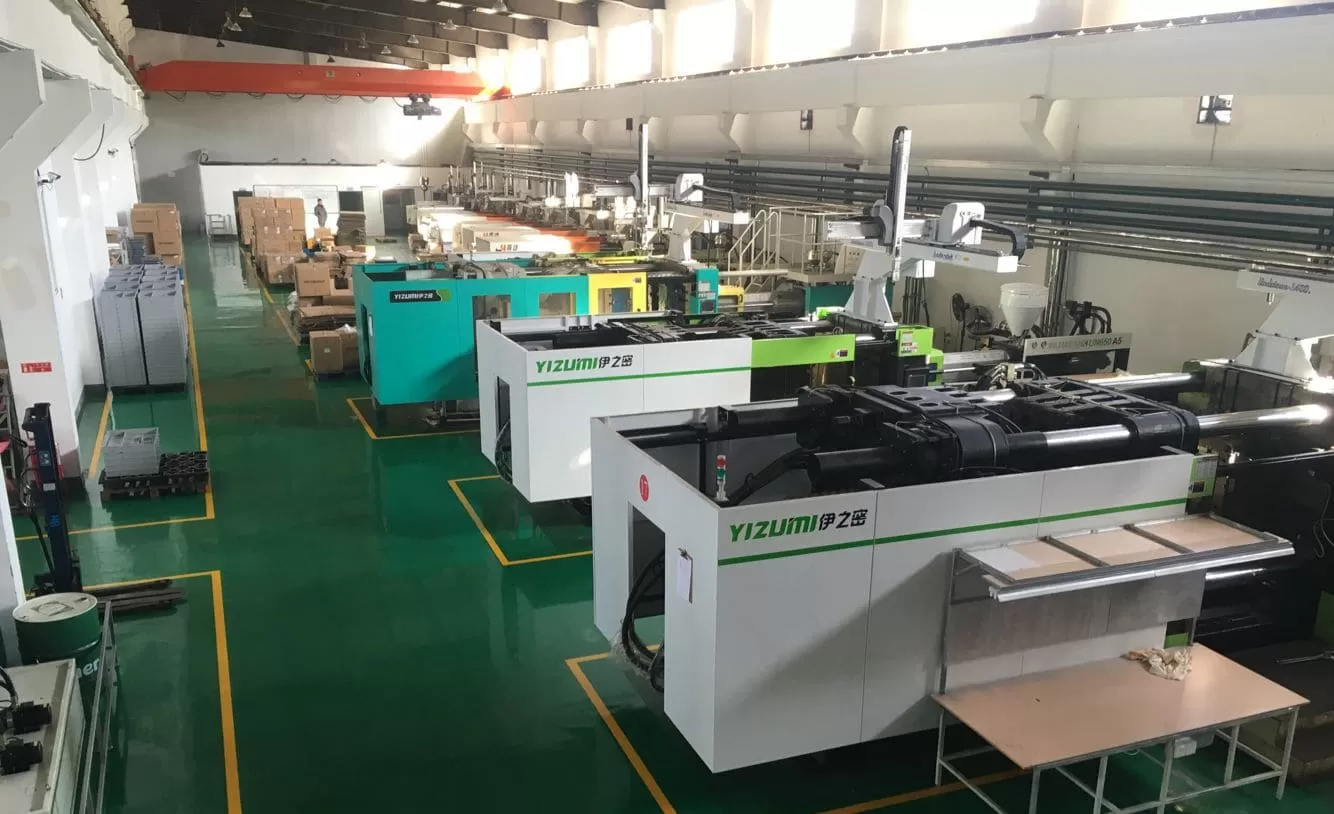
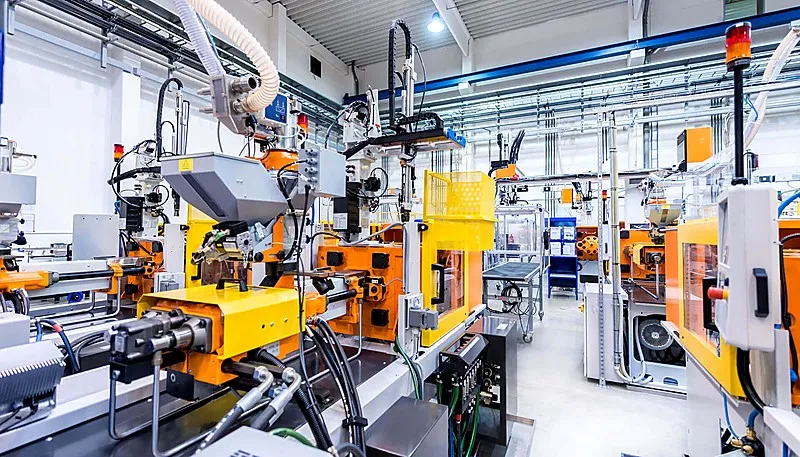
На нашем заводе в Шанхае работают 47 машин для литья под давлением с усилием смыкания от 90T до 1850T. Этот диапазон позволяет нам производить всё: от микропресс-форм для медицинских компонентов до крупных автомобильных деталей — под одной крышей и с выделенными руководителями проектов, которые отслеживают каждый контрольный этап изготовления оснастки.
| Контрольный этап | Сроки | Результат | Действие покупателя |\n|---|---|---|---|\n| Изготовление образцов T1 | Неделя 8–10 | Отчёт о размерах с образцами | Утвердить или запросить изменения |\n| FAI / PPAP | Неделя 10–12 | Полный отчёт о контроле, технологические карты | Подписать разрешение на производство |\n| Разрешение на производство | Неделя 12–14 | Первый производственный запуск с данными SPC | Утвердить дальнейшее производство |
Понимание каждого контрольного этапа помогает формировать реалистичные ожидания и избегать наиболее распространённых ошибок управления проектами, которые задерживают поставку пресс-формы.
Общий срок от проверки конструкции до разрешения на производство обычно составляет от 8 до 14 недель для стандартной пресс-формы. Изготовление сложных пресс-форм с боковыми механизмами, наклонными толкателями или многогнёздной компоновкой может занять от 14 до 20 недель. Главное, чтобы каждый контрольный этап имел чёткий критерий перехода: покупатель проверяет конкретные результаты и предоставляет письменное утверждение до того, как поставщик продолжит работу.
Как отслеживать ход производства после утверждения оснастки?
Существует три основных способа отслеживать производство: еженедельные панели показателей, показатели своевременной поставки и разбивка сроков поставки.
Утверждение оснастки — не финишная черта. Это стартовый сигнал для производства. После квалификации пресс-формы акцент смещается с выполнения проекта на текущее управление производством и обеспечение качества.
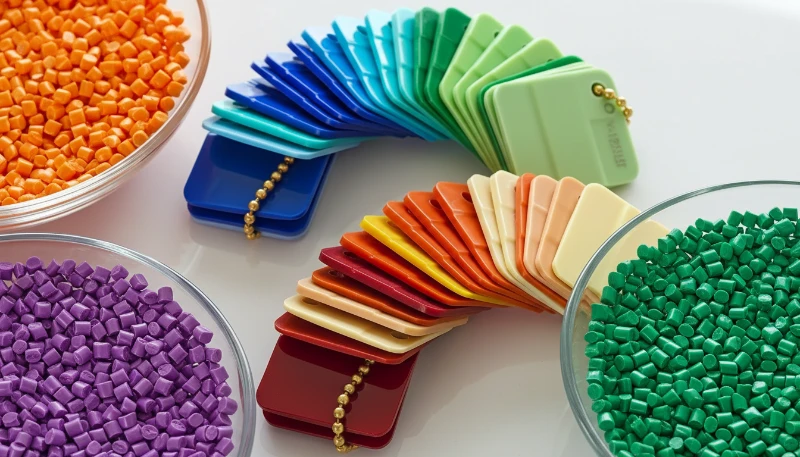
Прежде чем переходить к методам отслеживания, убедитесь, что поставщик задокументировал полную спецификацию материала и зафиксировал параметры процесса. Марка материала, целевой диапазон показателя текучести расплава, содержание красителя и требования к сушке влияют на стабильность производства. Поставщик, который меняет партии материала или корректирует параметры процесса между запусками, не сообщая вам, вызовет отклонение размеров, которое не сможет объяснить ни одна панель показателей.
Отслеживание по отдельным гнёздам особенно важно для многогнёздных пресс-форм, выпускающих ответственные детали.
Панели производственных показателей: запрашивайте еженедельные или выходящие раз в две недели отчёты о состоянии производства, которые содержат объём заказа, количество незавершённого производства WIP (Work In Progress), количество готовой продукции и запланированную дату отгрузки. Так вы сможете видеть, соблюдается ли график выполнения заказа, не дожидаясь даты отгрузки, чтобы узнать о задержке.
Для многогнёздных пресс-форм по возможности запрашивайте данные по отдельным гнёздам. В пресс-форме с 8 гнёздами одно или два гнезда могут производить детали, не соответствующие требованиям, в то время как остальные работают нормально. Без отслеживания по отдельным гнёздам вы увидите только среднее значение и не заметите конкретные гнёзда, требующие обслуживания или регулировки. Такая детализация отличает поставщиков, которые действительно управляют производством, от тех, кто просто выпускает детали.
Разбивка сроков поставки: типичный производственный заказ на литьё под давлением проходит следующую последовательность: закупка материала по руководству по поиску поставщика литья под давлением (от 5 до 10 дней), планирование производства (от 1 до 3 дней), цикл литья (зависит от количества и времени цикла), контроль качества (от 1 до 2 дней), упаковка и доставка (от 2 до 5 дней). Понимание этой разбивки помогает определить, где именно возникают задержки, а не просто констатировать задержку отгрузки.
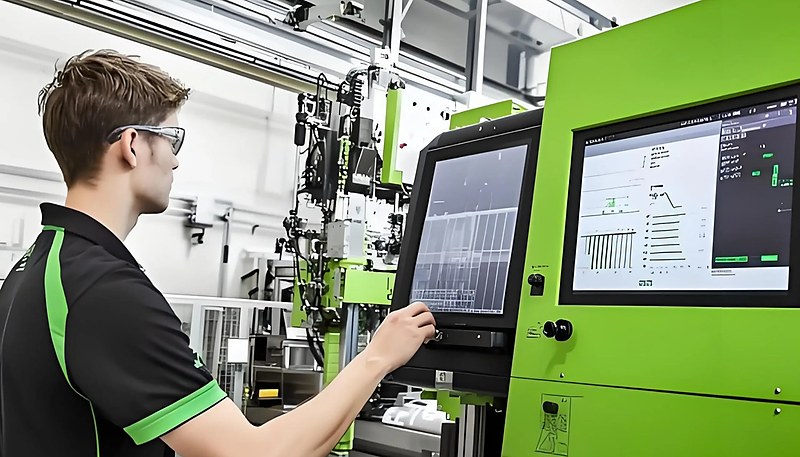
Прозрачность планирования производства — ещё один критически важный элемент отслеживания. Попросите поставщика предоставить производственный план, в котором указано, когда ваш заказ запланирован на каждой машине, включая предполагаемую дату начала, время цикла и планируемое завершение. Такая детализация помогает понять не только то, соблюдается ли график вашего заказа, но и существуют ли конфликты в расписании или узкие места, которые могут вызвать задержки ещё до их фактического возникновения.
Отслеживание своевременной поставки: отслеживайте OTD (On-Time Delivery) как скользящий показатель для последних 10, 20 и 50 заказов. Поставщик, который стабильно обеспечивает OTD на уровне от 85 до 90%, поддаётся управлению. Для поставщика, у которого показатель падает ниже 80%, нужен план корректирующих действий или замена. Не полагайтесь на устные заверения, отслеживайте данные.
Фотографии и видео WIP: для ответственных заказов запрашивайте фотографии процесса, показывающие детали на производственной линии, выполнение контроля и упакованные товары, готовые к отгрузке. Это стандартная практика для поставщиков с хорошим управлением, которая требует от них минимальных усилий.
Какие правила коммуникации помогают соблюдать график проекта?
Мы усвоили этот урок на собственном горьком опыте за 20+ лет. Сегодня в нашу команду входят 30+ англоговорящих руководителей проектов, которые служат едиными точками контакта для международных покупателей, поскольку самый быстрый способ сорвать проект по изготовлению оснастки — допустить потерю информации при переводе.
Подходящие правила коммуникации зависят от сложности проекта, но существует базовый порядок, которому должен следовать каждый проект по литью под давлением. Вот что работает на практике:
Еженедельные совещания о состоянии на этапе изготовления оснастки: звонок длительностью от 15 до 30 минут или структурированное электронное письмо каждую неделю с описанием текущего контрольного этапа, возникших проблем, фотографиями хода работ и дальнейшими действиями. Такая периодичность позволяет выявлять проблемы, пока они ещё невелики. На этапе производства проверок раз в две недели или раз в месяц обычно достаточно, если нет проблем с качеством.
Структурированный формат отчётности: не принимайте неструктурированные обновления по электронной почте. Настаивайте на стандартном формате, охватывающем состояние контрольных этапов, соблюдение графика (по плану, под угрозой или с задержкой), открытые проблемы с указанием ответственного и срока, а также фотодокументацию. Это позволяет с первого взгляда выявлять проблемы, не читая длинные абзацы текста.
Единая точка контакта: в каждом проекте должен быть один назначенный руководитель проекта со стороны поставщика и один со стороны покупателя. Вся коммуникация проходит через этих двух людей. Это предотвращает ситуацию, когда все думают, что проблемой занимается кто-то другой, хотя на самом деле ею не занимается никто.
Порядок эскалации: определите, что происходит при разногласии или критической проблеме. Кто имеет полномочия утверждать доработку? Кто может разрешить увеличение затрат? Кто решает остановить производство? Предварительное определение этих полномочий предотвращает бездействие при возникновении проблем, а они возникают всегда.
"Еженедельные фотографии хода работ из производственного цеха могут предотвратить большинство неожиданностей при изготовлении оснастки."True
Визуальная документация на каждом контрольном этапе заранее предупреждает покупателей о проблемах, которые упускают текстовые отчёты. Фотографии хода обработки на станках CNC, электроэрозионной обработки электродами и сборки пресс-формы выявляют проблемы за несколько недель до изготовления образцов T0.
"После утверждения оснастки дальнейшие проверки качества во время производства не нужны."False
Утверждение оснастки на этапе T1 лишь подтверждает, что пресс-форма может производить качественные детали в контролируемых условиях. Со временем износ гнёзд, отклонение процесса и различия между партиями материалов вызывают изменения размеров. Необходимы постоянный мониторинг SPC и периодический контроль.
Как решать проблемы с качеством во время производства?
Проблемы с качеством в производстве — вопрос не в том, возникнут ли они, а в том, когда это произойдёт. Хорошо и плохо управляемые проекты различаются скоростью выявления и устранения проблем. Вот структурированный подход:
Выявление: чем раньше вы обнаружите проблему с качеством, тем дешевле её исправить. По нашему опыту производства на нашем предприятии в Шанхае, наиболее эффективный подход — выстраивание многоуровневых контрольных точек. Используйте внутрипроцессный мониторинг с датчиками давления в гнёздах и отслеживанием времени цикла, контроль оператором у пресса с визуальными и размерными проверками через каждые N деталей, а также окончательный контроль перед упаковкой с выборкой AQL в соответствии с ISO 2859. Если вы обнаруживаете проблемы только при окончательном контроле, вы уже опоздали.
Анализ первопричин: при обнаружении дефекта не переходите к корректирующим действиям до понимания первопричины. Используйте метод 5-Why или диаграмму Исикавы, чтобы проследить дефект до его источника. К распространённым первопричинам в литье под давлением относятся изношенные вставки гнёзд, вызывающие отклонение размеров, загрязнение материала, вызывающее серебрение или изменение цвета, сдвиги параметров процесса, вызывающие коробление или облой, и сокращение времени охлаждения, вызывающее утяжины или пустоты.
Документация по качеству — ваш страховой полис. Требуйте от поставщика вести записи о контроле для каждого производственного запуска, включая данные контроля первой детали, внутрипроцессные карты SPC и отчёты об окончательном контроле. Эта документация служит двум целям: она обеспечивает прослеживаемость, если проблема с качеством обнаружится после доставки, и предоставляет данные о тенденциях, позволяющие выявить постепенное отклонение процесса до появления деталей, не соответствующих требованиям.
CAPA (Corrective and Preventive Action): задокументируйте первопричину, корректирующее действие и предупреждающие меры. Потребуйте от поставщика обновить план управления процессом. Отслеживайте эффективность корректирующего действия в течение следующих от 3 до 5 производственных запусков. CAPA без проверки — всего лишь бумажная формальность.
"Чёткая проверка конструкции пресс-формы до резки стали экономит больше времени, чем любое исправление после T0."True
Изменения на этапе проектирования пресс-формы представляют собой правки CAD, которые занимают несколько часов. Изменения после резки стали требуют сварки, повторной механической обработки или замены вставок, причём каждое из этих действий занимает от нескольких дней до нескольких недель. Этап проверки конструкции обеспечивает максимальную отдачу от затраченного времени.
"Крупные поставщики с большим количеством машин всегда обеспечивают лучшее управление проектами."False
Возможности управления проектами зависят от зрелости процессов и инфраструктуры коммуникации, а не от размера завода. Мы видели, как предприятия с 10 прессами и строгим отслеживанием контрольных этапов превосходили заводы со 100 прессами, где проекты терялись в организационной сложности.
Когда следует сменить поставщика литья под давлением?
Смена поставщиков требует значительных расходов и нарушает рабочие процессы, но продолжение работы с проблемным поставщиком обычно обходится дороже. Вот как оценить это решение:
Тревожные сигналы, требующие серьёзного разговора: падение OTD ниже 80% в течение 3 или более последовательных заказов, повторное попадание дефектной продукции к покупателю, требующее сортировки или доработки на его стороне, отсутствие ответа по критическим вопросам в течение 48+ часов или несанкционированные изменения материалов, процессов либо субпоставщиков.
Тревожные сигналы, требующие немедленных действий: критические для безопасности дефекты в отгруженных деталях, признаки фальсификации отчётов о контроле, отказ предоставить документацию CAPA или существенные признаки финансовой нестабильности.
Анализ стоимости смены: учтите логистику переноса оснастки, время квалификации у нового поставщика (обычно от 4 до 8 недель для FAI и PPAP), риск перерыва в производстве во время перехода и договорные обязательства перед текущим поставщиком. Во многих случаях структурированная программа улучшений с текущим поставщиком работает быстрее и обходится дешевле полной смены, но только если поставщик действительно стремится к улучшению.
Часто задаваемые вопросы
Что включает управление проектами в литье под давлением?
Управление проектами в литье под давлением охватывает все действия по координации между покупателем и его поставщиком, начиная с первого контакта и заканчивая текущим производством. Сюда входят проверка конструкции и обратная связь по DFM, утверждение конструкции пресс-формы, отслеживание хода изготовления оснастки, координация изготовления образцов на этапах T0 и T1, подготовка документации FAI и PPAP, планирование и мониторинг производства, контроль качества и текущее управление поставками. Эффективное управление проектами не позволяет упустить ничего при переходе между этими этапами, защищая в долгосрочной перспективе и ваш график, и инвестиции в оснастку.
Сколько времени занимает типичный проект по изготовлению оснастки для литья под давлением?
Стандартная одногнёздная пресс-форма обычно требует от 8 до 12 недель с момента проверки конструкции до разрешения на производство. Для более сложной оснастки с несколькими гнёздами, боковыми механизмами, наклонными толкателями или жёсткими допусками для медицинских и автомобильных применений этот срок может увеличиться до 14–20 недель и более. Крупные программы с несколькими единицами оснастки, включающие семейные пресс-формы или последовательное изготовление, могут занять 24 недели или больше. Критически важно, чтобы каждый контрольный этап имел чёткий критерий утверждения с определёнными результатами: это делает общий график предсказуемым и позволяет избежать дорогостоящих неожиданностей ближе к концу проекта.
Что такое T0 и T1 в литье под давлением?
T0, или Trial 0, — это самая первая отливка из новой пресс-формы, обычно с использованием любого доступного материала для проверки правильности базовой геометрии и работы пресс-формы. T1, или Trial 1, — это первый официальный цикл изготовления образцов с использованием материала, предназначенного для серийного производства, всех параметров процесса и полного размерного контроля. Образцы T1 — это детали, которые вы фактически оцениваете для утверждения качества до разрешения на производство. В большинстве проектов между T0 и T1 требуется как минимум одна доработка для точной настройки размеров и параметров процесса.
Как отслеживать мой производственный заказ на литьё под давлением?
Запрашивайте еженедельный или выходящий раз в две недели отчёт о состоянии производства, который содержит объём заказа, количество незавершённого производства, количество готовых деталей и предполагаемую дату отгрузки. Для ответственных или срочных заказов запрашивайте фотографии процесса на ключевых этапах, таких как подготовка материала, выполнение литья и окончательный контроль перед упаковкой. Отслеживайте показатель своевременной поставки вашего поставщика как скользящий показатель для последних 10–20 заказов, чтобы выявить негативные тенденции до того, как они превратятся в серьёзные проблемы, влияющие на ваш последующий график сборки или распределения и обязательства перед клиентами.
Что должен содержать отчёт поставщика о ходе работ?
Надлежащий отчёт поставщика о ходе работ должен содержать текущее состояние контрольного этапа с процентом выполнения и данные о соблюдении графика, указывающие, идёт ли проект по плану, находится под угрозой или уже задержан, с конкретными причинами любой задержки. В нём должны быть перечислены открытые проблемы с назначенным ответственным и целевым сроком устранения, приведена фотодокументация незавершённых работ, особенно во время изготовления оснастки, а также чётко выделены все решения или утверждения, необходимые со стороны покупателя. Не принимайте неструктурированные повествовательные обновления, требуйте этот стандартизированный формат для последовательного отслеживания.
Как часто следует связываться с поставщиком литья под давлением?
На активном этапе изготовления оснастки еженедельные обновления состояния — абсолютный минимум для эффективного контроля всего проекта. После того как производство войдёт в стабильный ритм, для плановых повторных заказов обычно достаточно проверок раз в две недели или раз в месяц. Однако при проблемах с качеством, запуске новых изделий или срочных заказах следует перейти на ежедневную коммуникацию до полного разрешения ситуации. Самый важный фактор — установить стабильный ритм коммуникации с поставщиком, а не полагаться на разовые контакты между командами.
Что такое PPAP в литье под давлением?
PPAP расшифровывается как Production Part Approval Process — стандартизированная система качества, первоначально разработанная для автомобильной промышленности и подтверждающая способность поставщика стабильно производить детали, соответствующие всем техническим требованиям к конструкции, при полном объёме производства и штатной скорости процесса. Полный комплект документов PPAP включает результаты измерений отобранных деталей, сертификаты исходного материала от поставщика смолы, блок-схемы процесса с каждым этапом производства, документацию по анализу видов и последствий отказов, а также исследования воспроизводимости процесса с данными Cpk, подтверждающими статистическое управление критическими размерами готовой отлитой детали.
Что делать с задержками со стороны поставщика литья под давлением?
Начните со сбора конкретных данных о ситуации: точно определите, что задерживается, на сколько дней или недель, и выявите первопричину задержки в вашем проекте по литью под давлением. Затем потребуйте от поставщика письменный план восстановления графика с пересмотренными целевыми датами и конкретными мерами по снижению последствий, которые он немедленно реализует. Далее, если задержки повторяются в нескольких заказах, направьте официальный запрос на корректирующие действия с документальными подтверждениями закономерности. Наконец, оцените, не указывают ли повторяющиеся задержки на системную проблему, которая требует поиска более надёжного альтернативного поставщика для ваших текущих производственных потребностей.
Нужен поставщик, который относится к управлению проектами так же серьёзно, как и вы?
Найти поставщика литья под давлением, способного изготовить пресс-форму, легко. Найти поставщика, который соблюдает график вашего проекта, заблаговременно сообщает о проблемах и обеспечивает стабильное качество от запуска к запуску, сложнее. Благодаря 20+ годам опыта, 30+ англоговорящим руководителям проектов и собственному цеху пресс-форм, выпускающему 100+ комплектов пресс-форм в месяц, у нас есть инфраструктура для управления вашим проектом от первой проверки конструкции до миллионной детали. Запросите бесплатное коммерческое предложение, и мы покажем вам, как выглядит структурированное управление проектами на практике.
**FAI**: FAI означает First Article Inspection (FAI): проверку того, что производственный процесс выпускает соответствующие требованиям детали ↩
**PPAP**: PPAP означает Production Part Approval Process (PPAP): стандартизированную систему квалификации поставщика ↩
**SPC**: SPC означает Statistical Process Control (SPC): мониторинг производственного процесса с использованием статистических методов ↩