...

ABS Injection Molding Processing Guide: Parameters, Design, and Quality Control

• ZetarMold Engineering Guide
• Plastic Injection Mold Manufacturing Since 2005
• Built by ZetarMold engineers for buyers comparing mold and molding solutions.

要点
  • 「ABSは、銀条痕やスプレー欠陥を防ぐために、射出成形前に水分を0.1%以下に乾燥させる必要があります。」
  • Standard ABS shrinkage is 0.4–0.8%, significantly lower than PE or PP, enabling tighter dimensional tolerances with less mold compensation.
  • ABS is the most widely used engineering plastic for consumer electronics, automotive interiors, and appliance housings due to its superior impact resistance and electroplating compatibility.
  • ABS wall thickness should be maintained at 1.5–4.0 mm with a maximum variation ratio of 3:1 to prevent sink marks, warpage, and flow hesitation.
  • Post-mold ABS surfaces accept painting, electroplating, vacuum metallizing, and pad printing without adhesion promoters, making it the preferred material for decorated parts.

What Is ABS and Why Does It Dominate Engineering Plastics?

あなたは今、見積依頼を受け取りました ABS1 housing for a consumer device, and getting the parameters right is critical. ABS (Acrylonitrile Butadiene Styrene) is an amorphous engineering thermoplastic that delivers a balanced combination of impact resistance, stiffness, chemical resistance, and processability that no single-component polymer achieves alone. The three monomers contribute specific properties: acrylonitrile provides chemical resistance and heat stability; butadiene rubber particles (0.1–1.0 µm diameter) absorb impact energy through cavitation and crazing mechanisms; styrene contributes rigidity, surface gloss, and melt flow properties that make ABS one of the most injection-moldable engineering materials available.

Standard ABS grade properties span: tensile strength 40–55 MPa, flexural modulus 2,000–2,700 MPa, notched Izod impact strength2 100–400 J/m, heat deflection temperature3 0.4〜0.8%の範囲内であり、最大保持圧力設定時でも表面の凹みが生じる可能性があります。肉厚部分が避けられない場合は、内部から中抜き加工を行い、均一なシェル形状を実現してください。 sourcing guide before awarding a production tool. In our factory, ABS accounts for approximately 25% of total resin consumption across all injection molding machines.

🏭 ZetarMold Factory Insight
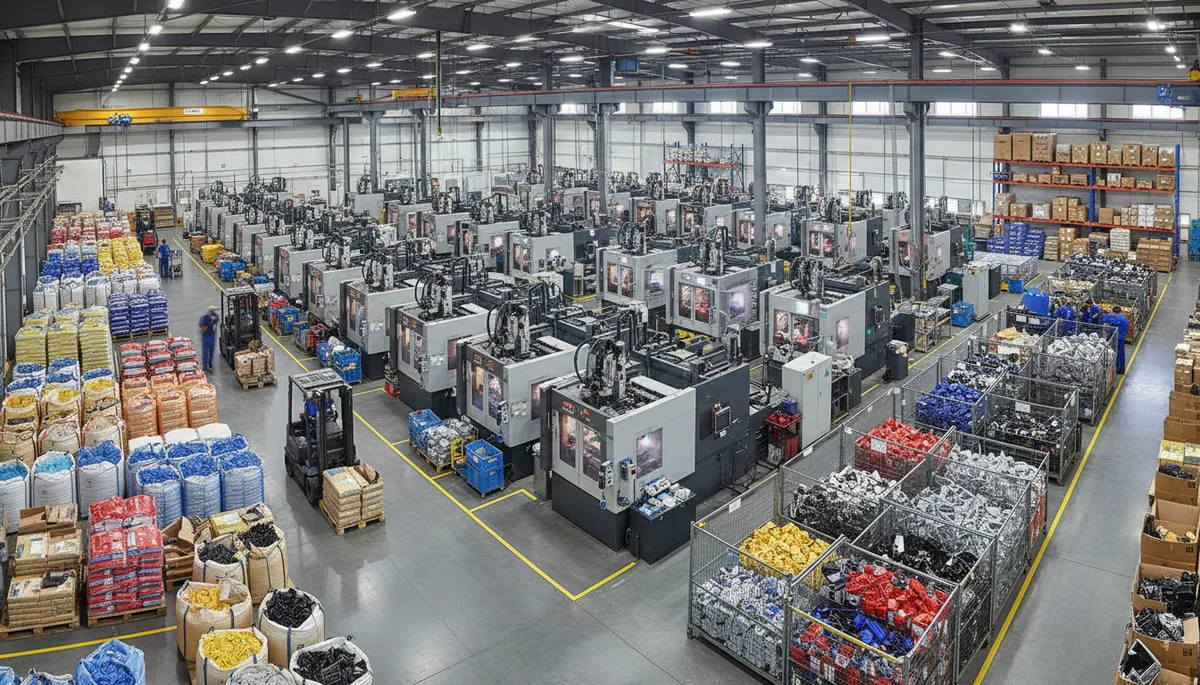
In our factory in Shanghai, ZetarMold runs 47 injection molding machines from 90T to 1850T and has experience with 400+ plastic materials. For ABS projects, that range matters because the same resin behaves differently on small housings, thick covers, cosmetic parts, and production tools.

What Are the Critical ABS Injection Molding Process Parameters?

Melt temperature for ABS 射出成形 ranges from 200–260°C depending on grade and application. Standard general-purpose ABS processes at 220–240°C, while high-impact grades run at the lower end (200–220°C) to preserve the butadiene rubber phase, and high-flow grades process at 230–250°C. Exceeding 270°C causes thermal degradation of the butadiene phase, producing discoloration, poor impact strength, and volatile emissions. The nozzle temperature should be set 5–10°C above the front zone to prevent freeze-off.

Mold temperature for ABS is set at 40–80°C depending on surface finish requirements. Higher mold temperatures (60–80°C) produce glossy surfaces with Ra 0.025–0.1 µm when used with polished steel cavities, and improve weld line strength by 10–15% compared to cold molds. Lower mold temperatures (40–50°C) reduce cycle time but may produce stress whitening, visible weld lines, and internal residual stresses that increase the risk of stress cracking in service. For electroplated ABS parts, mold temperature of 60–70°C is mandatory to ensure adequate adhesion quality.

ABS Injection Molding Process Parameters
パラメータ Standard ABS High-Impact ABS High-Flow ABS
溶融温度 220–240°C 200–220°C 230–250°C
金型温度 40–80°C 40–70°C 40–60°C
射出圧力 70–120 MPa 60–110 MPa 60–100 MPa
保持圧力 40–70% of injection 35–65% of injection 35–60% of injection
冷却時間 15–40 s 10–30 s 10–25 s
背圧 5–15 MPa 5–12 MPa 3–10 MPa
スクリュー速度 30–70 RPM 25–60 RPM 40–80 RPM
Pre-drying 80°C, 2–4 hours 80°C, 2–4 hours 80°C, 2–4 hours

ABS射出成形には事前乾燥が必須です。ABSは吸湿性があり、環境湿度と温度に依存する速度で大気中から水分を吸収します。0.1%を超える水分を含む未乾燥ABSは、銀条痕、スプレーマーク、表面粗さ、機械的特性の低下を引き起こします。標準乾燥プロトコルは露点-25°C以下の除湿ホッパードライヤーで80°C・2〜4時間です。80%相対湿度では、ABSはホッパー曝露後2〜4時間で問題レベル(>0.1%)の水分を吸収可能です。生産中の連続的な乾燥剤による乾燥が不可欠です。サイクル計画では、乾燥時間、冷却時間、 射出成形の生産時間 together.

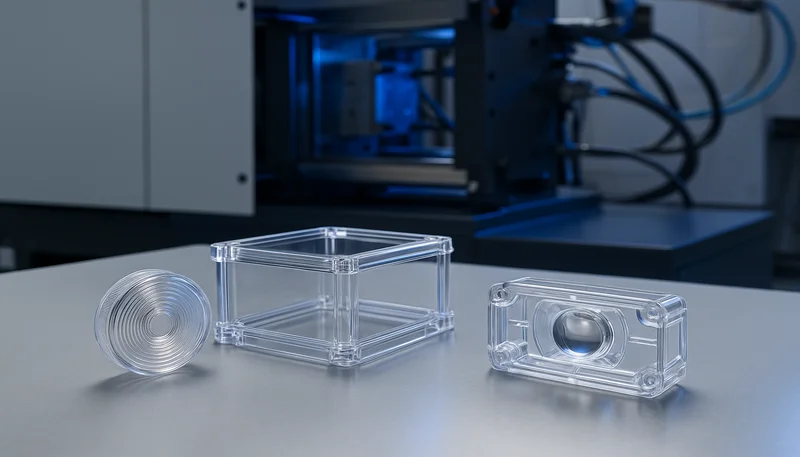
ABS injection molded parts showing various consumer product components
ABS molded parts

How Should ABS Parts Be Designed for Injection Molding?

Wall thickness is the most critical ABS part design parameter. Recommended ABS wall thickness is 1.5–4.0 mm, with an optimal range of 2.0–3.0 mm for structural consumer parts. We recommend locking the nominal wall before gate design because late wall changes can disturb fill balance and cooling. Walls below 1.5 mm require high injection speeds that increase shear stress and may cause surface defects. Walls above 4.0 mm develop sink marks from ABS 成形収縮率 of 0.4–0.8% and may show surface depressions even at maximum holding pressure settings. When thick sections are unavoidable, core them out from inside to achieve uniform shell geometry.

Draft angles for ABS injection molded parts should be 1°–2° per side for smooth surfaces, increasing to 2°–3° for light texture (MT 11020/SPI C1) and 3°–5° for heavy texture (MT 11030/SPI D2). Insufficient draft causes part drag, ejection marks, and surface scratching on the as-molded surface. ABS sticks to mold steel more aggressively than PE or PP, making adequate draft even more important. 射出成形金型 design guidelines recommend adding 0.5° additional draft per 25 mm of wall depth for deep-draw ABS features.

How Should Bosses, Ribs, and Snap-Fits Be Sized in ABS Parts?

Boss design for ABS follows the 0.6:1 ratio rule: boss wall thickness should be 60% of the nominal wall thickness to prevent sink marks on the opposite surface. Boss height should not exceed 3× the boss outer diameter without reinforcing ribs. Gussets connecting bosses to walls should be 50% of nominal wall thickness. For screw-receiving bosses, the outer diameter should be 2.0–2.2× the screw thread diameter to provide adequate pull-out strength without cracking the ABS under installation torque.

Rib design in ABS injection molded parts follows the same 0.6:1 rule: rib thickness at the base should be no more than 60% of the nominal wall to prevent visible sink marks on the opposite cosmetic surface. Rib height is typically limited to 3× the nominal wall thickness for structural ribs, and ribs should taper with at least 0.5° draft per side for clean ejection. Corner radii at rib bases should be 0.25–0.5× the nominal wall thickness to reduce stress concentration that could cause rib-to-wall cracking under repeated loading.

ABSにおけるスナップフィット設計は、材料の剛性と破断伸び(5〜20%)の良好なバランスを活用します。ABS用カンチレバースナップフィットは、永久スナップで最大たわみ時のひずみ1.5〜2.5%、一時的単一組み立てスナップで3〜4%となるよう設計されます。完全噛み合わせ時のひずみは、スナップ根部の永久変形や白化を避けるためABS降伏ひずみを下回る必要があります。スナップフィットビームに先端を細く根部を太くする漸進テーパーを追加すると、ひずみがビーム全体に均一に分散され、局所ひずみ限界を超えずに許容たわみ量を増加させます。

ABS injection molding production line with finished components
ABS production line

「ABSは射出成形前に0.1%以下の水分に乾燥させる必要があり、銀条痕やスプレー欠陥を防止します。」

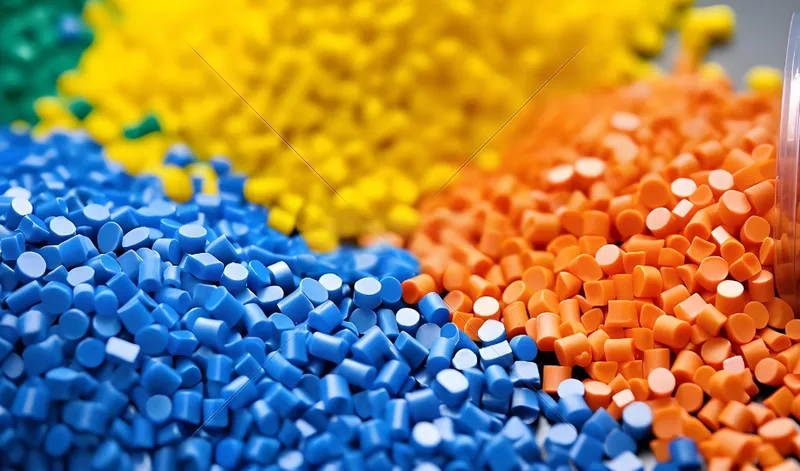
表面仕上げとデザイン品質を実証する様々なABS射出成形品

「ABS射出成形では、金型温度設定に関わらず同一の表面品質が得られます。」

Mold temperature has a profound effect on ABS surface quality. At cold mold temperatures (40°C), ABS cools rapidly upon cavity contact, producing higher surface roughness, more visible weld lines, and potential stress whitening. At higher mold temperatures (60–80°C), the melt stays fluid longer against the cavity surface, improving replication of fine cavity detail and producing glossier, smoother surfaces. For electroplated or painted ABS parts, mold temperature of 60–70°C is mandatory to achieve the surface quality required for adhesion of plating or paint.

What Post-Processing Treatments Work Best for ABS?

ABS is the premier material for electroplating among injection molding resins. The butadiene rubber phase is selectively etched by chromic acid (hexavalent chrome) or proprietary non-chrome etchant solutions, creating a micro-porous surface that provides mechanical anchoring for subsequent nickel and chrome plating layers. ABS electroplated with decorative chrome achieves plating adhesion of 8–12 N/cm (peel test), far exceeding the 5 N/cm minimum specification for automotive interior trim. Not all ABS grades are platable — only designated plating grades (typically with butadiene content 15–20%) meet the etch uniformity requirements.

Painting ABS requires no adhesion primer on most properly molded surfaces — solvent-based and water-based paints bond directly to clean, grease-free ABS with excellent adhesion. Spray painting, pad printing, screen printing, and hot stamping are all widely used for ABS consumer products. For two-component (2K) polyurethane clear coats, the ABS surface must be free of mold release residue, which requires alcohol wiping before coating. Laser engraving of ABS produces sharp, white-contrasted characters in molded black or dark-colored parts.

「ABSはブタジエン相がめっき層の機械的密着を可能にするため、めっき部品の優先射出成形材料です。」

During ABS electroplating, chromic acid etching selectively attacks and removes the butadiene rubber particles from the surface, creating a network of micro-pores (0.5–5 µm diameter) that act as mechanical anchors for the subsequent electroless nickel and electrolytic chrome layers. This unique morphological feature of ABS gives it far superior plating adhesion compared to other amorphous plastics like polycarbonate or polystyrene, which lack the etching-responsive phase. ABS plating adhesion (8–12 N/cm) meets automotive interior grade specifications.

「すべてのABSグレードは同等の性能でめっき加工が可能です。」

「めっきグレード」として指定された特定のABSグレードのみが、高密着めっきに必要な均一なエッチングを達成します。めっきグレードは15〜20%のブタジエン含有量と、厳密に制御されたゴム粒子サイズ・分布を有します。汎用・耐熱・難燃ABSグレードは、エッチングプロセスを妨げる改質ゴム形態や添加剤パッケージを含むため、不均一なエッチング、密着不良、または膨れの原因となります。めっき用途への不適切なABSグレード選択は、完成品でのみ発現する一般的で高コストなミスであり、全ての金型部品の交換を必要とします。

What Are Common ABS Injection Molding Problems and Solutions?

Common abs injection molding problems and solutions are the main categories or options explained in this section. Delamination on ABS parts — where the surface appears to have separating layers that peel like book pages — is almost always caused by material contamination. Even 0.1% contamination with an incompatible material (PP, PE, or silicone from mold release) creates delamination visible on the finished surface. Purging the barrel with a commercial purging compound before ABS runs, avoiding silicone-based mold releases, and strict material handling protocols prevent contamination delamination. Once contamination enters the barrel, it can persist through 50–100+ shots.

Stress cracking of ABS parts in service is caused by residual molding stress combined with environmental stress cracking agents such as greases, cleaning solvents, or aromatic chemicals. Reducing residual stress by lowering holding pressure, extending cooling time, and annealing parts at 70–80°C for 2–4 hours after molding significantly improves stress crack resistance. In our factory, we perform annealing on critical ABS parts destined for chemical-exposure environments — it adds cost but eliminates field failures. Thermoplastic grade selection also matters: high-impact ABS grades with higher butadiene content are more resistant to environmental stress cracking than standard grades.

Various ABS injection molded products demonstrating surface finish and design quality
ABS product range

Frequently Asked Questions About ABS Injection Molding

What is the ideal melt temperature for ABS injection molding?

The ideal ABS melt temperature depends on the specific grade and application. Standard general-purpose ABS processes optimally at 220–240°C barrel temperature, measured at the front zone. High-impact ABS grades run at 200–220°C to preserve the butadiene rubber phase, which degrades above 240°C. High-flow ABS grades for thin-wall parts process at 230–250°C. The nozzle is typically set 5–10°C above the front zone. Exceeding 270°C causes visible degradation: yellowing, reduced impact strength, and volatile emissions. The rule of thumb is to use the lowest melt temperature that produces complete fill without surface defects.

How long should ABS be dried before injection molding?

標準的なABS乾燥プロトコルは、露点-25°C以下の除湿ホッパードライヤーで80°C・2〜4時間です。成形開始前の水分含有量は0.1%以下(理想的には0.05%以下)である必要があります。高い環境湿度(70%RH以上)では、不適切に保管されたABSはホッパー曝露後2〜4時間で問題となる水分レベルを吸収する可能性があるため、生産中の連続的な乾燥剤による乾燥が不可欠です。90°C以上または8時間を超える過乾燥は、スチレン相の酸化黄変を引き起こす可能性があります。特殊ABSグレードでは要件が異なる場合があるため、常に特定の樹脂サプライヤーの乾燥推奨事項を確認してください。

Can ABS be used for outdoor applications?

Standard ABS has poor UV resistance — extended outdoor exposure causes surface chalking, color fading, and embrittlement within 6–12 months. For outdoor applications, UV-stabilized ABS grades containing ultraviolet absorbers (benzophenones, benzotriazoles) and HALS (hindered amine light stabilizers) extend outdoor service life to 3–5 years. ASA (Acrylonitrile Styrene Acrylate) is often specified instead of ABS for demanding outdoor applications, as its acrylate rubber phase is UV-stable while providing similar processability and mechanical properties. For painted outdoor ABS parts, UV-resistant topcoat selection is as important as resin UV stabilization.

What injection pressure is recommended for ABS?

ABS injection pressure typically ranges from 70–120 MPa for standard grades. Thin-wall parts (1.0–1.5 mm) may require up to 140 MPa to fill completely before gate freeze. The required injection pressure depends on part geometry (flow length-to-wall thickness ratio), melt temperature, injection speed, and gate size. A flow length-to-thickness ratio above 150:1 typically requires pressure above 100 MPa with standard ABS. Holding pressure is set at 40–70% of injection pressure and maintained until the gate freezes (typically 3–8 seconds for 1.5–3 mm gates) to prevent suck-back and sink marks.

How does ABS compare to PC/ABS blend for injection molding?

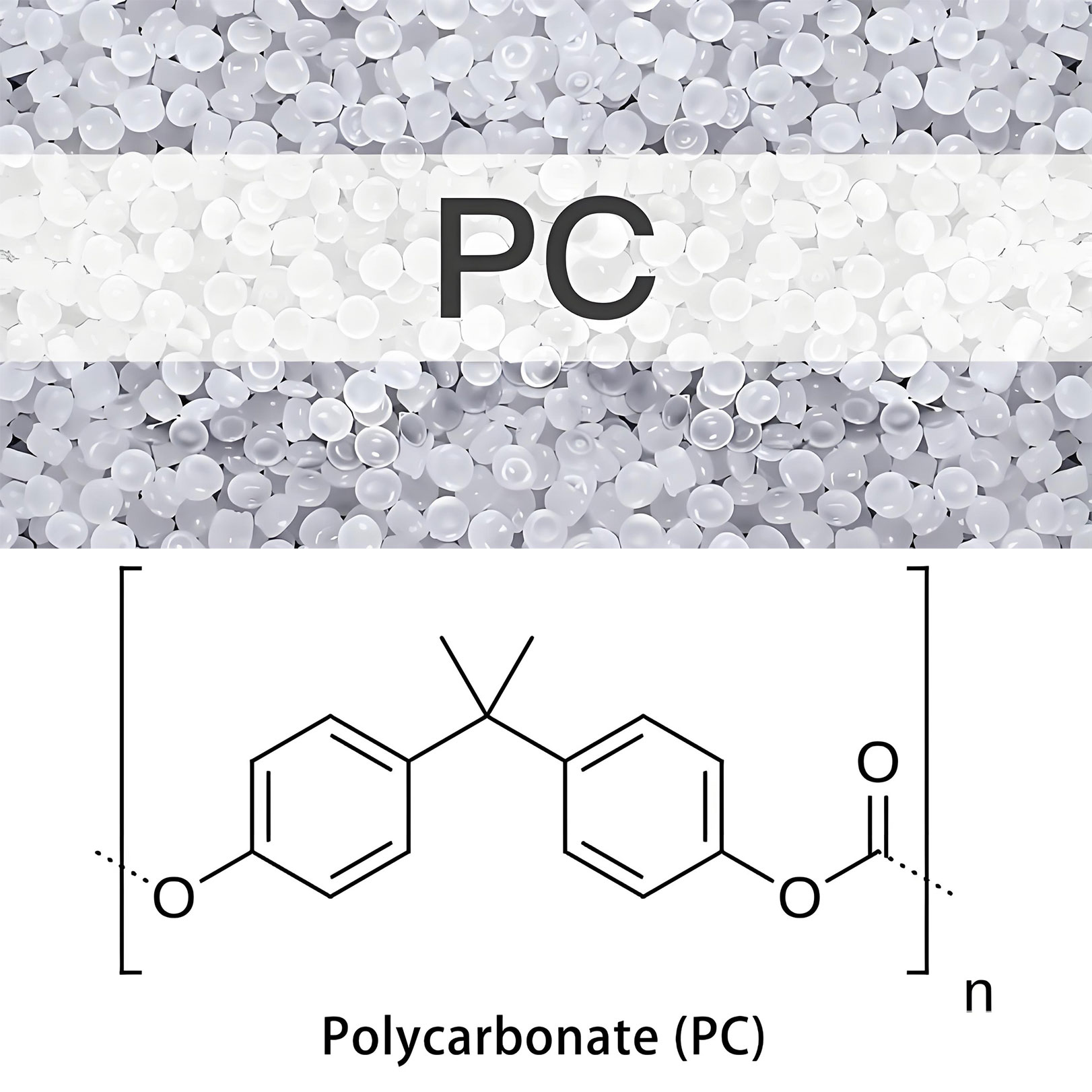
PC/ABS blends combine the superior heat resistance (HDT: 100–120°C) and impact strength of polycarbonate with the processability and surface quality of ABS. Pure ABS has HDT of 70–100°C and notched Izod of 100–400 J/m, while PC/ABS (20–70% PC content) achieves HDT of 100–115°C and notched Izod of 400–800 J/m. PC/ABS processes at higher temperatures (230–270°C) and requires longer drying (110°C, 4–6 hours). PC/ABS costs 30–60% more than standard ABS. For automotive interior parts, PC/ABS is often mandated for its superior temperature resistance. For consumer electronics where cost and plating compatibility are priorities, standard ABS is preferred.

What is the typical cycle time for ABS injection molding?

Typical ABS injection molding cycle time ranges from 15 to 60 seconds depending on part wall thickness, geometry complexity, and mold temperature. For a standard 2.5 mm wall thickness part on a well-optimized mold, total cycle time (mold close to mold open) is approximately 20–30 seconds, of which cooling time accounts for 60–70%. Thin-wall ABS parts (1.0–1.5 mm) can cycle in 10–15 seconds on high-speed machines. Thick-wall parts (4.0 mm+) may require 40–60 seconds to ensure adequate cooling and prevent ejection deformation. Optimizing cooling channel design in the mold and using higher mold temperatures with conformal cooling channels can reduce cycle time by 15–25% without sacrificing part quality.


  1. ABS: ABS (Acrylonitrile Butadiene Styrene) is an amorphous engineering thermoplastic defined as a terpolymer combining acrylonitrile for chemical resistance, butadiene rubber for toughness, and styrene for rigidity and processability.

  2. notched Izod impact strength: ノッチ付きアイゾット衝撃強度は、材料の急激な衝撃に対する抵抗性の尺度であり、振り子が試験片を打撃した際のノッチ断面積単位当たりの吸収エネルギーとして定義され、J/mまたはkJ/m²で測定されます。

  3. heat deflection temperature: 熱変形温度(HDT)は、定義された荷重下でポリマー試験片が規定量たわむ温度であり、ASTM D648に基づき摂氏度で測定され、材料の実用的な最高使用温度を示します。

最新の投稿
フェイスブック
ツイッター
LinkedIn
ピンタレスト
Mike Tangの写真
マイク・タン

Hi, I'm the author of this post, and I have been in this field for more than 20 years. and I have been responsible for handling on-site production issues, product design optimization, mold design and project preliminary price evaluation. If you want to custom plastic mold and plastic molding related products, feel free to ask me any questions.

私とつながる

クイック見積もり

図面および詳細要件を下記までお送りください。 

Emial:[email protected]

または下記のお問い合わせフォームにご記入ください:

クイック見積もり

図面および詳細要件を下記までお送りください。 

Emial:[email protected]

または下記のお問い合わせフォームにご記入ください:

クイック見積もり

図面および詳細要件を下記までお送りください。 

Emial:[email protected]

または下記のお問い合わせフォームにご記入ください:

クイック見積もり

図面および詳細要件を下記までお送りください。 

Emial:[email protected]

または下記のお問い合わせフォームにご記入ください:

クイック見積もり

図面および詳細要件を下記までお送りください。 

Emial:[email protected]

または下記のお問い合わせフォームにご記入ください:

ブランドのクイック見積もり

図面および詳細要件を下記までお送りください。 

Emial:[email protected]

または下記のお問い合わせフォームにご記入ください:

Спроситебыструюцитату。

Мы свяжемся с вами в течение одного рабочего дня, обратите внимание на письмо с суффиксом "[email protected]".

クイック見積もり

図面および詳細要件を下記までお送りください。 

Emial:[email protected]

または下記のお問い合わせフォームにご記入ください:

クイック見積もり

図面および詳細要件を下記までお送りください。 

Emial:[email protected]

または下記のお問い合わせフォームにご記入ください: