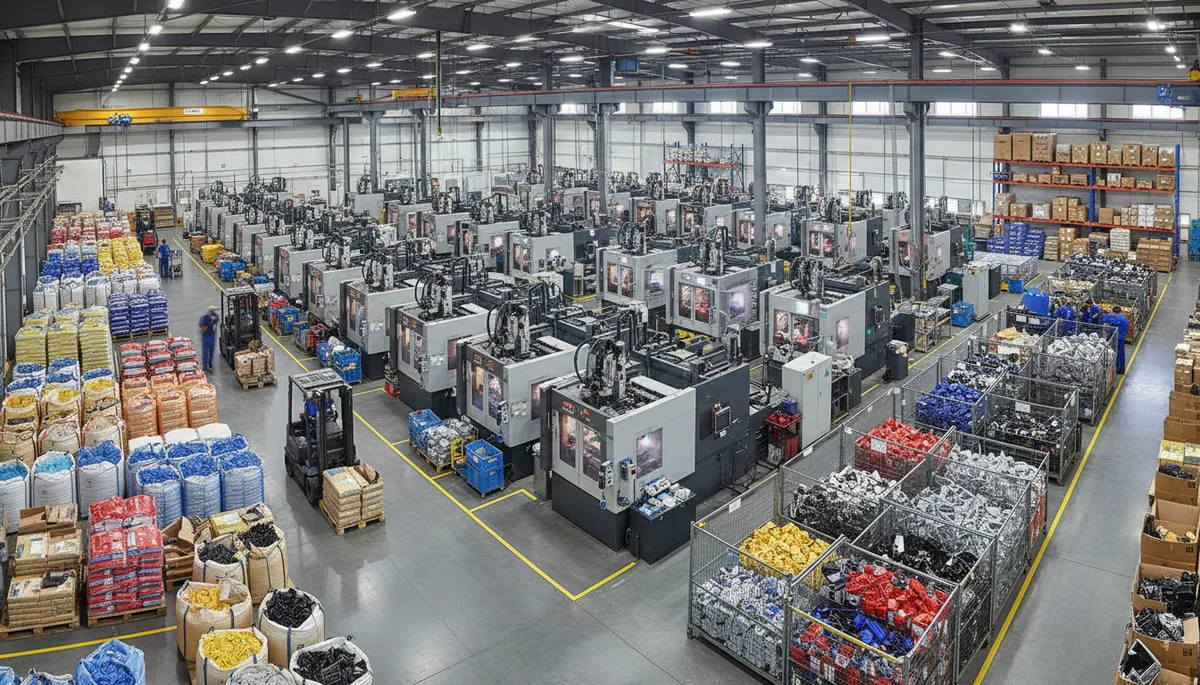
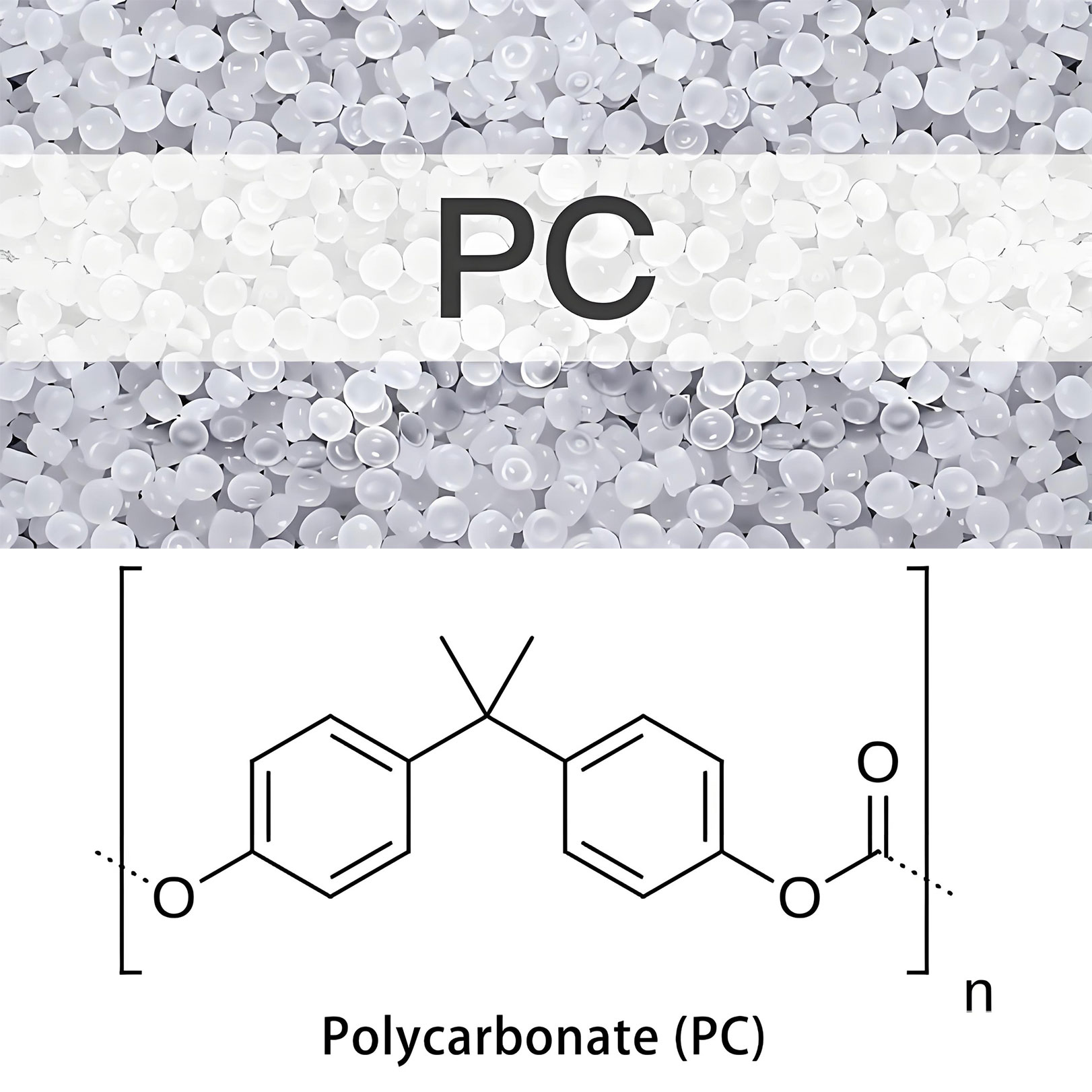
- Linea di produzione ABS
- Il ritiro standard dell'ABS è dello 0.4–0.8%, notevolmente inferiore a quello di PE o PP, e consente tolleranze dimensionali più ristrette con una minore compensazione dello stampo.
- L'ABS è il tecnopolimero più utilizzato per l'elettronica di consumo, gli interni automobilistici e gli alloggiamenti degli elettrodomestici, grazie alla sua superiore resistenza agli urti e alla compatibilità con la galvanoplastica.
- Lo spessore delle pareti in ABS deve essere mantenuto a 1.5–4.0 mm, con un rapporto di variazione massimo di 3:1, per evitare avvallamenti, deformazioni ed esitazioni del flusso.
- Dopo lo stampaggio, le superfici in ABS accettano verniciatura, galvanica, metallizzazione sotto vuoto e tampografia senza promotori di adesione, rendendo l'ABS il materiale preferito per i pezzi decorati.
Cos’è l’ABS e perché domina le plastiche tecniche?
Hai appena ricevuto una richiesta di preventivo per un alloggiamento in ABS1 destinato a un dispositivo di consumo ed è fondamentale impostare correttamente i parametri. L’ABS (acrilonitrile-butadiene-stirene) è un termoplastico tecnico amorfo che offre una combinazione equilibrata di resistenza agli urti, rigidità, resistenza chimica e lavorabilità, impossibile da ottenere con un polimero monocomponente. I tre monomeri apportano proprietà specifiche: l’acrilonitrile fornisce resistenza chimica e stabilità termica; le particelle di gomma butadienica, con diametro di 0,1-1,0 µm, assorbono l’energia d’urto tramite cavitazione e crazing; lo stirene conferisce rigidità, lucentezza superficiale e fluidità del fuso, rendendo l’ABS uno dei materiali tecnici più adatti allo stampaggio a iniezione.
Le proprietà dei gradi standard di ABS comprendono: resistenza a trazione 40-55 MPa, modulo flessionale 2.000-2.700 MPa, resistenza all’urto Izod con intaglio2 100-400 J/m, temperatura di deflessione sotto carico3 (HDT) a 1,82 MPa: 70-100 °C, e ritiro 0,4%-0,8%. Questi valori collocano l’ABS tra le plastiche di uso generale (PP, PE) e i polimeri tecnici ad alte prestazioni (PC, PA), con un costo di $1,5-$3,0/kg che lo rende economicamente adatto alla produzione su larga scala di beni di consumo. Se confronti fornitori di stampaggio ABS, consulta una guida alla selezione dei fornitori pratica prima di assegnare uno stampo di produzione. Nella nostra fabbrica, l’ABS rappresenta circa il 25% del consumo totale di resina su tutte le macchine per stampaggio a iniezione.
Nel nostro stabilimento di Shanghai, ZetarMold gestisce 47 macchine per stampaggio a iniezione da 90T a 1850T e ha esperienza con oltre 400 materiali plastici. Per i progetti in ABS, questa gamma è importante perché la stessa resina si comporta diversamente su piccoli alloggiamenti, coperte spesse, parti cosmetiche e strumenti di produzione.
Quali sono i parametri critici del processo di stampaggio a iniezione dell’ABS?
La temperatura del fuso per lo stampaggio a iniezione dell’ABS varia da 200 a 260 °C in base al grado e all’applicazione. L’ABS standard per uso generale si lavora a 220-240 °C; i gradi ad alta resistenza agli urti operano nella fascia inferiore, 200-220 °C, per preservare la fase di gomma butadienica, mentre i gradi ad alta fluidità si lavorano a 230-250 °C. Superare 270 °C provoca la degradazione termica della fase butadienica, con scolorimento, scarsa resistenza agli urti ed emissioni volatili. La temperatura dell’ugello dovrebbe essere impostata 5-10 °C sopra quella della zona anteriore per impedirne il congelamento.
La temperatura dello stampo per ABS viene impostata a 40–80 °C in base alla finitura. Temperature più alte, 60–80 °C, producono superfici lucide con Ra 0,025–0,1 µm usando cavità lucidate e migliorano del 10–15% la resistenza delle linee di saldatura rispetto a stampi freddi. Temperature inferiori, 40–50 °C, riducono il ciclo ma possono causare sbiancamento da tensione, linee visibili e tensioni residue che aumentano il rischio di criccatura in uso. Per pezzi ABS galvanizzati sono obbligatori 60–70 °C per assicurare un’adesione adeguata.
| Parametro | ABS standard | ABS ad alta resistenza agli urti | ABS ad alta fluidità |
|---|---|---|---|
| Temperatura di fusione | 220–240°C | 200–220°C | 230–250°C |
| Temperatura dello stampo | 40–80°C | 40–70°C | 40–60°C |
| Pressione di iniezione | 70–120 MPa | 60–110 MPa | 60–100 MPa |
| Pressione di mantenimento | 40–70% dell'iniezione | 35–65% della pressione di iniezione | 35–60% dell'iniezione |
| Tempo di raffreddamento | 15–40 s | 10–30 s | 10–25 s |
| Contropressione | 5–15 MPa | 5–12 MPa | 3–10 MPa |
| Velocità della vite | 30–70 RPM | 25–60 RPM | 40–80 RPM |
| Pre-essiccazione | 80°C, 2–4 ore | 80°C, 2–4 ore | 80°C, 2–4 ore |
La pre-essiccazione è obbligatoria per lo stampaggio a iniezione dell’ABS. L’ABS è igroscopico e assorbe umidità dall’atmosfera a una velocità che dipende da umidità e temperatura ambientali. ABS non essiccato con umidità superiore allo 0,1% produce striature argentate, splay, rugosità superficiale e proprietà meccaniche ridotte. Il protocollo standard prevede 80 °C per 2-4 ore in un essiccatore a tramoggia deumidificante con punto di rugiada inferiore a -25 °C. Con umidità relativa dell’80%, l’ABS può raggiungere livelli problematici di umidità (>0,1%) entro 2-4 ore di esposizione in tramoggia; durante la produzione è quindi essenziale l’essiccazione continua con essiccante. Per pianificare il ciclo, confronta insieme essiccazione, raffreddamento e tempo di produzione dello stampaggio a iniezione.

Come devono essere progettati i pezzi in ABS per lo stampaggio a iniezione?
Lo spessore della parete è il parametro progettuale più critico per i componenti in ABS. Lo spessore consigliato è 1,5-4,0 mm, con un intervallo ottimale di 2,0-3,0 mm per componenti strutturali di consumo. Consigliamo di fissare la parete nominale prima di progettare il punto di iniezione, perché modifiche tardive possono alterare l’equilibrio di riempimento e raffreddamento. Pareti sotto 1,5 mm richiedono elevate velocità d’iniezione, che aumentano lo sforzo di taglio e possono causare difetti superficiali. Pareti sopra 4,0 mm sviluppano segni di ritiro dovuti al ritiro dell’ABS nello stampo dello 0,4%-0,8% e possono mostrare avvallamenti anche alla massima pressione di mantenimento. Quando le sezioni spesse sono inevitabili, svuotale dall’interno per ottenere una geometria uniforme del guscio.
Gli angoli di sformo per componenti in ABS stampati a iniezione dovrebbero essere 1°-2° per lato sulle superfici lisce, 2°-3° per texture leggere (MT 11020/SPI C1) e 3°-5° per texture marcate (MT 11030/SPI D2). Uno sformo insufficiente causa trascinamento, segni di espulsione e graffi sulla superficie stampata. L’ABS aderisce all’acciaio dello stampo più aggressivamente di PE o PP, rendendo ancora più importante uno sformo adeguato. Le linee guida per la progettazione dello stampo a iniezione consigliano di aggiungere 0,5° di sformo ogni 25 mm di profondità della parete per elementi profondi in ABS.
Come dimensionare colonnine, nervature e accoppiamenti a scatto nei pezzi in ABS?
La progettazione delle colonnine in ABS segue la regola 0,6:1: la parete deve essere il 60% di quella nominale per evitare risucchi sulla superficie opposta. L’altezza non deve superare 3 volte il diametro esterno senza nervature di rinforzo. I fazzoletti che collegano le colonnine alle pareti devono essere il 50% della parete nominale. Per quelle destinate alle viti, il diametro esterno deve essere 2,0–2,2 volte il diametro della filettatura, garantendo adeguata resistenza all’estrazione senza fessurare l’ABS durante il serraggio.
La progettazione delle nervature nei pezzi in ABS stampati a iniezione segue la stessa regola 0.6:1: lo spessore della nervatura alla base non deve superare il 60% della parete nominale, per evitare risucchi visibili sulla superficie estetica opposta. Per le nervature strutturali, l’altezza è tipicamente limitata a 3× lo spessore nominale della parete e deve rastremarsi con almeno 0.5° di sformo per lato per un’espulsione pulita. I raggi agli angoli alla base devono essere pari a 0.25–0.5× lo spessore nominale, per ridurre le concentrazioni di tensione che potrebbero causare cricche tra nervatura e parete sotto carichi ripetuti.
La progettazione degli incastri a scatto in ABS sfrutta il buon equilibrio del materiale tra rigidità e allungamento a rottura (5–20%). Gli incastri a sbalzo in ABS sono progettati con una deformazione alla massima flessione dell’1.5–2.5% per incastri permanenti e del 3–4% per incastri temporanei a montaggio singolo. La deformazione al completo innesto deve rimanere inferiore alla deformazione di snervamento dell’ABS, per evitare deformazioni permanenti o sbiancamento alla radice dell’incastro. L’aggiunta di una rastremazione graduale alle travi dell’incastro, più sottili in punta e più spesse alla radice, distribuisce uniformemente la deformazione lungo la trave, aumentando la flessione ammessa senza superare i limiti locali.
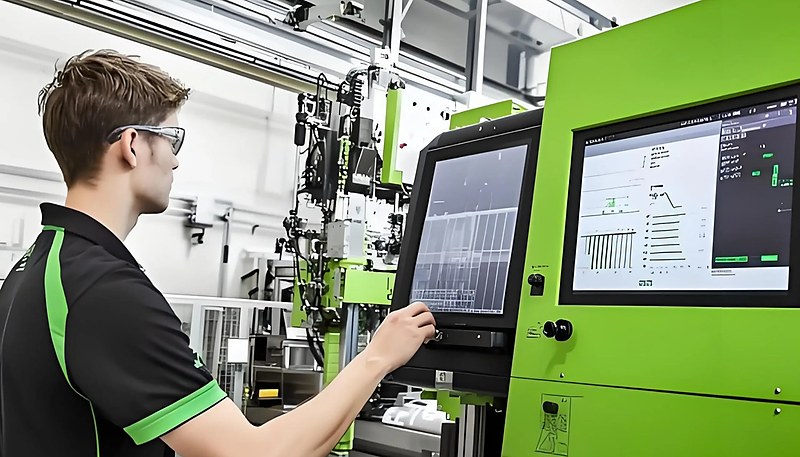
"Prima dello stampaggio a iniezione, l'ABS deve essere essiccato fino a un'umidità inferiore allo 0.1% per evitare striature argentate e difetti a spruzzo."True
L'ABS è igroscopico per il contenuto di acrilonitrile, che attira e trattiene l'umidità. Sopra lo 0,1%, le molecole d'acqua vaporizzano durante l'iniezione a 220–240°C, creando bolle di gas allungate in striature argentate dal flusso ad alta velocità. L'essiccazione standard a 80°C per 2–4 ore in un essiccatore deumidificante riduce l'umidità dell'ABS sotto lo 0,05%, entro l'intervallo sicuro. Un'essiccazione inadeguata è una delle cause più comuni di difetti superficiali nello stampaggio dell'ABS.
"Lo stampaggio a iniezione dell'ABS produce una qualità superficiale identica indipendentemente dalla temperatura dello stampo."False
La temperatura dello stampo influisce profondamente sulla qualità superficiale dell'ABS. A basse temperature dello stampo (40°C), l'ABS si raffredda rapidamente al contatto con la cavità, producendo maggiore rugosità superficiale, linee di saldatura più visibili e possibili sbiancamenti da tensione. A temperature più elevate (60–80°C), il fuso rimane fluido più a lungo contro la superficie della cavità, migliorando la riproduzione dei dettagli fini e producendo superfici più lucide e lisce. Per i pezzi in ABS galvanizzati o verniciati, una temperatura dello stampo di 60–70°C è obbligatoria per ottenere la qualità superficiale necessaria all'adesione del rivestimento galvanico o della vernice.
Quali trattamenti di post-processo funzionano meglio per l’ABS?
L’ABS è il materiale d’elezione per la galvanoplastica tra le resine da stampaggio a iniezione. La fase di gomma butadienica viene incisa selettivamente con acido cromico (cromo esavalente) o soluzioni mordenzanti proprietarie prive di cromo, creando una superficie microporosa che fornisce ancoraggio meccanico ai successivi strati di nichelatura e cromatura. L’ABS galvanizzato con cromo decorativo raggiunge un’adesione del rivestimento di 8–12 N/cm (prova di pelatura), ben superiore alla specifica minima di 5 N/cm per le finiture interne automobilistiche. Non tutti i gradi di ABS sono galvanizzabili: solo i gradi specifici per galvanoplastica, generalmente con un contenuto di butadiene del 15–20%, soddisfano i requisiti di uniformità dell’incisione.
La verniciatura dell’ABS non richiede primer di adesione sulla maggior parte delle superfici stampate correttamente: le vernici a solvente e all’acqua aderiscono direttamente all’ABS pulito e privo di grasso con un’adesione eccellente. Verniciatura a spruzzo, tampografia, serigrafia e stampa a caldo sono tutte ampiamente utilizzate per i prodotti di consumo in ABS. Per i trasparenti poliuretanici bicomponenti (2K), la superficie in ABS deve essere priva di residui di distaccante, il che richiede una pulizia con alcol prima del rivestimento. L’incisione laser dell’ABS produce caratteri nitidi e bianchi a contrasto sui pezzi stampati neri o di colore scuro.
"L'ABS è il materiale preferito per lo stampaggio a iniezione di pezzi galvanizzati, perché la sua fase butadienica consente l'adesione meccanica degli strati di rivestimento."True
Durante la galvanizzazione dell'ABS, l'attacco con acido cromico aggredisce e rimuove selettivamente le particelle di gomma butadienica dalla superficie, creando una rete di micropori (diametro 0.5–5 µm) che fungono da ancoraggi meccanici per i successivi strati di nichel chimico e cromo elettrolitico. Questa caratteristica morfologica peculiare dell'ABS gli conferisce un'adesione del rivestimento galvanico nettamente superiore rispetto ad altre plastiche amorfe come il policarbonato o il polistirene, prive della fase sensibile all'attacco. L'adesione della galvanizzazione dell'ABS (8–12 N/cm) soddisfa le specifiche per interni automobilistici.
"Tutti i gradi di ABS possono essere galvanizzati con le stesse prestazioni."False
Solo i gradi ABS specificamente definiti “plating grade” raggiungono l’uniformità di mordenzatura necessaria per una galvanica ad alta adesione. Questi gradi contengono 15–20% di butadiene, con dimensione e distribuzione delle particelle di gomma accuratamente controllate. I gradi ABS generici, resistenti alle alte temperature o ritardanti di fiamma presentano una morfologia della gomma modificata o pacchetti di additivi che interferiscono con la mordenzatura, causando incisione irregolare, perdita di adesione o bolle. Scegliere il grado ABS errato per applicazioni galvaniche è un errore comune e costoso che emerge solo sui pezzi finiti e richiede la sostituzione di tutti i componenti prodotti.
Quali sono i problemi comuni dello stampaggio a iniezione dell’ABS e le relative soluzioni?
I problemi comuni dello stampaggio a iniezione dell’ABS e le relative soluzioni sono le principali categorie o opzioni illustrate in questa sezione. La delaminazione dei pezzi in ABS — quando la superficie sembra presentare strati separati che si sfogliano come le pagine di un libro — è quasi sempre causata dalla contaminazione del materiale. Anche una contaminazione dello 0,1% con un materiale incompatibile (PP, PE o silicone proveniente dal distaccante) crea una delaminazione visibile sulla superficie finita. Lo spurgo del cilindro con un composto di spurgo commerciale prima dei cicli con ABS, l’esclusione dei distaccanti a base siliconica e protocolli rigorosi di gestione del materiale prevengono la delaminazione da contaminazione. Una volta entrata nel cilindro, la contaminazione può persistere per oltre 50–100 stampate.
La fessurazione sotto tensione dei componenti in ABS durante l’uso è causata dalla combinazione tra tensioni residue di stampaggio e agenti di fessurazione ambientale come grassi, solventi detergenti o sostanze chimiche aromatiche. Ridurre le tensioni residue diminuendo la pressione di mantenimento, prolungando il tempo di raffreddamento e ricuocendo i componenti a 70–80°C per 2–4 ore dopo lo stampaggio migliora notevolmente la resistenza alla fessurazione. Nel nostro stabilimento ricuociamo i componenti critici in ABS destinati ad ambienti con esposizione chimica: ciò aumenta il costo ma elimina i guasti sul campo. Anche la scelta del grado termoplastico è importante: i gradi ABS ad alto impatto con maggiore contenuto di butadiene resistono meglio alla fessurazione ambientale rispetto ai gradi standard.
Domande frequenti sullo stampaggio a iniezione dell’ABS
Qual è la temperatura ideale del fuso per lo stampaggio a iniezione dell’ABS?
La temperatura ideale del fuso ABS dipende dal grado specifico e dall’applicazione. L’ABS standard per uso generale viene lavorato in modo ottimale a una temperatura del cilindro di 220–240°C, misurata nella zona anteriore. I gradi di ABS ad alta resistenza all’urto vengono lavorati a 200–220°C per preservare la fase di gomma butadienica, che si degrada oltre 240°C. I gradi di ABS ad alta fluidità per pezzi a parete sottile vengono lavorati a 230–250°C. L’ugello viene generalmente impostato 5–10°C sopra la zona anteriore. Superare 270°C causa un degrado visibile: ingiallimento, minore resistenza all’urto ed emissioni volatili. La regola pratica consiste nell’utilizzare la temperatura del fuso più bassa che consenta il riempimento completo senza difetti superficiali.
Per quanto tempo deve essere essiccato l’ABS prima dello stampaggio a iniezione?
Il protocollo standard per l’ABS prevede 80°C per 2–4 ore in un essiccatore deumidificante a tramoggia con punto di rugiada inferiore a -25°C. Prima dello stampaggio l’umidità deve essere sotto lo 0.1%, preferibilmente sotto lo 0.05%. Con umidità ambientale elevata, oltre 70% RH, l’ABS conservato male può assorbire livelli problematici in 2–4 ore di esposizione in tramoggia, quindi durante la produzione è essenziale l’essiccazione continua con essiccante. Sovraessiccare oltre 90°C o per più di 8 ore può causare ingiallimento ossidativo della fase stirenica. Verificare sempre le raccomandazioni del fornitore della resina, perché i gradi speciali possono avere requisiti diversi.
L’ABS può essere utilizzato per applicazioni all’aperto?
L’ABS standard presenta una scarsa resistenza ai raggi UV: l’esposizione prolungata all’esterno causa sfarinamento superficiale, scolorimento e infragilimento entro 6–12 mesi. Per le applicazioni esterne, i gradi di ABS stabilizzati UV contenenti assorbitori ultravioletti (benzofenoni, benzotriazoli) e HALS (stabilizzanti alla luce ad ammine impedite) prolungano la vita utile esterna a 3–5 anni. Per le applicazioni esterne più impegnative si specifica spesso ASA (acrilonitrile-stirene-acrilato) invece dell’ABS, perché la sua fase di gomma acrilata è stabile ai raggi UV e offre lavorabilità e proprietà meccaniche simili. Nei pezzi in ABS verniciati per esterni, la scelta di una finitura resistente ai raggi UV è importante quanto la stabilizzazione UV della resina.
Quale pressione di iniezione è consigliata per l’ABS?
Per i gradi standard di ABS, la pressione di iniezione è generalmente compresa tra 70–120 MPa. I pezzi a parete sottile (1.0–1.5 mm) possono richiedere fino a 140 MPa per riempirsi completamente prima del congelamento del punto di iniezione. La pressione necessaria dipende dalla geometria del pezzo (rapporto tra lunghezza di flusso e spessore della parete), dalla temperatura del fuso, dalla velocità di iniezione e dalla dimensione del punto di iniezione. Con ABS standard, un rapporto lunghezza di flusso/spessore superiore a 150:1 richiede generalmente una pressione oltre 100 MPa. La pressione di mantenimento viene impostata al 40–70% di quella di iniezione e mantenuta fino al congelamento del punto di iniezione (in genere 3–8 secondi per punti da 1.5–3 mm), per evitare il risucchio e i segni di ritiro.
Come si confronta l’ABS con la miscela PC/ABS per lo stampaggio a iniezione?
Le miscele PC/ABS combinano la maggiore resistenza termica (HDT: 100–120°C) e agli urti del policarbonato con la lavorabilità e la qualità superficiale dell’ABS. L’ABS puro ha un HDT di 70–100°C e una resistenza Izod con intaglio di 100–400 J/m, mentre il PC/ABS (contenuto di PC 20–70%) raggiunge un HDT di 100–115°C e un Izod con intaglio di 400–800 J/m. Il PC/ABS si lavora a temperature più elevate (230–270°C) e richiede un’essiccazione più lunga (110°C, 4–6 ore). Il PC/ABS costa il 30–60% in più dell’ABS standard. Per i componenti interni automobilistici, il PC/ABS è spesso obbligatorio per la superiore resistenza termica. Per l’elettronica di consumo, dove costo e compatibilità con la metallizzazione sono prioritari, si preferisce l’ABS standard.
Qual è il tempo di ciclo tipico per lo stampaggio a iniezione dell’ABS?
Il tempo ciclo tipico dello stampaggio a iniezione dell’ABS varia da 15 a 60 secondi in funzione dello spessore delle pareti, della complessità geometrica e della temperatura dello stampo. Per un pezzo standard con parete di 2.5 mm realizzato in uno stampo ben ottimizzato, il tempo ciclo totale (dalla chiusura all’apertura dello stampo) è di circa 20–30 secondi, dei quali il raffreddamento rappresenta il 60–70%. I pezzi in ABS a parete sottile (1.0–1.5 mm) possono avere cicli di 10–15 secondi su macchine ad alta velocità. I pezzi a parete spessa (4.0 mm+) possono richiedere 40–60 secondi per garantire un raffreddamento adeguato e prevenire deformazioni durante l’espulsione. L’ottimizzazione dei canali di raffreddamento nello stampo e l’impiego di temperature dello stampo più elevate con canali di raffreddamento conformali possono ridurre il tempo ciclo del 15–25% senza compromettere la qualità del pezzo.
ABS: L'ABS (acrilonitrile-butadiene-stirene) è un termoplastico tecnico amorfo definito come terpolimero che combina acrilonitrile per la resistenza chimica, gomma butadienica per la tenacità e stirene per rigidità e lavorabilità. ↩
resistenza all'urto Izod con intaglio: La resistenza all'urto Izod con intaglio misura la resistenza di un materiale a un impatto improvviso ed è definita come l'energia assorbita per unità di area della sezione intagliata quando un pendolo colpisce il provino, espressa in J/m o kJ/m². ↩
temperatura di deflessione sotto carico: La temperatura di deflessione sotto carico (HDT) è la temperatura alla quale un campione polimerico si flette di una quantità specificata sotto un carico definito, misurata in gradi Celsius secondo ASTM D648, e indica la temperatura massima pratica di esercizio del materiale. ↩