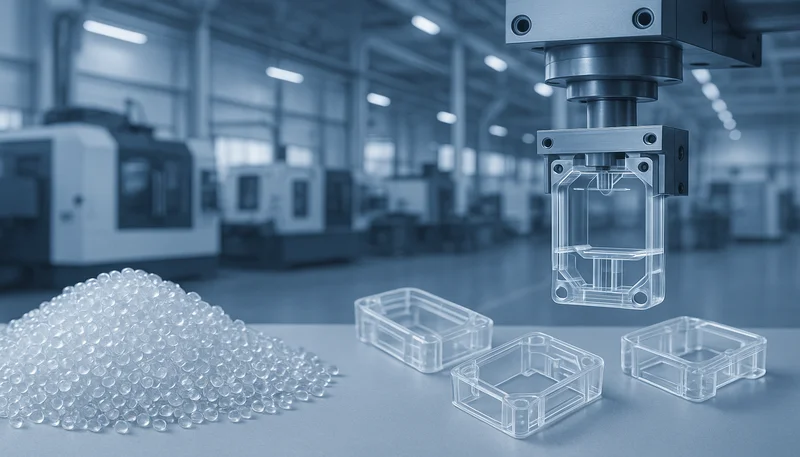
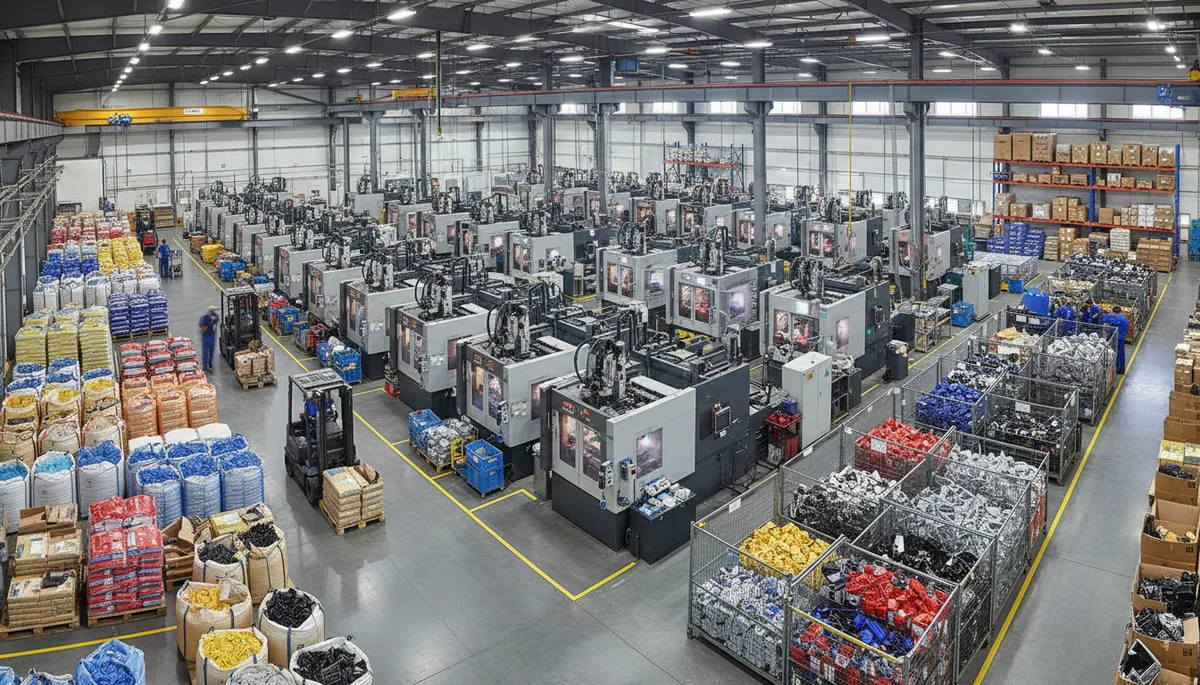
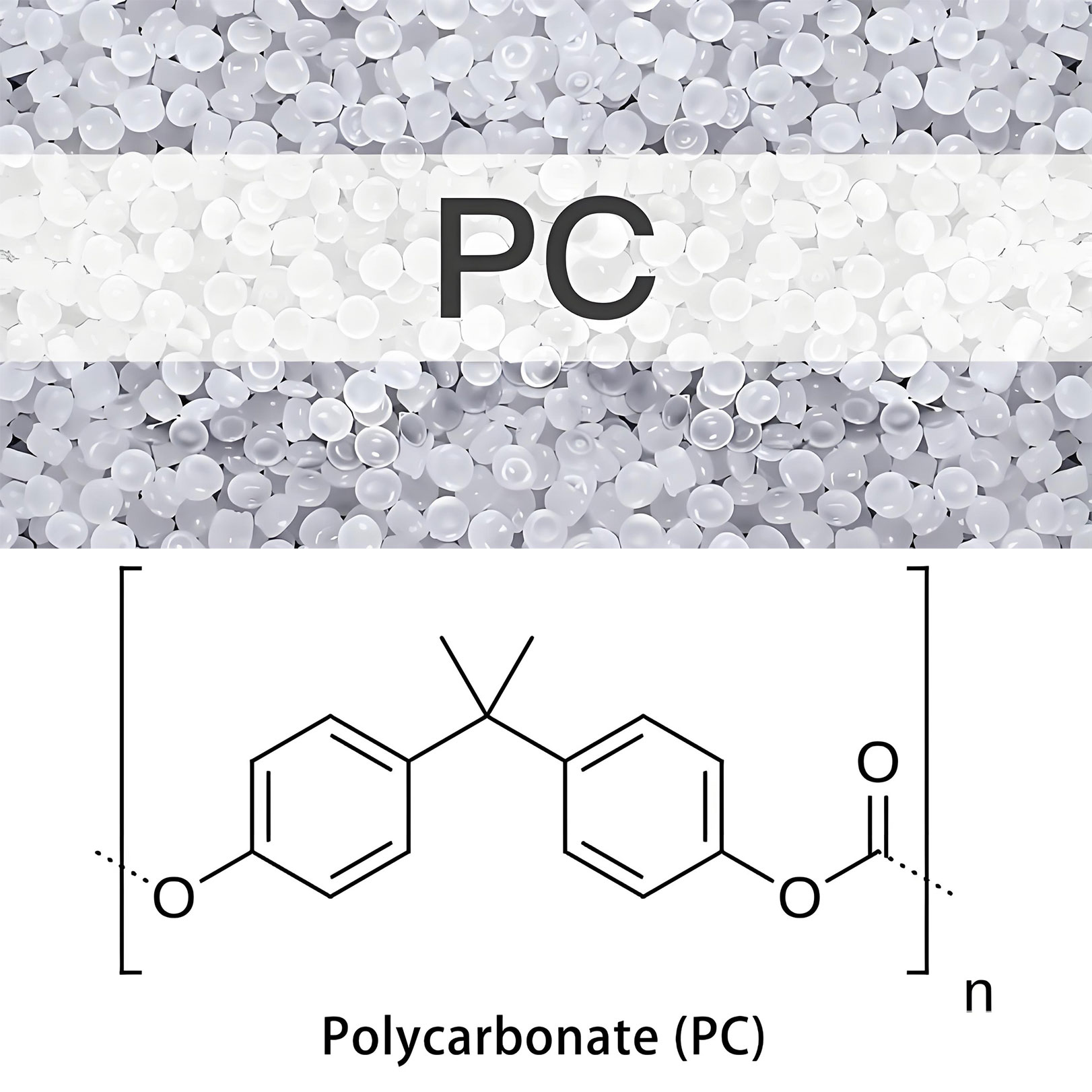
- Linha de produção de ABS
- A contração padrão do ABS é de 0,4–0,8%, significativamente menor que a do PE ou PP, permitindo tolerâncias dimensionais mais estreitas com menor compensação no molde.
- O ABS é o plástico de engenharia mais utilizado em produtos eletrónicos de consumo, interiores automóveis e carcaças de eletrodomésticos devido à sua resistência superior ao impacto e compatibilidade com galvanoplastia.
- A espessura da parede de ABS deve ser mantida entre 1.5–4.0 mm, com uma relação máxima de variação de 3:1, para evitar marcas de afundamento, empeno e hesitação do fluxo.
- Após a moldagem, as superfícies de ABS aceitam pintura, galvanoplastia, metalização a vácuo e tampografia sem promotores de adesão, o que torna esse material a opção preferida para peças decoradas.
O que é o ABS e porque domina os plásticos de engenharia?
Você acaba de receber uma solicitação de orçamento para uma carcaça de ABS1 destinada a um dispositivo de consumo, e acertar os parâmetros é crucial. O ABS (acrilonitrila-butadieno-estireno) é um termoplástico amorfo de engenharia que oferece uma combinação equilibrada de resistência ao impacto, rigidez, resistência química e processabilidade que nenhum polímero monocomponente proporciona sozinho. Os três monômeros conferem propriedades específicas: a acrilonitrila fornece resistência química e estabilidade térmica; as partículas de borracha de butadieno (0,1–1,0 µm de diâmetro) absorvem energia de impacto por mecanismos de cavitação e microfissuração; o estireno oferece rigidez, brilho superficial e fluidez, tornando o ABS um dos materiais de engenharia mais fáceis de moldar por injeção.
As propriedades das classes padrão de ABS abrangem: resistência à tração de 40–55 MPa, módulo de flexão de 2.000–2.700 MPa, resistência ao impacto Izod com entalhe2 de 100–400 J/m, temperatura de deflexão térmica3 (HDT) a 1,82 MPa de 70–100°C e contração de 0,4–0,8%. Esses valores posicionam o ABS entre os plásticos de uso geral (PP, PE) e os polímeros de engenharia de alto desempenho (PC, PA), com custo de $1,5–$3,0/kg que viabiliza a produção em larga escala de bens de consumo. Ao comparar fornecedores de moldagem de ABS, use um guia prático de seleção antes de adjudicar uma ferramenta de produção. Em nossa fábrica, o ABS representa aproximadamente 25% do consumo total de resina em todas as máquinas injetoras.
Em nossa fábrica em Xangai, a ZetarMold opera 47 máquinas de moldagem por injeção de 90T a 1850T e tem experiência com mais de 400 materiais plásticos. Em projetos com ABS, essa amplitude é importante porque a mesma resina se comporta de maneira diferente em carcaças pequenas, tampas espessas, peças estéticas e moldes de produção.
Quais são os parâmetros críticos do processo de moldagem por injeção de ABS?
A temperatura de fusão na moldagem por injeção de ABS varia de 200–260°C conforme a classe e a aplicação. O ABS padrão de uso geral é processado a 220–240°C; classes de alto impacto trabalham no limite inferior (200–220°C) para preservar a fase de borracha de butadieno; e classes de alta fluidez são processadas a 230–250°C. Acima de 270°C, a fase de butadieno sofre degradação térmica, provocando descoloração, baixa resistência ao impacto e emissões voláteis. A temperatura do bico deve ficar 5–10°C acima da zona frontal para evitar congelamento.
A temperatura do molde para ABS é definida entre 40 e 80 °C, consoante os requisitos de acabamento da superfície. Temperaturas de molde mais elevadas (60–80 °C) produzem superfícies brilhantes com Ra de 0,025–0,1 µm quando utilizadas com cavidades de aço polido e melhoram a resistência das linhas de soldadura em 10–15% face a moldes frios. Temperaturas de molde mais baixas (40–50 °C) reduzem o tempo de ciclo, mas podem causar esbranquiçamento por tensão, linhas de soldadura visíveis e tensões residuais internas que aumentam o risco de fissuração sob tensão durante a utilização. Para peças de ABS galvanizadas, é obrigatória uma temperatura do molde de 60–70 °C para garantir uma qualidade de aderência adequada.
| Parâmetro | ABS padrão | ABS de alto impacto | ABS de alto fluxo |
|---|---|---|---|
| Temperatura de fusão | 220–240°C | 200–220°C | 230–250°C |
| Temperatura do molde | 40–80°C | 40–70°C | 40–60°C |
| Pressão de injeção | 70–120 MPa | 60–110 MPa | 60–100 MPa |
| Pressão de retenção | 40–70% da injeção | 35–65% da pressão de injeção | 35–60% da pressão de injeção |
| Tempo de arrefecimento | 15–40 s | 10–30 s | 10–25 s |
| Pressão de retorno | 5–15 MPa | 5–12 MPa | 3–10 MPa |
| Velocidade do parafuso | 30–70 RPM | 25–60 RPM | 40–80 RPM |
| Pré-secagem | 80°C, 2–4 horas | 80°C, 2–4 horas | 80°C, 2–4 horas |
A pré-secagem é obrigatória na moldagem por injeção de ABS. O ABS é higroscópico e absorve umidade da atmosfera em uma taxa que depende da umidade e da temperatura ambiente. ABS não seco com umidade acima de 0,1% produz estrias prateadas, marcas de splay, rugosidade superficial e propriedades mecânicas reduzidas. O protocolo padrão é secar a 80°C por 2–4 horas em secador de funil desumidificador com ponto de orvalho abaixo de -25°C. Com umidade relativa de 80%, o ABS pode atingir níveis problemáticos (>0,1%) em 2–4 horas de exposição no funil — por isso, a secagem contínua com dessecante é essencial durante a produção. Para planejar o ciclo, compare em conjunto a secagem, a refrigeração e o tempo de produção da moldagem por injeção.

Como projetar peças de ABS para moldagem por injeção?
A espessura da parede é o parâmetro mais crítico no projeto de peças de ABS. Recomenda-se 1,5–4,0 mm, com faixa ideal de 2,0–3,0 mm para peças estruturais de consumo. Recomendamos fixar a parede nominal antes de projetar o ponto de injeção, pois mudanças tardias podem prejudicar o equilíbrio do preenchimento e da refrigeração. Paredes abaixo de 1,5 mm exigem altas velocidades de injeção, elevando a tensão de cisalhamento e podendo causar defeitos superficiais. Acima de 4,0 mm, surgem rechupes decorrentes da contração do ABS no molde de 0,4–0,8%, podendo aparecer depressões mesmo com a pressão máxima de recalque. Quando seções espessas forem inevitáveis, esvazie-as por dentro para obter uma geometria de casca uniforme.
Os ângulos de desmoldagem para peças de ABS moldadas por injeção devem ser de 1°–2° por lado em superfícies lisas, aumentando para 2°–3° em textura leve (MT 11020/SPI C1) e 3°–5° em textura pesada (MT 11030/SPI D2). Ângulo insuficiente causa arraste, marcas de ejeção e riscos na superfície moldada. O ABS adere ao aço do molde com mais intensidade que PE ou PP, tornando o ângulo adequado ainda mais importante. As diretrizes de projeto de molde de injeção recomendam acrescentar 0,5° de ângulo para cada 25 mm de profundidade de parede em elementos profundos de ABS.
Como dimensionar ressaltos, nervuras e encaixes por pressão em peças de ABS?
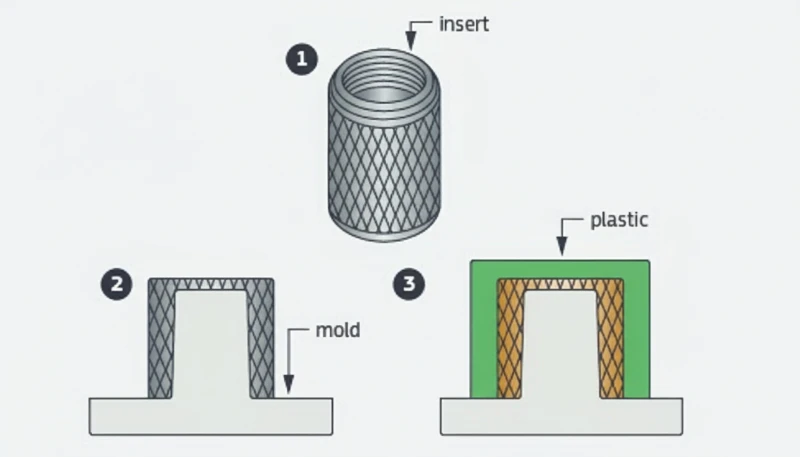
O projeto de ressaltos para ABS segue a regra da proporção 0.6:1: a espessura da parede do ressalto deve corresponder a 60% da espessura nominal da parede para evitar marcas de afundamento na superfície oposta. A altura do ressalto não deve exceder 3× o diâmetro externo do ressalto sem nervuras de reforço. Os reforços triangulares que ligam os ressaltos às paredes devem ter 50% da espessura nominal da parede. Para ressaltos que recebem parafusos, o diâmetro externo deve ser 2.0–2.2× o diâmetro da rosca do parafuso, proporcionando resistência adequada ao arrancamento sem fissurar o ABS sob o binário de instalação.
O projeto de nervuras em peças de ABS moldadas por injeção segue a mesma regra de 0,6:1: a espessura da nervura na base não deve superar 60% da parede nominal, para evitar rechupes visíveis na superfície cosmética oposta. A altura da nervura normalmente é limitada a 3 vezes a espessura nominal da parede para nervuras estruturais, e as nervuras devem afunilar com pelo menos 0,5° de ângulo de saída em cada lado para permitir uma ejeção limpa. Os raios dos cantos na base das nervuras devem medir de 0,25 a 0,5 vez a espessura nominal da parede, reduzindo a concentração de tensão que poderia causar trincas entre a nervura e a parede sob cargas repetidas.
O desenho de encaixes de pressão em ABS tira partido do bom equilíbrio do material entre rigidez e alongamento à rotura (5–20%). Os encaixes de pressão em consola para ABS são concebidos com uma deformação à deflexão máxima de 1.5–2.5% para encaixes permanentes e de 3–4% para encaixes temporários de montagem única. A deformação no encaixe completo deve permanecer abaixo da deformação de cedência do ABS para evitar deformação permanente ou esbranquiçamento na raiz do encaixe. A introdução de um estreitamento gradual nas hastes de encaixe — mais finas na ponta e mais espessas na raiz — distribui uniformemente a deformação ao longo da haste, aumentando a deflexão admissível sem exceder os limites locais de deformação.
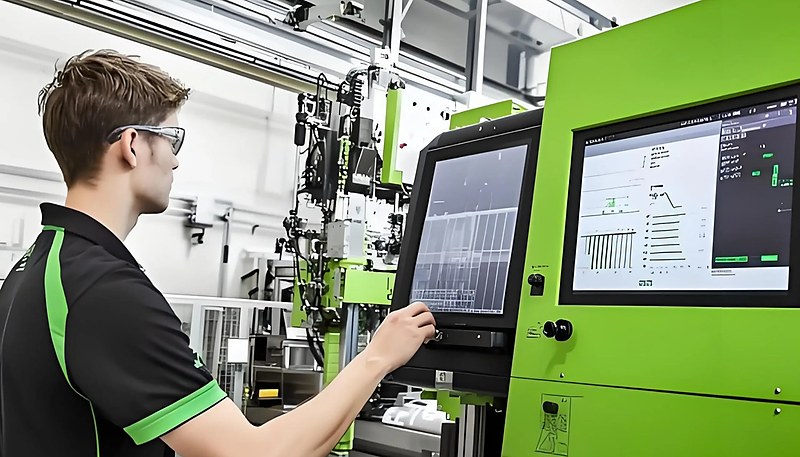
"O ABS tem de ser seco até um teor de humidade inferior a 0.1% antes da moldação por injeção para evitar estrias prateadas e defeitos de dispersão."True
O ABS é higroscópico devido à acrilonitrila, que atrai e retém umidade. Acima de 0,1%, as moléculas de água vaporizam durante a injeção a 220–240°C, criando bolhas de gás alongadas em estrias prateadas pelo fluxo de alta velocidade. A secagem padrão a 80°C por 2–4 horas em secador desumidificador reduz a umidade para menos de 0,05%, dentro da faixa segura. ABS insuficientemente seco é uma das causas mais comuns de falhas de qualidade superficial.
"A moldagem por injeção de ABS produz uma qualidade superficial idêntica, independentemente da regulação da temperatura do molde."False
A temperatura do molde tem um efeito profundo na qualidade superficial do ABS. Em temperaturas baixas do molde (40°C), o ABS arrefece rapidamente ao entrar em contato com a cavidade, produzindo maior rugosidade superficial, linhas de solda mais visíveis e possível esbranquiçamento por tensão. Em temperaturas mais altas do molde (60–80°C), o fundido permanece fluido por mais tempo junto à superfície da cavidade, melhorando a reprodução de detalhes finos e produzindo superfícies mais brilhantes e lisas. Para peças de ABS galvanizadas ou pintadas, uma temperatura do molde de 60–70°C é obrigatória para alcançar a qualidade superficial necessária à aderência do revestimento ou da tinta.
Que tratamentos de pós-processamento funcionam melhor para ABS?
O ABS é o principal material para galvanoplastia entre as resinas de moldagem por injeção. A fase de borracha de butadieno é atacada seletivamente por ácido crômico (cromo hexavalente) ou soluções decapantes proprietárias sem cromo, criando uma superfície microporosa que fornece ancoragem mecânica para as camadas subsequentes de níquel e cromo. O ABS galvanizado com cromo decorativo atinge adesão do revestimento de 8–12 N/cm (ensaio de destacamento), superando amplamente a especificação mínima de 5 N/cm para acabamentos internos automotivos. Nem todos os graus de ABS são galvanizáveis — somente os graus próprios para galvanoplastia (normalmente com teor de butadieno de 15–20%) atendem aos requisitos de uniformidade do ataque.
A pintura do ABS não exige primer de aderência na maioria das superfícies corretamente moldadas — tintas à base de solvente e à base de água aderem diretamente ao ABS limpo e sem graxa com excelente aderência. Pintura por pulverização, tampografia, serigrafia e estampagem a quente são amplamente utilizadas em produtos de consumo de ABS. Para revestimentos transparentes de poliuretano de dois componentes (2K), a superfície do ABS deve estar livre de resíduos de desmoldante, o que exige limpeza com álcool antes do revestimento. A gravação a laser do ABS produz caracteres nítidos com contraste branco em peças moldadas pretas ou de cor escura.
"O ABS é o material preferido para a moldagem por injeção de peças galvanizadas, pois a sua fase de butadieno permite a aderência mecânica das camadas de revestimento."True
Durante a galvanoplastia do ABS, o ataque com ácido crômico remove seletivamente as partículas de borracha de butadieno da superfície, criando uma rede de microporos (0.5–5 µm de diâmetro) que atuam como ancoragem mecânica para as camadas subsequentes de níquel químico e cromo eletrolítico. Essa característica morfológica exclusiva do ABS proporciona aderência do revestimento muito superior à de outros plásticos amorfos, como policarbonato ou poliestireno, que não possuem a fase sensível ao ataque. A aderência da galvanoplastia no ABS (8–12 N/cm) atende às especificações para interiores automotivos.
"Todos os tipos de ABS podem ser galvanizados com o mesmo desempenho."False
Apenas os graus específicos de ABS designados como 'grau para galvanoplastia' atingem a uniformidade de ataque necessária para uma galvanoplastia de elevada aderência. Os graus para galvanoplastia contêm 15–20% de butadieno, com tamanho e distribuição das partículas de borracha cuidadosamente controlados. Os graus de ABS de uso geral, resistentes a altas temperaturas ou retardadores de chama apresentam uma morfologia da borracha ou pacotes de aditivos modificados que interferem com o processo de ataque, produzindo um ataque irregular, falhas de aderência ou formação de bolhas. Selecionar o grau de ABS errado para aplicações galvanizadas é um erro comum e dispendioso que apenas se manifesta nas peças acabadas, exigindo a substituição de todas as peças produzidas com a ferramenta.
Quais são os problemas comuns na moldagem por injeção de ABS e suas soluções?
Os problemas e soluções comuns da moldagem por injeção de ABS são as principais categorias ou opções explicadas nesta seção. A delaminação em peças de ABS — quando a superfície parece ter camadas separadas que descascam como páginas de um livro — quase sempre é causada por contaminação do material. Mesmo 0,1% de contaminação por um material incompatível (PP, PE ou silicone do desmoldante) cria delaminação visível na superfície acabada. Purgar o cilindro com um composto de purga comercial antes das injeções de ABS, evitar desmoldantes à base de silicone e adotar protocolos rigorosos de manuseio de materiais impedem a delaminação por contaminação. Depois que a contaminação entra no cilindro, ela pode persistir por mais de 50–100 injeções.
A fissuração sob tensão de peças de ABS em serviço é causada pela tensão residual de moldagem combinada com agentes de fissuração por tensão ambiental, como graxas, solventes de limpeza ou produtos químicos aromáticos. Reduzir a tensão residual diminuindo a pressão de recalque, prolongando o tempo de refrigeração e recozendo as peças a 70–80°C por 2–4 horas após a moldagem melhora significativamente a resistência à fissuração sob tensão. Em nossa fábrica, realizamos recozimento em peças críticas de ABS destinadas a ambientes com exposição química — isso aumenta o custo, mas elimina falhas em campo. A seleção do grau termoplástico também importa: graus de ABS de alto impacto, com maior teor de butadieno, são mais resistentes à fissuração por tensão ambiental do que os graus padrão.
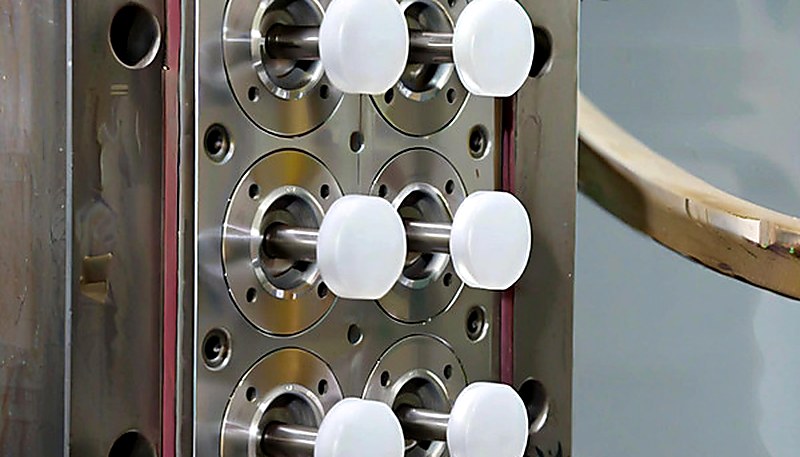
Perguntas frequentes sobre moldagem por injeção de ABS
Qual é a temperatura ideal do fundido para a moldagem por injeção de ABS?
A temperatura ideal de fusão do ABS depende do grau específico e da aplicação. O ABS padrão de uso geral é processado de forma ideal com temperatura do cilindro de 220–240°C, medida na zona frontal. Os graus de ABS de alto impacto operam a 200–220°C para preservar a fase de borracha de butadieno, que se degrada acima de 240°C. Os graus de ABS de alto fluxo para peças de parede fina são processados a 230–250°C. O bico geralmente é ajustado 5–10°C acima da zona frontal. Ultrapassar 270°C causa degradação visível: amarelamento, redução da resistência ao impacto e emissões voláteis. A regra prática é usar a menor temperatura de fusão que produza preenchimento completo sem defeitos superficiais.
Por quanto tempo o ABS deve ser seco antes da moldagem por injeção?
O protocolo normalizado de secagem do ABS é de 80°C durante 2–4 horas num secador de tremonha desumidificador com um ponto de orvalho inferior a -25°C. O teor de humidade deve ser inferior a 0.1% (de preferência inferior a 0.05%) antes do início da moldação. Com humidade ambiente elevada (acima de 70% RH), o ABS armazenado de forma inadequada pode absorver níveis problemáticos de humidade em 2–4 horas de exposição na tremonha, pelo que a secagem contínua com dessecante durante a produção é essencial. Secar excessivamente o ABS a temperaturas superiores a 90°C ou durante mais de 8 horas pode causar amarelecimento oxidativo da fase de estireno. Consulte sempre as recomendações de secagem do fornecedor da resina específica, pois os tipos especiais de ABS podem ter requisitos diferentes.
O ABS pode ser utilizado em aplicações exteriores?
O ABS padrão tem pouca resistência aos raios UV — a exposição prolongada no exterior causa pulverulência superficial, desvanecimento da cor e fragilização em 6–12 meses. Para aplicações exteriores, os graus de ABS estabilizados contra UV, com absorventes ultravioletas (benzofenonas, benzotriazóis) e HALS (estabilizadores de luz à base de aminas impedidas), prolongam a vida útil exterior para 3–5 anos. O ASA (acrilonitrilo-estireno-acrilato) é frequentemente especificado em vez do ABS em aplicações exteriores exigentes, pois a sua fase de borracha acrilada é estável aos UV e oferece processabilidade e propriedades mecânicas semelhantes. Em peças de ABS pintadas para exteriores, a escolha de um acabamento resistente aos UV é tão importante como a estabilização UV da resina.
Que pressão de injeção é recomendada para o ABS?
A pressão de injeção do ABS varia normalmente entre 70–120 MPa nos graus padrão. As peças de parede fina (1.0–1.5 mm) podem exigir até 140 MPa para preencher completamente antes de a entrada solidificar. A pressão necessária depende da geometria da peça (relação entre comprimento de fluxo e espessura da parede), temperatura de fusão, velocidade de injeção e tamanho da entrada. Uma relação comprimento-espessura superior a 150:1 exige normalmente mais de 100 MPa com ABS padrão. A pressão de manutenção é definida em 40–70% da pressão de injeção e mantida até a entrada solidificar (normalmente 3–8 segundos para entradas de 1.5–3 mm), para evitar refluxo e marcas de rechupe.
Como o ABS se compara à mistura PC/ABS na moldagem por injeção?
As misturas PC/ABS combinam a resistência térmica superior (HDT: 100–120°C) e a resistência ao impacto do policarbonato com a processabilidade e a qualidade superficial do ABS. O ABS puro tem HDT de 70–100°C e Izod entalhado de 100–400 J/m, enquanto PC/ABS (20–70% de PC) alcança HDT de 100–115°C e Izod entalhado de 400–800 J/m. PC/ABS é processado em temperaturas mais altas (230–270°C) e exige secagem mais longa (110°C, 4–6 horas). Custa 30–60% mais que o ABS padrão. Em interiores automotivos, costuma ser obrigatório pela resistência térmica superior. Em eletrônicos de consumo, quando custo e compatibilidade com galvanização são prioritários, prefere-se ABS padrão.
Qual é o tempo de ciclo típico da moldagem por injeção de ABS?
O tempo típico do ciclo de moldagem por injeção de ABS varia de 15 a 60 segundos, conforme a espessura da parede, a complexidade geométrica e a temperatura do molde. Para uma peça padrão com parede de 2,5 mm em um molde bem otimizado, o ciclo total — do fechamento à abertura — é de aproximadamente 20–30 segundos, dos quais o resfriamento representa 60–70%. Peças de ABS com paredes finas de 1,0–1,5 mm podem ter ciclos de 10–15 segundos em máquinas de alta velocidade. Peças com paredes espessas de 4,0 mm ou mais podem exigir 40–60 segundos para garantir o resfriamento adequado e evitar deformação na extração. Otimizar o projeto dos canais de resfriamento e usar temperaturas mais altas do molde com canais conformais pode reduzir o ciclo em 15–25% sem comprometer a qualidade.
ABS: O ABS (acrilonitrila-butadieno-estireno) é um termoplástico amorfo de engenharia definido como um terpolímero que combina acrilonitrila para resistência química, borracha de butadieno para tenacidade e estireno para rigidez e processabilidade. ↩
resistência ao impacto Izod com entalhe: A resistência ao impacto Izod com entalhe mede a resistência de um material a impactos súbitos e é definida como a energia absorvida por unidade de área da seção entalhada quando um pêndulo atinge o corpo de prova, em J/m ou kJ/m². ↩
temperatura de deflexão térmica: A temperatura de deflexão térmica (HDT) é aquela em que uma amostra de polímero se deforma em determinado valor sob carga definida, medida em graus Celsius conforme ASTM D648, indicando a temperatura máxima prática de serviço do material. ↩