Każda część formowana wtryskowo ją ma — cienką linię biegnącą po powierzchni w miejscu styku połówek formy. Linia podziału1 nie jest wadą, lecz nieuniknioną cechą procesu formowania wtryskowego. Jednak jej umiejscowienie i sposób uwzględnienia w projekcie mogą przesądzić, czy część będzie gotowa do produkcji, czy będzie wymagać kosztownego przeprojektowania.
W naszej narzędziowni widzieliśmy więcej błędnie zaprojektowanych linii podziału, niż jesteśmy w stanie zliczyć. Wydaje się to proste — wystarczy podzielić formę na pół — dopóki nie okaże się, że linia podziału dokładnie określa miejsce powstawania wypływki2, decyduje o wymiarach utrzymywanych w wąskiej tolerancji, możliwości prawidłowego wypchnięcia części z formy oraz koszcie oprzyrządowania. Ten przewodnik omawia wszystko, co inżynier powinien wiedzieć o powierzchniach i liniach podziału, aby od razu zaprojektować je prawidłowo.
- Linia podziału jest fizycznym śladem pozostającym w miejscu styku dwóch połówek formy podczas wtrysku.
- Konstrukcja powierzchni podziału bezpośrednio wpływa na jakość części, koszt formy i wydajność produkcji.
- Pięć głównych typów powierzchni podziału: płaska, schodkowa, ukośna, zakrzywiona i złożona.
- Analiza DFM przed wykonaniem oprzyrządowania może zapobiec 80% problemów produkcyjnych związanych z linią podziału.
- Wypływkę na linii podziału kontroluje się poprzez precyzję formy, siłę zwarcia i dobór materiału.
Czym jest powierzchnia podziału w formowaniu wtryskowym?
Powierzchnia podziału to płaski lub profilowany styk, w którym dwie połówki formy łączą się i uszczelniają podczas wtrysku. Jeśli porównujesz wykonawców lub planujesz zakupy, nasz przewodnik po pozyskiwaniu dostawców formowania wtryskowego omawia przygotowanie zapytania ofertowego, kwalifikację i kontrolę ryzyka handlowego.
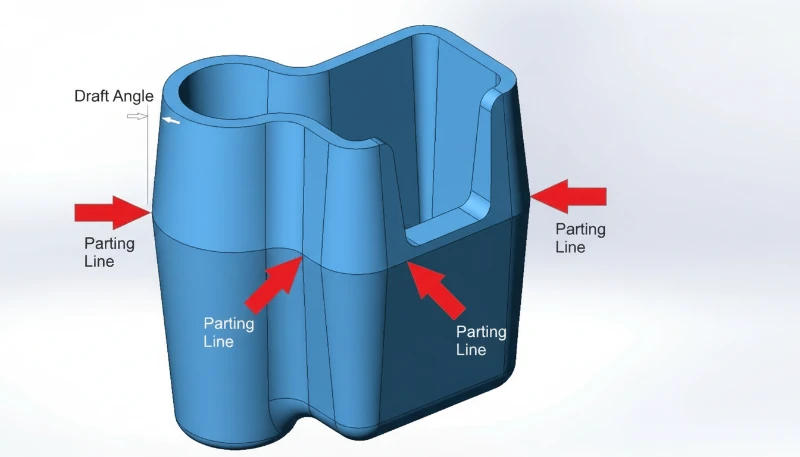
Powierzchnia podziału jest płaszczyzną styku dwóch połówek formy — strony gniazda (strony A) i strony rdzenia (strony B). Po zamknięciu formy obie powierzchnie dociskają się do siebie pod wpływem wielotonowej siły zamykania. Linia podziału to wąski ślad pozostawiany przez ten styk na gotowej części z tworzywa.
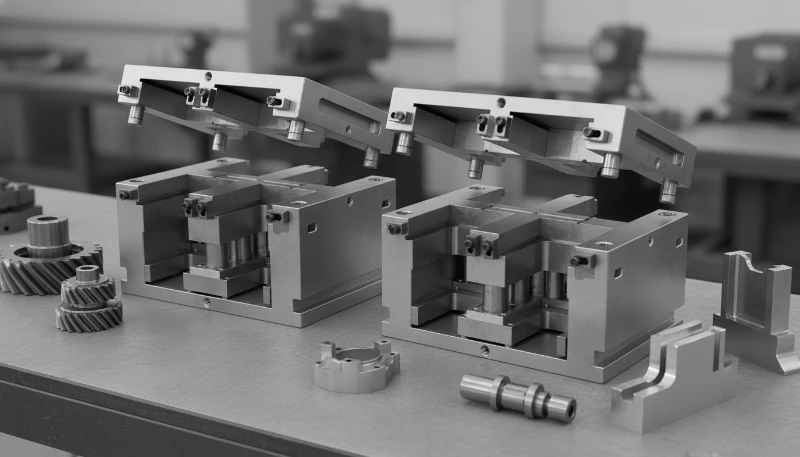
W wąskim znaczeniu powierzchnia podziału odnosi się konkretnie do głównej płaszczyzny rozdziału przy największym obrysie części — powierzchni oddzielającej gniazdo od rdzenia. W szerszym znaczeniu obejmuje wszystkie powierzchnie styku między modułami formy: powierzchnie suwaków, styki wypychaczy skośnych, połączenia wkładek i gniazda wypychaczy. Każdy z tych styków może pozostawić widoczną linię na części.
Specjaliści z branży często nazywają ją w skrócie “powierzchnią PL” lub “linią PL”. Grubość i widoczność tej linii zależą od precyzji formy, siły zwarcia, lepkości materiału i warunków przetwórstwa. Dobrze zaprojektowana powierzchnia podziału i wąskie tolerancje formy dają linię tak cienką, że jest prawie niewidoczna — zwykle ma szerokość 0,01–0,05 mm. Źle zaprojektowana powierzchnia powoduje widoczne wypływki, przesunięcia lub uskoki, które wymagają dodatkowego przycinania.
Jak powstaje linia podziału podczas formowania?
Linia podziału powstaje, gdy dwie połówki formy zamykają się pod działaniem siły zwarcia, tworząc fizyczny szew na gotowej części. Forma wtryskowa składa się z co najmniej dwóch połówek — nieruchomej, zamocowanej do stałej płyty maszyny, i ruchomej, zamocowanej do płyty ruchomej. Gdy wtryskarka zamyka formę, obie połówki stykają się na powierzchni podziału.
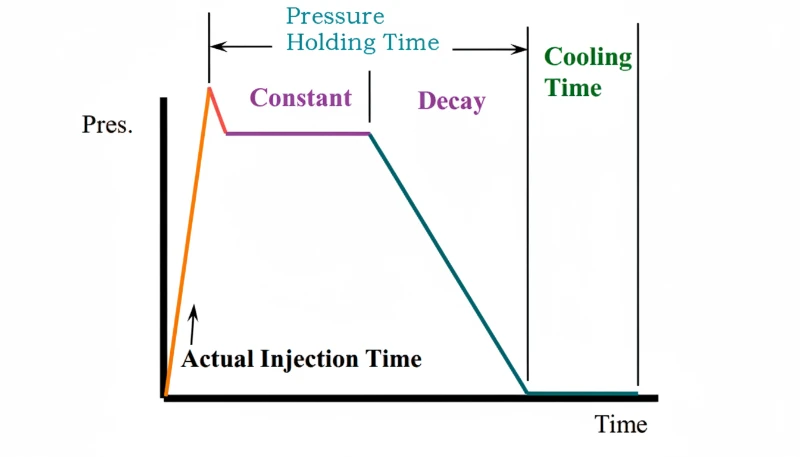
Podczas wtrysku stopione tworzywo wypełnia gniazdo pod wysokim ciśnieniem (zwykle 500–2000 bar). Część tego ciśnienia działa bezpośrednio na powierzchnię podziału. Nawet między precyzyjnie szlifowanymi powierzchniami formy istnieje mikroskopijna szczelina. Jeśli ciśnienie wtrysku przekroczy wartość, którą może zrównoważyć siła zwarcia, materiał wciska się w tę szczelinę — w ten sposób powstaje wypływka.
Po schłodzeniu i zestaleniu forma otwiera się wzdłuż płaszczyzny podziału. Część pozostaje po stronie rdzenia (ponieważ skurcz zaciska ją na rdzeniu), a układ wypychania uwalnia ją z formy. Szew w miejscu styku dwóch połówek formy zostaje trwale odwzorowany na powierzchni części jako linia podziału.
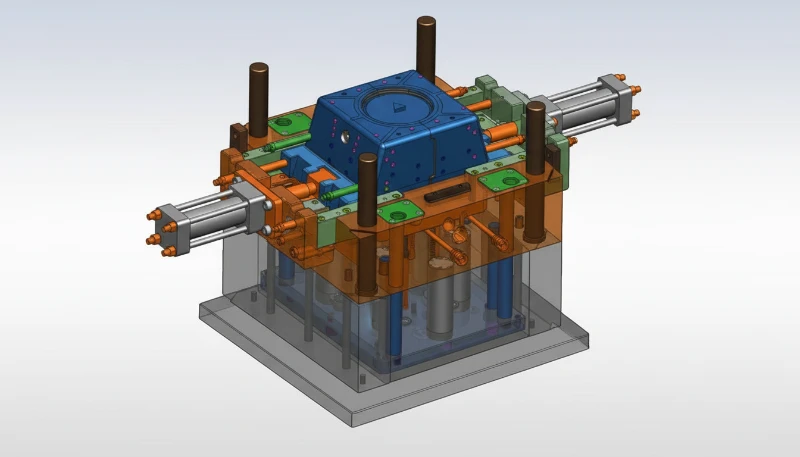
W większości przypadków linia podziału przebiega prostopadle do kierunku otwierania formy. Jednak w przypadku złożonych geometrii — detali z podcięciami, cechami bocznymi lub asymetrycznymi profilami — powierzchnia podziału może obejmować odcinki stopniowane, nachylone lub zakrzywione. Takie wielokierunkowe powierzchnie podziału wymagają do prawidłowego działania dodatkowych mechanizmów formy, takich jak suwaki, wypychacze skośne lub sworznie kątowe.
"Szerokość linii podziału 0.01 mm uznaje się za dopuszczalną dla większości części dekoracyjnych."True
Na widocznych lub estetycznych powierzchniach linie podziału mniejsze niż 0,05 mm są na ogół akceptowalne. Formy o wysokiej precyzji mogą osiągnąć 0,01 mm lub mniej, co jest niemal niewidoczne gołym okiem.
"Linia podziału jest wadą spowodowaną nieprawidłowym wykonaniem formy."False
Linia podziału jest nieuniknioną cechą każdej formy dwuczęściowej. Występuje na każdej części formowanej wtryskowo, niezależnie od jakości formy. Różni się jedynie jej widoczność — forma precyzyjna pozostawia linię niemal niewyczuwalną, natomiast forma zużyta lub źle zaprojektowana powoduje widoczny wypływ.
Jakie są rodzaje powierzchni podziału?
Pięć rodzajów powierzchni rozdzielających to płaskie, schodkowe, skośne, zakrzywione i kompozytowe. Wybór odpowiedniego typu jest jedną z pierwszych i najważniejszych decyzji w projektowaniu formy. Oto pięć głównych kategorii:
Płaska (prosta) powierzchnia podziału
Najprostszy i najczęstszy typ. Powierzchnia podziału jest pojedynczą płaską płaszczyzną prostopadłą do kierunku otwierania formy. Rozwiązanie dobrze sprawdza się w częściach kubkowych, płaskich panelach i każdej geometrii, której największy przekrój stanowi czysta pozioma płaszczyzna. Płaskie powierzchnie podziału są najłatwiejsze w obróbce, uszczelnieniu i konserwacji — co bezpośrednio przekłada się na niższy koszt formy i bardziej stałą jakość części.
Stopniowana powierzchnia podziału
Gdy część ma elementy na różnych wysokościach, których nie można uwzględnić za pomocą jednej płaskiej płaszczyzny, powierzchnia podziału wznosi się lub opada stopniowo, podążając za obrysem części. Schodkowe powierzchnie podziału wytwarzają podczas wtrysku siły boczne, którym forma musi się przeciwstawić — zwykle za pomocą elementów zazębiających się lub wkładek klinowych. Jeśli wysokość stopnia jest nadmierna, konstruktorzy dodają podkładki oporowe, aby częściowo spłaszczyć powierzchnię, zachowując niezbędny prześwit.
Kątowa (pochylona) powierzchnia podziału
W przypadku części z elementami ukośnymi lub asymetrycznymi profilami powierzchnia podziału przebiega po płaszczyźnie pochyłej. Powierzchnia ukośna obejmuje sekcję uszczelniającą wzdłuż pochylenia (aby zatrzymać tworzywo) oraz płaską sekcję odniesienia (do obróbki, ustawiania i pomiarów). Ten typ wymaga szczególnej uwagi przy zarządzaniu siłami poprzecznymi — ciśnienie wtrysku tworzy boczny napór, który musi zostać zrównoważony.
Zakrzywiona (profilowana) powierzchnia podziału
Złożone produkty konsumpcyjne — na przykład obudowy elektronarzędzi, elementy wykończenia wnętrz samochodów lub obudowy urządzeń medycznych — często wymagają powierzchni podziału biegnących wzdłuż zakrzywionych konturów części. Powierzchnia czołowa formy jest obrabiana CNC zgodnie z profilem 3D. Zakrzywione powierzchnie podziału wymagają dużej precyzji obróbki i starannego zaprojektowania powierzchni uszczelniającej, aby zapobiec wypływkom wzdłuż całego konturu.
Złożona (kombinowana) powierzchnia podziału
Wiele rzeczywistych części łączy co najmniej dwa z powyższych typów. Jedna forma może mieć płaski odcinek w jednym obszarze, uskok w innym i zakrzywiony odcinek jeszcze gdzie indziej. Złożone powierzchnie podziału wymagają szczególnej uwagi w strefach przejściowych — ostre naroża na styku różnych typów powierzchni należy wygładzić, aby uniknąć osłabienia stali formy i zapobiec powstawaniu wypływki.
Jakie są najważniejsze zasady projektowania powierzchni podziału?
Dobra konstrukcja powierzchni podziału opiera się na praktycznych zasadach równoważących jakość części, koszt formy i niezawodność produkcji. W ciągu ponad 20 lat budowania form stwierdziliśmy, że właśnie te zasady odróżniają płynną serię produkcyjną od tygodni modyfikowania formy.
Zasada 1: zapewnij prawidłowe wyjęcie z formy
Główna powierzchnia podziału powinna znajdować się w największym przekroju części w kierunku otwierania formy. To podstawowa zasada. Umieszczenie linii podziału gdzie indziej wymaga mechanizmów bocznych (suwaków, wypychaczy skośnych), co zwiększa koszt, złożoność i liczbę punktów obsługi formy. Każdy dodatkowy mechanizm boczny jest kolejnym potencjalnym źródłem wypływek, zużycia i przestojów.
Zasada 2: Utrzymuj część po właściwej stronie
Ponieważ układ wypychania znajduje się na ruchomej połowie formy (strona B), powierzchnię podziału należy zaprojektować tak, aby po otwarciu formy część pozostała na rdzeniu. Jeśli część przylgnie do gniazda (strona A), na nieruchomej połowie będzie potrzebny osobny mechanizm wypychania, co zwiększy koszty i złożoność. Kąty pochylenia po stronie rdzenia oraz podcięcia pomagają zapewnić niezawodne utrzymanie części.
Zasada 3: Zachowaj dokładność wymiarową
Każdy wymiar przecinający linię podziału jest narażony na odchyłki wynikające z osiowania formy, ugięcia podczas zamykania i powstawania wypływek. W przypadku wymiarów krytycznych — zwłaszcza wymagających ścisłej współosiowości lub tolerancji położenia — wszystkie powiązane cechy należy umieścić po tej samej stronie formy. Otwór stopniowany wymagający współosiowości ±0.02 mm powinien być wykonany przez jeden rdzeń w jednej połowie formy, a nie rozdzielony między obie połowy.
Jak cienką może być wykonana linia podziału?
Powietrze uwięzione w gnieździe powoduje przypalenia, niedolewy i słabe linie łączenia. Powierzchnię podziału należy umieścić tak, aby czoło stopionego tworzywa dotarło do linii podziału jako ostatnie, umożliwiając ujście powietrza przez naturalną szczelinę między połówkami formy. Jeśli powierzchnia podziału zostanie uszczelniona przed pełnym wypełnieniem gniazda, powietrze zostaje uwięzione w ślepych obszarach bez drogi ujścia.
Zasada 5: uprość konstrukcję formy
Każdy dodatkowy element złożoności powierzchni podziału zwiększa czas obróbki, koszt kontroli i ryzyko konserwacyjne. Jeśli geometria detalu na to pozwala, zawsze preferowana jest płaska powierzchnia podziału. Gdy złożoność jest nieunikniona — jak w przypadku powierzchni stopniowanych lub zakrzywionych — należy łączyć wiele elementów we wspólne powierzchnie, aby ograniczyć całkowitą liczbę przejść podziału.
„Wymiary przebiegające przez linię podziału wykazują większą zmienność niż wymiary znajdujące się na jednej połówce formy”.True
Na każdy wymiar przebiegający przez obie połówki formy wpływają dokładność ich ustawienia, powtarzalność siły zwarcia, różnice rozszerzalności cieplnej oraz grubość wypływki. Utrzymanie wąskich tolerancji (±0,05 mm lub lepszych) w poprzek linii podziału jest znacznie trudniejsze niż w obrębie jednej połówki formy.
„Stopniowana powierzchnia podziału zawsze wymaga mechanizmów bocznego wyciągania rdzenia.”False
Stopniowane powierzchnie podziału podążają za zmianami wysokości geometrii detalu, lecz nadal otwierają się w głównym kierunku formy. Boczne wyciąganie rdzeni za pomocą suwaków jest potrzebne przy podcięciach, czyli cechach prostopadłych do kierunku otwierania formy. Stopień może występować bez podcięcia.
Jak położenie linii podziału wpływa na jakość detalu?
Położenie linii podziału jest prawdopodobnie decyzją o największym wpływie na konstrukcję formy. Bezpośrednio oddziałuje na cztery wymiary jakości: wygląd, dokładność wymiarową, wykończenie powierzchni i trwałość oprzyrządowania.
Wygląd: Na powierzchniach dekoracyjnych linia podziału jest widocznym szwem. W produktach konsumenckich trzeba ją ukryć w niewidocznym miejscu, zamaskować wzdłuż krawędzi elementu albo wykończyć tak, by była niemal niewidoczna. Jeśli część ma widoczną powierzchnię klasy A, linia podziału powinna znajdować się z tyłu lub wzdłuż naturalnego załamania. Współpracowaliśmy z klientami motoryzacyjnymi, którzy odrzucili całe partie produkcyjne, ponieważ linia przesunęła się o 0.2 mm względem uzgodnionego położenia.
Dokładność wymiarowa: Jak omówiono wcześniej, wymiary przechodzące przez linię podziału przejmują tolerancję ustawienia formy. W przypadku części z ogólną tolerancją ±0.1 mm zwykle nie stanowi to problemu. Przy elementach precyzyjnych o wymaganej tolerancji ±0.02 mm należy całkowicie unikać dzielenia krytycznych cech linią podziału.
Wykończenie powierzchni: Obszar linii podziału zwykle ma inną fakturę niż pozostała część wyrobu. Nawet w polerowanych formach miejsce styku połówek tworzy niewielki uskok lub ślad. Jeśli część wymaga określonego wykończenia SPI (na przykład SPI A-2 dla powierzchni o jakości optycznej), obszar linii podziału nigdy nie będzie idealnie zgodny z otaczającą powierzchnią.
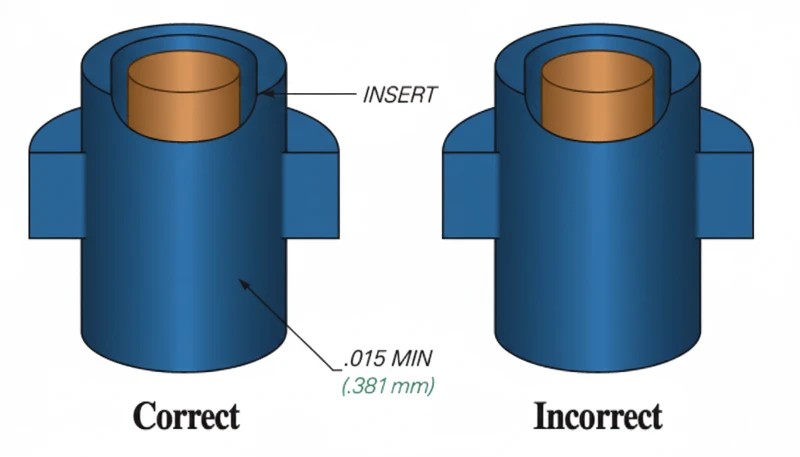
Trwałość oprzyrządowania: Powierzchnie podziału w każdym cyklu przenoszą pełną siłę zwarcia. Dobrze zaprojektowana powierzchnia z właściwym podparciem i dostatecznym obszarem styku wytrzyma setki tysięcy wtrysków. Źle zaprojektowana — z ostrymi krawędziami, niewystarczającą powierzchnią uszczelniającą lub nadmiernym nawisem — zużyje się, ulegnie wgnieceniom i zacznie tworzyć wypływki już po dziesiątkach tysięcy cykli.
Kiedy należy stosować stopniowane lub zakrzywione powierzchnie podziału?
Schodkowe powierzchnie rozdzielające stosuje się, gdy część ma elementy na różnych wysokościach, a zakrzywione powierzchnie są potrzebne dla geometrii niepłaskiej. Oto, kiedy używać każdego typu i jakie kompromisy akceptować.
Stosuj schodkową powierzchnię podziału, gdy: Część ma cechy na wyraźnie różnych wysokościach, których nie można rozformować za pomocą jednej płaskiej powierzchni. Typowe przykłady to obudowy elektroniki z wycięciami na złącza na różnych poziomach, połówki obudów ze schodkowymi słupkami montażowymi oraz elementy pomp z kilkoma poziomami uszczelnienia. Głównym zagadnieniem inżynierskim jest kontrola bocznych sił wtrysku — ciśnienie stopionego tworzywa działa na stopień z boku, a bez właściwych zamków lub podpór klinowych połówki formy mogą się przesunąć, powodując odchyłki wymiarowe i wypływki.
Stosuj zakrzywioną powierzchnię podziału, gdy: Część ma organiczną, niepłaską geometrię — na przykład obudowa produktu konsumenckiego, element wykończenia samochodu lub ergonomiczny uchwyt. Powierzchnia podziału biegnie wzdłuż konturu 3D części, aby ukryć linię na naturalnej krawędzi lub granicy cechy. Takie podejście daje najlepszy efekt wizualny, ale wymaga bardzo precyzyjnej obróbki CNC i starannego teksturowania formy, by zapewnić jednolite wykończenie na całym zakrzywionym styku.
Analiza kompromisów: Przejście od płaskiej przez schodkową do zakrzywionej powierzchni podziału zwiększa koszt wykonania formy na każdym etapie mniej więcej o 15–30%. Powierzchnie schodkowe wymagają dodatkowej obróbki zamków i potencjalnie większych korpusów form. Zakrzywione wymagają obróbki CNC w 5 osiach i dłuższego dopasowywania. Skutki produkcyjne także są realne — złożone powierzchnie szybciej się zużywają, wymagają częstszej konserwacji i są bardziej wrażliwe na odchylenia parametrów procesu.
"Zakrzywione powierzchnie podziału są zawsze droższe w wykonaniu niż powierzchnie płaskie."True
Zakrzywione powierzchnie podziału wymagają 5-osiowej obróbki CNC, dłuższego dopasowywania i tuszowania oraz bardziej złożonej kontroli. Płaską powierzchnię podziału można szybko wyszlifować powierzchniowo do wymaganej tolerancji, natomiast zakrzywioną trzeba obrobić i ręcznie dopasować wzdłuż całego konturu. Narzut kosztowy wynosi zazwyczaj 20–40% względem porównywalnej konstrukcji płaskiej.
"Formowanie z wkładkami pozwala całkowicie wyeliminować linię podziału."False
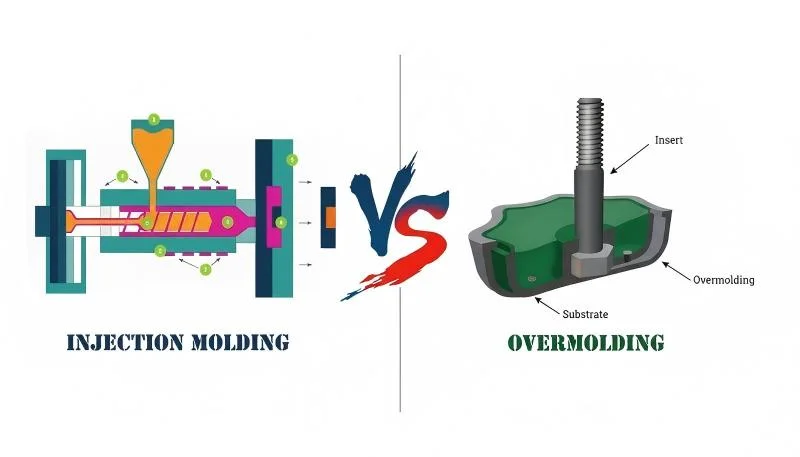
Formowanie z wkładką nadal wykorzystuje formę dwuczęściową, dlatego również pozostawia linię podziału. Wkładkę umieszcza się w formie przed wtryskiem, ale forma wciąż otwiera się i zamyka wzdłuż powierzchni podziału. Jedynym sposobem uniknięcia linii podziału jest zastosowanie procesu bez formy dzielonej, na przykład obróbki z pełnego materiału.
Jak analiza DFM może zoptymalizować linię podziału?
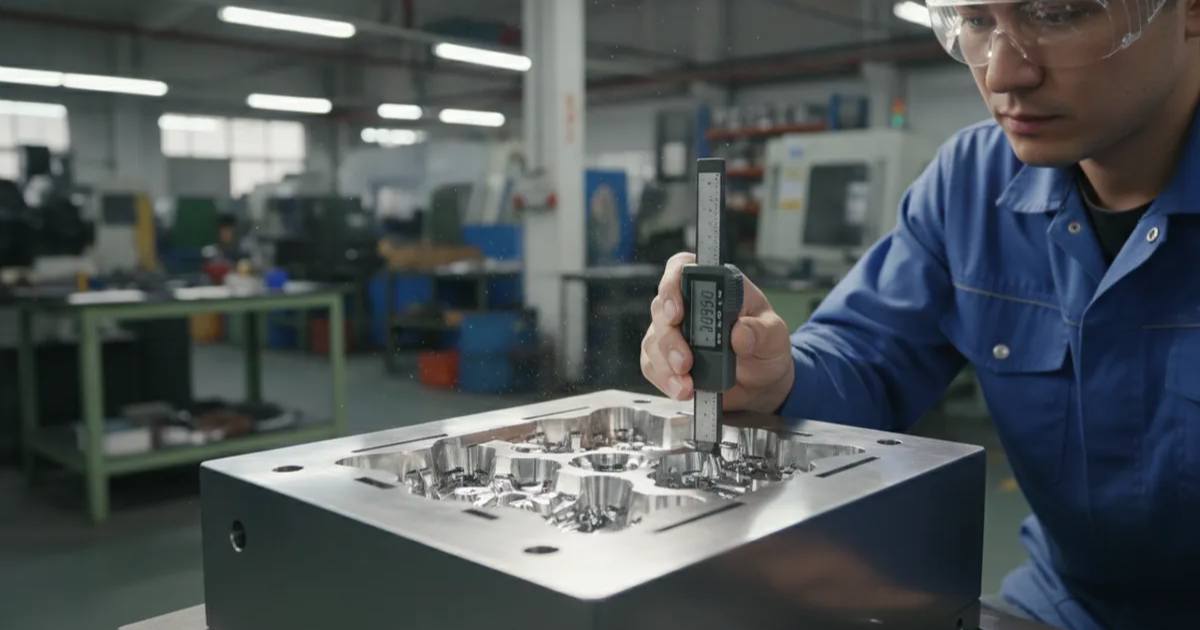
Analiza projektowania pod kątem produkcji (DFM3) jest najlepszym narzędziem do prawidłowego wyznaczenia linii podziału przed rozpoczęciem obróbki stali. W naszym fabrycznym procesie DFM zestawiamy decyzję o podziale z etapami formowania wtryskowego, aby linia wspierała napełnianie, docisk, chłodzenie, wypychanie i kontrolę. Szczegółowy przegląd DFM ocenia geometrię części, wskazuje optymalne położenie linii, sygnalizuje możliwe problemy z rozformowaniem i szacuje wymaganą złożoność formy.
W ZetarMold nasi 8 starszych inżynierów wnosi do każdego przeglądu DFM ponad 10-letnie doświadczenie w projektowaniu form. W naszych próbach narzędziowych nasi inżynierowie procesowi porównują również nadlewy na linii podziału z jednorodnością stopu z wtryskarki ślimakowej, ponieważ niestabilny front stopu może sprawić, że marginalna powierzchnia rozdzielająca wygląda gorzej niż w rzeczywistości. Oto, co obejmuje prawidłowa analiza DFM linii podziału:
1. Identyfikacja podcięć: Każde podcięcie jest katalogowane. Dla każdego określamy, czy wymaga suwaka, wypychacza skośnego, rdzenia składanego, czy można je usunąć przez zmianę położenia linii podziału. W wielu przypadkach niewielkie przeprojektowanie podcięcia całkowicie eliminuje mechanizm boczny, zapewniając znaczne oszczędności kosztu oprzyrządowania.
2. Weryfikacja kąta pochylenia: Wszystkie powierzchnie prostopadłe do linii podziału wymagają odpowiedniego pochylenia — zwykle 1–3°, zależnie od materiału i wykończenia. Ścianki bez pochylenia lub z pochyleniem ujemnym w pobliżu linii będą powodować przywieranie, zarysowania albo problemy z wypychaniem.
3. Ocena ryzyka wypływki: Oceniamy, które obszary powierzchni podziału będą narażone na najwyższe ciśnienie stopionego tworzywa i czy forma ma wystarczającą powierzchnię styku, aby je powstrzymać. Cienkościenne przekroje przy linii podziału są strefami wysokiego ryzyka powstawania wypływek.
W naszej fabryce w Szanghaju eksploatujemy 47 wtryskarek o sile zwarcia od 90T do 1850T, wspieranych przez własny zakład produkcji form. Każda wykonana przez nas forma przechodzi rygorystyczną weryfikację linii podziału — ponieważ nawet niedopasowanie rzędu 0.05 mm może spowodować widoczną wypływkę na gotowej części.
"Nylon (PA) wymaga węższych tolerancji linii podziału niż poliwęglan (PC) ze względu na niższą lepkość stopionego tworzywa."True
Nylon ma znacznie niższą lepkość stopu niż poliwęglan, co oznacza, że łatwiej wpływa w mikroskopijne szczeliny na powierzchni podziału. Z tego powodu części nylonowe są bardziej podatne na wypływki i wymagają ciaśniejszego dopasowania formy (zwykle 0,02 mm lub mniej) niż poliwęglanowe (0,05 mm lub mniej).
"Analiza DFM jest konieczna tylko w przypadku złożonych części lub produkcji wielkoseryjnej."False
Analiza DFM jest cenna w przypadku każdej części formowanej wtryskowo, niezależnie od jej złożoności czy wielkości produkcji. Nawet proste części mogą mieć problemy z linią podziału, które łatwo i tanio usunąć na etapie projektowania, lecz których korekta po wykonaniu formy jest kosztowna. 30-minutowy przegląd DFM może zaoszczędzić tysiące na modyfikacjach formy.
Często zadawane pytania
Co powoduje widoczną wypływkę wzdłuż linii podziału?
Wypływka powstaje, gdy stopione tworzywo wydostaje się podczas fazy wtrysku przez szczelinę między połówkami formy na powierzchni podziału. Typowe przyczyny to niewystarczająca siła zwarcia względem ciśnienia wtrysku, zużyte lub uszkodzone powierzchnie formy, które nie zapewniają już szczelności, nieprawidłowe ustawienie formy powodujące nierównomierny nacisk, zbyt wysokie ciśnienie dopakowania utrzymywane zbyt długo oraz materiały o niskiej lepkości, takie jak nylon, łatwo wpływające w małe szczeliny. Regularna konserwacja formy — w tym ponowne dopasowanie powierzchni podziału co 50,000–100,000 cykli — wraz z właściwą kontrolą parametrów procesu i odpowiednim tonażem maszyny stanowią podstawową ochronę przed wypływką na linii podziału.
Czy można całkowicie wyeliminować linię podziału z detalu formowanego wtryskowo?
Nie, nie można. Każdy detal formowany wtryskowo w konwencjonalnej formie dwuczęściowej zawsze będzie miał linię podziału w miejscu styku połówek gniazda i stempla. Celem nie jest jej usunięcie, lecz zminimalizowanie dzięki precyzyjnej konstrukcji formy ze szlifowanymi powierzchniami podziału, strategicznemu umieszczeniu linii na powierzchniach niedekoracyjnych i zoptymalizowanym parametrom procesu. W zastosowaniach, w których jakikolwiek widoczny szew jest niedopuszczalny, obróbka CNC z pełnego materiału lub wytwarzanie addytywne mogą zapewnić detale bezszwowe, ale przy znacznie wyższym koszcie jednostkowym i mniejszej wydajności.
Jak cienka może być linia podziału?
W precyzyjnie szlifowanej formie wykonanej z hartowanej stali narzędziowej (HRC 48–52) szerokość linii podziału można ograniczyć do 0.005–0.01 mm — jest ona praktycznie niewidoczna gołym okiem i niewyczuwalna w dotyku. Standardowe formy produkcyjne pozostawiają zwykle linie o szerokości 0.02–0.05 mm, które są widoczne, lecz akceptowalne w większości zastosowań bez wymagań estetycznych. Możliwa do uzyskania szerokość zależy od kilku czynników: dokładności obróbki formy (szlifowanie powierzchniowe lub frezowanie), twardości i odporności stali na zużycie, odpowiedniej siły zwarcia, profilu ciśnienia wtrysku oraz lepkości stopionego tworzywa. Formy o większej precyzji kosztują więcej, ale zapewniają stale cieńsze linie podziału podczas dłuższych serii produkcyjnych.
Czym różni się powierzchnia podziału od linii podziału?
Powierzchnia podziału to cały styk między dwiema połówkami formy — jest to dwu- lub trójwymiarowa powierzchnia w samym narzędziu. Linia podziału to wąski, jednowymiarowy ślad pozostawiany przez ten styk na powierzchni uformowanej części z tworzywa po jej wypchnięciu. Innymi słowy, powierzchnia podziału jest cechą konstrukcyjną formy istniejącą w stali narzędziowej, natomiast linia podziału jest widocznym śladem tej powierzchni przeniesionym na gotową część. Jedna powierzchnia podziału może tworzyć złożoną, krętą linię podziału, jeśli geometria formy obejmuje odcinki schodkowe, nachylone lub zakrzywione.
Czy położenie linii podziału wpływa na koszt formowania wtryskowego?
Tak, znacznie. Prosta płaska powierzchnia podziału jest najbardziej ekonomiczna pod względem wykonania oprzyrządowania, obróbki i konserwacji. Każdy wzrost złożoności — stopniowanie powierzchni, dodawanie krzywizn lub kolejnych styków podziału — zwiększa czas obróbki, nakład pracy przy dopasowaniu, wymagania kontrolne i długoterminowy koszt konserwacji. Przejście z płaskiej na złożoną powierzchnię podziału zwykle zwiększa koszt formy o 30–50%. Linie podziału wymagające mechanizmów bocznych, takich jak suwaki, wypychacze skośne czy sworznie kątowe, zwiększają koszt jeszcze bardziej, ponieważ każdy mechanizm wymaga własnego prowadzenia, płyty ślizgowej i mechanizmu powrotnego, a także dodatkowego dopasowania i prób podczas uruchamiania formy.
Jaki kąt pochylenia jest potrzebny w pobliżu linii podziału?
W standardowym formowaniu produkcyjnym zaleca się pochylenie co najmniej 1° na stronę dla wszystkich powierzchni prostopadłych do linii podziału. Części o powierzchniach teksturowanych (takich jak wykończenia MT, VDI lub elektroerozyjne) wymagają 1.5–3° na stronę — głębsze tekstury wymagają większego pochylenia, aby zapobiec zarysowaniu tekstury podczas wypychania. Powierzchnie polerowane lub lustrzane mogą wymagać zaledwie 0.5° pochylenia. Ścianki bez pochylenia lub z pochyleniem ujemnym w pobliżu linii podziału grożą zakleszczaniem części, rysowaniem powierzchni podczas wypychania, większymi śladami wypychaczy i zmianami wymiarów między cyklami. Pochylenie należy określić podczas projektowania części, a nie odkrywać jako problem podczas prób formy.
Jak siła zwarcia wpływa na jakość linii podziału?
Siła zwarcia wtryskarki musi przewyższać całkowitą siłę rozdzielającą, powstającą wskutek działania ciśnienia wtrysku na rzutowaną powierzchnię płaszczyzny podziału. Jeśli siła zwarcia jest niewystarczająca, forma nieznacznie otwiera się podczas faz wtrysku i docisku, tworząc szczelinę, przez którą tworzywo wypływa w postaci wypływki wzdłuż linii podziału. Wymaganą siłę zwarcia oblicza się według wzoru: ciśnienie wtrysku × rzutowana powierzchnia gniazd × współczynnik bezpieczeństwa (zwykle 1.1–1.2). Eksploatacja formy na zbyt małej maszynie jest najczęstszą przyczyną wypływek na linii podziału w warunkach produkcyjnych. Dobór odpowiedniego tonażu maszyny na etapie planowania produkcji jest niezbędny do utrzymania stałej jakości linii podziału.
Zespół inżynierski ZetarMold wnosi do każdego projektu 20+ lat doświadczenia w projektowaniu form, kompetencje 8 starszych inżynierów oraz własny zakład produkcji form. Od analizy DFM po produkcję optymalizujemy linię podziału pod kątem jakości, kosztów i parametrów użytkowych. Dysponujemy 47 wtryskarkami (90T-1850T) i przetwarzamy 400+ tworzyw, dzięki czemu realizujemy zarówno precyzyjne elementy optyczne, jak i duże części konstrukcyjne.
Poproś o bezpłatną wycenę →
linia podziału: linia podziału oznacza widoczną linię na uformowanej części w miejscu, w którym podczas formowania wtryskowego stykają się dwie połówki formy. ↩
wypływka: wypływka oznacza nadmiar materiału wydostający się z gniazda formy przy linii podziału podczas wtrysku i tworzący cienkie, niepożądane krawędzie. ↩
DFM: DFM oznacza projektowanie pod kątem produkcji — praktykę projektowania części tak, aby ich wytwarzanie było łatwiejsze i bardziej opłacalne. ↩