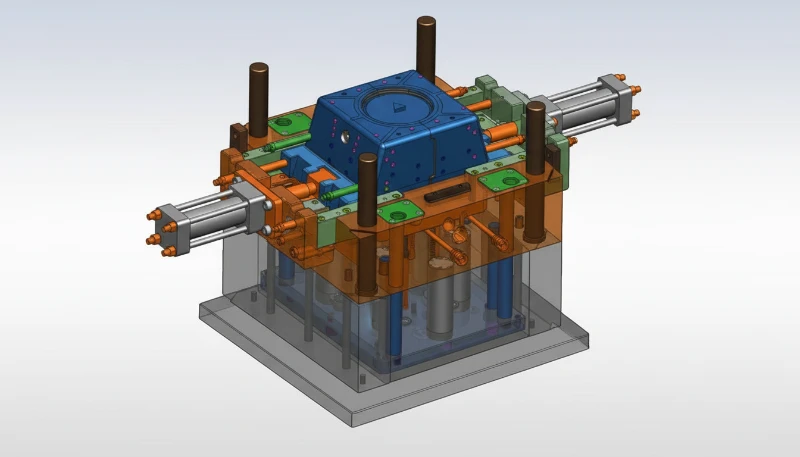
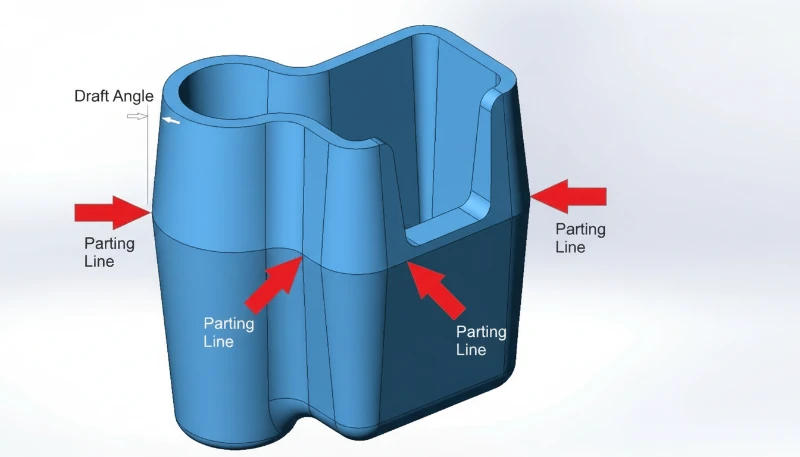
Jedes Spritzgussteil besitzt eine: die dünne Linie auf der Oberfläche, an der die beiden Formhälften zusammentreffen. Die Trennlinie1 ist kein Fehler, sondern ein unvermeidbares Merkmal des Spritzgießverfahrens. Ihre Lage und die darauf abgestimmte Konstruktion können jedoch den Unterschied zwischen einem serienreifen Bauteil und einer kostspieligen Neukonstruktion ausmachen.
In unserem Formenbau haben wir häufiger, als wir zählen können, erlebt, dass Ingenieure die Trennlinie falsch festlegen. Es wirkt einfach – die Form wird lediglich geteilt –, bis klar wird, dass die Trennlinie genau bestimmt, wo Grat2 entsteht, welche Maße eng toleriert werden können, ob sich das Teil überhaupt ordnungsgemäß auswerfen lässt und wie hoch die Werkzeugkosten ausfallen. Dieser Leitfaden vermittelt Ingenieuren alles Wissenswerte über Trennflächen und Trennlinien, damit die Auslegung gleich beim ersten Mal gelingt.
- Die Trennlinie ist die sichtbare Spur an der Stelle, an der die beiden Werkzeughälften beim Einspritzen zusammentreffen.
- Die Gestaltung der Trennfläche wirkt sich unmittelbar auf Teilequalität, Werkzeugkosten und Produktionseffizienz aus.
- Fünf Haupttypen: ebene, gestufte, schräge, gekrümmte und zusammengesetzte Trennflächen.
- Eine DFM-Analyse vor dem Werkzeugbau kann 80 % der durch die Trennlinie bedingten Produktionsprobleme verhindern.
- Grat an der Trennlinie wird durch Formpräzision, Schließkraft und Materialauswahl beherrscht.
Was ist eine Trennfläche beim Spritzgießen?
Eine Trennfläche ist die ebene oder konturierte Kontaktfläche, an der zwei Formhälften beim Einspritzen zusammentreffen und abdichten. Wenn Sie Anbieter vergleichen oder die Beschaffung planen, behandelt unser Leitfaden zur Beschaffung von Spritzgusslieferanten die Vorbereitung von Angebotsanfragen, die Qualifizierung und die Prüfung kommerzieller Risiken.
Eine Trennfläche ist die Kontaktfläche zwischen zwei Werkzeughälften: der Kavitätsseite (A-Seite) und der Kernseite (B-Seite). Beim Schließen des Werkzeugs werden diese beiden Flächen mit einer Schließkraft von mehreren Tonnen aufeinandergepresst. Die Trennlinie ist die schmale Spur, die diese Grenzfläche am fertigen Kunststoffteil hinterlässt.
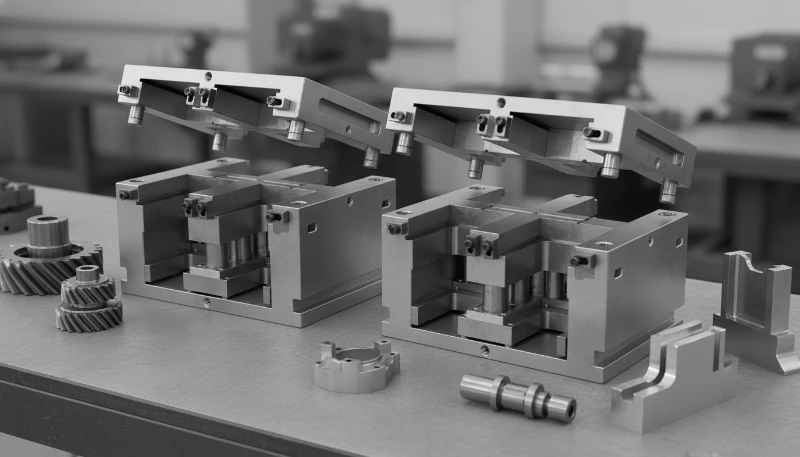
Im engeren Sinne bezeichnet die Trennfläche speziell die Haupttrennebene an der größten Kontur des Teils – die Fläche, welche die Kavität vom Kern trennt. Im weiteren Sinne umfasst sie alle Kontaktflächen zwischen Werkzeugmodulen: Schieberflächen, Schnittstellen von Schrägauswerfern, Einsatzfugen und Auflageflächen von Auswerferstiften. Jede dieser Schnittstellen kann eine sichtbare Linie auf dem Teil hinterlassen.
Branchenfachleute nennen sie kurz “PL surface” oder “PL line”. Dicke und Sichtbarkeit dieser Linie hängen von Werkzeugpräzision, Schließkraft, Materialviskosität und Verarbeitungsbedingungen ab. Eine gut konstruierte Trennfläche mit engen Werkzeugtoleranzen erzeugt eine so feine Linie, dass sie kaum sichtbar ist — üblicherweise 0.01 bis 0.05 mm breit. Eine schlecht konstruierte Trennfläche verursacht sichtbaren Grat, Versatz oder Stufenmarken, die nachgelagerte Beschnittarbeiten erfordern.
Wie entsteht die Trennfuge beim Formprozess?
Die Trennlinie entsteht, wenn sich zwei Formhälften unter Schließkraft schließen und am fertigen Teil eine sichtbare Naht bilden. Ein Spritzgusswerkzeug besteht aus mindestens zwei Hälften: einer an der festen Aufspannplatte montierten festen Hälfte und einer an der beweglichen Aufspannplatte montierten beweglichen Hälfte. Beim Schließen der Form treffen beide Hälften an der Trennfläche aufeinander.
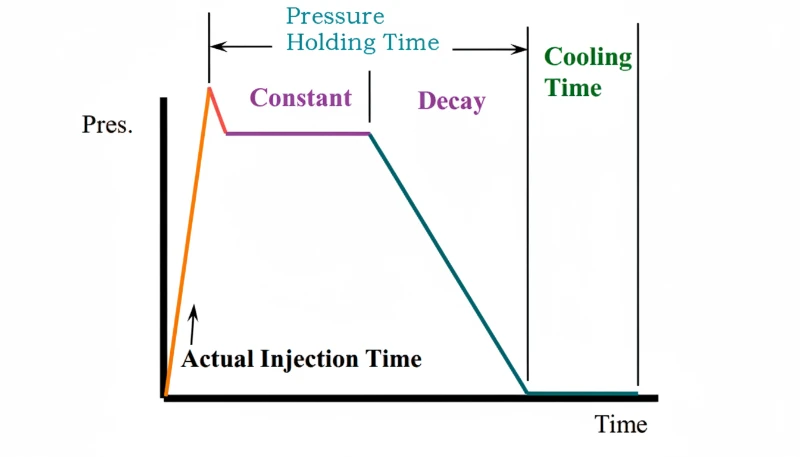
Beim Einspritzen füllt die Kunststoffschmelze die Kavität unter hohem Druck, üblicherweise 500–2,000 bar. Ein Teil dieses Drucks wirkt direkt auf die Trennfläche. Selbst bei präzisionsgeschliffenen Formflächen besteht zwischen den Formhälften ein mikroskopisch kleiner Spalt. Übersteigt der Einspritzdruck den Druck, den die Schließkraft aufnehmen kann, dringt Material in diesen Spalt ein – dadurch entsteht Grat.
Nach dem Abkühlen und Erstarren öffnet sich das Werkzeug entlang der Trennebene. Das Bauteil bleibt auf der Kernseite – weil es durch die Schwindung am Kern haftet – und wird vom Auswerfersystem gelöst. Die Naht, an der die beiden Werkzeughälften aufeinandertrafen, ist nun dauerhaft als Trennlinie auf der Bauteiloberfläche sichtbar.
In den meisten Fällen verläuft die Trennlinie senkrecht zur Öffnungsrichtung des Werkzeugs. Bei komplexen Geometrien — Teilen mit Hinterschneidungen, seitlichen Merkmalen oder asymmetrischen Profilen — kann die Trennfläche jedoch gestufte, schräge oder gekrümmte Abschnitte umfassen. Diese multidirektionalen Trennflächen benötigen zusätzliche Werkzeugmechanismen wie Schieber, Schrägauswerfer oder Schrägstifte, um korrekt zu funktionieren.
"Eine Trennfugenbreite von 0.01 mm gilt für die meisten Sichtteile als akzeptabel."True
Bei sichtbaren oder optisch relevanten Flächen sind Trennlinien unter 0,05 mm im Allgemeinen akzeptabel. Hochpräzisionswerkzeuge erreichen 0,01 mm oder weniger, was mit bloßem Auge nahezu unsichtbar ist.
„Die Trennlinie ist ein Fehler, der durch eine mangelhafte Formenfertigung verursacht wird.“False
Die Trennlinie ist ein unvermeidbares Merkmal jeder zweiteiligen Form. Sie ist unabhängig von der Formqualität an jedem Spritzgussteil vorhanden. Variabel ist nur ihre Sichtbarkeit: Eine Präzisionsform erzeugt eine kaum wahrnehmbare Linie, während eine verschlissene oder schlecht konstruierte Form sichtbaren Grat erzeugt.
Welche Arten von Trennflächen gibt es?
Die fünf Arten von Trennflächen sind eben, gestuft, schräg, gekrümmt und kombiniert. Die Wahl des richtigen Typs ist eine der ersten und wichtigsten Entscheidungen bei der Werkzeugkonstruktion. Dies sind die fünf Hauptkategorien:
Ebene (gerade) Trennfläche
Dies ist die einfachste und häufigste Ausführung. Die Trennfläche ist eine einzige ebene Fläche senkrecht zur Öffnungsrichtung des Werkzeugs. Sie eignet sich für becherförmige Teile, flache Paneele und jede Geometrie, bei der der größte Querschnitt eine saubere horizontale Ebene bildet. Ebene Trennflächen lassen sich am einfachsten bearbeiten, abdichten und warten — dies führt unmittelbar zu niedrigeren Werkzeugkosten und einer gleichmäßigeren Bauteilqualität.
Abgestufte Trennfläche
Wenn ein Teil Merkmale in unterschiedlichen Höhen besitzt, die nicht auf einer einzigen ebenen Fläche untergebracht werden können, folgt die Trennfläche der Bauteilkontur stufenweise nach oben oder unten. Gestufte Trennflächen erzeugen beim Einspritzen seitliche Kräfte, denen die Form widerstehen muss – typischerweise durch ineinandergreifende Merkmale oder keilförmige Einsätze. Bei übermäßiger Stufenhöhe ergänzen Konstrukteure Auflageplatten, um die Fläche teilweise zu nivellieren und zugleich den erforderlichen Freiraum zu erhalten.
Geneigte Trennfläche
Bei Teilen mit abgewinkelten Merkmalen oder asymmetrischen Profilen folgt die Trennfläche einer geneigten Ebene. Die geneigte Fläche umfasst entlang der Schräge einen Dichtungsabschnitt (zum Einschließen des Kunststoffs) und einen ebenen Referenzabschnitt (für Bearbeitung, Ausrichtung und Messung). Dieser Typ erfordert besondere Aufmerksamkeit bei der Beherrschung seitlicher Kräfte — der Einspritzdruck erzeugt einen seitlichen Schub, der ausgeglichen werden muss.
Gekrümmte (konturierte) Trennfläche
Komplexe Konsumgüter – etwa Gehäuse von Elektrowerkzeugen, Innenverkleidungen von Fahrzeugen oder Gehäuse medizinischer Geräte – benötigen häufig Trennflächen, die gekrümmten Bauteilkonturen folgen. Die Werkzeugfläche wird per CNC passend zum 3D-Profil bearbeitet. Gekrümmte Trennflächen erfordern eine hohe Bearbeitungsgenauigkeit und eine sorgfältige Gestaltung der Dichtflächen, damit entlang der gesamten Kontur kein Grat entsteht.
Zusammengesetzte (kombinierte) Trennfläche
Viele reale Bauteile kombinieren zwei oder mehr der oben genannten Arten. Ein einzelnes Werkzeug kann in einem Bereich einen flachen, in einem anderen einen gestuften und an anderer Stelle einen gekrümmten Abschnitt aufweisen. Zusammengesetzte Trennflächen erfordern besondere Aufmerksamkeit in den Übergangszonen. Scharfe Ecken an den Übergängen zwischen verschiedenen Flächentypen müssen verrundet werden, um schwache Stellen im Werkzeugstahl und Gratbildung zu vermeiden.
Was sind die wichtigsten Konstruktionsgrundsätze für Trennflächen?
Eine gute Gestaltung der Trennfläche folgt praktischen Grundsätzen, die Teilequalität, Werkzeugkosten und Produktionszuverlässigkeit gegeneinander abwägen. In mehr als 20 Jahren Werkzeugbau haben wir festgestellt: Diese Regeln entscheiden darüber, ob die Produktion reibungslos anläuft oder wochenlange Werkzeugänderungen erforderlich werden.
Grundsatz 1: Ordnungsgemäße Entformung sicherstellen
Die Haupttrennfläche sollte am größten Querschnitt des Teils in Werkzeugöffnungsrichtung liegen. Dies ist die Grundregel. Wird die Trennlinie an einer anderen Stelle platziert, sind Seitenschieber oder Schrägauswerfer erforderlich, um das Teil freizugeben — dadurch entstehen zusätzliche Kosten, Komplexität und Wartungspunkte am Werkzeug. Jede weitere Seitenbewegung ist eine zusätzliche potenzielle Quelle für Gratbildung, Verschleiß und Stillstandszeiten.
Grundsatz 2: Das Teil auf der richtigen Seite halten
Da sich das Auswerfersystem auf der beweglichen Werkzeughälfte (B-Seite) befindet, sollte die Trennfläche so ausgelegt sein, dass das Teil nach dem Öffnen des Werkzeugs auf dem Kern verbleibt. Bleibt das Teil in der Kavität (A-Seite) hängen, ist auf der festen Hälfte ein eigenes Auswerfersystem erforderlich — dies erhöht Kosten und Komplexität. Entformungsschrägen auf der Kernseite und Hinterschnittmerkmale tragen zu einer zuverlässigen Teilehaftung bei.
Prinzip 3: Maßgenauigkeit bewahren
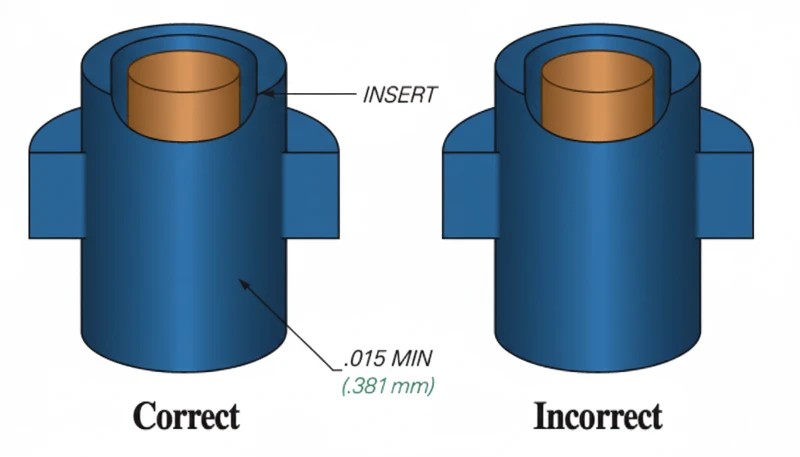
Jedes Maß, das die Trennebene überschreitet, unterliegt Schwankungen durch Formausrichtung, Verformung infolge der Schließkraft und Gratbildung. Bei kritischen Maßen — insbesondere bei engen Anforderungen an Koaxialität oder Positionstoleranz — sollten alle zugehörigen Merkmale auf derselben Formseite liegen. Eine Stufenbohrung mit einer geforderten Koaxialität von ±0,02 mm sollte durch einen einzigen Kern auf einer Formhälfte erzeugt und nicht auf beide Hälften aufgeteilt werden.
Grundsatz 4: Entlüftung optimieren
In der Kavität eingeschlossene Luft verursacht Verbrennungen, unvollständige Formfüllung und schwache Bindenähte. Die Trennfläche sollte so positioniert werden, dass die Schmelzefront die Trennlinie zuletzt erreicht – dadurch kann Luft durch den natürlichen Spalt zwischen den Werkzeughälften entweichen. Wenn die Trennfläche abdichtet, bevor die Kavität vollständig gefüllt ist, wird Luft in Sackgassenbereichen ohne Fluchtweg eingeschlossen.
Grundsatz 5: Werkzeugkonstruktion vereinfachen
Jede zusätzliche Komplexität der Trennfläche erhöht Bearbeitungszeit, Prüfkosten und Wartungsrisiko. Wenn die Bauteilgeometrie es zulässt, ist eine ebene Trennfläche stets vorzuziehen. Wenn Komplexität unvermeidbar ist — etwa bei abgestuften oder gekrümmten Flächen — sollten mehrere Merkmale möglichst zu gemeinsamen Flächen zusammengefasst werden, um die Gesamtzahl der Trennflächenübergänge zu reduzieren.
"Maße über die Trennebene weisen größere Schwankungen auf als Maße auf einer Werkzeughälfte."True
Jedes Maß, das sich über beide Formhälften erstreckt, wird von der Ausrichtungsgenauigkeit der Form, der Konstanz der Schließkraft, Unterschieden bei der Wärmeausdehnung und der Gratdicke beeinflusst. Enge Toleranzen (±0.05 mm oder besser) über die Trennlinie hinweg einzuhalten, ist deutlich schwieriger als auf einer einzelnen Formhälfte.
"Eine abgestufte Trennfläche erfordert immer seitliche Kernzugmechanismen."False
Abgestufte Trennflächen folgen Höhenänderungen der Bauteilgeometrie, öffnen sich jedoch weiterhin in der Hauptöffnungsrichtung des Werkzeugs. Für Hinterschneidungen — Merkmale senkrecht zur Werkzeugöffnungsrichtung — ist ein seitlicher Kernzug (Schieber) erforderlich. Eine Stufe kann auch ohne Hinterschneidung vorhanden sein.
Wie beeinflusst die Lage der Trennlinie die Bauteilqualität?
Die Lage der Trennlinie ist wohl die folgenreichste Einzelentscheidung bei der Werkzeugkonstruktion. Sie beeinflusst unmittelbar vier Qualitätsdimensionen: Erscheinungsbild, Maßgenauigkeit, Oberflächenqualität und Werkzeuglebensdauer.
Erscheinungsbild: Auf Sichtflächen ist die Trennlinie als Naht erkennbar. Bei Konsumgütern muss sie deshalb in einem nicht sichtbaren Bereich verborgen, entlang einer Bauteilkante kaschiert oder nahezu unsichtbar nachbearbeitet werden. Hat das Teil eine sichtbare Class-A-Oberfläche, gehört die Trennlinie auf die Rückseite oder an eine natürliche Unterbrechungslinie. Wir haben mit Automobilkunden gearbeitet, die ganze Produktionslose ablehnten, weil die Trennlinie um 0.2 mm von der vereinbarten Position abwich.
Maßhaltigkeit: Wie oben erläutert, übernehmen Maße über die Trennlinie hinweg die Ausrichtungstoleranz des Werkzeugs. Bei Teilen mit Allgemeintoleranzen von ±0.1 mm ist das meist beherrschbar. Bei Präzisionsbauteilen mit Anforderungen von ±0.02 mm dürfen kritische Merkmale keinesfalls durch die Trennlinie geteilt werden.
Oberflächenfinish: Der Bereich der Trennlinie weist typischerweise eine andere Oberflächenstruktur als das übrige Teil auf. Selbst bei polierten Formen erzeugt der Übergang zwischen den beiden Hälften eine leichte Stufe oder sichtbare Abzeichnung. Benötigt das Teil ein bestimmtes SPI-Finish, etwa SPI A-2 für Oberflächen in Linsenqualität, wird der Bereich der Trennlinie nie vollkommen mit dem umgebenden Finish übereinstimmen.
Werkzeuglebensdauer: Trennflächen sind Zyklus für Zyklus der vollen Schließkraft ausgesetzt. Eine gut ausgelegte Trennfläche mit geeigneter Abstützung und ausreichender Auflagefläche hält Hunderttausende Schuss. Eine schlecht ausgelegte Fläche mit scharfen Kanten, unzureichender Dichtfläche oder übermäßigem Überhang verschleißt, bekommt Druckstellen und entwickelt schon nach Zehntausenden Zyklen Grat.
Wann sollten Sie abgestufte oder gekrümmte Trennflächen verwenden?
Gestufte Trennflächen werden verwendet, wenn ein Teil Merkmale auf unterschiedlichen Höhen besitzt; gekrümmte Flächen sind für nicht ebene Geometrien erforderlich. Hier erfahren Sie, wann welcher Typ eingesetzt wird und welche Zielkonflikte damit verbunden sind.
Verwenden Sie eine gestufte Trennfläche, wenn: Das Teil Merkmale auf deutlich unterschiedlichen Höhen besitzt, die sich nicht über eine einzige ebene Fläche entformen lassen. Elektronikgehäuse mit Anschlussausschnitten auf verschiedenen Höhen, Gehäusehälften mit abgestuften Befestigungsdomen und Pumpenbauteile mit mehreren Dichtebenen sind typische Kandidaten. Die zentrale technische Herausforderung bei gestuften Flächen ist die Beherrschung seitlicher Einspritzkräfte: Der Schmelzedruck wirkt seitlich auf die Stufe, und ohne geeignete Verriegelungen oder Keilabstützungen können sich die Formhälften verschieben, was Maßdrift und Grat verursacht.
Verwenden Sie eine gekrümmte Trennfläche, wenn: Das Teil eine organische, nicht ebene Geometrie aufweist, etwa bei Konsumgütergehäusen, Fahrzeugverkleidungen oder ergonomischen Griffen. Die Trennfläche folgt der 3D-Kontur des Teils, um die Linie entlang einer natürlichen Kante oder Merkmalsgrenze zu verbergen. Dieser Ansatz liefert das beste optische Ergebnis, erfordert jedoch hochpräzise CNC-Bearbeitung und eine sorgfältige Werkzeugtexturierung, damit das Oberflächenfinish über die gekrümmte Kontaktfläche hinweg einheitlich bleibt.
Abwägung: Beim Übergang von ebenen zu gestuften und schließlich gekrümmten Trennflächen erhöht jede Stufe die Werkzeugbaukosten grob um 15–30%. Gestufte Flächen erfordern zusätzliche Bearbeitung für Verriegelungen und möglicherweise größere Formaufbauten. Gekrümmte Flächen verlangen 5-Achs-CNC-Bearbeitung und längere Einpasszeiten. Auch in der Produktion entstehen reale Nachteile: Komplexe Trennflächen verschleißen schneller, müssen häufiger gewartet werden und reagieren empfindlicher auf abweichende Prozessparameter.
"Gekrümmte Trennflächen sind in der Herstellung immer teurer als ebene."True
Gekrümmte Trennflächen erfordern 5-Achs-CNC-Bearbeitung, längere Einpass- und Tuschierzeiten sowie eine komplexere Prüfung. Eine ebene Trennfläche lässt sich schnell auf Toleranz planschleifen, während eine gekrümmte Fläche entlang der gesamten Kontur bearbeitet und von Hand eingepasst werden muss. Der Kostenaufschlag beträgt gegenüber einer vergleichbaren ebenen Konstruktion typischerweise 20–40%.
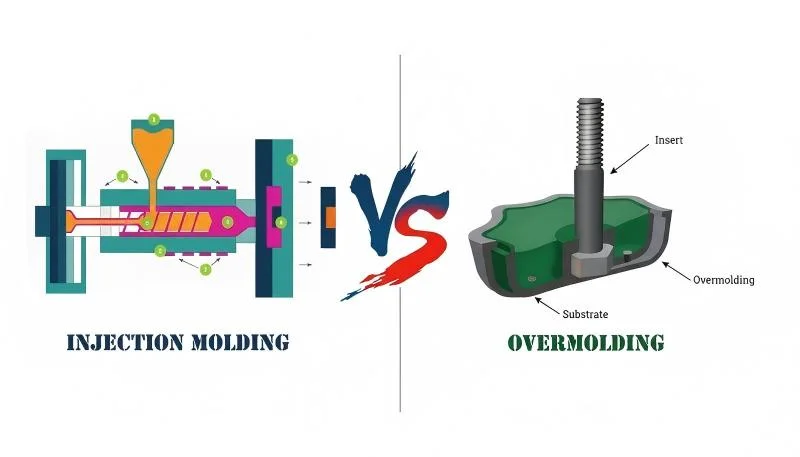
"Durch das Umspritzen von Einlegeteilen lässt sich die Trennlinie vollständig vermeiden."False
Auch beim Umspritzen von Einlegeteilen wird eine zweiteilige Form verwendet, weshalb weiterhin eine Trennlinie entsteht. Das Einlegeteil wird vor dem Einspritzen in die Form gelegt, doch die Form öffnet und schließt sich weiterhin entlang einer Trennfläche. Eine Trennlinie lässt sich nur mit einem Verfahren ohne geteilte Form vermeiden, beispielsweise durch die Bearbeitung aus Vollmaterial.
Wie kann eine DFM-Analyse Ihre Trennlinie optimieren?
Eine Design-for-Manufacturing-Analyse (DFM3) ist das beste Mittel, um die Trennlinie richtig festzulegen, bevor Stahl bearbeitet wird. In unserem DFM-Ablauf im Werk gleichen wir die Trennentscheidung mit den Schritten des Spritzgießens ab, damit die Trennlinie Füllen, Nachdruck, Kühlen, Auswerfen und Prüfen unterstützt. Eine gründliche DFM-Prüfung bewertet die Bauteilgeometrie, ermittelt die optimale Lage der Trennlinie, kennzeichnet mögliche Entformungsprobleme und schätzt die erforderliche Werkzeugkomplexität ab.
Bei ZetarMold bringen unsere 8 leitenden Ingenieure jeweils mehr als 10 Jahre Erfahrung in der Formkonstruktion in jede DFM-Prüfung ein. Bei unseren Werkzeugerprobungen vergleichen unsere Verfahrensingenieure außerdem den Grat an der Trennebene mit der Schmelzekonsistenz aus der Schneckenspritzgießmaschine, da eine instabile Fließfront eine grenzwertige Trennfläche schlechter erscheinen lassen kann, als sie tatsächlich ist. Eine fachgerechte DFM-Analyse der Trennebene umfasst Folgendes:
1. Hinterschneidungen ermitteln: Jede Hinterschneidung wird erfasst. Für jede bestimmen wir, ob ein Schieber, Schrägauswerfer oder Faltkern erforderlich ist oder ob sich das Problem allein durch Verlegen der Trennlinie lösen lässt. In vielen Fällen macht eine kleine konstruktive Änderung der Hinterschneidung eine Seitenbewegung vollständig überflüssig und spart erhebliche Werkzeugkosten.
2. Entformungsschrägen prüfen: Alle zur Trennlinie senkrechten Flächen benötigen eine ausreichende Entformungsschräge, typischerweise 1–3° je nach Material und Oberflächenfinish. Wände ohne oder mit negativer Entformungsschräge nahe der Trennlinie führen zu Festhaften, Riefen oder Auswerferproblemen.
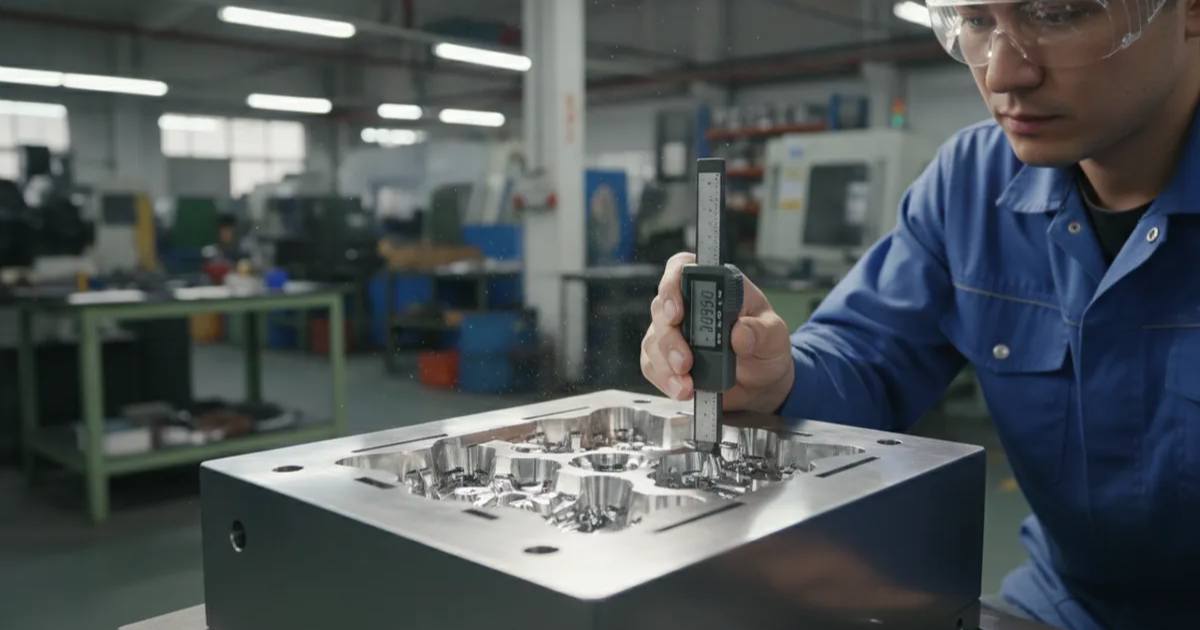
3. Gratrisiko bewerten: Wir beurteilen, welche Bereiche der Trennfläche dem höchsten Schmelzedruck ausgesetzt sind und ob das Werkzeug genügend Auflagefläche besitzt, um ihn aufzunehmen. Dünnwandige Bereiche nahe der Trennlinie bergen ein hohes Gratrisiko.
In unserem Werk in Shanghai betreiben wir 47 Spritzgießmaschinen von 90T bis 1850T, unterstützt durch eine eigene Werkzeugfertigung. Jedes von uns gebaute Werkzeug durchläuft eine strenge Prüfung der Trennebene — denn bereits ein Versatz von 0.05 mm kann am fertigen Teil sichtbaren Grat verursachen.
„Nylon (PA) erfordert aufgrund seiner niedrigeren Schmelzeviskosität engere Toleranzen an der Trennebene als Polycarbonat (PC).“True
Nylon besitzt eine deutlich niedrigere Schmelzeviskosität als Polycarbonat und fließt daher leichter in mikroskopische Spalte an der Trennfläche. Dadurch neigen Nylonteile stärker zu Gratbildung und erfordern engere Werkzeugpassungen (typischerweise 0.02 mm oder weniger) als Polycarbonat (0.05 mm oder weniger).
"Eine DFM-Analyse ist nur bei komplexen Bauteilen oder Großserienteilen erforderlich."False
Eine DFM-Analyse ist für jedes Spritzgussteil wertvoll, unabhängig von Komplexität oder Stückzahl. Selbst einfache Teile können Probleme mit der Trennebene aufweisen, die sich in der Konstruktionsphase kostengünstig beheben lassen, nach dem Werkzeugbau jedoch teuer zu korrigieren sind. Eine 30-minütige DFM-Prüfung kann Tausende an Werkzeugänderungen einsparen.
Häufig gestellte Fragen
Was verursacht sichtbaren Grat entlang der Trennlinie?
Grat entsteht, wenn während der Einspritzphase geschmolzener Kunststoff durch den Spalt zwischen den Werkzeughälften an der Trennfläche austritt. Häufige Ursachen sind eine im Verhältnis zum Einspritzdruck unzureichende Schließkraft, verschlissene oder beschädigte Werkzeugflächen, die nicht mehr dicht schließen, eine mangelhafte Werkzeugausrichtung mit ungleichmäßigem Anpressdruck, ein zu hoher und zu lange gehaltener Nachdruck sowie niedrigviskose Materialien wie Nylon, die leicht in kleine Spalte fließen. Regelmäßige Werkzeugwartung – einschließlich des erneuten Tuschierens der Trennflächen alle 50.000–100.000 Schuss – sowie eine korrekte Steuerung der Prozessparameter und eine ausreichende Maschinenschließkraft sind die wichtigsten Maßnahmen gegen Gratbildung an der Trennlinie.
Kann eine Trennlinie an einem Spritzgussteil vollständig vermieden werden?
Nein, das ist nicht möglich. Jedes mit einem konventionellen zweiteiligen Werkzeug hergestellte Spritzgussteil weist an der Berührungsstelle von Kavität und Kern eine Trennlinie auf. Ziel ist nicht ihre Beseitigung, sondern ihre Minimierung — durch präzisen Werkzeugbau mit geschliffenen Trennflächen, strategische Platzierung der Trennlinie auf nicht sichtbaren Flächen und optimierte Verarbeitungsparameter. Wenn keine sichtbare Naht zulässig ist, können alternative Verfahren wie die CNC-Bearbeitung aus Vollmaterial oder die additive Fertigung nahtlose Teile erzeugen, allerdings bei deutlich höheren Stückkosten und geringerem Produktionsdurchsatz.
Wie dünn kann eine Trennlinie ausgeführt werden?
Mit einem präzisionsgeschliffenen Werkzeug aus gehärtetem Werkzeugstahl (HRC 48–52) lassen sich Trennlinien auf eine Breite von 0.005–0.01 mm reduzieren — für das bloße Auge praktisch unsichtbar und durch Berührung nicht feststellbar. Standardproduktionswerkzeuge erzeugen üblicherweise Linien von 0.02–0.05 mm, die sichtbar, für die meisten nicht sichtrelevanten Anwendungen jedoch akzeptabel sind. Die erreichbare Feinheit hängt von mehreren Faktoren ab: Bearbeitungsgenauigkeit des Werkzeugs (Flachschleifen gegenüber Fräsen), Stahlhärte und Verschleißfestigkeit, ausreichende Schließkraft, Einspritzdruckprofil und Schmelzeviskosität des Formmaterials. Präzisere Werkzeuge kosten mehr, liefern über längere Produktionsläufe jedoch gleichbleibend feinere Trennlinien.
DFM steht für Design for Manufacturing – die Praxis, Teile so zu gestalten, dass sie einfacher und kostengünstiger herzustellen sind.
Die Trennfläche ist die gesamte Passfläche zwischen den beiden Werkzeughälften – eine 2D- oder 3D-Fläche innerhalb des Werkzeugs selbst. Die Trennlinie ist die schmale 1D-Spur, die diese Passfläche nach dem Auswerfen auf der Oberfläche des geformten Kunststoffteils hinterlässt. Mit anderen Worten: Die Trennfläche ist ein Konstruktionsmerkmal des Werkzeugs im Werkzeugstahl, während die Trennlinie der sichtbare Abdruck dieser Fläche auf dem Fertigteil ist. Eine einzelne Trennfläche kann eine komplexe, gewundene Trennlinie erzeugen, wenn die Werkzeuggeometrie abgestufte, schräge oder gekrümmte Abschnitte umfasst.
Beeinflusst die Lage der Trennlinie die Spritzgießkosten?
Ja, erheblich. Eine einfache ebene Trennfläche ist bei Werkzeugbau, Bearbeitung und Wartung am wirtschaftlichsten. Jede zusätzliche Komplexität — Stufen, Kurven oder weitere Trennschnittstellen — erhöht Bearbeitungszeit, Einpassarbeit, Prüfanforderungen und langfristige Wartungskosten. Der Wechsel von einer ebenen zu einer zusammengesetzten Trennfläche erhöht die Werkzeugkosten typischerweise um 30–50 %. Trennlinien mit Schiebern, Schrägauswerfern oder Schrägstiften kosten noch mehr, da jede Seitenbewegung ein eigenes Führungssystem, eine Verschleißplatte und einen Rückstellmechanismus sowie zusätzliche Einpass- und Inbetriebnahmeprüfungen benötigt.
Welche Entformungsschräge ist nahe der Trennlinie erforderlich?
Für alle Flächen, die bei standardmäßigen Produktionswerkzeugen senkrecht zur Trennlinie stehen, wird eine Entformungsschräge von mindestens 1° pro Seite empfohlen. Bei Teilen mit strukturierten Oberflächen (wie MT-, VDI- oder funkenerodierten Oberflächen) sind 1.5–3° pro Seite erforderlich — tiefere Strukturen benötigen eine größere Schräge, damit die Struktur beim Auswerfen nicht scheuert. Bei polierten oder hochglanzpolierten Oberflächen können bereits 0.5° Entformungsschräge ausreichen. Wände ohne oder mit negativer Entformungsschräge nahe der Trennlinie bergen das Risiko, dass das Teil haftet, beim Auswerfen Riefen entstehen, stärkere Auswerfermarken auftreten und die Maße von Zyklus zu Zyklus schwanken. Die Entformungsschräge sollte bei der Teilekonstruktion festgelegt und nicht erst bei der Werkzeugbemusterung als Problem erkannt werden.
Wie hängt die Schließkraft mit der Qualität der Trennlinie zusammen?
Die Schließkraft der Spritzgießmaschine muss größer sein als die gesamte Trennkraft, die durch den auf die projizierte Fläche der Trennebene wirkenden Einspritzdruck entsteht. Bei unzureichender Schließkraft öffnet sich das Werkzeug während der Einspritz- und Nachdruckphase leicht. Durch den entstehenden Spalt tritt Kunststoff als Grat entlang der Trennlinie aus. Die erforderliche Schließkraft wird wie folgt berechnet: Einspritzdruck × projizierte Kavitätsfläche × Sicherheitsfaktor (typischerweise 1.1–1.2). Der Betrieb eines Werkzeugs auf einer zu kleinen Maschine ist in der Serienfertigung die häufigste Ursache für Grat an der Trennlinie. Die Wahl der richtigen Maschinenschließkraft bei der Produktionsplanung ist für eine gleichbleibende Qualität der Trennlinie unerlässlich.
Das Engineering-Team von ZetarMold bringt in jedes Projekt 20+ Jahre Erfahrung in der Werkzeugkonstruktion, 8 erfahrene Ingenieure und einen eigenen Werkzeugbau ein. Von der DFM-Analyse bis zur Produktion optimieren wir Ihre Trennlinie im Hinblick auf Qualität, Kosten und Leistung. Mit 47 Spritzgießmaschinen (90T-1850T) und 400+ Kunststoffmaterialien fertigen wir alles von optischen Präzisionskomponenten bis zu großen Strukturteilen.
Kostenloses Angebot anfordern →
Trennlinie: Als Trennlinie bezeichnet man die sichtbare Linie auf einem Formteil, an der die beiden Formhälften während des Spritzgießens zusammentreffen. ↩
Grat: Grat ist überschüssiges Material, das beim Einspritzen an der Trennlinie aus dem Formhohlraum austritt und dünne, unerwünschte Kanten bildet. ↩
DFM: DFM steht für Design for Manufacturing, also die Praxis, Teile so zu konstruieren, dass sie einfacher und kostengünstiger gefertigt werden können. ↩