Sie haben gerade dreißigtausend Dollar für eine Produktionsform bezahlt.Sechs Monate später sagt Ihr Lieferant, dass Sie es nicht in eine andere Fabrik verlagern können.Kommt Ihnen das bekannt vor?Der Formenbesitz ist einer der am meisten missverstandenen Aspekte der Spritzguss-Beschaffung. Wenn Sie etwas falsch machen, können Sie sich an einen einzigen Lieferanten binden, Ihre Teilekosten in die Höhe treiben oder sogar dazu führen, dass Sie zweimal für dasselbe Werkzeug bezahlen müssen.In diesem Leitfaden wird genau erläutert, was Schimmelpilzeigentum bedeutet, wie Sie dies bestätigen können, bevor Sie den Scheck ausstellen, und welche Vertragsklauseln einen fairen Deal von einer Falle unterscheiden.
- Das Werkzeugeigentum muss ausdrücklich in Ihrem Kaufvertrag geregelt sein — nehmen Sie niemals an, das Werkzeug gehöre Ihnen, nur weil Sie dafür bezahlt haben.
- Fordern Sie vor Produktionsbeginn eine Eigentumsbescheinigung oder ein Übertragungsdokument für das Werkzeug an.
- Prüfen Sie Klauseln zu Lagerung, Wartung und Versicherung: Wer das Werkzeug zwischen den Produktionsläufen verwahrt, ist ebenso wichtig wie der Eigentümer auf dem Papier.
- Meiden Sie Lieferanten, die Eigentumsbedingungen nicht schriftlich festhalten oder vorab nicht offengelegte Übertragungsgebühren verlangen.
- Werkzeuge im Eigentum des Käufers sollten anhand ihrer Seriennummer nachverfolgt werden; die Prüfberichte sind nach jedem Wartungszyklus zu aktualisieren.
Was bedeutet Werkzeugeigentum tatsächlich?
Formeneigentum bezieht sich auf das gesetzliche Recht, ein Spritzgussform-Werkzeug zu besitzen, zu nutzen, zu übertragen oder zu modifizieren.Vereinfacht gesagt entscheidet der Eigentümer, wo die Form läuft, wer sie wartet und ob sie verlagert werden kann.Doch in der Praxis ist der Unterschied zwischen der Bezahlung von Werkzeugen und dem Besitz davon unklarer, als die meisten Käufer erwarten.
In vielen Lieferantenvereinbarungen, besonders mit chinesischen Herstellern, gilt stillschweigend, dass die Form beim Lieferanten verbleibt. Manche Lieferanten betrachten Werkzeuggebühren als amortisierte Konstruktionsleistung und nicht als Eigentumsübertragung. Ohne ausdrückliche Klausel, dass der Käufer uneingeschränkter Eigentümer aller Werkzeuge bleibt, haben Sie möglicherweise keinen Rechtsanspruch auf Herausgabe der Form — selbst wenn Sie ihre gesamte Herstellung finanziert haben.
Warum widersetzen sich einige Lieferanten einer Werkzeugverlagerung?
Die Hauptgründe sind entgangene Umsätze, Bedenken hinsichtlich des geistigen Eigentums und gezielte Bindungsstrategien. Auf der legitimen Seite stellt ein Werkzeug für den Betrieb wiederkehrende Umsätze dar — jeder Produktionslauf erwirtschaftet Einnahmen, und der Verlust des Werkzeugs bedeutet den Verlust dieser Einnahmequelle. Einige Lieferanten befürchten zudem die Offenlegung geistigen Eigentums, wenn Ihre Werkzeugkonstruktion proprietär ist und in ein Werk eines Wettbewerbers gelangt.
Auf der weniger schmackhaften Seite nutzen einige Anbieter die Schimmelbildung als Druckmittel, um die Preise hoch zu halten oder Sie vom Vergleichskauf abzuhalten.Sie erfinden möglicherweise Übertragungsgebühren, behaupten, die Form müsse kostspielig modifiziert werden, bevor sie anderswo eingesetzt werden kann, oder sie bleiben einfach stehen, bis Sie aufgeben.Nach unserer Erfahrung bei ZetarMold haben wir Fälle gesehen, in denen ein Kunde für Werkzeuge in einer anderen Einrichtung bezahlte, nie eine Eigentumsurkunde erhielt und dann erneut für eine neue Form bezahlen musste, als der ursprüngliche Lieferant die Freigabe verweigerte.Ein ordnungsgemäßer Beschaffungsleitfaden mit klaren Eigentumsbedingungen verhindert dieses Szenario vollständig.
In über 20 Jahren Zusammenarbeit mit internationalen Käufern haben wir jede denkbare Streitigkeit über das Werkzeugeigentum erlebt. Unsere 30+ englischsprachigen Projektmanager nehmen heute eine Standardklausel zum Werkzeugeigentum in jede Werkzeugvereinbarung auf – denn die Kosten unklarer Regelungen trägt stets der Käufer.
Was sollte Ihre Vereinbarung zum Eigentum an der Form enthalten?
Sechs wesentliche Klauseln sind erforderlich: Eigentum, Übertragung, Lagerung, Versicherung, Streitbeilegung und Fortgeltung. Erstens eine eindeutige Eigentumserklärung: Nach vollständiger Bezahlung der Werkzeugkosten gehört die Form dem Käufer. Zweitens eine Übertragungsklausel, die festlegt, dass der Käufer mit angemessener Vorankündigung, typischerweise 30 bis 60 Tage, die Verlagerung der Form verlangen kann. Drittens eine Lagerungs- und Wartungsklausel, die bestimmt, wer zwischen den Produktionsläufen für die Pflege der Form verantwortlich ist, einschließlich Umgebungsbedingungen und regelmäßiger Inspektionspläne.
Viertens: eine Versicherungsklausel. Wer trägt die Ersatzkosten, wenn das Werkzeug im Gewahrsam des Lieferanten beschädigt oder zerstört wird? Ohne diese Regelung könnten Sie Ihre Werkzeuginvestition ohne Anspruch auf Ersatz verlieren. Fünftens: ein Streitbeilegungsverfahren. Wer entscheidet, ob Reparaturen vor der Übertragung tatsächlich erforderlich sind und was sie kosten dürfen, wenn der Lieferant solche Reparaturen verlangt? Eine unabhängige Prüfung durch einen Dritten kann dies schnell klären.
Stellen Sie abschließend sicher, dass die Vereinbarung ausdrücklich festlegt, dass diese Bedingungen auch nach dem Ende Ihrer Produktionsbeziehung fortgelten. Das Eigentum erlischt nicht mit dem Versand des letzten Bauteils. Wir haben Käufer erlebt, die annahmen, ihre Werkzeuge würden nach Projektende automatisch zurückgegeben, und erst später feststellten, dass der Lieferant die Werkzeuge bereits Monate zuvor umgenutzt oder verschrottet hatte. Halten Sie dies schriftlich fest, lassen Sie es unterzeichnen und hinterlegen Sie eine Kopie bei Ihrer Rechtsabteilung.
Wie prüfen Sie, ob ein Lieferant Ihre Form tatsächlich gebaut hat?
Eine unbequeme Wahrheit: Nicht jeder Lieferant, der Werkzeugkosten berechnet, baut tatsächlich ein neues Werkzeug. Manche fertigen Ihre Teile in einem vorhandenen Universalwerkzeug und behalten die Werkzeuggebühr. Andere vergeben den Werkzeugbau ohne Ihr Wissen an einen externen Werkzeugbaubetrieb. Beide Fälle führen später zu Eigentumsproblemen. Fordern Sie zu jeder Fertigungsphase Fotos des Werkzeugs an — vom Rohstahl über Bearbeitung und Polieren bis zur T1-Bemusterung. Verlangen Sie außerdem das Werkzeugstahlzertifikat mit Werkstoffgüte und Wärmebehandlung.
Sie sollten auch Berichte zur Maßkontrolle des Hohlraums und des Kerns anfordern, gemessen anhand Ihrer Teilezeichnungen.Ein Lieferant, der Ihre Form tatsächlich gebaut hat, hält diese Dokumentation bereit.Wenn sie es nicht herstellen können oder wenn die Formoberflächen stärker abgenutzt aussehen, als ein brandneues Werkzeug aufweisen sollte, ist das ein Warnsignal.Die Zusammenarbeit mit einem zertifizierten ISO 90011-Lieferanten bietet eine zusätzliche Sicherheitsebene, da sein Qualitätsmanagementsystem dokumentierte Verfahren für die Herstellung und Inspektion von Formen erfordert.Bei ZetarMold produziert unsere hauseigene Formenbauanlage über 100 Formensätze pro Monat, und jede Form wird mit einem vollständigen Dokumentationspaket einschließlich Stahlzertifikaten, Maßberichten und Protokollen über Probeläufe geliefert.
Unsere eigene Werkzeugfertigung produziert monatlich 100+ Werkzeugsätze. Jedes Werkzeug wird mit Stahlzertifikaten, Maßprüfberichten und T1-Bemusterungsprotokollen ausgeliefert — denn erst die Dokumentation macht Eigentumsrechte durchsetzbar.
Welche Warnsignale gibt es bei Verhandlungen über Werkzeugeigentum?
Einige Warnzeichen sind offensichtlich, sobald Sie wissen, worauf Sie achten müssen. Das größte Warnsignal ist ein Lieferant, der die Eigentumsbedingungen nicht schriftlich festhalten will. Mündliche Zusicherungen sind bei grenzüberschreitenden Fertigungsstreitigkeiten wertlos. Wenn ein Lieferant einen ungewöhnlich niedrigen Werkzeugpreis anbietet, fragen Sie ebenfalls nach dem Grund. Möglicherweise plant er den Einsatz eines bestehenden Werkzeugs. Dann bezahlen Sie für etwas, das bereits existiert – und das der Lieferant möglicherweise weiterhin für andere Kunden verwendet.
Ein weiteres Warnsignal ist die Ablehnung einer Werkzeugprüfung durch Dritte. Besteht ein Lieferant darauf, dass nur sein internes Team das Werkzeug prüfen darf, verbirgt er möglicherweise Qualitätsprobleme oder eine von Ihrer Bestellung abweichende Werkzeugspezifikation. Achten Sie auch auf unklare Vertragsformulierungen. Begriffe wie “tooling cost share” oder “amortized tooling” bedeuten oft, dass Ihnen das Werkzeug trotz Ihrer Zahlung nicht vollständig gehört. Verlangen Sie eindeutige Regelungen: Wem gehört es, wann geht das Eigentum über und was geschieht bei einer Beschädigung?
Wie sollten Werkzeuglagerung und -wartung gehandhabt werden?
Bei Werkzeuglagerung und -wartung entstehen viele Eigentumsstreitigkeiten. Selbst wenn der Vertrag Ihr Eigentum am Werkzeug festhält, befindet es sich physisch im Betrieb des Lieferanten. Zwischen Produktionsläufen benötigen Werkzeuge geeignete Lagerbedingungen: temperaturgeregelte Umgebungen, Korrosionsschutz und regelmäßige Inspektionen kritischer Oberflächen. Unterlässt Ihr Lieferant dies, verschlechtert sich der Zustand des Werkzeugs auch während des Stillstands.
Die beste Vorgehensweise besteht darin, einen Wartungsplan in Ihren Vertrag aufzunehmen.Geben Sie an, dass der Lieferant alle 90 Tage eine Rostschutzbehandlung durchführen muss, wenn die Form nicht in Produktion ist, und legen Sie auf Anfrage einen fotografischen Nachweis des Zustands der Form vor.Planen Sie bei Formen mit hoher Kavitation, die Millionen von Zyklen durchlaufen, eine vollständige Erneuerung alle 500.000 Schüsse oder jährlich ein, je nachdem, was zuerst eintritt.Formenstahlsorten, die in den NADCA2-Standards spezifiziert sind, wie z. B. gehärtete Werkzeugstähle H13 und S136, haben andere Wartungsanforderungen als vorgehärtete P20-Stähle.Die Einbeziehung dieser Klauseln kostet nichts, kann aber bei vorzeitigem Formversagen erhebliche Einsparungen bewirken.
Wenn Sie die Form nach einem Produktionslauf selbst lagern, muss Ihre Anlage die richtigen Bedingungen bieten. Formen sind auf ebenen, waagerechten Flächen in trockener Umgebung zu lagern. Tragen Sie Rostschutzöl auf alle Metallflächen auf, insbesondere auf Kavität und Kern. Kennzeichnen Sie jede Form mit Seriennummer, letztem Produktionsdatum und nächstem geplanten Wartungstermin. Dies ist Standard bei ZetarMold: Jede Form in unserem Werk in Shanghai wird anhand ihrer Seriennummer in einem elektronischen Wartungsprotokoll verfolgt.
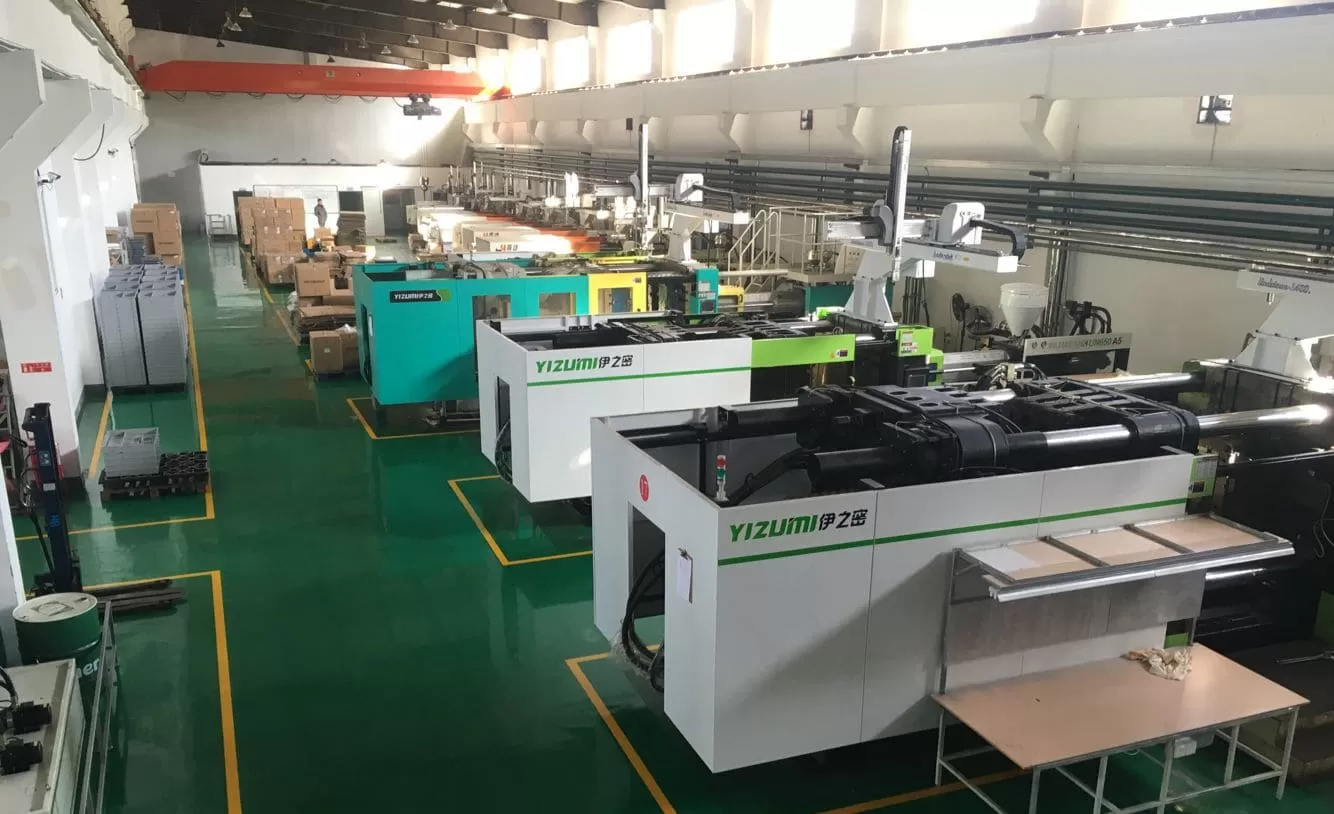
In unserem Werk in Shanghai wird jedes Werkzeug an unseren 47 Spritzgießmaschinen anhand seiner Seriennummer in einem elektronischen Wartungsprotokoll erfasst. So ist die vollständige Rückverfolgbarkeit von der T1-Bemusterung bis zum Ende der Lebensdauer gewährleistet.
Was ist beim Transfer eines Werkzeugs zu einem anderen Lieferanten zu beachten?
Bei der Werkzeugverlagerung zeigt sich, ob das Eigentum tatsächlich etwas bedeutet oder nur ein leeres Versprechen ist. Der Ablauf umfasst üblicherweise mehrere Schritte. Zunächst informieren Sie den aktuellen Lieferanten schriftlich und verweisen auf die Eigentumsklausel Ihrer Vereinbarung. Anschließend bereitet der aktuelle Lieferant das Werkzeug für den Versand vor: Er reinigt es, behandelt es mit Rostschutzmittel und verpackt es sicher in einer Kiste. Danach organisieren Sie oder Ihr Spediteur die Abholung und den Transport zum neuen Werk.
Im Empfängerwerk muss die Form unmittelbar nach Ankunft geprüft werden. Kontrollieren Sie sie auf Transportschäden, prüfen Sie die Maßhaltigkeit anhand Ihrer Teilezeichnungen und bewerten Sie den Gesamtzustand des Werkzeugs. Häufige Probleme sind Roststellen durch unsachgemäße Lagerung, verschlissene Auswerferstifte und beschädigte Kühlkreisläufe. Vor der Übernahme der Form in die Produktion muss der empfangende Lieferant einen ausführlichen Prüfbericht mit Fotos vorlegen.
Planen Sie einen Qualifikationslauf in der neuen Einrichtung ein.Selbst wenn die Form in einwandfreiem Zustand ist, können die neuen Lieferantenmaschinen, Prozessparameter und Rohstoffe leicht abweichende Ergebnisse liefern.Die Einhaltung der ASTM D36413-Standards für Spritzguss-Testproben bietet einen konsistenten Rahmen für den Vergleich der Teilequalität zwischen Lieferanten.Durch eine Erstmusterprüfung, bei der Teile des ursprünglichen und des neuen Lieferanten verglichen werden, wird eine Ausgangsbasis erstellt und alle erforderlichen Anpassungen ermittelt.Das ist normal und wird erwartet – es bedeutet nicht, dass die Form defekt ist oder der neue Lieferant inkompetent ist.Es spiegelt lediglich die Realität wider, dass Spritzgießen ein prozessabhängiges Herstellungsverfahren ist.
Können Sie das geistige Eigentum an Ihrer Werkzeugkonstruktion schützen?
Der Schutz des geistigen Eigentums am Formdesign ist ein berechtigtes Anliegen, insbesondere bei der Verlagerung von Formen zwischen Lieferanten. Ihre Form verkörpert Ihr Produktdesign, und ein unseriöser Lieferant könnte sie theoretisch nutzen, um Kopien für andere Kunden herzustellen. Auch wenn offener Diebstahl bei angesehenen Herstellern selten ist, kommt er vor. Den besten Schutz bietet eine Kombination aus rechtlichen Vereinbarungen und praktischen Maßnahmen.
Nehmen Sie rechtlich eine Wettbewerbsverbots- und Geheimhaltungsklausel in Ihre Werkzeugvereinbarung auf. Legen Sie fest, dass die Formkonstruktion Ihr Eigentum ist und der Lieferant weder mit Ihrem Werkzeug noch mit Ihren Konstruktionsdaten ähnliche Teile für Wettbewerber fertigen darf. Geben Sie in der Praxis vollständige CAD-Dateien nicht an Lieferanten weiter, denen Sie nicht uneingeschränkt vertrauen. Stellen Sie nur die für den Formenbau erforderlichen Mindestdaten bereit – typischerweise step-Dateien oder IGES-Formate statt parametrischer nativer CAD-Dateien. Registrieren Sie Ihr Design in Schlüsselmärkten mit wirksamer IP-Durchsetzung. Chinesische Gebrauchsmuster bieten zwar einen gewissen Schutz, am wirksamsten ist jedoch die Zusammenarbeit mit Lieferanten, die bei internationalen Kunden nachweislich erfolgreich sind und ihren Ruf schützen müssen.
Worin unterscheiden sich käufereigene und lieferanteneigene Formen?
Der zentrale Unterschied besteht darin, dass käufereigene Werkzeuge Ihnen die volle Kontrolle geben, während lieferanteneigene Werkzeuge Sie binden. Bei einem käufereigenen Werkzeug bestimmen Sie, wo und wann es läuft und wer es wartet. Sie können den Lieferanten wechseln, ohne Ihre Werkzeuginvestition zu verlieren. Der Lieferant stellt im Wesentlichen Maschinenzeit und Arbeitsleistung bereit. Bei einem lieferanteneigenen Werkzeug kontrolliert der Lieferant das Werkzeug vollständig — er legt den Produktionsplan und die Wartungsintervalle fest und kann die Herausgabe des Werkzeugs verweigern.
Es gibt berechtigte Gründe für lieferanteneigene Werkzeuge. Bei Kleinserien oder kurz laufenden Produkten mit geringen Werkzeugkosten kann der Komfort des Lieferanteneigentums die Risiken überwiegen. Bei Produkten mit erheblicher Werkzeuginvestition — etwa über fünftausend Dollar — ist das Eigentum des Käufers jedoch fast immer die bessere Wahl. Entscheidend ist, dass der Vertrag eindeutig festlegt, welches Modell gilt. Unklarheit ist die häufigste Ursache für Streitigkeiten über Werkzeugeigentum, mit denen wir konfrontiert werden.
„Wenn ich für den Werkzeugbau bezahle, gehört das Werkzeug automatisch mir.“True
Falsch. Die Bezahlung der Werkzeugkosten garantiert kein Eigentum, es sei denn, Ihr Vertrag sieht dies ausdrücklich vor. Viele Lieferanten behandeln Werkzeuggebühren als Servicegebühren, und ohne schriftliche Eigentumsregelungen haben Sie möglicherweise kein rechtliches Anrecht auf die Form.
"Ein Lieferant darf die Rückgabe meines Werkzeugs rechtmäßig verweigern, wenn ich ihm noch Geld für Teile schulde."False
In einigen Rechtsgebieten zutreffend. Bei ausstehenden Zahlungen für Produktionsläufe können einige Lieferanten ein Pfandrecht am Werkzeug haben. Daher ist es wichtig, Produktionszahlungen aktuell zu halten und von den Eigentumsbedingungen für das Werkzeug zu trennen.
Das Verständnis dieser häufigen Missverständnisse ist entscheidend, bevor Sie eine Werkzeugvereinbarung eingehen. Viele Käufer gehen davon aus, dass Standardgeschäftspraktiken ihre Interessen schützen, nur um festzustellen, dass Fertigungsverträge in verschiedenen Rechtsgebieten unter sehr unterschiedlichen rechtlichen Rahmenbedingungen operieren. Die Lücke zwischen dem, was Sie erwarten, und dem, was der Vertrag tatsächlich garantiert, kann teuer werden. Die Zeit zu nehmen, diese Eigentumsfragen im Voraus – bevor Sie die Werkzeugkosten bezahlen – zu klären, ist weitaus kostengünstiger als Streitigkeiten im Nachhinein zu lösen.
"Eine Bescheinigung über das Werkzeugeigentum ist in allen Fertigungsverträgen gesetzlich vorgeschrieben."True
Falsch. Es gibt keine allgemeine gesetzliche Anforderung für ein Form-Eigentumszertifikat. Es ist jedoch eine bewährte Praxis, die Eigentumsstreitigkeiten wesentlich einfacher zu lösen macht. Ohne dieses Zertifikat sind Sie allein auf Vertragssprache angewiesen, die mehrdeutig sein oder unterschiedlichen rechtlichen Auslegungen in verschiedenen Rechtsgebieten unterliegen kann.
"Ich kann meine Form auch ohne schriftliche Vereinbarung jederzeit auf dem Rechtsweg zurückerlangen."False
In der Praxis falsch. Obwohl Sie in einigen Rechtsgebieten rechtliche Ansprüche haben können, sind grenzüberschreitende Fertigungsstreitigkeiten teuer, zeitaufwendig und unsicher. Die praktische Realität ist, dass ohne eine schriftliche Eigentumsvereinbarung die Rückgewinnung Ihres Werkzeugs von einem Lieferanten in einem anderen Land äußerst schwierig ist und oft mehr kostet als das Werkzeug selbst.
Häufig gestellte Fragen zum Werkzeugeigentum
Häufig gestellte Fragen
Wem gehört das Werkzeug, nachdem ich die Werkzeugkosten bezahlt habe?
Das Eigentum hängt vollständig davon ab, was Ihr Vertrag festlegt. Wenn die Vereinbarung besagt, dass der Käufer die Form nach vollständiger Zahlung der Werkzeugkosten besitzt, dann gehören Sie ihr. Wenn der Vertrag das Eigentum nicht regelt, könnte der Lieferant argumentieren, dass die Werkzeuggebühr für die Formkonstruktionsleistungen, nicht für einen Eigentumsübergang, gezahlt wurde. Bestehen Sie immer auf einer expliziten Eigentumsregelung in Ihrer Werkzeugvereinbarung. Ein von beiden Parteien unterzeichnetes Form-Eigentumszertifikat ist der Goldstandard, um Ihre Investition zu schützen und kostspielige Streitigkeiten später zu vermeiden.
Kann mein Lieferant mir eine Gebühr für die Übertragung meiner eigenen Form berechnen?
Ja, einige Lieferanten erheben auch für käufergehörige Werkzeuge Transfergebühren. Diese Gebühren decken typischerweise die Kosten für die Versandvorbereitung des Werkzeugs ab, einschließlich Reinigung, Rostbehandlung und Verkratung. Angemessene Transfervorbereitungskosten sind fair, sollten jedoch bereits im ursprünglichen Vertrag offengelegt werden. Wenn ein Lieferant eine unerwartet hohe Transfergebühr fordert, die zuvor nicht besprochen wurde, kann dies eine Verhandlungstaktik sein, um einen Lieferantenwechsel zu erschweren. Verhandeln Sie Transferbedingungen stets vor Unterzeichnung der ursprünglichen Werkzeugvereinbarung.
Was soll ich tun, wenn mein Lieferant sich weigert, meine Form herauszugeben?
Beginnen Sie mit der Überprüfung Ihrer Werkzeugvereinbarung, um die Eigentumsregelung zu bestätigen. Senden Sie eine formelle schriftliche Anfrage zur Rückgabe der Form, unter Berufung auf die spezifischen Vertragsbedingungen, die Ihr Eigentum festlegen. Wenn der Lieferant sich weiterhin weigert, haben Sie mehrere Möglichkeiten: Beauftragen Sie einen lokalen Anwalt, der mit dem chinesischen Fertigungsrecht vertraut ist, schalten Sie einen Handelsmediationsdienst über Organisationen wie den China Council for the Promotion of International Trade ein oder reichen Sie eine Beschwerde über Ihr Handelsbüro der Botschaft ein. Dokumentieren Sie jede Kommunikation sorgfältig schriftlich. In den meisten Fällen reicht ein formelles Rechtschreiben von einer chinesischen Anwaltskanzlei aus, um die Situation ohne Gerichtsverfahren zu lösen.
Wie lange hält eine typische Spritzgussform?
Eine gut gewartete Produktionsform kann je nach Formstahlgüte, Bauteilkomplexität und Betriebsbedingungen zwischen 500.000 und über 1 Million Zyklen halten. Gehärtete Stahlformen mit Güten wie H13 oder S136 halten typischerweise länger als vorgehärtete Stahlformen wie P20. Regelmäßige Wartung, einschließlich Reinigung, Schmierung und Inspektion kritischer Oberflächen, verlängert die Lebensdauer der Form erheblich. Für Hochvolumenproduktionen über 500.000 Schüsse sollten Sie eine periodische Überholung von Verschleißteilen wie Auswerferstiften, Kavitätenoberflächen und Kühlkanälen einplanen, um eine gleichbleibende Bauteilqualität während der gesamten Lebensdauer der Form zu gewährleisten.
Sollte ich die Fabrik besuchen, bevor ich mich für die Werkzeugherstellung entscheide?
Absolut, ein Fabrikbesuch ist einer der wertvollsten Schritte, die Sie vor der Verpflichtung zur Werkzeugherstellung unternehmen können. Ein Besuch ermöglicht es Ihnen zu überprüfen, ob der Lieferant die Ausrüstung, Qualitätssysteme und Produktionskapazitäten besitzt, die er auf seiner Website angibt. Sie können das Engineering-Team persönlich treffen, die Fähigkeiten ihrer Formenbauwerkstatt überprüfen und ähnliche Projekte sehen, die sie für andere Kunden abgeschlossen haben. Fragen Sie während des Besuchs, ob Sie ihren Formenlagerbereich und ihre Wartungsverfahren aus erster Hand sehen können. Eine gut organisierte, saubere Einrichtung mit dokumentierten Prozessen ist ein starker Indikator dafür, dass Ihre Form zwischen Produktionsläufen und während ihrer gesamten Lebensdauer ordnungsgemäß gepflegt wird.
Was ist ein Form-Eigentumszertifikat?
Ein Werkzeugeigentumszertifikat ist ein formelles Dokument, das sowohl vom Käufer als auch vom Lieferanten unterzeichnet wird und ausdrücklich festlegt, wem das Werkzeug gehört. Es enthält typischerweise die Werkzeugseriennummer, eine detaillierte Beschreibung des Werkzeugs, das Datum der Eigentumsübertragung und alle Bedingungen bezüglich Lagerung, Wartung oder Transferrechte. Dieses Dokument dient als Ihr wichtigster rechtlicher Nachweis bei Eigentumsstreitigkeiten. Fordern Sie ein unterzeichnetes Werkzeugeigentumszertifikat als Teil jeder Werkzeugvereinbarung an und bewahren Sie Kopien sowohl digital als auch physisch bei Ihrem Rechtsteam und in Ihren Beschaffungsunterlagen für zukünftige Referenzen auf.
Kann ein Lieferant meine Form nutzen, um Teile für andere Kunden herzustellen?
Nur mit Ihrer ausdrücklichen schriftlichen Genehmigung. Wenn Sie Eigentümer des Werkzeugs sind, sollte der Lieferant es nur für Ihre autorisierten Aufträge und Ihre spezifizierten Teiledesigns verwenden. Eine Wettbewerbsverbots- und Exklusivnutzungsklausel im Vertrag schützt zusätzlich vor unbefugter Produktion. Wenn Sie feststellen, dass ein Lieferant Ihr Werkzeug ohne Genehmigung für einen anderen Kunden verwendet, stellt dies einen schwerwiegenden Vertragsbruch dar und berechtigt zu rechtlichen Schritten einschließlich Schadensersatz. Regelmäßige Auditbesuche, Produktionsberichte mit Zählern und regelmäßige Teilprüfungen helfen sicherzustellen, dass Ihr Werkzeug nur für Ihre autorisierten Produktionsläufe verwendet wird.
ISO 9001: ISO 9001 bezieht sich auf Anforderungen an Qualitätsmanagementsysteme ↩
NADCA: NADCA bezieht sich auf die Standards der North American Die Casting Association für Formenstahlsorten und Wärmebehandlungsspezifikationen ↩
ASTM D3641: ASTM D3641 bezieht sich auf die Standardpraxis für Spritzgusstestproben ↩