You just paid thirty thousand dollars for a production mold. Six months later, your supplier says you cannot move it to another factory. Sound familiar? Mold ownership is one of the most misunderstood aspects of injection molding sourcing, and getting it wrong can lock you into a single supplier, inflate your part costs, or even mean paying for the same tool twice. This guide breaks down exactly what mold ownership means, how to confirm it before you write the check, and the contractual clauses that separate a fair deal from a trap.
- Mold ownership should be explicitly stated in your purchase agreement — never assume the tooling is yours because you paid for it.
- Request a mold ownership certificate or transfer document before production begins.
- Check storage, maintenance, and insurance clauses: who holds the mold between runs matters as much as who owns it on paper.
- Avoid suppliers who refuse to put ownership terms in writing or charge transfer fees not disclosed upfront.
- Buyer-owned molds should be tracked by serial number, with inspection reports updated after each maintenance cycle.
What Does Mold Ownership Actually Mean?
Mold ownership refers to the legal right to possess, use, transfer, or modify an injection mold tool. In simple terms, the owner decides where the mold runs, who maintains it, and whether it can be relocated. But in practice, the distinction between paying for tooling and owning it is murkier than most buyers expect.
In many supplier agreements, especially with Chinese manufacturers, the default understanding is that the mold stays at the supplier facility. Some suppliers consider tooling fees to be an amortized engineering service rather than a transfer of property. Without explicit language stating the buyer retains full ownership of all tooling, you may have no legal grounds to retrieve your mold — even though you funded its entire creation.
Why Do Some Suppliers Resist Mold Transfer?
The main reasons are lost revenue, IP concerns, and deliberate lock-in strategies. On the legitimate side, a mold represents recurring revenue for the facility — each production run generates income, and losing the mold means losing that stream. Some suppliers also worry about intellectual property exposure if your mold design is proprietary and ends up at a competitor factory.
On the less savory side, some suppliers use mold retention as leverage to keep prices high or prevent you from comparison shopping. They may invent transfer fees, claim the mold needs expensive modifications before it can run elsewhere, or simply stall until you give up. In our experience at ZetarMold, we have seen cases where a customer paid for tooling at another facility, never received an ownership document, and then had to pay again for a new mold when the original supplier refused to release it. A proper sourcing guide with clear ownership terms prevents this scenario entirely.
Over 20 years of working with international buyers, we have seen every mold ownership dispute imaginable. Our 30+ English-speaking project managers now include a standard mold ownership clause in every tooling agreement — because the cost of ambiguity is always paid by the buyer.
What Should Your Mold Ownership Agreement Include?
Six essential clauses are required: ownership, transfer, storage, insurance, dispute resolution, and survival. First, a clear statement of ownership: the mold belongs to the buyer upon full payment of tooling costs. Second, a transfer clause specifying that the buyer can request mold relocation with reasonable notice, typically 30 to 60 days. Third, a storage and maintenance clause detailing who is responsible for mold care between production runs, including environmental controls and periodic inspection schedules.
Fourth, an insurance clause. If the mold is damaged or destroyed while in the supplier custody, who bears the replacement cost? Without this, you could lose your tooling investment with no recourse. Fifth, a dispute resolution mechanism. If the supplier claims the mold needs repairs before transfer, who determines whether those repairs are genuinely necessary and what they should cost? An independent third-party inspection can resolve this quickly.
Finally, make sure the agreement specifies that these terms survive even if your production relationship ends. Ownership does not expire when the last part ships. We have seen buyers who assumed their molds would be returned automatically after a project ended, only to discover that the supplier had already repurposed or scrapped the tooling months earlier. Get it in writing, get it signed, and keep a copy on file with your legal team.
How Can You Verify a Supplier Actually Built Your Mold?
Here is an uncomfortable truth: not every supplier who charges you for tooling actually builds a new mold. Some will run your parts on an existing generic mold and pocket the tooling fee. Others may subcontract the mold to a third-party tool shop without telling you. Both scenarios create ownership headaches down the road. To protect yourself, request photographs of the mold at every stage of fabrication — raw steel, machining, polishing, and T1 sampling. Ask for the mold steel certificate, which identifies the material grade and heat treatment.
You should also ask for dimensional inspection reports of the cavity and core, measured against your part drawings. A supplier who genuinely built your mold will have this documentation ready. If they cannot produce it, or if the mold surfaces look worn beyond what a brand-new tool should show, that is a red flag. Working with an ISO 90011 certified supplier adds an extra layer of assurance, since their quality management system requires documented procedures for mold fabrication and inspection. At ZetarMold, our in-house mold manufacturing facility produces over 100 mold sets per month, and every mold ships with a complete documentation package including steel certificates, dimensional reports, and trial run records.
Our in-house mold manufacturing facility produces 100+ mold sets per month. Every mold ships with steel certificates, dimensional inspection reports, and T1 sampling records — because documentation is what makes ownership enforceable.
What Are the Red Flags in Mold Ownership Negotiations?
Some warning signs are obvious once you know what to look for. A supplier who will not put ownership terms in writing is the biggest red flag of all. Verbal assurances mean nothing in cross-border manufacturing disputes. Similarly, if a supplier quotes a tooling price that seems unusually low, ask why. They may be planning to use an existing mold, which means you are paying for something that already exists — and that they may continue using for other customers.
Another red flag is the refusal to allow third-party mold inspection. If a supplier insists that only their internal team can inspect the mold, they may be hiding quality issues or the fact that the mold was built to different specifications than what you ordered. Watch out for vague language in contracts too. Phrases like “tooling cost share” or “amortized tooling” often mean you do not fully own the mold, even though you are paying for it. Demand precise language: who owns it, when ownership transfers, and what happens if the mold is damaged.
How Should You Handle Mold Storage and Maintenance?
Mold storage and maintenance are where many ownership disputes originate. Even if the contract says you own the mold, the physical reality is that the mold sits in the supplier facility. Between production runs, molds need proper storage conditions: temperature-controlled environments, rust prevention treatments, and regular inspection of critical surfaces. If your supplier is not doing this, your mold is degrading even while it sits idle.
Best practice is to include a maintenance schedule in your agreement. Specify that the supplier must perform rust prevention treatment every 90 days when the mold is not in production, and provide photographic evidence of the mold condition upon request. For high-cavitation molds running millions of cycles, schedule a full refurbishment after every 500,000 shots or annually, whichever comes first. Mold steel grades specified by NADCA2 standards, such as H13 and S136 hardened tool steels, have different maintenance requirements than P20 pre-hardened steels. These clauses cost nothing to include but can save significant amounts in premature mold failure.
If you are storing the mold yourself after a production run, make sure your facility has the right conditions. Molds should be stored on flat, level surfaces in a dry environment. Apply rust preventive oil to all metal surfaces, especially the cavity and core. Tag each mold with its serial number, the last production date, and the next scheduled maintenance date. This is standard practice at ZetarMold, where every mold in our Shanghai facility is tracked by serial number with an electronic maintenance log.
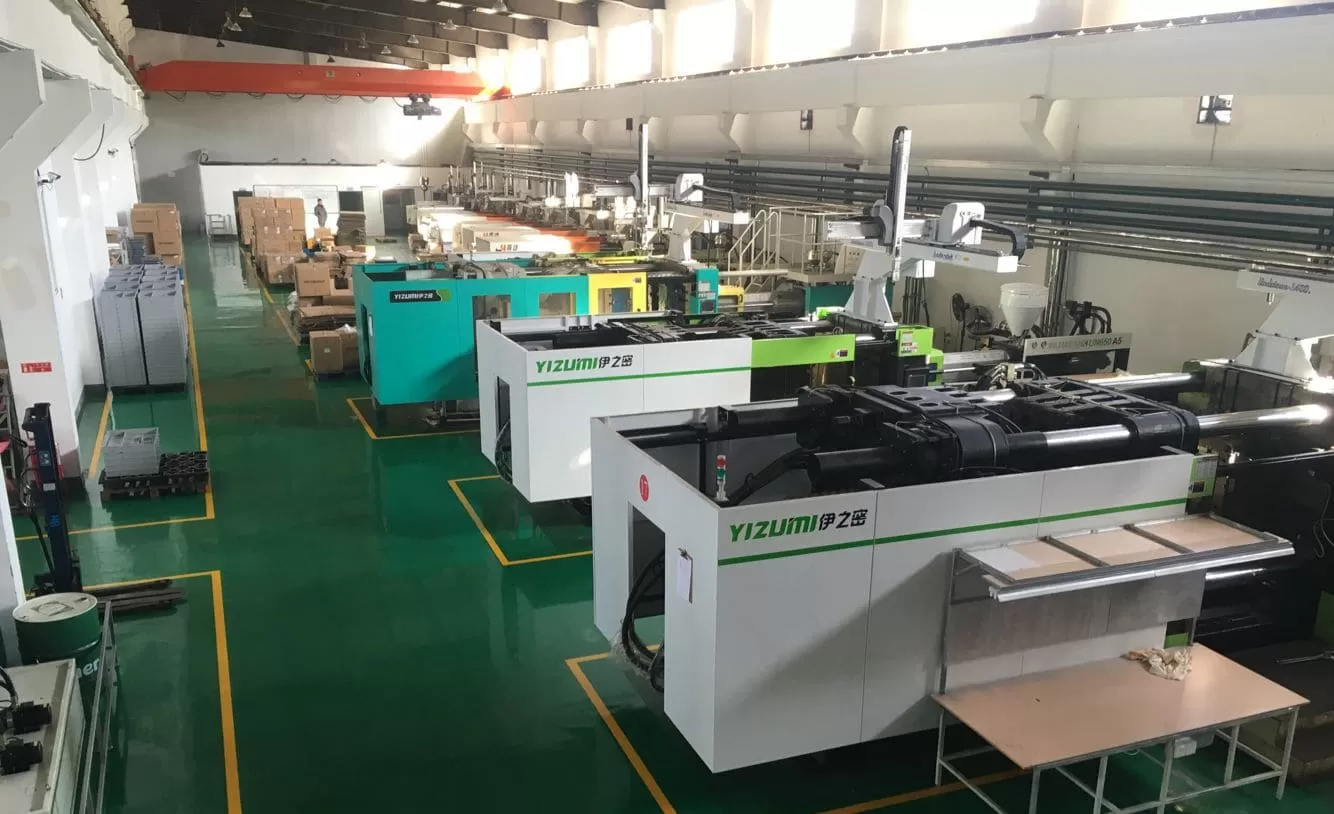
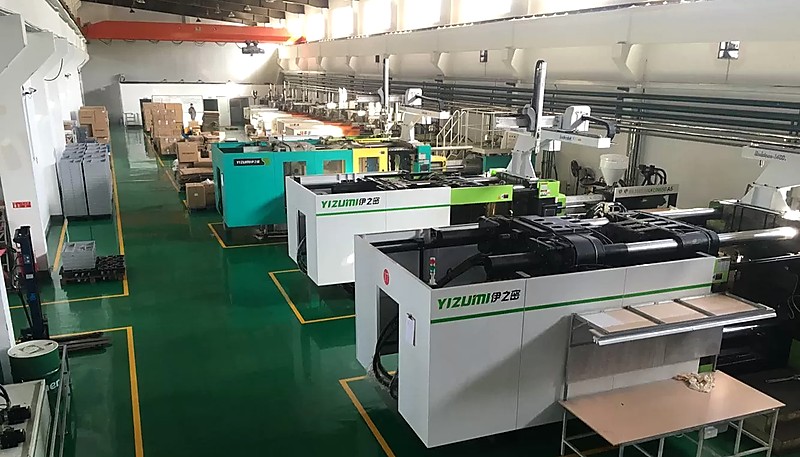
At our Shanghai factory, every mold across our 47 injection molding machines is tracked by serial number with an electronic maintenance log, ensuring full traceability from T1 sampling through end of life.
What Happens When You Need to Transfer a Mold to Another Supplier?
Mold transfer is the moment where ownership either means something or proves to be an empty promise. The process typically involves several steps. First, you notify the current supplier in writing, referencing the ownership clause in your agreement. Second, the current supplier prepares the mold for shipping — cleaning, treating with rust preventive, and crating it securely. Third, you or your freight forwarder arrange pickup and transport to the new facility.
At the receiving facility, the mold should be inspected immediately upon arrival. Check for damage during transit, verify dimensional accuracy against your part drawings, and assess the overall condition of the tooling. Common issues include rust spots from improper storage, worn ejector pins, and damaged cooling circuits. The receiving supplier should provide a detailed inspection report with photographs before accepting the mold for production.
Plan for a qualification run at the new facility. Even if the mold is in perfect condition, the new supplier machines, process parameters, and raw materials may produce slightly different results. Following ASTM D36413 standards for injection molding test specimens provides a consistent framework for comparing part quality between suppliers. A first-article inspection comparing parts from the original and new supplier will establish a baseline and identify any adjustments needed. This is normal and expected — it does not mean the mold is defective or the new supplier is incompetent. It simply reflects the reality that injection molding is a process-dependent manufacturing method.

Can You Protect Your Mold Design Intellectual Property?
Mold design IP protection is a valid concern, especially when transferring molds between suppliers. Your mold embodies your product design, and an unscrupulous supplier could theoretically use it to produce copies for other customers. While outright theft is rare among reputable manufacturers, it does happen. The best protection is a combination of legal agreements and practical measures.
On the legal side, include a non-compete and non-disclosure clause in your tooling agreement. Specify that the mold design is your proprietary property and that the supplier cannot manufacture similar parts for competitors using your tooling or design information. On the practical side, avoid sharing complete CAD files with suppliers you do not fully trust. Provide only the minimum data needed for mold construction — typically step files or IGES formats rather than parametric native CAD files. Register your design in key markets where IP enforcement is strong. While Chinese utility model patents offer some protection, the most effective strategy is working with suppliers who have a proven track record with international clients and a reputation to protect.
What Is the Difference Between Buyer-Owned Molds and Supplier-Owned Molds?
The core difference is that buyer-owned molds give you full control, while supplier-owned molds lock you in. With a buyer-owned mold, you control where it runs, when it runs, and who maintains it. You can switch suppliers without losing your tooling investment. The supplier is essentially providing machine time and labor. With a supplier-owned mold, the supplier controls the tooling entirely — they set the production schedule, decide on maintenance intervals, and can refuse to transfer the mold.
There are legitimate reasons to choose supplier-owned molds. For low-volume or short-run products where the tooling cost is minimal, the convenience of supplier ownership may outweigh the risks. But for any product with significant tooling investment — say, above five thousand dollars — buyer ownership is almost always the better choice. The key is making sure the agreement is crystal clear about which model applies. Ambiguity here is the single most common source of mold ownership disputes we encounter.
"If I pay for mold tooling, I automatically own the mold."True
False. Paying for tooling does not guarantee ownership unless your contract explicitly states so. Many suppliers treat tooling fees as service charges, and without written ownership terms, you may have no legal right to the mold.
"A supplier can legally refuse to return my mold if I still owe them money for parts."False
True in some jurisdictions. If you have outstanding payments for production runs, some suppliers may have a lien on the mold. This is why it is important to keep production payments current and separate from tooling ownership terms.
Understanding these common misconceptions is crucial before entering any mold tooling agreement. Many buyers assume that standard business practices protect their interests, only to discover that manufacturing contracts in different jurisdictions operate under very different legal frameworks. The gap between what you expect and what the contract actually guarantees can be expensive. Taking the time to address these ownership questions upfront — before you pay for tooling — is far cheaper than resolving disputes after the fact.
"A mold ownership certificate is legally required in all manufacturing contracts."True
False. There is no universal legal requirement for a mold ownership certificate. However, it is a best practice that makes ownership disputes far easier to resolve. Without it, you rely on contract language alone, which can be ambiguous or subject to different legal interpretations across jurisdictions.
"I can always get my mold back through legal action even without a written agreement."False
False in practice. While you may have legal grounds in some jurisdictions, cross-border manufacturing disputes are expensive, time-consuming, and uncertain. The practical reality is that without a written ownership agreement, recovering your mold from a supplier in another country is extremely difficult and often costs more than the mold itself.
Frequently Asked Questions About Mold Ownership
Frequently Asked Questions
Who owns the mold after I pay for tooling?
Ownership depends entirely on what your contract states. If the agreement specifies that the buyer owns the mold upon full tooling payment, then you own it. If the contract is silent on ownership, the supplier may argue that the tooling fee was for mold construction services, not a property transfer. Always insist on explicit ownership language in your tooling agreement. A mold ownership certificate signed by both parties is the gold standard for protecting your investment and avoiding costly disputes later.
Can my supplier charge me a fee to transfer my own mold?
Yes, some suppliers do charge transfer fees even for buyer-owned molds. These fees typically cover the cost of preparing the mold for shipping, including cleaning, rust treatment, and crating. Reasonable transfer preparation costs are fair, but the fees should be disclosed in your original agreement upfront. If a supplier demands an unexpectedly large transfer fee that was not previously discussed, this may be a negotiating tactic to discourage you from switching suppliers. Always negotiate transfer terms before signing the initial tooling agreement.
What should I do if my supplier refuses to release my mold?
Start by reviewing your tooling agreement to confirm the ownership clause. Send a formal written request for mold release, citing the specific contract terms that establish your ownership. If the supplier still refuses, you have several options: engage a local attorney familiar with Chinese manufacturing law, involve a trade mediation service through organizations like the China Council for the Promotion of International Trade, or file a complaint through your embassy trade office. Document every communication carefully in writing. In most cases, a formal legal letter from a Chinese law firm is enough to resolve the situation without going to court.
How long does a typical injection mold last?
A well-maintained production mold can last anywhere from 500,000 to over 1 million cycles, depending on the mold steel grade, part complexity, and operating conditions. Hardened steel molds using grades like H13 or S136 typically last longer than pre-hardened steel molds such as P20. Regular maintenance including cleaning, lubrication, and inspection of critical surfaces significantly extends mold life. For high-volume production runs exceeding 500,000 shots, plan for periodic refurbishment of wear components like ejector pins, cavity surfaces, and cooling channels to maintain consistent part quality throughout the mold service life.
Should I visit the factory before committing to mold tooling?
Absolutely, a factory visit is one of the most valuable steps you can take before committing to tooling. A visit lets you verify that the supplier has the equipment, quality systems, and production capacity they claim on their website. You can meet the engineering team in person, review their mold shop capabilities, and see similar projects they have completed for other clients. During the visit, ask to see their mold storage area and maintenance procedures firsthand. A well-organized, clean facility with documented processes is a strong indicator that your mold will be properly cared for between production runs and throughout its entire service life.
What is a mold ownership certificate?
A mold ownership certificate is a formal document signed by both the buyer and the supplier that explicitly states who owns the mold. It typically includes the mold serial number, a detailed description of the tooling, the date of ownership transfer, and any conditions related to storage, maintenance, or transfer rights. This document serves as your primary legal evidence in any ownership dispute. Request a signed mold ownership certificate as part of every tooling agreement, and keep copies in both digital and physical form with your legal team and procurement records for future reference.
Can a supplier use my mold to produce parts for other customers?
Not without your explicit written permission. If you own the mold, the supplier should only run it for your authorized orders and your specified part designs. Including a non-compete and exclusive use clause in your agreement further protects against unauthorized production. If you discover that a supplier has been running your mold for another customer without permission, this constitutes a serious breach of contract and grounds for legal action including damages. Regular audit visits, production reports with shot counters, and periodic part inspections help ensure that your mold is being used only for your authorized production runs.