Choosing the wrong injection molding supplier can lead to delays, wasted tooling investment, and recurring quality disputes. This checklist gives overseas buyers a structured framework for evaluating suppliers before signing a contract — based on verifiable factory, tooling, quality, and project evidence rather than sales claims alone.
- Verify machines, tonnage range, and maintenance logs
- Inspect mold shop in-house vs. outsourced for lead time control
- Ask for ISO certificates and audit reports, not just copies
- Score English communication with a live video call
- Walk away if the supplier refuses a factory tour
What Should You Check on an Injection Molding Supplier’s Factory Floor?
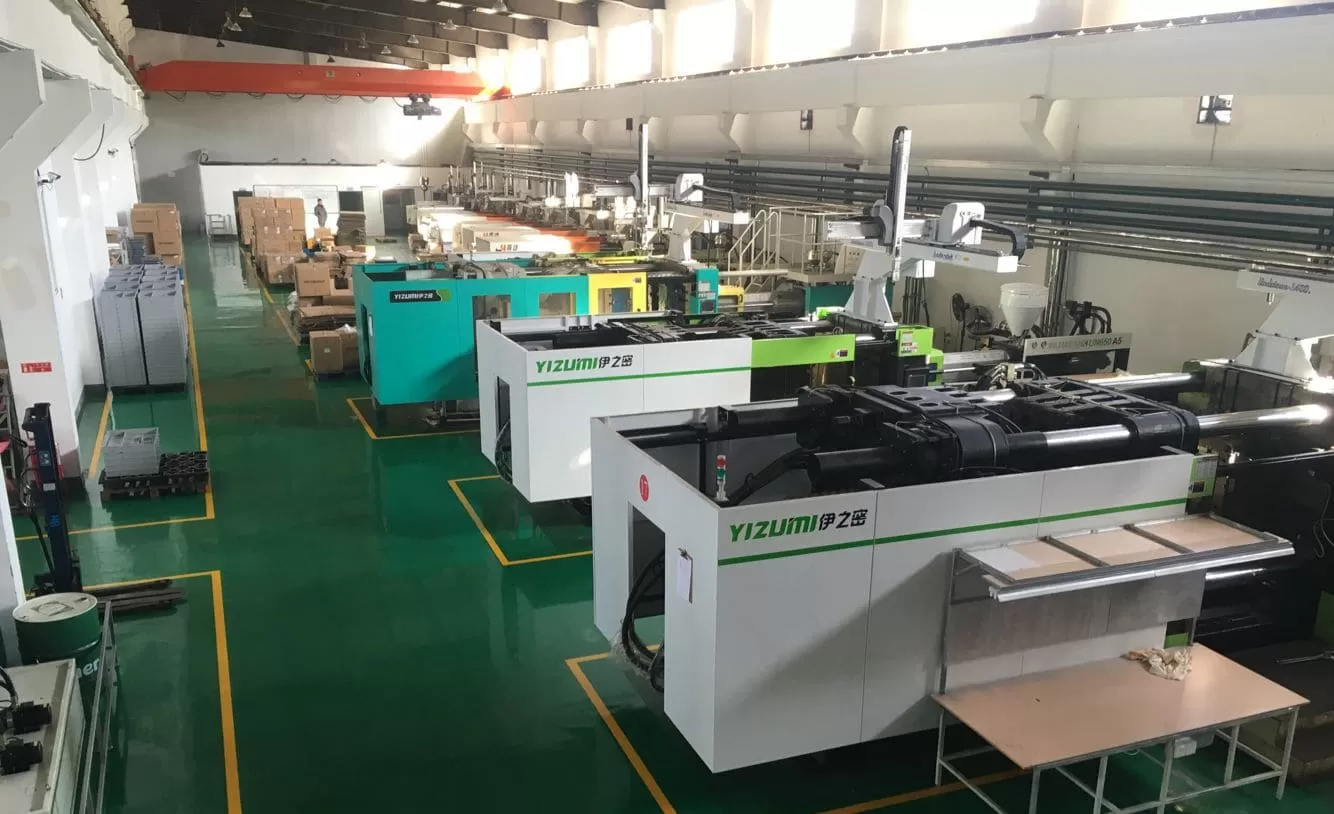
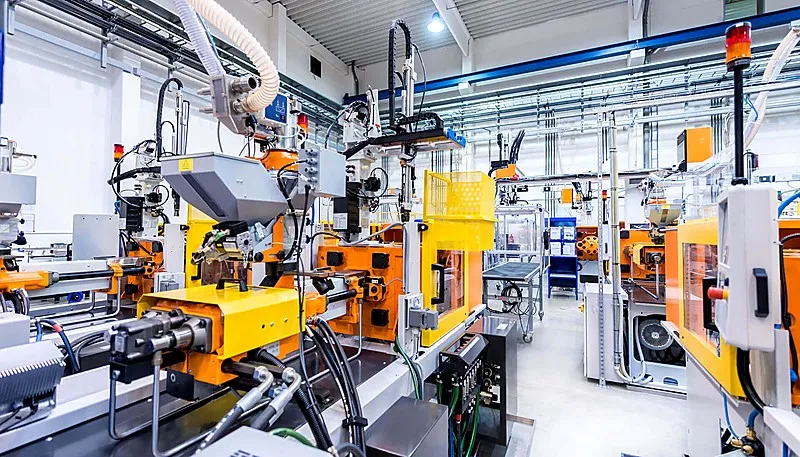
The most important things to check on the factory floor are machine condition, material handling, and scheduling discipline. Look at the injection molding machine nameplates, confirm the available tonnage and shot-size range, and reconcile the equipment list with what is physically on-site. Machine age alone does not determine capability, but missing maintenance and calibration records are a red flag.
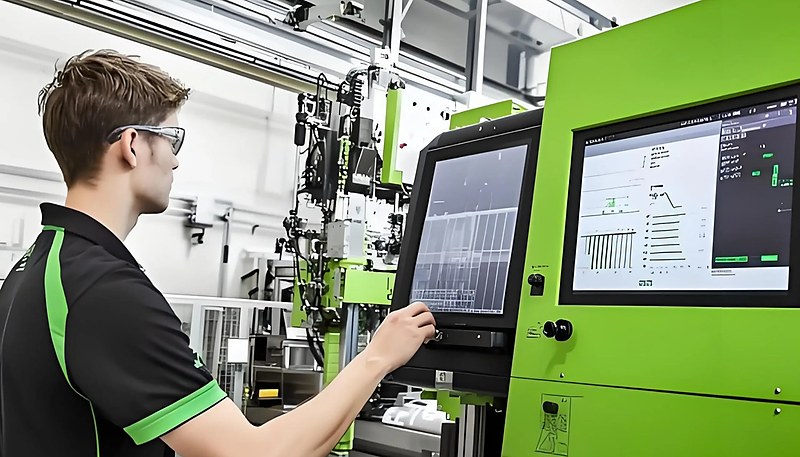
Poor material handling leads to moisture-related defects — splay marks, brittleness, dimensional instability — that you will not catch until production is underway. Finally, look at the production scheduling board or ERP screen. A well-organized factory tracks cycle times, downtime, and changeover schedules visibly. If the supervisor has to call someone to find out what is running, the operation is reactive, not proactive.
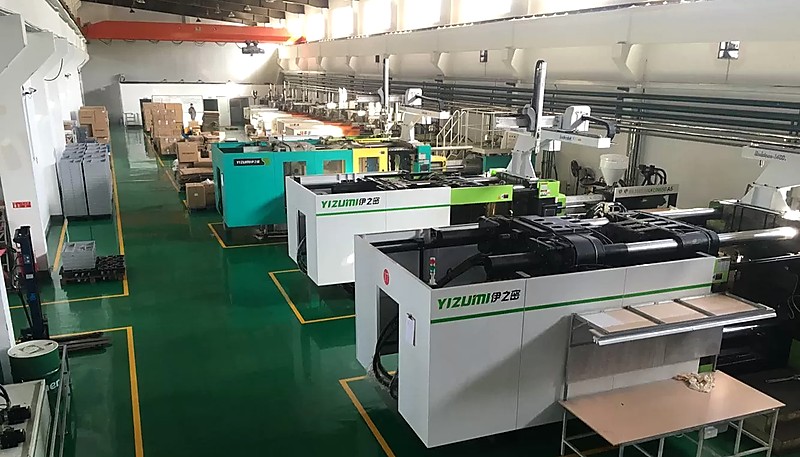
ZetarMold's published capability records list 45 production lines. Buyers should still verify the exact presses, available capacity, and subcontracting boundary required for their project.
How Do You Evaluate a Supplier’s Mold Tooling Capability?
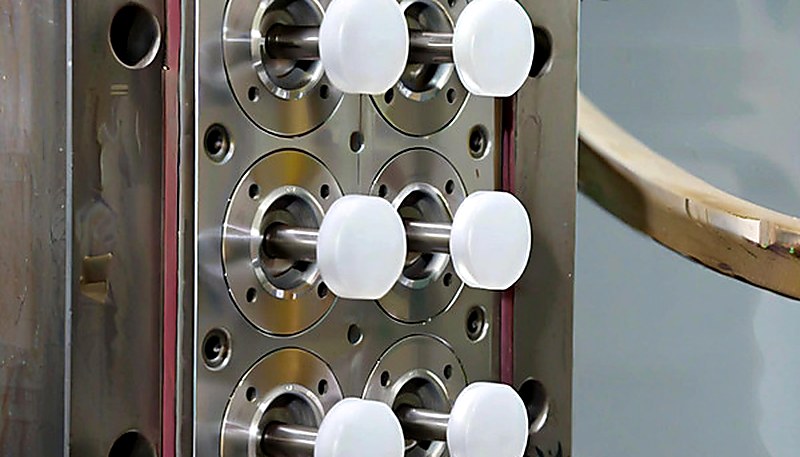
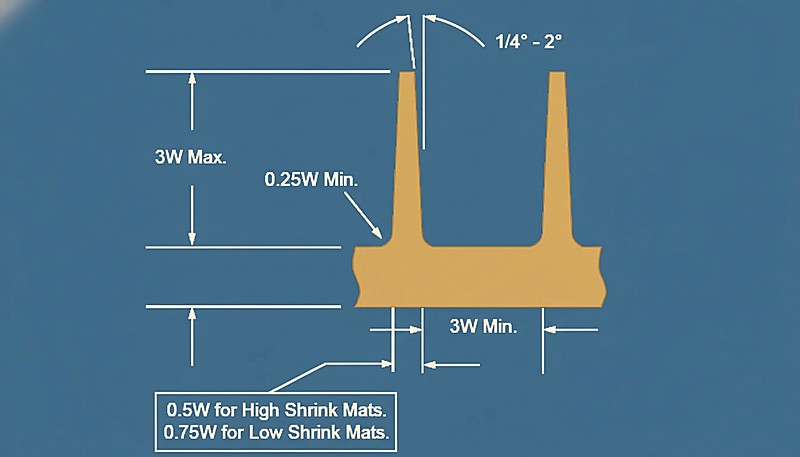
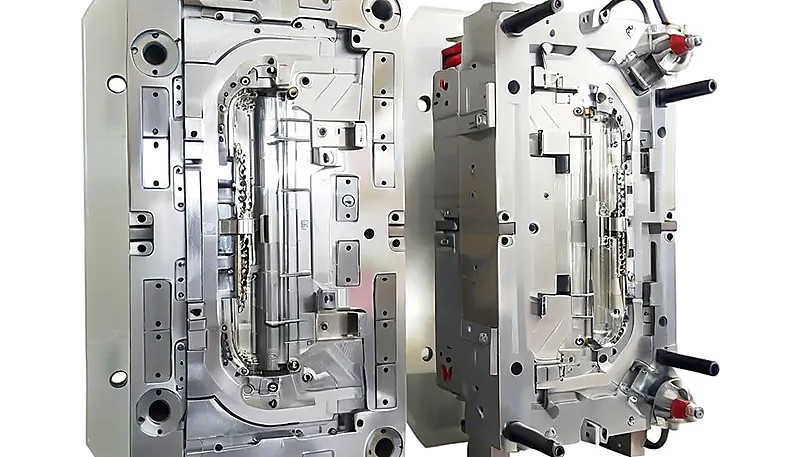
Mold tooling is a major source of project risk because a weak mold can affect every production run. Ask these specific questions. First: does the supplier build molds in-house or outsource them? In-house injection mold manufacturing can simplify design iteration, maintenance, and accountability. Outsourcing adds another party whose responsibilities and quality controls must be explicit. Second: what is the mold design review process? A capable supplier should identify undercuts that add complexity, wall-thickness variations that may cause sink marks, and draft angles that are too shallow for clean ejection.
If they accept a complex design without questions or manufacturability feedback, ask for the analysis and approval record before proceeding.
Third: ask to see sample mold drawings and inspection reports. A quality mold shop provides full dimensional inspection reports (CMM data), mold flow analysis results, and trial run records with cycle time data. If they cannot produce these documents for previous projects, they probably do not generate them for yours either. Fourth: verify their mold maintenance program. Molds need scheduled cleaning, polishing, and component replacement. Ask how often they inspect ejector pins, check cooling channels, and measure cavity wear. A supplier who waits for parts to go out of spec before maintaining the mold will cost you in scrap and delays.
ZetarMold's published capability records list 8 expert mold engineers. For each project, buyers should verify the assigned engineering owner, tooling workflow, trial plan, and maintenance responsibilities.
What Quality Certifications Actually Matter for Injection Molding?
Certifications are relevant only when the holder, scope, validity, and project requirements align. ISO 90011 is a common quality-management baseline. ISO 134852 may be relevant to medical-device supply chains. ISO 140013 and ISO 45001 address environmental and occupational-health-and-safety management. None of these certificates alone proves part quality. Review the certificate scope, recent audit evidence where available, and how the system controls your actual process.
Audit findings are useful only with their severity, corrective actions, and closure evidence. Also check whether the supplier’s measurement equipment is suitable and calibrated. Coordinate measuring machines (CMMs), optical comparators, and Shore hardness testers should have current records when they are used for acceptance. The method and resolution must match the drawing tolerance.
Ask about their statistical process control (SPC) practices. Do they track Cpk values for critical dimensions? Do they have a defined reaction plan when a process drifts out of control? A supplier who can show you control charts from recent production runs is managing quality proactively, not inspecting defects after the fact.
ZetarMold holds current ISO 9001, ISO 13485, ISO 14001, and ISO 45001 certificates within their respective published scopes. Buyers should review the actual certificates and agree on project-specific inspection and traceability evidence.
How Can You Verify a Supplier’s Communication and Project Management?
Communication failures can turn a manageable technical issue into a schedule or quality dispute. A practical test is to schedule a video call with the project manager who would handle your account, not only the sales team. Describe a hypothetical production problem, such as dimensional drift on a critical feature. A strong project manager should ask clarifying questions, describe the investigation path, identify the responsible roles, and give a realistic response timeline. Check real-time technical comprehension as well as written communication.
Written English is easier to polish with translation tools. If the project manager struggles to understand technical questions on a call, every future quality discussion will be filtered through the sales team.
For a ZetarMold project, buyers should identify the engineering and project contacts, agree on the reporting cadence, and document how technical questions, quality findings, and schedule changes are escalated.
Ask about the project management system. Does it track milestones, owners, decisions, and approvals, or is everything scattered across chat groups and email threads? A defined workflow — RFQ review, DFM feedback, mold design approval, T0/T1 sampling, and production launch — gives you visibility into each stage. Finally, ask for verifiable references from buyers with comparable requirements where confidentiality permits. If references are unavailable, require other evidence rather than guessing why.
What Material Expertise Should Your Supplier Demonstrate?
The key material expertise is documented experience with the resin family, grade, additives, colorants, and performance requirements specified for your part. Material selection affects performance, cost, and manufacturability. A supplier experienced only with commodity resins may need additional development controls for PEEK, LCP, glass-filled nylon, or other engineering materials. Ask for comparable process records and a validation plan rather than relying on a total material count alone.
Verify their drying capabilities. Hygroscopic materials such as nylon, polycarbonate, PET, and some TPU grades require controlled drying, but the temperature, time, and moisture target depend on the exact resin supplier’s specification. Ask to see the equipment, material-specific drying instructions, and lot records. Also ask how incoming resin identity and properties are verified and whether material certificates and lot traceability are retained. Without those controls, the supplier cannot demonstrate that the processed resin matches the approved specification.
ZetarMold's published capability records list 400+ material types. Each project still requires grade-specific drying, processing, traceability, and validation records.
When Should You Walk Away from a Supplier?
Some red flags can be resolved with evidence; others leave a critical risk unverified. Refuses both a factory visit and a live virtual tour. If a supplier offers no credible confidentiality or safety reason and no alternative evidence, you cannot verify the claimed production boundary. Cannot provide suitable sample inspection records. A supplier should be able to show redacted or representative dimensional records without disclosing another customer’s confidential data.
If a sample report cannot be shared, ask the supplier to demonstrate its reporting system with a neutral example. Quotes far below comparable offers without explanation. Compare resin assumptions, mold steel, surface treatments, validation, warranty, maintenance, and change-order terms before accepting the price. No trial run or sample approval process. Moving directly from mold completion to volume production removes the evidence needed to approve the mold and process.
Another warning sign is pressure for a large upfront payment without milestone evidence or balanced contractual protection. Payment structures vary by supplier, project, and jurisdiction, so tie payments to defined deliverables such as design approval, tooling completion, sample acceptance, and transfer of agreed records.
How Do You Build a Scoring System for Supplier Comparison?
Comparing suppliers by gut feel is how you end up with the cheapest quote and the most expensive problems. Use a weighted scoring matrix to make objective comparisons.
Here is a practical framework — score each supplier on a 1-5 scale across these categories: Machine Capability (20%) — Tonnage range, machine count, maintenance condition. Mold Tooling (20%) — In-house vs outsourced, design review process. Quality System (20%) — Certifications, SPC practices, lab equipment. Communication (15%) — English proficiency, project management tools. Material Expertise (10%) — Material range, drying capabilities. Commercial Terms (10%) — Payment structure, lead time commitments. Facility Visit (5%) — Willingness to host, floor organization.
If you are producing tight-tolerance medical parts, increase the quality system weight. If you need fast tooling turnaround, increase the mold tooling weight. Score at least three suppliers before making a decision. The scoring exercise often reveals that the lowest-priced supplier scores poorly on quality and communication — which is exactly the trade-off you want to identify before committing, not after.
Author Mike Tang reports more than 20 years of field experience, and ZetarMold's published records list 8 expert mold engineers and 45 production lines. Buyers should verify those capabilities against the needs of the specific program.
What Happens After You Select a Supplier?
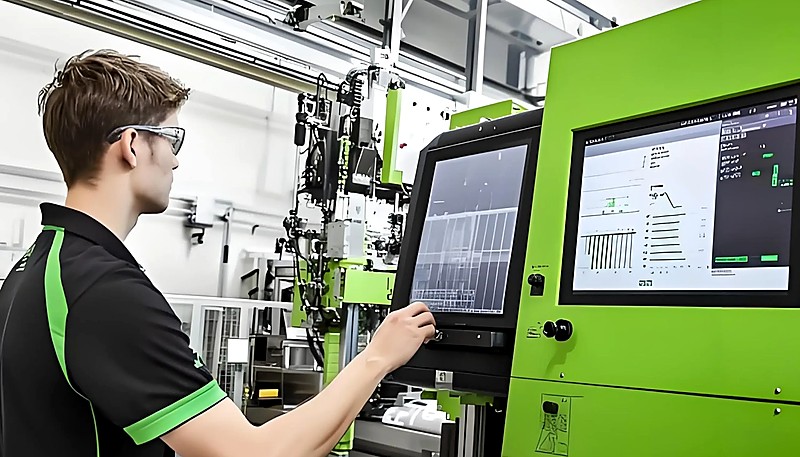
Selecting a supplier is the start, not the end. Use the early production phase to confirm that the agreed controls work under real conditions. Start with a pilot run sized to the part risk, cavity count, process variation, and validation plan, then record dimensions, weight, surface quality, cycle time, and other critical characteristics. Set up a written quality agreement before production, defining the sampling plan, inspection criteria, defect classification, and corrective-action process.
Schedule a production kickoff call with the project manager, tooling engineer, and quality lead. Walk through the part drawing together, identify critical dimensions, discuss potential challenges, and agree on communication frequency. Establish a change-management process: who approves material substitutions, drawing revisions, tooling changes, and process deviations? Without defined approval, an uncontrolled change may reach production without the buyer understanding its effect.
"A factory tour can provide evidence that supplier claims alone cannot."True
A virtual or in-person tour can expose machine condition, production organization, and material handling. If access is restricted, the supplier should provide a credible reason and alternative evidence rather than leaving the production boundary unverified.
"A supplier with ISO 9001 certification guarantees consistent part quality."False
ISO 9001 certification provides evidence of a quality management system within its stated scope; it does not guarantee specific part quality. Verify applicable process controls, inspection procedures, and dimensional data from production runs.
These true-or-false questions test your sourcing knowledge before you enter supplier negotiations. Each answer comes with a detailed explanation so you can apply the reasoning to your own evaluation process. Understanding why a statement is true or false matters more than memorizing the answer itself. Use these as discussion prompts with your procurement team — they surface assumptions that often go unchallenged until problems appear on the production floor and cost real money and project delays.
"A risk-based pilot production run should precede full-volume approval."True
A pilot run under production conditions can establish baseline dimensional, cosmetic, and process data. Its quantity and acceptance criteria should come from the validation plan rather than a universal fixed number.
"Outsourced mold manufacturing always results in lower tooling costs for the buyer."False
An outsourced mold may have a lower initial quote, but total cost also depends on lead time, communication, design iteration, maintenance, transport, and accountability when issues arise.
Frequently Asked Questions
What is the most important factor when choosing an injection molding supplier?
There is no universal single most important factor; the priority follows the part’s risk. Tooling capability, process capacity, material control, quality evidence, and communication all matter. For a new mold, determine who designs, builds, validates, owns, and maintains it. In-house tooling can simplify accountability, while an outsourced tool can work if responsibilities, evidence, and escalation paths are explicit.
How many injection molding suppliers should I evaluate before making a decision?
When the market and schedule allow, compare multiple qualified suppliers using the same weighted scoring matrix for machine capability, tooling, quality systems, technical communication, material experience, and commercial terms. The useful number depends on candidate quality, evaluation cost, and project urgency. The invariant is consistent evidence and scoring, not a fixed shortlist size.
What quality certifications should an injection molding supplier have?
ISO 9001 is a common quality-management baseline, but no certificate should be treated as a universal legitimacy test. Medical-device projects may require ISO 13485 or other controls depending on the supplier’s role and jurisdiction. ISO 14001 and ISO 45001 address environmental and occupational-health-and-safety management. Verify the certificate holder, scope, and validity, then review the project-specific quality plan, calibration records, and process-control evidence.
Should I visit the factory before placing an order?
A factory visit or live virtual tour is strongly recommended when production capability is a material sourcing risk. It can reveal machine condition, floor organization, material storage, and inspection practices that documents alone do not show. During the visit, reconcile the equipment with the quote, check calibration evidence, and review scheduling controls. If access is restricted, record the reason and decide whether alternative evidence resolves the risk.
What red flags should I watch for when evaluating injection molding suppliers?
Key red flags include refusing any credible way to verify the factory, failing to provide representative inspection evidence, quoting far below comparable offers without explaining scope and assumptions, skipping trial sampling, or demanding payment without milestone protection. Treat each as an unresolved risk: request evidence, define the acceptance condition, and stop the evaluation if a critical condition remains unmet.
How do I assess a supplier’s material processing capability?
Ask whether the supplier has processed your exact resin family and grade, verify its drying and material-handling equipment, and review documented procedures for hygroscopic materials such as nylon and polycarbonate. Request comparable process records for engineering-grade resins. Also confirm the incoming-material checks and lot traceability required by your quality plan; the appropriate tests depend on the resin and application.
What payment structure is reasonable for injection molding tooling?
Payment structures vary with tooling value, supplier risk, financing, and local practice. Use milestone payments tied to defined deliverables such as mold-design approval, steel completion, T0 sampling, and final sample acceptance. The contract should state mold ownership, change-order treatment, refund or remediation terms, and what records or tooling transfer at each milestone. Negotiate production-order terms separately after performance is established.
How long should the supplier evaluation process take?
The evaluation duration depends on part complexity, tooling status, sample availability, audit scope, and commercial negotiation. Build a schedule that covers technical review, evidence collection, factory verification, reference checks where available, sampling, scoring, and final approval. Do not compress a required validation step merely to meet an arbitrary calendar target.
ISO 9001: ISO 9001:2015 specifies requirements for a quality management system. ↩
ISO 13485: ISO 13485:2016 specifies quality-management-system requirements for organizations involved in the life cycle of medical devices. ↩
ISO 14001: ISO 14001:2015 specifies requirements for an environmental management system. ↩