射出成形サプライヤーの金型所有権:購入者が金型代金を支払う前に確認すべきこと

• ZetarMold Engineering Guide
• Plastic Injection Mold Manufacturing Since 2005
• Built by ZetarMold engineers for buyers comparing mold and molding solutions.

You just paid thirty thousand dollars for a production mold. Six months later, your supplier says you cannot move it to another factory. Sound familiar? Mold ownership is one of the most misunderstood aspects of 射出成形 sourcing, and getting it wrong can lock you into a single supplier, inflate your part costs, or even mean paying for the same tool twice. This guide breaks down exactly what mold ownership means, how to confirm it before you write the check, and the contractual clauses that separate a fair deal from a trap.

要点
  • Mold ownership should be explicitly stated in your purchase agreement — never assume the tooling is yours because you paid for it.
  • Request a mold ownership certificate or transfer document before production begins.
  • Check storage, maintenance, and insurance clauses: who holds the mold between runs matters as much as who owns it on paper.
  • Avoid suppliers who refuse to put ownership terms in writing or charge transfer fees not disclosed upfront.
  • Buyer-owned molds should be tracked by serial number, with inspection reports updated after each maintenance cycle.

What Does Mold Ownership Actually Mean?

Mold ownership refers to the legal right to possess, use, transfer, or modify an 射出成形金型 tool. In simple terms, the owner decides where the mold runs, who maintains it, and whether it can be relocated. But in practice, the distinction between paying for tooling and owning it is murkier than most buyers expect.

In many supplier agreements, especially with Chinese manufacturers, the default understanding is that the mold stays at the supplier facility. Some suppliers consider tooling fees to be an amortized engineering service rather than a transfer of property. Without explicit language stating the buyer retains full ownership of all tooling, you may have no legal grounds to retrieve your mold — even though you funded its entire creation.

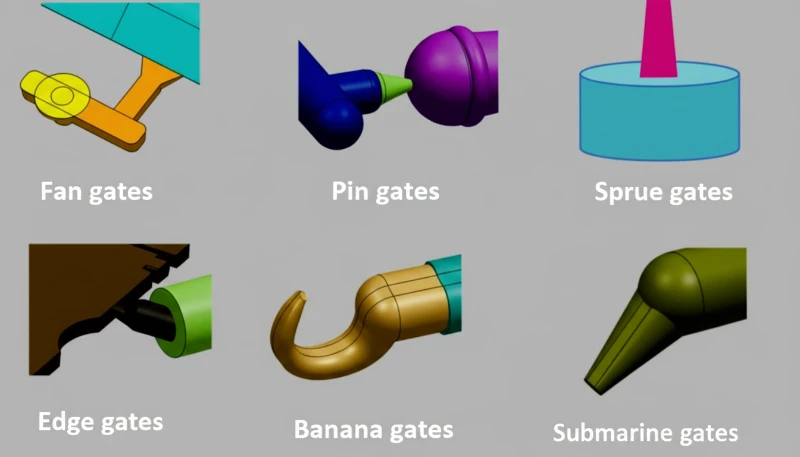
Types of plastic injection molding gates
Injection gate types

Why Do Some Suppliers Resist Mold Transfer?

The main reasons are lost revenue, IP concerns, and deliberate lock-in strategies. On the legitimate side, a mold represents recurring revenue for the facility — each production run generates income, and losing the mold means losing that stream. Some suppliers also worry about intellectual property exposure if your mold design is proprietary and ends up at a competitor factory.

On the less savory side, some suppliers use mold retention as leverage to keep prices high or prevent you from comparison shopping. They may invent transfer fees, claim the mold needs expensive modifications before it can run elsewhere, or simply stall until you give up. In our experience at ZetarMold, we have seen cases where a customer paid for tooling at another facility, never received an ownership document, and then had to pay again for a new mold when the original supplier refused to release it. A proper sourcing guide with clear ownership terms prevents this scenario entirely.

🏭 ZetarMold Factory Insight
Over 20 years of working with international buyers, we have seen every mold ownership dispute imaginable. Our 30+ English-speaking project managers now include a standard mold ownership clause in every tooling agreement — because the cost of ambiguity is always paid by the buyer.

What Should Your Mold Ownership Agreement Include?

Six essential clauses are required: ownership, transfer, storage, insurance, dispute resolution, and survival. First, a clear statement of ownership: the mold belongs to the buyer upon full payment of tooling costs. Second, a transfer clause specifying that the buyer can request mold relocation with reasonable notice, typically 30 to 60 days. Third, a storage and maintenance clause detailing who is responsible for mold care between production runs, including environmental controls and periodic inspection schedules.

Fourth, an insurance clause. If the mold is damaged or destroyed while in the supplier custody, who bears the replacement cost? Without this, you could lose your tooling investment with no recourse. Fifth, a dispute resolution mechanism. If the supplier claims the mold needs repairs before transfer, who determines whether those repairs are genuinely necessary and what they should cost? An independent third-party inspection can resolve this quickly.

Finally, make sure the agreement specifies that these terms survive even if your production relationship ends. Ownership does not expire when the last part ships. We have seen buyers who assumed their molds would be returned automatically after a project ended, only to discover that the supplier had already repurposed or scrapped the tooling months earlier. Get it in writing, get it signed, and keep a copy on file with your legal team.

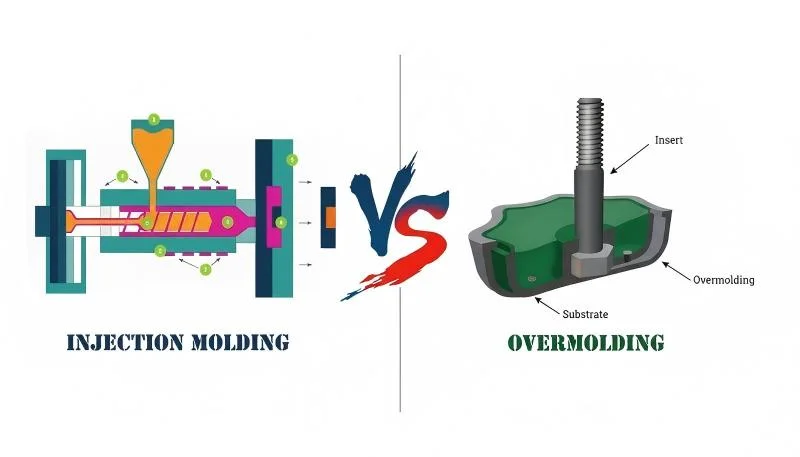
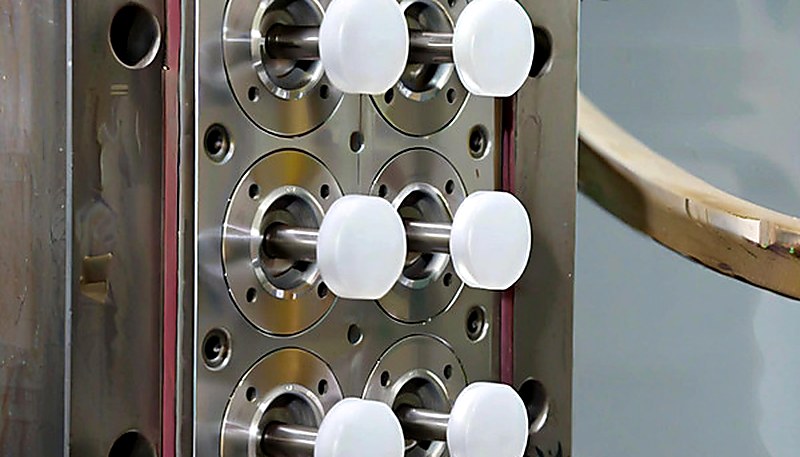
射出成形とオーバーモールディングのプロセス図
Mold process verification

How Can You Verify a Supplier Actually Built Your Mold?

Here is an uncomfortable truth: not every supplier who charges you for tooling actually builds a new mold. Some will run your parts on an existing generic mold and pocket the tooling fee. Others may subcontract the mold to a third-party tool shop without telling you. Both scenarios create ownership headaches down the road. To protect yourself, request photographs of the mold at every stage of fabrication — raw steel, machining, polishing, and T1 sampling. Ask for the mold steel certificate, which identifies the material grade and heat treatment.

You should also ask for dimensional inspection reports of the cavity and core, measured against your part drawings. A supplier who genuinely built your mold will have this documentation ready. If they cannot produce it, or if the mold surfaces look worn beyond what a brand-new tool should show, that is a red flag. Working with an ISO 90011 certified supplier adds an extra layer of assurance, since their quality management system requires documented procedures for mold fabrication and inspection. At ZetarMold, our in-house mold manufacturing facility produces over 100 mold sets per month, and every mold ships with a complete documentation package including steel certificates, dimensional reports, and trial run records.

🏭 ZetarMold Factory Insight
Our in-house mold manufacturing facility produces 100+ mold sets per month. Every mold ships with steel certificates, dimensional inspection reports, and T1 sampling records — because documentation is what makes ownership enforceable.

What Are the Red Flags in Mold Ownership Negotiations?

Some warning signs are obvious once you know what to look for. A supplier who will not put ownership terms in writing is the biggest red flag of all. Verbal assurances mean nothing in cross-border manufacturing disputes. Similarly, if a supplier quotes a tooling price that seems unusually low, ask why. They may be planning to use an existing mold, which means you are paying for something that already exists — and that they may continue using for other customers.

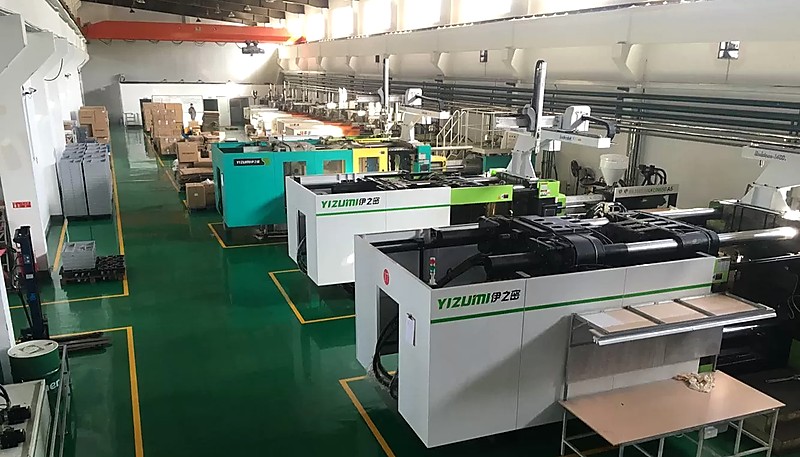
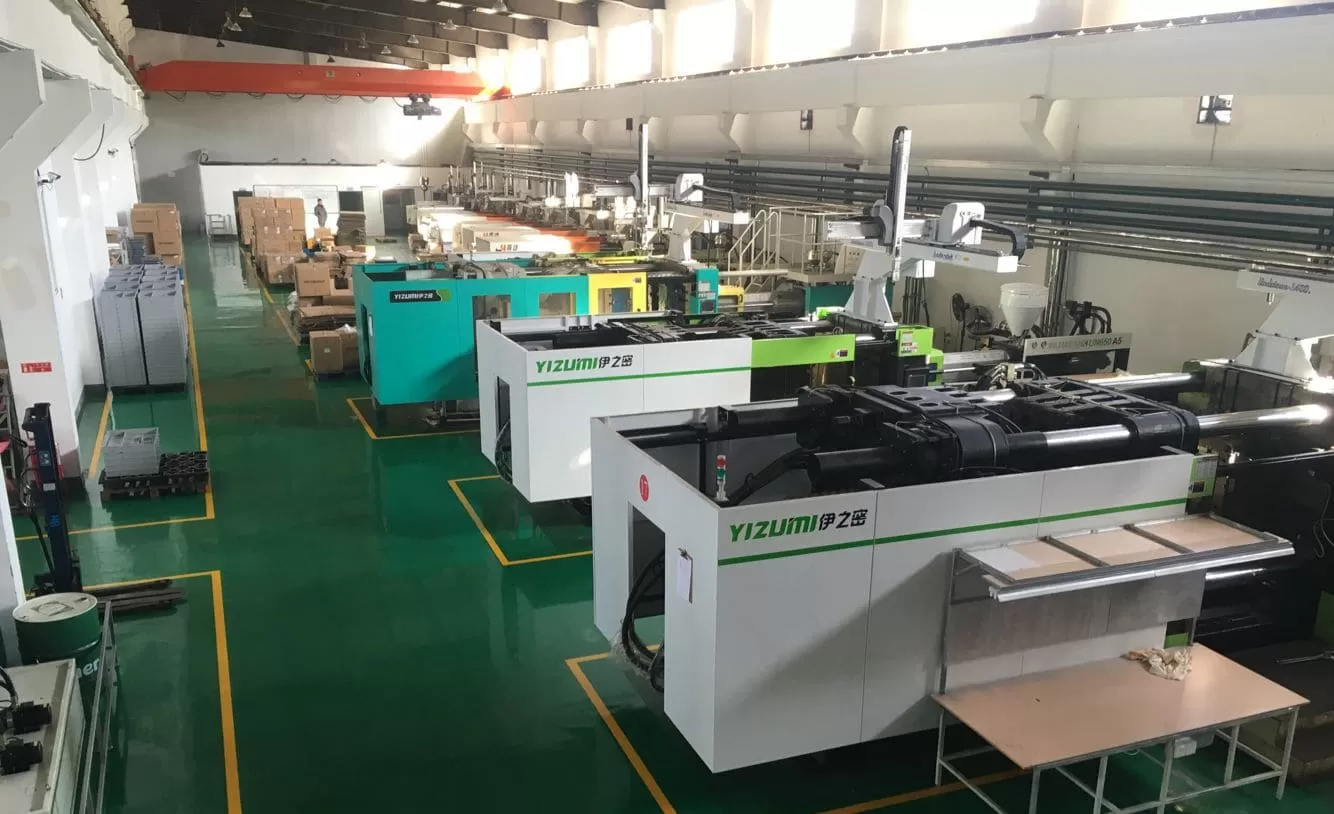
生産設備を備えた射出成形工場
Factory production lines

Another red flag is the refusal to allow third-party mold inspection. If a supplier insists that only their internal team can inspect the mold, they may be hiding quality issues or the fact that the mold was built to different specifications than what you ordered. Watch out for vague language in contracts too. Phrases like “tooling cost share” or “amortized tooling” often mean you do not fully own the mold, even though you are paying for it. Demand precise language: who owns it, when ownership transfers, and what happens if the mold is damaged.

How Should You Handle Mold Storage and Maintenance?

Mold storage and maintenance are where many ownership disputes originate. Even if the contract says you own the mold, the physical reality is that the mold sits in the supplier facility. Between production runs, molds need proper storage conditions: temperature-controlled environments, rust prevention treatments, and regular inspection of critical surfaces. If your supplier is not doing this, your mold is degrading even while it sits idle.

Best practice is to include a maintenance schedule in your agreement. Specify that the supplier must perform rust prevention treatment every 90 days when the mold is not in production, and provide photographic evidence of the mold condition upon request. For high-cavitation molds running millions of cycles, schedule a full refurbishment after every 500,000 shots or annually, whichever comes first. Mold steel grades specified by NADCA2 standards, such as H13 and S136 hardened tool steels, have different maintenance requirements than P20 pre-hardened steels. These clauses cost nothing to include but can save significant amounts in premature mold failure.

If you are storing the mold yourself after a production run, make sure your facility has the right conditions. Molds should be stored on flat, level surfaces in a dry environment. Apply rust preventive oil to all metal surfaces, especially the cavity and core. Tag each mold with its serial number, the last production date, and the next scheduled maintenance date. This is standard practice at ZetarMold, where every mold in our Shanghai facility is tracked by serial number with an electronic maintenance log.

🏭 ZetarMold Factory Insight
At our Shanghai factory, every mold across our 47 injection molding machines is tracked by serial number with an electronic maintenance log, ensuring full traceability from T1 sampling through end of life.

What Happens When You Need to Transfer a Mold to Another Supplier?

Mold transfer is the moment where ownership either means something or proves to be an empty promise. The process typically involves several steps. First, you notify the current supplier in writing, referencing the ownership clause in your agreement. Second, the current supplier prepares the mold for shipping — cleaning, treating with rust preventive, and crating it securely. Third, you or your freight forwarder arrange pickup and transport to the new facility.

At the receiving facility, the mold should be inspected immediately upon arrival. Check for damage during transit, verify dimensional accuracy against your part drawings, and assess the overall condition of the tooling. Common issues include rust spots from improper storage, worn ejector pins, and damaged cooling circuits. The receiving supplier should provide a detailed inspection report with photographs before accepting the mold for production.

Plan for a qualification run at the new facility. Even if the mold is in perfect condition, the new supplier machines, process parameters, and raw materials may produce slightly different results. Following ASTM D36413 standards for injection molding test specimens provides a consistent framework for comparing part quality between suppliers. A first-article inspection comparing parts from the original and new supplier will establish a baseline and identify any adjustments needed. This is normal and expected — it does not mean the mold is defective or the new supplier is incompetent. It simply reflects the reality that injection molding is a process-dependent manufacturing method.

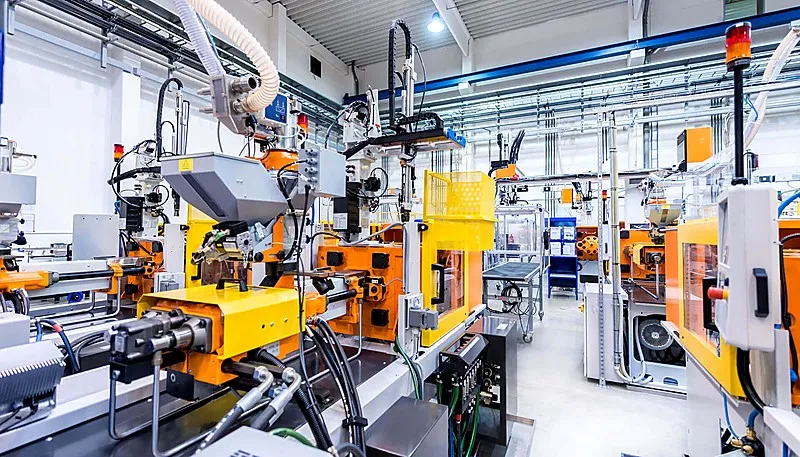
射出成形工場の生産ライン
Factory mold storage facility

Can You Protect Your Mold Design Intellectual Property?

Mold design IP protection is a valid concern, especially when transferring molds between suppliers. Your mold embodies your product design, and an unscrupulous supplier could theoretically use it to produce copies for other customers. While outright theft is rare among reputable manufacturers, it does happen. The best protection is a combination of legal agreements and practical measures.

On the legal side, include a non-compete and non-disclosure clause in your tooling agreement. Specify that the mold design is your proprietary property and that the supplier cannot manufacture similar parts for competitors using your tooling or design information. On the practical side, avoid sharing complete CAD files with suppliers you do not fully trust. Provide only the minimum data needed for mold construction — typically step files or IGES formats rather than parametric native CAD files. Register your design in key markets where IP enforcement is strong. While Chinese utility model patents offer some protection, the most effective strategy is working with suppliers who have a proven track record with international clients and a reputation to protect.

What Is the Difference Between Buyer-Owned Molds and Supplier-Owned Molds?

The core difference is that buyer-owned molds give you full control, while supplier-owned molds lock you in. With a buyer-owned mold, you control where it runs, when it runs, and who maintains it. You can switch suppliers without losing your tooling investment. The supplier is essentially providing machine time and labor. With a supplier-owned mold, the supplier controls the tooling entirely — they set the production schedule, decide on maintenance intervals, and can refuse to transfer the mold.

サプライヤー所有の金型を選択する正当な理由があります。金型費用が最小限である低ボリュームまたは短期間の製品では、サプライヤー所有の利便性がリスクを上回る可能性があります。しかし、重要な金型投資を伴う製品(例えば、5千ドル以上)については、購入者所有がほぼ常により良い選択です。鍵は、どのモデルが適用されるかについて契約が完全に明確であることを確認することです。この点における曖昧さは、私たちが遭遇する金型所有権紛争の最も一般的な原因です。
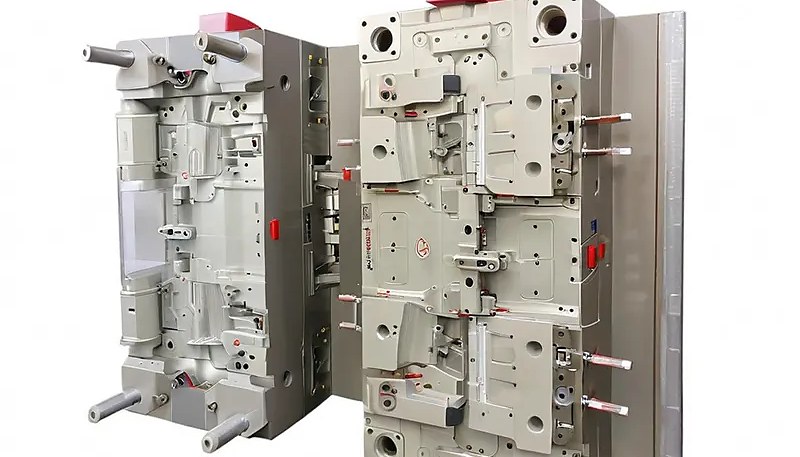
射出成形金型
射出成形金型

「金型製造費用を支払えば、自動的に金型を所有する。」

誤り。金型代金を支払っても、契約書に明記されていない限り所有権は保証されません。多くのサプライヤーは金型費用をサービス料として扱い、書面による所有権条項がなければ、法的に金型に対する権利がない場合があります。

「部品代金をまだ支払っていない場合、サプライヤーは法的に私の金型の返還を拒否できる。」

一部の管轄区域では真実。生産ロットの未払いがある場合、一部のサプライヤーは金型に対して留置権を持つ可能性があります。そのため、生産支払いを最新の状態に保ち、金型所有権条件から分離しておくことが重要です。

金型製造契約を締結する前に、これらの一般的な誤解を理解することが極めて重要です。多くの購入者は標準的なビジネス慣行が自らの利益を保護すると考えがちですが、異なる管轄区域の製造契約は非常に異なる法的枠組みの下で運用されていることに気付きます。期待することと契約が実際に保証することとの間のギャップは、高額になる可能性があります。金型製造費用を支払う前に、これらの所有権に関する疑問を事前に解決する時間を取ることは、事後に紛争を解決するよりもはるかに安価です。

「金型所有権証明書は、すべての製造契約で法的に必要です。」

誤り。金型所有権証明書に関する普遍的な法的要件は存在しません。ただし、所有権に関する紛争をはるかに容易に解決するためのベストプラクティスです。これがない場合、契約文言のみに依存することになり、それは曖昧であったり、管轄区域によって異なる法的解釈がなされる可能性があります。

「書面による合意がなくても、法的措置を通じて常に金型を取り戻せます。」

実際には誤り。一部の管轄区域では法的根拠があるかもしれませんが、国境を越えた製造紛争は費用がかかり、時間がかかり、不確実です。現実的には、書面による所有権契約がない場合、他国のサプライヤーから金型を回収することは極めて困難であり、多くの場合、金型自体の価格よりも多くの費用がかかります。

Frequently Asked Questions About Mold Ownership

よくある質問

金型代金を支払った後、誰が金型を所有しますか?

所有権は契約書の内容に完全に依存します。契約で金型代金の全額支払い時に買い手が所有権を得ると明記されていれば、所有権はあなたにあります。契約で所有権について言及がない場合、サプライヤーは金型費用が財産譲渡ではなく金型製作サービスの対価であると主張する可能性があります。金型契約では常に明示的な所有権条項を要求してください。双方が署名した金型所有権証明書は、投資を保護し、将来の高額な紛争を避けるための最良の方法です。

サプライヤーは、私自身の金型を移管するために手数料を請求できますか?

はい、買い手所有の金型であっても、移管手数料を請求するサプライヤーがいます。これらの手数料は通常、清掃、防錆処理、梱包など、金型の出荷準備費用をカバーします。合理的な移管準備費用は妥当ですが、手数料は当初の契約で事前に開示されるべきです。事前に協議されていない予想外に高額な移管手数料をサプライヤーが要求する場合、これはサプライヤー変更を妨げるための交渉戦術かもしれません。金型契約に署名する前に、常に移管条件を交渉してください。

サプライヤーが金型の引き渡しを拒否した場合、どうすればよいですか?

まず金型契約を確認し、所有権条項を確認してください。所有権を確立する具体的な契約条項を引用して、金型引き渡しの正式な書面要求を送付します。それでもサプライヤーが拒否する場合、いくつかの選択肢があります:中国製造業法に精通した現地弁護士に依頼する、中国国際貿易促進委員会などの貿易調停サービスを利用する、または大使館の貿易事務所を通じて苦情を申し立てるなどです。すべてのコミュニケーションを書面で注意深く記録してください。ほとんどの場合、中国の法律事務所からの正式な法的通知書があれば、裁判なしで状況を解決できます。

一般的な射出成形金型の寿命はどのくらいですか?

適切にメンテナンスされた生産用金型は、金型鋼材のグレード、部品の複雑さ、および作動条件によって、50万回から100万回以上のサイクルにわたって使用できます。H13やS136などのグレードを使用した焼入れ鋼金型は、通常、P20などの焼入れ前鋼金型よりも長持ちします。クリーニング、潤滑、および重要な表面の検査を含む定期的なメンテナンスは、金型の寿命を大幅に延ばします。50万ショットを超える高ボリューム生産ロットでは、エジェクタピン、キャビティ表面、冷却チャネルなどの摩耗部品の定期的な修理を計画し、金型の全寿命を通じて一貫した部品品質を維持してください。

金型製作を決定する前に、工場を訪問すべきですか?

もちろん、工場訪問は金型製造を決定する前に行える最も価値あるステップの一つです。訪問により、サプライヤーが自社ウェブサイトで主張している設備、品質管理システム、生産能力を実際に確認できます。エンジニアリングチームと直接会い、金型工場の能力を確認し、他のクライアント向けに完了した類似プロジェクトを見ることができます。訪問中には、金型保管場所とメンテナンス手順を直接見学するよう依頼してください。文書化されたプロセスを持つ整理整頓された清潔な施設は、生産ロットの間および金型の全寿命を通じて適切に管理される強力な指標です。

金型所有権証明書とは何ですか?

金型所有権証明書は、購入者とサプライヤーの双方が署名した正式な文書であり、誰が金型を所有するかを明確に記載しています。通常、金型のシリアル番号、工具の詳細な説明、所有権譲渡日、保管、メンテナンス、または譲渡権利に関する条件が含まれます。この文書は、所有権紛争における主要な法的証拠となります。すべての金型製造契約の一部として署名済みの金型所有権証明書を要求し、法的チームと調達記録のためにデジタルおよび物理的なコピーを将来の参照用に保管してください。

サプライヤーは私の金型を使用して他の顧客の部品を製造できますか?

あなたの明示的な書面による許可なしにはできません。あなたが金型を所有している場合、サプライヤーはあなたの承認された注文と指定された部品設計に対してのみ金型を稼働させるべきです。契約に非競争条項と独占使用条項を含めることで、無許可の生産からさらに保護されます。サプライヤーが許可なくあなたの金型を他の顧客のために稼働させていたことを発見した場合、これは重大な契約違反であり、損害賠償を含む法的措置の根拠となります。定期的な監査訪問、ショットカウンター付きの生産報告、および定期的な部品検査は、金型があなたの承認された生産ロットのみに使用されていることを確認するのに役立ちます。
  1. ISO 9001: ISO 9001は、品質マネジメントシステムの要求事項を指します

  2. NADCANADCAは、金型鋼材グレードおよび熱処理仕様に関する北米ダイカスト協会の標準を指します

  3. ASTM D3641: ASTM D3641は、射出成形試験片の標準的な作成方法を指します

最新の投稿
フェイスブック
ツイッター
LinkedIn
ピンタレスト
Mike Tangの写真
マイク・タン

Hi, I'm the author of this post, and I have been in this field for more than 20 years. and I have been responsible for handling on-site production issues, product design optimization, mold design and project preliminary price evaluation. If you want to custom plastic mold and plastic molding related products, feel free to ask me any questions.

私とつながる

クイック見積もり

図面および詳細要件を下記までお送りください。 

Emial:[email protected]

または下記のお問い合わせフォームにご記入ください:

クイック見積もり

図面および詳細要件を下記までお送りください。 

Emial:[email protected]

または下記のお問い合わせフォームにご記入ください:

クイック見積もり

図面および詳細要件を下記までお送りください。 

Emial:[email protected]

または下記のお問い合わせフォームにご記入ください:

クイック見積もり

図面および詳細要件を下記までお送りください。 

Emial:[email protected]

または下記のお問い合わせフォームにご記入ください:

クイック見積もり

図面および詳細要件を下記までお送りください。 

Emial:[email protected]

または下記のお問い合わせフォームにご記入ください:

ブランドのクイック見積もり

図面および詳細要件を下記までお送りください。 

Emial:[email protected]

または下記のお問い合わせフォームにご記入ください:

Спроситебыструюцитату。

Мы свяжемся с вами в течение одного рабочего дня, обратите внимание на письмо с суффиксом "[email protected]".

クイック見積もり

図面および詳細要件を下記までお送りください。 

Emial:[email protected]

または下記のお問い合わせフォームにご記入ください:

クイック見積もり

図面および詳細要件を下記までお送りください。 

Emial:[email protected]

または下記のお問い合わせフォームにご記入ください: