Acabas de pagar treinta mil dólares por un molde de producción. Seis meses después, su proveedor dice que no se puede mover a otra fábrica. ¿Suena familiar? La propiedad del molde es uno de los aspectos más mal entendidos de moldeo por inyección sourcing, y conseguirlo mal puede encerrarte en un solo proveedor, inflar sus costos de parte, o incluso significa pagar por la misma herramienta dos veces. Esta guía descompone exactamente lo que significa la propiedad del molde, cómo confirmarlo antes de escribir el cheque, y las cláusulas contractuales que separan un trato justo de una trampa.
- La propiedad del molde debe indicarse expresamente en el contrato de compra; nunca suponga que el utillaje es suyo porque lo ha pagado.
- Solicite un certificado de propiedad del molde o un documento de transferencia antes de iniciar la producción.
- Revise las cláusulas de almacenamiento, mantenimiento y seguro: quién custodia el molde entre series importa tanto como quién lo posee sobre el papel.
- Evite a los proveedores que se niegan a establecer por escrito las condiciones de propiedad o cobran gastos de transferencia que no se han comunicado de antemano.
- Los moldes propiedad del comprador deben registrarse por número de serie, y sus informes de inspección deben actualizarse después de cada ciclo de mantenimiento.
¿Qué significa realmente ser propietario del molde?
La propiedad del molde se refiere al derecho legal de poseer, usar, transferir o modificar una herramienta de molde de inyección. En términos simples, el propietario decide dónde se ejecuta el molde, quién lo mantiene y si puede ser reubicado. Pero en la práctica, la distinción entre pagar por herramientas y poseerlas es más oscura de lo que la mayoría de los compradores esperan.
En muchos contratos con proveedores, especialmente fabricantes chinos, se presupone que el molde permanece en sus instalaciones. Algunos consideran que las tarifas de utillaje corresponden a un servicio de ingeniería amortizado, no a una transferencia de propiedad. Sin una cláusula explícita que establezca que el comprador conserva la plena propiedad de todo el utillaje, quizá no tenga base legal para recuperar su molde, aunque haya financiado toda su fabricación.
¿Por qué algunos proveedores se resisten a transferir el molde?
Las razones principales son la pérdida de ingresos, las inquietudes sobre la IP y las estrategias deliberadas de dependencia. Por el lado legítimo, un molde representa ingresos recurrentes para la planta: cada lote de producción genera ingresos y perder el molde implica perder ese flujo. A algunos proveedores también les preocupa la exposición de la propiedad intelectual si el diseño de su molde es exclusivo y acaba en la fábrica de un competidor.
En el lado menos salado, algunos proveedores utilizan la retención de moho como palanca para mantener los precios altos o evitar que la comparación de compras. Pueden inventar cargos de transferencia, reclamar que el molde necesita modificaciones costosas antes de que pueda funcionar en otro lugar, o simplemente parar hasta que te rindas. En nuestra experiencia en ZetarMold, hemos visto casos en los que un cliente pagó por herramientas en otra instalación, nunca recibió un documento de propiedad, y luego tuvo que pagar de nuevo por un nuevo molde cuando el proveedor original se negó a liberarlo. Una guía adecuada de abastecimiento con términos claros de propiedad impide este escenario por completo.
En más de 20 años trabajando con compradores internacionales, hemos visto todo tipo de disputas imaginables sobre la propiedad de los moldes. Nuestros más de 30 jefes de proyecto de habla inglesa incluyen ahora una cláusula estándar de propiedad del molde en cada acuerdo de utillaje, porque el coste de la ambigüedad siempre lo paga el comprador.
¿Qué debe incluir su acuerdo de propiedad del molde?
Se requieren seis cláusulas esenciales: propiedad, transferencia, almacenamiento, seguro, resolución de disputas y supervivencia. Primera, una declaración clara de propiedad: el molde pertenece al comprador una vez pagados íntegramente los costes del utillaje. Segunda, una cláusula de transferencia que especifique que el comprador puede solicitar la reubicación del molde con un preaviso razonable, normalmente de 30 a 60 días. Tercera, una cláusula de almacenamiento y mantenimiento que detalle quién es responsable del cuidado del molde entre ciclos de producción, incluidos los controles ambientales y los calendarios de inspección periódica.
Cuarto, una cláusula de seguro. Si el molde resulta dañado o destruido mientras está bajo custodia del proveedor, ¿quién asume el coste de sustitución? Sin ella, podría perder su inversión en utillaje sin recurso alguno. Quinto, un mecanismo de resolución de disputas. Si el proveedor afirma que el molde necesita reparaciones antes de transferirlo, ¿quién determina si son realmente necesarias y cuánto deben costar? Una inspección independiente puede resolverlo rápidamente.
Por último, asegúrese de que el acuerdo especifique que estas condiciones siguen vigentes aunque termine la relación de producción. La propiedad no caduca cuando se envía la última pieza. Hemos visto compradores que suponían que sus moldes se devolverían automáticamente al finalizar un proyecto y después descubrieron que el proveedor ya había reutilizado o desechado el utillaje meses antes. Déjelo por escrito, consiga que se firme y archive una copia con su equipo jurídico.
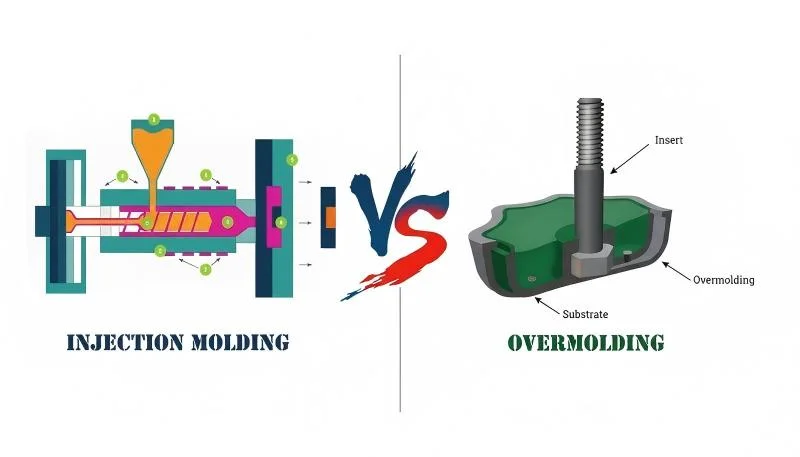
¿Cómo puede verificar que un proveedor realmente fabricó su molde?
Esta es una verdad incómoda: no todos los proveedores que cobran por el utillaje construyen realmente un molde nuevo. Algunos fabrican sus piezas en un molde genérico existente y se quedan con la tarifa del utillaje. Otros pueden subcontratar el molde a un taller externo sin informarle. Ambas situaciones generan problemas de propiedad más adelante. Para protegerse, solicite fotografías del molde en cada etapa de fabricación: acero en bruto, mecanizado, pulido y muestreo T1. Pida el certificado del acero del molde, que identifica el grado del material y el tratamiento térmico.
También debe pedir informes de inspección dimensional de la cavidad y el núcleo, medidos contra sus dibujos de piezas. Un proveedor que realmente construyó su molde tendrá esta documentación lista. Si no pueden producirlo, o si las superficies del molde parecen desgastadas más allá de lo que una herramienta nueva debe mostrar, eso es una bandera roja. Trabajar con un proveedor certificado ISO 90011 añade una capa adicional de garantía, ya que su sistema de gestión de calidad requiere procedimientos documentados para la fabricación e inspección de moldes. En ZetarMold, nuestra planta de fabricación de moldes produce más de 100 conjuntos de moldes al mes, y cada molde envía con un paquete completo de documentación que incluye certificados de acero, informes dimensionales y registros de pruebas.
Nuestra planta interna de fabricación produce más de 100 conjuntos de moldes al mes. Cada molde se entrega con certificados del acero, informes de inspección dimensional y registros de muestreo T1, porque la documentación es lo que permite hacer valer la propiedad.
¿Cuáles son las señales de alarma en las negociaciones sobre la propiedad del molde?
Algunas señales de advertencia son evidentes cuando se sabe qué buscar. Un proveedor que no acepte poner por escrito las condiciones de propiedad es la mayor señal de alarma. Las garantías verbales no significan nada en las disputas de fabricación transfronterizas. Del mismo modo, si un proveedor ofrece un precio de utillaje que parece inusualmente bajo, pregunte por qué. Puede que piense utilizar un molde existente, lo que significa que usted paga por algo que ya existe y que el proveedor podría seguir utilizando para otros clientes.
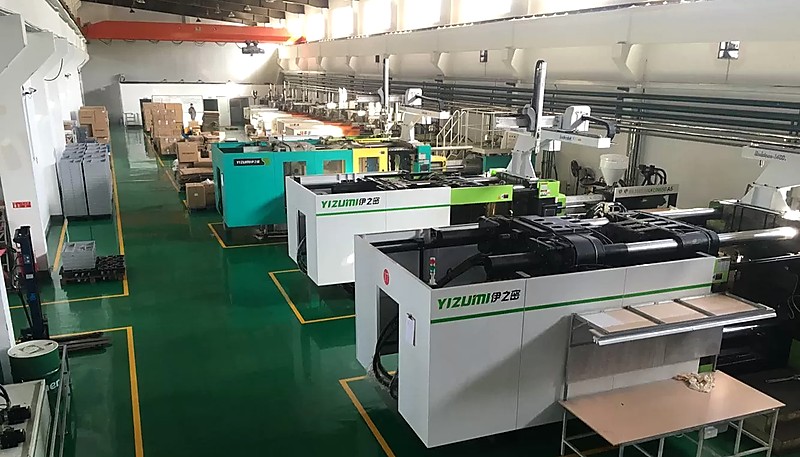
Otra señal de alarma es la negativa a permitir que un tercero inspeccione el molde. Si un proveedor insiste en que solo su equipo interno puede inspeccionarlo, puede estar ocultando problemas de calidad o que el molde se fabricó con especificaciones distintas de las solicitadas. Preste atención también al lenguaje impreciso de los contratos. Expresiones como “reparto del coste del utillaje” o “utillaje amortizado” suelen significar que usted no es plenamente propietario del molde, aunque lo esté pagando. Exija un lenguaje preciso: quién es el propietario, cuándo se transfiere la propiedad y qué ocurre si el molde sufre daños.
¿Cómo deben gestionarse el almacenamiento y el mantenimiento de los moldes?
El almacenamiento y el mantenimiento de los moldes son el origen de muchas disputas sobre la propiedad. Aunque el contrato indique que el molde le pertenece, la realidad física es que permanece en las instalaciones del proveedor. Entre series de producción, los moldes necesitan condiciones de almacenamiento adecuadas: entornos con temperatura controlada, tratamientos contra la corrosión e inspecciones periódicas de las superficies críticas. Si su proveedor no hace esto, el molde se deteriora incluso mientras permanece inactivo.
La mejor práctica es incluir un calendario de mantenimiento en su acuerdo. Especifique que el proveedor debe realizar un tratamiento de prevención de óxido cada 90 días cuando el molde no está en producción, y proporcione evidencia fotográfica de la condición del molde a petición. Para moldes de alta cavitación que ejecutan millones de ciclos, programe una remodelación completa después de cada 500.000 tomas o anualmente, lo que sea primero. Los grados de acero al moho especificados por las normas NADCA2, como los aceros para herramientas endurecidos H13 y S136, tienen requisitos de mantenimiento diferentes a los de los aceros pre endurecidos P20. Estas cláusulas no cuestan nada incluir, pero pueden ahorrar cantidades significativas en la falla prematura del molde.
Si almacena el molde en sus propias instalaciones después de una tirada de producción, asegúrese de que estas reúnan las condiciones adecuadas. Los moldes deben almacenarse sobre superficies planas y niveladas en un entorno seco. Aplique aceite preventivo contra la oxidación a todas las superficies metálicas, especialmente a la cavidad y el núcleo. Etiquete cada molde con su número de serie, la fecha de la última producción y la fecha del próximo mantenimiento programado. Esta es una práctica habitual en ZetarMold, donde cada molde de nuestras instalaciones de Shanghái se rastrea por número de serie mediante un registro electrónico de mantenimiento.
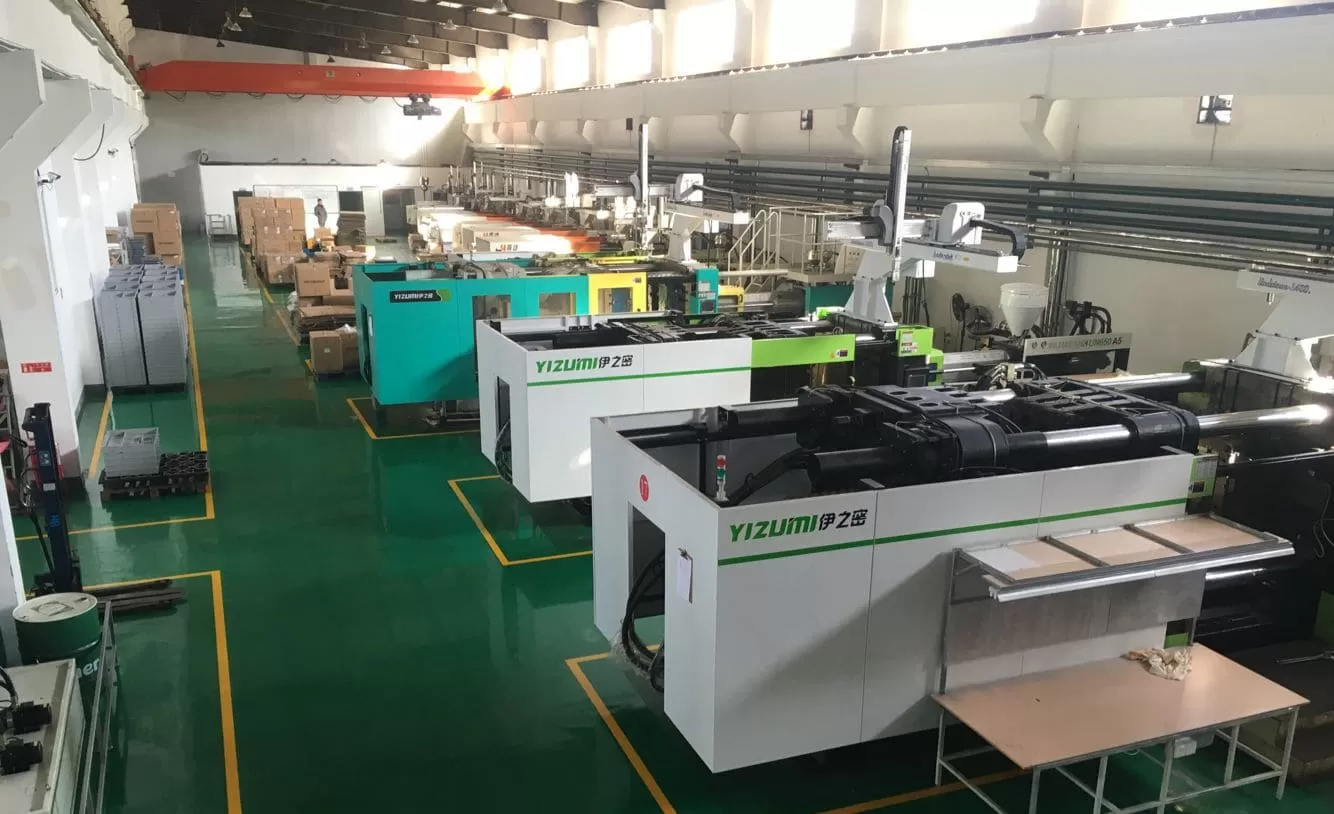
En nuestra fábrica de Shanghái, cada molde de nuestras 47 máquinas de moldeo por inyección se controla por número de serie mediante un registro electrónico de mantenimiento, lo que garantiza la trazabilidad completa desde el muestreo T1 hasta el fin de su vida útil.
¿Qué ocurre cuando necesita transferir un molde a otro proveedor?
La transferencia del molde es el momento en que la propiedad adquiere un significado real o demuestra ser una promesa vacía. El proceso suele comprender varios pasos. Primero, notifique por escrito al proveedor actual, haciendo referencia a la cláusula de propiedad de su acuerdo. Segundo, el proveedor prepara el molde para el envío: lo limpia, aplica un tratamiento antioxidante y lo embala de forma segura. Tercero, usted o su transitario organizan la recogida y el transporte a las nuevas instalaciones.
En las instalaciones receptoras, el molde debe inspeccionarse inmediatamente después de su llegada. Compruebe si ha sufrido daños durante el transporte, verifique la precisión dimensional respecto a los planos de la pieza y evalúe el estado general del utillaje. Entre los problemas habituales se encuentran las manchas de óxido debidas a un almacenamiento inadecuado, los pasadores expulsores desgastados y los circuitos de refrigeración dañados. El proveedor receptor debe entregar un informe de inspección detallado con fotografías antes de aceptar el molde para producción.
Planifique una calificación en la nueva instalación. Incluso si el molde está en perfectas condiciones, las nuevas máquinas proveedoras, los parámetros de proceso y las materias primas pueden producir resultados ligeramente diferentes. Siguiendo los estándares ASTM D36413 para muestras de prueba de moldeo por inyección, proporciona un marco consistente para comparar la calidad de las piezas entre proveedores. Una inspección de primer artículo en la que se comparen piezas del proveedor original y del nuevo proveedor establecerá una base de referencia e identificará los ajustes necesarios. Esto es normal y esperado — no significa que el molde sea defectuoso o que el nuevo proveedor sea incompetente. Simplemente refleja la realidad de que el moldeo por inyección es un método de fabricación dependiente del proceso.
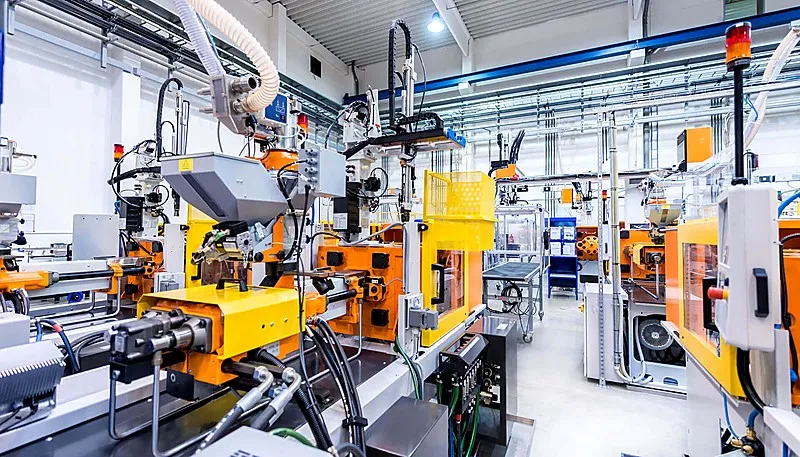
¿Puede proteger la propiedad intelectual del diseño de su molde?
La protección de la propiedad intelectual del diseño del molde es una preocupación válida, especialmente al transferir moldes entre proveedores. Su molde incorpora el diseño de su producto y, en teoría, un proveedor sin escrúpulos podría utilizarlo para fabricar copias para otros clientes. Aunque el robo directo es poco frecuente entre fabricantes acreditados, ocurre. La mejor protección combina acuerdos legales y medidas prácticas.
En el plano jurídico, incluya cláusulas de no competencia y confidencialidad en el acuerdo de utillaje. Especifique que el diseño del molde es propiedad exclusiva suya y que el proveedor no puede fabricar piezas similares para competidores con su utillaje o información. En la práctica, no comparta archivos CAD completos con proveedores que no sean de plena confianza. Facilite solo los datos necesarios, normalmente archivos step o IGES en vez de CAD paramétrico nativo. Registre el diseño en mercados clave con aplicación sólida de IP. Las patentes chinas de modelo de utilidad protegen en parte, pero lo más eficaz es trabajar con proveedores acreditados ante clientes internacionales y con reputación que proteger.
¿Cuál es la diferencia entre los moldes propiedad del comprador y los moldes propiedad del proveedor?
La diferencia fundamental es que los moldes propiedad del comprador le otorgan pleno control, mientras que los moldes propiedad del proveedor lo vinculan a este. Con un molde propiedad del comprador, usted controla dónde y cuándo funciona y quién se encarga de su mantenimiento. Puede cambiar de proveedor sin perder su inversión en utillaje. El proveedor se limita esencialmente a aportar tiempo de máquina y mano de obra. Con un molde propiedad del proveedor, este controla por completo el utillaje: establece el programa de producción, decide los intervalos de mantenimiento y puede negarse a transferir el molde.
Existen motivos legítimos para elegir moldes propiedad del proveedor. Para productos de bajo volumen o series cortas cuyo coste de utillaje sea mínimo, la comodidad de que el proveedor sea el propietario puede compensar los riesgos. Pero para cualquier producto con una inversión significativa en utillaje — por ejemplo, superior a cinco mil dólares —, la propiedad del comprador casi siempre es la mejor opción. La clave es asegurarse de que el acuerdo deje totalmente claro qué modelo se aplica. La ambigüedad en este punto es la causa más habitual de las disputas sobre la propiedad de moldes que encontramos.
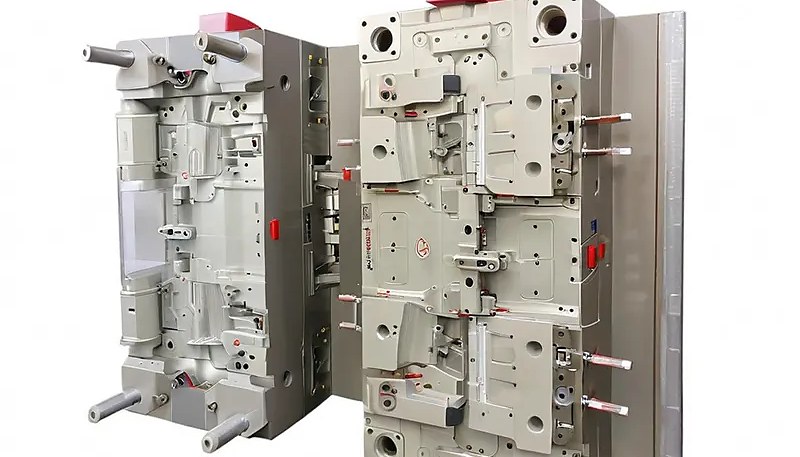
"Si pago el utillaje del molde, automáticamente soy propietario del molde."True
Falso. Pagar por la herramientería no garantiza la propiedad a menos que tu contrato lo establezca explícitamente. Muchos proveedores tratan las tarifas de herramientería como cargos por servicio, y sin términos de propiedad por escrito, es posible que no tengas derecho legal sobre el molde.
"Un proveedor puede negarse legalmente a devolver mi molde si aún le debo dinero por piezas."False
Verdadero en algunas jurisdicciones. Si tienes pagos pendientes por series de producción, algunos proveedores pueden tener un derecho de retención sobre el molde. Por eso es importante mantener los pagos de producción al día y separados de los términos de propiedad de la herramientería.
Comprender estos conceptos erróneos comunes es crucial antes de entrar en cualquier acuerdo de herramientería de moldes. Muchos compradores asumen que las prácticas comerciales estándar protegen sus intereses, solo para descubrir que los contratos de fabricación en diferentes jurisdicciones operan bajo marcos legales muy distintos. La brecha entre lo que esperas y lo que el contrato garantiza realmente puede ser costosa. Tomarse el tiempo para abordar estas preguntas de propiedad de antemano —antes de pagar por la herramientería— es mucho más barato que resolver disputas después del hecho.
"La ley exige un certificado de propiedad del molde en todos los contratos de fabricación."True
Falso. No existe un requisito legal universal para un certificado de propiedad del molde. Sin embargo, es una mejor práctica que hace que las disputas de propiedad sean mucho más fáciles de resolver. Sin él, dependes únicamente del lenguaje del contrato, que puede ser ambiguo o estar sujeto a diferentes interpretaciones legales entre jurisdicciones.
"Siempre puedo recuperar mi molde mediante acciones legales, incluso sin un acuerdo escrito."False
Falso en la práctica. Si bien puedes tener fundamentos legales en algunas jurisdicciones, las disputas de fabricación transfronterizas son costosas, consumen tiempo y son inciertas. La realidad práctica es que sin un acuerdo de propiedad por escrito, recuperar tu molde de un proveedor en otro país es extremadamente difícil y a menudo cuesta más que el molde en sí.
Preguntas Frecuentes Sobre la Propiedad del Molde
Preguntas frecuentes
¿Quién es el dueño del molde después de pagar por la herramienta?
La propiedad depende completamente de lo que establezca tu contrato. Si el acuerdo especifica que el comprador es dueño del molde tras el pago completo de la herramientería, entonces eres el dueño. Si el contrato guarda silencio sobre la propiedad, el proveedor puede argumentar que la tarifa de herramientería fue por servicios de construcción del molde, no por una transferencia de propiedad. Insiste siempre en un lenguaje explícito de propiedad en tu acuerdo de herramientería. Un certificado de propiedad del molde firmado por ambas partes es el estándar de oro para proteger tu inversión y evitar costosas disputas posteriores.
¿Puede mi proveedor cobrarme una tarifa para transferir mi propio molde?
Sí, algunos proveedores cobran tarifas de transferencia incluso para moldes propiedad del comprador. Estas tarifas generalmente cubren el costo de preparar el molde para el envío, incluida la limpieza, el tratamiento contra el óxido y el embalaje. Los costos razonables de preparación para la transferencia son justos, pero las tarifas deben ser divulgadas por adelantado en su acuerdo original. Si un proveedor exige una tarifa de transferencia inesperadamente alta que no se discutió previamente, esto puede ser una táctica de negociación para disuadirlo de cambiar de proveedor. Siempre negocie los términos de transferencia antes de firmar el acuerdo inicial de herramienta.
¿Qué debo hacer si mi proveedor se niega a liberar mi molde?
Comience revisando su acuerdo de herramienta para confirmar la cláusula de propiedad. Envíe una solicitud formal por escrito para la liberación del molde, citando los términos específicos del contrato que establecen su propiedad. Si el proveedor aún se niega, tiene varias opciones: contratar a un abogado local familiarizado con la ley de fabricación china, involucrar un servicio de mediación comercial a través de organizaciones como el Consejo Chino para la Promoción del Comercio Internacional, o presentar una queja a través de la oficina comercial de su embajada. Documente cuidadosamente cada comunicación por escrito. En la mayoría de los casos, una carta legal formal de un bufete de abogados chino es suficiente para resolver la situación sin ir a los tribunales.
¿Cuánto dura típicamente un molde de inyección?
Un molde de producción bien mantenido puede durar entre 500,000 y más de 1 millón de ciclos, dependiendo del grado de acero del molde, la complejidad de la pieza y las condiciones de operación. Los moldes de acero endurecido que utilizan grados como H13 o S136 suelen durar más que los moldes de acero pre-endurecido como el P20. El mantenimiento regular, que incluye limpieza, lubricación e inspección de superficies críticas, prolonga significativamente la vida útil del molde. Para series de producción de alto volumen que superen los 500,000 disparos, planifique el reacondicionamiento periódico de componentes de desgaste como pasadores eyectores, superficies de cavidad y canales de enfriamiento para mantener una calidad de pieza constante durante toda la vida útil del molde.
¿Debo visitar la fábrica antes de comprometerme con la herramientería del molde?
Absolutamente, una visita a la fábrica es uno de los pasos más valiosos que puedes tomar antes de comprometerte con la herramientería. Una visita te permite verificar que el proveedor tiene el equipo, los sistemas de calidad y la capacidad de producción que afirma en su sitio web. Puedes conocer al equipo de ingeniería en persona, revisar las capacidades de su taller de moldes y ver proyectos similares que han completado para otros clientes. Durante la visita, pide ver su área de almacenamiento de moldes y sus procedimientos de mantenimiento de primera mano. Una instalación bien organizada, limpia y con procesos documentados es un fuerte indicador de que tu molde será cuidado adecuadamente entre series de producción y a lo largo de toda su vida útil.
¿Qué es un certificado de propiedad del molde?
Un certificado de propiedad del molde es un documento formal firmado tanto por el comprador como por el proveedor que establece explícitamente quién es el dueño del molde. Normalmente incluye el número de serie del molde, una descripción detallada de la herramientería, la fecha de transferencia de propiedad y cualquier condición relacionada con el almacenamiento, mantenimiento o derechos de transferencia. Este documento sirve como tu principal evidencia legal en cualquier disputa de propiedad. Solicita un certificado de propiedad del molde firmado como parte de cada acuerdo de herramientería, y guarda copias tanto digitales como físicas con tu equipo legal y registros de compras para referencia futura.
¿Puede un proveedor usar mi molde para producir piezas para otros clientes?
No sin tu permiso explícito por escrito. Si eres el dueño del molde, el proveedor solo debe utilizarlo para tus pedidos autorizados y tus diseños de piezas especificados. Incluir una cláusula de no competencia y uso exclusivo en tu acuerdo protege aún más contra la producción no autorizada. Si descubres que un proveedor ha estado usando tu molde para otro cliente sin permiso, esto constituye una violación grave del contrato y motivos para acciones legales, incluidos daños y perjuicios. Las visitas de auditoría regulares, los informes de producción con contadores de disparos y las inspecciones periódicas de las piezas ayudan a garantizar que tu molde se utilice solo para tus series de producción autorizadas.
ISO 9001: ISO 9001 se refiere a los requisitos de calidad de los sistemas de gestión ↩
NADCA: NADCA se refiere a los estándares de la Asociación Norteamericana de Fundición para grados de acero moldeado y especificaciones de tratamiento térmico . . . . . . . . . . . . . . . . . . . . . . . . . . . . . . . . . . . . . . . . . . . . . . . . . . . . . . . . . . . . . . . . . . . . . . . . . . . . . . . . . . . . . . . . . . . . . . . . . . . . . . . . . . . . . . . . . . . . . . . . . . . . . . . . . . . . . . . . . . . . . . . . . . . . . . . . . . . . . . . . . . . . . . . . . . . . . . . . . . . . . . . . . . . . . . . . . . . . . . . . . . . . . . . . . . . . . . . . . . . . . . . . . . . . . . . . . ↩
ASTM D3641: ASTM D3641 se refiere a la práctica estándar para la prueba de moldeo por inyección de muestras ↩