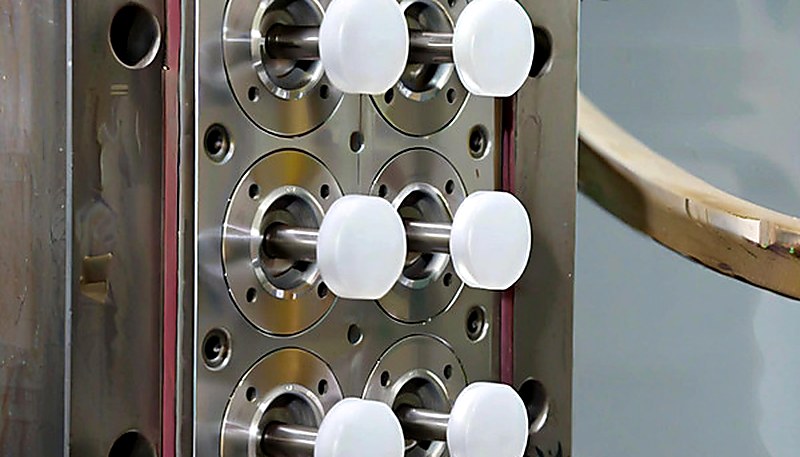
Otrzymałeś pierwsze próbki produkcyjne, a części zatrzymują się w formie. Wypychacze pozostawiają ślady. Niektóre części mają nawet ślady szarpania na bokach. Twój wykonawca formy mówi, że potrzebujesz większego odciągu. Prosiłeś o brak odciągu, ponieważ CAD wyglądał dobrze. Teraz masz formę o wartości 12 000, która wymaga poprawki. Dobra wiadomość: jest to jeden z najłatwiejszych problemów do uniknięcia, jeśli zrozumiesz kąty odciągu przed rozpoczęciem produkcji formy.
Ten artykuł wyjaśnia, czym jest kąt pochylenia1, dlaczego ma znaczenie, jakie są standardowe wartości dla poszczególnych materiałów i faktur oraz jakie błędy — według moich obserwacji — generowały rzeczywiste koszty w rzeczywistych seriach produkcyjnych.
- Standardowy kąt odciągu wynosi 1 do 2 stopni na stronę dla większości polerowanych powierzchni.
- Powierzchnie teksturowane wymagają dodatkowo 1 do 1,5 stopnia kąta odbiorczego na każdy stopień tekstury.
- Kąt zerowy jest możliwy, ale ryzykowny i prawie nigdy nieopłacalny w produkcji.
- Kąt odbiorczy musi być zastosowany przed rozpoczęciem budowy narzędzia — przeróbki są kosztowne.
- Kurczliwość, materiał i grubość ścianki — wszystkie wpływają na minimalny potrzebny kąt odbiorczy.
Czym Jest Kąt Odcięcia w Formowaniu Wtryskowym?
Kąt pochylenia w formowaniu wtryskowym to celowe zwężenie każdej pionowej powierzchni gniazda formy. Można go sobie wyobrazić jako niewielkie odchylenie ścianki, dzięki któremu część może swobodnie wysunąć się po ostygnięciu i skurczeniu na rdzeniu. Bez niego część przylega do stali jak przyssawka, a wypychanie staje się walką między wypychaczami a powierzchnią formy.
Kąt odciągu jest mierzony w stopniach od pionowej osi kierunku otwierania formy. Odciąg 1 stopnia oznacza, że ściana wychyla się na zewnątrz o około 0,0175 mm na każdy mm głębokości. Na zagłębieniu o głębokości 50 mm daje około 0,87 mm luzu na stronę na górze. Brzmi niewiele, ale to różnica między czystym wypychaniem i zatrzymaniem części.
Każda pionowa powierzchnia w części wymaga odciągu. Dotyczy to ścian zewnętrznych, wewnętrznych żeber, wypustów, zagłębień, a nawet otworów przelotowych. Jeśli powierzchnia jest równoległa do kierunku otwierania formy i nie ma pochylenia, część będzie się szarpać podczas wypychania, pozostawiając zadrapania, ślady lub odkształcenia.
Dlaczego kąt odciągu ma znaczenie dla jakości części?
Ta sekcja wyjaśnia, dlaczego kąt pochylenia ma znaczenie dla jakości części oraz jaki ma wpływ na koszt, jakość, terminy i ryzyko zaopatrzenia. Kąt pochylenia bezpośrednio wpływa na cztery aspekty: wygląd części, dokładność wymiarową, trwałość narzędzia i czas cyklu. Gdy część zakleszcza się w formie, układ wypychania formy wtryskowej2 musi pracować ciężej. Wypychacze pozostawiają ślady. Na powierzchni części powstają smugi tarcia. W najgorszym przypadku część pęka lub odkształca się przed uwolnieniem.
Niewystarczający odciąg również przyspiesza zużycie formy. W każdym cyklu część szarpie się przeciw ścianie gniazda podczas wypychania. Po 100 000 cyklach ciągłe ścieranie poleruje i niszczy powierzchnię stali. Forma, która powinna wytrzymać 500 000 cyklów, może wymagać polerowania lub naprawy już przy 200 000.
Po stronie produkcji, części trudne do wyjęcia spowalniają cykl. Jeśli operator musi ręcznie wybijać część lub jeśli robot ma problemy z jej uchwyceniem, tracisz sekundy na cykl. W skali przekłada się to na realne pieniądze. 3-sekundowe opóźnienie w 30-sekundowym cyklu oznacza 10-procentową stratę wydajności.
"Kąt pochylenia wynoszący 1 stopień może zmniejszyć siłę wypychania nawet o 50% w porównaniu z brakiem pochylenia."True
Kąt odbiorczy niweluje efekt podciśnienia pomiędzy kurczącym się tworzywem a rdzeniem formy. Nawet niewielki kąt drastycznie zmniejsza współczynnik tarcia podczas wypychania, redukując siłę potrzebną od systemu wypychaczy.
"Jeżeli forma ma wystarczającą liczbę wypychaczy, kąt pochylenia nie jest potrzebny."False
Więcej wypychaczy lepiej rozkłada siłę, ale nie mogą one przezwyciężyć podstawowego tarcia między równoległą ścianą a kurczącym się plastikiem. Bez kąta odciągu wypychacze tylko koncentrują siłę na mniejszych obszarach, zwiększając ryzyko śladów po wypychaczach i deformacji części.
Jakie są standardowe wartości kątów odciągu?
Nie istnieje jeden właściwy kąt odciągu — zależy od materiału, wykończenia powierzchni, głębokości i wymagań tolerancji. Ale poniżej wartości, które w praktyce działają w tysiącach form produkcyjnych.
| Wykończenie powierzchni | Minimalny kąt odciągu | Zalecane pochylenie | Uwagi |
|---|---|---|---|
| Polerowane (SPI A-1 do A-3) | 0.5° | 1° | Gładka powierzchnia łatwo się uwalnia |
| Standardowy (SPI B-1 do B-3) | 1° | 1.5° | Lekkie ślady obróbki mechanicznej |
| Drobna faktura (VDI 12-24) | 1° | 1,5° do 2° | Dodaj 1° na każdy stopień głębokości tekstury |
| Średnia tekstura (VDI 27-33) | 1.5° | 2° do 3° | Tekstura przylega do powierzchni detalu |
| Gruba tekstura (VDI 36-45) | 2° | 3° do 5° | Głęboka faktura działa jak mikro-podcięcia |
| Polerowane, kąt zerowy | 0° | Niezalecane | Tylko dla płytkich elementów poniżej 10 mm |
Zasada, której używam: zacznij od 1 stopnia na stronę dla powierzchni polerowanych, dodaj 1 stopień za każdy wzrost stopnia tekstury i nigdy nie schodź poniżej 0,5 stopnia na czymkolwiek głębszym niż 10 mm. Jeśli twój klient sprzeciwia się kątowi ze względu na ograniczenia wymiarowe, pokaż mu kalkulację kosztów przeróbki w porównaniu do stożka 0,5 stopnia.
Dla wewnętrznych elementów, takich jak żebra i stopki, kwestia kąta odbiorczego jest bardziej krytyczna. Tworzywo kurczy się na rdzeniu podczas chłodzenia, tworząc mocny uścisk. Żebra powinny mieć minimum 0,5 stopnia na stronę, ale 1 stopień jest bezpieczniejszy. Stopki potrzebują co najmniej 0,5 stopnia na zewnątrz, a wewnętrzny otwór również powinien mieć kąt odbiorczy, jeśli jest formowany przez kołek rdzeniowy.
Jak skurcz materiału wpływa na wymagania dotyczące kątów odciągu?
Skurcz3 jest podstawową przyczyną stosowania pochylenia. Gdy tworzywo stygnie w formie, kurczy się. Jeśli część ma kształt kubka lub pudełka, skurcz mocno dociska ścianki do rdzenia formy. Im większy skurcz materiału, tym silniejsze przyleganie i tym większy potrzebny kąt pochylenia.
| Materiał | Współczynnik skurczu | Minimalne pochylenie (powierzchnia polerowana) | Min. nachylenie (z fakturą) |
|---|---|---|---|
| ABS | 0.4–0.7% | 0.5° | 1.5° |
| Poliwęglan (PC) | 0.5–0.7% | 0.5° | 1.5° |
| Poliamid 6 (PA6) | 0.5–1.5% | 1° | 2° |
| Poliamid 66 (PA66) | 0.8–2.0% | 1° | 2.5° |
| Nylon wzmocniony włóknem szklanym | 0.2–0.8% | 0.5° | 1.5° |
| PP (polipropylen) | 1.0–2.5% | 1° | 2.5° |
| PE (polietylen) | 1.5–3.0% | 1.5° | 3° |
| POM (acetal) | 1.5–2.5% | 1° | 2.5° |
| PBT | 0.8–2.0% | 1° | 2° |
Materiały krystaliczne, takie jak nylon, PP i POM, kurczą się bardziej niż materiały amorficzne, takie jak ABS i PC. Oznacza to, że mocniej obejmują rdzeń i wymagają większego odciągu. Nylon wypełniony szkłem jest wyjątkiem: włókna szklane zmniejszają kurczliwość, więc faktycznie potrzebuje mniejszego odciągu niż nylon niewypełniony, mimo że włókna sprawiają, że materiał jest bardziej ścierny dla formy.
Kiedyś realizowaliśmy projekt obudowy z PP, gdzie klient nalegał na nachylenie 0,5 stopnia ze średnią fakturą. Detale zakleszczały się co drugi cykl. Skończyło się na ponownym wycięciu rdzenia, aby dodać 1,5 stopnia więcej nachylenia – trzy tygodnie straconej produkcji. PP ze skurczem 2,5% na teksturowanej powierzchni nigdy nie zadziałałoby przy 0,5 stopnia.
Co się dzieje, gdy kąt odciągu jest niewystarczający?
Objawy pojawiają się natychmiast na hali produkcyjnej. Oto, co zobaczysz, w kolejności narastania:
Po pierwsze, ślady wyciągania. Powierzchnia części otrzymuje równoległe zadrapania w kierunku wyciągania. Na wypolerowanych częściach jest to natychmiast widoczne i dyskwalifikuje część kosmetycznie. Na teksturowanych częściach tekstura jest polerowana w pasmach, tworząc nierównomierne wykończenie, którego żadna obróbka końcowa nie naprawi.
Po drugie, ślady po wypychaczach. Gdy element stawia opór przy wypychaniu, wypychacze koncentrują siłę na małych obszarach. Powstają białe ślady naprężeń wewnątrz, widoczne ślady nacisku wypychaczy, a nawet dziury od wypychaczy, jeśli ścianka jest cienka. W naszym zakładzie uważamy każdy ślad po wypychaczu głębszy niż 0,1 mm za wadę na widocznych powierzchniach.
Po trzecie, odkształcenie elementu. Jeśli element zostanie wypchnięty, ale przy dużym wysiłku wypychania, może ulec wypaczeniu, wygięciu lub pęknięciu. Elementy cienkościenne są szczególnie podatne. Siła potrzebna do wypchnięcia elementu bez odciągu z głębokiej wnęki może przekroczyć wytrzymałość konstrukcyjną ścianki, powodując trwałe odkształcenie.
Po czwarte, uszkodzenie formy. Z czasem ciągłe wyciąganie z dużą siłą zużywa otwory wypychaczy, rysuje powierzchnie gniazd i może pękać rdzenie. Forma pracująca z zerowym odciągiem głębokich kieszeni może wymagać wymiany wypychaczy co 50 000 cykli zamiast co 200 000. To czterokrotny koszt utrzymania.
"Dodanie 1 stopnia pochylenia do teksturowanej powierzchni może całkowicie wyeliminować ślady tarcia podczas wypychania."True
Dodatkowe zwężenie tworzy luz między kurczącym się plastikiem a teksturowaną powierzchnią stali. Ten luz przerywa mechaniczne zazębienie między wzorem tekstury a zestaloną powierzchnią części, umożliwiając czyste uwolnienie.
"Kąt pochylenia ma znaczenie wyłącznie w przypadku części dekoracyjnych — części konstrukcyjne go nie wymagają."False
Odciąg to wymóg mechaniczny, nie tylko kosmetyczny. Części konstrukcyjne podlegają tym samym siłom skurczu i tarcia podczas wyprężania. W rzeczywistości części konstrukcyjne o wąskich tolerancjach są jeszcze bardziej wrażliwe na odkształcenia wywołane wyprężaniem spowodowane niedostatecznym nachyleniem.
Jak tekstura i wykończenie powierzchni zmieniają wymagania dotyczące kąta odbiorczego?
Tu tkwi źródło większości problemów z odciągiem. Wypolerowana powierzchnia formy jest zasadniczo gładka – element wysuwa się z minimalnym tarciem. Ale teksturowana powierzchnia ma mikroskopijne szczyty i doliny, które działają jak małe podcięcia. Gdy plastik się kurczy, owija się wokół tych szczytów, tworząc mechaniczne zaczepienie, które stawia opór wypychaniu.
Standardowa zasada branżowa: dodaj 1 stopień nachylenia na każde 0,01 mm głębokości faktury. Większość dostawców faktur klasyfikuje swoje wzory w skali od drobnej do grubej. Drobna faktura piaskowana może mieć głębokość 0,01 mm i potrzebować tylko 1 dodatkowego stopnia. Głębiona faktura skórki może mieć głębokość 0,05 mm i potrzebować 5 dodatkowych stopni oprócz podstawowego nachylenia.
Jeśli określasz teksturę na swojej części, zawsze poinformuj narzędziownika przed wycięciem formy. Zmiana wykończenia powierzchni po wykonaniu narzędzia często oznacza ponowne wycięcie gniazda, aby dodać kąt odciągu, co jest kosztowne i może wpłynąć na wymiary części. Mieliśmy przypadek, gdy klient dodał teksturę VDI-33 do formy zaprojektowanej na wypolerowane wykończenie z 1 stopniem odciągu. Formę trzeba było wyciągnąć, gniazdo ponownie wyciąć do 3,5 stopnia i ponownie wypolerować. Sześć tygodni przestoju.
Jak obliczyć kąt odciągu dla swojej części?
Podstawowe obliczenie jest proste. Luz odciągu równa się tangensowi kąta odciągu pomnożonemu przez głębokość elementu:
Luz na stronę = tan(kąt odciągu) x głębokość
Na przykład, kąt odciągu 1 stopnia na ścianie o głębokości 50 mm daje: tan(1°) x 50 = 0,0175 x 50 = 0,87 mm luzu na stronę. Przy 2 stopniach jest to 1,75 mm na stronę. Przy 3 stopniach – 2,62 mm na stronę.
Praktyczne pytanie nie dotyczy matematyki – tylko tego, czy twój detal toleruje tak dużą zmienność rozmiaru od dołu do góry. Dla większości obudów i korpusów, zwężenie o 1 do 2 mm na 50 mm ściany jest niewidoczne dla użytkownika końcowego. Ale dla precyzyjnych komponentów, takich jak koła zębate, siedzenia łożysk lub powierzchnie łączeniowe, możesz potrzebować ściślejszego nachylenia lub zastosowania alternatywnych strategii wyprężania.
| Głębokość (mm) | Odciąg 0,5° | Odciąg 1° | Nachylenie 1,5° | Nachylenie 2° | Nachylenie 3° |
|---|---|---|---|---|---|
| 10 | 0.09 | 0.17 | 0.26 | 0.35 | 0.52 |
| 25 | 0.22 | 0.44 | 0.65 | 0.87 | 1.31 |
| 50 | 0.44 | 0.87 | 1.31 | 1.75 | 2.62 |
| 75 | 0.65 | 1.31 | 1.96 | 2.62 | 3.93 |
| 100 | 0.87 | 1.75 | 2.62 | 3.49 | 5.24 |
Zauważ, że nawet niewielka głębokość 10 mm z 0,5 stopnia daje tylko 0,09 mm luzu. To ledwie wystarcza, aby pokonać tarcie powierzchniowe, zwłaszcza jeśli występuje jakakolwiek tekstura. Dlatego większość narzędziowników sprzeciwia się czemukolwiek poniżej 1 stopnia — margines błędu jest zbyt mały.
Jakie są typowe błędy dotyczące kąta odciągu?
Typowe błędy związane z kątem odciągu to główne kategorie lub opcje omówione w tej sekcji. Po 20 latach budowy form te same błędy powtarzają się w kółko. Oto te, które kosztują najwięcej pieniędzy:
Błąd 1: Stosowanie pochylenia tylko na ściankach zewnętrznych. Często pomija się elementy wewnętrzne, takie jak żebra, słupki i wzmocnienia. Powierzchnie te kurczą się na rdzeniu tak samo jak ścianki zewnętrzne, lecz trudniej je wypchnąć, ponieważ wypychacze nie mogą oddziaływać na nie bezpośrednio. Każde żebro wymaga pochylenia co najmniej 0,5 stopnia na stronę. Każdy słupek wymaga co najmniej 0,5 stopnia pochylenia powierzchni zewnętrznej.
Błąd 2: Przeciwne kierunki pochylenia. Jeśli strona gniazda jest pochylona w jednym kierunku, a strona rdzenia w przeciwnym, część staje się grubsza na jednym końcu i cieńsza na drugim. Powstaje nierównomierna grubość ścianki, która powoduje wypaczenia i zapadnięcia. Wszystkie pochylenia danego elementu powinny zbiegać się w kierunku linii podziału, aby grubość ścianki pozostała stała.
Błąd 3: Pomijanie pochylenia powierzchni zamykających. Gdy otwór przelotowy lub okno powstaje przez zetknięcie obu połówek formy, powierzchnia zamykająca również wymaga pochylenia. Bez niego obszar styku stali ze stalą działa jak hamulec podczas otwierania formy. Widzieliśmy formy, w których trzeba było zwiększyć siłę zwarcia prasy o 20%, aby pokonać tarcie powierzchni zamykających poziomych bez pochylenia.
Błąd 4: Nieuwzględnianie faktury nakładanej po formowaniu. Niektórzy klienci planują uzyskać fakturę po formowaniu przez malowanie lub tampodruk. Jeśli kąt pochylenia obliczono dla powierzchni polerowanej, a obróbka końcowa zwiększa jej grubość, efektywny luz maleje. Zawsze projektuj pod kątem końcowego stanu powierzchni, a nie stanu bezpośrednio po formowaniu.
Błąd 5: Brak pochylenia w głębokich kieszeniach. To najbardziej kosztowny błąd. Głębokie kieszenie bez pochylenia niemal zawsze powodują problemy z wypychaniem. Jeśli konstrukcja bezwzględnie nie może mieć pochylenia, od początku zaplanuj rdzeń dzielony lub składany. Początkowo kosztuje więcej, lecz pozwala uniknąć późniejszych kosztów przeróbek.
Jak radzić sobie z odciągiem na skomplikowanych geometriach części?
Nie każda część to prosty prostopadłościan o prostych ścianach. Prawdziwe części produkcyjne mają podcięcia, elementy boczne, ukośne otwory i asymetryczną geometrię. Oto jak radzić sobie z kątem odciągu w typowych złożonych scenariuszach.
Powierzchnie nachylone. Jeśli ścianka jest już nachylona bardziej niż wymagany kąt pochylenia, nie trzeba zwiększać nachylenia. Ścianka odchylona o 5 stopni od pionu ma już 5 stopni pochylenia. Dodawaj pochylenie tylko wtedy, gdy powierzchnia jest bliższa pionowi niż dopuszczalne minimum.
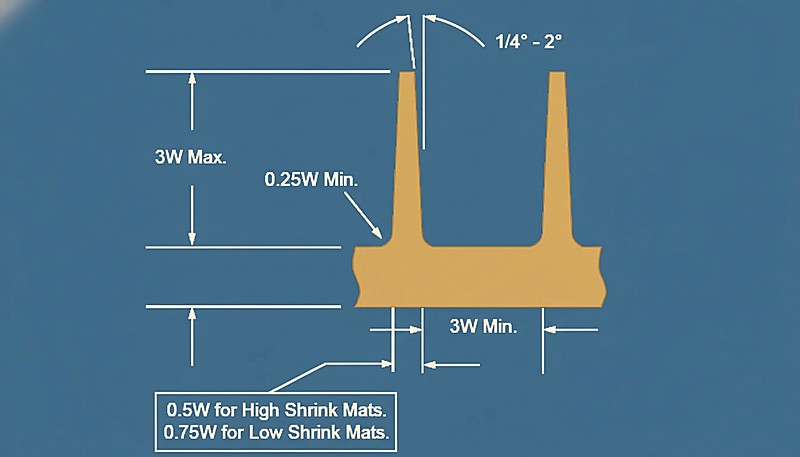
Żebra i wzmocnienia. Pochylaj żebra od podstawy ku wierzchołkowi. Podstawa jest najgrubszą częścią i miejscem połączenia żebra ze ścianką. Wierzchołek jest najcieńszy. Typowe żebro ma pochylenie od 0,5 do 1 stopnia na stronę, co naturalnie zmniejsza grubość wierzchołka. Upewnij się, że wierzchołek nie jest cieńszy niż 0,5 mm, ponieważ w przeciwnym razie nie zostanie prawidłowo wypełniony.
Gwinty i podcięcia. Zewnętrzne gwinty formowane w gnieździe wymagają pochylenia boków zwoju, co zmienia profil gwintu. Dlatego większość produkowanych seryjnie części gwintowanych wykorzystuje wkładki gwintowane lub rdzenie wykręcane zamiast gwintów formowanych bezpośrednio. Jeśli gwint musi być formowany, sprawdź z narzędziowcem, czy po zastosowaniu pochylenia sprawdzian gwintowy nadal będzie pasował.
Wzory żaluzji i otworów wentylacyjnych. Elementy te mają cienkie łopatki wymagające pochylenia po obu stronach. Ponieważ są cienkie i głębokie, stanowią problematyczne miejsca podczas wypychania. Zastosuj co najmniej 1 stopień na stronę i określ polerowane powierzchnie formy dla tych elementów.
Jaki kąt odciągu należy określić w projektowaniu formy?
Oto ramy decyzyjne, których używam podczas przeglądu projektu formy pod kątem odpowiedniości kąta odciągu. Działa dla 95 procent części produkcyjnych:
Krok 1: Zidentyfikuj każdą powierzchnię równoległą do kierunku otwierania formy. Oznacz je kolorami w systemie CAD. Czerwonym brak pochylenia, żółtym graniczne pochylenie (0,5 stopnia lub mniej), a zielonym odpowiednie pochylenie (1 stopień lub więcej).
Krok 2: Dla każdej czerwonej lub żółtej powierzchni określ wykończenie. Powierzchnie polerowane mogą mieć mniejsze pochylenie. Powierzchnie fakturowane wymagają większego. Zapytaj dostawcę faktury o zalecane pochylenie dla danego wzoru.
Krok 3: Sprawdź skurcz materiału. Porównaj współczynnik skurczu z powyższą tabelą kątów pochylenia. Większy skurcz oznacza konieczność zastosowania większego pochylenia, aby pokonać przyleganie do rdzenia.
Krok 4: Sprawdź, czy grubość ścianki jest stała od dołu do góry. Jeśli dodanie pochylenia powoduje, że ścianka na jednym końcu staje się zbyt gruba lub zbyt cienka, odpowiednio skoryguj geometrię części. Przesunięcie linii podziału lub zmiana profilu ścianki to zwykle najłatwiejsze rozwiązania.
Krok 5: Przed rozpoczęciem obróbki stali przeprowadź przegląd z narzędziowcem. Trzydziestominutowy przegląd projektu może oszczędzić tygodnie przeróbek. Dzięki doświadczeniu narzędziowiec wie, które elementy sprawiają problemy podczas wypychania.
W naszej fabryce nasi inżynierowie sprawdzają każdy projekt formy pod kątem odpowiedniości odbicia przed rozpoczęciem obróbki. Nasz zespół sprawdza żebra, kołki, teksturowane ścianki boczne i kierunek wypychania względem rekordu DFM, więc przeróbki związane z odbiciem utrzymują się poniżej 1% na ponad 100 zestawów form dostarczanych miesięcznie z naszej fabryki w Szanghaju.
Dlatego nasz zespół traktuje kąt odciągu jako element przeglądu ryzyka produkcyjnego, a nie kosmetyczne preferencje CAD. Nasi inżynierowie zaznaczają każdą powierzchnię bez kąta odciągu lub z kątem granicznym przed cięciem stali, a następnie potwierdzają, że klient akceptuje niewielki stożek, zanim rozpocznie się obróbka.
Często zadawane pytania
Jaki jest minimalny kąt odciągu dla formowania wtryskowego?
Minimalny kąt odbicia wynosi 0,5 stopnia na stronę dla polerowanych powierzchni na materiałach o niskim skurczu, takich jak ABS lub PC. Dla powierzchni teksturowanych lub materiałów o wysokim skurczu, takich jak PP lub nylon, praktyczne minimum to 1,5 do 2 stopni. Wszystko poniżej 0,5 stopnia jest niezwykle ryzykowne i powinno być stosowane tylko na płytkich elementach o głębokości poniżej 10 mm z polerowanymi powierzchniami formy i solidnymi systemami wypychania. W środowiskach produkcyjnych większość doświadczonych wykonawców narzędzi nie zaleci zejścia poniżej 1 stopnia na jakiejkolwiek powierzchni głębszej niż 15 mm, niezależnie od wykończenia lub materiału.
Czy można formować wtryskowo bez kąta odciągu?
Technicznie tak, ale prawie nigdy nie jest to zalecane dla serii produkcyjnych. Brak kąta odciągu jest możliwy dla bardzo płytkich elementów poniżej 10 mm z polerowanymi powierzchniami formy i materiałami o niskim skurczu. Dla wszystkiego głębszego brak kąta odciągu spowoduje ślady ciągnięcia podczas wyciskania, wypychanie przez trzpienie, odkształcenie części i przyspieszone zużycie formy, które drastycznie skraca jej żywotność. Jeśli Twój projekt bezwzględnie wymaga braku kąta odciągu, zaplanuj od początku alternatywne metody wyciskania, takie jak podmuch powietrza, płyty odbierające lub składane rdzenie. Te alternatywy zwiększają koszt i złożoność, ale są konieczne, aby uniknąć problemów produkcyjnych.
Ile odbicia potrzebujesz dla teksturowanych części formowanych wtryskowo?
Standardowa zasada to 1 stopień kąta odciągu na każde 0,01 mm głębokości tekstury. Delikatna tekstura o klasie VDI 12-24 zazwyczaj wymaga dodatkowo 1 do 1,5 stopnia kąta odciągu ponad bazowy 1 stopień. Średnie tekstury potrzebują łącznie 2-3 stopni na stronę. Grube tekstury, takie jak ziarno skóry, mogą wymagać łącznie 3-5 stopni na stronę. Zawsze potwierdzaj to z dostawcą tekstury, ponieważ ich konkretna głębokość wzoru decyduje o dokładnych wymaganiach. Brak dodania wystarczającego kąta odciągu dla tekstury to jeden z najczęstszych i najkosztowniejszych błędów projektowania form w branży.
Czy kąt odbicia wpływa na tolerancje części?
Tak, kąt odbicia zmienia wymiary części od dołu do góry odchylanej powierzchni i ten efekt musi być uwzględniony w specyfikacjach tolerancji. Na ścianie o głębokości 50 mm z 1 stopniem odbicia, górna część ściany jest około 0,87 mm szersza na stronę niż dolna. Dla większości części kosmetycznych to stożkowanie jest niewidoczne dla użytkownika. Dla precyzyjnych części z powierzchniami łączącymi, musisz kontrolować, który koniec odbicia utrzymuje krytyczny wymiar i jasno zakomunikować to swojemu wykonawcy narzędzi w specyfikacji tolerancji, aby uniknąć problemów z montażem.
Jaka jest różnica między kątem odbicia a stożkowaniem?
W kontekście formowania wtryskowego, kąt odciągu i stożek odnoszą się do tej samej cechy geometrycznej, zdefiniowanej jako celowe pochylenie zastosowane na powierzchniach pionowych w celu wyjęcia części. Kąt odciągu to standardowy termin używany w projektowaniu form i jest mierzony w stopniach od kierunku otwarcia formy. Stożek jest czasem używany w kontekście obróbki i może być wyrażony jako stosunek, np. 1:50. W praktycznych dyskusjach o projektowaniu form są one zamienne, ale najlepszą praktyką jest zawsze podawanie wartości w stopniach, aby uniknąć nieporozumień między zespołami projektowymi i produkcyjnymi.
Jak dodaje się odbicie do żeber i kołków?
Żebra powinny mieć kąt odciągu od podstawy, gdzie łączą się ze ścianką, aż do wierzchołka. Użyj 0,5 do 1 stopnia na stronę i upewnij się, że wierzchołek nie jest cieńszy niż 0,5 mm, aby uniknąć problemów z napełnianiem podczas formowania. Półki potrzebują kąta odciągu na powierzchni zewnętrznej minimum 0,5 stopnia, a wewnętrzny otwór również potrzebuje kąta odciągu, jeśli jest formowany przez trzpień rdzeniowy. Dla półek wyższych niż 15 mm rozważ zwiększenie kąta odciągu do 1 stopnia na stronę, aby zapewnić niezawodne wyciskanie. Zawsze sprawdzaj, czy kierunki kąta odciągu żeber i półek są zgodne z kątem odciągu głównej ścianki, aby zachować jednolitą grubość ścianki w całej części.
Jakiego kąta odbicia potrzebuje nylon wypełniony szkłem?
Nylon wypełniony szkłem zazwyczaj wymaga 0,5 do 1 stopnia odbicia na stronę dla polerowanych powierzchni oraz 1,5 do 2 stopni dla powierzchni teksturowanych. Włókna szklane zmniejszają skurcz w porównaniu z nylonem niewypełnionym, co faktycznie obniża wymagania dotyczące odbicia po stronie skurczu. Jednak nylon wypełniony szkłem jest ścierny dla powierzchni formy, więc odpowiedni kąt odbicia pomaga zmniejszyć tarcie i znacząco wydłużyć żywotność formy. Włókna nie zmieniają podstawowego obliczenia kąta odbicia, ale zmniejszony skurcz oznacza, że część słabiej obejmuje rdzeń, dając nieco większy margines dla minimalnych wartości odbicia niż w przypadku nylonu niewypełnionego.
—text Jak wykorzystać wiedzę o kątach pochylenia w następnym projekcie?
Kąt odbicia to jedna z tych podstawowych rzeczy, które oddzielają płynny przebieg produkcji od kosztownego projektu przeróbek. Zasady są proste: 1 stopień na stronę minimum dla polerowanych powierzchni, dodaj 1 stopień na każdy stopień tekstury, uwzględnij skurcz materiału i nigdy nie rozpoczynaj obróbki stali bez przejrzenia każdej pionowej powierzchni pod kątem odpowiedniego odbicia.
Jeśli z tego artykułu masz zapamiętać jedną rzecz, niech będzie nią ta zasada: dodawaj pochylenie wcześnie, stosuj je z odpowiednim zapasem i przeanalizuj je z narzędziowcem przed rozpoczęciem obróbki formy. Warto również powiązać decyzje dotyczące pochylenia z etapami formowania wtryskowego, ponieważ wpływa ono nie tylko na wygląd modelu CAD, lecz także na napełnianie, chłodzenie, wypychanie i kontrolę. Dodatkowy stopień pochylenia na etapie projektowania nic nie kosztuje. Dodanie go po wykonaniu formy kosztuje tygodnie pracy i tysiące dolarów.
Potrzebujesz formy wykonanej prawidłowo za pierwszym razem? Skorzystaj z naszego przewodnika po pozyskiwaniu dostawców, aby sprawdzić, czy producent form potrafi ocenić kąty pochylenia, ryzyko DFM i dowody dotyczące wypychania, zanim zlecisz wykonanie oprzyrządowania.
kąt pochylenia: Kąt pochylenia to mierzone w stopniach zwężenie pionowych powierzchni gniazda formy, które umożliwia wypchnięcie uformowanej części bez tarcia i uszkodzeń. ↩
układ wypychania: Układ wypychania to zespół mechaniczny wewnątrz formy, który wypycha schłodzoną część z gniazda; zwykle składa się z wypychaczy, tulei lub płyt zdzierających. ↩
skurcz: Skurcz oznacza zmniejszenie wymiarów części z tworzywa podczas chłodzenia od temperatury stopionego materiału do temperatury pokojowej; zwykle wyraża się go jako procent pierwotnego wymiaru formy. ↩