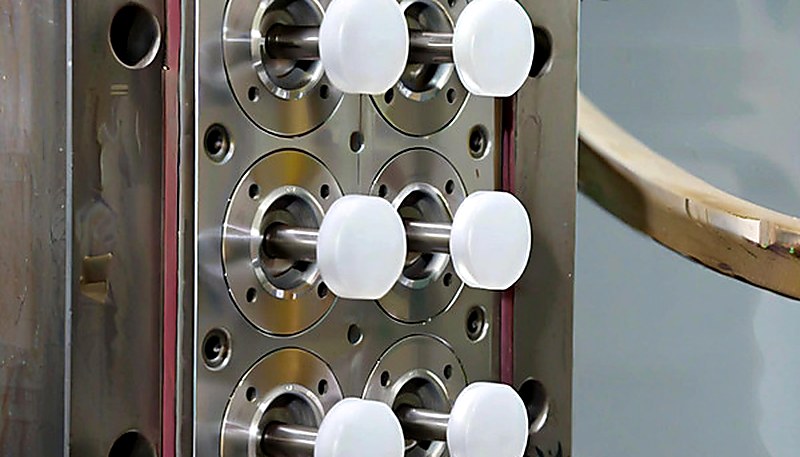
- Formowanie wtryskowe doskonale sprawdza się w wielkoseryjnej produkcji złożonych części z tworzyw sztucznych o wąskich tolerancjach (±0.002″).
- Początkowy koszt oprzyrządowania ($10K–$200K+) jest największą barierą i wymaga ponad 5,000 detali, aby osiągnąć próg rentowności.
- Wybór materiałów obejmuje ponad 400 tworzyw termoplastycznych, ale każde z nich wymaga określonych parametrów przetwórstwa.
- Ograniczenia projektowe, takie jak równomierna grubość ścianek i kąty pochylenia, są bezwzględnym warunkiem wykonalności produkcyjnej.
- Wybór partnera ma większe znaczenie niż optymalizacja procesu — niewłaściwa narzędziownia generuje większe koszty, niż można zaoszczędzić dzięki jakiejkolwiek modyfikacji projektu.
Dla czytelników porównujących opcje formowania wtryskowego1 ten artykuł łączy decyzje dotyczące formy wtryskowej2, zachowania tworzywa sztucznego3, pozyskiwania dostawców i kontroli jakości, które decydują o tym, czy projekt może przejść od konstrukcji do powtarzalnej produkcji.
Co sprawia, że formowanie wtryskowe jest warte inwestycji?
Formowanie wtryskowe jest opłacalną inwestycją, gdy potrzeba ponad 5000 identycznych części, a nietrafionym wyborem, gdy potrzeba jedynie 50 prototypów. Podstawowy kompromis jest prosty: wysoki początkowy koszt oprzyrządowania pozwala uzyskać wyjątkowo niski koszt jednostkowy przy produkcji wielkoseryjnej.
Szersze omówienie zawiera nasz kompletny przewodnik po formowaniu wtryskowym, który przedstawia podstawy procesu, zachowanie materiałów i decyzje produkcyjne.
"“Formowanie wtryskowe może wytwarzać detale z tolerancją ±0.002 cala.”"True
Przy prawidłowej konstrukcji formy i właściwej kontroli procesu formowanie wtryskowe rutynowo pozwala uzyskać tolerancje ±0.002″ (±0.05 mm). Standardowa tolerancja handlowa wynosi ±0.005″.
„Formowanie wtryskowe jest opłacalne przy produkcji już 500 identycznych części.”False
Przy 500 częściach sama amortyzacja oprzyrządowania może zwiększyć koszt każdej części o 20–400 USD, przez co obróbka CNC lub odlewanie poliuretanów są znacznie bardziej opłacalne. Typowy próg rentowności wynosi ponad 5 000 części.
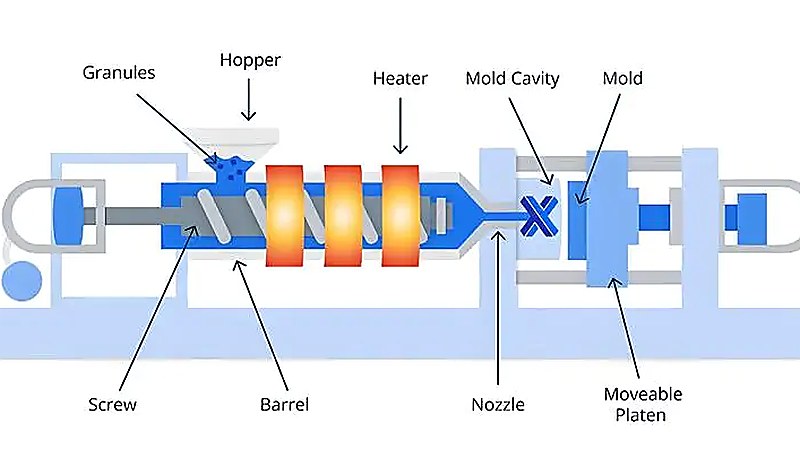
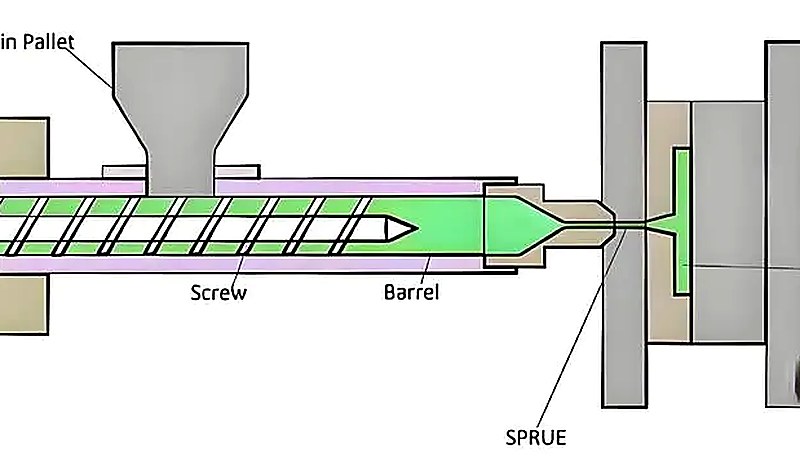
Proces polega na stopieniu granulatu termoplastycznego, wtryśnięciu tworzywa pod wysokim ciśnieniem do stalowego gniazda formy, schłodzeniu i wyrzuceniu gotowej części. Pojedynczy cykl może trwać zaledwie 8 sekund dla małego detalu lub ponad 60 sekund dla dużego elementu konstrukcyjnego. Ta szybkość — powtarzana tysiące lub miliony razy — stanowi podstawę ekonomiki procesu.
Proces dominuje w masowej produkcji komponentów z tworzyw. Około 80% wszystkich wytwarzanych dziś detali z tworzyw powstaje metodą wtrysku. Od desek rozdzielczych przez strzykawki medyczne po obudowę telefonu w kieszeni — proces jest wszechobecny.
Jednak „wszędzie” nie oznacza „zawsze właściwie”. Formowanie wtryskowe wymaga precyzyjnego oprzyrządowania, starannego doboru materiałów i rygorystycznej kontroli procesu. Po spełnieniu tych warunków zapewnia niezrównaną powtarzalność i możliwość wykonywania złożonych części. Gdy warunki te nie są spełnione, powstają odpady.
Jakie są najważniejsze zalety formowania wtryskowego?
Najważniejsze zalety to szybkość, precyzja i różnorodność materiałów. Produkcja wielkoseryjna (tysiące części dziennie z jednej formy), złożone geometrie uzyskiwane w jednym wtrysku oraz dostęp do ponad 400 materiałów termoplastycznych — każdy z tych aspektów bezpośrednio wpływa na decyzje zakupowe.
"„Jedna forma wtryskowa może wytrzymać ponad milion cykli produkcyjnych.”"True
Formy z hartowanej stali (H13, S7), pracujące z materiałami nieściernymi, mogą przy prawidłowym utrzymaniu przekroczyć 1,000,000 cykli. Standardowe formy P20 osiągają zazwyczaj 100,000–500,000 cykli.
"“Zmiany konstrukcyjne po wykonaniu formy są szybkie i niedrogie.”"False
Zmiany konstrukcyjne po wykonaniu oprzyrządowania kosztują $1,000–$15,000+ zależnie od złożoności. Dodawanie stali (usuwanie tworzywa) jest łatwiejsze niż usuwanie stali (dodawanie tworzywa), ale oba przypadki wymagają przeróbki formy.
Wydajność produkcji wielkoseryjnej
Po wykonaniu i kwalifikacji formy czas cyklu mierzy się w sekundach. Forma jednogniazdowa wytwarzająca 50-gramową obudowę z ABS może pracować w cyklu 15-sekundowym. Oznacza to 240 detali na godzinę i 5,760 detali na dobę z jednej maszyny. Formy wielogniazdowe dodatkowo zwielokrotniają wydajność — forma czterogniazdowa pracująca z takim samym czasem cyklu wytwarza niemal 23,000 detali na dobę.
Koszt jednostkowy przy dużym wolumenie jest wyjątkowo niski. Zwykle dominuje koszt materiału: $0.50–$5.00 na część zależnie od gatunku tworzywa i masy. Czas maszyny i robocizna dodają kolejne $0.10–$0.50. Dla prostych części w dużych seriach całkowity koszt produkcji może spaść poniżej $0.10 za sztukę.
Złożone geometrie w jednej operacji
Elementy, które wymagałyby wielu zamocowań na obrabiarce CNC — żebra, słupki, zatrzaski, zawiasy integralne, gwinty wewnętrzne — można uformować w jednym cyklu. Nie chodzi tylko o oszczędność czasu, lecz o całkowite wyeliminowanie operacji montażowych. Jedna formowana część może zastąpić zespół złożony z trzech lub czterech oddzielnych komponentów.
Złożoność ma jednak swoje granice. Podcięcia wymagają suwaków bocznych lub wypychaczy skośnych, co zwiększa koszt formy o 30–80%. Gwinty wewnętrzne wymagają mechanizmów wykręcających. Głębokie kształty wymagają starannego doboru kątów pochylenia. Możliwości inżynieryjne narzędziowni bezpośrednio określają, co da się wykonać, dlatego wybór partnera ma tak duże znaczenie.
Wysoka powtarzalność i wąskie tolerancje
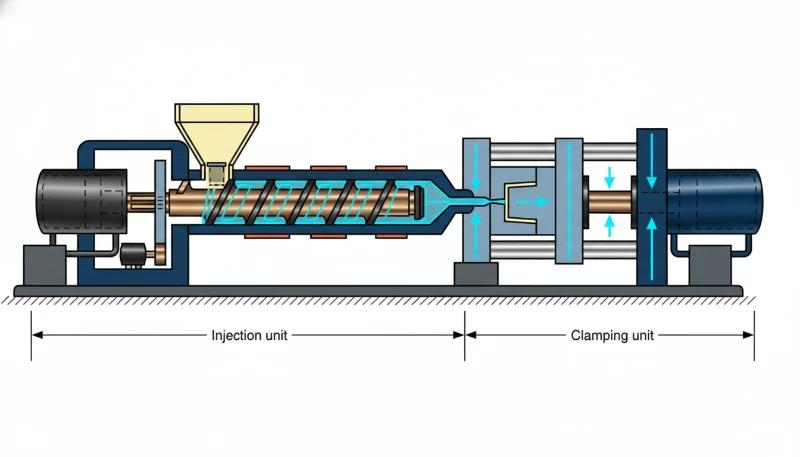
Dobrze utrzymana forma na prawidłowo skalibrowanej maszynie — w której cylinder, lej i ślimak pokazane na schemacie mieszczą się w specyfikacji — rutynowo utrzymuje tolerancje wymiarowe ±0.005” (±0.127 mm), a przy starannej kontroli procesu i precyzyjnym projektowaniu formy wtryskowej nawet ±0.002” (±0.05 mm). Zmienność między kolejnymi wtryskami w stabilnym procesie mierzy się w tysięcznych częściach cala. Taka powtarzalność utrzymuje się przez tysiące, setki tysięcy lub miliony cykli — pod warunkiem konserwacji formy.
Z naszego ponad 20-letniego doświadczenia produkcyjnego wynika, że taka powtarzalność ma kluczowe znaczenie w branżach regulowanych. Obudowy wyrobów medycznych, samochodowe elementy bezpieczeństwa i elektronika użytkowa wymagają, aby detal numer 100,000 był wymiarowo identyczny z detalem numer 1.
Szeroki wybór materiałów
Do formowania wtryskowego dostępnych jest ponad 400 handlowych gatunków tworzyw termoplastycznych — od surowców masowych, takich jak PP i HDPE, po tworzywa konstrukcyjne, takie jak PEEK i PEI. Wybór materiału determinuje niemal każdą kolejną decyzję: czas cyklu, temperaturę formy, wymagania dotyczące suszenia, kompensację skurczu oraz właściwości użytkowe.
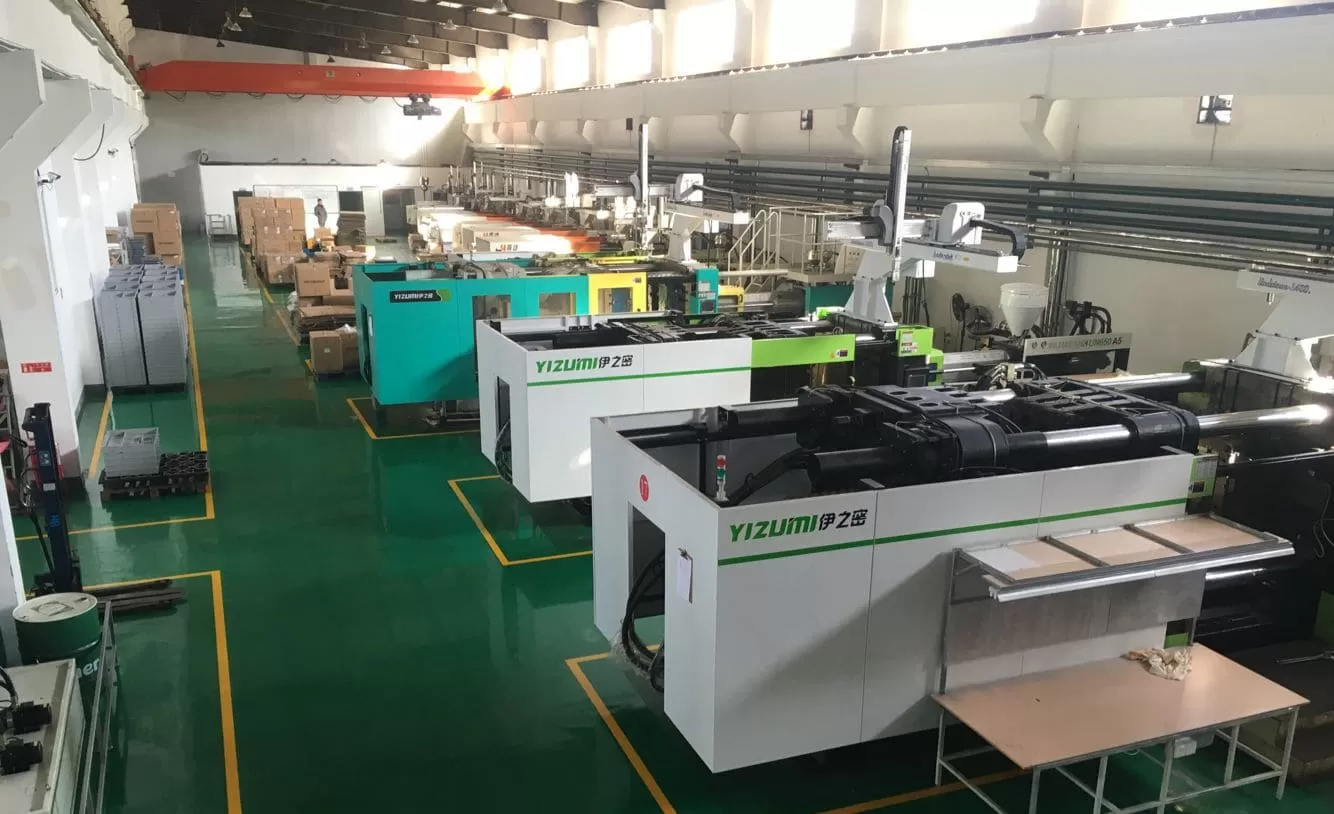
W naszym zakładzie przetwarzamy ponad 400 materiałów na 47 wtryskarkach — od elastycznych TPE do obtryskiwanych uchwytów po nylon wzmacniany włóknem szklanym do konstrukcyjnych części samochodowych. Zakres 90T–1850T pozwala obsługiwać zarówno klips medyczny o masie 2 g, jak i część samochodową lub przemysłową o masie 10 kg bez kierowania projektu na maszynę o niewłaściwym tonażu.
Minimalna obróbka wykończeniowa
W przeciwieństwie do obróbki CNC, która wytwarza wióry i wymaga operacji wykończeniowych, formowanie wtryskowe daje części o kształcie końcowym bezpośrednio z formy. Operacje dodatkowe — jeśli są potrzebne — zwykle ograniczają się do usunięcia wlewu, wykończenia powierzchni (teksturowania lub malowania) i montażu (instalacji wkładek, zgrzewania ultradźwiękowego). W przypadku wielu części jedyną obróbką końcową jest oddzielenie układu wlewowego.
Jakie są główne wady formowania wtryskowego?
Główne wady to wysoki początkowy koszt oprzyrządowania, długi czas realizacji, rygorystyczne zasady projektowania oraz nieopłacalność produkcji poniżej 5,000 sztuk. Ograniczenia te często zaskakują inżynierów przechodzących z obróbki CNC lub druku 3D.
Wysoki początkowy koszt oprzyrządowania
Jednogniazdowa forma produkcyjna ze stali P20 do prostej części kosztuje $10,000–$30,000. Wielogniazdowa forma z suwakami, wypychaczami skośnymi i wąskimi tolerancjami może z łatwością kosztować ponad $100,000. Złożone formy dla branży motoryzacyjnej lub medycznej regularnie osiągają ceny $150,000–$250,000.
Koszt ten nie obejmuje wyłącznie stali i obróbki. Składają się na niego projekt formy, analiza przepływu, liczne korekty (próbki T0, T1, T2) oraz obróbka powierzchniowa. Forma jest największą pojedynczą inwestycją w projekcie formowania wtryskowego i jest wydatkiem nieodwracalnym — formy zaprojektowanej dla geometrii jednej części nie można wykorzystać do innej.
Długi czas realizacji oprzyrządowania
Wykonanie formy zajmuje 4–12 tygodni, zależnie od jej złożoności. Prosta, jednogniazdowa forma aluminiowa może być gotowa w ciągu 3–4 tygodni. Produkcyjna forma stalowa z wieloma mechanizmami bocznymi wymaga zwykle 8–12 tygodni. W tym czasie ponosisz koszty, nie produkując części.
Ten czas realizacji sprawia, że do prototypowania i produkcji małoseryjnej zwykle stosuje się formy aluminiowe — bardziej miękkie, szybsze w obróbce i mniej trwałe — albo inne procesy. Formy produkcyjne są właściwym narzędziem do właściwego zadania, ale tylko wtedy, gdy można zainwestować wymagany czas.
Ograniczenia projektowe nie podlegają negocjacjom
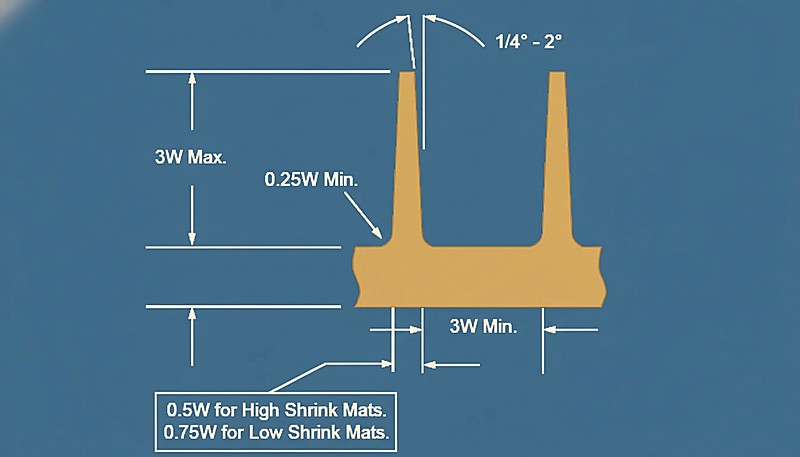
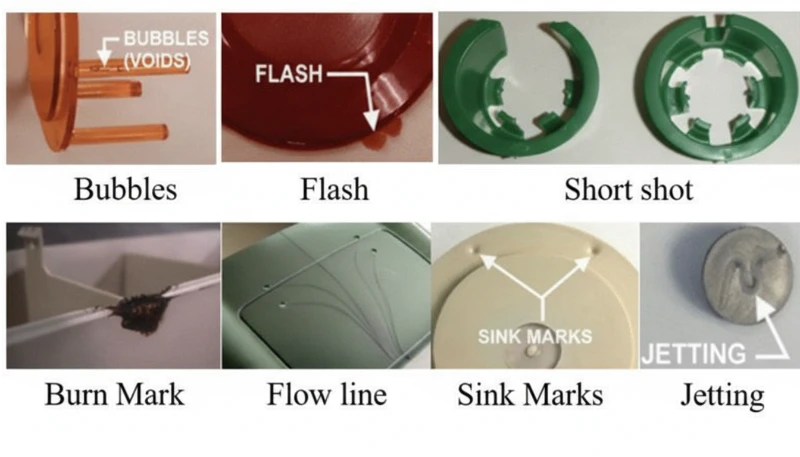
Formowanie wtryskowe narzuca twarde reguły konstrukcyjne, których nie da się obejść. Jednolita grubość ścianek jest krytyczna — różnice powodują zapadnięcia, paczenie i nierównomierne chłodzenie. Do wypychania części wymagane są kąty pochylenia 1–3° na stronę. Ostre naroża wewnętrzne tworzą koncentracje naprężeń i muszą mieć promienie.
Widzieliśmy niezliczone projekty, w których klienci nie docenili znaczenia tych zasad. Nie są to sugestie — detale, które ich nie spełniają, albo zawodzą podczas formowania (niedolewy, zapadnięcia, zakleszczanie w formie), albo podczas użytkowania (pękanie w miejscach koncentracji naprężeń). Prawidłowa konstrukcja formy może ograniczyć niektóre problemy, lecz nie naprawi zasadniczo wadliwej geometrii detalu.
Trudne i kosztowne zmiany konstrukcyjne
Po wykonaniu formy stalowej zmiany konstrukcyjne są kosztowne. Dodanie materiału do części (korekta typu steel safe) jest stosunkowo proste — wymaga usunięcia stali z gniazda. Usunięcie materiału z części (dodanie stali do formy) wymaga spawania lub zastosowania wkładki, co osłabia formę i zwiększa koszty. Duże zmiany geometrii mogą wymagać ponownego wykonania całych sekcji formy.
W praktyce oznacza to konieczność zamrożenia konstrukcji detalu przed zleceniem wykonania formy produkcyjnej. Późne zmiany nie tylko powodują przekroczenie budżetu, lecz także wprowadzają wady, takie jak zapadnięcia, wypływki i pęcherze, których usunięcie wymaga dodatkowych przeróbek formy. Najczęstszą przyczyną przekroczenia kosztu formy są zmiany konstrukcyjne wprowadzane po próbach T0. Każda iteracja po rozpoczęciu budowy oprzyrządowania oznacza płatne zlecenie zmiany.
Nieopłacalne przy małych wolumenach
Próg rentowności między formowaniem wtryskowym a procesami alternatywnymi zależy od złożoności detalu, ale ogólna zasada jest taka: poniżej 5,000 sztuk amortyzacja oprzyrządowania sprawia, że koszt jednostkowy wtrysku jest wyższy niż obróbki CNC, druku 3D lub odlewania poliuretanu.
Dla formy kosztującej 20 000 USD rachunek wygląda następująco: przy 5000 części oprzyrządowanie dodaje 4,00 USD na sztukę; przy 50 000 — 0,40 USD; przy 500 000 — 0,04 USD. Krzywa kosztu spada gwałtownie — i właśnie o to chodzi. Formowanie wtryskowe zdecydowanie premiuje duży wolumen.
Kiedy formowanie wtryskowe jest ekonomicznie uzasadnione?
Próg rentowności formowania wtryskowego wynosi 5,000–10,000 sztuk, gdy potrzebujesz powtarzalności i złożoności. Poniższa tabela przedstawia czynniki decyzyjne.
| Czynnik | Kiedy wybrać formowanie wtryskowe | Rozważ alternatywy, gdy |
|---|---|---|
| Roczny wolumen | >10,000 części/rok | Łącznie <5,000 części |
| Złożoność części | Wiele elementów konstrukcyjnych (żebra, słupki, zatrzaski) | Prosta geometria, niewiele cech |
| Wymagania materiałowe | Wymagane właściwości tworzywa termoplastycznego | Elastyczność materiału jest dopuszczalna |
| Wymagania dotyczące tolerancji | ±0.005″ lub mniej, jednakowo dla wszystkich części | Szerokie tolerancje, dopuszczalne ręczne pasowanie |
| Oś czasu | Możliwość oczekiwania 6–12 tygodni na oprzyrządowanie | Potrzebujesz części w ciągu dni lub tygodni |
Często pomijanym czynnikiem jest koszt rezygnacji z formowania wtryskowego. Jeśli obrabiasz CNC 50,000 części rocznie z pręta, same straty materiału (60–80% wiórów) mogą przekroczyć koszt budowy formy. Widzieliśmy projekty, w których przejście z CNC na formowanie zwróciło koszt narzędzia podczas pierwszej serii produkcyjnej.
Zrozumienie tych kompromisów pomaga ustalić, kiedy formowanie wtryskowe ma uzasadnienie ekonomiczne dla danej serii produkcyjnej. Kluczowe jest dopasowanie procesu do wymagań dotyczących wolumenu, złożoności i harmonogramu.
Jak formowanie wtryskowe wypada na tle procesów alternatywnych?
W porównaniu z obróbką CNC, drukiem 3D i formowaniem z rozdmuchiwaniem formowanie wtryskowe wygrywa kosztem jednostkowym przy dużych wolumenach, ale wymaga wyższej inwestycji początkowej. Właściwy wybór zależy od wolumenu, harmonogramu i wymagań geometrycznych.
Formowanie wtryskowe vs obróbka CNC
Obróbka CNC polega na wycinaniu części z pełnych bloków tworzywa sztucznego lub metalu. Nie wymaga oprzyrządowania, zapewnia bardzo wąskie tolerancje (±0.001″) i umożliwia natychmiastowe wprowadzanie zmian konstrukcyjnych. Jednak przy złożonej geometrii powoduje ogromne straty materiału, koszt jednostkowy nie maleje wraz ze wzrostem wolumenu, a dostęp narzędzia ogranicza możliwe kształty.
Z naszego doświadczenia wynika, że formowanie wtryskowe staje się bardziej opłacalne niż CNC przy około 5,000 części o tej samej geometrii. CNC pozostaje lepszym wyborem poniżej 1,000 części lub gdy projekt wymaga metalu zamiast tworzywa. Wskazówki dotyczące znalezienia właściwego partnera produkcyjnego zawiera nasz przewodnik po pozyskiwaniu dostawców formowania wtryskowego.
Formowanie wtryskowe a formowanie z rozdmuchiwaniem
Druk 3D (FDM, SLA, SLS) buduje części warstwa po warstwie bez użycia oprzyrządowania. Umożliwia wykonywanie geometrii, których dosłownie nie da się uformować (kanałów wewnętrznych, struktur kratowych). Jednak jakość powierzchni jest słaba, właściwości mechaniczne gorsze niż części formowanych, a tempo produkcji jednej części — niezwykle wolne w porównaniu z formowaniem.
Druk 3D jest najlepszym rozwiązaniem w przypadku prototypowania, złożonych geometrii wewnętrznych i rzeczywiście jednostkowych części. Formowanie wtryskowe sprawdza się najlepiej w przypadku każdej części potrzebnej w liczbie powyżej 100 sztuk.
Formowanie wtryskowe a formowanie z rozdmuchiwaniem
Formowanie z rozdmuchiwaniem doskonale sprawdza się w przypadku pustych w środku części — butelek, zbiorników i pojemników. Oprzyrządowanie jest tańsze, ale geometria ogranicza się do pustych kształtów o stosunkowo szerokich tolerancjach.
Formowanie z rozdmuchiwaniem sprawdza się najlepiej w przypadku pojemników i części pustych w środku. Formowanie wtryskowe jest najlepsze we wszystkich pozostałych zastosowaniach — dla części pełnych, elementów o wąskich tolerancjach oraz złożonych geometrii wymagających kontrolowanego przepływu stopionego tworzywa przez cylinder do precyzyjnego gniazda, jak pokazano na schemacie wtryskarki. Samo ciśnienie powietrza nie zapewni szczegółowości i powtarzalności osiąganych w zamkniętej formie.
Jak ograniczyć wady?
Najlepszą strategią ograniczania wad formowania wtryskowego jest przegląd DFM, stosowanie form prototypowych i odpowiednio dobranej stali formy. Strategie te wykorzystujemy codziennie na 47 wtryskarkach w naszym zakładzie w Szanghaju.
Zacznij od prawidłowej analizy DFM
Przegląd projektu pod kątem wytwarzalności (DFM) przed rozpoczęciem wykonywania oprzyrządowania jest działaniem o najwyższym zwrocie z inwestycji w każdym projekcie formowania wtryskowego. Dobry przewodnik po projektowaniu form pozwala wykryć problemy z grubością ścianek, niemożliwe konfiguracje podcięć i niewystarczające kąty pochylenia, zanim zostanie obrobiona stal. Poprawienie ich w CAD zajmuje minuty. Poprawienie ich w formie zajmuje tygodnie i kosztuje tysiące dolarów.
W naszym zakładzie w Szanghaju 8 starszych inżynierów — każdy z ponad 10-letnim doświadczeniem — sprawdza każdą konstrukcję formy przed rozpoczęciem produkcji. Nie jest to usługa dodatkowa, lecz strategia przetrwania. Koszt analizy DFM mierzy się godzinami pracy inżynierów. Koszt jej pominięcia mierzy się poprawkami formy i opóźnieniami produkcji.
W naszej fabryce w Szanghaju pracuje 47 wtryskarek o sile zwarcia od 90T do 1850T, a własna narzędziownia pozwala nam kontrolować cały proces w jednym zakładzie — od projektowania formy po kontrolę pierwszej sztuki.
Wykorzystaj formę prototypową do walidacji
Przed podjęciem decyzji o wykonaniu formy produkcyjnej warto rozważyć aluminiową formę prototypową. Kosztuje ona 3 000–8 000 USD, jej wykonanie trwa 2–3 tygodnie, a uzyskane rzeczywiste wypraski można poddać testom funkcjonalnym. Owszem, aluminiowe gniazdo zużyje się po 1 000–5 000 cykli. Jeśli jednak pozwoli wykryć wadę konstrukcyjną, której usunięcie wymagałoby modyfikacji formy stalowej, zwróci się dziesięciokrotnie.
Zoptymalizuj konstrukcję przewężki na wczesnym etapie
Typ, rozmiar i położenie przewężki wpływają na rozmieszczenie linii łączenia, długość drogi płynięcia, ciśnienie docisku i wygląd powierzchni. Zmiana przewężki po wykonaniu formy jest możliwa, ale kosztowna. Symulacja położenia przewężek za pomocą analizy płynięcia tworzywa przed rozpoczęciem obróbki stali jest standardowym etapem w każdym kompetentnym zakładzie formowania wtryskowego.
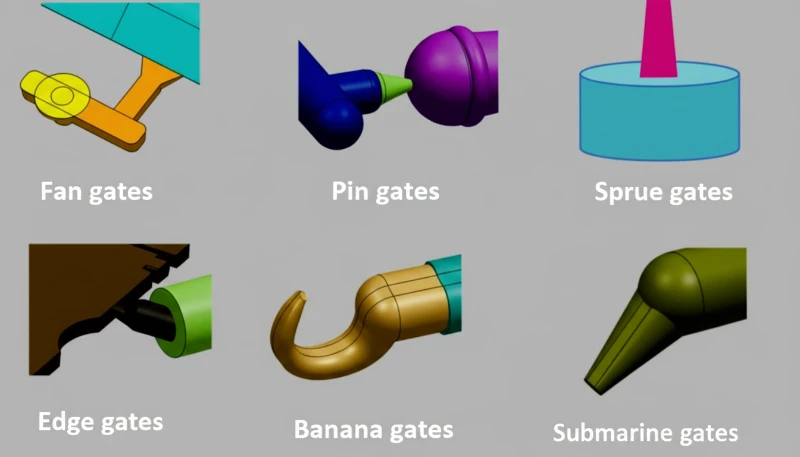
Typowe rodzaje przewężek — krawędziowe, tunelowe, z gorącą końcówką i zaworowe — mają określone zastosowania. Nie istnieje jedna uniwersalnie „najlepsza” przewężka; właściwy wybór zależy od geometrii części, materiału, wymagań estetycznych i wielkości produkcji.
Wybierz właściwy materiał formy
Nie każdy projekt wymaga formy z hartowanej stali. Praktyczna wskazówka: formy aluminiowe sprawdzają się przy mniej niż 10,000 części. Stal P20 nadaje się do 100,000–500,000 części. Hartowana stal H13 lub S7 sprawdza się przy milionach części. Nadmierne wymagania wobec stali formowej to częsty sposób marnowania pieniędzy na oprzyrządowanie.
W fabryce ZetarMold w Szanghaju eksploatujemy 47 wtryskarek o sile zwarcia od 90T do 1850T i obsługujemy ponad 400 tworzyw. Własna narzędziownia i 8 starszych inżynierów łączą przegląd DFM, wykonanie narzędzi, próbkowanie i optymalizację procesu przed dopuszczeniem produkcji.
O ZetarMold — Twoim producencie elementów formowanych wtryskowo
Szukasz niezawodnego producenta formowania wtryskowego? ZetarMold dostarcza ponad 100 precyzyjnych form miesięcznie, z ekspertyzą w ponad 400 materiałach. Zamów bezpłatną wycenę →
Często zadawane pytania
Jaka jest minimalna wielkość produkcji, przy której formowanie wtryskowe jest opłacalne?
Zasadniczo próg rentowności, przy którym amortyzacja oprzyrządowania staje się uzasadniona, wynosi 5,000–10,000 sztuk. Poniżej tego poziomu obróbka CNC lub odlewanie uretanowe są zazwyczaj bardziej ekonomiczne w przeliczeniu na część. Dokładny próg zależy od złożoności części — prosta część może osiągnąć próg rentowności przy 3,000 sztuk, natomiast złożona forma wielogniazdowa może wymagać 20,000+ sztuk, aby uzasadnić inwestycję.
Jak długo działa forma wtryskowa?
Trwałość formy zależy od gatunku stali oraz właściwości ściernych przetwarzanego materiału. Forma ze stali P20 pracująca z niewzmacnianym polipropylenem może wyprodukować ponad 500 000 części, zanim będzie wymagała poważniejszej konserwacji. Ta sama forma używana do przetwarzania poliamidu wzmacnianego włóknem szklanym może wymagać regeneracji po 100 000–200 000 części. Formy ze stali hartowanej (H13, S7) mogą przy prawidłowej konserwacji przekroczyć milion cykli.
Czy formowanie wtryskowe umożliwia produkcję detali z gwintami?
Tak. Gwinty zewnętrzne można formować przy użyciu suwaków bocznych lub rdzeni obrotowych (form odkręcanych). Gwinty wewnętrzne wymagają mechanizmów odkręcających, które znacznie zwiększają złożoność i koszt formy — zwykle o dodatkowe $5,000–$15,000, zależnie od rozmiaru i liczby gwintów. W produkcji małoseryjnej bardziej ekonomiczne są często wkładki gwintowane montowane ultradźwiękowo lub termicznie.
Jakich materiałów nie można formować wtryskowo?
Na podstawie doświadczenia z ponad 400 gatunkami tworzyw termoplastycznych możemy potwierdzić: duroplastów (żywic epoksydowych, fenolowych i silikonów) nie można przetwarzać na standardowych wtryskarkach do tworzyw termoplastycznych — wymagają specjalistycznych urządzeń do formowania przetłocznego lub prasowania. Wśród tworzyw termoplastycznych bardzo niewiele powszechnie stosowanych materiałów rzeczywiście nie nadaje się do formowania. Jednym z wyjątków jest PTFE (Teflon) — jego wyjątkowo wysoka lepkość stopu sprawia, że konwencjonalne formowanie wtryskowe jest niepraktyczne, dlatego materiał ten przetwarza się zazwyczaj przez prasowanie lub wytłaczanie tłokowe.
Jak rozmiar części wpływa na wybór formowania wtryskowego?
Rozmiar części określa wymaganą siłę zwarcia maszyny. Mały klips elektroniczny może potrzebować tylko maszyny 50T. Duży zderzak samochodowy wymaga 1500T lub więcej. Dostępność maszyn o odpowiedniej sile zwarcia jest praktycznym ograniczeniem – nie każdy wytwórca dysponuje dużymi maszynami. W naszym własnym zakładzie maszyna 1850T obsługuje części do 10 kg, co obejmuje większość zastosowań motoryzacyjnych i przemysłowych.
Czy formowanie wtryskowe jest przyjazne dla środowiska?
Sam proces jest stosunkowo efektywny – odpady z kanałów wlewowych i odrzucone części mogą być mielone i ponownie przetwarzane do zastosowań niekrytycznych (regranulat). Jednak ślad środowiskowy w dużym stopniu zależy od materiału. Biopochodne i termoplasty z zawartością recyklatu są coraz bardziej dostępne. Ważniejszą kwestią środowiskową jest koniec życia produktu: termoplasty są teoretycznie podatne do recyklingu, ale zespoły z materiałów mieszanych często nie są.
Jakie tolerancje można osiągnąć w formowaniu wtryskowym?
Standardowe tolerancje handlowe wynoszą ±0,005″ (±0,127 mm) dla wymiarów poniżej 1 cala. Precyzyjne tolerancje ±0,002″ (±0,05 mm) są osiągalne przy starannej kontroli procesu i projektowaniu formy. Tolerancje dla większych wymiarów skalują się z rozmiarem – zazwyczaj ±0,1–0,3% wymiaru nominalnego. Węższe tolerancje są możliwe, ale zwiększają koszt formy i wymagają bardziej rygorystycznego monitorowania procesu.
Często zadawane pytania
Jaki jest najważniejszy czynnik przy wyborze między formowaniem wtryskowym a innymi procesami?
Najważniejszym czynnikiem jest roczna wielkość produkcji. Formowanie wtryskowe wymaga wstępnej inwestycji w narzędzia w zakresie od 10 000 do 250 000 USD, która amortyzuje się efektywnie dopiero powyżej 5 000 do 10 000 sztuk na serię. Poniżej tego progu obróbka CNC lub druk 3D zapewniają niższy koszt na sztukę przy znacznie krótszym czasie wprowadzenia na rynek. Dla kupujących oceniających opcje produkcyjne próg wolumenu jest pierwszym obliczeniem do wykonania; złożoność części i dobór materiału są drugorzędnymi rozważaniami, które mają znaczenie dopiero wtedy, gdy wolumen uzasadnia wybór procesu. Zapobiega to sytuacji, w której wczesne wydatki na narzędzia stają się pułapką kosztów stałych.
Jak kupujący powinni oceniać dostawcę formowania wtryskowego?
Oceń dostawców w trzech wymiarach: zdolności techniczne, jakość komunikacji oraz infrastruktura produkcyjna. Zdolności techniczne oznaczają wewnętrzne projektowanie form z oprogramowaniem do analizy przepływu i procesem przeglądu DFM. Jakość komunikacji oznacza znajomość języka angielskiego do dyskusji inżynieryjnych, a nie tylko sprzedaży. Infrastruktura produkcyjna oznacza zakres siłowności maszyn obejmujący rozmiar Twojej części, doświadczenie w przetwarzaniu materiałów z Twoim konkretnym tworzywem oraz systemy zarządzania jakością, takie jak ISO 9001. Dostawca, który nie potrafi wyjaśnić swojego okna procesowego lub pokazać odpowiednich próbek produkcyjnych, stanowi ryzyko niezależnie od ceny.
Kiedy projekt formowania wtryskowego wymaga przeglądu dostawcy podczas produkcji?
Przegląd dostawcy jest kluczowy na trzech etapach produkcji: inspekcja pierwszej sztuki po wykonaniu formy potwierdza, że gniazdo produkuje części zgodne z wymiarami, kwalifikacja produkcyjna ustala parametry procesu dla powtarzalności od wtrysku do wtrysku, a każda zmiana gatunku żywicy, barwnika lub geometrii części wymusza obowiązkową ponowną walidację. Pomijanie tych przeglądów jest najczęstszą przyczyną sporów o jakość między kupującymi a wytwórcami. Dyscyplinowany dostawca będzie proaktywnie planował te punkty kontrolne, zamiast czekać, aż problemy ujawnią się podczas produkcji seryjnej. Utrzymuje to kryteria akceptacji widoczne przed wysyłką.
Dlaczego jakość projektu formy decyduje o sukcesie formowania wtryskowego?
Projekt formy decyduje o efektywności chłodzenia, umiejscowieniu wlewów, usuwaniu powietrza i niezawodności wypychania – wszystko to bezpośrednio wpływa na jakość części, czas cyklu i koszt produkcji. Źle zaprojektowana forma powoduje wady (wklęsłości, odkształcenia, niedozalania), których żadna regulacja procesu nie jest w stanie w pełni skorygować. Dobry projekt formy obejmuje odpowiednie rozmieszczenie kanałów chłodzących, właściwy typ i lokalizację wlewów, odpowiednie kąty odbicia oraz uwzględnienie jednolitej grubości ścianki. Inwestycja w analizę przepływu przed wykonaniem formy zazwyczaj oszczędza 10–30% całkowitego kosztu narzędzi, zapobiegając korektom.
Jak ZetarMold może pomóc w decyzjach dotyczących formowania wtryskowego?
ZetarMold zapewnia zintegrowany projekt formy, wykonanie narzędzi i produkcję wtryskową ze swojego zakładu w Szanghaju. Dzięki 47 maszynom o sile zwarcia od 90T do 1850T, wewnętrznemu warsztatowi form produkującemu ponad 100 form miesięcznie oraz praktycznemu doświadczeniu z ponad 400 materiałami termoplastycznymi, zespół inżynieryjny oferuje przegląd DFM, symulację przepływu i optymalizację procesu jako standardowe usługi projektowe, a nie opcjonalne dodatki. Złóż zapytanie o wycenę, aby otrzymać konkretne uwagi DFM i realistyczny harmonogram produkcji dla geometrii części i wymagań materiałowych. Umożliwia to szybszą i bardziej opartą na dowodach kolejną decyzję sourcingową.
formowanie wtryskowe: Formowanie wtryskowe to proces produkcyjny polegający na topieniu tworzywa, wtryskiwaniu go do gniazda formy, chłodzeniu części i powtarzaniu cyklu w celu stabilnej produkcji seryjnej. ↩
forma wtryskowa: Forma wtryskowa to precyzyjne narzędzie określające geometrię części, przebieg chłodzenia, wypychanie, układ wlewowy, wykończenie powierzchni i powtarzalność. ↩
tworzywo sztuczne: Tworzywa sztuczne to rodzina materiałów, których płynięcie, skurcz, wytrzymałość, odporność cieplna, jakość estetyczna, czas cyklu i długoterminowe właściwości wpływają na decyzje dotyczące formowania. ↩