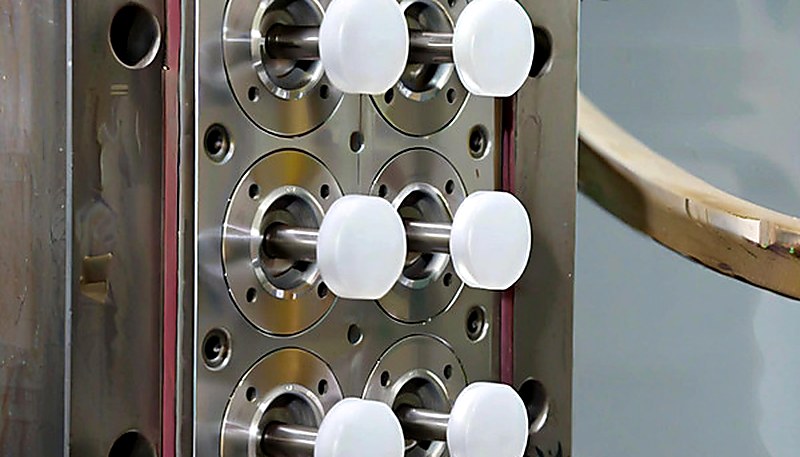
- Spritzgießen eignet sich hervorragend für die Großserienfertigung komplexer Kunststoffteile mit engen Toleranzen (±0.002″).
- Die anfänglichen Werkzeugkosten ($10K–$200K+) sind die größte Einzelhürde; für den Break-even sind 5,000+ Teile erforderlich.
- Die Materialauswahl umfasst 400+ Thermoplaste, doch jedes Material erfordert spezifische Verarbeitungsparameter.
- Konstruktionsvorgaben wie gleichmäßige Wanddicke und Entformungsschrägen sind für die Fertigbarkeit unverzichtbar.
- Die Wahl des Partners ist wichtiger als die Prozessoptimierung – ein ungeeigneter Werkzeugbauer verursacht höhere Kosten, als jede Konstruktionsänderung einsparen kann.
Für Leser, die Spritzgießen1-Optionen vergleichen, verknüpft dieser Artikel das Spritzgießwerkzeug2, das Materialverhalten von Kunststoff3 sowie die Lieferantenbeschaffung und Qualitätsentscheidungen, die bestimmen, ob ein Projekt vom Entwurf in eine wiederholbare Produktion überführt werden kann.
Warum lohnt sich die Investition in das Spritzgießen?
Spritzgießen lohnt sich, wenn Sie mehr als 5,000 identische Teile benötigen – und ist eine schlechte Wahl, wenn Sie nur 50 Prototypen brauchen. Der zentrale Zielkonflikt ist einfach: Sie zahlen hohe anfängliche Werkzeugkosten und erhalten dafür bei großen Stückzahlen extrem niedrige Stückkosten.
Für einen umfassenderen Überblick behandelt unser vollständiger Spritzgießleitfaden die Verfahrensgrundlagen, das Materialverhalten und Produktionsentscheidungen.
"“Mit Spritzgießen lassen sich Teile mit Toleranzen von ±0.002 Zoll herstellen.”"True
Mit geeigneter Formkonstruktion und Prozessregelung erreicht das Spritzgießen routinemäßig Toleranzen von ±0.002″ (±0.05 mm). Die handelsübliche Standardtoleranz beträgt ±0.005″.
"“Spritzgießen ist bereits für die Herstellung von nur 500 identischen Teilen wirtschaftlich.”"False
Bei 500 Teilen kann allein die Werkzeugamortisation $20–$400 pro Teil ausmachen, sodass CNC-Bearbeitung oder Polyurethanguss deutlich wirtschaftlicher sind. Der typische Break-even liegt bei 5,000+ Teilen.
Bei diesem Verfahren werden thermoplastische Pellets aufgeschmolzen, die Schmelze unter hohem Druck in eine Stahlkavität eingespritzt, gekühlt und das fertige Teil ausgeworfen. Ein Zyklus kann bei einem kleinen Teil nur 8 Sekunden, bei einem großen Strukturbauteil dagegen über 60 Sekunden dauern. Diese Geschwindigkeit — tausend- oder millionenfach wiederholt — begründet die Wirtschaftlichkeit.
Das Verfahren dominiert die Massenfertigung von Kunststoffkomponenten. Rund 80% aller heute hergestellten Kunststoffteile werden spritzgegossen. Von Armaturentafeln über medizinische Spritzen bis zum Gehäuse Ihres Mobiltelefons ist das Verfahren überall präsent.
Doch „überall“ bedeutet nicht „immer richtig“. Spritzgießen erfordert Präzisionswerkzeuge, eine sorgfältige Materialauswahl und strenge Prozesskontrolle. Sind diese Voraussetzungen erfüllt, ermöglicht es unerreichte Reproduzierbarkeit und Komplexität. Andernfalls entsteht Ausschuss.
Was sind die wichtigsten Vorteile des Spritzgießens?
Die wichtigsten Vorteile sind Geschwindigkeit, Präzision und Materialvielfalt: Großserienfertigung mit Tausenden von Teilen pro Tag aus einem einzigen Werkzeug, komplexe Geometrien in einem Schuss und Zugang zu 400+ thermoplastischen Werkstoffen – jeweils mit unmittelbaren Auswirkungen auf Ihre Beschaffungsentscheidungen.
"„Ein einzelnes Spritzgießwerkzeug kann mehr als eine Million Produktionszyklen erreichen.“"True
Werkzeuge aus gehärtetem Stahl (H13, S7), die nicht abrasive Werkstoffe verarbeiten, können bei ordnungsgemäßer Wartung mehr als 1,000,000 Schüsse erreichen. Standardwerkzeuge aus P20 erreichen typischerweise 100,000–500,000 Schüsse.
"„Konstruktionsänderungen nach der Werkzeugfertigung sind schnell und kostengünstig.“"False
Konstruktionsänderungen nach dem Werkzeugbau kosten je nach Komplexität $1,000–$15,000+. Stahl hinzuzufügen (Kunststoff zu entfernen) ist einfacher als Stahl zu entfernen (Kunststoff hinzuzufügen), doch beides erfordert eine Nacharbeit der Form.
Effizienz bei hohen Stückzahlen
Sobald das Werkzeug gebaut und qualifiziert ist, werden die Zykluszeiten in Sekunden gemessen. Ein Einkavitätenwerkzeug für ein 50-Gramm-ABS-Gehäuse könnte mit einem 15-Sekunden-Zyklus laufen. Das entspricht 240 Teilen pro Stunde und 5,760 Teilen pro Tag auf einer Maschine. Mehrkavitätenwerkzeuge vervielfachen die Leistung — ein Werkzeug mit 4 Kavitäten erzeugt bei gleicher Zykluszeit nahezu 23,000 Teile pro Tag.
Bei hohen Stückzahlen sind die Kosten pro Teil bemerkenswert niedrig. Je nach Harztyp und Teilegewicht dominiert häufig der Materialpreis mit $0.50–$5.00 pro Teil. Maschinenzeit und Arbeit verursachen weitere $0.10–$0.50. Bei einfachen Teilen in Großserie können die gesamten Fertigungskosten unter $0.10 pro Einheit fallen.
Komplexe Geometrien in einem einzigen Arbeitsgang
Merkmale, die auf einer CNC-Maschine mehrere Aufspannungen erfordern würden — Rippen, Dome, Schnappverbindungen, Filmscharniere und Innengewinde — lassen sich in einem Schuss formen. Dabei geht es nicht nur um Zeitersparnis, sondern um die vollständige Beseitigung von Montageschritten. Ein einziges Formteil kann eine Baugruppe aus drei oder vier Einzelkomponenten ersetzen.
Allerdings hat die Komplexität Grenzen. Hinterschneidungen erfordern Seitenschieber oder Schrägauswerfer, wodurch die Werkzeugkosten um 30–80% steigen. Innengewinde erfordern Ausschraubmechanismen. Tiefe Ziehkonturen verlangen eine sorgfältige Auslegung der Entformungsschrägen. Die technische Kompetenz des Werkzeugbaus bestimmt unmittelbar, was machbar ist; deshalb ist die Partnerwahl so wichtig.
Hohe Wiederholgenauigkeit und enge Toleranzen
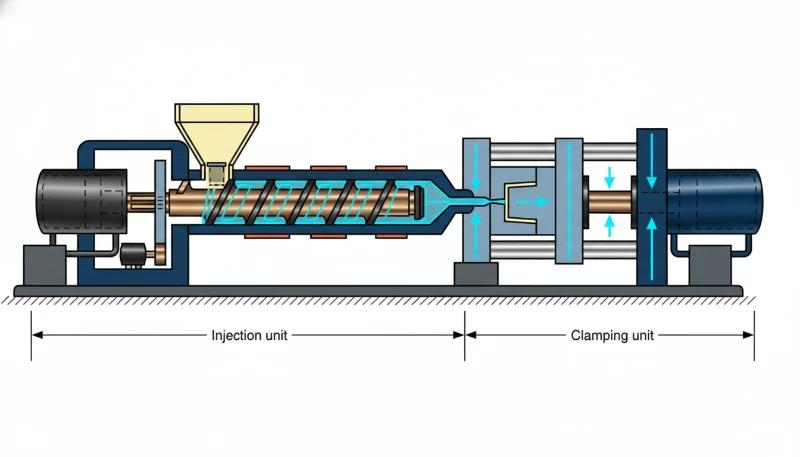
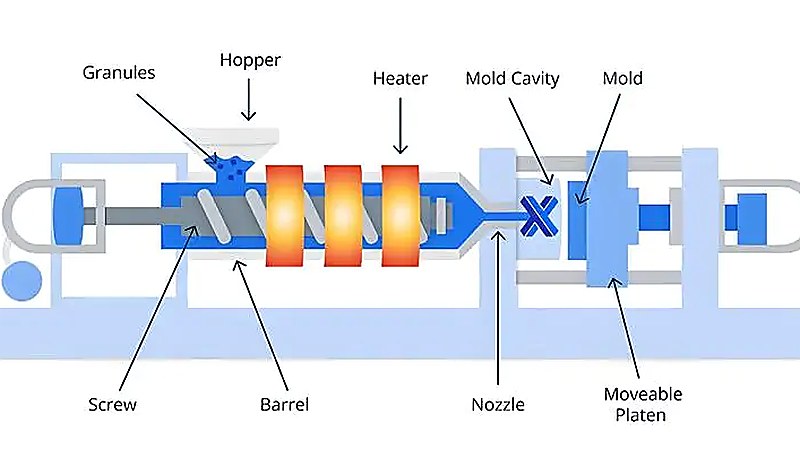
Ein gut gewartetes Spritzgießwerkzeug auf einer korrekt kalibrierten Maschine — bei der Zylinder, Trichter und Schnecke aus der schematischen Darstellung sämtlich innerhalb der Spezifikation liegen — hält Maßtoleranzen von ±0,005” (±0,127 mm) routinemäßig und bei sorgfältiger Prozessregelung sowie präziser Spritzgießwerkzeugkonstruktion ±0,002” (±0,05 mm) ein. Die Schwankung von Schuss zu Schuss wird bei einem stabilen Prozess in Tausendstel Zoll gemessen. Diese Konstanz bleibt über Tausende, Hunderttausende oder Millionen Zyklen erhalten — vorausgesetzt, das Werkzeug wird gewartet.
In unserer Produktionserfahrung von 20+ Jahren ist diese Wiederholbarkeit in regulierten Branchen entscheidend. Gehäuse für Medizinprodukte, sicherheitsrelevante Automobilkomponenten und Unterhaltungselektronik sind darauf angewiesen, dass Teil Nummer 100,000 maßlich mit Teil Nummer 1 identisch ist.
Umfangreiche Materialauswahl
Für das Spritzgießen stehen über 400 handelsübliche Thermoplasttypen zur Verfügung, von Standardkunststoffen wie PP und HDPE bis zu technischen Hochleistungswerkstoffen wie PEEK und PEI. Die Werkstoffwahl bestimmt praktisch jede nachgelagerte Entscheidung — Zykluszeit, Werkzeugtemperatur, Trocknungsanforderungen, Schwindungskompensation und Gebrauchseigenschaften.
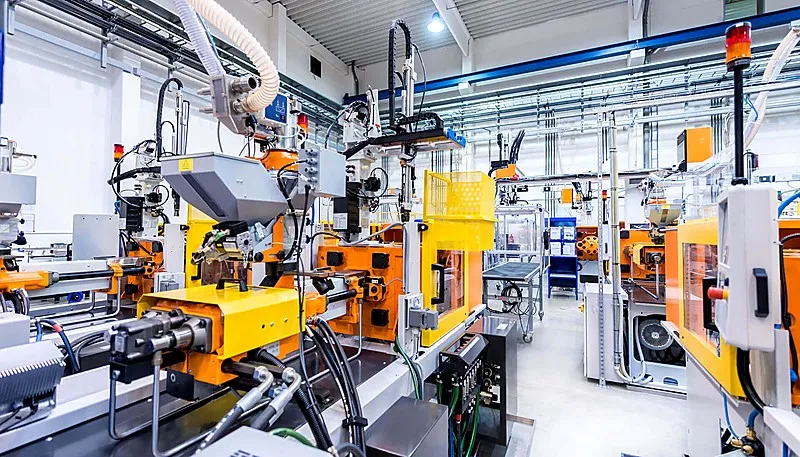
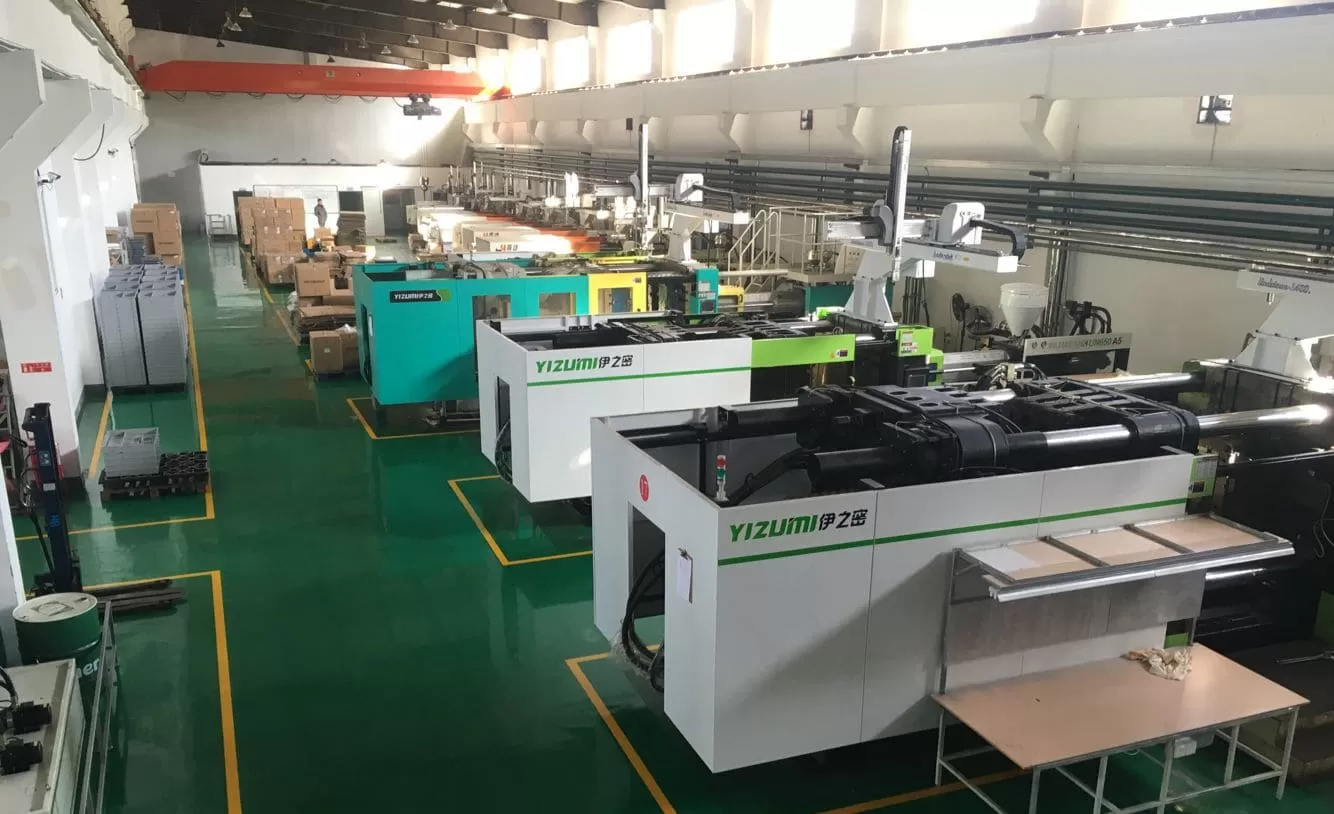
In unserem eigenen Produktionsbetrieb verarbeiten wir auf 47 Spritzgießmaschinen über 400 verschiedene Materialien – von flexiblen TPEs für umspritzte Griffe bis zu glasfaserverstärktem Nylon für tragende Automobilkomponenten. Mit einem Schließkraftbereich von 90T bis 1850T fertigen wir sowohl medizinische Clips von 2-gram als auch Automobil- oder Industrieteile von 10 kg, ohne ein Projekt auf einer ungeeigneten Maschinengröße produzieren zu müssen.
Minimale Nachbearbeitung
Im Gegensatz zur CNC-Bearbeitung, die Späne erzeugt und Nachbearbeitung erfordert, fertigt das Spritzgießen endkonturnahe Teile direkt im Werkzeug. Sekundärprozesse beschränken sich bei Bedarf typischerweise auf das Abtrennen des Anschnitts, die Oberflächenveredelung (Textur oder Lackierung) und die Montage (Einsetzen von Einlegeteilen, Ultraschallschweißen). Bei vielen Teilen ist die einzige Nachbearbeitung das Abtrennen des Verteilers.
Was sind die wichtigsten Nachteile des Spritzgießens?
Die Hauptnachteile sind hohe anfängliche Werkzeugkosten, lange Lieferzeiten, strenge Konstruktionsregeln und eine geringe Wirtschaftlichkeit unterhalb von 5,000 Teilen. Ingenieure, die von CNC oder 3D-Druck wechseln, werden von diesen Einschränkungen häufig überrascht.
Hohe anfängliche Werkzeugkosten
Ein Einkavitäten-Produktionswerkzeug aus P20-Stahl kostet bei einem einfachen Teil $10,000–$30,000. Ein Mehrkavitätenwerkzeug mit Schiebern, Schrägauswerfern und engen Toleranzen kann leicht mehr als $100,000 kosten. Komplexe Automobil- oder Medizinwerkzeuge erreichen regelmäßig $150,000–$250,000.
Diese Kosten betreffen nicht nur Stahl und Bearbeitung. Sie umfassen Werkzeugkonstruktion, Fließanalyse, mehrere Überarbeitungen (Muster T0, T1, T2) und Oberflächenbehandlung. Das Werkzeug ist die größte Einzelinvestition in einem Spritzgießprojekt und nicht anderweitig verwertbar — ein für eine bestimmte Bauteilgeometrie konstruiertes Werkzeug kann nicht für eine andere Geometrie umgenutzt werden.
Lange Vorlaufzeiten im Werkzeugbau
Die Werkzeugfertigung dauert je nach Komplexität 4–12 Wochen. Ein einfaches Aluminiumwerkzeug mit einer Kavität kann in 3–4 Wochen fertig sein. Ein für die Serienproduktion ausgelegtes Stahlwerkzeug mit mehreren seitlichen Schiebern benötigt in der Regel 8–12 Wochen. Während dieser Zeit geben Sie Geld aus, ohne Teile zu produzieren.
Diese Vorlaufzeit ist der Grund dafür, dass für Prototypen und Kleinserien üblicherweise Aluminiumwerkzeuge – weicher, schneller zu bearbeiten und mit kürzerer Standzeit – oder alternative Verfahren verwendet werden. Serienwerkzeuge sind das richtige Mittel für die richtige Aufgabe – aber nur, wenn die erforderliche Zeit zur Verfügung steht.
Konstruktionsvorgaben sind nicht verhandelbar
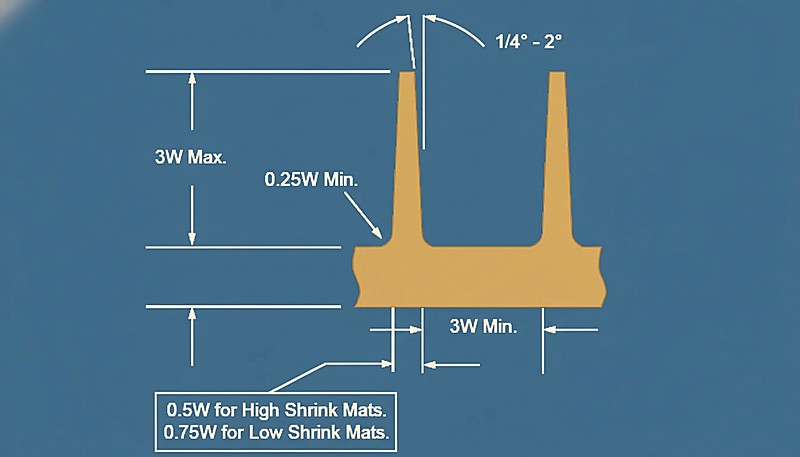
Spritzgießen unterliegt festen Konstruktionsregeln, die sich nicht umgehen lassen. Eine gleichmäßige Wandstärke ist entscheidend — Abweichungen verursachen Einfallstellen, Verzug und ungleichmäßige Kühlung. Für das Auswerfen des Bauteils sind Entformungsschrägen von 1–3° je Seite erforderlich. Scharfe Innenecken erzeugen Spannungskonzentrationen und müssen verrundet werden.
Wir haben unzählige Projekte erlebt, bei denen Kunden diese Regeln unterschätzt haben. Es handelt sich nicht um Empfehlungen — Bauteile, die diese Regeln verletzen, versagen entweder beim Spritzgießen (unvollständige Füllung, Einfallstellen, Festkleben in der Form) oder im Einsatz (Rissbildung an Spannungskonzentrationen). Eine gute Formkonstruktion kann einige Probleme mindern, aber eine grundlegend mangelhafte Bauteilgeometrie nicht beheben.
Schwierige und teure Konstruktionsänderungen
Sobald ein Stahlwerkzeug bearbeitet ist, werden Konstruktionsänderungen teuer. Material am Bauteil hinzuzufügen (steel safe) ist vergleichsweise einfach — dazu wird Stahl aus der Kavität entfernt. Material am Bauteil zu entfernen (Stahl hinzufügen) erfordert Schweißen oder den Einbau eines Einsatzes; beides schwächt das Werkzeug und verursacht höhere Kosten. Größere Geometrieänderungen können den Neubau ganzer Werkzeugbereiche erfordern.
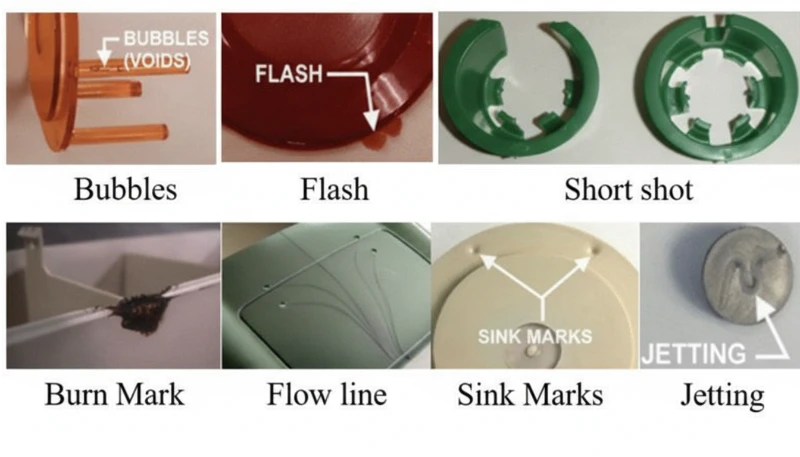
In der Praxis bedeutet dies, dass Sie Ihre Teilekonstruktion vor der Beauftragung eines Serienwerkzeugs einfrieren müssen. Späte Änderungen verursachen nicht nur Kostenüberschreitungen — sie führen auch zu Fehlern wie Einfallstellen, Gratbildung und Blasen, die zusätzliche Werkzeugnacharbeit erfordern. Die größte Einzelursache für Kostenüberschreitungen im Werkzeugbau sind Konstruktionsänderungen nach der T0-Bemusterung. Jede Iteration nach Beginn des Werkzeugbaus ist ein kostenpflichtiger Änderungsauftrag.
Für kleine Stückzahlen unwirtschaftlich
Der Break-even-Punkt zwischen Spritzguss und alternativen Verfahren hängt von der Bauteilkomplexität ab. Als Faustregel gilt jedoch: Unter 5,000 Einheiten macht die Werkzeugamortisation Spritzguss pro Teil teurer als CNC-Bearbeitung, 3D-Druck oder Urethanguss.
Für ein Werkzeug im Wert von $20,000 sieht die Rechnung so aus: Bei 5,000 Teilen entfallen $4.00 Werkzeugkosten auf jedes Teil. Bei 50,000 Teilen sind es $0.40. Bei 500,000 Teilen sinkt der Betrag auf $0.04. Die Kostenkurve fällt steil ab – und genau darum geht es. Spritzgießen belohnt hohe Stückzahlen in außerordentlichem Maß.
Wann ist Spritzguss wirtschaftlich sinnvoll?
Der Break-even-Punkt für das Spritzgießen liegt bei 5,000–10,000 Einheiten, wenn Sie Konsistenz und Komplexität benötigen. Die folgende Tabelle schlüsselt die Entscheidungsfaktoren auf.
| Faktor | Spritzgießen wählen, wenn | Erwägen Sie Alternativen, wenn |
|---|---|---|
| Jahresvolumen | >10,000 Teile/Jahr | <5,000 Teile insgesamt |
| Teil Komplexität | Mehrere Merkmale (Rippen, Dome, Schnapphaken) | Einfache Geometrie, wenige Merkmale |
| Materialanforderungen | Erforderliche spezifische Eigenschaften des Thermoplasts | Materialflexibilität ist akzeptabel |
| Toleranzanforderungen | ±0.005″ oder enger, über alle Teile hinweg konsistent | Große Toleranzen, manuelle Anpassung zulässig |
| Zeitleiste | Kann 6–12 Wochen auf das Werkzeug warten | Teile innerhalb von Tagen oder Wochen benötigt |
Ein häufig übersehener Faktor sind die Kosten, wenn nicht spritzgegossen wird. Wenn Sie jährlich 50,000 Teile per CNC aus Stangenmaterial bearbeiten, kann allein der Materialverlust durch 60–80% Spanbildung die Kosten für den Bau einer Form übersteigen. Wir haben Projekte erlebt, bei denen sich der Wechsel von CNC zum Spritzgießen bereits im ersten Produktionslauf amortisierte.
Wenn Sie diese Abwägungen verstehen, können Sie entscheiden, wann Spritzgießen für Ihr Produktionslos wirtschaftlich sinnvoll ist. Entscheidend ist, das Verfahren auf Ihre Anforderungen an Stückzahl, Komplexität und Zeitplan abzustimmen.
Wie schneidet Spritzguss im Vergleich zu alternativen Verfahren ab?
Gegenüber CNC-Bearbeitung, 3D-Druck und Blasformen bietet Spritzgießen bei hohen Stückzahlen niedrigere Stückkosten, erfordert jedoch höhere Anfangsinvestitionen. Die richtige Wahl hängt von Stückzahl, Terminplan und Geometrieanforderungen ab.
Spritzguss vs. CNC-Bearbeitung
Bei der CNC-Bearbeitung werden Teile aus massiven Kunststoff- oder Metallblöcken herausgearbeitet. Das Verfahren erfordert keine Werkzeuge, erreicht ausgezeichnete Toleranzen (±0.001″) und ermöglicht sofortige Konstruktionsänderungen. Bei komplexen Geometrien fällt jedoch enormer Materialabfall an, die Stückkosten sinken nicht mit dem Volumen und die Geometrien sind durch die Werkzeugzugänglichkeit begrenzt.
Nach unserer Erfahrung wird Spritzgießen bei etwa 5.000 Teilen gleicher Geometrie wirtschaftlicher als CNC-Bearbeitung. Unter 1.000 Teilen oder wenn das Projekt Metall statt Kunststoff erfordert, bleibt CNC die bessere Wahl. Hinweise zur Suche nach dem richtigen Fertigungspartner finden Sie in unserem Beschaffungsleitfaden für das Spritzgießen.
Spritzgießen vs. Blasformen
Beim 3D-Druck (FDM, SLA, SLS) werden Bauteile ohne Werkzeug Schicht für Schicht aufgebaut. Damit lassen sich Geometrien fertigen, die buchstäblich nicht formbar sind, etwa Innenkanäle oder Gitterstrukturen. Die Oberflächengüte ist jedoch gering, die mechanischen Eigenschaften sind schlechter als bei Formteilen, und die Fertigungsgeschwindigkeit pro Teil ist im Vergleich zum Spritzgießen extrem langsam.
Der 3D-Druck ist bei Prototypen, komplexen Innengeometrien und echten Einzelteilen überlegen. Der Spritzguss ist wirtschaftlicher, sobald Sie mehr als 100 Exemplare eines Bauteils benötigen.
Spritzgießen vs. Blasformen
Blasformen ist bei Hohlteilen hervorragend — Flaschen, Tanks und Behälter. Die Werkzeuge sind günstiger, doch die Geometrie ist auf Hohlformen mit relativ großen Toleranzen beschränkt.
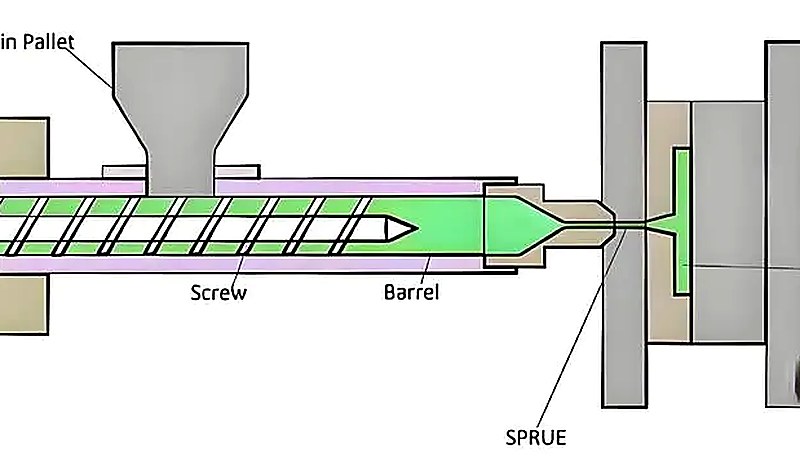
Blasformen ist bei Behältern und Hohlteilen überlegen. Spritzguss ist bei allem anderen überlegen — bei Massivteilen, Merkmalen mit engen Toleranzen und komplexen Geometrien, die einen kontrollierten Schmelzefluss durch den Zylinder in eine Präzisionskavität erfordern, wie im Diagramm der Spritzgießmaschine dargestellt. Luftdruck allein erreicht nicht die Detailtreue und Konsistenz eines geschlossenen Werkzeugs.
Wie lassen sich die Nachteile minimieren?
Die beste Strategie zur Minimierung der Nachteile des Spritzgießens besteht in einer DFM-Prüfung, Prototypenwerkzeugen und bedarfsgerecht ausgelegtem Werkzeugstahl. Diese Strategien setzen wir täglich an 47 Spritzgießmaschinen in unserem Werk in Shanghai ein.
Beginnen Sie mit einer fachgerechten DFM-Prüfung
Eine fertigungsgerechte Konstruktionsprüfung (DFM) vor Beginn des Werkzeugbaus ist die Maßnahme mit dem höchsten ROI in jedem Spritzgießprojekt. Ein geeigneter Leitfaden zur Werkzeugkonstruktion deckt Probleme bei der Wandstärke, unmögliche Hinterschneidungskonfigurationen und unzureichende Entformungsschrägen auf, bevor Stahl bearbeitet wird. Die Korrektur im CAD dauert Minuten. Die Korrektur am Werkzeug dauert Wochen und kostet Tausende Dollar.
In unserem Werk in Shanghai prüfen unsere 8 leitenden Ingenieure mit jeweils 10+ Jahren Erfahrung jede Werkzeugkonstruktion vor Fertigungsbeginn. Das ist keine Zusatzleistung, sondern eine Überlebensstrategie. Die Kosten einer DFM-Prüfung werden in Ingenieurstunden gemessen. Die Kosten eines Verzichts darauf zeigen sich in Werkzeugänderungen und Produktionsverzögerungen.
Unser Werk in Shanghai betreibt 47 Spritzgießmaschinen von 90T bis 1850T und einen eigenen Werkzeugbau. Dadurch kontrollieren wir den gesamten Ablauf von der Werkzeugkonstruktion bis zur Erstmusterprüfung unter einem Dach.
Prototypenwerkzeuge zur Validierung einsetzen
Bevor Sie sich für ein Serienwerkzeug entscheiden, sollten Sie ein Prototypenwerkzeug aus Aluminium erwägen. Es kostet $3,000–$8,000, benötigt 2–3 Wochen und liefert echte Formteile für Funktionstests. Die Aluminiumkavität verschleißt zwar nach 1,000–5,000 Schuss. Erkennt sie jedoch einen Konstruktionsfehler, der eine Änderung des Stahlwerkzeugs erfordert hätte, hat sie sich bereits zehnfach bezahlt gemacht.
Anschnittkonstruktion frühzeitig optimieren
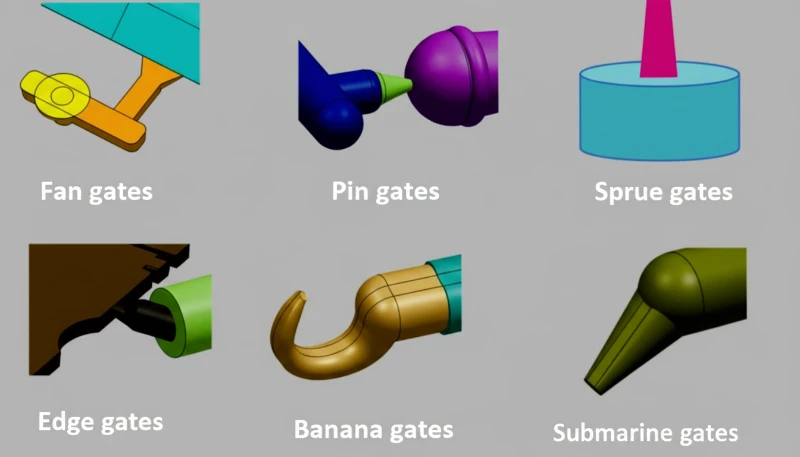
Angussart, -größe und -position beeinflussen die Lage von Bindenähten, den Fließweg, den Nachdruck und die optische Qualität. Eine Änderung des Angusses nach Fertigstellung des Werkzeugs ist möglich, aber teuer. Die Simulation der Angusspositionen per Moldflow-Analyse vor der Stahlbearbeitung ist in jedem kompetenten Spritzgießbetrieb ein Standardschritt.
Gängige Anschnittarten — Randanschnitte, Tunnelanschnitte, Heißspitzenanschnitte und Nadelverschlussanschnitte — haben jeweils spezifische Einsatzbereiche. Den universell „besten“ Anschnitt gibt es nicht; die richtige Wahl hängt von Teilegeometrie, Material, optischen Anforderungen und Produktionsvolumen ab.
Den richtigen Werkzeugwerkstoff auswählen
Nicht jedes Projekt benötigt ein Werkzeug aus gehärtetem Stahl. Eine praktische Richtlinie: Aluminiumwerkzeuge eignen sich für weniger als 10,000 Teile. P20-Stahl eignet sich für 100,000–500,000 Teile. Gehärteter H13- oder S7-Stahl eignet sich für Millionen von Teilen. Eine überhöhte Stahlspezifikation ist eine häufige Ursache unnötiger Werkzeugkosten.
Im Werk von ZetarMold in Shanghai betreiben wir 47 Spritzgießmaschinen von 90T bis 1850T und verarbeiten mehr als 400 Kunststoffmaterialien. Unser interner Formenbau und 8 erfahrene Ingenieure verzahnen DFM-Prüfung, Werkzeugbau, Bemusterung und Prozessoptimierung vor der Produktionsfreigabe.
Über ZetarMold — Ihren Spritzgusshersteller
Suchen Sie einen zuverlässigen Spritzgusshersteller? ZetarMold liefert monatlich 100+ Präzisionsformen mit Expertise in 400+ Materialien. Kostenloses Angebot anfordern →
Häufig gestellte Fragen
Ab welcher Mindestmenge ist Spritzgießen wirtschaftlich?
Im Allgemeinen liegt der Break-even-Punkt bei 5,000–10,000 Einheiten; ab dieser Stückzahl ist die Amortisation des Werkzeugs vertretbar. Darunter sind CNC-Bearbeitung oder Urethanguss je Bauteil in der Regel wirtschaftlicher. Der genaue Schwellenwert hängt von der Komplexität des Bauteils ab — ein einfaches Bauteil kann den Break-even bei 3,000 Einheiten erreichen, während ein komplexes Mehrkavitätenwerkzeug 20,000+ Einheiten benötigen kann, um die Investition zu rechtfertigen.
Wie lange hält eine Spritzgussform?
Die Formstandzeit hängt von der Stahlsorte und der Abrasivität des verarbeiteten Materials ab. Eine Form aus P20-Stahl kann mit unverstärktem Polypropylen 500,000+ Teile herstellen, bevor eine umfangreiche Wartung erforderlich wird. Dieselbe Form muss bei glasfaserverstärktem Nylon möglicherweise nach 100,000–200,000 Teilen überholt werden. Formen aus gehärtetem Stahl (H13, S7) können bei ordnungsgemäßer Wartung mehr als 1 Million Schüsse erreichen.
Können im Spritzguss Teile mit Gewinden hergestellt werden?
Ja. Außengewinde können mit Schiebern oder rotierenden Kernen in Ausschraubwerkzeugen geformt werden. Innengewinde erfordern Ausschraubmechanismen, die Komplexität und Kosten des Werkzeugs erheblich erhöhen – abhängig von Gewindegröße und -anzahl üblicherweise um zusätzliche $5,000–$15,000. Bei Anwendungen mit kleinen Stückzahlen sind nachträglich per Ultraschall oder Wärme eingesetzte Gewindeeinsätze häufig wirtschaftlicher.
Welche Materialien lassen sich nicht spritzgießen?
Nach der Verarbeitung von über 400 Thermoplasttypen können wir bestätigen: Duroplaste (Epoxide, Phenolharze, Silikone) können nicht auf herkömmlichen Thermoplast-Spritzgießmaschinen verarbeitet werden — sie erfordern spezielle Transfer- oder Formpressanlagen. Unter den Thermoplasten sind nur sehr wenige gängige Materialien tatsächlich „nicht spritzgießbar“. PTFE (Teflon) ist eine Ausnahme — seine extrem hohe Schmelzeviskosität macht konventionelles Spritzgießen unpraktisch, weshalb es üblicherweise durch Formpressen oder Ram-Extrusion verarbeitet wird.
Wie beeinflusst die Bauteilgröße die Wahl des Spritzgießverfahrens?
Die Bauteilgröße bestimmt die erforderliche Maschinen-Schließkraft. Eine kleine elektronische Klammer benötigt möglicherweise nur eine 50-Tonnen-Maschine. Ein großer Automobilstoßfänger erfordert 1.500 Tonnen oder mehr. Die Verfügbarkeit der Maschinen-Schließkraft ist eine praktische Einschränkung – nicht jeder Spritzgießer verfügt über Großtonnage-Ausrüstung. In unserer eigenen Werkstatt bearbeitet die 1850-Tonnen-Maschine Teile bis zu 10 kg, was die meisten Automobil- und Industrieanwendungen abdeckt.
Ist Spritzgießen umweltfreundlich?
Der Prozess selbst ist relativ effizient – Angussreste und Ausschussteile können für unkritische Anwendungen (Re-Granulat) zerkleinert und wiederaufbereitet werden. Der ökologische Fußabdruck hängt jedoch stark vom Material ab. Biobasierte und recycelte Thermoplaste sind zunehmend verfügbar. Die größere Umweltfrage ist die Lebensdauerende: Thermoplaste sind theoretisch recycelbar, aber Baugruppen aus gemischten Materialien oft nicht.
Welche Toleranzen kann das Spritzgießen erreichen?
Standardmäßige kommerzielle Toleranzen betragen ±0,005″ (±0,127 mm) für Abmessungen unter 1 Zoll. Feintoleranzen von ±0,002″ (±0,05 mm) sind mit sorgfältiger Prozesskontrolle und Formenentwurf erreichbar. Toleranzen für größere Abmessungen skalieren mit der Größe – typischerweise ±0,1–0,3 % der Nennabmessung. Engere Toleranzen sind möglich, erhöhen aber die Formkosten und erfordern eine strengere Prozessüberwachung.
Häufig gestellte Fragen
Was ist der wichtigste Faktor bei der Entscheidung zwischen Spritzgießen und anderen Verfahren?
Der wichtigste Faktor ist die jährliche Produktionsmenge. Das Spritzgießen erfordert eine Vorabinvestition in das Werkzeug von 10.000 bis 250.000 USD, die sich erst effektiv ab 5.000 bis 10.000 Einheiten pro Lauf amortisiert. Unterhalb dieser Schwelle bieten CNC-Bearbeitung oder 3D-Druck niedrigere Stückkosten bei deutlich schnellerer Markteinführungszeit. Für Käufer, die Fertigungsoptionen bewerten, ist die Mengenschwelle die erste Berechnung; die Bauteilkomplexität und Materialauswahl sind sekundäre Überlegungen, die erst relevant werden, nachdem die Menge die Prozesswahl rechtfertigt. Dies verhindert, dass frühe Werkzeugkosten zu einer Fixkostenfalle werden.
Wie sollten Käufer einen Spritzgießlieferanten bewerten?
Bewerten Sie Lieferanten in drei Dimensionen: technische Fähigkeiten, Kommunikationsqualität und Produktionsinfrastruktur. Technische Fähigkeiten bedeuten hausinterne Formenkonstruktion mit Fließanalysesoftware und einem DFM-Prüfprozess. Kommunikationsqualität bedeutet Englischkenntnisse für technische Diskussionen, nicht nur für den Verkauf. Produktionsinfrastruktur bedeutet einen Maschinen-Schließkraftbereich, der Ihre Bauteilgröße abdeckt, Materialverarbeitungserfahrung mit Ihrem spezifischen Harz und Qualitätsmanagementsysteme wie ISO 9001. Ein Lieferant, der seinen Prozessfenster nicht erklären oder relevante Produktionsmuster zeigen kann, ist ein Risiko – unabhängig vom Preis.
Wann erfordert ein Spritzgießprojekt eine Lieferantenprüfung während der Produktion?
Die Lieferantenprüfung ist bei drei Produktionsmeilensteinen entscheidend: Die Erstmusterprüfung nach Formenfertigstellung bestätigt, dass der Hohlraum Teile innerhalb der Maßtoleranz produziert, die Produktionsfreigabe legt die Prozessparameter für Schuss-zu-Schuss-Konsistenz fest, und jede Änderung des Harztyps, Farbmittels oder der Bauteilgeometrie löst eine obligatorische Revalidierung aus. Das Überspringen dieser Prüfungen ist die häufigste Ursache für Qualitätsstreitigkeiten zwischen Käufern und Spritzgießern. Ein disziplinierter Lieferant wird diese Kontrollpunkte proaktiv planen, anstatt zu warten, bis Probleme während der Serienproduktion auftauchen. Dies hält die Abnahmekriterien vor dem Versand sichtbar.
Warum bestimmt die Qualität des Formenentwurfs den Erfolg des Spritzgießens?
Der Formenentwurf bestimmt die Kühleffizienz, die Angussplatzierung, die Luftabsaugung und die Auswerferzuverlässigkeit – alles Faktoren, die sich direkt auf die Bauteilqualität, die Zykluszeit und die Produktionskosten auswirken. Eine schlecht entworfene Form erzeugt Fehler (Einfallstellen, Verzug, unvollständige Füllung), die durch keine noch so feine Prozesseinstellung vollständig korrigiert werden können. Ein guter Formenentwurf umfasst eine ordnungsgemäße Kühlkanalanordnung, einen geeigneten Angusstyp und -ort, ausreichende Schrägen und die Berücksichtigung gleichmäßiger Wandstärken. Die Investition in eine Fließanalyse vor dem Stahlzuschnitt spart typischerweise 10–30 % der gesamten Werkzeugkosten, da Nacharbeiten vermieden werden.
Wie kann ZetarMold bei Spritzgießentscheidungen helfen?
ZetarMold bietet integriertes Formendesign, Werkzeugbau und Spritzgussproduktion von seinem Standort in Shanghai aus. Mit 47 Maschinen von 90T bis 1850T, einer eigenen Formenwerkstatt, die monatlich über 100 Formen produziert, und praktischer Erfahrung mit mehr als 400 thermoplastischen Materialien, bietet das Ingenieurteam DFM-Überprüfung, Formfüllsimulation und Prozessoptimierung als Standardprojektdienstleistungen anstatt als optionale Zusatzleistungen. Fordern Sie ein Angebot an, um spezifisches DFM-Feedback und einen realistischen Produktionszeitplan für Ihre Bauteilgeometrie und Materialanforderungen zu erhalten. Dies macht die nächste Beschaffungsentscheidung schneller und evidenzbasiert.
Spritzgießen: Spritzgießen ist ein Produktionsverfahren, bei dem Kunststoff geschmolzen, in eine Werkzeugkavität eingespritzt, das Bauteil gekühlt und der Zyklus für eine stabile Serienfertigung wiederholt wird. ↩
Spritzgießwerkzeug: Ein Spritzgießwerkzeug ist das Präzisionswerkzeug, das Teilegeometrie, Kühlverhalten, Auswerfen, Anschnitt, Oberflächenqualität und Wiederholgenauigkeit bestimmt. ↩
Kunststoff: Kunststoff ist eine Werkstofffamilie, deren Fließverhalten, Schwindung, Festigkeit, Wärmebeständigkeit, optische Qualität, Zykluszeit und Langzeitverhalten die Entscheidungen beim Formen prägen. ↩