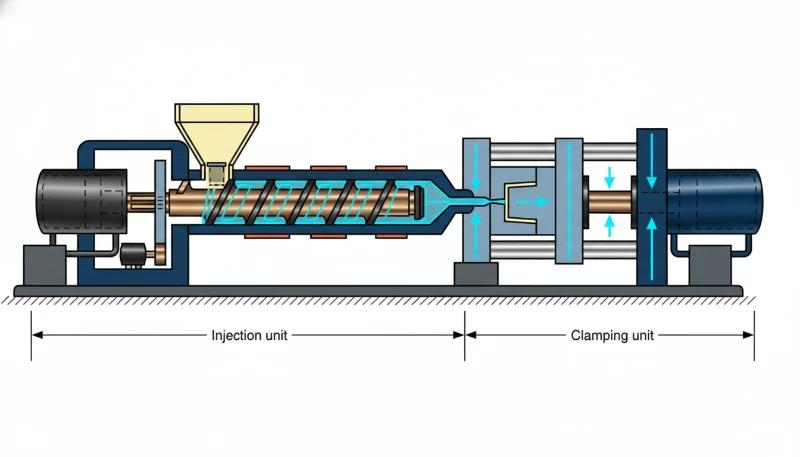
- Enjeksiyon kalıplama, dar toleranslı (±0.002″) karmaşık plastik parçaların yüksek hacimli üretiminde üstün performans sağlar.
- Peşin kalıp maliyeti ($10K–$200K+) en büyük engeldir ve başabaş noktasına ulaşmak için 5,000+ parça gerektirir.
- Malzeme seçimi 400+ termoplastiği kapsar, ancak her malzeme özel proses parametreleri gerektirir.
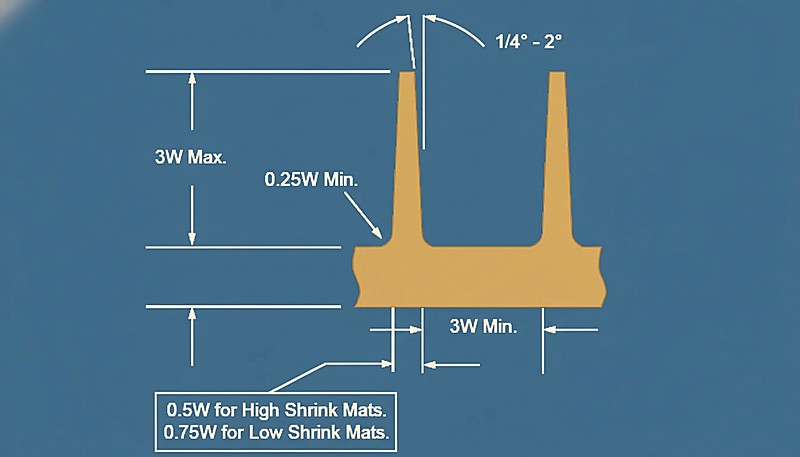
- Eşit et kalınlığı ve kalıp çıkış açıları gibi tasarım kısıtları, üretilebilirlik açısından vazgeçilmezdir.
- İş ortağı seçimi proses optimizasyonundan daha önemlidir; yanlış kalıp atölyesinin maliyeti, herhangi bir tasarım iyileştirmesinin sağlayacağı tasarrufu aşar.
Enjeksiyon kalıplama1 seçeneklerini karşılaştıran okurlar için bu makale, bir projenin tasarımdan tekrarlanabilir üretime geçip geçemeyeceğini belirleyen enjeksiyon kalıbı2, plastik3 malzeme davranışı, tedarikçi bulma ve kalite kontrol kararlarını birbirine bağlar.
Enjeksiyon Kalıplamayı Yatırıma Değer Kılan Nedir?
Enjeksiyon kalıplama, 5,000’den fazla özdeş parçaya ihtiyaç duyduğunuzda yatırıma değer; yalnızca 50 prototipe ihtiyacınız varsa kötü bir seçimdir. Temel denge basittir: hacimli üretimde son derece düşük parça başı maliyet karşılığında yüksek bir peşin takım maliyeti ödersiniz.
Daha geniş bir bakış için enjeksiyon kalıplama eksiksiz kılavuzumuz prosesin temellerini, malzeme davranışını ve üretim kararlarını ele alır.
"“Enjeksiyon kalıplamayla ±0.002 inches toleranslı parçalar üretilebilir.”"True
Doğru kalıp tasarımı ve proses kontrolüyle enjeksiyon kalıplamada düzenli olarak ±0.002″ (±0.05 mm) tolerans elde edilir. Standart ticari tolerans ±0.005″'tir.
"“Enjeksiyon kalıplama, 500 kadar az sayıda özdeş parçanın üretiminde uygun maliyetlidir.”"False
500 parçada yalnızca takım amortismanı parça başına $20–$400 ekleyebilir; bu da CNC işlemeyi veya üretan dökümü çok daha ekonomik kılar. Tipik başabaş noktası 5,000+ parçadır.
Süreç, termoplastik granüllerin eritilmesi, eriyiğin yüksek basınçla çelik kalıp gözüne enjekte edilmesi, soğutulması ve bitmiş parçanın çıkarılmasıyla işler. Tek çevrim küçük bir parçada 8 saniye kadar kısa, büyük bir yapısal bileşende 60 saniyeden uzun olabilir. Binlerce veya milyonlarca kez tekrarlanan bu hız, ekonomiyi sağlar.
Bu proses, plastik bileşenlerin seri üretimine hâkimdir. Günümüzde üretilen tüm plastik parçaların yaklaşık 80%‘i enjeksiyon kalıplamayla üretilir. Otomotiv gösterge panellerinden tıbbi şırıngalara ve cebinizdeki telefonun muhafazasına kadar her yerde kullanılır.
Ancak “her yerde” olması “her zaman doğru” olduğu anlamına gelmez. Enjeksiyon kalıplama hassas takım, dikkatli malzeme seçimi ve sıkı proses kontrolü gerektirir. Bu koşullar sağlandığında benzersiz tutarlılık ve karmaşıklık sunar. Sağlanmadığında ise hurda üretir.
Enjeksiyon Kalıplamanın Başlıca Avantajları Nelerdir?
Temel avantajlar hız, hassasiyet ve malzeme çeşitliliğidir. Yüksek hacimli üretim (tek kalıptan günde binlerce parça), tek atışta karmaşık geometriler ve 400+ termoplastik malzemeye erişim, tedarik kararlarınızı doğrudan etkiler.
"“Tek bir enjeksiyon kalıbı bir milyondan fazla üretim çevrimi dayanabilir.”"True
Aşındırıcı olmayan malzemelerle çalışan sertleştirilmiş çelik kalıplar (H13, S7), uygun bakımla 1,000,000 baskıyı aşabilir. Standart P20 kalıplar genellikle 100,000–500,000 baskıya ulaşır.
"“Kalıp imalatından sonraki tasarım değişiklikleri hızlı ve ucuzdur.”"False
Kalıp üretimi sonrasındaki tasarım değişiklikleri, karmaşıklığa bağlı olarak $1,000–$15,000+ aralığındadır. Çelik eklemek (plastiği azaltmak), çelik kaldırmaktan (plastik eklemek) daha kolaydır; ancak her ikisi de kalıbın yeniden işlenmesini gerektirir.
Yüksek Hacim Verimliliği
Kalıp üretildikten ve kalifiye edildikten sonra çevrim süreleri saniyelerle ölçülür. 50 gramlık bir ABS muhafaza üreten tek gözlü kalıp, 15 saniyelik bir çevrimle çalışabilir. Bu, tek bir makineden saatte 240 ve günde 5,760 parça demektir. Çok gözlü kalıplar bunu daha da artırır; aynı çevrim süresine sahip 4 gözlü bir kalıp günde yaklaşık 23,000 parça üretir.
Yüksek hacimde parça başı maliyet son derece düşüktür. Reçine sınıfı ve parça ağırlığına göre malzeme maliyeti çoğunlukla parça başına $0.50–$5.00 ile baskındır. Makine süresi ve işçilik $0.10–$0.50 daha ekler. Yüksek hacimli basit parçalarda toplam üretim maliyeti birim başına $0.10 altına düşebilir.
Tek İşlemde Karmaşık Geometriler
Bir CNC makinesinde birden fazla kurulum gerektirecek nervürler, babalar, geçmeli bağlantılar, film menteşeler ve iç dişler gibi unsurlar tek baskıda kalıplanabilir. Burada amaç yalnızca zaman kazanmak değil, montaj adımlarını tamamen ortadan kaldırmaktır. Tek bir kalıplanmış parça, üç veya dört ayrı bileşenden oluşan bir montajın yerini alabilir.
Bununla birlikte karmaşıklığın sınırları vardır. Ters açılar, kalıp maliyetini 30–80% artıran yan hareketler veya eğik iticiler gerektirir. İç dişler, vida sökme mekanizmaları gerektirir. Derin çekmelerde kalıp açısı dikkatle yönetilmelidir. Neyin uygulanabilir olduğunu doğrudan kalıp üreticisinin mühendislik kabiliyeti belirler; iş ortağı seçimi bu nedenle çok önemlidir.
Dar Toleranslar ve Yüksek Tekrarlanabilirlik
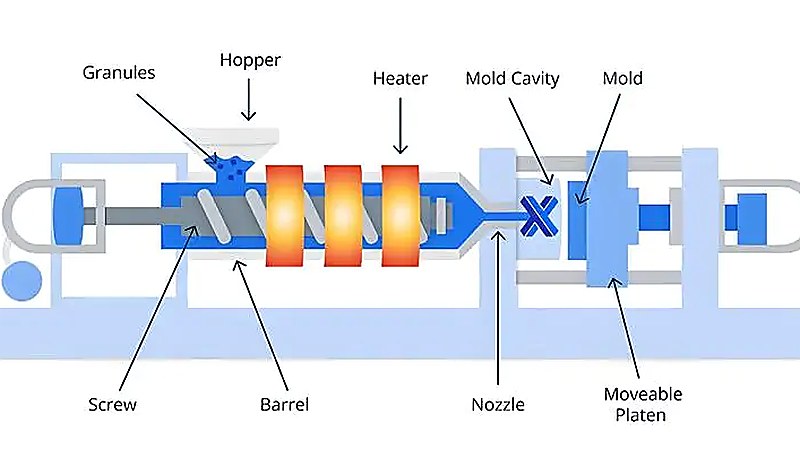
Bakımı iyi yapılmış bir kalıp, doğru kalibre edilmiş bir makinede — şemada gösterilen kovan, huni ve vidanın tümü spesifikasyon dahilindeyken — ±0.005” (±0.127 mm) boyutsal toleransı rutin olarak, dikkatli proses kontrolü ve hassas enjeksiyon kalıbı tasarımıyla ±0.002” (±0.05 mm) toleransı korur. Kararlı bir proseste atışlar arası değişim inçin binde biriyle ölçülür. Kalıbın bakımı yapıldığı sürece bu tutarlılık binlerce, yüz binlerce veya milyonlarca çevrim boyunca sürer.
20+ yıllık üretim deneyimimizde bu tekrarlanabilirlik, düzenlemeye tabi sektörlerde kritik önem taşır. Tıbbi cihaz muhafazaları, otomotiv güvenlik bileşenleri ve tüketici elektroniği; 100,000 numaralı parçanın boyutsal olarak 1 numaralı parçayla aynı olmasına dayanır.
Geniş Malzeme Seçimi
Enjeksiyon kalıplama için PP ve HDPE gibi emtia reçinelerinden PEEK ve PEI gibi mühendislik sınıflarına kadar 400’den fazla ticari termoplastik sınıfı mevcuttur. Malzeme seçimi; çevrim süresi, kalıp sıcaklığı, kurutma gereksinimleri, büzülme telafisi ve nihai kullanım performansı dahil hemen her sonraki kararı belirler.
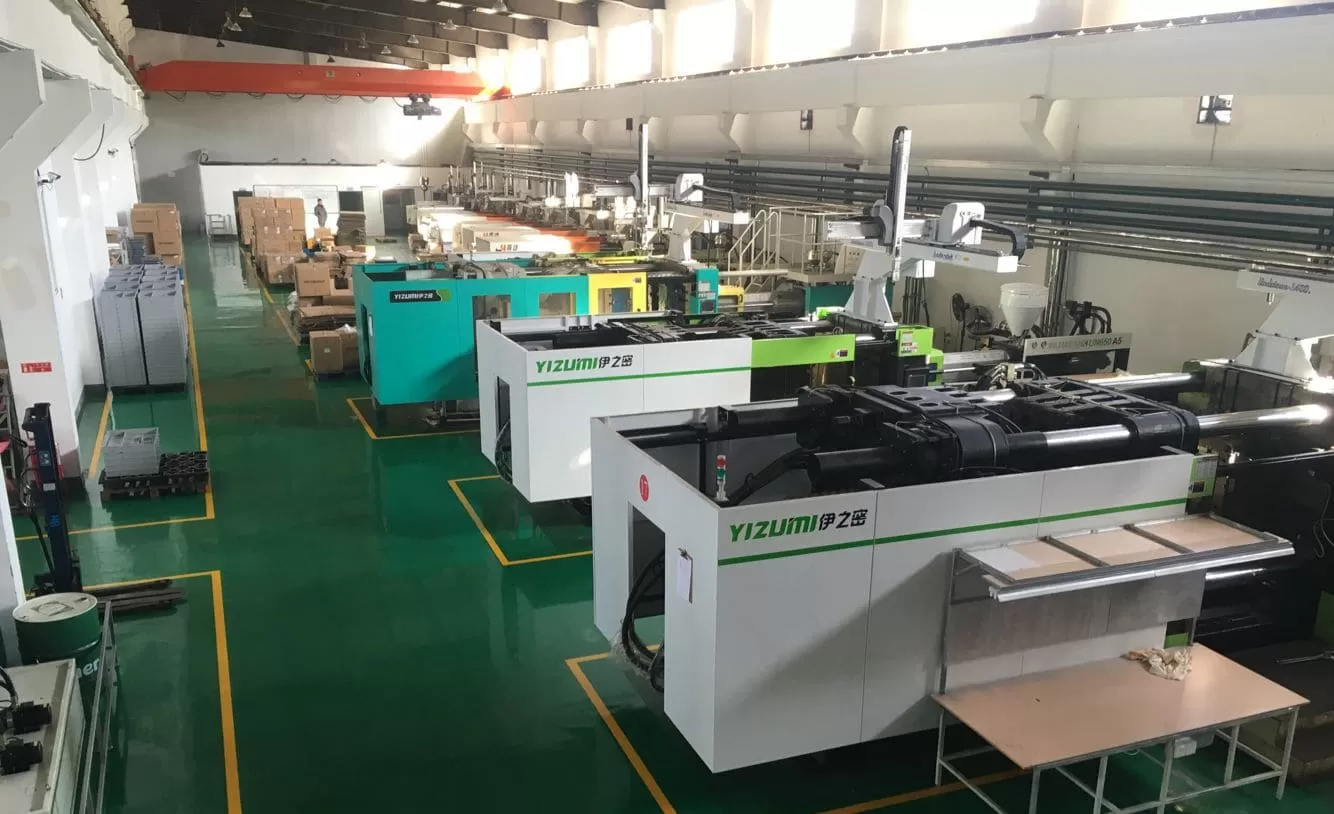
Kendi üretim tesisimizde, üst kalıplı tutamaklara yönelik esnek TPE’lerden yapısal otomotiv bileşenleri için cam elyaf takviyeli naylona kadar 400’ün üzerinde farklı malzemeyi 47 enjeksiyon kalıplama makinesinde işliyoruz. 90T ila 1850T tonaj aralığı sayesinde, projeyi yanlış pres boyutuna zorlamadan 2-gramlık tıbbi bir klipsten 10 kg ağırlığında otomotiv veya endüstriyel parçaya kadar her ürünü işleyebiliyoruz.
Minimum Son İşlem
Talaş üreten ve finisaj işlemleri gerektiren CNC işlemenin aksine enjeksiyon kalıplama, net şekilli parçaları doğrudan kalıptan üretir. Gerektiğinde ikincil işlemler genellikle giriş ayırma, yüzey finisajı (doku veya boya) ve montajla (insert takma, ultrasonik kaynak) sınırlıdır. Birçok parçada tek son işlem yolluğun ayrılmasıdır.
Enjeksiyon Kalıplamanın Başlıca Dezavantajları Nelerdir?
Başlıca dezavantajlar yüksek ilk kalıp maliyeti, uzun termin süreleri, katı tasarım kuralları ve 5,000 parçanın altındaki zayıf maliyet ekonomisidir. CNC veya 3D baskıdan geçiş yapan mühendisler çoğu zaman bu kısıtlara hazırlıksız yakalanır.
Yüksek İlk Kalıp Maliyeti
P20 çelikten tek kaviteli bir üretim kalıbı, basit bir parça için $10,000–$30,000 tutar. Yan hareketler, eğik iticiler ve dar toleranslar içeren çok kaviteli bir kalıp kolayca $100,000’ı aşabilir. Karmaşık otomotiv veya medikal kalıplar düzenli olarak $150,000–$250,000 seviyesine ulaşır.
Bu maliyet yalnızca çelik ve işlemeden ibaret değildir. Kalıp tasarımını, akış analizini, birden fazla revizyonu (T0, T1, T2 numuneleri) ve yüzey işlemini içerir. Kalıp, bir enjeksiyon kalıplama projesindeki en büyük tek yatırımdır ve geri kazanılamaz; tek bir parça geometrisi için tasarlanan kalıbı başka bir amaçla kullanamazsınız.
Takımlamada Uzun Termin Süreleri
Kalıp üretimi, karmaşıklığa bağlı olarak 4–12 hafta sürer. Basit, tek gözlü bir alüminyum kalıp 3–4 haftada hazır olabilir. Birden fazla yan hareket içeren üretim sınıfı çelik kalıp ise genellikle 8–12 hafta sürer. Bu sürede parça üretmeden harcama yaparsınız.
Bu teslim süresi nedeniyle prototipleme ve düşük hacimli üretimde genellikle alüminyum kalıplar (daha yumuşak, daha hızlı işlenir, ömrü daha kısadır) veya alternatif prosesler kullanılır. Üretim kalıpları doğru iş için doğru araçtır; ancak yalnızca yatırım yapacak zamanınız varsa.
Tasarım Kısıtlarından Taviz Verilemez
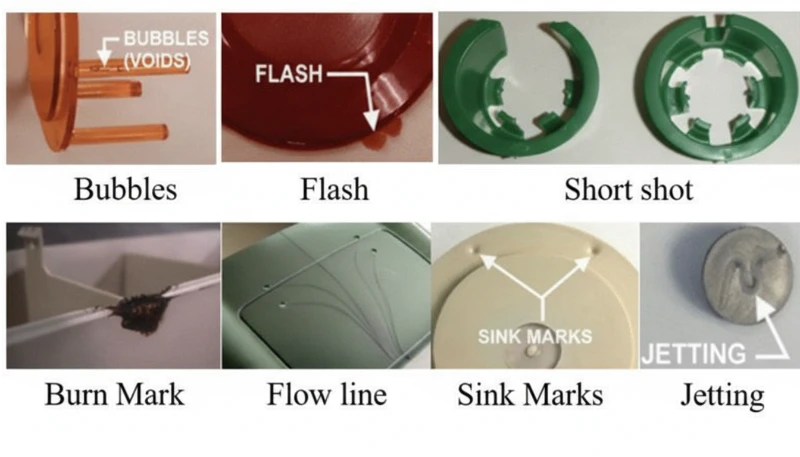
Enjeksiyon kalıplama, tasarımla aşılamayacak katı tasarım kuralları getirir. Homojen cidar kalınlığı kritiktir — farklılıklar çöküntü izlerine, çarpılmaya ve düzensiz soğumaya neden olur. Parçanın çıkarılması için her tarafta 1–3° kalıptan çıkma açısı gerekir. Keskin iç köşeler gerilim yığılmaları oluşturur ve radyüslendirilmelidir.
Müşterilerin bu kuralları hafife aldığı sayısız proje gördük. Bunlar öneri değildir — kuralları ihlal eden parçalar ya kalıplama sırasında (eksik dolum, çökme izi, kalıba yapışma) ya da kullanım sırasında (gerilim yığılmalarında çatlama) başarısız olur. İyi kalıp tasarımı bazı sorunları azaltabilir ancak temelden hatalı parça geometrisini düzeltemez.
Zor ve Pahalı Tasarım Değişiklikleri
Çelik kalıp bir kez işlendiğinde tasarım değişiklikleri pahalıdır. Malzeme eklemek (steel safe) nispeten basittir — kalıp boşluğundan çelik çıkarırsınız. Malzeme çıkarmak (çelik eklemek), kalıbı zayıflatan ve daha pahalı olan kaynak veya insert uygulamasını gerektirir. Büyük geometri değişiklikleri, kalıbın tüm bölümlerinin yeniden yapılmasını gerektirebilir.
Uygulamada bu, üretim kalıbına geçmeden önce parça tasarımınızı kesinleştirmeniz gerektiği anlamına gelir. Geç yapılan değişiklikler yalnızca maliyet aşımına yol açmaz; ayrıca çökme izi, çapak ve kabarcık oluşumu gibi, kalıpta ek düzeltme gerektiren kusurlara neden olur. Kalıp maliyeti aşımlarının en büyük tek kaynağı, T0 numune alımından sonra yapılan tasarım değişiklikleridir. Takım imalatı başladıktan sonraki her yineleme, bir bedeli olan değişiklik emridir.
Düşük Hacimlerde Ekonomik Değildir
Enjeksiyon kalıplama ile alternatif prosesler arasındaki başabaş noktası parça karmaşıklığına bağlıdır; ancak genel kural şudur: 5,000 adedin altında kalıp amortismanı, enjeksiyon kalıplamada parça başı maliyeti CNC işleme, 3D baskı veya üretan döküme göre yükseltir.
$20,000 tutarındaki bir kalıp için hesap şöyledir: 5,000 parçada takım maliyeti parça başına $4.00 ekler. 50,000 parçada $0.40 ekler. 500,000 parçada ise $0.04’e düşer. Maliyet eğrisi diktir; amaç da budur. Enjeksiyon kalıplama hacmi fazlasıyla ödüllendirir.
Enjeksiyon Kalıplama Ne Zaman Ekonomik Açıdan Mantıklıdır?
Tutarlılık ve karmaşıklık gerektiğinde enjeksiyon kalıplamanın başabaş noktası 5,000–10,000 adettir. Aşağıdaki tablo karar faktörlerini ayrıntılı olarak gösterir.
| Faktör | Şu Durumlarda Enjeksiyon Kalıplamayı Seçin | Şu Durumlarda Alternatifleri Değerlendirin |
|---|---|---|
| Yıllık Hacim | >10,000 parça/yıl | Toplam <5,000 parça |
| Parça Karmaşıklığı | Birden fazla özellik (nervürler, federler, geçmeler) | Basit geometri, az sayıda özellik |
| Malzeme Gereksinimleri | Gerekli belirli termoplastik özellikleri | Malzeme esnekliği kabul edilebilir |
| Tolerans Gereksinimleri | ±0.005″ veya daha dar, tüm parçalarda tutarlı | Geniş toleranslar, elle alıştırma kabul edilebilir |
| Zaman Çizelgesi | Takımlandırma için 6–12 hafta bekleyebilir | Parçalara günler veya haftalar içinde ihtiyaç var |
Sıklıkla gözden kaçan bir etken, enjeksiyon kalıplama yapmamanın maliyetidir. Çubuk stoktan yılda 50,000 parçayı CNC ile işliyorsanız yalnızca malzeme israfı (60–80% talaş oluşumu) bir kalıp üretme maliyetini aşabilir. CNC’den kalıplamaya geçişin, ilk üretim partisinde kalıp yatırımını karşıladığı projeler gördük.
Bu ödünleşimleri anlamak, enjeksiyon kalıplamanın üretim seriniz için hangi durumda finansal açıdan anlamlı olduğuna karar vermenize yardımcı olur. Önemli olan süreci hacim gereksinimleriniz, karmaşıklık ve zaman çizelgesiyle eşleştirmektir.
Enjeksiyon Kalıplama Alternatif Proseslerle Nasıl Karşılaştırılır?
CNC, 3D baskı ve şişirme kalıplamayla karşılaştırıldığında enjeksiyon kalıplama, hacimli üretimde parça başı maliyet açısından üstünken başlangıç yatırımı açısından geride kalır. Doğru seçim hacim, zaman çizelgesi ve geometri gereksinimlerinize bağlıdır.
Enjeksiyon Kalıplama ve CNC İşleme Karşılaştırması
CNC işleme, parçaları katı plastik veya metal bloklardan keser. Kalıp gerektirmez, mükemmel toleranslar (±0.001″) sağlar ve tasarım değişikliklerini anında uygular. Ancak karmaşık geometrilerde malzeme israfı çok yüksektir, parça başı maliyet hacimle azalmaz ve geometriler takım erişimiyle sınırlıdır.
Deneyimlerimize göre enjeksiyon kalıplama, aynı geometride yaklaşık 5,000 parçadan itibaren CNC’den daha ekonomik olur. 1,000 parçanın altında veya proje plastik yerine metal gerektirdiğinde CNC daha iyi seçimdir. Doğru üretim ortağını bulma konusunda enjeksiyon kalıplama tedarik kılavuzumuza bakın.
Enjeksiyon Kalıplama ve Şişirme Kalıplama
3D baskı (FDM, SLA, SLS), hiç takım gerektirmeden parçaları katman katman oluşturur. Kalıplanması gerçekten imkânsız geometrileri (iç kanallar, kafes yapılar) işleyebilir. Ancak yüzey kalitesi düşüktür, mekanik özellikler kalıplanmış parçalardan zayıftır ve parça başına üretim hızı kalıplamaya kıyasla son derece düşüktür.
3D baskı; prototipleme, karmaşık iç geometriler ve gerçekten tek seferlik parçalar için üstündür. 100 adetten fazla gereken tüm parçalarda enjeksiyon kalıplama üstündür.
Enjeksiyon Kalıplama ve Şişirme Kalıplama
Şişirme kalıplama içi boş parçalarda — şişeler, tanklar, kaplar — üstünlük sağlar. Kalıp donanımı daha ucuzdur, ancak geometri nispeten geniş toleranslı içi boş şekillerle sınırlıdır.
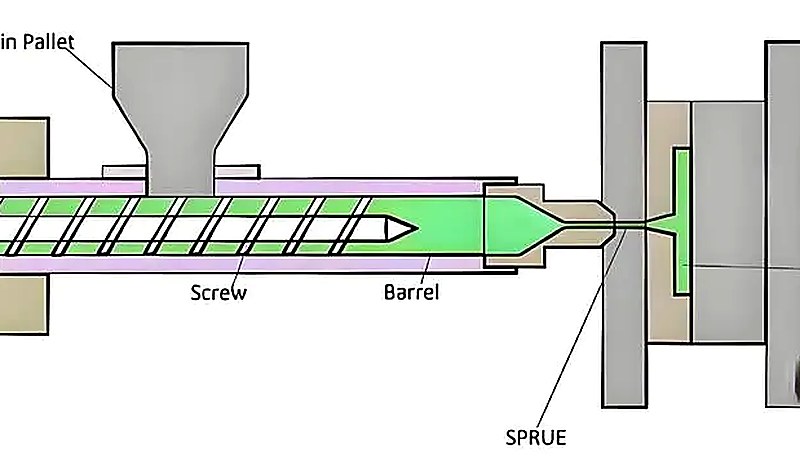
Şişirme kalıplama, kaplar ve içi boş parçalar için üstündür. Enjeksiyon kalıplama ise diğer her şeyde — katı parçalar, dar toleranslı özellikler ve enjeksiyon kalıplama makinesi diyagramında gösterildiği gibi silindirden hassas bir kaviteye kontrollü eriyik akışı gerektiren karmaşık geometrilerde — üstündür. Hava basıncı tek başına kapalı bir kalıbın sağladığı ayrıntı ve tutarlılığı elde edemez.
Dezavantajları Nasıl En Aza İndirebilirsiniz?
Enjeksiyon kalıplamanın dezavantajlarını en aza indirmek için en iyi strateji; DFM incelemesi, prototip kalıplar ve uygun boyutlandırılmış kalıp çeliğidir. Şanghay tesisimizdeki 47 enjeksiyon makinesinde bu stratejileri her gün uyguluyoruz.
Doğru Bir DFM İncelemesiyle Başlayın
Takım üretimi başlamadan önce Üretilebilirlik için Tasarım (DFM) incelemesi, herhangi bir enjeksiyon kalıplama projesindeki en yüksek yatırım getirili faaliyettir. Uygun bir kalıp tasarım kılavuzu, çelik kesilmeden önce cidar kalınlığı sorunlarını, imkânsız ters açı düzenlerini ve yetersiz kalıp çıkış açılarını yakalar. Bunları CAD’de düzeltmek dakikalar, kalıpta düzeltmek ise haftalar ve binlerce dolar sürer.
Şanghay tesisimizde her biri 10+ yıllık deneyime sahip 8 kıdemli mühendisimiz, üretim başlamadan önce her kalıp tasarımını inceler. Bu katma değerli hizmet değil, hayatta kalma stratejisidir. DFM incelemesinin maliyeti mühendislik saatleriyle ölçülür. Atlamanın maliyeti ise kalıp revizyonları ve üretim gecikmeleriyle ölçülür.
Shanghai fabrikamız, 90T ile 1850T arasında 47 enjeksiyon kalıplama makinesi ve tesis içi kalıp üretim birimiyle çalışır; böylece kalıp tasarımından ilk parça muayenesine kadar tüm iş akışını tek çatı altında kontrol ederiz.
Doğrulama İçin Prototip Takım Kullanın
Üretim kalıbına karar vermeden önce alüminyum bir prototip kalıbı değerlendirin. Maliyeti $3,000–$8,000, yapım süresi 2–3 haftadır ve işlevsel test için gerçek kalıplanmış parçalar sağlar. Alüminyum kavite 1,000–5,000 baskıdan sonra aşınacaktır. Ancak çelik kalıpta revizyon gerektirecek bir tasarım kusurunu yakalarsa maliyetini on kat karşılamış olur.
Yolluk Ağzı Tasarımını Erken Optimize Edin
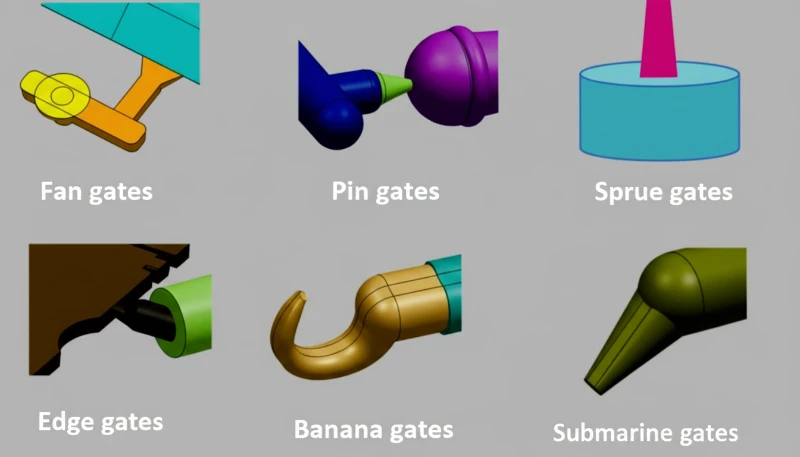
Yolluk girişinin türü, boyutu ve konumu; kaynak çizgisinin yerini, akış uzunluğunu, ütüleme basıncını ve kozmetik görünümü etkiler. Kalıp üretildikten sonra yolluk girişini değiştirmek mümkündür ancak pahalıdır. Çelik işlenmeden önce kalıp akış analiziyle yolluk giriş konumlarını simüle etmek, yetkin her enjeksiyon kalıplama tesisinde standart bir adımdır.
Yaygın yolluk giriş tiplerinin — kenar girişleri, tünel girişleri, sıcak uçlu girişler, valf girişleri — her birinin özel kullanım alanları vardır. Evrensel olarak “en iyi” giriş yoktur; doğru seçim parça geometrisine, malzemeye, kozmetik gereksinimlere ve üretim hacmine bağlıdır.
Doğru Kalıp Malzemesini Seçin
Her proje sertleştirilmiş çelik kalıp gerektirmez. Pratik kılavuz şöyledir: alüminyum kalıplar 10,000 parçanın altına uygundur. P20 çelik 100,000–500,000 parça için uygundur. H13 veya S7 sertleştirilmiş çelik milyonlarca parçayı karşılar. Kalıp çeliğini gerekenden yüksek sınıfta belirlemek, kalıp yatırımında para kaybetmenin yaygın bir yoludur.
ZetarMold Şanghay fabrikasında 90T ile 1850T arasında 47 enjeksiyon makinesi çalıştırıyor ve 400+ plastik malzemeyi destekliyoruz. Şirket içi kalıp üretim tesisimiz ve 8 kıdemli mühendisimiz, üretim onayından önce DFM incelemesini, kalıp imalatını, numune üretimini ve proses optimizasyonunu birbirine bağlar.
ZetarMold Hakkında — Enjeksiyon Kalıplama Üreticiniz
Güvenilir bir enjeksiyon kalıplama üreticisi mi arıyorsunuz? ZetarMold, 400+ malzemede uzmanlıkla ayda 100+ hassas kalıp teslim eder. Ücretsiz teklif isteyin →
Sıkça Sorulan Sorular
Enjeksiyon Kalıplamanın Maliyet Etkin Olması İçin Asgari Hacim Nedir?
Genellikle 5,000–10,000 adet, kalıp amortismanının makul hâle geldiği başabaş noktasıdır. Bunun altında CNC işleme veya üretan döküm, parça başına çoğunlukla daha ekonomiktir. Kesin eşik parça karmaşıklığına bağlıdır—basit bir parça 3,000 adette başabaşa gelebilirken karmaşık ve çok gözlü bir kalıbın yatırımı gerekçelendirmesi için 20,000+ adet gerekebilir.
Enjeksiyon Kalıbı Ne Kadar Dayanır?
Kalıp ömrü, çelik sınıfına ve kalıplanan malzemenin aşındırıcılığına bağlıdır. Dolgusuz polipropilen işleyen bir P20 çelik kalıp, önemli bakım gerektirmeden önce 500,000+ parça üretebilir. Cam elyaf dolgulu naylon işleyen aynı kalıbın 100,000–200,000 parçadan sonra yenilenmesi gerekebilir. Sertleştirilmiş çelik kalıplar (H13, S7), uygun bakımla 1 milyon baskıyı aşabilir.
Enjeksiyon Kalıplama Dişli Parçalar Üretebilir mi?
Evet. Dış dişler yan hareketler veya döner maçalar (vidalı kalıplar) kullanılarak kalıplanabilir. İç dişler, kalıp karmaşıklığını ve maliyetini önemli ölçüde artıran vidalı çıkarma mekanizmaları gerektirir; diş boyutuna ve sayısına bağlı olarak genellikle ek $5,000–$15,000 tutar. Düşük hacimli uygulamalarda dişli insertler (ultrasonik veya ısıl yöntemle takılan) çoğu zaman daha ekonomiktir.
Hangi Malzemeler Enjeksiyon Kalıplanamaz?
400’den fazla termoplastik derece ile çalışmış olarak, teyit edebiliriz: termosetler (epoksiler, fenolikler, silikonlar) standart termoplastik enjeksiyon kalıplama makinelerinde işlenemez — özel transfer veya kompresyon kalıplama ekipmanı gerektirirler. Termoplastikler içinde, çok az yaygın malzeme gerçekten ‘kalıplanamaz’dır. PTFE (Teflon) bir istisnadır — çok yüksek melt viskozitesi, konvansiyonel enjeksiyon kalıplamayı pratik olmayan hale getirir, bu nedenle tipik olarak kompresyon veya ram ekstrüzyon ile işlenir.
Parça Boyutu Enjeksiyon Kalıplama Seçimini Nasıl Etkiler?
Parça boyutu gereken makine tonajını belirler. Küçük bir elektronik klips sadece 50T makine gerektirebilir. Büyük bir otomotiv tamponu 1,500T veya daha fazla gerektirir. Makine tonajı mevcudiyeti pratik bir kısıtlamadır — her kalıpçı büyük tonajlı ekipmana sahip değildir. Kendi atölyemizde, 1850T makine 10 kg’a kadar parçaları işler, bu da çoğu otomotiv ve endüstriyel uygulamaları kapsar.
Enjeksiyon Kalıplama Çevre Dostu mı?
Proses kendisi relatively efficient — scrap runners ve rejected parts, non-critical applications için regrind ve reprocess edilebilir (regrind). Ancak, environmental footprint heavily material’e bağlıdır. Bio-based ve recycled-content thermoplastics increasingly available. Büyük environmental question end-of-life: thermoplastics teorik olarak recyclable, ancak mixed-material assemblies often are not.
Enjeksiyon Kalıplama Hangi Toleransları Elde Edebilir?
Standart ticari toleranslar 1 inç altındaki boyutlar için ±0.005″ (±0.127 mm)dir. ±0.002″ (±0.05 mm) hassas toleranslar, dikkatli proses kontrolü ve kalıp tasarımı ile elde edilebilir. Büyük boyutlarda toleranslar boyutla ölçeklenir — tipik olarak nominal boyutun ±0.1–0.3%. Daha sıkı toleranslar mümkündür ancak kalıp maliyetini artırır ve daha titiz proses izleme gerektirir.
Sıkça Sorulan Sorular
Enjeksiyon kalıplama ve diğer prosesler arasında karar verirken en önemli faktör nedir?
En önemli faktör yıllık üretim hacmidir. Enjeksiyon kalıplama USD 10,000 ile USD 250,000 arasında bir başlangıç kalıp yatırımı gerektirir, bu yatırım ancak 5,000 ile 10,000 ünite per run üzerinde efektif amorti edilir. Bu eşik altında, CNC işleme veya 3D baskı, parça başı daha düşük maliyet ve önemli derecede daha hızlı pazara sunum zamanı sağlar. Üretim seçeneklerini değerlendiren alıcılar için hacim eşiği ilk yapılacak hesaplamadır; parça karmaşıklığı ve malzeme seçimi ikincil dikkatlerdir ve sadece hacim proses seçimini haklı çıkardığında önemlidir. Bu, erken kalıp yatırımının sabit maliyet tuzağına dönmesini engeller.
Alıcılar bir enjeksiyon kalıplama tedarikçisini nasıl değerlendirmelidir?
Tedarikçileri üç boyutta değerlendirin: teknik kapasite, iletişim kalitesi ve üretim altyapısı. Teknik kapasite, flow analiz software ve DFM inceleme prosesi ile iç kalıp tasarımı demektir. İletişim kalitesi, mühendislik tartışmaları için İngilizce yeterliliği demektir, sadece satış değil. Üretim altyapısı, parça boyutunu kapsayan makine tonajı aralığı, spesifik reçinenizle malzeme işleme deneyimi ve ISO 9001 gibi kalite yönetim sistemleri demektir. Proses windowunu açıklayamayan veya ilgili üretim örneklerini gösteremeyen bir tedarikçi, fiyat ne olursa olsun riskdir.
Bir enjeksiyon kalıplama projesi üretim sırasında ne zaman tedarikçi incelemesi gerektirir?
Tedarikçi incelemesi üç üretim kilometre taşında kritiktir: kalıp tamamlandıktan sonra ilk parça muayenesi, boşluğun boyut spesifikasyonu içinde parça ürettiğini doğrular; üretim kalifikasyonu, shot-to-shot tutarlılık için proses parametrelerini sabitler; ve reçine derecesi, renklendirici veya parça geometrisinde herhangi bir değişiklik zorunlu yeniden validasyon tetikler. Bu incelemeleri atlamak, alıcılar ve kalıpçılar arasında kalite tartışmalarının en yaygın sebebidir. Disiplinli bir tedarikçi, bu kontrol noktalarını proaktif olarak planlar, hacim üretim sırasında sorunlar ortaya çıkmasını beklemektense. Bu, kabul kriterlerini sevkiyat öncesinde görünür tutar.
Kalıp tasarım kalitesi enjeksiyon kalıplama başarısını nasıl belirler?
Kalıp tasarımı, cooling efficiency, gate placement, air evacuation ve ejection reliability’yi belirler — bunların hepsi direkt parça kalitesi, cycle time ve üretim maliyetini etkiler. Kötü tasarlanmış bir kalıp, hiçbir proses tuning tamamen düzeltemeyecek defectler (sink marks, warpage, short shots) üretir. İyi kalıp tasarımı, proper cooling channel layout, appropriate gate type and location, adequate draft angles ve uniform wall thickness accommodation içerir. Steel kesmeden önce mold flow analysis yatırımı, revisions engelleyerek tipik olarak total tooling cost’un 10–30%ini korur.
ZetarMold enjeksiyon kalıplama kararlarına nasıl yardımcı olabilir?
ZetarMold, Şangay’daki tesisinden entegre kalıp tasarımı, takım tezgahı ve enjeksiyon kalıplama üretimi sağlar. 90T’dan 1850T’ye kadar 47 makine, aylık 100’den fazla kalıp üreten dahili bir kalıp atölyesi ve 400’den fazla termoplastik malzeme ile pratik deneyime sahip olan mühendislik ekibi, proje hizmetleri olarak opsiyonel ekstralar yerine standart olarak DFM incelemesi, kalıp akış simülasyonu ve süreç optimizasyonu sunar. Parça geometriniz ve malzeme gereksinimleriniz için özel DFM geri bildirimi ve gerçekçi bir üretim zaman çizelgesi almak için teklif isteyin. Bu, bir sonraki tedarik kararını daha hızlı ve kanıta dayalı hale getirir.
enjeksiyon kalıplama: Enjeksiyon kalıplama; plastiği eriten, kalıp boşluğuna enjekte eden, parçayı soğutan ve istikrarlı seri üretim için çevrimi tekrarlayan üretim prosesidir. ↩
enjeksiyon kalıbı: Enjeksiyon kalıbı; parça geometrisini, soğutma davranışını, itmeyi, yolluk sistemini, yüzey kalitesini ve tekrarlanabilirliği tanımlayan hassas takımdır. ↩
plastik: Plastik; akış, çekme, dayanım, ısı direnci, kozmetik kalite, çevrim süresi ve uzun vadeli performansı kalıplama kararlarını şekillendiren bir malzeme ailesidir. ↩