PA6, PA66, PA12 i PA1010 to cztery gatunki nylonu najczęściej stosowane we formowaniu wtryskowym, różniące się pochłanianiem wilgoci, odpornością na temperaturę i właściwościami mechanicznymi, dzięki czemu odpowiadają różnym zastosowaniom. Wybór niewłaściwego gatunku prowadzi do niestabilności wymiarowej, kruchego pękania lub zbędnych kosztów. Ten przewodnik porównuje wszystkie cztery gatunki, aby ułatwić wskazanie odpowiedniego materiału do projektu formowania wtryskowego.
Aby uzyskać informacje o właściwościach materiałów, porównaj zewnętrzne źródła dotyczące poliamidu, nylonu 6 i nylonu 66 z kartą parametrów suszenia dostawcy. Źródła te pomagają uporządkować terminologię, jednak ostateczne okno procesowe należy potwierdzić dla konkretnego gatunku żywicy na podstawie pomiaru wilgotności, temperatury formy i wyników próbnych wtrysków.
Planowanie procesu powinno również powiązać wybór nylonu z zachowaniem maszyny i formy. Przejrzyj regenerację ślimaka i czas przebywania z konfiguracją regeneracji ślimaka i czasu przebywania, porównaj wpływ chłodzenia poprzez analizę czasu produkcji i sprawdź ryzyko wymiarowe poprzez analizę skurczu formy przed zatwierdzeniem produkcji.
- PA66 oferuje najwyższą sztywność i odporność na temperaturę spośród czterech gatunków, co czyni go domyślnym wyborem dla aplikacji motoryzacyjnych i elektrycznych
- PA6 pochłania więcej wilgoci niż PA66, ale kosztuje o 15-25% mniej i przetwarza się w niższych temperaturach, co jest idealne dla części konsumenckich i przemysłowych
- PA12 ma najniższą absorpcję wilgoci (0,25%), umożliwiając stabilność wymiarową z wąskimi tolerancjami w wilgotnych środowiskach
- PA1010 zapewnia najlepszą odporność chemiczną i elastyczność, pochodząc z odnawialnej surowcowej bazy oleju rycynowego
- Wszystkie cztery gatunki wymagają dokładnego suszenia (80-120°C, 4-8 godzin) przed formowaniem, aby zapobiec rozwarstwieniu i degradacji hydrolitycznej
Jakie są gatunki nylonu PA6, PA66, PA12 i PA1010?
PA6, PA66, PA12 i PA1010 to cztery półkrystaliczne gatunki poliamidu opracowane z myślą o różnych warunkach cieplnych, mechanicznych i wilgotnościowych. Przy porównywaniu dostawców i planowaniu zakupów nasz poradnik pozyskiwania dostawców formowania wtryskowego omawia przygotowanie RFQ, kwalifikację i kontrolę ryzyka handlowego.
Gatunki nylonu to półkrystaliczne tworzywa termoplastyczne konstrukcyjne. Poliamid (nylon) charakteryzuje się silnym wiązaniem wodorowym między grupami amidowymi w sąsiednich łańcuchach polimerowych. To wiązanie międzycząsteczkowe nadaje nylonowi charakterystyczną kombinację wysokiej wytrzymałości, odporności na uderzenia i ścieranie. Liczba w nazwie każdego gatunku wskazuje liczbę atomów węgla w monomerze, co bezpośrednio wpływa na krystaliczność, temperaturę topnienia i zachowanie związane z absorpcją wilgoci.
Zrozumienie Rodzin Poliamidowych Termoplastów
PA6 (poliamid 6) jest produkowany poprzez polimerizację z otwieraniem pierścienia kaprolaktamu, monomeru sześciowęglowego. Topi się przy około 220°C i zapewnia dobre właściwości mechaniczne przy umiarkowanym koszcie. PA6 krystalizuje wolniej niż PA66, co powoduje nieco dłuższe cykle, ale zmniejsza ryzyko odkształcenia w skomplikowanych geometriach. PA6 jest najczęściej formowanym gatunkiem nylonu na świecie, stosowanym od wiązek kablowych do kolektorów powietrza w motoryzacji.
PA66: Nylon konstrukcyjny o wysokiej sztywności
PA66 (poliamid 6,6) jest produkowany przez polikondensację heksametylenodiaminy i kwasu adypinowego, oba są monomerami sześciowęglowymi. Symetryczna struktura molekularna powoduje wyższą krystaliczność i wyższą temperaturę topnienia około 260°C. PA66 jest około 15 do 20 procent sztywniejszy niż PA6 w temperaturze pokojowej i lepiej zachowuje właściwości mechaniczne w podwyższonych temperaturach niż jakikolwiek niewypełniony gatunek nylonu. To sprawia, że PA66 jest standardowym wyborem dla komponentów motoryzacyjnych pod maską i złączy elektrycznych pracujących powyżej 120°C.
PA12: Nylon precyzyjny o niskiej absorpcji wilgoci
PA12 (poliamid 12) jest wytwarzany z laurolaktamu, monomeru dwunastowęglowego. Dłuższy łańcuch alifatyczny zmniejsza gęstość grup amidowych wzdłuż łańcucha polimerowego, co drastycznie obniża absorpcję wilgoci do około 0,25 procent w porównaniu z 2,5 do 3,0 procent dla PA6. PA12 topi się w temperaturze około 178°C, łatwo się przetwarza i zapewnia doskonałą stabilność wymiarową w wilgotnych środowiskach. Jego cena jest znacznie wyższa niż PA6 i PA66, zwykle 3 do 5 razy wyższa za kilogram.
PA1010: Bio-Based Elastyczny Nylon
PA1010 (poliamid 10,10) jest produkowany z kwasu sebacynowego i dekametylenediaminy, pochodzących z oleju rycynowego. To pochodzenie z odnawialnych surowców sprawia, że PA1010 jest atrakcyjny dla zastosowań wymagających certyfikacji zawartości biopochodnej. PA1010 łączy niską absorpcję wilgoci (około 1,0 do 1,5 procent) z dobrą odpornością chemiczną i elastycznością, plasując się między PA12 i PA6 zarówno w wydajności, jak i kosztach. Zyskuje zastosowanie w przewodach paliwowych i hydraulicznych w motoryzacji, gdzie wymagana jest zawartość odnawialna.
Jakie są kluczowe różnice właściwości między PA6, PA66, PA12 i PA1010?
PA66 jest najbardziej sztywny, PA12 pochłania najmniej wilgoci, PA6 ma najniższy koszt, a PA1010 oferuje najlepszą odporność chemiczną. Te różnice wpływają na wydajność części, stabilność tolerancji, czas suszenia i temperaturę formowania. Wybór niewłaściwego gatunku może spowodować możliwe do uniknięcia odkształcenia, kruchość lub zmiany wymiarowe związane z wilgocią.
| Własność | PA6 | PA66 | PA12 | PA1010 |
|---|---|---|---|---|
| Temperatura topnienia | 220°C | 260°C | 178°C | 200°C |
| Absorpcja Wilgoci (23°C/50%RH) | 2.8% | 2.5% | 0.25% | 1.2% |
| Wytrzymałość na rozciąganie (suchy) | 80 MPa | 85 MPa | 50 MPa | 55 MPa |
| Moduł sprężystości przy zginaniu (suchy) | 2.8 GPa | 3.0 GPa | 1.5 GPa | 1.8 GPa |
| Udarność Izod (suchy) | 45 J/m | 40 J/m | Uwaga* | Uwaga* |
| Koszt (względem PA6) | 1.0x | 1.15x | 3.5x | 2.5x |
Pochłanianie wilgoci jest najważniejszym czynnikiem różnicującym przetwarzanie i projektowanie zastosowania. PA6 i PA66 pochłaniają w stanie równowagi 2.5–3.0 procent wilgoci przy wilgotności względnej 50 procent, co powoduje pęcznienie wymiarowe o 0.5–1.0 procent i zmniejsza sztywność o 50–60 procent względem stanu suchego bezpośrednio po formowaniu. PA12 pochłania tylko 0.25 procent, więc jego zmiana wymiarów jest pomijalna. Prawidłowy projekt formy wtryskowej uwzględnia różnice skurczu właściwe dla materiału. Jeśli zastosowanie wymaga wąskich tolerancji w wilgotnym środowisku, PA12 jest oczywistym wyborem mimo wyższej ceny surowca.
Wartości udarności z karbem Izod oznaczone jako NB (brak pęknięcia) dla PA12 i PA1010 wskazują, że te gatunki są z natury wytrzymałe i nie wykazują kruchego pękania w standardowych testach udarności. Ta wytrzymałość, w połączeniu z niską absorpcją wilgoci, sprawia, że PA12 i PA1010 są preferowanymi wyborami do przewodów paliwowych, rur hydraulicznych i złącz pneumatycznych, gdzie odporność na uderzenia musi być utrzymana w zakresach temperatury i wilgotności.
Jakie są krytyczne parametry przetwarzania dla każdego gatunku nylonu?
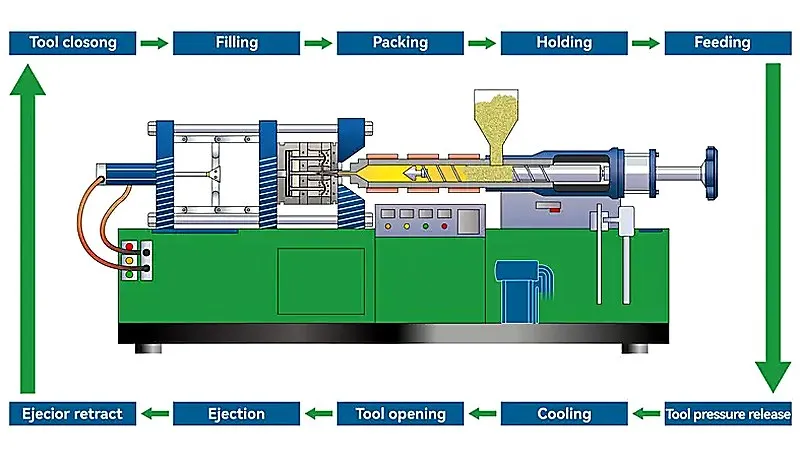
Przetwarzanie nylonu jest wrażliwe na wilgoć i temperaturę stopu. Parametry formowania wtryskowego nylonu1 są bardziej wymagające niż dla popularnych tworzyw, takich jak PP lub PE, z powodu wysokiej temperatury topnienia, wąskiego okna procesowego i wrażliwości materiału na wilgoć. Nieprawidłowe suszenie i temperatura stopu są najczęstszą przyczyną wad nylonowych części w produkcji.
"Wysuszenie nylonu przed formowaniem do wilgotności poniżej 0.2 procent jest najważniejszą pojedynczą decyzją procesową — niedostateczne suszenie powoduje srebrne smugi, obniżenie masy cząsteczkowej wskutek hydrolizy2 oraz niestabilność wymiarową, której nie skoryguje żadna późniejsza regulacja parametrów"True
Nylon jest higroskopijny i szybko absorbuje wilgoć z powietrza otoczenia. Przetwarzanie mokrego nylonu powoduje, że woda reaguje z wiązaniami amidowymi w łańcuchu polimerowym (hydroliza), trwale obniżając masę cząsteczkową i właściwości mechaniczne. To uszkodzenie jest nieodwracalne i niewykrywalne samym wyglądem.
"PA6 i PA66 można przetwarzać w tej samej temperaturze stopu, ponieważ oba są poliamidami o podobnej strukturze cząsteczkowej"False
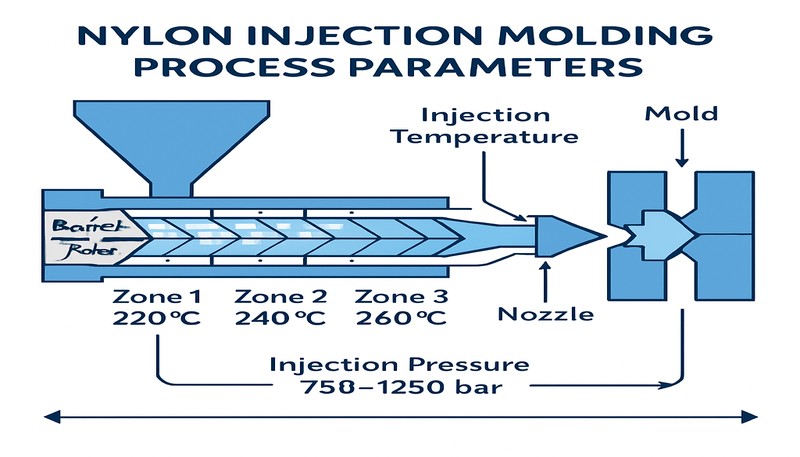
PA6 topi się w temperaturze około 220°C i przetwarza w 240-270°C, podczas gdy PA66 topi się w 260°C i wymaga temperatury topnienia 270-300°C. Użycie temperatur dla PA6 do przetwarzania PA66 powoduje niepełne stopienie i wysoką lepkość. Użycie temperatur dla PA66 do przetwarzania PA6 powoduje degradację termiczną.
Zalecane czasy i temperatury suszenia według gatunku
| Parametr | PA6 | PA66 | PA12 | PA1010 |
|---|---|---|---|---|
| Temperatura suszenia | 80-100°C | 80-100°C | 70-80°C | 80-90°C |
| Czas schnięcia | 4-8 godzin | 4-8 godzin | 2-4 godziny | 3-6 godzin |
| Docelowa Wilgotność | <0.2% | <0.2% | <0.1% | <0.15% |
| Temperatura topnienia | 240-270°C | 270-300°C | 190-230°C | 210-250°C |
| Temperatura formy | 60-90°C | 70-100°C | 30-50°C | 40-70°C |
| Ciśnienie wtrysku | 80-130 MPa | 90-140 MPa | 70-110 MPa | 75-120 MPa |
Wymagania suszenia różnią się znacząco między czterema gatunkami. PA6 i PA66 wymagają 4 do 8 godzin przy 80 do 100°C w suszarce z odwilżaniem, aby osiągnąć poniżej 0,2 procent wilgotności. PA12 potrzebuje tylko 2 do 4 godzin przy 70 do 80°C ze względu na jego niską absorpcję wilgoci. PA1010 plasuje się pośrodku przy 3 do 6 godzinach przy 80 do 90°C. Sprawdź zawartość wilgoci testem titracji Karl Fischer przed formowaniem. Wszystkie cztery gatunki powinny być suszone bezpośrednio przed formowaniem — pozostawienie wysuszonych granul eksponowanych na powietrze atmosferyczne ponad 30 minut neguje wysiłek suszenia.
Jak projekt formy wpływa na jakość części nylonowej?
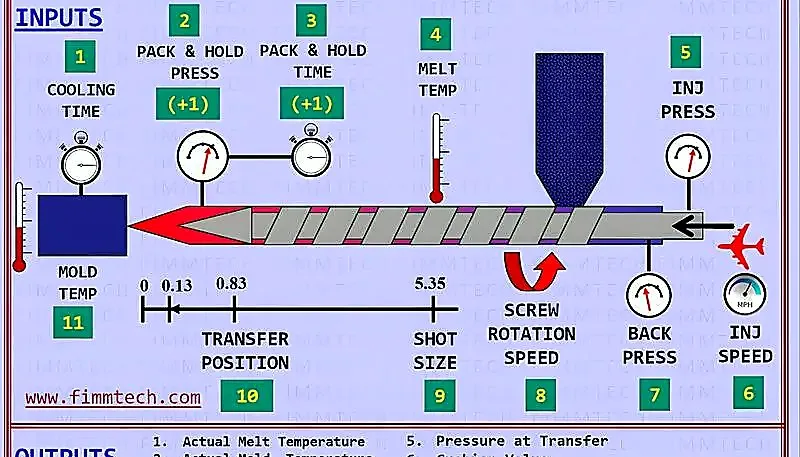
Konstrukcja formy jest głównym czynnikiem jakości części nylonowych poprzez ścinanie na przewężce, równomierność chłodzenia i skuteczność odpowietrzania. Prawidłowe projektowanie formy wtryskowej3 zapobiega wypływkom, liniom łączenia i niestabilności wymiarowej, które nasila higroskopijność nylonu.
Konstrukcja otworu wlewowego dla części nylonowych powinna priorytetowo zapewnić równowagę przepływu i minimalizować nagrzewanie ścinające. Otwory brzegowe i podwodne są typowe dla części PA6 i PA66, natomiast systemy gorącego toru z zaworami wlewów redukują materiałowe odpady w produkcji wysokotonażowej. Wielkość otworu wlewowego powinna stanowić 50 do 80 procent nominalnej grubości ścianki w miejscu wlewu, aby minimalizować strumieniowanie i zapewnić progresywne wypełnienie bez zamarzania przed zakończeniem docisku.
Konstrukcja kanałów chłodzących bezpośrednio wpływa na czas cyklu i stabilność wymiarową części z nylonu. Ponieważ PA6 i PA66 mają stosunkowo wysokie wymagania dotyczące temperatury formy (60 do 100°C), konforemne kanały chłodzące zapewniają najbardziej równomierny profil termiczny i zmniejszają odkształcenia w skomplikowanych geometriach. W praktyce stwierdziliśmy, że utrzymanie zmienności temperatury formy poniżej 5°C na powierzchni gniazda zmniejsza rozrzut wymiarowy o 30 do 40 procent w przypadku części z PA66 o wąskich tolerancjach. Jest to szczególnie krytyczne dla gatunków wypełnionych szkłem, gdzie orientacja włókien wzmacnia różnicową skurczliwość.
W naszej fabryce w Szanghaju pracujemy na 47 wtryskarkach o sile zwarcia od 90T do 1850T, co daje nam możliwość obsługi wszystkiego, od mikro-nylonowych przekładni na małych maszynach po duże wsporniki konstrukcyjne motoryzacyjne na prasach wysokotonażowych. Nasze wewnętrzne zaplecze produkcyjne form pozwala nam szybko iterować w zakresie umiejscowienia bramki i konstrukcji chłodzenia podczas optymalizacji nowych programów części nylonowych.
Projektowanie układu wypychania części z nylonu wymaga szczególnej uwagi, ponieważ wysoki współczynnik tarcia tego materiału oraz jego skurcz wokół rdzeni powodują znaczne siły wypychania. Odpowiedni kąt pochylenia (co najmniej 1° dla nylonu bez wypełniaczy oraz 1,5–2° dla odmian wzmacnianych włóknem szklanym) i dostateczna powierzchnia kołków wypychaczy zapobiegają pozostawianiu śladów oraz odkształcaniu części podczas wypychania. W przypadku cylindrycznych części z nylonu, dla których istotna jest współosiowość, preferuje się płyty zdzierające.
Jakie są typowe defekty formowania nylonu i jak ich zapobiegać?
Najczęstsze wady formowania nylonu są uszkodzenia wilgoci (splay, hydrolyza), błędne temperatury (niedostateczne wypełnienia, wypływy) i odkształcenia wymiarowe. Identyfikacja, do której kategorii wada należy, jest najszybszą drogą do naprawy.
"PA12 kosztuje w przeliczeniu na kilogram od 3 do 5 razy więcej niż PA6, dlatego jego stosowanie jest nieopłacalne tam, gdzie niska absorpcja wilgoci nie jest wymagana"True
Materiał surowy PA12 typowo kosztuje $8-12/kg versus $2-3/kg dla PA6. Ta premia jest uzasadniona tylko gdy aplikacja specyficznie wymaga stabilności wymiarowej w wilgotnych środowiskach, odporności na paliwa, lub elastyczności w niskich temperaturach, której PA6 nie może zapewnić.
"Dodanie 30% włókna szklanego do PA6 całkowicie eliminuje pochłanianie wilgoci, dlatego suszenie odmian wzmocnionych włóknem szklanym przed formowaniem jest zbędne"False
Wzmocnienie włóknem szklanym zmniejsza, ale nie eliminuje, absorpcji wilgoci. PA6 wypełnione szkłem nadal absorbuje około 1,5% wilgoci w stanie równowagi i wymaga takiego samego protokołu suszenia jak gatunki niewypełnione. Formowanie mokrego nylonu wypełnionego szkłem powoduje te same uszkodzenia w postaci smug i hydrolizy, z dodatkowym ryzykiem degradacji na styku włókno-osnowa.
Smugi i srebrzyste prążki są najbardziej widoczną wadą związaną z wilgocią. Pojawiają się jako wachlarzowate ślady na powierzchni części, gdzie para wodna gwałtownie rozpręża się, gdy stop wnika do gniazda. Naprawa zawsze wymaga dłuższego czasu suszenia lub wyższej temperatury suszenia — nigdy regulacji parametrów na maszynie. Sprawdź punkt rosy w suszarce zasobnikowej (cel poniżej -30°C) i zweryfikuj rzeczywistą zawartość wilgoci w materiale testem Karla Fischera przed regulacją czegokolwiek innego.
Odkształcenie w części nylonowych jest napędzane różnicową skurcznością między kierunkami przepływu i przeciwprzepływu, wzmocnioną orientacją włókien w gatunkach zbrojonych włóknem szklanym. Najskuteczniejszym przeciwdziałaniem jest jednolita temperatura formy na wszystkich powierzchniach gniazd, następnie zrównoważone rozmieszczenie otworów wlewowych wyrównujące długości przepływu. Przyrządy poformowe, które utrzymują części w wymaganej geometrii podczas pierwszych 24 godzin chłodzenia, mogą redukować odkształcenie o 40 do 60 procent dla płaskich części o zmiennej grubości ścianki.
Jak wybrać odpowiedni gatunek nylonu dla swojej aplikacji?
Odpowiedni gatunek nylonu jest określany przez trzy czynniki: temperaturę pracy, potrzeby tolerancji i narażenie chemiczne. Dopasuj te wymagania do profilu właściwości każdego gatunku poniżej.
| Wymagania aplikacyjne | Zalecany gatunek | Kluczowy powód |
|---|---|---|
| Temperatura pracy powyżej 120°C | PA66 | Najwyższa temperatura ugięcia pod obciążeniem wśród czterech gatunków |
| Wąskie tolerancje w wilgotnym środowisku | PA12 | Najniższa absorpcja wilgoci (0,25%) minimalizuje zmiany wymiarowe |
| Wrażliwe na koszt części konstrukcyjne poniżej 100°C | PA6 | 15-25% niższy koszt materiału niż PA66 z odpowiednią wydajnością |
| Wymagana odporność na paliwa lub chemikalia | PA12 lub PA1010 | Znakomita odporność chemiczna na węglowodory i rozpuszczalniki |
| Wymagany certyfikat zawartości składników pochodzenia biologicznego | PA1010 | Pochodzący z odnawialnej surowcowej bazy oleju rycynowego |
| Komponenty pod maską samochodową | PA66 (wzmocniony szkłem) | Zachowuje sztywność w podwyższonych temperaturach zbrojony włóknem |
| Rurki medyczne i cewniki | PA12 | Elastyczność, biokompatybilność i obojętność chemiczna |
| Złącza elektryczne (UL94 V0) | PA66 (samogasnący) | Osiąga V0 przy 0,4mm przy odpowiednich dodatkach przeciwpożarowych |
Zastosowania motoryzacyjne pochłaniają ponad 40 procent globalnej produkcji PA66. Podmaskowe komponenty, takie jak kolektory dolotowe, osłony silnika i zbiorniki końcowe chłodnic, pracują w temperaturach powyżej 120°C, gdzie PA6 traci sztywność. Złącza elektryczne, obudowy czujników i skrzynki bezpieczników wykorzystują gatunki PA66 z opóźniaczami palenia (klasa V0), które spełniają wymagania normy palności UL94. Elementy wykończenia wnętrza i wsporniki konstrukcyjne wykorzystują PA6 lub PA6 zbrojone szkłem ze względu na efektywność kosztową, gdy ekspozycja na temperaturę jest umiarkowana.
W zastosowaniach elektrycznych i elektronicznych wykorzystuje się doskonałe właściwości dielektryczne i trudnopalność poliamidu. Gatunki PA66 z dodatkiem czerwonego fosforu lub uniepalniaczy na bazie azotu osiągają klasę palności V0 według normy UL94 przy grubości ścianki 0,4 mm, dzięki czemu nadają się do produkcji złączy, przełączników i obudów wyłączników nadprądowych. Rozwój rynku pojazdów elektrycznych zwiększa zapotrzebowanie na elementy modułów akumulatorowych z PA66, które łączą trudnopalność z odpowiednimi właściwościami konstrukcyjnymi.
Producenci artykułów konsumenckich wybierają nylon ze względu na równowagę między wytrzymałością a jakością powierzchni. Obudowy elektronarzędzi wykorzystują PA6 wzmocnione szkłem dla odporności na uderzenia przy rozsądnych kosztach. Artykuły sportowe, takie jak wiązania narciarskie i osprzęt kasków, polegają na odporności na zmęczenie PA66. Komponenty urządzeń kuchennych stykające się z gorącymi powierzchniami wymagają gatunków PA66 stabilizowanych termicznie, przystosowanych do ciągłej pracy w temperaturze 130°C.
Zastosowania w urządzeniach medycznych wymagają konkretnych gatunków nylonu z udokumentowaną biokompatybilnością. PA12 dominuje w zastosowaniach na cewniki i rurki ze względu na elastyczność i obojętność chemiczną. PA6 służy do uchwytów instrumentów chirurgicznych, gdzie sterylizacja autoklawowa wymaga cyklów termicznych w zakresie 121-134°C. Testowanie zgodnie z ISO 10993 potwierdza biokompatybilność dla zastosowań mających kontakt z pacjentem, a możliwość śledzenia materiału jest obowiązkowa dla wszystkich projektów z nylonem medycznym.
Z ponad 20-letnim doświadczeniem w formowaniu wtryskowym i zespołem 8 starszych inżynierów, przetworzyliśmy ponad 400 materiałów polimerowych na naszej hali produkcyjnej. W naszych przeglądach produkcyjnych nasi inżynierowie monitorują wilgotność żywicy, temperaturę stopu, wzorce wad pierwszego strzału i dryf wymiarowy przed uruchomieniem produkcji z nylonu. Nasz przepływ jakości od IQC przez inspekcję procesu do OQC wychwytuje specyficzne dla nylonu wady, takie jak smugowanie i degradacja hydrolityczna, zanim dotrą one do Twojej linii montażowej.
Często zadawane pytania
Jak długo należy suszyć PA6 i PA66 przed formowaniem wtryskowym?
PA6 i PA66 wymagają 4 do 8 godzin suszenia w temperaturze 80 do 100 stopni Celsjusza w suszarce lejowej z osuszaniem, aby osiągnąć zawartość wilgoci poniżej 0,2 procent. Dokładny czas zależy od początkowej wilgotności, wielkości granulatu i wydajności przepływu powietrza w suszarce. PA66, ze względu na wyższą temperaturę topnienia, jest nieco bardziej wrażliwy na pozostałą wilgoć niż PA6, więc w razie wątpliwości należy stosować dłuższy czas suszenia. Zawsze sprawdzaj za pomocą kalibrowanego analizatora wilgoci przed rozpoczęciem produkcji, aby uniknąć wad smugowania i hydrolizy w formowanych częściach.
Czy PA6 i PA66 można formować na tej samej maszynie bez modyfikacji?
Tak, PA6 i PA66 mogą być przetwarzane na tej samej maszynie, ale wymagają różnych profili temperaturowych. PA66 wymaga temperatur w cylindrze od 270 do 300 stopni Celsjusza, podczas gdy dla PA6 jest to 240 do 270 stopni Celsjusza. Temperatura formy również się różni: PA66 działa najlepiej przy 70 do 90 stopniach Celsjusza, podczas gdy PA6 pracuje przy 60 do 80 stopniach Celsjusza. Przełączenie wymaga dokładnego przepłukania cylindra kompatybilnym materiałem przejściowym, aby uniknąć skrzyżowania zanieczyszczeń i pogorszenia jakości wyprasek. Należy przeznaczyć 15 do 20 minut na stabilizację temperatury po dostosowaniu ustawień cylindra między gatunkami.
Co się stanie, jeśli nylon zostanie przetworzony bez właściwego wysuszenia?
Formowanie nieosuszonego nylonu powoduje trzy postępujące problemy. Po pierwsze, wilgoć tworzy powierzchniowe ślady smugowania i srebrzyste smugi, które niszczą wygląd części. Po drugie, woda wywołuje hydrolizę w temperaturach przetwórstwa, rozrywając wiązania amidowe i trwale redukując masę cząsteczkową, co obniża wytrzymałość na uderzenie i wydłużenie przy zerwaniu o 30 do 50 procent. Po trzecie, uwięziona wilgoć powoduje zmiany wymiarowe, gdy części nierównomiernie absorbują i uwalniają wilgoć podczas chłodzenia. Te wady nie mogą być naprawione po formowaniu, ponieważ uszkodzenie łańcucha polimerowego jest nieodwracalne, a dotknięte części muszą zostać złomowane.
Czy PA12 jest warte znacznej premii cenowej w stosunku do PA6 do zastosowań ogólnych?
Do zastosowań ogólnego przeznaczenia, gdzie chłonność wilgoci jest akceptowalna, a temperatury pracy pozostają poniżej 80 stopni Celsjusza, PA6 jest bardziej opłacalne, kosztując około jednej trzeciej ceny PA12. PA12 uzasadnia swoją premię tylko wtedy, gdy potrzebna jest jego wyjątkowo niska chłonność wilgoci wynosząca 0,25%, lepsza stabilność wymiarowa w środowiskach wilgotnych, odporność na paliwa i chemikalia do przewodów paliwowych w samochodach lub doskonała elastyczność w niskich temperaturach do minus 40 stopni Celsjusza. Przed wyborem PA6 zamiast PA12 do precyzyjnych zastosowań należy ocenić całkowity koszt awarii jakości i kondycjonowania po przetworzeniu.
Jak zbrojenie włóknem szklanym wpływa na przetwórstwo nylonu wtryskowego?
Gatunki nylonu zbrojone szkłem, zwykle 30% krótkiego włókna szklanego, wymagają o 10 do 20 stopni Celsjusza wyższych temperatur cylindra i o 20 do 30% wyższych ciśnień wtrysku w porównaniu z gatunkami niezbrojonymi. Włókna szklane zwiększają lepkość stopu, zmniejszają skurcz z 1,2% do 0,3% dla PA6 i poprawiają sztywność od dwóch do trzech razy. Zużycie narzędzi znacznie wzrasta z powodu ścierania włókien, więc do produkcji przekraczającej 100 000 cykli zaleca się stosowanie hartowanej stali narzędziowej, takiej jak H13 lub S136. Projekt ślimaka powinien wykorzystywać niższy stopień sprężania, aby zminimalizować łamanie włókien podczas plastyfikacji.
Jaka jest różnica między właściwościami nylonu kondycjonowanego a suchymi po przetworzeniu?
Właściwości w stanie surowym są mierzone natychmiast po formowaniu, gdy zawartość wilgoci jest bliska zeru. Właściwości kondycjonowane odzwierciedlają równowagę absorpcji wilgoci, osiąganą zazwyczaj przy 50-60% względnej wilgotności powietrza przez 48 godzin. Kondycjonowany PA6 często wykazuje 40-50% niższą wytrzymałość na rozciąganie, ale 2-3 razy większą odporność na uderzenia niż dane w stanie surowym. Zawsze określaj stan użyty w obliczeniach projektowych, analizach tolerancji oraz zapytaniach do dostawców (RFQ), aby współczynniki bezpieczeństwa nie były oparte na błędnym zestawie danych. To rozróżnienie jest kluczowe dla nylonowych części nośnych.
Jakich wartości skurczu użyć do projektowania formy na nylon?
Niewypełniony PA6 kurczy się o około 0,8 do 1,4 procent, podczas gdy niewypełniony PA66 o 1,0 do 1,5 procent, w zależności od grubości ścianki, lokalizacji bramki i ustawień temperatury formy. Gatunki wypełnione szkłem kurczą się znacznie mniej: 0,3 do 0,7 procent dla PA6-GF30 i 0,4 do 0,8 procent dla PA66-GF30. Kurczliwość w gatunkach wypełnionych szkłem jest anizotropowa, co oznacza, że kurczliwość w kierunku przepływu i w kierunku poprzecznym różni się o 0,2 do 0,4 procent. Twój projektant form musi uwzględnić tę anizotropię w obliczeniach wymiarów gniazda, aby konsekwentnie osiągać wąskie tolerancje w całej serii produkcyjnej.
Czy nylon można przesuszyć przed formowaniem?
Tak, nadmierne suszenie powyżej 110 stopni Celsjusza lub ponad 12 godzin powoduje utlenianie termiczne, które żółci granulki i obniża właściwości mechaniczne, szczególnie wytrzymałość na uderzenia i wydłużenie przy zerwaniu. Dla regranulatu lub recyklowanego nylonu ryzyko jest większe, ponieważ historia termiczna kumuluje się w wielu cyklach przetwórczych. Jeśli suszenie musi trwać dłużej niż 8 godzin z powodu opóźnień w harmonogramie produkcji, obniż temperaturę do 70–80 stopni Celsjusza, aby bezpiecznie przechować materiał do rozpoczęcia produkcji. Monitoruj kolor granulek jako szybki wizualny wskaźnik uszkodzeń spowodowanych przesuszeniem.
Dlaczego ZetarMold do wtrysku nylonu?
ZetarMold to niezawodny partner w formowaniu nylonu, dysponujący 47 prasami (90T–1850T), dedykowanymi systemami suszenia dla każdego gatunku oraz ponad 20-letnim doświadczeniem w przetwórstwie poliamidów. Utrzymujemy dedykowane suszarki lejowe dla każdego gatunku nylonu, aby zapobiec krzyżowemu zanieczyszczeniu, oraz przeprowadzamy automatyczny monitoring wilgotności przed każdą zmianą produkcyjną. W przypadku wyzwań związanych z projektowaniem form wtryskowych do wypełnionego szkłem nylonu, nasz zespół inżynieryjny dostarcza informacje zwrotne DFM w ciągu 48 godzin.
ZetarMold to silny partner w formowaniu nylonu, ponieważ łączymy 47 pras, dedykowane systemy suszenia i ponad 20-letnie doświadczenie w przetwórstwie poliamidów. Utrzymujemy dedykowane suszarki lejowe dla każdego gatunku nylonu, aby zapobiec krzyżowemu zanieczyszczeniu, oraz przeprowadzamy automatyczne kontrole wilgotności przed rozpoczęciem produkcji. Nasz zespół inżynieryjny może pomóc Ci porównać PA6, PA66, PA12 i PA1010 pod kątem wymagań dotyczących tolerancji, ciepła, odporności chemicznej i kosztów, zanim forma zostanie ostatecznie zatwierdzona.
Krótka zasada: przed formowaniem susz PA6/PA66 w temperaturze 80–100°C przez 4–8 godzin. Wybierz PA66 do części pracujących powyżej 120°C, PA6 do ekonomicznych części konstrukcyjnych, PA12 do zastosowań wymagających elastyczności lub odporności chemicznej, a PA1010, gdy liczy się zawartość surowców biologicznych.
formowanie wtryskowe nylonu: Formowanie wtryskowe nylonu oznacza proces produkcyjny kształtowania termoplastycznych materiałów poliamidowych za pomocą urządzeń wtryskowych w celu wytwarzania elementów technicznych o dużej wytrzymałości i odporności chemicznej. ↩
hydroliza: Hydroliza to reakcja chemiczna, w której cząsteczki wody rozrywają wiązania amidowe w łańcuchach polimeru poliamidowego, trwale zmniejszając masę cząsteczkową i pogarszając właściwości mechaniczne materiałów nylonowych. ↩
projektowanie form wtryskowych: projektowanie form wtryskowych to dziedzina inżynierii obejmująca geometrię narzędzia, układ kanałów chłodzących, rozmieszczenie punktów wtrysku oraz optymalizację systemu wypychania w celu wytwarzania części z tworzyw sztucznych o dokładnych wymiarach. ↩