Właśnie otrzymałeś zamówienie od producenta wyrobów medycznych. Zanim zezwoli na wysyłkę choćby jednej części produkcyjnej, chce zobaczyć pakiet walidacji procesu — IQ, OQ, PQ — a jego audytor przyjedzie za trzy tygodnie. Jeżeli nigdy wcześniej nie przygotowywałeś takiego pakietu albo poprzedni został zakwestionowany podczas audytu FDA, ten przewodnik dokładnie wyjaśni wymagania każdego etapu, najczęstsze błędy zakładów oraz sposób przygotowania pakietu walidacyjnego, który rzeczywiście wytrzyma szczegółową kontrolę.
- Walidacja procesu potwierdza, że proces formowania wtryskowego powtarzalnie wytwarza detale zgodne ze specyfikacją.
- IQ weryfikuje instalację urządzeń; OQ potwierdza zakresy robocze; PQ wykazuje powtarzalność wyników produkcji.
- Klienci z branży medycznej, motoryzacyjnej i lotniczej zazwyczaj wymagają pełnej dokumentacji IQ/OQ/PQ.
- Pominięcie któregokolwiek etapu grozi negatywnym wynikiem audytu, wycofaniem produktu z rynku lub utratą kontraktów.
- Dobrze udokumentowany pakiet walidacyjny staje się zasobem wielokrotnego użytku w przyszłych projektach.
Czym jest walidacja procesu formowania wtryskowego?
Walidacja procesu formowania wtryskowego jest trójfazowym protokołem (IQ, OQ, PQ), który potwierdza, że proces stale wytwarza części zgodne z wymaganiami. Obejmuje kwalifikację instalacyjną (IQ), kwalifikację operacyjną (OQ) i kwalifikację wydajnościową (PQ). Każda faza opiera się na poprzedniej — nie można przejść do kolejnej z pominięciem wcześniejszej.
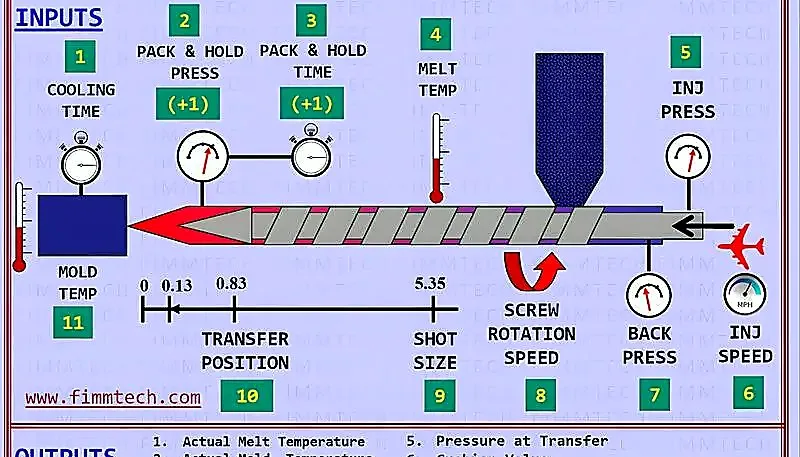
Koncepcja ta powstała w branży farmaceutycznej w związku z wymaganiami FDA 21 CFR Part 820 i ISO 13485, lecz od tego czasu stała się standardową praktyką w każdym regulowanym środowisku produkcyjnym. W formowaniu wtryskowym oznacza to konieczność zidentyfikowania, kontrolowania i zweryfikowania każdej zmiennej wpływającej na jakość części — parametrów maszyny, temperatury formy, partii materiału i czasu chłodzenia.
W praktyce spotykaliśmy firmy, które próbowały zwalidować proces, produkując kilka dobrych części i uznając sprawę za zakończoną. To nie jest walidacja — to szczęśliwy zbieg okoliczności. Rzetelna walidacja wymaga dowodów statystycznych z wielu serii produkcyjnych, partii materiału i pracy różnych operatorów. Trzeba wykazać odporność procesu, a nie tylko to, że zadziałał raz, we wtorkowe popołudnie, gdy najlepszy technik obsługiwał maszynę.
Dlaczego walidacja procesu ma znaczenie w formowaniu wtryskowym?
Walidacja procesu jest prawnie wymagana w przypadku wyrobów medycznych zgodnie z FDA 21 CFR Part 820 i ogranicza odsetek wad o 60.0% do 80.0%. Zamiast wykrywać wady po ich wystąpieniu, walidacja dowodzi, że proces zapobiega ich powstawaniu. W branżach regulowanych nie jest to opcjonalne — stanowi wymóg umowny i prawny.
Rozważ konsekwencje pominięcia walidacji. W produkcji medycznej niezwalidowany proces może spowodować uwagę FDA Form 483, list ostrzegawczy, a nawet nakaz sądowy wstrzymujący produkcję. W motoryzacji brak walidacji zgodnie z IATF 16949 może oznaczać utratę certyfikatu TS — a wraz z nim uprawnień do dostaw dla głównych OEM.
W zakładzie ZetarMold nasz zespół w ciągu ostatnich pięciu lat zrealizował ponad 200 pakietów walidacyjnych IQ/OQ/PQ dla klientów medycznych i motoryzacyjnych. Wzorzec jest stały: firmy inwestujące z góry w pełną walidację wydają podczas produkcji o 70% mniej na problemy jakościowe.
Jednak nawet poza branżami regulowanymi walidacja ma sens ekonomiczny. Pojedynczy zwrot od klienta lub roszczenie gwarancyjne często kosztuje więcej niż cały proces walidacji. Znany nam dostawca z branży motoryzacyjnej wydał 200 000 USD na analizę awarii w eksploatacji, której przyczyną okazała się niezwalidowana zmiana ciśnienia podtrzymania. Prawidłowe badanie OQ wykryłoby tę wrażliwość w kontrolowanych warunkach za ułamek tej kwoty.
Najważniejszy wniosek: walidacja nie jest biurokracją. To narzędzie inżynierskie, które pomaga poznać proces na tyle dokładnie, by niezawodnie nim sterować. Prawidłowo przygotowana dokumentacja staje się jednocześnie przewodnikiem rozwiązywania problemów, materiałem szkoleniowym i przewagą konkurencyjną.
Czym jest kwalifikacja instalacyjna (IQ) w formowaniu wtryskowym?
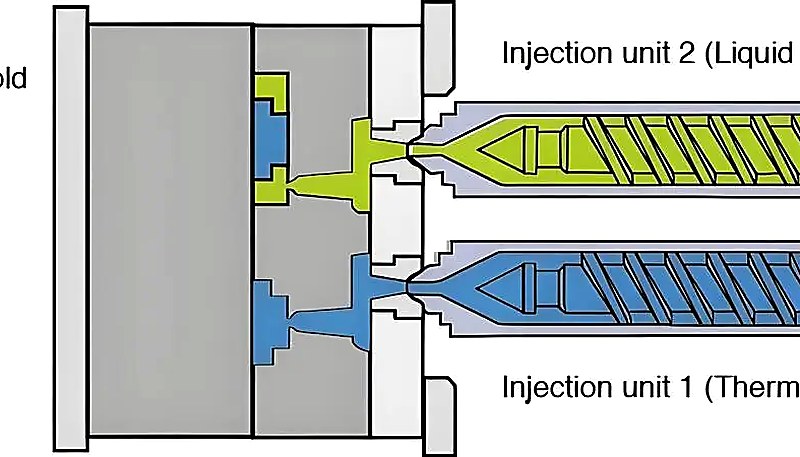
Kwalifikacja instalacyjna (IQ) to pierwszy etap potwierdzający, że urządzenie zainstalowano zgodnie ze specyfikacją producenta. IQ odpowiada na pytanie: „Czy wszystko znajduje się na właściwym miejscu, jest prawidłowo podłączone i gotowe do pracy?”
IQ jest fazą fundamentową — bez niej żadna optymalizacja procesu nie zrekompensuje źle zainstalowanej maszyny do formowania wtryskowego1 i nie uratuje procesu. Typowe działania IQ obejmują:
- Sprawdzenie zgodności modelu, numeru seryjnego i konfiguracji maszyny ze specyfikacją zakupu
- Potwierdzenie, że połączenia elektryczne, przewody hydrauliczne i obiegi wody chłodzącej są zgodne z rysunkiem instalacyjnym
- Kontrola zamocowania formy, osiowania wypychaczy i połączeń elektrycznych systemu gorącokanałowego
- Kalibracja wszystkich czujników — termopar temperatury cylindra, przetworników ciśnienia, enkoderów położenia
- Dokumentowanie wersji oprogramowania sterownika maszyny i wszystkich systemów monitorowania
- Weryfikacja warunków otoczenia: zakres temperatury, wilgotność, stabilność zasilania
Częstym błędem jest traktowanie IQ jako ćwiczenia papierowego — zaznaczania pól na formularzu wypełnionym przez kogoś wiele lat temu. W rzeczywistości IQ wymaga fizycznego podejścia do maszyny ze świadectwem wzorcowania i sprawdzenia, czy numer seryjny termopary odpowiada numerowi na świadectwie. Takiej rygorystyczności oczekują audytorzy.
W ZetarMold każda maszyna do formowania wtryskowego w naszym zakładzie w Szanghaju przechodzi po pierwszej instalacji ustrukturyzowany protokół IQ. Mając 45 maszyn o sile zwarcia od 90T do 1850T, przekonaliśmy się, że skracanie IQ zawsze kosztuje później więcej — zwykle wtedy, gdy maszyna, która „podczas uruchomienia działała bez zarzutu”, zaczyna wytwarzać części poza specyfikacją, ponieważ nigdy prawidłowo nie skalibrowano termopary.
W naszej fabryce w Szanghaju eksploatujemy 45 wtryskarek o sile zwarcia od 90T do 1850T. Podczas instalacji każda maszyna przechodzi znormalizowaną listę kontrolną IQ, obejmującą weryfikację kalibracji termopar, certyfikację manometrów układu hydraulicznego oraz kontrolę osiowości mocowania formy. Weryfikacje te wykonuje naszych 8 starszych inżynierów, a nie technicy, ponieważ ocena inżynierska na tym etapie zapobiega kaskadowym problemom podczas OQ i PQ.
Czym jest kwalifikacja operacyjna (OQ) w formowaniu wtryskowym?
Operational Qualification (OQ) to druga faza, sprawdzająca proces w pełnym oknie parametrów. OQ odpowiada: „Czy proces działa niezawodnie na granicach okna roboczego?”
Podczas OQ nie uruchamia się procesu wyłącznie przy „najlepszych” ustawieniach. Celowo bada się granice zakresów parametrów — wysoką i niską temperaturę stopionego tworzywa, dużą i małą prędkość wtrysku oraz maksymalne i minimalne ciśnienie podtrzymania. Nazywa się to badaniem odporności procesu i pokazuje, jak duży margines pozostaje, zanim pogorszy się jakość.
Typowy protokół OQ dla formowania wtryskowego obejmuje następującą macierz badań:
| Parametr | Dolna granica | Nominalna | Górna granica | Krytyczne? |
|---|---|---|---|---|
| Temperatura topnienia | 210.0°C | 230.0°C | 250.0°C | Tak |
| Prędkość wtrysku | 30.0 mm/sec | 60.0 mm/sec | 90,0 mm/s | Tak |
| Ciśnienie trzymania | 600 bar | 850 bar | 1100 bar | Tak |
| Czas chłodzenia | 8 s | 12 s | 16 s | Zależne od części |
| Temperatura formy | 40°C | 60°C | 80°C | Tak |
W naszym zakładzie produkcyjnym w Szanghaju odkryliśmy, że ciśnienie docisku i temperatura stopu to dwa najczęstsze tryby awarii OQ — stanowiące około 80% obserwowanych przez nas warunków niezgodnych ze specyfikacją na naszych 45 maszynach o zakresie od 90,0 ton do 1850,0 ton. Celem jest udowodnienie, że nawet przy ekstremalnych ustawieniach proces nadal wytwarza części zgodne ze specyfikacją — lub dokładne udokumentowanie, gdzie zawodzi, aby można było ustawić odpowiednie limity kontrolne. To właśnie tutaj większość firm nie osiąga celu. Testują wartości nominalne i nazywają to zwalidowanym, ale gdy temperatura stopu maszyny zmieni się o 5°C podczas nocnej zmiany, nikt nie wie, czy to ma znaczenie.
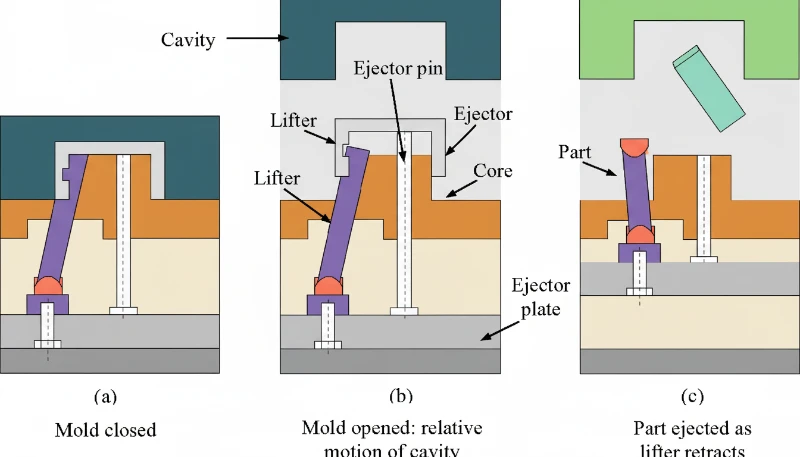
OQ obejmuje również kwalifikację formy wtryskowej2: sprawdzenie, czy sama forma wytwarza akceptowalne części w całym oknie parametrów. Oznacza to kontrolę równowagi napełniania gniazd w formach wielogniazdowych, weryfikację działania wypychaczy oraz potwierdzenie, że obiegi chłodzenia zapewniają jednakową temperaturę we wszystkich gniazdach.
„Testy OQ powinny celowo doprowadzać proces do najgorszych kombinacji parametrów.”True
Całym celem OQ jest znalezienie miejsca, w którym proces się załamuje. Testowanie tylko warunków nominalnych nie dowodzi niczego o odporności. Należy wykazać, że okno procesowe jest wystarczająco szerokie, aby zaabsorbować normalne dryfowanie maszyny bez wytwarzania części niezgodnych ze specyfikacją.
„Jeśli część przechodzi kontrolę wizualną, proces jest zwalidowany.”False
Kontrola wizualna to jeden punkt danych, a nie walidacja. Walidacja procesu wymaga pomiarów wymiarowych, weryfikacji właściwości materiału oraz analizy statystycznej w wielu przebiegach. Część, która wygląda dobrze, może mieć wewnętrzne pory, nadmierne naprężenia resztkowe lub dryft wymiarowy, które ujawnia tylko pomiar.
Czym jest kwalifikacja działania procesu (PQ) w formowaniu wtryskowym?
Kwalifikacja wydajności (PQ) to końcowa faza walidacji, dowodząca spójnej produkcji w trzech kolejnych cyklach. PQ odpowiada na pytanie: „Czy ten proces wytrzymuje w realnej produkcji, z prawdziwymi operatorami, prawdziwymi partiami materiału i prawdziwymi zmianami zmian?”
PQ zazwyczaj obejmuje trzy kolejne cykle produkcyjne (czasami nazywane „trzema partiami”), każdy wykorzystujący, jeśli to możliwe, inną partię materiału. Chodzi o wprowadzenie normalnej zmienności produkcji — różnych operatorów, zmian temperatury otoczenia między dniem a nocą, zmienności między partiami materiału — i udowodnienie, że proces nadal działa.
Podczas PQ uruchamiasz proces z nominalnymi parametrami ustalonymi podczas OQ i zbierasz dane dotyczące każdego krytycznego wymiaru i atrybutu jakości. Typowy przebieg PQ generuje 30–100 kolejnych próbek do pomiaru. Następnie analizujesz dane za pomocą metod statystycznego sterowania procesem (SPC): obliczając wartości Cpk, sprawdzając trendy i weryfikując, czy proces jest wycentrowany w granicach specyfikacji.
Cpk na poziomie 1,33 lub wyższym jest ogólnie uważane za minimum dla zwalidowanego procesu w większości branż. W przypadku urządzeń medycznych często wymaga się Cpk ≥ 1,67 dla wymiarów krytycznych. Jeśli twoje Cpk jest poniżej 1,0, proces nie jest zdolny — będziesz regularnie produkować części niezgodne ze specyfikacją i żadna ilość kontroli nie wychwyci ich wszystkich.
Nasi inżynierowie zalecają przeznaczenie co najmniej 10 dni roboczych na czysty, trzykrotny przebieg PQ. W przypadku niedawnej formy medycznej strzykawki 32-gniazdowej, nasze przebiegi PQ obejmowały pomiar 1200 pojedynczych punktów danych wymiarowych w trzech partiach materiału, aby osiągnąć Cpk ≥ 1,67 dla wszystkich wymiarów krytycznych. Praktycznym wyzwaniem w PQ jest czas. Trzy kolejne przebiegi mogą rozciągać się na kilka dni, a jeśli którykolwiek z nich się nie powiedzie, musisz zbadać przyczynę, ją naprawić i zacząć od nowa. Dlatego pośpiech w IQ i OQ jest tak nieskuteczny — problemy, które powinny zostać wychwycone wcześnie, kończą się zakłócaniem PQ, gdy koszt przeróbek jest znacznie wyższy.
Kwalifikacja materiału jest istotną częścią PQ, którą wielu przetwórców pomija. Przed rozpoczęciem walidacji produkcji należy zweryfikować, czy dostarczana żywica spełnia specyfikacje z karty katalogowej dostawcy materiału — co najmniej indeks płynięcia, zawartość wilgoci i właściwości wytrzymałościowe na rozciąganie. Jeśli walidujesz dla zastosowań medycznych, możliwość śledzenia certyfikatu analizy (CoA) materiału jest obowiązkowa dla każdej partii użytej w przebiegach PQ.
Czym różnią się IQ, OQ i PQ?
IQ skupia się na instalacji, OQ testuje zakresy parametrów, a PQ dowodzi spójności produkcji — każda faza jest sekwencyjna i bazuje na poprzedniej. Poniższa tabela podsumowuje zakres, przedmiot i rezultaty każdej fazy.
| Aspekt | IQ | OQ | PQ |
|---|---|---|---|
| Koncentracja | Instalacja urządzenia | Okno operacyjne procesu | Spójność produkcji |
| Pytanie | Czy jest poprawnie zainstalowany? | Czy działa w całym zakresie? | Czy wytrzymuje w produkcji? |
| Typowy czas trwania | 1–3 dni | 3–10 dni | 5–15 dni |
| Kluczowy rezultat | Raport weryfikacji instalacji | Granice parametrów procesu | Pakiet danych Cpk / SPC |
| Kto zatwierdza | Inżynieria + Jakość | Inżynieria + Jakość | Jakość + Klient (często) |
| Wpływ awarii | Nie można rozpocząć OQ | Nie można rozpocząć PQ | Nie można wydać produktu |
Pomyśl o tym jak o budowie domu: IQ to fundament, OQ to szkielet, a PQ to końcowa kontrola przed wprowadzeniem się. Nie wprowadzałbyś mebli do domu bez szkieletu i nie rozpocząłbyś PQ bez potwierdzonych wyników OQ.
Jakie są typowe błędy w walidacji procesów?
Najczęstsze błędy w walidacji procesu wtrysku tworzyw sztucznych wynikają z traktowania jej jako ćwiczenia dokumentacyjnego, a nie aktywności inżynierskiej. Oto te, które najczęściej napotykamy podczas przeglądania pakietów walidacyjnych dostawców.
Błąd 1: Protokoły kopiuj-wklej. Widzieliśmy firmy, które ponownie wykorzystywały ten sam protokół IQ/OQ/PQ dla całkowicie różnych produktów, zmieniając jedynie numer części i datę. To przeczy celowi walidacji. Każda kombinacja produktu, formy i maszyny ma własne parametry krytyczne, a protokół musi odzwierciedlać tę specyfikę.
Błąd 2: Badanie tylko przy wartościach nominalnych. Przeprowadzenie OQ wyłącznie w punkcie środkowym zakresu parametrów niczego nie dowodzi w kwestii odporności. Jeśli jedyne dane w raporcie OQ dotyczą części wykonanych przy 230°C, 60,0 mm/s i 850 barach, nie zwalidowano zakresu, lecz jeden punkt.
Błąd 3: Zbyt małe próby. Pomiar pięciu części w każdym przebiegu nie ma znaczenia statystycznego. W PQ zwykle potrzeba co najmniej 30 kolejnych próbek na przebieg, aby obliczyć wiarygodne wartości Cpk. Przy mniejszej liczbie przedziały ufności są tak szerokie, że dane stają się praktycznie bezwartościowe.
Z naszego doświadczenia wynika, że zmienność materiału jest jednym z najbardziej niedocenianych czynników. Stosujemy rygorystyczny proces kontroli jakości przychodzącej dla każdej partii materiału, sprawdzając indeks płynięcia i zawartość wilgoci przed rozpoczęciem każdej serii PQ.
Błąd 4: Ignorowanie zmienności materiału. Użycie tej samej partii materiału we wszystkich trzech przebiegach PQ mija się z celem. Trzeba wykazać, że proces działa przy normalnych różnicach między partiami. Jeśli dostawca materiału przyśle w kolejnej partii materiał o nieco innym wskaźniku szybkości płynięcia, zwalidowany proces nadal powinien wytwarzać dobre części.
„Współczynnik Cpk poniżej 1,0 oznacza, że proces będzie regularnie wytwarzał części niezgodne ze specyfikacją, niezależnie od częstotliwości kontroli.”True
Cpk poniżej 1,0 oznacza, że rozrzut procesu przekracza szerokość specyfikacji. Nawet przy 100% kontroli, prawdopodobieństwo przepuszczenia wadliwych części z czasem zbliża się do pewności. Jedynym rozwiązaniem jest poprawa samego procesu — ściślejsza kontrola parametrów, modyfikacja formy lub zmiana materiału.
„Po zwalidowaniu proces nigdy nie wymaga ponownej walidacji.”False
Każda znacząca zmiana w procesie wymaga ponownej walidacji lub przynajmniej oceny wpływu zmiany. Obejmuje to modyfikacje formy, zmiany dostawcy materiału, przebudowy maszyn, korekty parametrów poza zatwierdzonym zakresem, a nawet przeniesienie formy na inną maszynę. ISO 13485 i większość umów jakościowych z klientami wyraźnie tego wymaga.
Często zadawane pytania
Jaka jest różnica między IQ, OQ i PQ w procesie wtrysku?
IQ weryfikuje, czy urządzenie jest zainstalowane poprawnie zgodnie ze specyfikacją. OQ wykazuje, że proces działa akceptowalnie w całym zdefiniowanym zakresie parametrów. PQ dowodzi, że proces stale wytwarza zgodne wypraski w rutynowych warunkach produkcyjnych w czasie.
Jak długo trwa walidacja procesu wtrysku?
Pełna walidacja IQ/OQ/PQ zazwyczaj trwa 2–6 tygodni, w zależności od złożoności detalu i wymagań branżowych. IQ zajmuje 1–3 dni, OQ zajmuje 3–10 dni, a PQ zajmuje 5–15 dni, wliczając analizę danych i raportowanie.
Czy walidacja procesu jest wymagana dla wszystkich części wtryskiwanych?
Walidacja procesu jest obowiązkowa dla wyrobów medycznych (FDA 21 CFR Part 820, ISO 13485), komponentów motoryzacyjnych (IATF 16949) i lotniczych (AS9100). Produkty konsumenckie i ogólne części przemysłowe nie zawsze wymagają formalnej walidacji, choć metodologia jest wartościowa dla krytycznych zastosowań.
Jaka jest dobra wartość Cpk dla zwalidowanego procesu wtrysku?
Cpk3 na poziomie 1,33 jest powszechnie przyjmowanym minimum dla zwalidowanych procesów. Krytyczne wymiary wyrobów medycznych zwykle wymagają Cpk ≥ 1,67. Wartości poniżej 1,0 wskazują na proces niezdolny, który należy poprawić przed walidacją.
Co się dzieje, gdy proces nie przejdzie walidacji?
Nieudana walidacja wymaga zbadania przyczyny źródłowej, podjęcia działań korygujących i ponownego testowania. Typowe poprawki obejmują dostosowanie parametrów procesu, modyfikację projektu formy (chłodzenie, lokalizacja wlewka), zmianę gatunku materiału lub zaostrzenie kalibracji maszyny. W regulowanych branżach nie można wysyłać części produkcyjnych z procesu niezwalidowanego.
Kto jest odpowiedzialny za walidację procesu?
Wtryskarz (producent kontraktowy) zazwyczaj wykonuje protokół walidacji, ale właściciel produktu (OEM) go zatwierdza i często dostarcza kryteria akceptacji. Inżynierowie jakości prowadzą działania, przy wsparciu inżynierów procesu, inżynierów narzędziowych i kierowników produkcji.
Kiedy należy powtórzyć walidację procesu?
Ponowna walidacja jest wymagana po każdej znaczącej zmianie procesu: modyfikacji formy, zmianie dostawcy materiału, zmianie maszyny, korekcie parametrów poza zatwierdzonym zakresem lub przeniesieniu produkcji. Roczny przegląd jest również powszechny, aby potwierdzić, że proces pozostaje w stanie zwalidowanym.
Jaka dokumentacja jest wymagana do walidacji procesu wtrysku?
Kompletny pakiet walidacyjny obejmuje główny plan walidacji, protokół i raport IQ, protokół i raport OQ, protokół i raport PQ, wszystkie dane pomiarowe z analizą SPC, raporty o odchyleniach, zapisy kontroli zmian oraz końcowe podsumowanie walidacji podpisane przez jakość i inżynierię.
Szybka zasada: jeśli klient prosi o walidację procesu, rozpocznij IQ zanim forma zostanie nawet zamontowana – zajmuje to tylko dzień i zapobiega najbardziej kłopotliwym ustaleniom audytów. Zaplanuj OQ na moment, gdy proces jest już w przybliżeniu ustawiony, i zostaw wystarczająco czasu kalendarzowego na trzy czyste serie PQ. Pakiet walidacyjny, który zbudujesz, staje się żywym dokumentem: używaj go do szkoleń, rozwiązywania problemów i jako dowodu zdolności, gdy pojawi się następny audytor.
Potrzebujesz pomocy w przygotowaniu niezawodnego pakietu IQ/OQ/PQ do kolejnego projektu formowania wtryskowego? ZetarMold ma ponad 20,0 lat doświadczenia w walidacji procesów dla zastosowań medycznych, motoryzacyjnych i przemysłowych. Dysponując 8 starszymi inżynierami, ponad 30 anglojęzycznymi kierownikami projektów oraz certyfikatami ISO 9001 / 13485 / 14001 / 45001, obsługujemy dokumentację walidacyjną w ramach standardowego procesu produkcyjnego. Skontaktuj się z naszym zespołem inżynierskim, a pokażemy, jak wygląda prawidłowo zwalidowany proces.
-
Wtryskarka to urządzenie produkcyjne, które topi tworzywo sztuczne i wtryskuje je pod ciśnieniem do gniazda formy w celu nadania określonego kształtu. ↩
-
Forma wtryskowa to precyzyjne narzędzie złożone z płyt gniazda i rdzenia, które podczas cyklu formowania wtryskowego nadaje stopionemu tworzywu określony kształt. ↩
-
Cpk (wskaźnik zdolności procesu) to miara statystyczna porównująca zmienność procesu z granicami specyfikacji, obliczana jako minimum z (USL−średnia)/3σ oraz (średnia−LSL)/3σ. ↩