Bir medikal cihaz şirketinden satın alma siparişi aldınız. Tek bir üretim parçası göndermenize izin vermeden önce süreç doğrulama paketinizi — IQ, OQ, PQ — görmek istiyorlar ve denetçileri üç hafta içinde gelecek. Daha önce böyle bir paket hazırlamadıysanız veya son paketiniz FDA denetiminde yetersiz bulunduysa bu kılavuz her aşamanın tam olarak ne gerektirdiğini, çoğu atölyenin neyi yanlış yaptığını ve incelemeye gerçekten dayanacak bir doğrulama paketinin nasıl oluşturulacağını açıklar.
- Proses doğrulaması, enjeksiyon kalıplama prosesinizin spesifikasyonları karşılayan parçaları tutarlı biçimde ürettiğini kanıtlar.
- IQ ekipman kurulumunu doğrular; OQ çalışma aralıklarını onaylar; PQ tutarlı üretim çıktısını gösterir.
- Medikal, otomotiv ve havacılık müşterileri genellikle eksiksiz IQ/OQ/PQ dokümantasyonu ister.
- Herhangi bir aşamayı atlarsanız denetim başarısızlığı, ürün geri çağırma veya sözleşme kaybı riski doğar.
- İyi belgelenmiş bir doğrulama paketi, gelecekteki projelerde yeniden kullanılabilen bir varlığa dönüşür.
Enjeksiyon Kalıplama Proses Doğrulaması Nedir?
Enjeksiyon kalıplama proses validasyonu, prosesinizin sürekli olarak uygun parçalar ürettiğini kanıtlayan üç aşamalı bir protokoldür (IQ, OQ, PQ). Çerçeve; Kurulum Kalifikasyonu (IQ), Operasyonel Kalifikasyon (OQ) ve Performans Kalifikasyonu (PQ) aşamalarından oluşur. Her aşama bir öncekinin üzerine kurulur — hiçbir aşama atlanamaz.
Bu kavram, FDA 21 CFR Part 820 ve ISO 13485 gereklilikleri kapsamında ilaç sektöründe ortaya çıkmış, daha sonra düzenlemeye tabi tüm üretim ortamlarında standart uygulama haline gelmiştir. Enjeksiyon kalıplamada bu, parça kalitesini etkileyen her değişkenin — makine parametreleri, kalıp sıcaklığı, malzeme partisi ve soğuma süresi — tanımlanması, kontrol edilmesi ve doğrulanması gerektiği anlamına gelir.
Uygulamada bazı şirketlerin birkaç iyi parça üretip prosesi valide edilmiş saydığını gördük. Bu validasyon değil, şanstır. Gerçek validasyon; birden fazla üretim turu, malzeme partisi ve operatör üzerinden istatistiksel kanıt gerektirir. Prosesin yalnızca en iyi teknisyeninizin başında olduğu bir salı öğleden sonra bir kez çalıştığını değil, sağlam olduğunu kanıtlamalısınız.
Enjeksiyon Kalıplamada Proses Doğrulaması Neden Önemlidir?
Proses validasyonu, FDA 21 CFR Part 820 kapsamında tıbbi cihazlar için yasal bir gerekliliktir ve kusur oranlarını 60.0% ila 80.0% azaltır. Validasyon, kusurları oluştuktan sonra yakalamak yerine prosesinizin bunların en baştan oluşmasını önlediğini kanıtlar. Düzenlemeye tabi sektörlerde bu isteğe bağlı değildir; sözleşmesel ve yasal bir gerekliliktir.
Doğrulamayı atlamanın sonuçlarını düşünün. Medikal üretimde doğrulanmamış bir proses FDA Form 483 gözlemine, uyarı mektubuna veya hatta üretimi durduran bir rıza kararına yol açabilir. Otomotivde IATF 16949 uyarınca doğrulama yapmamak TS sertifikanızı ve bununla birlikte büyük OEM’lere tedarik sağlama uygunluğunuzu kaybetmeniz anlamına gelebilir.
ZetarMold’daki kendi faaliyetlerimizde ekibimiz son beş yılda tıp ve otomotiv müşterileri için 200’den fazla IQ/OQ/PQ validasyon paketi tamamladı. Sonuç tutarlıdır: başlangıçta kapsamlı validasyona yatırım yapan şirketler, üretim sırasında kalite sorunlarına %70 daha az harcama yapar.
Doğrulama, düzenlemeye tabi sektörlerin dışında da ekonomik açıdan mantıklıdır. Tek bir müşteri iadesi veya garanti talebi çoğu zaman tüm doğrulama çalışmasından pahalıdır. Bildiğimiz bir otomotiv tedarikçisi, tutma basıncındaki doğrulanmamış bir değişikliğe dayanan saha arızası incelemesine $200.000 harcadı. Uygun OQ testi bu hassasiyeti çok daha düşük maliyetle kontrollü ortamda yakalardı.
Temel çıkarım: doğrulama bürokrasi değildir. Prosesinizi güvenilir biçimde kontrol edecek kadar derinlemesine anlamanıza yardımcı olan bir mühendislik aracıdır. Doğru yapıldığında dokümantasyon aynı anda bir sorun giderme kılavuzu, eğitim kaynağı ve rekabet avantajına dönüşür.
Enjeksiyon Kalıplamada Kurulum Kalifikasyonu (IQ) Nedir?
Kurulum Kalifikasyonu (IQ), ekipmanın üretici spesifikasyonlarına göre kurulduğunu doğrulayan ilk aşamadır. IQ şu soruyu yanıtlar: “Her şey olması gereken yerde mi, doğru bağlanmış mı ve çalışmaya hazır mı?”
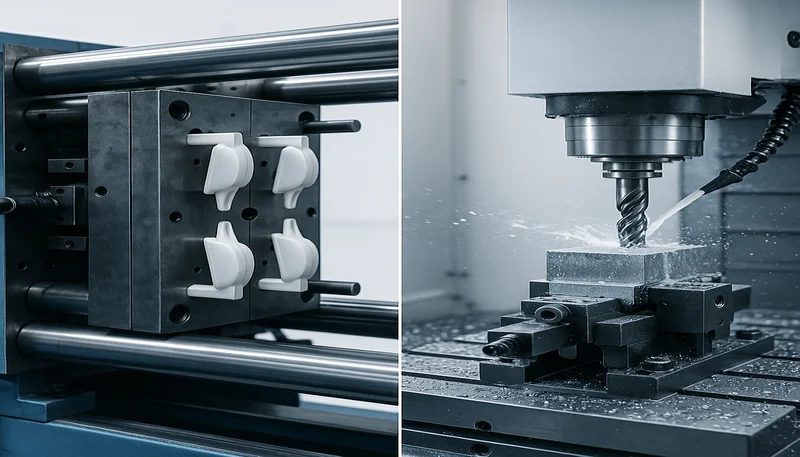
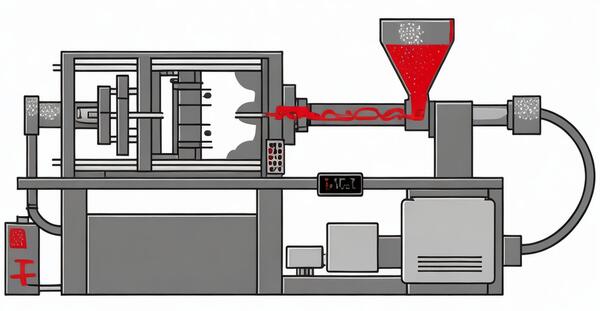
IQ temel aşamadır; kötü kurulmuş bir enjeksiyon kalıplama1 makinesini hiçbir proses optimizasyonu telafi edemez ve kurtaramaz. Tipik IQ faaliyetleri şunlardır:
- Makine modelinin, seri numarasının ve konfigürasyonunun satın alma şartnamesiyle eşleştiğinin doğrulanması
- Elektrik bağlantılarının, hidrolik hatların ve soğutma suyu devrelerinin montaj çizimine uygun olduğunu doğrulama
- Kalıp montajı, itici hizası ve sıcak yolluk elektrik bağlantılarının kontrolü
- Tüm sensörlerin kalibre edilmesi — kovan sıcaklığı termokuplları, basınç transdüserleri, konum enkoderleri
- Makine kontrolöründeki ve tüm izleme sistemlerindeki yazılım sürümlerinin belgelenmesi
- Çevre koşullarının doğrulanması: ortam sıcaklığı aralığı, nem, güç kaynağı kararlılığı
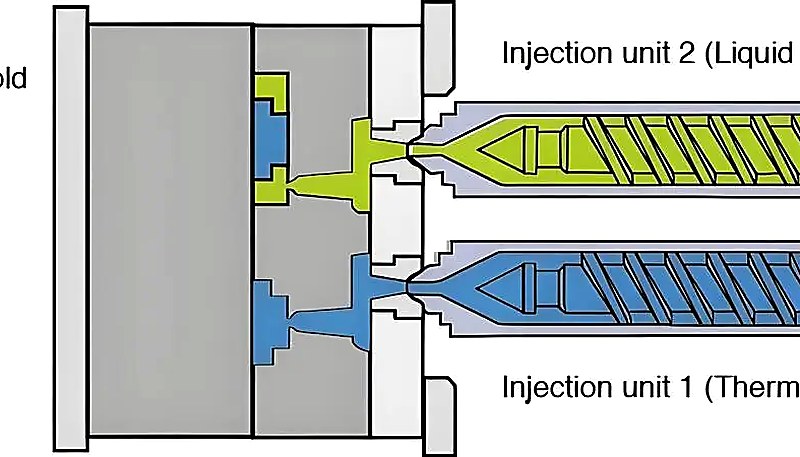
Yaygın bir hata, IQ’yu evrak işi olarak görüp yıllar önce başkasının doldurduğu formdaki kutuları işaretlemektir. Gerçekte IQ, kalibrasyon sertifikasıyla makinenin başına gidip termokupl üzerindeki seri numarasının sertifikadakiyle eşleştiğini fiziksel olarak doğrulamayı gerektirir. Denetçilerin aradığı titizlik düzeyi budur.
ZetarMold’da Şanghay tesisimizdeki her enjeksiyon kalıplama makinesi ilk kurulduğunda yapılandırılmış bir IQ protokolünden geçer. 90T ile 1850T arasında 45 makineyle çalışırken IQ’da kestirme yollara başvurmanın daha sonra daima daha pahalıya mal olduğunu öğrendik; çoğu zaman kurulumda “sorunsuz” görünen makine, hiç doğru kalibre edilmemiş bir termokupl yüzünden şartname dışı parçalar üretmeye başlar.
Şanghay fabrikamızda 90T ile 1850T arasında 45 enjeksiyon kalıplama makinesi çalıştırıyoruz. Her makine kurulum sırasında termokupl kalibrasyonu doğrulaması, hidrolik basınç göstergesi sertifikasyonu ve kalıp bağlama hizası kontrollerini içeren standart bir IQ kontrol listesinden geçer. Bu doğrulamaları teknisyenler değil, 8 kıdemli mühendisimiz yapar; çünkü bu aşamadaki mühendislik değerlendirmesi OQ ve PQ sırasında sorunların zincirleme büyümesini önler.
Enjeksiyon Kalıplamada Operasyonel Kalifikasyon (OQ) Nedir?
Operasyonel Kalifikasyon (OQ), proses kararlılığını doğrulamak için prosesinizi tüm parametre penceresinde test eden ikinci aşamadır. OQ şu soruyu yanıtlar: “Bu proses, çalışma penceresinin sınırlarında güvenilir biçimde çalışıyor mu?”
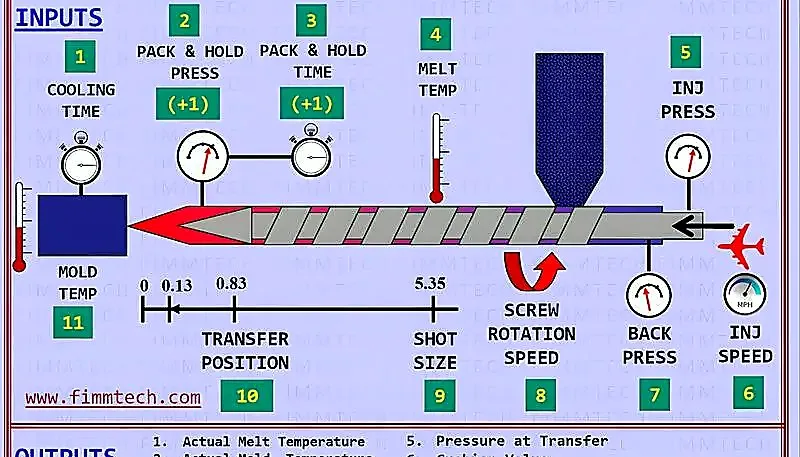
OQ sırasında prosesi yalnızca “en iyi” ayarlarda çalıştırmazsınız. Parametre aralıklarının uçlarını kasıtlı olarak sınarsınız: yüksek ve düşük eriyik sıcaklığı, hızlı ve yavaş enjeksiyon hızı, maksimum ve minimum tutma basıncı. Proses sağlamlık testi denen bu çalışma, kalite bozulmadan önce ne kadar hareket alanınız olduğunu gösterir.
Enjeksiyon kalıplamaya yönelik tipik bir OQ protokolü aşağıdaki test matrisini içerir:
| Parametre | Alt Sınır | Nominal | Üst Sınır | Kritik mi? |
|---|---|---|---|---|
| Erime Sıcaklığı | 210.0°C | 230.0°C | 250.0°C | Evet |
| Enjeksiyon Hızı | 30.0 mm/sec hız | Hız: 60.0 mm/sec | 90.0 mm/sec hız | Evet |
| Tutma Basıncı | 600 bar | 850 bar | 1100 bar | Evet |
| Soğutma Süresi | 8 s | 12 s | 16 s | Parçaya bağlı |
| Kalıp Sıcaklığı | 40°C | 60°C | 80°C | Evet |
Şanghay’daki üretim tesisimizde, tutma basıncı ile eriyik sıcaklığının en yaygın iki OQ hata türü olduğunu gördük; bunlar 90.0 ton ile 1850.0 ton arasında değişen 45 makinemizde gözlemlediğimiz spesifikasyon dışı koşulların yaklaşık %80’ini oluşturuyor. Amaç, uç ayarlarda bile prosesin spesifikasyon dâhilinde parçalar ürettiğini kanıtlamak veya uygun kontrol sınırlarını belirleyebilmeniz için tam olarak nerede başarısız olduğunu belgelemektir. Çoğu şirketin yetersiz kaldığı nokta budur. Nominal koşulu test edip doğrulandı sayarlar; ancak gece vardiyasında bir makinenin eriyik sıcaklığı 5°C sapınca bunun önemli olup olmadığını kimse bilmez.
OQ ayrıca enjeksiyon kalıbı2 kalifikasyonunu, yani kalıbın parametre penceresi genelinde kabul edilebilir parçalar ürettiğinin doğrulanmasını içerir. Bu; çok kavite kalıplarda kavite dolum dengesinin kontrolünü, itici işlevinin doğrulanmasını ve soğutma devrelerinin tüm kavitelerde eş sıcaklık sağladığının teyidini kapsar.
“OQ testi, prosesi kasıtlı olarak en kötü durum parametre kombinasyonlarına zorlamalıdır.”True
OQ'nun temel amacı prosesin hangi noktada bozulduğunu bulmaktır. Yalnızca nominal koşulları test etmek, dayanıklılık hakkında hiçbir şey kanıtlamaz. Proses penceresinin, spesifikasyon dışı parça üretmeden normal makine sapmalarını karşılayacak kadar geniş olduğunu göstermeniz gerekir.
“Bir parça görsel muayeneden geçerse proses doğrulanmıştır.”False
Görsel muayene doğrulama değil, yalnızca bir veri noktasıdır. Proses doğrulaması; ölçüsel ölçüm, malzeme özelliklerinin doğrulanması ve birden fazla üretim serisinde istatistiksel analiz gerektirir. İyi görünen bir parçada yalnızca ölçümle ortaya çıkan iç boşluklar, aşırı artık gerilim veya ölçüsel sapma bulunabilir.
Enjeksiyon Kalıplamada Performans Yeterliliği (PQ) Nedir?
Performans Kalifikasyonu (PQ), 3 ardışık çalıştırmada tutarlı üretim çıktısını kanıtlayan son doğrulama aşamasıdır. PQ şu soruyu yanıtlar: “Bu proses gerçek operatörler, gerçek malzeme partileri ve gerçek vardiya değişimleriyle fiili üretim koşullarında istikrarını koruyor mu?”
PQ tipik olarak, mümkünse her birinde farklı bir malzeme partisi kullanılan ve bazen “üç parti” olarak adlandırılan üç ardışık üretim serisini kapsar. Amaç; farklı operatörler, gece ile gündüz arasındaki ortam sıcaklığı değişimleri ve partiden partiye malzeme değişkenliği gibi normal üretim değişkenliğini devreye sokmak ve prosesin yine de çalıştığını kanıtlamaktır.
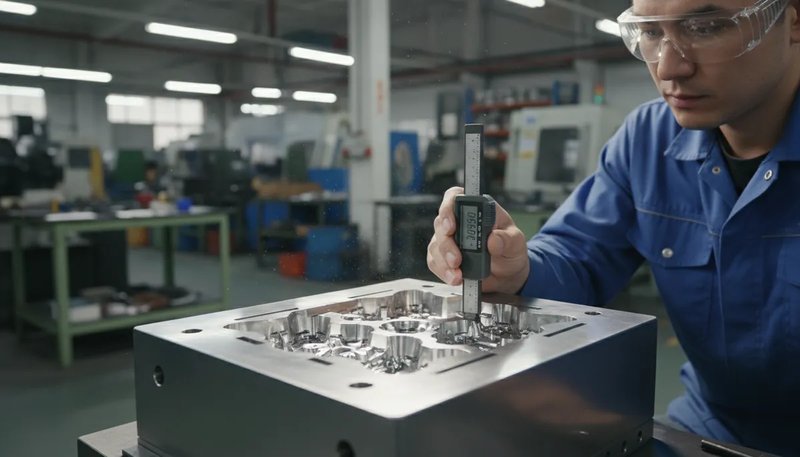
PQ sırasında prosesi OQ’da belirlenen nominal parametrelerde çalıştırır ve her kritik ölçü ile kalite özelliğine ilişkin veri toplarsınız. Tipik bir PQ çalışmasında ölçüm için art arda 30–100 numune üretilir. Ardından verileri istatistiksel proses kontrolü (SPC) yöntemleriyle analiz eder; Cpk değerlerini hesaplar, eğilimleri kontrol eder ve prosesin şartname sınırları içinde merkezlendiğini doğrularsınız.
1.33 veya üzeri Cpk, çoğu sektörde doğrulanmış bir proses için genellikle minimum değer kabul edilir. Tıbbi cihazlarda kritik ölçüler için çoğu zaman Cpk ≥ 1.67 gerekir. Cpk değeriniz 1.0’ın altındaysa proses yeterli değildir; düzenli olarak spesifikasyon dışı parçalar üretirsiniz ve hiçbir kontrol bunların tamamını yakalayamaz.
Mühendislerimiz, art arda üç başarılı PQ serisi için en az 10 iş günü ayrılmasını önerir. Yakın tarihli 32 gözlü bir tıbbi şırınga kalıbında PQ serilerimiz, tüm kritik boyutlarda Cpk ≥ 1.67 elde etmek için üç malzeme partisinde 1,200 ayrı boyutsal veri noktasını ölçtü. PQ’nun uygulamadaki zorluğu zaman almasıdır. Art arda üç seri birkaç güne yayılabilir; herhangi biri başarısız olursa sorunu araştırmanız, temel nedeni gidermeniz ve baştan başlamanız gerekir. Bu nedenle IQ ve OQ’yu aceleye getirmek verimsizdir; erken yakalanması gereken sorunlar, yeniden işleme maliyeti çok daha yüksekken PQ’yu sekteye uğratır.
Malzeme kalifikasyonu, birçok kalıpçının gözden kaçırdığı temel bir PQ unsurudur. Üretim validasyonu başlamadan önce gelen reçinenin malzeme tedarikçisinin veri sayfasındaki teknik özellikleri — en azından eriyik akış indeksi, nem içeriği ve çekme özelliklerini — karşıladığını doğrulamalısınız. Tıbbi uygulamalar için validasyon yapıyorsanız, PQ çalışmalarında kullanılan her parti için malzeme analiz sertifikasının (CoA) izlenebilirliği zorunludur.
IQ, OQ ve PQ Arasındaki Farklar Nelerdir?
IQ kuruluma odaklanır, OQ parametre aralıklarını test eder ve PQ üretim tutarlılığını kanıtlar; her aşama sırayla ilerler ve bir öncekinin üzerine kurulur. Aşağıdaki tablo, her aşamanın odağını, kapsamını ve teslimatlarını özetler.
| Boyut | IQ | OQ | PQ |
|---|---|---|---|
| Odaklanma | Ekipman kurulumu | Proses çalışma penceresi | Üretim tutarlılığı |
| Soru | Doğru takılmış mı? | Farklı aralıklarda çalışıyor mu? | Üretimde dayanıklılığını koruyor mu? |
| Tipik Süre | 1–3 gün | 3–10 gün | 5–15 gün |
| Temel Teslimat | Kurulum doğrulama raporu | Proses parametresi sınırları | Cpk / SPC veri paketi |
| Onaylayan Kişi | Mühendislik + Kalite | Mühendislik + Kalite | Kalite + Müşteri (çoğunlukla) |
| Arızanın Etkisi | OQ başlatılamıyor | PQ başlatılamaz | Ürün serbest bırakılamaz |
Bunu bir ev inşa etmek gibi düşünün: IQ temel, OQ iskelet ve PQ taşınmadan önceki son kontroldür. İskeleti olmayan bir eve mobilya taşımaz, doğrulanmış OQ sonuçları olmadan da PQ’ya başlamazsınız.
Süreç Validasyonunda Sık Yapılan Hatalar Nelerdir?
Enjeksiyon kalıplama süreç doğrulamasındaki en yaygın hatalar, doğrulamayı bir mühendislik faaliyeti yerine dokümantasyon çalışması olarak ele almaktan kaynaklanır. Tedarikçi doğrulama paketlerini incelerken en sık karşılaştıklarımız şunlardır.
Hata 1: Kopyala-yapıştır protokoller. Şirketlerin parça numarası ve tarihi değiştirerek aynı IQ/OQ/PQ protokolünü tamamen farklı ürünlerde yeniden kullandığını gördük. Bu, amacı boşa çıkarır. Her ürün-kalıp-makine birleşiminin kendine özgü kritik parametreleri vardır ve protokol bu özgüllüğü yansıtmalıdır.
Hata 2: Yalnızca nominal değerde test. OQ’yu yalnızca parametre aralığınızın orta noktasında yürütmek sağlamlık hakkında hiçbir şey kanıtlamaz. OQ raporunuzdaki tek veri 230°C, 60.0 mm/sec ve 850 bar değerlerinde üretilmiş parçaları gösteriyorsa bir aralığı değil tek noktayı doğrulamışsınızdır.
Hata 3: Yetersiz numune sayısı. Her çalışmada beş parça ölçmek istatistiksel olarak anlamlı değildir. Güvenilir Cpk değerleri hesaplamak için PQ’da çalışma başına genellikle en az 30 ardışık numune gerekir. Daha azında güven aralıkları o kadar geniştir ki veriler esasen anlamsızlaşır.
Deneyimlerimize göre, malzeme değişkenliği en çok hafife alınan faktörlerden biridir. Her malzeme partisi için katı bir gelen kalite kontrol süreci kullanıyoruz; herhangi bir PQ çalışması başlamadan önce erime akış indeksi ve nem içeriğini kontrol ediyoruz.
Hata 4: Malzeme değişkenliğini görmezden gelmek. Üç PQ çalışmasında da aynı malzeme partisini kullanmak amacı boşa çıkarır. Prosesin normal partiler arası değişimde çalıştığını göstermelisiniz. Malzeme tedarikçiniz sonraki partide biraz farklı eriyik akış indeksi gönderirse doğrulanmış prosesiniz yine iyi parçalar üretmelidir.
“Cpk'ın 1.0'ın altında olması, muayene sıklığından bağımsız olarak sürecin düzenli olarak spesifikasyon dışı parçalar üreteceği anlamına gelir.”True
Cpk'ın 1.0'ın altında olması, süreç dağılımının spesifikasyon genişliğini aştığı anlamına gelir. 0 muayene ile bile, zamanla kusurlu parçaların geçme olasılığı kesinliğe yaklaşır. Tek çözüm, sürecin kendisini iyileştirmektir — daha sıkı parametre kontrolü, kalıp modifikasyonu veya malzeme değişikliği.
"Bir kez validasyonu yapılan bir sürecin asla yeniden validasyon gerektirmez."False
Süreçteki herhangi bir önemli değişiklik, yeniden validasyon veya en azından bir değişiklik etki değerlendirmesi gerektirir. Bu, kalıp modifikasyonlarını, malzeme tedarikçisi değişikliklerini, makine yenilemelerini, validasyon aralığının dışındaki parametre ayarlamalarını veya kalıbın farklı bir makineye taşınmasını bile içerir. ISO 13485 ve çoğu müşteri kalite anlaşması bunu açıkça gerektirir.
Sıkça Sorulan Sorular
Enjeksiyon Kalıplamada IQ, OQ ve PQ Arasındaki Fark Nedir?
IQ, ekipmanın spesifikasyonlara göre doğru kurulduğunu doğrular. OQ, sürecin tanımlanmış parametre aralıklarında kabul edilebilir şekilde çalıştığını gösterir. PQ, sürecin rutin üretim koşullarında zamanla tutarlı bir şekilde uygun parçalar ürettiğini kanıtlar.
Enjeksiyon Kalıplama Süreci Doğrulaması Ne Kadar Sürer?
Tam IQ/OQ/PQ doğrulaması tipik olarak parça karmaşıklığına ve endüstri gereksinimlerine bağlı olarak 2–6 hafta sürer. IQ 1–3 gün, OQ 3–10 gün ve PQ veri analizi ve raporlamayı içerecek şekilde 5–15 gün sürer.
Tüm Enjeksiyon Kalıplı Parçalar İçin Süreç Doğrulaması Gerekli midir?
Süreç doğrulaması tıbbi cihazlar (FDA 21 CFR Bölüm 820, ISO 13485), otomotiv (IATF 16949) ve havacılık (AS9100) bileşenleri için zorunludur. Tüketici ürünleri ve genel endüstriyel parçalar her zaman resmi doğrulama gerektirmez, ancak metodoloji kritik uygulamalar için değerlidir.
Doğrulanmış Bir Enjeksiyon Kalıplama Süreci İçin İyi Bir Cpk Değeri Nedir?
1.33 Cpk3 değeri, doğrulanmış prosesler için genel kabul gören minimumdur. Tıbbi cihazların kritik boyutları genellikle Cpk ≥ 1.67 gerektirir. 1.0 altındaki değerler, doğrulanmadan önce iyileştirilmesi gereken yetersiz bir prosesi gösterir.
Bir Süreç Validasyonu Başarısız Olursa Ne Olur?
Başarısız doğrulama, kök neden araştırması, düzeltici faaliyet ve yeniden test gerektirir. Yaygın düzeltmeler arasında süreç parametrelerinin ayarlanması, kalıp tasarımının değiştirilmesi (soğutma, giriş yeri), malzeme sınıfının değiştirilmesi veya makine kalibrasyonunun sıkılaştırılması yer alır. Düzenlenmiş endüstrilerde doğrulanmamış bir süreçten üretim parçaları sevk edemezsiniz.
Süreç Doğrulamasından Kim Sorumludur?
Kalıpçı (kontrat üreticisi) genellikle validasyon protokolünü uygular, ancak ürün sahibi (OEM) bunu onaylar ve genellikle kabul kriterlerini sağlar. Kalite mühendisleri, süreç mühendisleri, kalıp mühendisleri ve üretim süpervizörlerinin desteğiyle çabayı yönetir.
Süreç Validasyonu Ne Zaman Tekrarlanmalı?
Yeniden validasyon, herhangi bir önemli süreç değişikliğinden sonra gereklidir: kalıp modifikasyonu, malzeme tedarikçisi değişikliği, makine değişikliği, validasyon aralığının dışındaki parametre ayarı veya tesis yer değiştirmesi. Sürecin validasyon durumunu koruduğunu teyit etmek için yıllık incelemeler de yaygındır.
Enjeksiyon Kalıplama Validasyonu İçin Hangi Belgeler Gereklidir?
Tam bir validasyon paketi; validasyon ana planını, IQ protokolü ve raporunu, OQ protokolü ve raporunu, PQ protokolü ve raporunu, SPC analizli tüm ölçüm verilerini, sapma raporlarını, değişiklik kontrol kayıtlarını ve kalite ve mühendislik tarafından imzalanmış nihai bir validasyon özetini içerir.
Hızlı kural: Müşteriniz süreç validasyonu isterse, kalıp montajlanmadan önce IQ ile başlayın - bu sadece bir gün sürer ve en utandırıcı denetim bulgularını önler. Süreci kabaca ayarladığınızda OQ’yu planlayın ve üç temiz PQ çalışması için yeterli takvim zamanı bırakın. Oluşturduğunuz validasyon paketi canlı bir belge haline gelir: eğitimde, sorun gidermede ve bir sonraki denetçi geldiğinde yetenek kanıtı olarak kullanın.
Sonraki enjeksiyon kalıplama projeniz için sağlam bir IQ/OQ/PQ paketi oluşturmada yardıma mı ihtiyacınız var? ZetarMold, tıbbi, otomotiv ve endüstriyel uygulamalarda 20.0 yılı aşkın proses doğrulama deneyimine sahiptir. 8 kıdemli mühendis, İngilizce konuşan 30+ proje yöneticisi ve ISO 9001 / 13485 / 14001 / 45001 sertifikalarıyla doğrulama belgelerini standart üretim iş akışımızın parçası olarak yürütüyoruz. Mühendislik ekibimize ulaşın; doğru doğrulanmış bir prosesin nasıl göründüğünü gösterelim.
-
Enjeksiyon kalıplama makinesi, plastik malzemeyi eritip tanımlı bir şekil oluşturmak üzere basınç altında kalıp kavitesine enjekte eden bir üretim cihazıdır.↩
-
Enjeksiyon kalıbı, enjeksiyon kalıplama çevrimi sırasında erimiş plastiği tanımlı bir şekle getiren kavite ve çekirdek plakalarından oluşan hassas bir araçtır.↩
-
Cpk (Proses Yeterlilik İndeksi), proses değişkenliğini şartname sınırlarıyla karşılaştıran ve (USL-ortalama)/3σ ile (ortalama-LSL)/3σ değerlerinin küçüğü olarak hesaplanan istatistiksel bir ölçüdür.↩