Je hebt net een bestelling gekregen van een medisch apparaat bedrijf. Voordat ze je een productieonderdeel laten verzenden, willen ze je procesvalidatiepakket zien — IQ, OQ, PQ — en hun auditor arriveert in drie weken. Als je er nog nooit een hebt samengesteld, of als je laatste tijdens een FDA audit werd afgekeurd, deze gids leidt je door exact wat elke fase vereist, wat meeste bedrijven verkeerd doen, en hoe je een validatiepakket bouwt dat onder kritiek standhoudt.
- Procesvalidatie bewijst dat je injectiegiets proces consistent onderdelen produceert die specificaties behalen.
- IQ verifieert de installatie van apparatuur; OQ bevestigt de werkbereiken; PQ toont een consistente productie-output.
- Medische, auto- en lucht- en ruimtevaartklanten vereisen doorgaans volledige IQ/OQ/PQ-documentatie.
- Sla een fase over en je riskeert auditfalen, productterugroepingen of verloren contracten.
- Een goed gedocumenteerd validatiepakket wordt een herbruikbaar actief voor toekomstige projecten.
Wat Is Injectiegiets Procesvalidatie?
Injectiegiets procesvalidatie is een drie-fasen protocol (IQ, OQ, PQ) dat bewijst dat je proces consistent conforme onderdelen produceert. Het framework komt uit drie fasen: Installatie Qualification (IQ), Operationele Qualification (OQ), en Performance Qualification (PQ). Elke fase bouwt voort op de vorige — je kunt niet vooruitspringen.
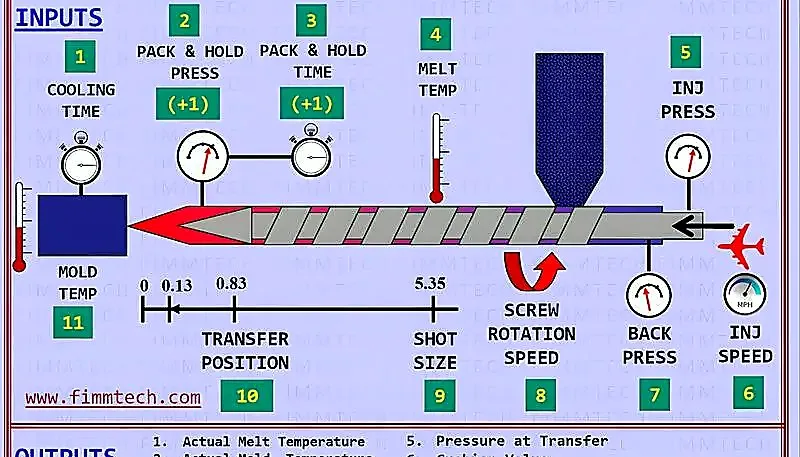
Het concept vindt zijn oorsprong in de farmaceutische industrie onder FDA 21 CFR Part 820 en ISO 13485-eisen, maar is sindsdien standaardpraktijk geworden in elke gereguleerde productieomgeving. Voor spuitgieten betekent dit dat elke variabele die de onderdeelkwaliteit beïnvloedt — machineparameters, matrijs-temperatuur, materiaalpartij, koeltijd — geïdentificeerd, gecontroleerd en geverifieerd moet worden.
In de praktijk zien we dat bedrijven proberen een proces te valideren door een paar goede onderdelen te produceren en het daarbij te laten. Dat is geen validatie — dat is geluk. Echte validatie vereist statistisch bewijs over meerdere runs, materiaalpartijen en operators. Je moet aantonen dat het proces robuust is, niet alleen dat het één keer werkte op een dinsdagmiddag met je beste technicus aan de bediening.
Waarom is procesvalidatie belangrijk bij spuitgieten?
Procesvalidatie is wettelijk vereist voor medische apparaten onder FDA 21 CFR Part 820, en reduceert defectpercentages door 60.0% tot 80.0%. In plaats van defecten te detecteren nadat ze gebeuren, bewijst validatie dat je proces voorkomt dat ze optreden. Voor gereguleerde industrieën is dit niet optioneel — het is een contractuele en wettelijke vereiste.
Overweeg de gevolgen van het overslaan van validatie. In de medische productie kan een niet-gevalideerd proces leiden tot een FDA Form 483 observatie, een waarschuwingsbrief, of zelfs een consent decree dat de productie stillegt. In de auto-industrie kan het niet valideren volgens IATF 16949 betekenen dat je je TS-certificering verliest — en daarmee je geschiktheid om grote OEM’s te leveren.
In onze eigen operaties bij ZetarMold heeft ons team de afgelopen vijf jaar meer dan 200 IQ/OQ/PQ-validatiepakketten voltooid voor medische en automotive klanten. Het patroon is consistent: bedrijven die vooraf investeren in grondige validatie geven 70% minder uit aan kwaliteitsproblemen tijdens de productie.
Maar ook buiten gereguleerde sectoren is validatie economisch zinvol. Eén retourzending of garantieclaim kost vaak meer dan de volledige validatie-inspanning. Een automobielleverancier die wij kennen, besteedde $200.000 aan onderzoek naar een storing in het veld die terug te voeren was op een niet-gevalideerde wijziging van de houddruk. Een goede OQ-test had die gevoeligheid tegen een fractie van de kosten in een gecontroleerde omgeving aan het licht gebracht.
De belangrijkste inzicht: validatie is geen bureaucratie. Het is een technisch hulpmiddel dat je helpt je proces diepgaand genoeg te begrijpen om het betrouwbaar te kunnen beheersen. Wanneer het goed wordt uitgevoerd, wordt de documentatie tegelijkertijd een probleemoplossingsgids, een trainingsbron en een concurrentievoordeel.
Wat is Installatiekwalificatie (IQ) voor spuitgieten?
Installatiekwalificatie (IQ) is de eerste fase die verifieert dat apparatuur is geïnstalleerd volgens de specificaties van de fabrikant. IQ beantwoordt de vraag: “Staat alles waar het hoort, is het correct aangesloten en klaar voor gebruik?”
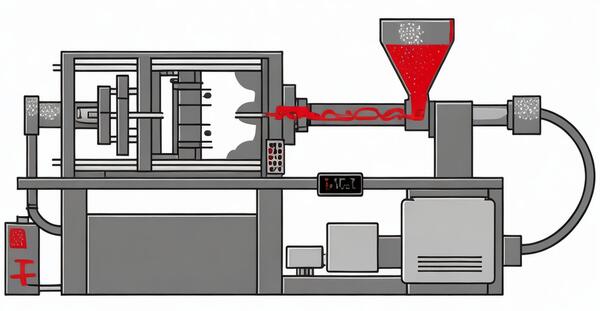
IQ is de basisfase: zonder IQ kan geen enkele procesoptimalisatie een slecht geïnstalleerde spuitgietmachine1 compenseren. Typische IQ-activiteiten zijn onder meer:
- Verificatie van machine model, serienummer en configuratie die overeenkomt met de aankoop specificatie
- Bevestigen dat elektrische aansluitingen, hydraulische leidingen en koelwatercircuits overeenkomen met de installatietekening
- Controleren van matrijsbevestiging, uitwerperuitlijning en elektrische aansluitingen van het heetkanaalsysteem
- Kalibreren van alle sensoren — vat-temperatuur thermokoppels, druktransducers, positie-encoders
- Documentatie van softwareversies op de machinecontroller en monitoring systemen
- Verifiëren van omgevingscondities: omgevingstemperatuurbereik, vochtigheid, stabiliteit van de stroomvoorziening
Een veelgemaakte fout is het behandelen van IQ als een papieren oefening — het afvinken van vakjes op een formulier dat iemand jaren geleden heeft ingevuld. In werkelijkheid vereist IQ dat je fysiek naar de machine loopt met een kalibratiecertificaat en verifieert dat het serienummer op de thermokoppel overeenkomt met dat op het certificaat. Dat niveau van grondigheid is waar auditors naar op zoek zijn.
Bij ZetarMold ondergaat elke spuitgietmachine in onze fabriek in Shanghai bij de eerste installatie een gestructureerd IQ-protocol. Met 45 machines van 90T tot 1850T hebben we geleerd dat bezuinigen op IQ later altijd duurder uitvalt — meestal wanneer een machine die tijdens de installatie “in orde” leek, onderdelen buiten specificatie begint te produceren doordat een thermokoppel nooit goed is gekalibreerd.
In onze fabriek in Shanghai hebben we 45 spuitgietmachines van 90T tot 1850T. Elke machine doorloopt bij installatie een gestandaardiseerde IQ-checklist, inclusief verificatie van thermokoppelkalibratie, certificering van hydraulische drukmeters en controle van matrijsmontage-uitlijning. Onze 8 senior engineers voeren deze verificaties uit — geen technici — omdat het technisch oordeel in deze fase cascade-problemen tijdens OQ en PQ voorkomt.
Wat is Operationele Kwalificatie (OQ) bij spuitgieten?
Operationele Qualification (OQ) is de tweede fase, waarbij je proces wordt getest over het volledige parameterbereik om robuustheid te bevestigen. OQ antwoordt: “Werkt dit proces betrouwbaar binnen de grenzen van zijn operationeel window?”
Tijdens OQ draait u het proces niet alleen met de “beste” instellingen. U test bewust de grenzen van de parameterbereiken: hoge en lage smelttemperatuur, hoge en lage injectiesnelheid en maximale en minimale houddruk. Dit heet een robuustheidstest van het proces en laat zien hoeveel speelruimte er is voordat de kwaliteit verslechtert.
Een typisch OQ-protocol voor spuitgieten omvat de volgende testmatrix:
| Parameterwaarde | Ondergrens | Nominaal | Hoge limiet | Kritisch? |
|---|---|---|---|---|
| Smelttemperatuur | 210.0°C | 230.0°C | 250.0°C | Ja |
| Injectiesnelheid | 30.0 mm/s | 60.0 mm/seconde | 90,0 mm/sec | Ja |
| Houddruk | 600 bar | 850 bar | 1100 bar | Ja |
| Koeltijd | 8 s | 12 s | 16 s | Afhankelijk van onderdeel |
| Schimmel Temperatuur | 40°C | 60°C | 80°C | Ja |
In onze productiefaciliteit in Shanghai hebben we vastgesteld dat houddruk en smelttemperatuur de twee meest voorkomende OQ-foutmodi zijn – goed voor ongeveer 80% van de buiten-specificatie condities die we observeren op onze 45 machines, variërend van 90,0 ton tot 1850,0 ton. Het doel is om aan te tonen dat zelfs bij extreme instellingen het proces nog steeds onderdelen binnen specificatie produceert – of om exact vast te leggen waar het faalt, zodat u passende controlelimieten kunt instellen. Dit is waar de meeste bedrijven tekortschieten. Ze testen op nominale waarden en noemen het gevalideerd, maar wanneer een machine tijdens een nachtdienst 5°C afwijkt op smelttemperatuur, weet niemand of dat uitmaakt.
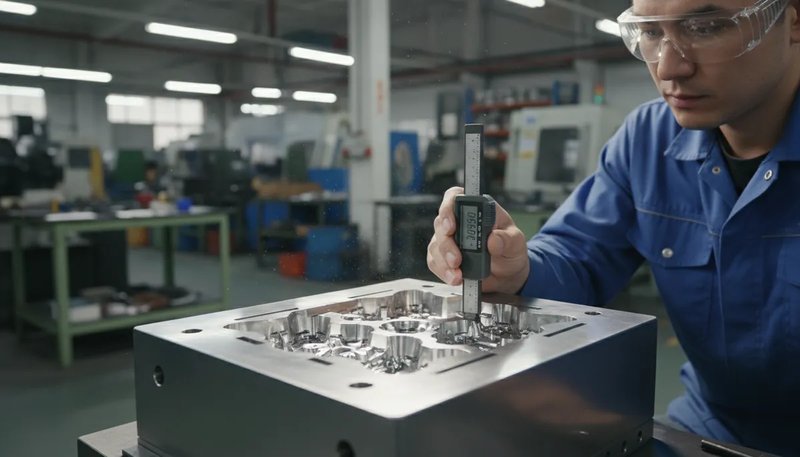
OQ omvat ook de kwalificatie van de spuitgietmatrijs2: verifiëren dat de matrijs binnen het parametervenster aanvaardbare onderdelen produceert. Dit betekent dat u bij matrijzen met meerdere holtes de vulbalans controleert, de werking van de uitwerpers verifieert en bevestigt dat de koelcircuits in alle holtes een gelijkmatige temperatuur leveren.
“OQ-testing moet het proces opzettelijk naar zijn worst-case parametercombinaties duwen.”True
Het hele doel van OQ is om te vinden waar het proces faalt. Alleen nominale omstandigheden testen bewijst niets over robuustheid. Je moet aantonen dat het procesvenster breed genoeg is om normale machinedrift op te vangen zonder onder-specificatie onderdelen te produceren.
“Als een onderdeel de visuele inspectie doorstaat, is het proces gevalideerd.”False
Visuele inspectie is één datapunt, geen validatie. Procesvalidatie vereist dimensionale meting, verificatie van materiaaleigenschappen en statistische analyse over meerdere runs. Een onderdeel dat er goed uitziet, kan interne holtes, overmatige restspanning of dimensionale drift hebben die alleen meting aan het licht brengt.
Wat is Prestatiekwalificatie (PQ) bij spuitgieten?
Prestatiekwalificatie (PQ) is de laatste validatiefase die aantoont dat de productie-uitvoer consistent is over 3 opeenvolgende runs. PQ beantwoordt de vraag: “Houdt dit proces stand in de echte productie, met echte operators, echte materiaalpartijen en echte ploegendiensten?”
PQ omvat typisch drie opeenvolgende productieruns (soms “drie partijen” genoemd), waarbij indien mogelijk elke run een andere materiaalpartij gebruikt. Het idee is om de normale variabiliteit van de productie te introduceren — verschillende operators, verschuivingen in omgevingstemperatuur tussen dag en nacht, variatie tussen materiaalpartijen — en aan te tonen dat het proces nog steeds werkt.
Tijdens PQ voert u het proces uit met de nominale parameters die tijdens OQ zijn vastgesteld en verzamelt u gegevens over elke kritieke dimensie en kwaliteitseigenschap. Een typische PQ-run levert 30–100 opeenvolgende monsters op voor meting. Vervolgens analyseert u de gegevens met behulp van statistische procesbeheersing (SPC)-methoden: Cpk-waarden berekenen, trends controleren en verifiëren dat het proces binnen de specificatielimieten gecentreerd is.
Een Cpk van 1,33 of hoger wordt over het algemeen beschouwd als het minimum voor een gevalideerd proces in de meeste industrieën. Medische hulpmiddelen vereisen vaak een Cpk ≥ 1,67 voor kritieke afmetingen. Als uw Cpk onder de 1,0 ligt, is het proces niet capabel – u produceert regelmatig onderdelen die buiten de specificaties vallen, en geen enkele hoeveelheid inspectie zal ze allemaal kunnen opsporen.
Onze ingenieurs adviseren om minstens 10 werkdagen te budgetteren voor een schone drie-run PQ-slag. Bij een recente 32-holte medische spuitmatrijs maten onze PQ-runs 1.200 individuele dimensionale datapunten over drie materiaalpartijen om een Cpk ≥ 1,67 te behalen op alle kritieke afmetingen. De praktische uitdaging bij PQ is dat het tijd kost. Drie opeenvolgende runs kunnen meerdere dagen beslaan, en als een run faalt, moet u de oorzaak onderzoeken, oplossen en opnieuw beginnen. Dit is waarom haast hebben met IQ en OQ zo contraproductief is – problemen die vroeg hadden moeten worden opgemerkt, leiden uiteindelijk tot vertraging bij PQ wanneer de kosten voor herwerking veel hoger zijn.
Materiaalkwalificatie is een essentieel onderdeel van PQ dat veel spuitgieters over het hoofd zien. Voordat de productievalidatie begint, moet u verifiëren dat de inkomende kunststof voldoet aan de specificaties op het gegevensblad van de materiaalleverancier — minimaal de smeltstroomindex, het vochtgehalte en de treksterkte-eigenschappen. Als u valideert voor medische toepassingen, is traceerbaarheid van het materiaalanalyse-certificaat (CoA) verplicht voor elke partij die wordt gebruikt in de PQ-runs.

Hoe verschillen IQ, OQ en PQ?
IQ richt zich op installatie, OQ test parameterbereiken en PQ bewijst productieconsistentie — elke fase is sequentieel en bouwt voort op de vorige. De onderstaande tabel vat de focus, reikwijdte en resultaten van elke fase samen.
| Aspect | IQ | OQ | PQ |
|---|---|---|---|
| Aandachtspunt | Apparatuurinstallatie | Procesbedieningsvenster | Productieconsistentie |
| Vraag | Is het correct geïnstalleerd? | Werkt het binnen bereiken? | Houdt het stand in productie? |
| Typische duur | 1–3 dagen | 3–10 dagen | 5–15 dagen |
| Belangrijkste Resultaat | Installatieverificatierapport | Procesparameterlimieten | Cpk / SPC-gegevenspakket |
| Wie keurt goed | Engineering + Kwaliteit | Engineering + Kwaliteit | Kwaliteit + Klant (vaak) |
| Impact van falen | Kan OQ niet starten | Kan niet beginnen met PQ | Kan product niet vrijgeven |
Zie het als het bouwen van een huis: IQ is de fundering, OQ is het skelet, en PQ is de eindinspectie voordat je intrekt. Je zou geen meubels in een huis zonder skelet zetten, en je zou niet met PQ beginnen zonder bevestigde OQ-resultaten.
Wat zijn veelvoorkomende fouten bij procesvalidatie?
De meest voorkomende fouten bij validatie van het spuitgietproces komen voort uit het behandelen ervan als een documentatieoefening in plaats van een technische activiteit. Hier zijn de fouten die wij het vaakst tegenkomen bij het beoordelen van validatiepakketten van leveranciers.
Fout 1: Protocollen kopiëren en plakken. We hebben gezien dat bedrijven hetzelfde IQ/OQ/PQ-protocol hergebruikten voor totaal verschillende producten, waarbij alleen het onderdeelnummer en de datum werden gewijzigd. Dit verslaat het doel. Elke product-matrijs-machinecombinatie heeft unieke kritische parameters, en het protocol moet die specificiteit weerspiegelen.
Fout 2: Alleen op nominaal testen. Het uitvoeren van OQ alleen op het middelpunt van uw parameterbereik bewijst niets over de robuustheid. Als de enige gegevens in uw OQ-rapport onderdelen tonen die zijn gemaakt bij 230°C, 60,0 mm/sec en 850 bar, dan heeft u geen bereik gevalideerd, maar één enkel punt.
Fout 3: Onvoldoende steekproefomvang. Het meten van vijf onderdelen per run is statistisch niet betekenisvol. Voor PQ heeft u doorgaans minimaal 30 opeenvolgende monsters per run nodig om betrouwbare Cpk-waarden te berekenen. Alles minder en uw betrouwbaarheidsintervallen zijn zo breed dat de gegevens in wezen zinloos zijn.
Volgens onze ervaring is materiaalvariabiliteit een van de meest onderschatte factoren. We gebruiken een strikt inkomend QC-proces voor elke materiaalbatch, waarbij we de smeltstroomindex en het vochtgehalte controleren voordat een PQ-run begint.
Fout 4: Het negeren van materiële variabiliteit. Het gebruik van dezelfde materiaalbatch voor alle drie de PQ-runs is voorbij aan het doel. U moet aantonen dat het proces werkt bij normale partij-tot-partijvariatie. Als uw materiaalleverancier in de volgende batch een iets andere smeltstroomindex verzendt, zou uw gevalideerde proces nog steeds goede onderdelen moeten opleveren.
“Een Cpk onder 1,0 betekent dat het proces regelmatig buiten-specificatie onderdelen zal produceren, ongeacht de inspectiefrequentie.”True
Cpk onder 1,0 betekent dat de procesvariatie de specificatiebreedte overschrijdt. Zelfs met 100%-inspectie nadert de kans op het doorlaten van defecte onderdelen zekerheid over tijd. De enige oplossing is het proces zelf te verbeteren — strengere parametercontrole, matrijswijziging of materiaalwijziging.
“Eenmaal gevalideerd, hoeft een proces nooit opnieuw gevalideerd te worden.”False
Elke significante wijziging aan het proces vereist hervalidatie of op zijn minst een impactbeoordeling van de wijziging. Dit omvat matrijswijzigingen, wijzigingen van materiaalleverancier, machine-revisies, parameteraanpassingen buiten het gevalideerde bereik, of zelfs verplaatsing van de matrijs naar een andere machine. ISO 13485 en de meeste klantkwaliteitsovereenkomsten vereisen dit expliciet.
Veelgestelde vragen
Wat is het verschil tussen IQ, OQ en PQ bij spuitgieten?
IQ verifieert dat apparatuur correct is geïnstalleerd volgens specificaties. OQ toont aan dat het proces acceptabel werkt binnen de gedefinieerde parameterbereiken. PQ bewijst dat het proces onder routinematige productieomstandigheden consistent conforme onderdelen produceert over tijd.
Hoe Lang Duurt Spuitgietprocesvalidatie?
Volledige IQ/OQ/PQ-validatie duurt typisch 2–6 weken, afhankelijk van de complexiteit van het onderdeel en de branchevereisten. IQ duurt 1–3 dagen, OQ duurt 3–10 dagen, en PQ duurt 5–15 dagen inclusief data-analyse en rapportage.
Is Procesvalidatie Vereist voor Alle Spuitgegoten Onderdelen?
Procesvalidatie is verplicht voor medische hulpmiddelen (FDA 21 CFR Deel 820, ISO 13485), auto-onderdelen (IATF 16949) en lucht- en ruimtevaartcomponenten (AS9100). Consumentenproducten en algemene industriële onderdelen vereisen niet altijd formele validatie, hoewel de methodologie waardevol is voor kritieke toepassingen.
Wat Is een Goede Cpk-waarde voor een Gevalideerd Spuitgietproces?
Een Cpk3 van 1,33 is het algemeen aanvaarde minimum voor gevalideerde processen. Voor kritische afmetingen van medische apparatuur is doorgaans Cpk ≥ 1,67 vereist. Waarden onder de 1,0 duiden op een onbekwaam proces dat moet worden verbeterd voordat het kan worden gevalideerd.
Wat Gebeurt Er Als een Proces de Validatie Niet Haalt?
Een mislukte validatie vereist onderzoek naar de hoofdoorzaak, corrigerende maatregelen en hertesten. Veelvoorkomende oplossingen zijn het aanpassen van procesparameters, het wijzigen van matrijsontwerp (koeling, poortlocatie), het veranderen van materiaalkwaliteit of het aanscherpen van machinekalibratie. In gereguleerde industrieën kunt u geen productieonderdelen verzenden uit een niet-gevalideerd proces.
Wie is verantwoordelijk voor procesvalidatie?
De spuitgieter (contractfabrikant) voert typisch het validatieprotocol uit, maar de produkteigenaar (OEM) keurt het goed en levert vaak de acceptatiecriteria. Kwaliteitsingenieurs leiden de inspanning, met ondersteuning van procesingenieurs, gereedschapsingenieurs en productieleidinggevenden.
Wanneer Moet Procesvalidatie Worden Herhaald?
Hervalidatie is vereist na elke significante proceswijziging: matrijswijziging, wijziging van materiaalleverancier, machinewijziging, parameteraanpassing buiten gevalideerde bereiken, of verplaatsing van de faciliteit. Jaarlijkse reviews zijn ook gebruikelijk om te bevestigen dat het proces in een gevalideerde staat blijft.
Welke documentatie is vereist voor spuitgietvalidatie?
Een volledig validatiepakket omvat het validatiemasterplan, IQ-protocol en -rapport, OQ-protocol en -rapport, PQ-protocol en -rapport, alle meetgegevens met SPC-analyse, afwijkingenrapporten, wijzigingsbeheerregistraties en een definitieve validatiesamenvatting ondertekend door kwaliteit en engineering.
Snelle regel: als uw klant om procesvalidatie vraagt, begin dan met IQ voordat de matrijs zelfs maar gemonteerd is — het kost slechts een dag en voorkomt de meest gênante auditbevindingen. Plan OQ wanneer het proces ongeveer is afgesteld, en laat voldoende kalendertijd over voor drie schone PQ-runs. Het validatiepakket dat u opbouwt wordt een levend document: gebruik het voor training, probleemoplossing en als bewijs van bekwaamheid wanneer de volgende auditor binnenkomt.
Hulp nodig bij het samenstellen van een kogelvrij IQ/OQ/PQ-pakket voor uw volgende spuitgietproject? ZetarMold heeft meer dan 20 jaar ervaring met procesvalidatie in medische, automobiel- en industriële toepassingen. Met 8 senior engineers, meer dan 30 Engelssprekende projectmanagers en ISO 9001 / 13485 / 14001 / 45001-certificeringen, verwerken we validatiedocumentatie als onderdeel van onze standaard productieworkflow. Neem contact op met ons engineeringteam en laat ons u laten zien hoe een goed gevalideerd proces eruit ziet.
-
Een spuitgietmachine is een productieapparaat dat plastic materiaal smelt en dit onder druk in een malholte injecteert om een gedefinieerde vorm te vormen.↩
-
Een spuitgietmatrijs is een precisiegereedschap bestaande uit holte- en kernplaten dat gesmolten kunststof tijdens de spuitgietcyclus in een gedefinieerde vorm vormt.↩
-
Cpk (Process Capability Index) is een statistische maatstaf die procesvariabiliteit vergelijkt met specificatielimieten, berekend als het minimum van (USL-mean)/3σ en (mean-LSL)/3σ.↩