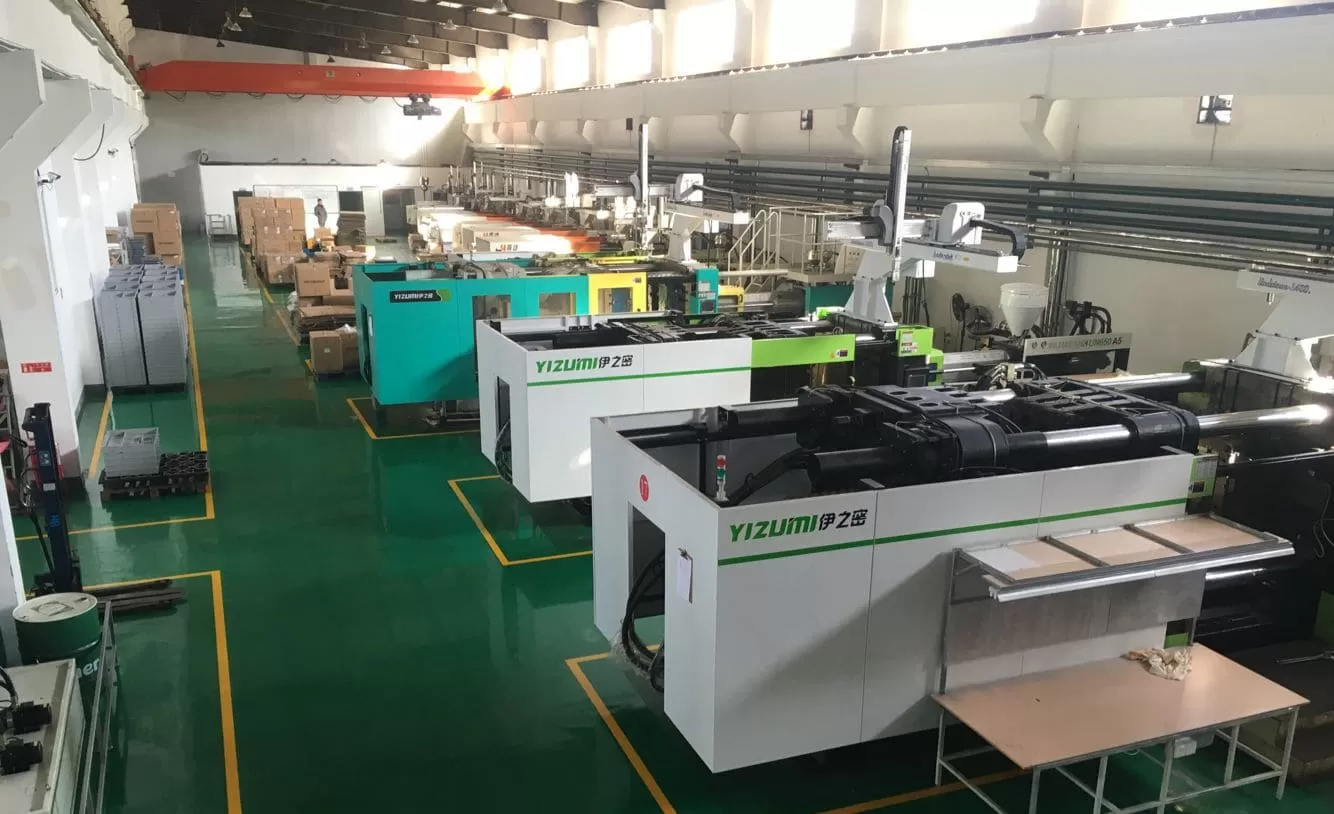
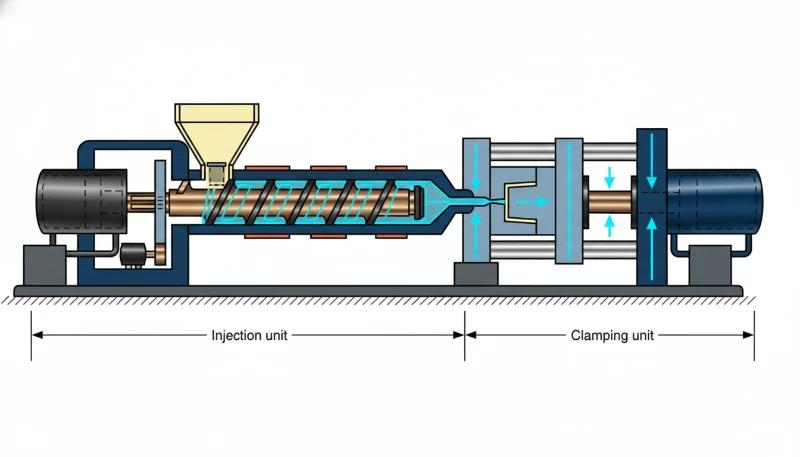
Wanneer u inkoopt spuitgieten onderdelen in het buitenland inkoopt, ontstaat door de afstand tussen u en de productievloer een gebrek aan zichtbaarheid. U plaatst een inkooporder, wacht weken of maanden en ontvangt vervolgens een zending, in de hoop dat alles aan de specificaties voldoet. Productiebewaking dicht deze kloof. Het is de gedisciplineerde werkwijze waarbij u het productieproces van uw leverancier realtime of vrijwel realtime volgt, zodat defecten tijdens de productie worden ontdekt in plaats van na levering. In deze gids leggen we precies uit hoe buitenlandse inkopers doeltreffende bewakingssystemen kunnen opzetten, welke meetwaarden werkelijk belangrijk zijn en wanneer een fabrieksbezoek de reis waard is.
- Productiebewaking detecteert defecten tijdens de productie, niet na levering
- Cyclustijd, uitvalpercentage, first-pass yield (FPY) en maatnauwkeurigheid zijn de vier belangrijkste meetwaarden
- Tools voor bewaking op afstand (ERP-dashboards, gedeelde inspectierapporten) kunnen veel fabrieksbezoeken vervangen
- IQC, IPQC en FQC zijn de drie inspectiepoorten die uw leverancier bij elke order moet uitvoeren
- Een duidelijk bewakingsprotocol in uw inkooporder voorkomt geschillen over de reikwijdte voordat de productie start
Wat houdt productiemonitoring door een spuitgietleverancier in?
Het is het systematische proces voor het verifiëren van de productieactiviteiten van een leverancier, vanaf de ontvangst van grondstoffen tot en met de eindinspectie. Voor buitenlandse inkopers betekent dit gestructureerd inzicht in wat op de werkvloer gebeurt — niet alleen vertrouwen op een eindinspectierapport. Het concept omvat drie lagen. De eerste laag is informatiestroom: tijdige, nauwkeurige gegevens verkrijgen over productiestatus, materiaalverbruik en kwaliteitsresultaten. De tweede laag is procesverificatie: bevestigen dat de leverancier de overeengekomen procesparameters volgt (injectiedruk, smelttemperatuur, koeltijd, cyclustijd).
De derde laag is opvolging van corrigerende maatregelen: wanneer iets misgaat, moet u weten wat er is gebeurd, hoe het is verholpen en of de oplossing werkelijk heeft gewerkt. In de praktijk kan bewaking variëren van eenvoudige wekelijkse fotoupdates tot voltijdse inspecteurs ter plaatse met realtime ERP-integratie. Het juiste niveau hangt af van uw ordervolume, de complexiteit van de onderdelen en hoeveel risico u kunt dragen. Een prototype-matrijs met één caviteit die 100 onderdelen maakt, vereist veel minder toezicht dan een productiematrijs met meerdere caviteiten die in vier weken 500,000 stuks produceert.
Waarom is productiebewaking belangrijk voor buitenlandse afnemers?
De belangen zijn groter wanneer uw leverancier 8,000 kilometer verderop gevestigd is. U kunt na de lunch niet even door de productiehal lopen. U kunt niet zelf een willekeurig onderdeel uit de bak nemen en de afmetingen controleren. En wanneer een defecte partij wordt verzonden, zijn de kosten voor retourzending, nabewerking of vervanging vaak hoger dan de oorspronkelijke kosten van de onderdelen. Dit gebeurt er zonder bewaking: Een inkoper met wie we werkten, bestelde 200,000 lensafdekkingen bij een nieuwe leverancier. Geen bewakingsprotocol, geen procescontroles, slechts een willekeurige eindinspectie van 5% AQL1. Toen de zending aankwam, vertoonde 30% van de onderdelen invaldieptes die groot genoeg waren om de optische test niet te doorstaan. De leverancier gaf het materiaal de schuld. De materiaalleverancier gaf de procesparameters de schuld.
De koper draaide op voor de kosten en verloor zes weken. Met de juiste bewaking, verloopt hetzelfde scenario anders. De IPQC (In-Process Quality Control) van de leverancier ontdekt de inval bij de eerste 50 onderdelen. Men pauzeert de productie, stelt nadruk en koeltijd bij, voert 20 validatieshots uit en hervat. De koper ontvangt dezelfde dag een kort rapport met foto’s en procesgegevens. Totale vertraging: vier uur. Kosteneffect: verwaarloosbaar. De businesscase is duidelijk. Bij een normale productieorder van $20,000–$50,000 kost gestructureerde bewaking $500–$2,000 (afhankelijk van complexiteit). Eén afgekeurde zending kost $10,000–$30,000 aan vervangend gereedschap, spoedverzending en gemiste verkoop. Het rendement op bewaking is voor orders boven 10,000 eenheden zelden lager dan 5:1.
Voor inkopers die werken met een spuitgietvorm leverancier voor het eerst gebruikt, moeten de eerste drie productieruns altijd extra worden bewaakt—zelfs als de onderdelen eenvoudig zijn. Die eerste gegevens vormen uw referentiebasis voor toekomstige bestellingen.
Hoe richt u een doeltreffend productiebewakingssysteem in?
Een monitoringsysteem opzetten betekent niet camera’s op de werkvloer installeren. Het gaat om afspraken over welke informatie stroomt, hoe vaak, in welk formaat en wie verantwoordelijk is voor opvolging. Dit is een praktisch kader dat voor de meeste internationale koper-leverancierrelaties werkt. Stap 1: Definieer de keuringsmomenten. Elke spuitgietproductierun moet drie formele inspectiepunten hebben. IQC (Incoming Quality Control) controleert grondstoffen aan uw specificatie — materiaalkwaliteit, kleur, vochtgehalte en MFI (Melt Flow Index). IPQC (In-Process Quality Control) vindt tijdens productie op vaste intervallen plaats (bijv. elke 2 uur of elke 500 shots). FQC (Final Quality Control) inspecteert de eindonderdelen vóór verpakking. Uw inkooporder moet deze poorten expliciet vermelden.
Stap 2: Spreek rapportagevorm en -frequentie af. Accepteer niet ‘we sturen updates’. Specificeer exact wat u wilt: een gestandaardiseerd rapportsjabloon met gemeten afmetingen, foto’s van kritieke kenmerken, logboeken van procesparameters (injectiedruk, smelttemperatuur, cyclustijd) en een goed-/afkeurresultaat voor elke poort. Eis voor productieruns langer dan een week dagelijkse rapporten. Eis voor kortere runs rapporten bij elke poort. Stap 3: Stel escalatietriggers vast. Definieer wanneer een probleem ernstig genoeg is om de productie te stoppen. Voorbeelden: een kritieke maat buiten tolerantie, uitval boven 3%, cyclustijdafwijking boven 10% of materiaalvervanging zonder schriftelijke goedkeuring.
Leg ook het escalatiepad vast: wie als eerste wordt geïnformeerd, hoe snel diegene moet reageren en wie bevoegd is om proceswijzigingen goed te keuren. Stap 4: Kies uw bewakingstools. Voor orders met kleine volumes kan een gedeelde Google Sheet met foto’s die bij elke mijlpaal per e-mail worden verzonden volstaan. Voor middelgrote series kunnen de meeste gevestigde leveranciers de productiemodule van hun ERP-systeem via een alleen-lezenportaal delen. Overweeg voor grote series of kritieke onderdelen externe inspectiediensten die gedurende de productierun inspecteurs in de fabriek inzetten.
Welke kerncijfers moet u tijdens de productie volgen?
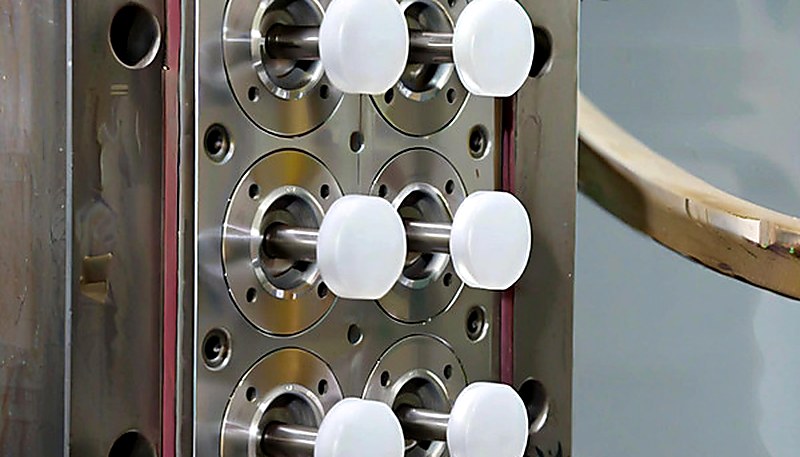
Niet elk datapunt is het volgen waard. Richt u op de indicatoren die onderdeelkwaliteit en leverprestaties rechtstreeks voorspellen. Dit zijn de belangrijkste, gebaseerd op wat wij jaarlijks bij honderden productieruns in onze fabriek zien. Cyclustijd is de meest veelzeggende afzonderlijke meetwaarde. Deze geeft aan hoelang elke cyclus duurt vanaf het sluiten tot het openen van de matrijs. Een stabiele cyclustijd duidt op stabiele procescondities. Als de cyclustijd begint op te lopen, is er iets veranderd — meestal zijn er koelproblemen, materiaalvariaties of machineslijtage. Volg dit per cyclus als de machine van uw leverancier de gegevens kan exporteren, of ten minste elke 500 cycli.
opbrengst bij eerste doorgang (FPY)2 meet het percentage onderdelen dat bij de eerste poging zonder nabewerking door de inspectie komt.
Voor een goed afgesteld productieproces moet de FPY hoger zijn dan 95%. Onder 90% wijst op een procesprobleem dat onmiddellijke aandacht vereist — geen extra inspectie, maar een oorzaakanalyse. Uvalpercentage is het complement van FPY, maar wordt afzonderlijk bijgehouden vanwege de directe kostengevolgen. Registreer de oorzaken: braamvorming, onvolledige vulling, inzakkingen, kromtrekken, verontreiniging en maatvoering buiten specificatie. De uitsplitsing naar oorzaak toont waarop verbeteringen moeten worden gericht.
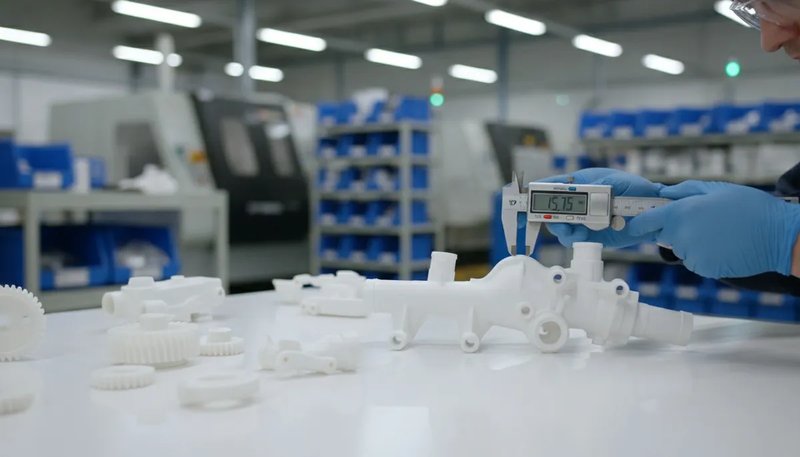
**Hier volgt een samenvatting van de belangrijkste meetwaarden, hun streefbereiken en wat ze u vertellen:**Cyclustijd (±5% van de gevalideerde uitgangswaarde): Geeft de processtabiliteit en machinestatus aan. Controleer elke 500 shots of gebruik continue bewaking als de machine dit ondersteunt. First-Pass Yield (streefwaarde boven 95%): Meet de totale procesbekwaamheid. Controleer bij elke IPQC- en FQC-gate. Minder dan 90% duidt op een procesprobleem waarvoor een oorzaakanalyse nodig is. Uitvalpercentage (doel lager dan 3%): Direct kosten- en kwaliteitssignaal, gevolgd per defecttype (braamvorming, onvolledige vulling, inval, kromtrekken). Controleer per dienst of dagelijks. Kritieke afmetingen (doorgaans binnen ±0.05mm): Bevestigt dat het onderdeel aan de specificatie voldoet. Controleer elke 100 tot 500 shots, afhankelijk van de toleranties.
Percentage oppervlaktedefecten (doel: minder dan 1% zichtbare defecten): Volgt de cosmetische kwaliteit. Controleer elke 500 shots in combinatie met een visuele inspectie. Matrijstemperatuur (±2°C van de instelwaarde): Waarborgt een consistente koeling tussen caviteiten. Bewaak dit continu als de machine temperatuurgegevens levert.
Wat zijn veelvoorkomende uitdagingen bij productiebewaking?
De drie grootste uitdagingen bij monitoring zijn vertraagde rapportage, inconsistente meetmethoden en weerstand van leveranciers tegen transparantie. Uitdaging 1: Gegevens die te laat binnenkomen. De meestvoorkomende fout is dat het kwaliteitsrapport pas na voltooiing van de hele batch komt. Als het rapport problemen toont, hebt u 10,000 defecte producten en geen tijd meer voor herstel. De oplossing: eis realtime- of dagrapportage bij elke IPQC-poort, geen samenvatting achteraf. Neem expliciet in de inkooporder op: “IPQC-rapporten moeten binnen 4 uur na elk inspectiepunt worden ingediend.” Uitdaging 2: inconsistente meetmethoden. Uw tekening specificeert ±0.05mm voor een kritieke boring. De leverancier meet deze met een schuifmaat.
U meet het met een CMM (Coordinate Measuring Machine). De resultaten verschillen 0.03mm en plotseling discussieert u over welk getal juist is. De oplossing: leg de meetmethode en apparatuur vast in uw kwaliteitsovereenkomst. Eis voor kritieke maten CMM- of optische meetgegevens, geen schuifmaatmetingen. Uitdaging 3: weerstand van leveranciers tegen transparantie. Sommige leveranciers beschouwen gedetailleerde monitoring als opdringerig of als een impliciete beschuldiging van slechte kwaliteit. Dit komt vooral voor in nieuwe samenwerkingsrelaties. De oplossing: presenteer monitoring als een gezamenlijk instrument voor kwaliteitsverbetering, niet als een audit. Deel uw monitoringgegevens ook met de leverancier — laat uw eisen van eindklanten, afkeurpercentages en faalkosten zien.
Wanneer zij zien dat monitoring hen evenzeer beschermt als u, neemt de weerstand af.
In onze fabriek in Shanghai vormen meer dan 30 Engelssprekende projectmanagers de communicatiebrug tussen onze productievloer en buitenlandse inkopers. Onze meer dan 10 QC-specialisten voeren voor elke bestelling IQC-, IPQC- en FQC-inspecties uit, en bij elke gate worden inspectierapporten met meetgegevens en foto's met de inkopers gedeeld — niet pas aan het einde van de productie.
Wanneer moet u de fabriek bezoeken en wanneer volstaat bewaking op afstand?
Fabrieksbezoeken zijn krachtig maar duur. Een retourvlucht vanuit de US of Europe naar Shanghai kost $2,000–$4,000 en vergt inclusief reizen 3–5 days. Wanneer is een bezoek dus de moeite waard? Bezoek de fabriek wanneer: u voor het eerst een nieuwe leverancier kwalificeert, een nieuwe matrijs start (vooral met meerdere caviteiten of hoge precisie), een terugkerend kwaliteitsprobleem onderzoekt dat externe gegevens niet verklaren, of het productievolume met meer dan 300% opschaalt. Op deze omslagpunten biedt aanwezigheid op de werkvloer — machine-instelling observeren, verse onderdelen aanraken en rechtstreeks met het engineeringteam spreken — inzichten die geen rapport kan evenaren.
Gebruik bewaking op afstand wanneer: u herhaalorders bij een gevestigde leverancier plaatst, matrijs en proces in eerdere runs zijn gevalideerd en de leverancier gedurende minstens drie productiecycli constante kwaliteit heeft bewezen. In deze fase bieden gestructureerde rapportage en gedeelde dashboards 90% van de zichtbaarheid tegen 10% van de kosten. De hybride aanpak werkt voor de meeste inkopers het best. Bezoek de fabriek eerst tijdens de matrijsproef en FAI. Schakel daarna voor productieruns over op bewaking op afstand, met jaarlijkse audits om procesdrift te controleren. Dit model adviseren wij aan inkopers die inkopen via onze gids voor leveranciersselectie raamwerk.
Hoe kunnen digitale hulpmiddelen de productietransparantie van leveranciers verbeteren?
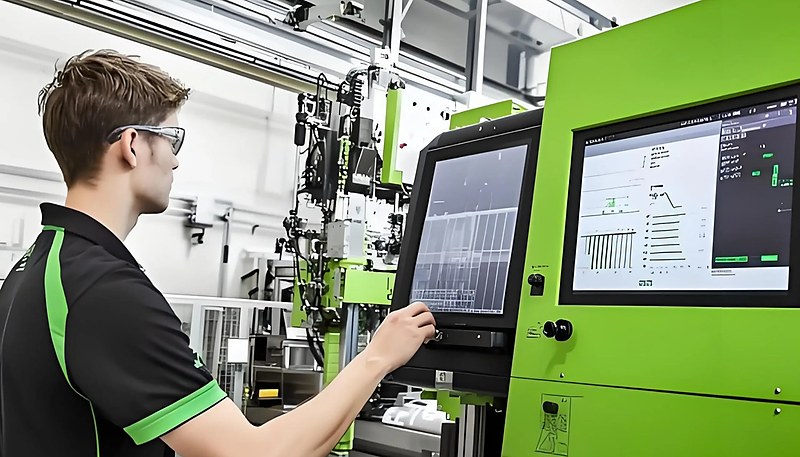
Digitale hulpmiddelen veranderen de betekenis van “monitoring” voor buitenlandse kopers. Tien jaar geleden waren de opties e-mail, spreadsheets en hoop. Tegenwoordig bieden verschillende technologielagen onze kopers vrijwel realtime inzicht in het productieproces van hun leverancier. ERP-productiemodules zijn de toegankelijkste optie. De meeste gevestigde spuitgietleveranciers gebruiken een vorm van ERP-systeem (SAP, Oracle of branchespecifieke platforms zoals IQMS of Moldshop). Vraag uw leverancier of deze u alleen-lezen-toegang kan geven tot de productiemodule voor uw bestellingen. U kunt de status van werkorders, machinetoewijzingen, uitvallogboeken en inspectieresultaten bekijken zonder op een handmatig rapport te wachten. MES3 (Productie-uitvoeringssystemen) gaan dieper dan ERP.
Ze worden rechtstreeks op de spuitgietmachines aangesloten en registreren gegevens per shot: cyclustijd, injectiedruk, maximale caviteitsdruk, smelttemperatuur, matrijstemperatuur en schroefpositie. Als uw leverancier een MES (Manufacturing Execution System) gebruikt, kunt u zien of de procesparameters binnen het gevalideerde venster blijven — niet alleen of het eindproduct de inspectie heeft doorstaan. Dit is de gouden standaard voor de bewaking van hoogwaardige of veiligheidskritische producten. Gedeelde cloudplatforms voor inspectie lost het probleem met de “rapportindeling” op. In plaats van spreadsheets heen en weer te mailen, voeren inkopers en leveranciers inspectieresultaten in op een gedeeld platform (zoals InspectionXpert, QIMA of een aangepaste Google Sheet-sjabloon). Beide partijen zien in realtime dezelfde gegevens, met foto’s, metingen en goed-/afkeurbeoordelingen.
Afwijkingen komen direct aan het licht in plaats van pas na verzending.
Naar welke inspectienormen moet uw bewakingsprotocol verwijzen?
De kernnormen zijn ISO 2859-1 voor AQL-steekproeven, ISO 20457 voor toleranties van spuitgegoten onderdelen en AS9100 of IATF 16949 voor gereguleerde sectoren. De relevantste normen voor productiebewaking bij het spuitgieten zijn: ISO 2859-1 (Steekproefprocedures voor keuring op kenmerken) definieert AQL-steekproefplannen (Acceptable Quality Level). De meeste inkopers gebruiken AQL 1.0 voor kritieke defecten en AQL 2.5 voor kleine defecten. Uw IPQC- en FQC-inspectieplannen moeten AQL-niveaus expliciet vermelden. ISO 20457:2018 (Kunststoffen — Spuitgegoten onderdelen) bevat toleranties en acceptatiecriteria specifiek voor spuitgietcomponenten. De norm behandelt maattoleranties, oppervlaktekwaliteitsklassen en hoe braamvorming, inval en laslijnen in acceptatiebeslissingen moeten worden beoordeeld.
AS9100 / IATF 16949 kunnen van toepassing zijn als uw onderdelen in eindproducten voor de lucht- en ruimtevaart of automotive worden gebruikt. Deze normen vereisen gedocumenteerde procesbewaking, statistische procesbeheersing (SPC) en traceerbaarheid van grondstof tot eindonderdeel. Het kernbeginsel: stel niet zelf volledig nieuwe kwaliteitscriteria op. Verwijs naar bestaande normen en voeg vervolgens uw toepassingsspecifieke eisen toe. Dit geeft de leverancier een duidelijk kader en vermindert ambiguïteit bij goed- of afkeuringsbesluiten.
"AQL-steekproeven alleen zijn voldoende om alle productiefouten bij spuitgieten te detecteren."True
Onjuist. AQL-steekproeven zijn een statistische acceptatiemethode, geen hulpmiddel voor procesbewaking. Ze controleren een steekproef van afgewerkte producten, maar kunnen defecten tijdens de productie niet voorkomen. Effectieve bewaking combineert AQL bij FQC met IPQC-procescontroles die problemen vroegtijdig onderscheppen.
"Dagelijkse IPQC-rapporten tijdens de productie eisen is voor de meeste leveranciers onredelijk."False
Onjuist. Gevestigde spuitgietleveranciers voeren intern al IPQC-inspecties uit. Hen vragen de resultaten dagelijks te delen is een rapportagevereiste, geen nieuwe inspectielast. De meeste kwaliteitsgerichte leveranciers verwelkomen dit, omdat het hun procescapabiliteit documenteert.
Een praktische controlelijst voor monitoring opstellen helpt u deze concepten om te zetten in iets wat uw leverancier vanaf dag één kan uitvoeren. Stuur geen vaag verzoek om “productie-updates”, maar geef uw leverancier een specifieke checklist voor elke fase van het productieproces. Bevestig vóór productie dat het juiste materiaal is ontvangen en getest (IQC-rapport met MFI- en vochtgegevens), dat de matrijs is geïnstalleerd en de machineparameters overeenkomen met het gevalideerde procesblad, en dat een eerste-artikelinspectie is uitgevoerd op de eerste 10–20 cycli met maatgegevens. Vereis tijdens de productie IPQC-controles met vastgelegde intervallen.
Voor elke controle moet het rapport het volgende vermelden: de werkelijke cyclustijd tegenover de referentiewaarde, de gemeten caviteits- of injectiedruk, een visuele controle van de oppervlaktekwaliteit van steekproefonderdelen, de meting van kritieke afmetingen en het cumulatieve uitvalaantal per defectcategorie. Als een parameter buiten het overeengekomen tolerantiebereik valt, moet de leverancier de productie stilleggen en u informeren voordat procesaanpassingen worden doorgevoerd. Na de productie moet het FQC-rapport de AQL-steekproefresultaten bevatten, het totale aantal geproduceerde onderdelen tegenover de bestelhoeveelheid, de totale uitval met een samenvatting van de hoofdoorzaak, bevestiging van verpakking en etikettering en een verklaring dat alle onderdelen aan de overeengekomen specificatie voldoen.
Deze checklistaanpak neemt onduidelijkheid weg en geeft zowel u als uw leverancier een heldere, gedeelde norm voor wat “bewaakte productie” in de praktijk werkelijk inhoudt.
"Een afwijking van de cyclustijd van meer dan 10 procent ten opzichte van de referentiewaarde wijst op een procesprobleem dat onmiddellijk aandacht vereist."True
Juist. Stabiele spuitgietprocessen houden de cyclustijd binnen ±5 procent van de gevalideerde uitgangswaarde. Een afwijking van 10 procent duidt doorgaans op verslechterde koeling, inconsistent materiaal of machineslijtage. Dit moet direct leiden tot een procesbeoordeling voordat meer defecte onderdelen worden geproduceerd.
"Bewaking op afstand met digitale hulpmiddelen kan fabrieksbezoeken voor alle soorten productieorders volledig vervangen."False
Onjuist. Hoewel digitale hulpmiddelen uitstekend inzicht bieden bij routinematige herhaalorders, vereisen nieuwe matrijzen, eerste-stukinspecties en het oplossen van kwaliteitsproblemen nog steeds beoordeling ter plaatse. Fysieke inspectie van nieuwe onderdelen, observatie van de machine-instelling en rechtstreeks technisch overleg kunnen niet volledig door rapporten en dashboards worden vervangen.
Veelgestelde vragen
Veelgestelde vragen
Hoe vaak moet ik productiebewakingsrapporten van mijn spuitgietleverancier ontvangen?
IQC (Incoming Quality Control) verifieert grondstoffen vóór de productiestart door materiaalkwaliteit, kleurconsistentie, vochtgehalte en Melt Flow Index aan uw specificatie te toetsen. IPQC (In-Process Quality Control) vindt tijdens de productie op vastgestelde intervallen plaats — doorgaans elke twee uur of elke 500 schoten — en controleert kritieke afmetingen, oppervlaktekwaliteit en belangrijke procesparameters zoals injectiedruk en matrijstemperatuur. FQC (Final Quality Control) inspecteert afgewerkte onderdelen vóór het verpakken met statistische AQL-steekproeven. Alle drie de poorten zijn essentieel: IQC voorkomt dat ongeschikt materiaal in productie komt, IPQC detecteert procesverloop voordat grote hoeveelheden afval ontstaan en FQC levert het definitieve kwaliteitsdossier voor acceptatie van de zending.
Wat is bij spuitgieten het verschil tussen IQC, IPQC en FQC?
Ja. Bij herhaalorders met gevalideerde matrijzen en vaste leveranciers biedt bewaking op afstand via gedeelde inspectierapporten, ERP-portaaltoegang en cloudgebaseerde kwaliteitsplatforms voldoende zicht. U kunt productie, inspectiegegevens en proceswijzigingen op afstand volgen. Voor nieuwe matrijzen, eerste productieruns of terugkerende kwaliteitsproblemen wordt een fabrieksbezoek sterk aanbevolen. Directe beoordeling van verse onderdelen, observatie van de machine-instelling en overleg met engineers onthullen problemen die rapporten niet volledig tonen. Ervaren inkopers combineren bezoeken voor kwalificatie en probleemoplossing met bewaking op afstand voor routineproductie.
Kan ik de productie bewaken zonder de fabriek te bezoeken?
AQL 1.0 voor kritieke defecten en AQL 2.5 voor geringe defecten is de standaardaanbeveling voor spuitgegoten componenten. Kritieke defecten omvatten functionele storingen, buiten specificatie liggende afmetingen op pasvlakken en veiligheidsproblemen. Geringe defecten omvatten cosmetische onvolkomenheden zoals lichte krassen, geringe kleurvariatie of lichte braam die de werking niet beïnvloedt. Voor medische hulpmiddelen of auto-onderdelen kunnen sectorspecifieke normen strengere niveaus vereisen, zoals AQL 0.65 voor kritieke defecten. Vermeld uw AQL-niveaus altijd vóór de productiestart in de inkooporder en kwaliteitsovereenkomst, zodat de leverancier vanaf het begin de acceptatieverwachtingen kent.
Welk AQL-niveau moet ik specificeren voor spuitgietproducten?
Een volledig productiemonitoringsrapport moet het volgende bevatten: het totale aantal geproduceerde onderdelen ten opzichte van het dagdoel; het aantal afgekeurde onderdelen, ingedeeld naar defecttype (braamvorming, onvolledige vulling, inval, kromtrekken); gemeten kritische afmetingen met tolerantiestatus (binnen of buiten specificatie); logboeken van procesparameters, waaronder injectiedruk, smelttemperatuur en cyclustijd; foto’s van proefonderdelen waarop belangrijke kenmerken en gevonden defecten zichtbaar zijn; en een duidelijk goed- of afkeuroordeel voor elk keuringsmoment. Gebruik voor alle productieruns een vaste rapportsjabloon, zodat u gegevens in de tijd kunt vergelijken, trends kunt signaleren en samen met uw leverancier een kwaliteitshistorie kunt opbouwen.
Wat moet een productiebewakingsrapport bevatten?
Presenteer monitoring eerst als een gezamenlijk instrument voor kwaliteitsverbetering, niet als audit of beschuldiging. Deel de eisen van uw eindklant, uw afkeurpercentages en de werkelijke kosten van kwaliteitsproblemen voor uw bedrijf. Begin voor de eerste order met een licht monitoringprotocol — bijvoorbeeld alleen dagelijkse productieaantallen en eindinspectieresultaten — en verhoog de eisen geleidelijk naarmate het vertrouwen groeit. Bied ook aan uw eigen kwaliteitsgegevens en inspectiebevindingen te delen, zodat de monitoring wederzijds wordt. Weigert een leverancier na deze stappen zelfs elementaire rapportage, beschouw dit dan als een duidelijk signaal over de volwassenheid van zijn kwaliteitsmanagement en zijn geschiktheid als langetermijnpartner voor uw productiebehoeften.
Hoe ga ik om met een leverancier die zich verzet tegen productiemonitoring?
Positioneer monitoring eerst als een gezamenlijk hulpmiddel voor kwaliteitsverbetering, niet als audit of beschuldiging. Deel de eisen van uw eindklant, uw afkeurpercentages en de werkelijke kosten van kwaliteitsproblemen voor uw bedrijf. Begin voor de eerste order met een licht monitoringprotocol — bijvoorbeeld alleen dagelijkse productieaantallen en eindinspectieresultaten — en verhoog de eisen geleidelijk naarmate het onderlinge vertrouwen groeit. Bied ook aan uw eigen kwaliteitsgegevens en inspectiebevindingen te delen, zodat de monitoring tweerichtingsverkeer wordt. Als een leverancier na deze stappen zelfs eenvoudige rapportage weigert, beschouw dat dan als een betekenisvol signaal over de volwassenheid van zijn kwaliteitsmanagement en of hij voor uw behoeften de juiste productiepartner voor de lange termijn is.
Klaar om spuitgietonderdelen met volledige productietransparantie in te kopen? Bij Zetar delen onze 30+ Engelssprekende projectmanagers inspectiegegevens bij elke productiegate — IQC, IPQC en FQC — zodat u altijd exact weet hoe uw order ervoor staat. Met 47 spuitgietmachines (90T–1850T), 400+ materiaalopties en 20+ jaar ervaring met buitenlandse inkopers maken we productiebewaking onderdeel van het proces, niet een extra dienst. Vraag een gratis offerte aan en ervaar transparante productie.
AQL: AQL verwijst naar het aanvaardbare kwaliteitsniveau zoals gedefinieerd in ISO 2859-1 voor steekproefsgewijze inspectie op kenmerken ↩
opbrengst bij eerste doorgang (FPY): first-pass yield (FPY) is het percentage eenheden dat bij de eerste poging zonder nabewerking door de kwaliteitscontrole komt ↩
MES: MES staat voor Manufacturing Execution System zoals gedefinieerd door MESA International voor realtime productiebewaking en -besturing ↩