Hai appena ricevuto un ordine di acquisto da un’azienda di dispositivi medici. Prima di consentirti di spedire un singolo pezzo di produzione, vogliono vedere il pacchetto di validazione del processo — IQ, OQ, PQ — e il loro auditor arriverà tra tre settimane. Se non ne hai mai preparato uno, o se il tuo ultimo è stato fatto a pezzi durante un’ispezione FDA, questa guida ti spiega esattamente cosa richiede ogni fase, cosa la maggior parte dei reparti sbaglia, e come costruire un pacchetto di validazione che regga effettivamente allo scrutinio.
- La validazione del processo dimostra che il tuo processo di stampaggio a iniezione produce costantemente parti che rispettano le specifiche.
- L'IQ verifica l'installazione dell'attrezzatura; l'OQ conferma gli intervalli operativi; il PQ dimostra un'uscita di produzione costante.
- I clienti medicali, automobilistici e aerospaziali richiedono tipicamente la documentazione completa IQ/OQ/PQ.
- Saltare qualsiasi fase e si rischia il fallimento dell'audit, richiami di prodotto o contratti persi.
- Un pacchetto di validazione ben documentato diventa un bene riutilizzabile per progetti futuri.
Cos’è la Validazione del Processo di Stamping a Iniezione?
La convalida del processo di stampaggio a iniezione è un protocollo in tre fasi (IQ, OQ, PQ) che dimostra che il vostro processo produce costantemente pezzi conformi. Il quadro deriva da tre fasi: Qualifica di Installazione (IQ), Qualifica Operativa (OQ) e Qualifica delle Prestazioni (PQ). Ogni fase si basa sulla precedente — non si può saltare avanti.
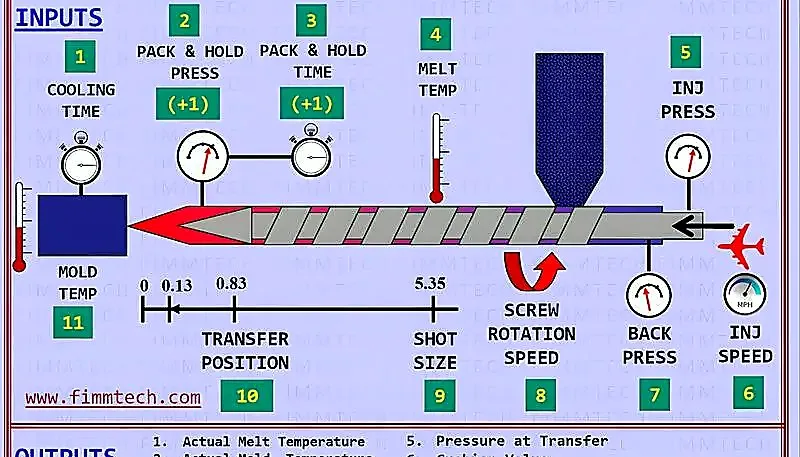
Il concetto è nato nell’industria farmaceutica sotto i requisiti FDA 21 CFR Parte 820 e ISO 13485, ma da allora è diventata una pratica standard in qualsiasi ambiente di produzione regolamentato. Per lo stampaggio a iniezione, ciò significa che ogni variabile che influisce sulla qualità del pezzo — parametri della macchina, temperatura dello stampo, lotto del materiale, tempo di raffreddamento — deve essere identificata, controllata e verificata.
Nella pratica, abbiamo visto aziende cercare di validare un processo producendo qualche pezzo buono e dando per finito. Quella non è validazione — quella è fortuna. Una vera validazione richiede prove statistiche su più cicli, lotti di materiale e operatori. Devi dimostrare che il processo è robusto, non solo che ha funzionato una volta un martedì pomeriggio con il tuo miglior tecnico ai controlli.
Perché la Validazione del Processo è Importante nello Stamping a Iniezione?
La validazione del processo è legalmente richiesta per i dispositivi medici ai sensi della FDA 21 CFR Parte 820, e riduce i tassi di difetto dal 60% all’80%. Invece di rilevare i difetti dopo che sono avvenuti, la validazione dimostra che il tuo processo li previene in primo luogo. Per le industrie regolamentate, questo non è opzionale — è un requisito contrattuale e legale.
Considerate le conseguenze del saltare la validazione. Nella produzione medicale, un processo non validato può scatenare un’osservazione FDA Form 483, una lettera di richiamo o persino un decreto consensuale che ferma la produzione. Nell’automotive, il mancato rispetto della validazione secondo IATF 16949 può significare perdere la certificazione TS — e con essa, l’idoneità a fornire i principali OEM.
Nelle nostre operazioni presso ZetarMold, il nostro team ha completato oltre 200 pacchetti di convalida IQ/OQ/PQ per clienti medicali e automobilistici negli ultimi cinque anni. Lo schema è coerente: le aziende che investono in una convalida approfondita in anticipo spendono 70% meno in problemi di qualità durante la produzione.
Ma anche al di fuori dei settori regolamentati, la convalida ha senso dal punto di vista economico. Un singolo reso o una richiesta di garanzia da parte di un cliente spesso costa più dell’intero sforzo di convalida. Una automobilisticafornitoresappiamo che abbiamo speso 200.000 dollari per un’indagine sul fallimento sul campo riconducibile a un cambiamento non convalidato nella pressione di mantenimento. Un corretto test OQ avrebbe rilevato la sensibilità in un ambiente controllato per una frazione di quel costo.
L’intuizione chiave: la convalida non è burocrazia. È uno strumento ingegneristico che vi aiuta a comprendere a fondo il vostro processo per controllarlo in modo affidabile. Quando fatta bene, la documentazione diventa contemporaneamente una guida per la risoluzione dei problemi, una risorsa formativa e un vantaggio competitivo.
Cos’è la Qualifica di Installazione (IQ) per lo stampaggio a iniezione?
La Qualifica di Installazione (IQ) è la prima fase che verifica che l’attrezzatura sia installata secondo le specifiche del produttore. La IQ risponde alla domanda: “Tutto è dove dovrebbe essere, collegato correttamente e pronto per funzionare?”
L’IQ è la fase fondamentale: senza di essa, nessuna ottimizzazione del processo può compensare un’installazione inadeguatastampaggio ad iniezione1macchina, nessuna ottimizzazione del processo ti salverà. Le attività tipiche del QI includono:
- Verifica che modello della macchina, numero di serie e configurazione corrispondano alle specifiche di acquisto
- Confermare che le connessioni elettriche, le linee idrauliche e i circuiti dell’acqua di raffreddamento siano conformi al disegno di installazione
- Controllo del montaggio dello stampo, allineamento degli espulsori e connessioni elettriche del sistema canalizzato caldo
- Calibrazione di tutti i sensori — termocoppie della temperatura della canna, trasduttori di pressione, encoder di posizione
- Documentare le versioni software sul controllore della macchina e su eventuali sistemi di monitoraggio
- Verifica delle condizioni ambientali: intervallo di temperatura ambiente, umidità, stabilità dell’alimentazione elettrica
Un errore comune è trattare l’IQ come un esercizio burocratico — spuntando caselle su un modulo compilato da altri anni fa. In realtà, l’IQ richiede di avvicinarsi fisicamente alla macchina con un certificato di calibrazione e verificare che il numero di serie sulla termocoppia corrisponda a quello sul certificato. Quel livello di rigore è ciò che cercano gli auditor.
A ZetarMold, ognistampaggio ad iniezioneLa macchina nel nostro stabilimento di Shanghai viene sottoposta a un protocollo IQ strutturato al momento della prima installazione. Con 45 macchine che vanno da 90 T a 1850 T, abbiamo imparato che tagliare gli angoli sul QI costa sempre di più in seguito, di solito quando una macchina che era “bene durante la configurazione” inizia a produrre parti fuori specifica perché una termocoppia non è mai stata calibrata correttamente.
Nella nostra fabbrica di Shanghai, gestiamo 45 macchine per stampaggio a iniezione da 90T a 1850T. Ogni macchina viene sottoposta a una lista di controllo IQ standardizzata all'installazione, inclusa la verifica della calibrazione delle termocoppie, la certificazione del manometro idraulico e i controlli di allineamento del montaggio dello stampo. I nostri 8 ingegneri senior conducono queste verifiche — non i tecnici — perché il giudizio ingegneristico in questa fase previene problemi a cascata durante OQ e PQ.
Cos’è la Qualifica Operativa (OQ) nello Stamping a Iniezione?
La Qualifica Operativa (OQ) è la seconda fase, che testa il vostro processo attraverso l’intera finestra dei parametri per confermarne la robustezza. L’OQ risponde: “Questo processo funziona in modo affidabile ai limiti della sua finestra operativa?”
Durante l’OQ, non si esegue semplicemente il processo con le impostazioni “migliori”. Metti deliberatamente alla prova i limiti degli intervalli di parametri: temperatura di fusione alta e bassa, velocità di iniezione veloce e lenta, pressione di mantenimento massima e minima. Questo si chiamatest di robustezza del processoe ti dice quanto margine di manovra hai prima che la qualità ne risenta.
Un tipico protocollo OQ per lo stampaggio a iniezione include la seguente matrice di test:
| Parametro | Limite Inferiore | Nominale | Limite Superiore | Critico? |
|---|---|---|---|---|
| Temperatura di fusione | 210.0°C | 230.0°C | 250.0°C | Sì |
| Velocità di iniezione | 30.0 mm/sec | 60,0 mm/s | 90,0 mm/s | Sì |
| Pressione di mantenimento | 600 bar | 850 bar | 1100 bar | Sì |
| Tempo di raffreddamento | 8 s | 12 s | 16 s | Dipende dal componente |
| Temperatura dello stampo | 40°C | 60°C | 80°C | Sì |
Nel nostro stabilimento produttivo di Shanghai, abbiamo riscontrato che la pressione di mantenimento e la temperatura di fusione sono le due modalità di fallimento OQ più comuni — rappresentano circa l’80% delle condizioni fuori specifica che osserviamo sulle nostre 45 macchine, da 90,0 tonnellate a 1850,0 tonnellate. L’obiettivo è dimostrare che anche alle impostazioni estreme, il processo produce ancora pezzi entro specifica — o documentare esattamente dove fallisce, per poter impostare limiti di controllo appropriati. È qui che la maggior parte delle aziende sottostima. Testano le condizioni nominali e la dichiarano validata, ma quando una macchina ha una deriva di 5°C sulla temperatura di fusione durante un turno di notte, nessuno sa se sia rilevante.
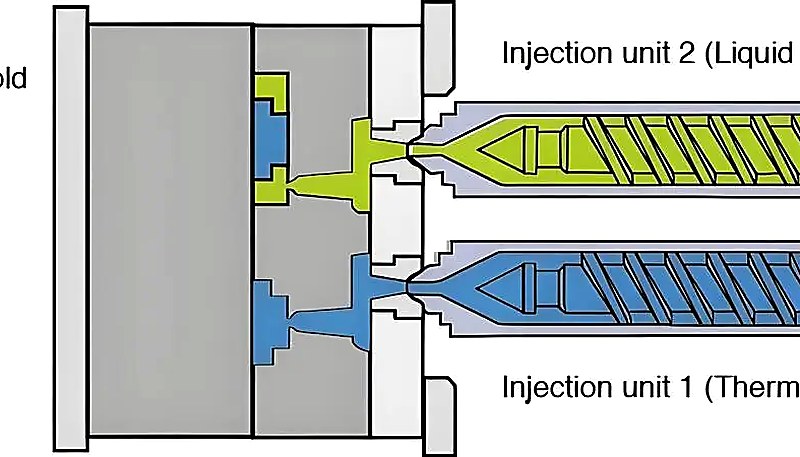
OQ include anchestampo ad iniezione2qualificazione: verificare che lo stampo stesso produca parti accettabili attraverso la finestra dei parametri. Ciò significa controllare il bilanciamento del riempimento delle cavità negli stampi multi-cavità, verificare il funzionamento dell’espulsore e confermare che i circuiti di raffreddamento forniscano temperature uniformi in tutte le cavità.
“I test OQ dovrebbero spingere deliberatamente il processo alle combinazioni di parametri peggiori.”True
L'intero scopo dell'OQ è trovare dove il processo si rompe. Testare solo le condizioni nominali non prova nulla sulla robustezza. Devi dimostrare che la finestra del processo è abbastanza ampia da assorbire la normale deriva della macchina senza produrre pezzi fuori specifica.
“Se un componente supera l'ispezione visiva, il processo è validato.”False
L'ispezione visiva è un dato, non una validazione. La validazione del processo richiede misurazioni dimensionali, verifica delle proprietà del materiale e analisi statistica su più cicli. Un pezzo che sembra buono può avere vuoti interni, stress residuo eccessivo o deriva dimensionale che solo la misurazione rivela.
Cos’è la Qualificazione delle Prestazioni (PQ) nello Stampaggio a Iniezione?
La Qualifica delle Prestazioni (PQ) è la fase di validazione finale che dimostra un’output di produzione costante su 3 esecuzioni consecutive. La PQ risponde: “Questo processo regge nella produzione reale, con operatori reali, lotti di materiale reali e cambi di turno reali?”
La PQ coinvolge tipicamente tre esecuzioni produttive consecutive (a volte chiamate “tre lotti”), ciascuna utilizzando, se possibile, un lotto di materiale diverso. L’idea è introdurre la normale variabilità della produzione — operatori diversi, variazioni di temperatura ambiente tra giorno e notte, variazione da lotto a lotto del materiale — e dimostrare che il processo funziona comunque.
Durante la PQ, si esegue il processo con i parametri nominali stabiliti durante l’OQ e si raccolgono dati su ogni dimensione critica e attributo di qualità. Una tipica esecuzione di PQ produce 30–100 campioni consecutivi per la misurazione. Si analizzano quindi i dati utilizzando metodi di controllo statistico di processo (SPC): calcolando i valori Cpk, verificando le tendenze e accertando che il processo sia centrato entro i limiti di specifica.
Un Cpk di 1,33 o superiore è generalmente considerato il minimo per un processo validato nella maggior parte dei settori. I dispositivi medici spesso richiedono un Cpk ≥ 1,67 per le dimensioni critiche. Se il tuo Cpk è inferiore a 1,0, il processo non è capace: produrrai regolarmente componenti fuori specifica e nessun controllo riuscirà a individuarli tutti.
I nostri ingegneri consigliano di prevedere almeno 10 giorni lavorativi per un passaggio PQ pulito di tre esecuzioni. Su uno stampo recente per siringhe mediche a 32 cavità, le nostre esecuzioni PQ hanno misurato 1.200 punti di dati dimensionali individuali su tre lotti di materiale per ottenere un Cpk ≥ 1,67 su tutte le dimensioni critiche. La sfida pratica con la PQ è che richiede tempo. Tre esecuzioni consecutive potrebbero estendersi su diversi giorni e, se una qualsiasi esecuzione fallisce, è necessario indagare, correggere la causa principale e ricominciare da capo. Questo è il motivo per cui affrettarsi attraverso IQ e OQ è così controproducente: i problemi che avrebbero dovuto essere rilevati precocemente finiscono per far deragliare la PQ quando il costo della rielaborazione è molto più alto.
La qualifica del materiale è una parte essenziale della PQ che molti stampatori trascurano. Prima di iniziare la validazione della produzione, dovresti verificare che la resina in ingresso soddisfi le specifiche della scheda tecnica del fornitore — almeno indice di flusso, contenuto di umidità e proprietà tensile. Se stai validando per applicazioni mediche, la tracciabilità del certificato di analisi (CoA) del materiale è obbligatoria per ogni lotto utilizzato nelle prove PQ.
In che modo differiscono IQ, OQ e PQ?
IQ si concentra sull’installazione, OQ testa i range dei parametri, e PQ dimostra la consistenza produttiva — ogni fase è sequenziale e si basa sulla precedente. La tabella seguente riassume il focus, l’ambito e i deliverable di ogni fase.
| Aspetto | QI | OQ | PQ |
|---|---|---|---|
| Obiettivo | Installazione dell'attrezzatura | Finestra operativa del processo | Coerenza della produzione |
| Domanda | È installato correttamente? | Funziona su tutti i range? | Regge in produzione? |
| Durata tipica | Durata: 1–3 giorni | 3–10 giorni | 5–15 giorni |
| Risultato chiave | Rapporto di verifica dell'installazione | Limiti dei parametri del processo | Pacchetto dati Cpk / SPC |
| Chi Approva | Ingegneria + Qualità | Ingegneria + Qualità | Qualità + Cliente (spesso) |
| Impatto del Fallimento | Impossibile avviare la OQ | Impossibile avviare la PQ | Impossibile rilasciare il prodotto |
Pensala come costruire una casa: IQ sono le fondamenta, OQ è la struttura, e PQ è l’ispezione finale prima di trasferirti. Non metteresti mobili in una casa senza struttura, e non inizieresti la PQ senza risultati OQ confermati.
Quali sono gli errori comuni nella validazione del processo?
Gli errori più comuni nella validazione del processo di stampaggio a iniezione derivano dal trattarla come un esercizio di documentazione piuttosto che un’attività ingegneristica. Ecco quelli che incontriamo più frequentemente quando esaminiamo i pacchetti di validazione dei fornitori.
Errore 1: copiare e incollare i protocolli. Abbiamo visto aziende riutilizzare lo stesso protocollo IQ/OQ/PQ per prodotti completamente diversi, cambiando solo il codice articolo e la data. Così se ne vanifica lo scopo. Ogni combinazione prodotto-stampo-macchina ha parametri critici specifici e il protocollo deve riflettere tale specificità.
Errore 2: eseguire i test solo ai valori nominali. Condurre l’OQ esclusivamente nel punto centrale dell’intervallo dei parametri non dimostra nulla sulla robustezza. Se gli unici dati del rapporto OQ riguardano pezzi prodotti a 230°C, 60.0 mm/sec e 850 bar, non avete convalidato un intervallo, ma un singolo punto.
Errore 3: campioni insufficienti. Misurare cinque pezzi per ciclo non è statisticamente significativo. Per la PQ servono in genere almeno 30 campioni consecutivi per ciclo per calcolare valori Cpk affidabili. Con un numero inferiore, gli intervalli di confidenza sono talmente ampi da rendere i dati sostanzialmente privi di significato.
Nella nostra esperienza, la variabilità del materiale è uno dei fattori più sottovalutati. Utilizziamo un rigoroso processo di QC in ingresso per ogni lotto di materiale, controllando l’indice di flusso allo stato fuso e il contenuto di umidità prima che inizi qualsiasi ciclo PQ.
Errore 4: ignorare la variabilità del materiale. Usare lo stesso lotto di materiale per tutti e tre i cicli PQ ne vanifica lo scopo. Occorre dimostrare che il processo funziona nonostante la normale variabilità tra lotti. Se nel lotto successivo il fornitore consegna un materiale con un indice di fluidità leggermente diverso, il processo convalidato deve comunque produrre pezzi conformi.
“Un Cpk inferiore a 1,0 significa che il processo produrrà regolarmente parti fuori specifica indipendentemente dalla frequenza di ispezione.”True
Un Cpk inferiore a 1,0 significa che la dispersione del processo supera l'ampiezza della specifica. Anche con ispezione 100%, la probabilità di far passare parti difettose si avvicina alla certezza nel tempo. L'unica soluzione è migliorare il processo stesso — un controllo più stretto dei parametri, una modifica dello stampo o un cambio di materiale.
"Una volta convalidato, un processo non ha mai bisogno di essere riconvalidato."False
Qualsiasi cambiamento significativo al processo richiede una riconvalida o almeno una valutazione dell'impatto del cambiamento. Ciò include modifiche allo stampo, cambiamenti del fornitore di materiali, ricostruzioni della macchina, regolazioni dei parametri al di fuori dell'intervallo convalidato o persino il trasferimento dello stampo su una macchina diversa. La ISO 13485 e la maggior parte degli accordi di qualità con i clienti lo richiedono esplicitamente.
Domande frequenti
Qual è la differenza tra IQ, OQ e PQ nello stampaggio ad iniezione?
L’IQ verifica che l’attrezzatura sia installata correttamente secondo le specifiche. L’OQ dimostra che il processo opera in modo accettabile nei suoi intervalli di parametri definiti. La PQ dimostra che il processo produce costantemente parti conformi nelle condizioni di produzione di routine nel tempo.
Quanto tempo richiede la convalida del processo di stampaggio ad iniezione?
Una validazione IQ/OQ/PQ completa richiede tipicamente 2–6 settimane, a seconda della complessità del componente e dei requisiti del settore. L’IQ richiede 1–3 giorni, l’OQ 3–10 giorni e la PQ 5–15 giorni inclusa l’analisi dei dati e la reportistica.
La Validazione del Processo è Richiesta per Tutte le Parti Stampate a Iniezione?
La validazione del processo è obbligatoria per i dispositivi medici (FDA 21 CFR Parte 820, ISO 13485), i componenti automobilistici (IATF 16949) e aerospaziali (AS9100). I prodotti di consumo e i componenti industriali generali non richiedono sempre una validazione formale, sebbene la metodologia sia preziosa per applicazioni critiche.
Qual è un buon valore Cpk per un processo di stampaggio a iniezione validato?
Un Cpk3 pari a 1.33 è il minimo generalmente accettato per i processi convalidati. Per le dimensioni critiche dei dispositivi medici è generalmente richiesto un Cpk ≥ 1.67. Valori inferiori a 1.0 indicano un processo non capace, che deve essere migliorato prima della convalida.
Cosa Succede Se un Processo Fallisce la Validazione?
Una validazione fallita richiede un’indagine sulla causa principale, un’azione correttiva e nuovi test. Le correzioni comuni includono la regolazione dei parametri di processo, la modifica del progetto dello stampo (raffreddamento, posizione del gate), il cambio di grado del materiale o la messa a punto della calibrazione della macchina. Non è possibile spedire parti di produzione da un processo non validato in settori regolamentati.
Chi è Responsabile della Validazione del Processo?
Lo stampatore (produttore su contratto) tipicamente esegue il protocollo di convalida, ma il proprietario del prodotto (OEM) lo approva e spesso fornisce i criteri di accettazione. Gli ingegneri della qualità guidano lo sforzo, con il supporto di ingegneri di processo, ingegneri degli stampi e supervisori della produzione.
Quando dovrebbe essere ripetuta la convalida del processo?
La riconvalida è necessaria dopo qualsiasi cambiamento significativo del processo: modifica dello stampo, cambio del fornitore di materiali, cambio della macchina, regolazione dei parametri al di fuori degli intervalli convalidati o trasferimento dell’impianto. Sono comuni anche revisioni annuali per confermare che il processo rimanga in uno stato convalidato.
Quale Documentazione è Richiesta per la Validazione dello Stampaggio a Iniezione?
Un pacchetto di validazione completo include il piano generale di validazione, il protocollo e il report IQ, il protocollo e il report OQ, il protocollo e il report PQ, tutti i dati di misurazione con analisi SPC, report di deviazione, registri di controllo delle modifiche e un riepilogo finale di validazione firmato da qualità e ingegneria.
Regola veloce: se il tuo cliente chiede la validazione del processo, inizia con l’IQ prima ancora che lo stampo sia montato — richiede solo un giorno e previene i riscontri di audit più imbarazzanti. Pianifica l’OQ quando hai il processo grossolanamente impostato, e lascia abbastanza tempo per tre cicli PQ puliti. Il pacchetto di validazione che costruisci diventa un documento vivo: usalo per la formazione, la risoluzione dei problemi e come prova delle capacità quando arriva il prossimo auditor.
Vi serve aiuto per creare un pacchetto IQ/OQ/PQ inattaccabile per il vostro prossimo progetto di stampaggio a iniezione? ZetarMold vanta oltre 20.0 anni di esperienza nella convalida dei processi per applicazioni medicali, automobilistiche e industriali. Con 8 ingegneri senior, oltre 30 project manager anglofoni e le certificazioni ISO 9001 / 13485 / 14001 / 45001, gestiamo la documentazione di convalida nel nostro normale flusso di produzione. Contattate il nostro team di ingegneri: vi mostreremo com’è fatto un processo convalidato correttamente.
-
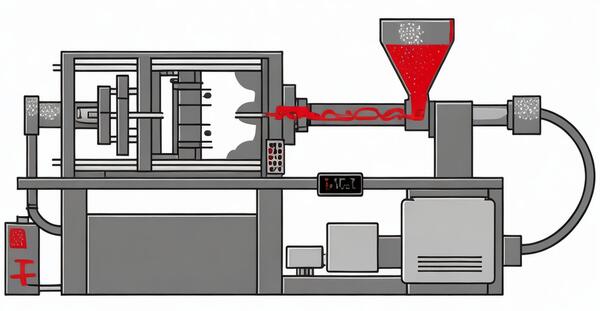
Una pressa a iniezione è un macchinario di produzione che fonde il materiale plastico e lo inietta sotto pressione nella cavità di uno stampo per ottenere una forma definita.↩
-
Uno stampo a iniezione è un utensile di precisione costituito da piastre matrice e punzone, che durante il ciclo di stampaggio a iniezione conferisce alla plastica fusa una forma definita.↩
-
Il Cpk (indice di capacità del processo) è una misura statistica che confronta la variabilità del processo con i limiti di specifica ed è calcolata come il minimo tra (USL-media)/3σ e (media-LSL)/3σ.↩