医療機器会社から発注書をちょうど受け取りました。彼らはたった一つの生産部品の出荷を許可する前に、あなたのプロセスバリデーションパッケージ(IQ、OQ、PQ)を確認したがっており、その監査員が3週間後に到着します。もし一度も作成したことがない場合、または前回のものがFDA監査で徹底的に指摘された場合、このガイドでは各段階で必要なこと、多くの工場が間違えやすい点、そして実際に監査に耐えうるバリデーションパッケージの構築方法を詳細に説明します。
- プロセスバリデーションは、射出成形プロセスが仕様を満たす部品を一貫して生産することを証明します。
- IQは設備の設置を検証し、OQは作動範囲を確認し、PQは一貫した生産出力を実証します。
- 医療、自動車、航空宇宙分野の顧客は通常、完全なIQ/OQ/PQ文書を要求します。
- いずれかの段階を省略すると、監査不合格、製品リコール、または契約喪失のリスクがあります。
- 十分に文書化された検証パッケージは、将来のプロジェクトで再利用可能な資産となります。
射出成形プロセスバリデーションとは何か?
射出成形プロセスバリデーションは、プロセスが一貫して適合部品を生産することを証明する三段階のプロトコル(IQ、OQ、PQ)です。この枠組みは、インストレーション・クオリフィケーション(IQ)、オペレーショナル・クオリフィケーション(OQ)、パフォーマンス・クオリフィケーション(PQ)の三段階から構成されます。各段階は前の段階に基づいており、順番を飛ばすことはできません。
この概念は、FDA 21 CFR Part 820およびISO 13485の要件のもとで製薬業界で始まりましたが、その後、規制された製造環境では標準的な実践となっています。射出成形においては、部品品質に影響するすべての変数 ― 機械パラメータ、金型温度、材料バッチ、冷却時間 ― を識別、制御、検証する必要があります。
実際には、数個の良品を成形して完了とみなすことでプロセスをバリデーションしようとする企業を見てきました。それはバリデーションではなく、運です。真のバリデーションには、複数回の運転、材料ロット、作業者にわたる統計的証拠が必要です。プロセスが単に一度、最高の技術者が操作した火曜日の午後に機能しただけでなく、堅牢であることを証明する必要があります。
射出成形におけるプロセスバリデーションが重要な理由
プロセス検証はFDA 21 CFR Part 820により医療機器で法的に要求され、不良率を60.0%から80.0%削減します。不良発生後に捕捉するのではなく、検証はプロセスが不良を最初に防止することを証明します。規制産業では、これは選択ではなく — 契約および法的要件です。
バリデーションを省略することの結果を考えてみてください。医療機器製造では、未検証のプロセスはFDAフォーム483の指摘事項、警告文書、さらには生産停止を命じる同意判決を引き起こす可能性があります。自動車分野では、IATF 16949に基づくバリデーションの不履行は、TS認証の喪失、ひいては主要OEMへの供給資格の喪失を意味する可能性があります。
ZetarMoldにおける当社の運用では、過去5年間で医療および自動車クライアント向けに200件以上のIQ/OQ/PQバリデーションパッケージを完了してきました。一貫して見られるパターンは、事前に徹底的なバリデーションに投資する企業は、生産時の品質問題に費やすコストを70%以上削減できるということです。
しかし規制産業以外でも、バリデーションには経済的合理性があります。顧客返品や保証請求1件の費用が、バリデーション全体の費用を上回ることも珍しくありません。ある自動車部品サプライヤーは、保圧圧力の未検証変更に起因する市場不良の調査に$200,000を費やしました。適切なOQ試験なら、その感度をわずかな費用で管理下において発見できたはずです。
重要な洞察:検証は官僚主義ではありません。それはプロセスを深く理解し、確実に制御するためのエンジニアリングツールです。適切に行われれば、文書化はトラブルシューティングガイド、トレーニングリソース、そして競争優位性を同時に提供します。
射出成形における設置適格性(IQ)とは何ですか?
インストレーション・クオリフィケーション(IQ)は、設備がメーカー仕様通りに設置されていることを検証する第一段階です。IQは「すべてが所定の位置にあり、適切に接続され、作動準備が整っているか?」という問いに答えます。
IQは基礎段階です。射出成形1機が適切に設置されていなければ、いくら工程を最適化しても補うことはできません。一般的なIQ活動には次が含まれます。
- 機械のモデル、シリアル番号、構成が購入仕様と一致することを確認する
- 電気接続、油圧ライン、冷却水回路が設置図面通りであることを確認
- 金型の取り付け、エジェクターの位置合わせ、ホットランナーの電気接続を確認
- すべてのセンサーを校正 — バレル温度熱電対、圧力変換器、位置エンコーダ
- 機械コントローラおよび監視システムのソフトウェアバージョンの文書化
- 環境条件の確認:周囲温度範囲、湿度、電力供給の安定性
一般的な間違いは、IQを書類作業とみなすことです。つまり、誰かが数年前に記入したフォームのチェックボックスを確認するだけです。実際には、IQは校正証明書を持って機械の前に物理的に立ち、熱電対のシリアル番号が証明書の番号と一致することを確認することを要求します。そのレベルの厳密さこそが監査員が求めるものです。
ZetarMoldの上海工場では、すべての射出成形機に対し初回設置時に体系的なIQプロトコルを実施します。90T~1850Tの45台を運用してきた経験から、IQの手抜きは必ず後で高くつくと分かっています。多くの場合、「立上げ時は問題なかった」機械が、熱電対の校正不備によって規格外部品を作り始めた時に表面化します。
当社の上海工場では、90トンから1850トンまでの45台の射出成形機を稼働させています。各機械は設置時に標準化されたIQチェックリストに従い、熱電対の校正検証、油圧計の認証、金型取付位置合わせチェックなどが行われます。これらの検証は技術者ではなく、8名のシニアエンジニアが実施します。なぜなら、この段階での工学的判断がOQおよびPQにおける連鎖的な問題を防ぐからです。
射出成形における運用適格性評価(OQ)とは何ですか?
オペレーショナル・クオリフィケーション(OQ)は第二段階であり、プロセスを全パラメータ範囲でテストして堅牢性を確認します。OQは「このプロセスは作動範囲の限界において確実に機能するか?」という問いに答えます。
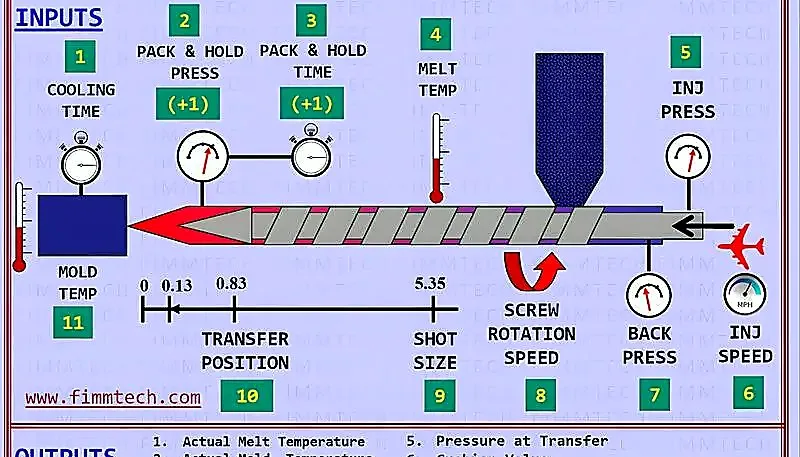
OQでは「最良」設定だけで運転するのではありません。溶融温度の高低、射出速度の速遅、保圧圧力の最大・最小など、パラメータ範囲の端を意図的に試験します。これは工程ロバストネス試験と呼ばれ、品質が損なわれるまでにどれだけの余裕があるかを示します。
射出成形における典型的なOQプロトコルには、以下のテストマトリックスが含まれます:
| パラメータ | 下限 | 公称 | 上限値 | 重要? |
|---|---|---|---|---|
| 溶融温度 | 210.0°C | 230.0°C | 250.0°C | はい |
| 射出速度 | 30.0 mm/sec | 60.0 mm/秒 | 90.0 mm/秒 | はい |
| 保持圧力 | 600 bar | 850 bar | 1100バール | はい |
| 冷却時間 | 8秒 | 12秒 | 16秒 | 部品依存 |
| 金型温度 | 40°C | 60°C | 80°C | はい |
上海の生産施設では、保持圧力と溶融温度が最も一般的なOQ故障モードであり、90.0トンから1850.0トンの45台の機械で観察される仕様外条件の約80%を占めています。目標は、極端な設定でもプロセスが仕様内の部品を生産することを証明すること — または、正確にどこで失敗するかを記録し、適切な制御限界を設定できるようにすることです。ここが多くの企業が不足する点です。標準的なテストを行い妥当性確認と呼びますが、夜勤時に溶融温度が5°C変動した場合、それが重要かどうか誰も知りません。
OQには射出成形金型2の適格性評価も含まれます。すなわち、金型自体がパラメータ範囲全体で良品を成形できることを確認します。多数個取り金型のキャビティ充填バランス、エジェクタ機能、全キャビティで冷却回路が均一な温度を実現することを検証します。
「OQテストは、意図的にプロセスを最悪のパラメータ組み合わせに押し込むべきです。」True
OQの全体的な目的は、プロセスが破綻する箇所を見つけることです。標準的な条件のみをテストしても、堅牢性については何も証明できません。通常の機械の変動を吸収し、仕様外の部品を生産しないように、プロセスウィンドウが十分に広いことを示す必要があります。
「部品が目視検査を合格すれば、プロセスは妥当性確認されます。」False
目視検査は一つのデータポイントであり、妥当性確認ではありません。プロセス妥当性確認には、寸法測定、材料特性の検証、および複数実行での統計分析が必要です。見た目が良い部品でも、内部空隙、過剰な残留応力、または測定のみが明らかにする寸法変動があるかもしれません。
射出成形における性能適格性(PQ)とは何ですか?
性能適格性評価(PQ)は、3回連続した運転で一貫した生産出力を証明する最終的なバリデーション段階です。PQは次の問いに答えます:「このプロセスは、実際のオペレーター、実際の材料バッチ、実際のシフト変更を伴う実世界の生産環境において持続可能か?」
PQは通常、3回連続の生産実行(「3ロット」と呼ばれることもあります)を含み、可能であればそれぞれ異なる材料バッチを使用します。これは、生産の通常の変動性 — 異なるオペレーター、昼と夜の環境温度変化、材料ロット間の変動 — を導入し、プロセスが依然として機能することを証明するという考えです。
PQでは、OQで確立された公称パラメータでプロセスを実行し、すべての重要な寸法と品質特性に関するデータを収集します。典型的なPQ実行では、測定用に30〜100個の連続サンプルを生成します。その後、統計的プロセス管理(SPC)手法を用いてデータを分析します:Cpk値の計算、傾向の確認、プロセスが仕様限界内に収まっていることの検証を行います。
Cpkが1.33以上であることは、ほとんどの業界でバリデートされたプロセスの最低基準と一般に考えられています。医療機器では、重要な寸法に対してCpk ≥ 1.67が求められることが多いです。Cpkが1.0未満の場合、そのプロセスは能力不足であり、定期的に仕様外の部品を生産することになり、どんなに検査をしても全てを検出することはできません。
当社のエンジニアは、クリーンな3回連続PQ合格のために、少なくとも10営業日の予算確保を推奨しています。最近の32キャビティ医療用シリンジ金型では、PQ実行において、3つの材料ロットにわたり1,200個の個別寸法データポイントを測定し、すべての重要な寸法でCpk ≥ 1.67を達成しました。PQの実際的な課題は時間がかかることです。3回連続の実行には数日かかる場合があり、いずれかの実行が失敗した場合、根本原因を調査し修正し、最初からやり直さなければなりません。これが、IQとOQを急いで行うことが非常に非生産的である理由です — 早期に発見されるべき問題が、手直しコストがはるかに高くなるPQの段階で頓挫してしまうのです。
材料認定は、多くの成形業者が見落とすPQの重要な部分です。生産バリデーションを開始する前に、入荷した樹脂が材料サプライヤーのデータシート仕様 — 最低限、溶融流動指数、水分含有量、引張特性 — を満たしていることを確認する必要があります。医療用途向けにバリデーションを行う場合、PQ実行で使用されるすべてのロットについて、材料の分析証明書(CoA)のトレーサビリティが必須です。
IQ、OQ、PQはどのように異なるのですか?
IQは設置に焦点を当て、OQはパラメータ範囲をテストし、PQは生産の一貫性を証明します — 各フェーズは順序通りであり、前のフェーズを基盤とします。以下の表は各フェーズの焦点、範囲、および成果物をまとめています。
| アスペクト | IQ | OQ | PQ |
|---|---|---|---|
| フォーカス | 設備設置 | プロセス操作ウィンドウ | 生産の一貫性 |
| 質問 | 正しく設置されていますか? | 範囲全体で機能しますか? | 生産現場で持続しますか? |
| 一般的な所要期間 | 1~3日 | 3~10 日 | 5~15日 |
| 主要成果物 | 設置確認レポート | プロセスパラメータの限界値 | Cpk / SPCデータパッケージ |
| 承認者 | エンジニアリング + 品質 | エンジニアリング + 品質 | 品質 + 顧客(頻繁に) |
| 故障影響 | OQを開始できません | PQを開始できません | 製品をリリースできません |
家を建えることと考えてください:IQは基礎、OQは骨組み、PQは引っ越し前の最終検査です。骨組みのない家に家具を運び込むことはしないでしょうし、OQの結果が確認されていない状態でPQを開始することもないでしょう。
プロセス検証における一般的な誤りは何ですか?
射出成形プロセスバリデーションで最も一般的な間違いは、それをエンジニアリング活動ではなく文書化作業として扱うことに起因します。サプライヤーのバリデーションパッケージをレビューする際に最も頻繁に遭遇するものを以下に示します。
誤り1:プロトコルの使い回し。部品番号と日付だけを変え、まったく異なる製品で同じIQ/OQ/PQプロトコルを再利用する企業があります。これでは目的を果たせません。製品・金型・成形機の組み合わせごとに固有の重要パラメータがあり、プロトコルはその個別性を反映する必要があります。
誤り2:公称条件だけで試験する。パラメータ範囲の中心点だけでOQを実施しても、ロバストネスは証明できません。OQ報告書に230°C、60.0 mm/sec、850 barで成形したデータしかなければ、検証したのは範囲ではなく単一点です。
誤り3:サンプル数不足。1回につき5個を測定しても統計的な意味はありません。PQでは、信頼できるCpk値を算出するため、通常は各ランで連続30サンプル以上が必要です。それ未満では信頼区間が広すぎて、データは実質的に意味を失います。
私たちの経験では、材料のばらつきは最も過小評価されている要因の一つです。当社では、すべての材料ロットに対して厳格な入荷QCプロセスを採用し、PQ実行前にメルトフロー指数と水分含有量をチェックしています。
誤り4:材料ばらつきを無視する。3回のPQすべてで同一材料ロットを使うと目的を損ないます。通常のロット間ばらつきがあっても工程が機能することを示さなければなりません。次のロットで材料サプライヤーから溶融流動指数がわずかに異なる材料が届いても、検証済み工程は良品を作れる必要があります。
「Cpkが1.0未満の場合、検査頻度に関係なく、プロセスは定期的に仕様外の部品を生産することを意味します。」True
Cpkが1.0未満の場合、プロセスの変動幅が仕様幅を超えています。100%検査を行っても、時間の経過とともに不良品が合格する確率は確実に近づきます。唯一の解決策は、プロセス自体を改善することです — より厳格なパラメータ制御、金型の修正、または材料の変更が必要です。
「一度バリデーションされたプロセスは、再バリデーションは不要である。」False
プロセスへの重要な変更には、再検証または少なくとも変更影響評価が必要です。これには金型の修正、材料供給者の変更、機械の再構築、検証範囲外のパラメータ調整、または金型を別の機械に移設することも含まれます。ISO 13485およびほとんどの顧客品質契約では、これを明示的に要求しています。
よくある質問
射出成形におけるIQ、OQ、PQの違いは何ですか?
IQは、機器が仕様通りに正しく設置されていることを検証します。OQは、プロセスが定義されたパラメータ範囲内で許容可能に動作することを実証します。PQは、プロセスが通常の生産条件下で時間をかけて一貫して適合部品を生産することを証明します。
射出成形プロセス検証はどのくらいの時間がかかるのですか?
完全なIQ/OQ/PQ検証は通常、部品の複雑さと産業要件に応じて2〜6週間かかります。IQは1〜3日、OQは3〜10日、PQはデータ分析と報告を含めて5〜15日かかります。
すべての射出成形部品にプロセスバリデーションは必要ですか?
プロセスバリデーションは、医療機器(FDA 21 CFR Part 820、ISO 13485)、自動車(IATF 16949)、航空宇宙(AS9100)部品では必須です。消費財や一般産業部品では必ずしも正式なバリデーションは要求されませんが、重要な用途にはその方法論が価値があります。
バリデーションされた射出成形プロセスにおける良好なCpk値は?
Cpk3は1.33が検証済み工程で一般に認められる最低値です。医療機器の重要寸法では通常Cpk ≥ 1.67が必要です。1.0未満は工程能力不足を示し、検証前に改善が必要です。
プロセスが検証に失敗した場合はどうなるのですか?
検証の失敗には、根本原因調査、改善措置、および再テストが必要です。一般的な解決策には、プロセスパラメータの調整、金型設計の修正(冷却、ゲート位置)、材料グレードの変更、または機械の校正の厳格化が含まれます。規制産業では、未検証のプロセスから生産部品を出荷することはできません。
プロセスバリデーションの責任者は誰ですか?
成形会社(契約製造者)は通常検証プロトコルを実行しますが、製品所有者(OEM)がそれを承認し、多くの場合合格基準を提供します。品質エンジニアが主導し、プロセスエンジニア、工具エンジニア、および生産監督者の支援を受けます。
プロセス検証はいつ再実施するべきですか?
再バリデーションは、重要なプロセス変更(金型変更、材料サプライヤー変更、機械変更、バリデーション範囲外のパラメータ調整、施設移転など)の後には必要です。プロセスがバリデーション状態を維持していることを確認するための年次レビューも一般的です。
射出成形バリデーションに必要な文書は何ですか?
完全な検証パッケージには、検証マスタープラン、IQプロトコルと報告書、OQプロトコルと報告書、PQプロトコルと報告書、SPC分析を含むすべての測定データ、逸脱報告書、変更管理記録、および品質とエンジニアリングによって署名された最終検証概要が含まれます。
簡易ルール:顧客がプロセス検証を要求した場合、金型が設置される前にIQを開始してください — それは1日しかかかりませんが、最も恥ずかしい監査結果を防ぎます。プロセスが概ね調整されたときにOQをスケジュールし、3回の清潔なPQ実行のために十分な日程時間を確保してください。作成する検証パッケージは生きている文書となります:トレーニング、トラブルシューティング、および次の監査官が来たときに能力の証明として使用してください。
次の射出成形プロジェクトで万全なIQ/OQ/PQパッケージの構築が必要ですか。ZetarMoldは医療、自動車、産業用途で20.0年以上の工程バリデーション経験があります。上級エンジニア8名、英語対応プロジェクトマネージャー30名以上、ISO 9001 / 13485 / 14001 / 45001認証を備え、標準生産ワークフローの一環として検証文書に対応します。エンジニアリングチームにお問い合わせいただき、適切に検証された工程をご確認ください。