U ontwierp het perfecte onderdeel, stelde het gereedschap goed af en de eersteartikelinspectie slaagde glansrijk. Dan arriveert de zending bij uw klant en is 15% bekrast, kromgetrokken of gebarsten. Herkenbaar? Volgens onze ervaring is verpakking de meest onderschatte stap in de hele spuitgietketen. Deze gids beschrijft verpakkingseisen die transportschade werkelijk voorkomen, gebaseerd op duizenden zendingen vanuit onze fabriek in Shanghai.
Elk jaar verliezen fabrikanten miljoenen door transportschade die met de juiste verpakking voorkomen had kunnen worden. Voor spuitgegoten componenten is het risico bijzonder groot, omdat deze onderdelen vaak nauwe toleranties, kwetsbare oppervlakteafwerkingen en geometrische kenmerken hebben die onder belasting gemakkelijk vervormen. Of u nu elektronicabehuizingen, componenten voor medische hulpmiddelen of automotive sierdelen verzendt, de verpakkingsstrategie moet even zorgvuldig worden ontwikkeld als de onderdelen zelf. Dit artikel behandelt de specifieke verpakkingseisen, materialen, testnormen en validatieprocessen die betrouwbare leveranciers onderscheiden van leveranciers die uw onderdelen tijdens transport aan beschadiging blootstellen.
- Krassen, scheuren en verontreiniging veroorzaken meer dan 80% van de transportschadeclaims voor kunststof onderdelen
- Goede verpakking begint bij het onderdeelontwerp — scherpe randen en dunne wanden vereisen extra bescherming
- ESD-veilige en vochtwerende materialen zijn verplicht voor elektronische en medische componenten
- ISTA 3A en ASTM D4169 [astm-d4169] zijn de twee testnormen waarnaar elke leverancier moet verwijzen
- Maatwerkverpakking kost vooraf meer, maar verlaagt het defectpercentage met 60-80% ten opzichte van generieke oplossingen
Wat zijn de meest voorkomende soorten transportschade aan spuitgegoten onderdelen?
Oppervlaktekrassen, scheuren, kromtrekken en deeltjesverontreiniging zijn de vier belangrijkste faalwijzen die we bij verzonden spuitgietonderdelen zien. Oppervlakteschade staat bovenaan — onderdelen die in een zak of tray tegen elkaar schuren zijn de voornaamste oorzaak van afgekeurde zendingen. Scheuren beginnen meestal bij spanningsconcentraties: scherpe binnenhoeken, dunne wandgangen of niet volledig afgesneden aanspuitresten. Kromtrekken tijdens transport komt minder vaak voor maar is duurder, meestal door ongelijke temperatuurblootstelling in zeecontainers. Verontreiniging — stof, metaalspaanders of chemische resten — is een stille boosdoener, vooral bij medische en optische onderdelen waar zelfs microscopische deeltjes tot afkeur leiden.
Volgens ista-3a1-gegevens vindt ongeveer 70% van alle verpakkingsschade plaats tijdens de last mile: ruwe heftruckbewegingen, transportbandoverslagen en vallen vanaf heuphoogte. Uw verpakking moet dus ruw gebruik doorstaan, niet alleen voorzichtig stapelen in een container.
Oppervlaktekrassen—veroorzaakt door onderling contact in bulkverpakking. Esthetische afdekkingen, lensranden en glanzende behuizingen lopen het meeste risico. Meestal herstelbaar, maar kostbaar bij volume.
Scheuren en breuken—veroorzaakt door schokken of spanning bij dunne wanden. Klikclips, bajonetconnectoren en dunne ribben zijn de gebruikelijke slachtoffers. Resultaat: uitval.
Kromtrekken en vervorming—veroorzaakt door temperatuurcycli of ongelijkmatige stapeldruk. Grote vlakke panelen en lange dunne profielen lijden het meest. Dit betekent 100% uitval.
Deeltjesverontreiniging—veroorzaakt door open verpakking of vuile transportomgevingen. Medische componenten, optische lenzen en onderdelen voor voedselcontact worden getroffen. Dit leidt tot quarantaine en dure herreiniging.
ESD-schade—veroorzaakt door elektrostatische ontlading tijdens hantering.
Elektronicabehuizingen en sensordragers lopen risico, waarbij latente storingen in het veld het slechtst denkbare resultaat zijn.
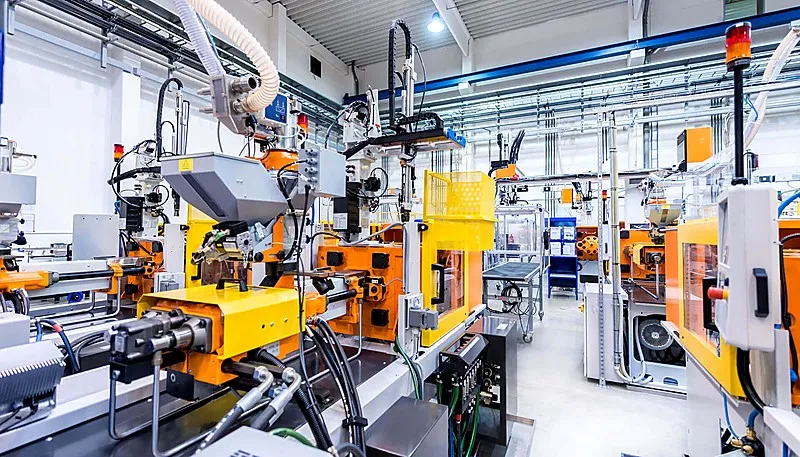
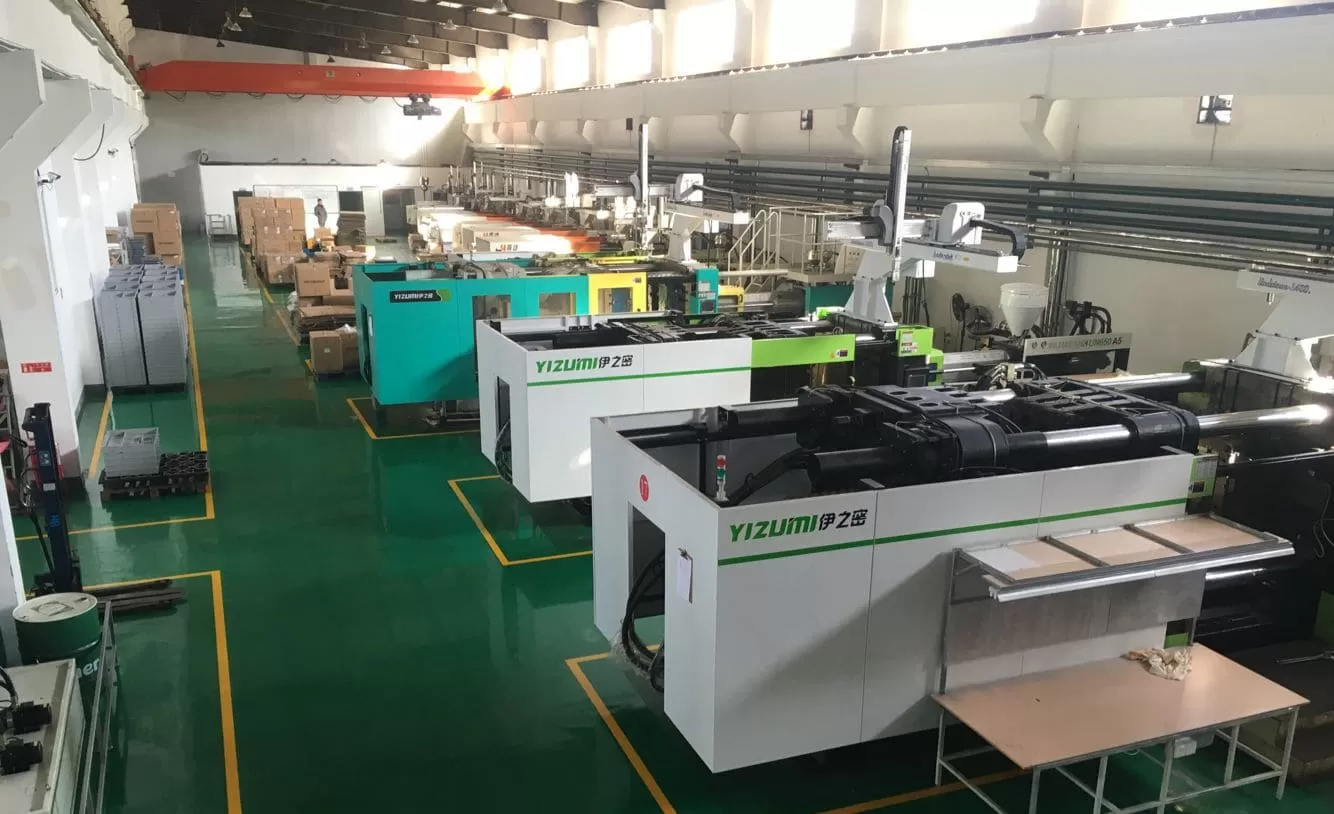
In onze fabriek in Shanghai gebruiken we 47 spuitgietmachines van 90T tot 1850T en verzenden we wereldwijd onderdelen — van kleine precisiecomponenten tot grote autopanelen. Door de jaren heen hebben we geleerd dat verpakkingskeuzes moeten aansluiten op de onderdeelgeometrie en bestemming. Een elektronicabehuizing van 500g die per luchtvracht naar Duitsland gaat, vereist een geheel andere bescherming dan een automotive sierdeel van 2kg dat per zeevracht naar de VS gaat.
Hoe moeten spuitgietonderdelen worden verpakt voor veilig transport?
Spuitgegoten onderdelen worden het best in drie lagen verzonden: individuele omhulling, binnentrays en een dubbelwandige omdoos. Laag 1—individuele bescherming. Elk onderdeel krijgt een eigen barrière. Voor kleine waardevolle delen: afzonderlijke polybags, bij corrosiegevoelige materialen liefst met VCI of droogmiddel. Voor grotere delen: één laag PE-schuim of noppenfolie, met tape op de naad. Doel: geen enkel onderling contact.
Laag 2—binnenverpakking. Onderdelen liggen vast in trays, vakverdelers of op maat gevormde pulptrays. EPE-schuim absorbeert schokken uitstekend; golfkartonpulp is goedkoper en milieuvriendelijker maar dempt minder. Voor klasse-A-oppervlakken adviseren we PET-tussenbladen: niet-schurend, transparant en herbruikbaar. Laag 3—buitenverpakking. Dubbelwandige golfkartonnen dozen met minimaal ECT 32 lb/in zijn de basis voor de meeste spuitgietmatrijscomponenten. Zware delen vereisen soms driewandige dozen of houten kratten.
De binnenafmetingen van de omdoos mogen na plaatsing van de binnenverpakking aan geen enkele zijde meer dan 25mm vrije ruimte laten—overtollige ruimte maakt verschuiving en daardoor schade mogelijk.
"Elk onderdeel afzonderlijk in een polybag verpakken is een van de doeltreffendste manieren om oppervlaktekrassen te voorkomen"True
Juist. Afzonderlijke zakken voorkomen contact tussen onderdelen, de belangrijkste oorzaak van oppervlakteschade. De kosten per zak zijn minimaal vergeleken met de kosten voor nabewerking of afkeur van beschadigde onderdelen.
"Standaard enkelwandige golfkartonnen dozen bieden voldoende bescherming voor de meeste spuitgegoten onderdelen"False
Onjuist. Enkelgolfdozen bezwijken regelmatig onder stapelbelasting en trillingen tijdens zeevracht. Dubbelgolfkarton met ECT 32+ is de minimale basis die wij voor alle zendingen voorschrijven.
Welke verpakkingsmaterialen zijn het best voor precisiecomponenten van kunststof?
PE-schuim is het beste veelzijdige verpakkingsmateriaal voor precisie-kunststofcomponenten. Voeg voor gevoelige elektronische en medische onderdelen ESD-veilige en vochtbarrièrematerialen toe. Materiaalkeuze betreft niet alleen demping, maar ook chemische compatibiliteit, beheersing van statische elektriciteit en omgevingscondities tijdens transport.
Bij zwaardere producten worden de bellen onder belasting blijvend plat en verdwijnt de bescherming na de eerste schok. Gebruik grootcellige noppenfolie alleen als opvulling, niet als primaire demping. Gevormde pulptrays winnen terrein doordat ze recyclebaar en aan specifieke geometrieën aanpasbaar zijn. Nadeel: vrijwel geen schokabsorptie. Wij gebruiken ze voor stevige delen waarbij positionering belangrijker is dan demping, zoals schroefinzetstukken en dikwandige beugels.
Antistatische en ESD-materialen verdienen een aparte bespreking in de volgende sectie. Kort gezegd: komen uw onderdelen nabij elektronica-assemblage, dan hebt u ESD-veilige verpakking nodig van de individuele zak tot en met de omdoos.
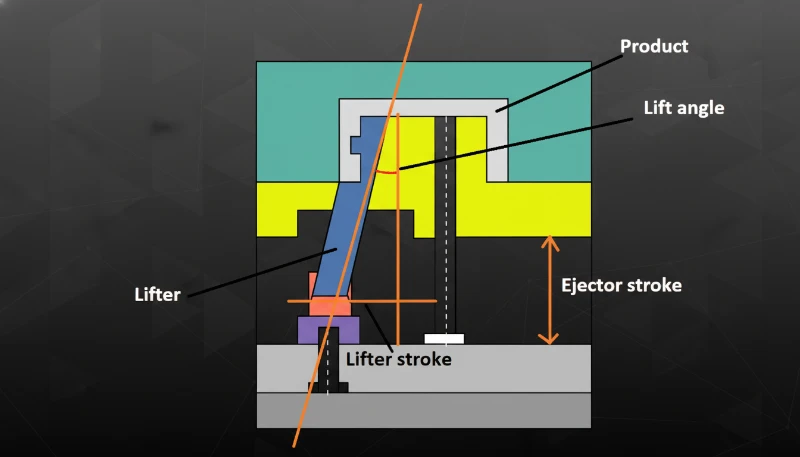
Ook onderdelen met complexe matrijslifters of een lange uitwerpslag hebben trays nodig die ze stevig vasthouden. Een onderdeel met een kwetsbare ondersnijding aan een lifter kan beschadigd raken als de tray tijdens het verpakken onder de verkeerde hoek druk uitoefent.
Waarom zijn vocht- en antistatische beheersing belangrijk bij het verpakken van onderdelen?
Twee omgevingsfactoren vernielen meer verzonden delen dan fysieke schokken: vocht en elektrostatische ontlading. Beide blijven onzichtbaar totdat schade ontstaat en zijn met de juiste verpakking te voorkomen. Vocht veroorzaakt meerdere soorten schade. Hygroscopische materialen zoals nylon (PA6, PA66) en polycarbonaat nemen luchtvocht op, waardoor maten veranderen: een deel dat in de fabriek voldeed kan na twee weken zeetransport door vochtige klimaten buiten tolerantie vallen.
De oplossing is eenvoudig: droogmiddelzakjes (silicagel of moleculaire zeef) in afgesloten vochtbarrièrezakken (MBB’s). Verpakkingen van militaire kwaliteit gebruiken barrièrematerialen met classificatie MIL-DTL-81705, maar voor de meeste commerciële toepassingen volstaat een met PE gevoerde zak met 2-3 zakjes silicagel per kubieke voet lege ruimte.
Vacuümseal de zak na plaatsing van het droogmiddel voor maximale bescherming. Statische ontlading is de verborgen vijand van elektronische componenten. Wrijving tussen een PE-zak en kunststof kan duizenden volts opbouwen. Bij een ESD-gevoelige behuizing, sensorhouder of connector kan ontlading schakelingen beschadigen of latente veldstoringen veroorzaken. Oplossing: gelaagde ESD-verpakking met roze laagopladende zakken of gemetalliseerde afschermzakken, roze schuim of geleidende trays en ESD-veilige omdozen met aardingslabels.
Met meer dan 20 jaar spuitgietervaring en 8 senior engineers hebben we onderdelen naar klanten in meer dan 50 landen verzonden. We zagen hoe vochtschade een volledige container nylon tandwielen voor Duitsland verwoestte omdat de leverancier droogmiddelzakken had weggelaten. Die kleine beslissing kostte een vermogen aan schroot en spoedluchtvracht voor vervanging.
"ESD-veilige verpakking moet elke laag omvatten, van de afzonderlijke zak tot de omdoos"True
Juist. Eén ESD-veilige laag biedt onvoldoende bescherming. Op elk niet-ESD-oppervlak kan statische elektriciteit worden opgebouwd die zich via de beschermde laag ontlaadt. De volledige keten — zak, tray en omdoos — moet ESD-geclassificeerd zijn.
"Zakjes silicagel alleen zijn voldoende om nylon onderdelen tijdens zeevervoer tegen vochtschade te beschermen"False
Onwaar. Silicagel werkt alleen in een afgesloten vochtbarrièrezak. In een standaarddoos raakt het droogmiddel binnen enkele uren verzadigd en biedt het daarna geen bescherming meer. U hebt een afgesloten, met PE gevoerde of gemetalliseerde barrièrezak plus droogmiddel nodig.
Welke industrienormen gelden voor de verpakking van spuitgietonderdelen?
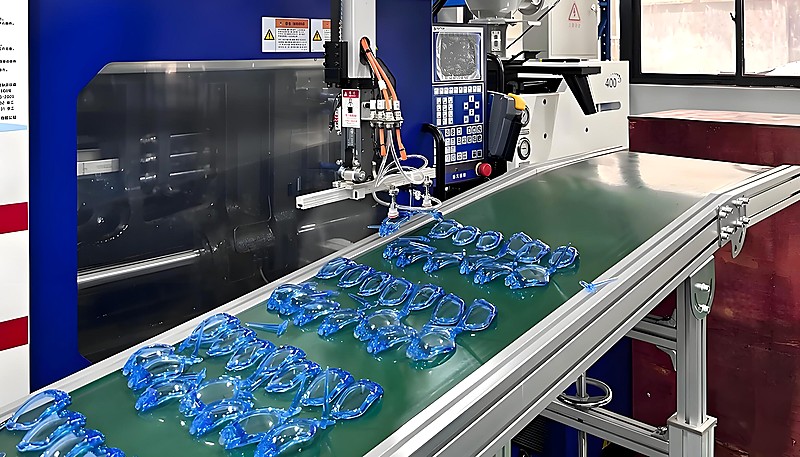
ISTA 3A, ASTM D4169 en JEDEC J-STD-033 zijn de drie belangrijkste normen voor validatie van verpakkingen van spuitgietonderdelen. Elke norm behandelt een ander risicoprofiel. Veel leveranciers gebruiken kleurgecodeerde opslagbakken om onderdelen per batch en specificatie te organiseren en verpakkingsprestaties naar specifieke trayconfiguraties te herleiden.
astm-d41692 is de norm voor medische hulpmiddelen en farmacie, vaak vereist door de FDA. Hij definieert prestatietests voor transportverpakkingen via gesimuleerde gevarenreeksen; DC-13 is gangbaar voor kleine pakketzendingen. ASTM D4169 is strenger dan ISTA 3A en omvat extra conditionering, zoals temperatuurcycli en hoogtesimulatie voor luchtvracht.
JEDEC J-STD-033 regelt de hantering van vochtgevoelige componenten. Voor onderdelen uit hygroscopische harsen (nylon, polycarbonaat, PBT) bepaalt deze norm specificaties voor vochtbarrièrezakken, berekening van droogmiddelhoeveelheden en eisen aan vochtindicatorkaarten. Ook definieert hij de vloertijd: hoelang een onderdeel buiten de barrièrezak mag liggen voordat opnieuw drogen nodig is.
Hoe kunnen leveranciers vóór verzending de doeltreffendheid van verpakkingen valideren?
Verpakkingsvalidatie is een herhaalbaar testprotocol dat leveranciers met echte productieonderdelen uitvoeren volgens ISTA 3A of ASTM D4169. Test met echte delen, niet met dummygewichten of lege dozen, omdat geometrie de lastverdeling bij vallen en trillen beïnvloedt. Verpak productieonderdelen met exact de geplande materialen en configuratie, voer het volledige protocol uit en inspecteer daarna elk deel volgens de inkomende-kwaliteitscriteria van uw klant.
Inspecteer na de test elk onderdeel volgens dezelfde criteria als uw klant, niet slechts vluchtig visueel. Voor medische delen betekent dit maatcontrole tegen de tekening; voor esthetische delen controle op krassen bij juiste verlichting en kijkhoek. Leg resultaten vast in een testrapport met foto’s vóór en na de test. Dit vormt bewijs bij een klantaudit. Stap 3: documenteer en vergrendel de verpakkingsspecificatie. Na een geslaagde configuratie legt u elk detail vast: zaktype, droogmiddelhoeveelheid, trayoriëntatie, doosafmetingen, tape en labelpositie. Maak een verpakkingswerkinstructie met foto’s.
Dit wordt de vergrendelde norm binnen iso-90013-kwaliteitsmanagement: geen wijziging zonder formele hervalidatie en gedocumenteerde goedkeuring. Test ook een wijzigingsverzoek van de klant kort voordat u het op de productielijn invoert. Wij zagen dat een goedbedoelde overstap van PE-schuim naar golfkartonnen inzetstukken het schadepercentage verdubbelde doordat het nieuwe materiaal trillingen minder goed absorbeerde. Elke wijziging moet hetzelfde validatieprotocol doorlopen. Die discipline onderscheidt leveranciers met blijvend weinig schade van leveranciers met periodieke kwaliteitspieken.
Wanneer kiest u voor maatwerkverpakkingen in plaats van standaardoplossingen?
Maatwerkverpakking is niet altijd nodig, maar waar ze nodig is, is de ROI onmiskenbaar. De keuze hangt af van onderdeelwaarde, kwetsbaarheid en jaarvolume. Kies maatwerk bij kwetsbare kenmerken (ribben onder 1mm, klikclips, uitstekende metalen inzetstukken), een klasse-A-afwerking (auto-exterieur, zichtvlakken van consumentenelektronica), of meer dan 10.000 stuks per jaar waarbij verpakkingskosten per deel tellen. Op maat thermogevormde trays zijn de effectiefste verpakkingsinvestering bij middelgrote tot grote volumes.
Ze zetten elk onderdeel vast, voorkomen beweging tijdens het transport en kunnen zo worden ontworpen dat ze efficiënt in standaardkartonformaten stapelen.
Blijf bij standaard als uw delen robuust zijn (wanddikte boven 3mm, geen kwetsbare kenmerken), volumes laag zijn (minder dan 1.000 per zending) of de afwerking functioneel is. Standaard PE-schuim, noppenfolie en dubbelwandige dozen volstaan dan. Wees eerlijk over kwetsbaarheid: optimisme is geen verpakkingsstrategie. Een maatwerktray kost bij 5.000 stuks $0.30-$1.00 per deel, tegenover $0.08-$0.15 voor standaard schuim-en-zakverpakking.
Maar bij 5% schade aan een onderdeel van $20 kost elk goed deel effectief $21.00, al meer dan maatwerk bij 0,5% schade. Voor delen boven $5 betaalt maatwerk zich bijna altijd binnen een jaar terug. Zie voor het vinden van een geschikte spuitgietleverancier met goede verpakkingscapaciteiten onze uitgebreide sourcinggids.
Hoe verschillen verpakkingseisen per onderdeelgeometrie en materiaal?
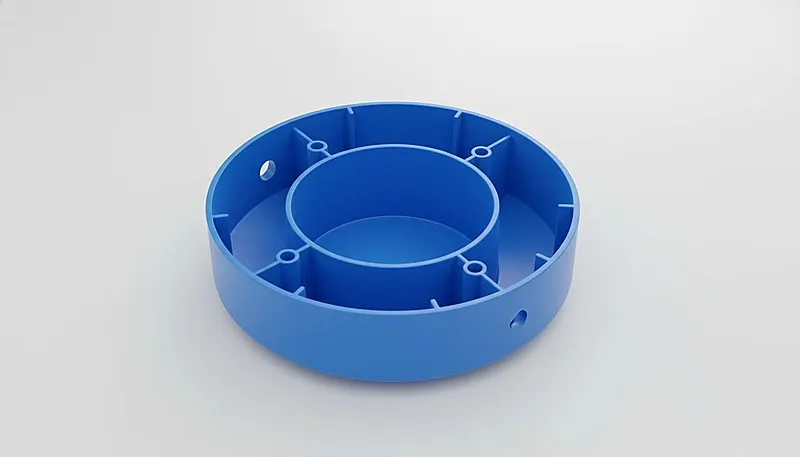
Onderdeelgeometrie en materiaal zijn de twee grootste factoren achter verpakkingseisen. Dunne wanden vereisen stijve steun, zachte materialen hebben ruimte nodig en brosse composieten gerichte schokabsorptie.
Dunwandige delen (onder 1,5mm) zijn kwetsbaar voor druk en mogen nooit zonder stijve steun worden gestapeld. Gebruik afzonderlijke holten in een gevormde tray met stijve bovenkap tegen verticale compressie. Laat het deel geen stapelgewicht dragen: het barst. Grote vlakke panelen (meer dan 300mm aan een zijde) trekken krom door ongelijke druk en temperatuurgradiënten. Verzend ze vlak in enkellaagse trays met schuim aan beide zijden. Stapel ze nooit verticaal: buigspanning door transporttrillingen veroorzaakt blijvende vervorming.
Zachte materialen (TPE, TPU, LDPE) weerstaan schokken maar vervormen onder langdurige druk. Pak ze niet strak: voorkom dat delen tegen elkaar of traywanden worden gedrukt. Afzonderlijke zakken met talk voorkomen kleven. Voor nauwe toleranties, uit precisiespuitgieten of secundaire CNC-bewerking, moet de verpakking zelfs kleine vervorming voorkomen die maten buiten specificatie brengt.
Met ervaring met meer dan 400 verschillende kunststofmaterialen en de productie van meer dan 100 matrijsets per maand, weten wij uit eerste hand dat verpakkingsvereisten sterk variëren per materiaal. Een zachte TPU-overmold-grip vereist een volledig andere behandeling dan een rigide glasgevuld nylon tandwiel — en dit fout doen in de verpakkingsfase kan weken van zorgvuldig spuitgietwerk tenietdoen.
Wat zijn de meest gestelde vragen over verpakkingseisen voor spuitgieten?
Veelgestelde vragen
Wat is de ISTA 3A-test en heeft mijn verpakking dit nodig?
ISTA 3A is een gestandaardiseerd testprotocol ontwikkeld door de International Safe Transit Association dat realistische verzendrisico’s simuleert voor pakketten onder 70 kg die via pakketbezorgingsnetwerken worden verzonden. Het testprotocol omvat een vrije val van 76 cm op elk vlak, rand en hoek, willekeurige vibratietesten bij 0,73 grms gedurende 60 minuten, en statische compressie gelijk aan magazijnstapellasten. Als u spuitgietonderdelen via koerier of postdiensten verzendt, geeft het behalen van ISTA 3A u vertrouwen dat de verpakking de werkelijke transportomstandigheden overleeft. Wij raden ISTA 3A-certificering aan voor elk onderdeel met een eenheidswaarde boven drie dollar of waar cosmetische schade een afkeuringscriterium is.
Hoeveel droogmiddelzakjes moet ik gebruiken in een vochtbarrièrezak?
De standaardberekening volgt de JEDEC J-STD-033 richtlijnen. Als praktische vuistregel: gebruik één eenheid silicagel per kubieke voet zakvolume voor zendingen met een transittijd van minder dan zeven dagen, en twee eenheden per kubieke voet voor langere reizen zoals zeetransport. Plaats altijd een kobaltvrije vochtindicatorcard in de barrièrezak, zodat de ontvangende kwaliteitsinspecteur in één oogopslag kan verifiëren of de onderdelen tijdens het transport aan overmatig vocht zijn blootgesteld. Voor bijzonder gevoelige materialen zoals nylon of polycarbonaat, overweeg ook een secundair vochtindicatorlabel aan de buitenkant van de doos toe te voegen.
Kan ik verpakkingstrays van een vorige zending hergebruiken?
Herbruikbare trays zijn acceptabel als ze zijn gemaakt van duurzame materialen zoals PET of rigide PVC en voor elk gebruik een visuele inspectie doorstaan op scheuren, vervorming of verontreiniging. EPE-schuimtrays en golfpulptrays mogen over het algemeen niet worden hergebruikt omdat ze onder druk samendrukken en hun dempende eigenschappen verliezen na de eerste verzendcyclus. Als u overschakelt van wegwerptrays naar herbruikbare trays, voer dan altijd een vereenvoudigde ISTA-droptest opnieuw uit om te bevestigen dat de hergebruikte tray nog steeds voldoende onderdeelbescherming biedt. Documenteer het maximaal toegestane aantal hergebruikscycli in uw verpakkingswerkvoorschrift.
Welke verpakking heeft mijn leverancier nodig voor medische spuitgietonderdelen?
Medische onderdelen vereisen verpakking die voldoet aan ASTM D4169-prestatietestnormen plus ISO 11607-vereisten voor steriele barrièresystemen als terminale sterilisatie vereist is. Cleanroom-compatibele verpakkingsmaterialen zoals Tyvek-zakken, medisch polyethyleen zakken en gevalideerde peel-open headers zijn standaard in de industrie. Traceerbaarheidslabels met lotnummers, fabricagedata en sterilisatiebatchcodes moeten op elke verpakkingslaag worden aangebracht. Bovendien moet het verpakkingsproces zelf worden uitgevoerd in een gecontroleerde omgeving die overeenkomt met de reinheidseisen van het onderdeel, en alle verpakkingsmaterialen hebben een certificaat van conformiteit nodig.
Hoe bereken ik het rendement op investering van aangepaste versus standaardverpakking?
Begin met het berekenen van uw huidige jaarlijkse verlies door transportschade: vermenigvuldig uw schadepercentage met de eenheidswaarde van het onderdeel maal het jaarlijkse volume plus eventuele bijbehorende vrachtkosten voor retouren en vervangingen. Vergelijk dat totaal vervolgens met de jaarlijkse kostprijs van het overstappen op op maat gemaakte thermogevormde trays. In onze ervaring verdienen op maat gemaakte trays zichzelf doorgaans terug wanneer de eenheidswaarde van het onderdeel vijf dollar overschrijdt en het jaarlijkse volume boven de tienduizend stuks ligt, omdat ze schadepercentages terugbrengen van ongeveer vijf procent tot minder dan een half procent. Het break-evenpunt komt sneller voor onderdelen met dure oppervlakteafwerkingen.
Wat is het verschil tussen antistatische en ESD-veilige verpakking?
Antistatische materialen zijn ontworpen om het opwekken van statische lading tijdens normaal gebruik te weerstaan — ze bouwen simpelweg niet gemakkelijk lading op. ESD-veilige verpakking gaat verder door een gecontroleerd afvoerpad te bieden dat eventuele opgebouwde lading veilig naar aarde laat weglekken, waardoor een plotselinge ontlading via het onderdeel zelf wordt voorkomen. Voor spuitgieten elektronische behuizingen, sensordragers en connectoren is de juiste specificatie ESD-veilige verpakking met een oppervlakteweerstand tussen tien tot de vijfde en tien tot de elfde ohm per vierkante. Alleen antistatisch is onvoldoende voor onderdelen die worden gemonteerd in elektronische systemen.
Waarom ZetarMold kiezen voor spuitgietonderdelen met gevalideerde verpakking?
Verpakking is geen bijzaak — het is de laatste productiestap die bepaalt of uw onderdelen binnen specificatie of in de afvalbak aankomen. Bij ZetarMold coördineren onze 30+ Engelssprekende projectmanagers verpakkingsspecificaties met elke klant vóór de eerste productierun. We werken volgens ISO 9001 [iso-9001] en ISO 13485 kwaliteitsmanagementsystemen, wat betekent dat elke verpakkingsbeslissing wordt gedocumenteerd, gevalideerd en herhaalbaar is.
Of u nu volgens ISTA 3A geteste pakketverpakking, cleanroomgeschikte medische verpakking of thermogevormde maatwerktrays voor kwetsbare componenten nodig hebt: wij hebben de ervaring en systemen om montageklare onderdelen te leveren. Vraag een gratis offerte aan voor uw volgende spuitgietproject en vertel ons uw verpakkingseisen.
We zullen een gevalideerde verpakkingsspecificatie zonder extra kosten in uw offerte opnemen.
ista-3a: ISTA 3A is een testprotocol van de International Safe Transit Association voor verpakte producten onder 70 kg die als pakket worden verzonden. ↩
astm-d4169: ASTM D4169 verwijst naar een standaardpraktijk voor prestatietests van transportverpakkingen en -systemen, veelgebruikt bij validatie van medische verpakkingen. ↩
iso-9001: ISO 9001 verwijst naar een internationale norm met eisen voor een kwaliteitsmanagementsysteem, waaronder gedocumenteerde verpakkings- en hanteringsprocedures. ↩