Concebeu a peça perfeita, o ferramental está afinado e a inspeção da primeira peça foi aprovada sem qualquer problema. Depois, a remessa chega ao cais do cliente — e 15% das peças estão riscadas, empenadas ou rachadas. Parece-lhe familiar? Na nossa experiência, a embalagem é a etapa mais subestimada de toda a cadeia de fornecimento da moldagem por injeção. Este guia explica os requisitos de embalagem que realmente evitam danos no transporte, com base no que vimos funcionar — e falhar — em milhares de expedições da nossa fábrica de Xangai.
Todos os anos, os fabricantes perdem milhões devido a danos de transporte que poderiam ter sido evitados com uma embalagem adequada. No caso específico dos componentes moldados por injeção, os riscos são elevados, pois estas peças têm frequentemente tolerâncias apertadas, acabamentos de superfície delicados e características geométricas que se deformam facilmente sob carga. Quer transporte caixas para equipamentos eletrónicos, componentes de dispositivos médicos ou elementos de acabamento automóvel, a estratégia de embalagem deve ser concebida com tanto rigor como as próprias peças. Este artigo aborda os requisitos específicos de embalagem, os materiais, as normas de ensaio e os processos de validação que distinguem os fornecedores fiáveis daqueles que deixam as suas peças vulneráveis a danos durante o transporte.
- Os riscos, as fissuras e a contaminação representam mais de 80% das reclamações por danos de transporte em peças de plástico
- Uma embalagem adequada começa na conceção da peça — arestas vivas e paredes finas exigem proteção adicional
- Os materiais com proteção ESD e barreira à humidade são indispensáveis para componentes eletrónicos e médicos
- A ISTA 3A e a ASTM D4169 [astm-d4169] são as duas normas de ensaio que todos os fornecedores devem mencionar
- A embalagem personalizada tem um custo inicial superior, mas reduz as taxas de defeitos em 60-80% comparativamente às soluções genéricas
Quais são os tipos mais comuns de danos de transporte em peças moldadas por injeção?
Riscos superficiais, fissuras, empeno e contaminação por partículas são os quatro modos de falha dominantes que observamos nas peças moldadas por injeção expedidas. Os danos superficiais lideram a lista — o contacto entre peças dentro de um saco ou tabuleiro é a principal causa de rejeição de remessas. As fissuras têm normalmente origem em pontos de concentração de tensões: cantos internos vivos, transições de espessura de parede reduzida ou vestígios do ponto de injeção que não foram totalmente aparados. O empeno durante o transporte é menos comum, mas mais dispendioso, sendo geralmente causado por uma exposição desigual à temperatura dentro dos contentores de transporte. A contaminação — poeiras, aparas metálicas ou resíduos químicos — é um problema silencioso, sobretudo em peças médicas e óticas, nas quais até partículas microscópicas provocam a rejeição.
Segundo dados da ISTA 3A1, cerca de 70% de todos os danos nas embalagens ocorrem durante a distribuição de última milha — movimentos bruscos de empilhadores, transferências entre tapetes transportadores e quedas da altura da cintura. Isto significa que a embalagem tem de resistir a manuseamento brusco, e não apenas a um empilhamento cuidadoso dentro de um contentor.
Riscos superficiais — causados pelo contacto entre peças em embalagens a granel. Coberturas estéticas, aros de lentes e caixas brilhantes são os elementos em maior risco. Normalmente podem ser retrabalhados, mas o custo é elevado em grandes volumes.
Fissuras e fraturas — causadas por choques ou tensões em paredes finas. Os elementos mais afetados são encaixes de pressão, conectores de baioneta e nervuras finas. Resultado: sucata.
Empeno e deformação — causados por ciclos de temperatura ou pressão de empilhamento desigual. Os grandes painéis planos e perfis longos e finos são os mais afetados. Nestes casos, 100% das peças tornam-se sucata.
Contaminação por partículas — causada por embalagens abertas ou ambientes de transporte sujos. Afeta componentes médicos, lentes óticas e peças destinadas ao contacto com alimentos. Provoca quarentena e uma nova limpeza dispendiosa.
Danos por ESD — causados por descargas eletrostáticas durante o manuseamento.
Os alojamentos de componentes eletrónicos e os suportes de sensores estão em risco, sendo as falhas latentes em serviço o pior resultado.
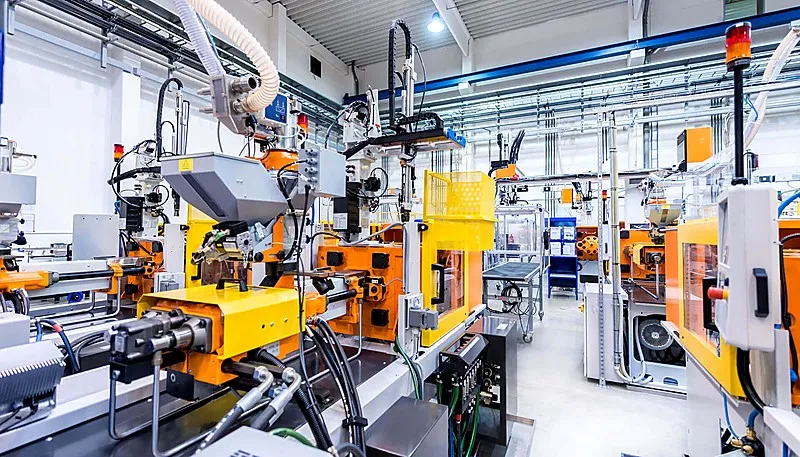
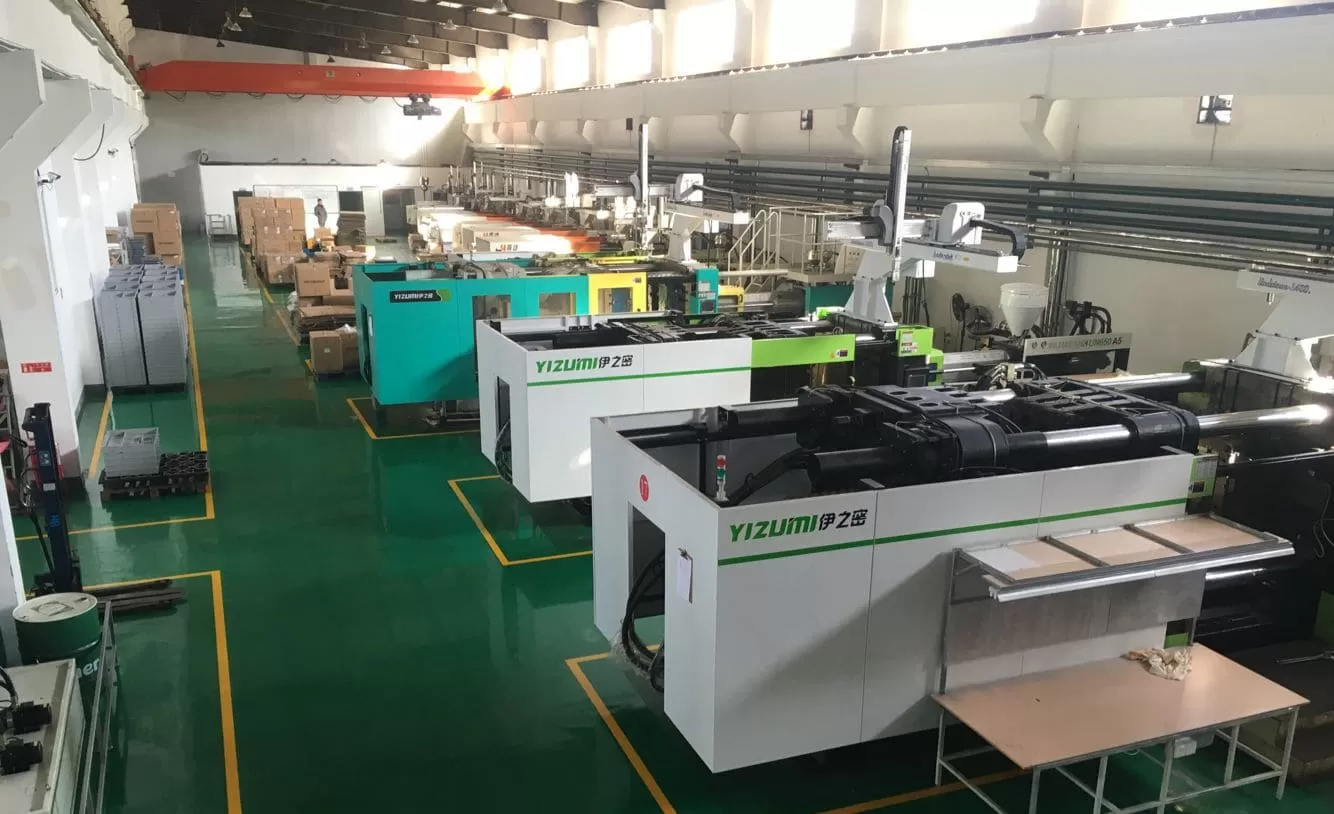
Na nossa fábrica de Xangai, operamos 47 máquinas de moldação por injeção, de 90T a 1850T, e expedimos peças para todo o mundo — desde pequenos componentes de precisão até grandes painéis para automóveis. Ao longo dos anos, aprendemos que as decisões de embalagem têm de corresponder à geometria da peça e ao destino. Uma caixa eletrónica de 500g enviada por transporte aéreo para a Alemanha necessita de uma proteção totalmente diferente da de um acabamento automóvel de 2kg enviado por via marítima para os EUA.
Como devem ser embaladas as peças moldadas por injeção para um transporte seguro?
As peças moldadas por injeção devem ser expedidas em três camadas: invólucro individual, tabuleiros interiores e caixa exterior de parede dupla. Camada 1 — proteção individual. Cada peça recebe a sua própria barreira. Para peças pequenas de elevado valor, isto significa sacos de polietileno individuais, idealmente com VCI ou dessecante para materiais sensíveis à corrosão. Para peças maiores, use uma camada de espuma de PE ou plástico de bolhas e prenda a união com fita adesiva. O objetivo é eliminar todo o contacto entre peças.
Camada 2 — embalagem interior. As peças são dispostas em tabuleiros, separadores tipo caixa de ovos ou tabuleiros personalizados de pasta moldada que mantêm cada peça numa posição fixa. O material do tabuleiro é importante: os tabuleiros de espuma de polietileno expandido (EPE) absorvem muito bem os choques, enquanto os de pasta de papel ondulada são mais baratos e ecológicos, mas amortecem menos. Para peças com superfícies de Classe A, recomendamos divisórias em folha PET — não são abrasivas, são transparentes para inspeção e podem ser reutilizadas. Camada 3 — recipiente exterior. As caixas de cartão canelado de parede dupla com uma classificação mínima no ensaio de compressão de bordos (ECT) de 32 lb/in constituem a referência para a maioria das expedições de componentes de molde de injeção. Peças pesadas ou de alta densidade podem exigir caixas de parede tripla ou até caixotes de madeira.
As dimensões internas da caixa exterior não devem deixar mais de 25mm de espaço vazio em qualquer dos lados depois de a embalagem interior ser colocada — o espaço excessivo permite deslocamentos que causam danos.
"A embalagem individual de cada peça num saco de plástico é uma das formas mais eficazes de evitar riscos na superfície"True
Verdadeiro. Os sacos individuais eliminam o contacto entre peças, que é a principal causa de danos superficiais. O custo por saco é mínimo em comparação com o custo do retrabalho ou da rejeição de peças danificadas.
"As caixas de cartão canelado normal de parede simples oferecem proteção adequada para a maioria das peças moldadas por injeção"False
Falso. As caixas de parede simples falham regularmente sob cargas de empilhamento e vibração durante o transporte marítimo. As caixas de cartão de parede dupla com classificação ECT 32+ são o requisito mínimo de referência que especificamos para todas as expedições.
Que materiais de embalagem são mais adequados para componentes de plástico de precisão?
A espuma de PE é o material de embalagem mais versátil para componentes de plástico de precisão. Acrescente materiais com proteção ESD e barreira à humidade para peças eletrónicas e médicas sensíveis. A seleção do material não se resume ao amortecimento — envolve também a compatibilidade química, o controlo da eletricidade estática e as condições ambientais durante o transporte.
Para cargas mais pesadas, as bolhas ficam permanentemente comprimidas e a proteção perde-se após o primeiro impacto. Use plástico de bolhas grandes apenas para preencher espaços vazios, não como amortecimento principal. Os tabuleiros de pasta de papel ondulada estão a ganhar popularidade porque são recicláveis e podem ser moldados de acordo com geometrias específicas. A desvantagem é que praticamente não absorvem choques. Utilizamo-los em peças robustas, quando o posicionamento é mais importante do que o amortecimento — por exemplo, insertos roscados ou suportes de parede espessa.
Os materiais antiestáticos e ESD merecem uma discussão própria, abordada na próxima secção. Em resumo: se as suas peças forem utilizadas perto de uma linha de montagem eletrónica, precisa de embalagens seguras contra ESD desde o saco individual até à caixa exterior.
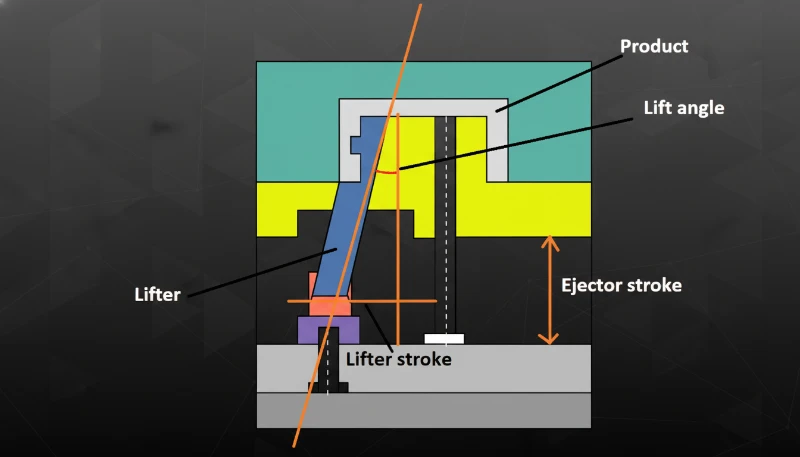
Mesmo as peças com mecanismos complexos de extrator inclinado ou elementos com um curso de ejeção longo necessitam de tabuleiros que as imobilizem com segurança. Uma peça com um negativo delicado formado por um extrator inclinado pode ficar danificada se o tabuleiro exercer pressão no ângulo errado durante o processo de embalagem.
Por que motivo o controlo da humidade e da eletricidade estática é importante na embalagem das peças?
Dois inimigos ambientais destroem mais peças expedidas do que os impactos físicos: a humidade e as descargas eletrostáticas. Ambos são invisíveis até os danos ocorrerem e ambos podem ser evitados com a estratégia de embalagem certa. Os danos provocados pela humidade assumem várias formas. Materiais higroscópicos como o nylon (PA6, PA66) e o policarbonato absorvem a humidade atmosférica, causando alterações dimensionais — uma peça dentro da especificação na fábrica pode ficar fora da tolerância após uma viagem marítima de duas semanas por climas húmidos.
A solução é simples: saquetas de dessecante (gel de sílica ou crivo molecular) dentro de sacos selados com barreira à humidade (MBBs). As embalagens de grau militar utilizam materiais de barreira com classificação MIL-DTL-81705, mas, para a maioria das aplicações comerciais, é suficiente um saco revestido com PE com 2-3 saquetas de gel de sílica por pé cúbico de espaço vazio.
Para obter a máxima proteção, sele o saco a vácuo depois de inserir o dessecante. A descarga eletrostática é o perigo oculto dos componentes relacionados com eletrónica. Quando um saco de PE roça numa peça de plástico durante o transporte, acumulam-se cargas estáticas de milhares de volts. Se a peça for uma caixa, um suporte de sensor ou um corpo de conector sensível a ESD, a descarga pode danificar circuitos incorporados ou criar defeitos latentes que falharão em serviço. A solução é um sistema de embalagem ESD em camadas: sacos de polietileno cor-de-rosa de baixa carga ou sacos de blindagem metalizados para as peças individuais, espuma cor-de-rosa ou tabuleiros condutores na embalagem interior e caixas exteriores seguras contra ESD com etiquetas de ligação à terra.
Com mais de 20 anos de experiência em moldação por injeção e 8 engenheiros seniores na equipa, enviámos peças para clientes em mais de 50 países. Já vimos danos causados pela humidade destruírem um contentor inteiro de engrenagens de nylon destinado à Alemanha porque o fornecedor não incluiu bolsas dessecantes. Essa pequena decisão custou uma fortuna em sucata e transporte aéreo urgente para uma expedição de substituição.
"A embalagem segura contra ESD deve abranger todas as camadas, desde o saco individual até à caixa exterior"True
Verdadeiro. Uma única camada segura contra ESD não proporciona proteção adequada. A eletricidade estática pode acumular-se em qualquer superfície sem proteção ESD e descarregar-se através da camada protegida. Toda a cadeia — saco, tabuleiro e caixa exterior — deve ter classificação ESD.
"Os sacos de gel de sílica, por si só, são suficientes para proteger as peças de nylon contra danos causados pela humidade durante o transporte marítimo"False
Falso. O gel de sílica só funciona dentro de um saco selado com barreira à humidade. Numa caixa de cartão convencional, o dessecante fica saturado em poucas horas e deixa de oferecer proteção. É necessário um saco de barreira selado, revestido com PE ou metalizado, e dessecante.
Que normas do setor regem a embalagem de peças moldadas por injeção?
ISTA 3A, ASTM D4169 e JEDEC J-STD-033 são as três principais normas que regem a validação das embalagens de peças moldadas por injeção. Cada uma aborda um perfil de risco diferente, desde os perigos do envio de encomendas e os requisitos dos dispositivos médicos até à sensibilidade à humidade. Muitos fornecedores utilizam caixas de armazenamento com códigos de cores para organizar as peças por lote e especificação durante o processo de validação, facilitando a associação do desempenho da embalagem a configurações específicas dos tabuleiros.
A ASTM D41692 é a norma da indústria de dispositivos médicos e farmacêutica, frequentemente exigida pela FDA. Define ensaios de desempenho de recipientes de transporte através de sequências de perigos simulados. O DC-13 é o plano de ensaio mais comum para pequenas encomendas. A ASTM D4169 é mais rigorosa do que a ISTA 3A e inclui etapas de condicionamento adicionais, como ciclos de temperatura e simulação de altitude para transporte aéreo.
A JEDEC J-STD-033 rege o manuseamento de componentes sensíveis à humidade. Se expedir peças fabricadas com resinas higroscópicas — nylon, policarbonato ou PBT — esta norma define as especificações dos sacos-barreira contra humidade, os cálculos da quantidade de dessecante e os requisitos dos cartões indicadores de humidade. Também especifica o tempo de exposição permitido: durante quanto tempo uma peça pode permanecer fora do saco-barreira antes de ter de ser novamente seca para remover a humidade absorvida.
Como podem os fornecedores validar a eficácia da embalagem antes da expedição?
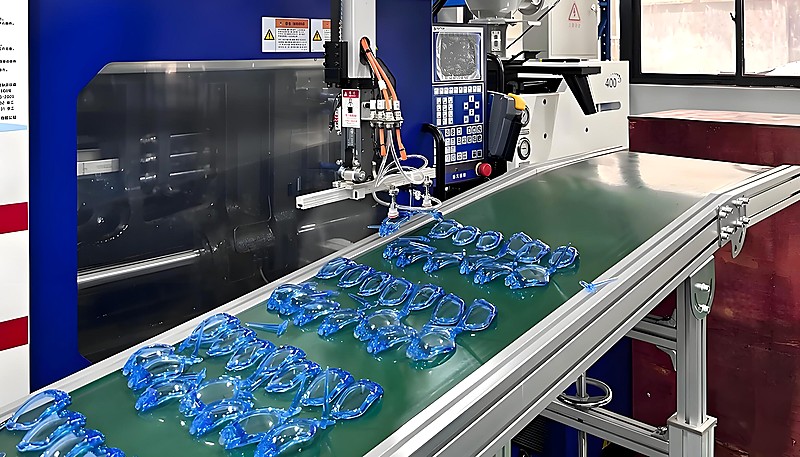
A validação da embalagem é um protocolo de ensaio repetível que os fornecedores executam com peças de produção reais segundo as normas ISTA 3A ou ASTM D4169. O essencial é testar com peças reais, e não com pesos fictícios ou caixas vazias, porque a geometria das peças afeta a distribuição das cargas dentro da embalagem durante quedas e vibrações. Embale peças de produção reais com exatamente os materiais e a configuração previstos para a expedição, execute o protocolo completo e depois inspecione todas as peças segundo os mesmos critérios que o cliente utilizará na inspeção de receção.
Após o ensaio, inspecione todas as peças segundo os mesmos critérios do cliente — não faça apenas uma observação visual rápida. Nas peças médicas, isto significa medir as dimensões em relação às especificações do desenho. Nas peças estéticas, significa procurar riscos sob iluminação adequada e no ângulo de observação correto. Registe os resultados num relatório de ensaio com fotografias da embalagem antes e depois do teste. Este relatório torna-se a sua base de prova se o cliente auditar o processo de embalagem. Passo 3: documente e fixe a especificação da embalagem. Quando encontrar uma configuração aprovada nos ensaios, documente todos os pormenores: tipo de saco, quantidade de dessecante, orientação do tabuleiro, dimensões da caixa, tipo de fita e posição das etiquetas. Crie uma instrução de trabalho de embalagem com fotografias.
Esta passa a ser a norma fixa no âmbito do sistema de gestão da qualidade ISO 90013 — nenhuma alteração é permitida sem nova validação formal e aprovação documentada. Se o cliente enviar um pedido de alteração da embalagem, execute sempre um teste rápido de validação antes de o implementar na linha de produção. Vimos casos em que uma alteração bem-intencionada de espuma PE para insertos de cartão canelado duplicou a taxa de danos porque o novo material não absorvia a vibração com a mesma eficácia nos ensaios simulados de queda. Todas as modificações, por menores que pareçam, devem passar pelo mesmo protocolo de validação da especificação original. Esta disciplina distingue os fornecedores com taxas de danos consistentemente baixas daqueles que sofrem picos periódicos de qualidade.
Quando deve escolher embalagens personalizadas em vez de soluções convencionais?
Nem sempre é necessária uma embalagem personalizada, mas, quando a situação o exige, o retorno do investimento é indiscutível. A decisão depende do valor e da fragilidade da peça e do volume anual. Escolha uma solução personalizada quando a peça tiver elementos frágeis — nervuras finas com menos de 1mm, encaixes de pressão ou insertos metálicos roscados salientes —, quando o acabamento for de Classe A — exterior automóvel ou superfícies visíveis de eletrónica de consumo — ou quando o volume anual exceder 10 000 unidades e o custo de embalagem por peça for relevante. Os tabuleiros termoformados personalizados segundo a geometria exata da peça são o investimento em embalagem mais eficaz para produções de médio a alto volume.
Fixam cada peça no devido lugar, impedem qualquer movimento durante o transporte e podem ser concebidas para empilhamento eficiente em caixas de dimensões normalizadas.
Mantenha uma solução normalizada quando as peças forem robustas — espessura de parede superior a 3mm e sem elementos frágeis —, os volumes forem baixos — menos de 1 000 unidades por expedição — ou o acabamento for funcional e não estético. Folhas normalizadas de espuma PE, plástico de bolhas e caixas de parede dupla são perfeitamente adequados para estes cenários. O essencial é avaliar honestamente a vulnerabilidade das peças: o otimismo não é uma estratégia de embalagem. A relação de custos é a seguinte: um tabuleiro termoformado personalizado pode custar entre $0.30 e $1.00 por unidade num volume de 5 000 peças, contra $0.08 a $0.15 para uma embalagem genérica de espuma e saco.
Mas se a embalagem genérica causar uma taxa de danos de 5% numa peça de $20, o custo efetivo por peça boa é de $21.00 — já superior ao da embalagem personalizada com uma taxa de danos de 0,5%. Para peças com valor unitário superior a $5, a embalagem personalizada quase sempre se paga no primeiro ano. Para obter orientação sobre como encontrar o fornecedor de moldagem por injeção certo com capacidades de embalagem adequadas, consulte o nosso guia completo de sourcing.
Como variam os requisitos de embalagem consoante a geometria e o material da peça?
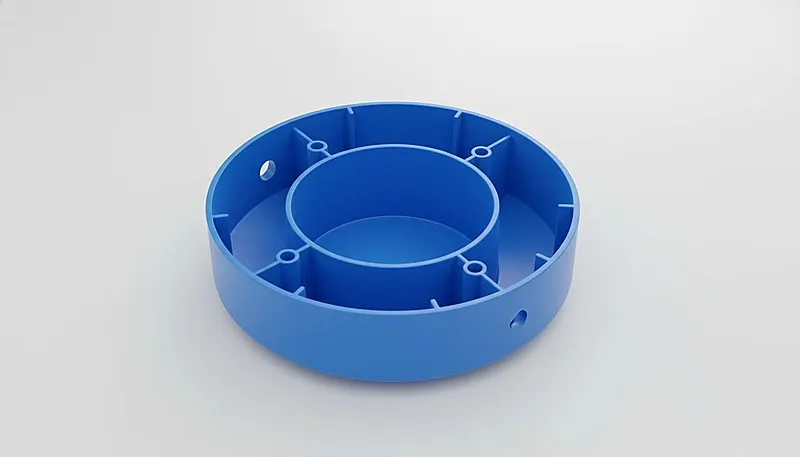
A geometria e o material da peça são os dois fatores que mais determinam os requisitos da embalagem. Paredes finas exigem apoio rígido, materiais macios precisam de espaço e compósitos frágeis requerem absorção de choques localizada.
As peças de paredes finas, com espessura inferior a 1,5mm, são frágeis sob cargas de compressão e nunca devem ser empilhadas sem suporte rígido. Use cavidades individuais num tabuleiro moldado, com uma cobertura superior rígida que impeça a compressão vertical. Não conte com a própria peça para suportar o peso do empilhamento — ela irá rachar. Os grandes painéis planos, com mais de 300mm em qualquer lado, são suscetíveis a empeno devido a pressão desigual e gradientes de temperatura. Transporte-os em tabuleiros de uma só camada, com acolchoamento de espuma nas duas faces e orientados horizontalmente dentro da caixa. Nunca empilhe painéis grandes na vertical — a tensão de flexão provocada pelas vibrações durante o transporte causa deformação permanente.
Os materiais macios — TPE, TPU e LDPE — resistem bem ao impacto, mas deformam-se sob pressão prolongada. Não os embale apertados: deixe espaço para que as peças não sejam comprimidas umas contra as outras nem contra as paredes do tabuleiro. Sacos individuais com talco evitam que superfícies pegajosas adiram. Para peças que exigem tolerâncias apertadas — resultem elas de moldagem por injeção de precisão ou de operações secundárias de maquinação CNC —, a embalagem deve impedir até pequenas deformações que possam levar as dimensões para fora da especificação.
Tendo trabalhado com mais de 400 materiais plásticos diferentes e produzindo mais de 100 conjuntos de moldes por mês, sabemos por experiência própria que os requisitos de embalagem variam drasticamente consoante o material. Uma pega de sobremoldagem em TPU macio precisa de um manuseamento completamente diferente de uma engrenagem rígida em nylon com carga de vidro — e errar isto na fase de embalagem pode desfazer semanas de cuidadoso trabalho de moldagem.
Quais são as perguntas mais comuns sobre os requisitos das embalagens moldadas por injeção?
Perguntas mais frequentes
O que é o teste ISTA 3A e a minha embalagem precisa dele?
O ISTA 3A é um protocolo de teste padronizado desenvolvido pela International Safe Transit Association que simula os riscos reais de envio para pacotes com peso inferior a 70 kg enviados através de redes de entrega de encomendas. O protocolo de teste inclui uma queda livre de 76 cm em cada face, aresta e canto, testes de vibração aleatória a 0,73 grms durante 60 minutos e compressão estática equivalente a cargas de empilhamento em armazém. Se enviar peças moldadas por injeção através de serviços de correio ou de mensageiro, passar no ISTA 3A dá-lhe confiança de que a embalagem sobreviverá às condições reais de trânsito. Recomendamos a certificação ISTA 3A para qualquer peça com um valor unitário superior a três dólares ou onde danos cosméticos sejam um critério de rejeição.
Quantos pacotes de dessecante devo usar numa bolsa de barreira à humidade?
O cálculo padrão segue as diretrizes JEDEC J-STD-033. Como regra prática, use uma unidade de sílica gel por pé cúbico de volume da bolsa para envios com tempo de trânsito inferior a sete dias, e duas unidades por pé cúbico para viagens mais longas, como transporte marítimo. Inclua sempre um cartão indicador de humidade sem cobalto dentro da bolsa de barreira para que o inspetor de qualidade do recetor possa verificar num relance se as peças foram expostas a humidade excessiva durante o trânsito. Para materiais especialmente sensíveis como nylon ou policarbonato, considere adicionar uma etiqueta indicadora de humidade secundária no exterior da caixa de cartão também.
Posso reutilizar bandejas de embalagem de um carregamento anterior?
Bandejas reutilizáveis são aceitáveis se forem feitas de materiais duráveis como PET ou PVC rígido e passarem numa inspeção visual para fendas, deformação ou contaminação antes de cada uso. Bandejas de espuma EPE e bandejas de celulose canelada geralmente não devem ser reutilizadas porque se comprimem sob carga e perdem as suas propriedades de amortecimento após o primeiro ciclo de envio. Se mudar de bandejas de uso único para reutilizáveis, execute sempre novamente um teste de queda ISTA simplificado para confirmar que a bandeja reutilizada ainda fornece proteção adequada às peças. Documente o número máximo de ciclos de reutilização permitidos na sua instrução de trabalho de embalagem.
Que embalagem o meu fornecedor necessita para peças médicas moldadas por injeção?
Peças médicas requerem embalagem que cumpra os padrões de teste de desempenho ASTM D4169 mais os requisitos ISO 11607 para sistemas de barreira estéril se for necessária esterilização terminal. Materiais de embalagem compatíveis com salas limpas, como bolsas Tyvek, sacos de polietileno de grau médico e cabeçotes de abertura por película validados são padrão na indústria. Etiquetas de rastreabilidade com números de lote, datas de fabrico e códigos de lote de esterilização devem ser afixadas em cada camada da embalagem. Adicionalmente, o próprio processo de embalagem deve ser realizado num ambiente controlado que corresponda aos requisitos de limpeza da peça, e todos os materiais de embalagem necessitam de documentação de certificado de conformidade.
Como calculo o ROI de embalagens personalizadas versus padrão?
Comece por calcular a sua perda anual atual devido a danos no envio: multiplique a sua percentagem de taxa de danos pelo valor unitário da peça vezes o volume anual mais quaisquer custos de frete associados para devoluções e substituições. Depois compare esse total com o custo anual adicional de mudar para bandejas termoformadas personalizadas. Na nossa experiência, as bandejas personalizadas normalmente pagam-se a si mesmas quando o valor unitário da peça excede cinco dólares e o volume anual é superior a dez mil peças, porque reduzem as taxas de danos de aproximadamente cinco por cento para menos de meio por cento. O ponto de equilíbrio chega mais rápido para peças com acabamentos de superfície caros.
Qual é a diferença entre embalagem anti-estática e ESD-safe?
Materiais anti-estáticos são projetados para resistir à geração de carga estática durante o manuseamento normal — simplesmente não acumulam carga facilmente. A embalagem ESD-safe vai mais longe, fornecendo um caminho de dissipação controlado que permite que qualquer carga acumulada seja libertada com segurança para terra, prevenindo uma descarga súbita através da própria peça. Para caixas eletrónicas moldadas por injeção, suportes de sensores e corpos de conectores, a especificação correta é embalagem ESD-safe com resistividade superficial entre dez elevado a quinta e dez elevado a décima primeira ohms por quadrado. Apenas anti-estático é insuficiente para peças que serão montadas em sistemas eletrónicos.
Porquê escolher a ZetarMold para peças moldadas por injeção com embalagem validada?
A embalagem não é um pensamento posterior — é o último passo de fabrico que determina se as suas peças chegam dentro das especificações ou no caixote do lixo. Na ZetarMold, os nossos mais de 30 gestores de projeto anglófonos coordenam as especificações de embalagem com cada cliente antes da primeira produção. Operamos sob os sistemas de gestão da qualidade ISO 9001 [iso-9001] e ISO 13485, o que significa que cada decisão de embalagem é documentada, validada e repetível.
Quer precise de embalagens para encomendas testadas segundo a ISTA 3A, embalagens médicas compatíveis com salas limpas ou tabuleiros termoformados personalizados para componentes delicados, temos a experiência e os sistemas necessários para entregar peças prontas para montagem. Peça um orçamento gratuito para o seu próximo projeto de moldagem por injeção — e indique-nos os seus requisitos de embalagem.
Incluiremos uma especificação de embalagem validada no seu orçamento sem custo adicional.
ISTA 3A: protocolo de ensaio da International Safe Transit Association para produtos embalados com peso inferior a 70 kg e expedidos por serviços de encomendas. ↩
ASTM D4169: prática normalizada para ensaios de desempenho de recipientes e sistemas de transporte, amplamente utilizada na validação de embalagens de dispositivos médicos. ↩
ISO 9001: norma internacional que especifica requisitos para um sistema de gestão da qualidade, incluindo procedimentos documentados de embalagem e manuseamento. ↩