Вы спроектировали идеальную деталь, точно настроили оснастку, а контроль первого изделия был пройден с отличными результатами. Затем партия прибывает на погрузочную площадку вашего заказчика — и 15% деталей оказываются поцарапанными, деформированными или растрескавшимися. Знакомая ситуация? По нашему опыту, упаковка — самый недооценённый этап во всём injec ion molding цепочки поставок. В этом руководстве изложены требования к упаковке, которые действительно предотвращают повреждения при перевозке, на основе успешного и неудачного опыта тысяч отправок с нашего завода в Шанхае.
Ежегодно производители теряют миллионы из-за повреждений при перевозке, которых можно было бы избежать при правильной упаковке. Для деталей, изготовленных литьём под давлением, риски особенно высоки, поскольку они часто имеют строгие допуски, деликатную отделку поверхности и геометрические элементы, легко деформирующиеся под нагрузкой. Независимо от того, перевозите ли вы корпуса электроники, компоненты медицинских изделий или элементы автомобильной отделки, упаковка должна быть спроектирована столь же тщательно, как сами детали. В этой статье рассматриваются конкретные требования к упаковке, материалы, стандарты испытаний и процессы валидации, которые отличают надёжных поставщиков от тех, у кого детали остаются уязвимыми для повреждений в пути.
- Царапины, трещины и загрязнения составляют более 80% претензий по повреждениям пластиковых деталей при транспортировке
- Правильная упаковка начинается с конструкции детали: острые кромки и тонкие стенки требуют дополнительной защиты
- Материалы с защитой ESD и барьером влаги обязательны для электронных и медицинских компонентов
- ISTA 3A и ASTM D4169 [astm-d4169] — два стандарта испытаний, на которые должен ссылаться каждый поставщик
- Индивидуальная упаковка требует больших первоначальных затрат, но снижает уровень дефектности на 60-80% по сравнению с типовыми решениями
Какие виды повреждений при перевозке литьевых деталей встречаются чаще всего?
Царапины на поверхности, трещины, коробление и загрязнение частицами — четыре основных вида дефектов, которые мы наблюдаем у отгруженных деталей, изготовленных литьем под давлением. Повреждения поверхности встречаются чаще всего: трение деталей друг о друга в пакете или лотке — главная причина отклонения партий. Трещины обычно возникают в местах концентрации напряжений: острых внутренних углах, переходах тонких стенок или у не полностью удаленных остатков литника. Коробление при перевозке встречается реже, но обходится дороже и обычно вызвано неравномерным температурным воздействием внутри транспортных контейнеров. Загрязнение пылью, металлической стружкой или химическими остатками — скрытая угроза, особенно для медицинских и оптических деталей, где даже микроскопические частицы приводят к браку.
Согласно ISTA [стандарт is a-3a1] данным, около 70% всех повреждений упаковки происходит при обработке на последнем участке доставки: грубых перемещениях погрузчиком, перегрузках на конвейерах и падениях с высоты пояса. Поэтому упаковка должна выдерживать грубое обращение, а не только аккуратное штабелирование внутри контейнера.
Царапины на поверхности — следствие контакта деталей друг с другом при групповой упаковке. Наибольшему риску подвержены декоративные крышки, обрамления линз и глянцевые корпуса. Обычно дефект можно устранить доработкой, но при больших объёмах это обходится дорого.
Трещины и разрушения — вызванный ударной нагрузкой или напряжением в тонких стенках. Обычно страдают защелки, байонетные соединители и тонкие ребра. Результат: потери из-за брака.
Warpage and deforma ion — возникает из-за температурных циклов или неравномерного давления при штабелировании. Наиболее подвержены этому крупные плоские панели и длинные тонкие профили. Такое событие приводит к 100% браку.
Загрязнение твёрдыми частицами — возникает из-за открытой упаковки или загрязненной среды перевозки. Страдают медицинские компоненты, оптические линзы и детали для контакта с пищевыми продуктами. Это ведет к карантину и дорогой повторной очистке.
Повреждение ESD — вызвано статическим разрядом при обращении.
Корпуса электроники и держатели датчиков находятся в зоне риска, а худшим последствием являются скрытые отказы в эксплуатации.
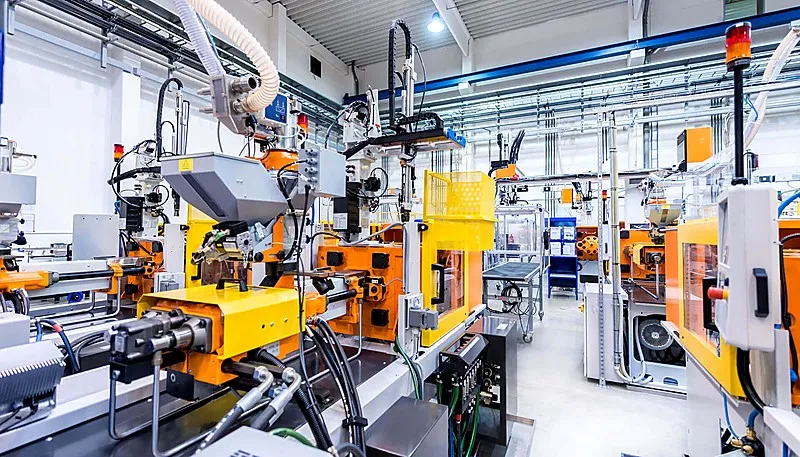
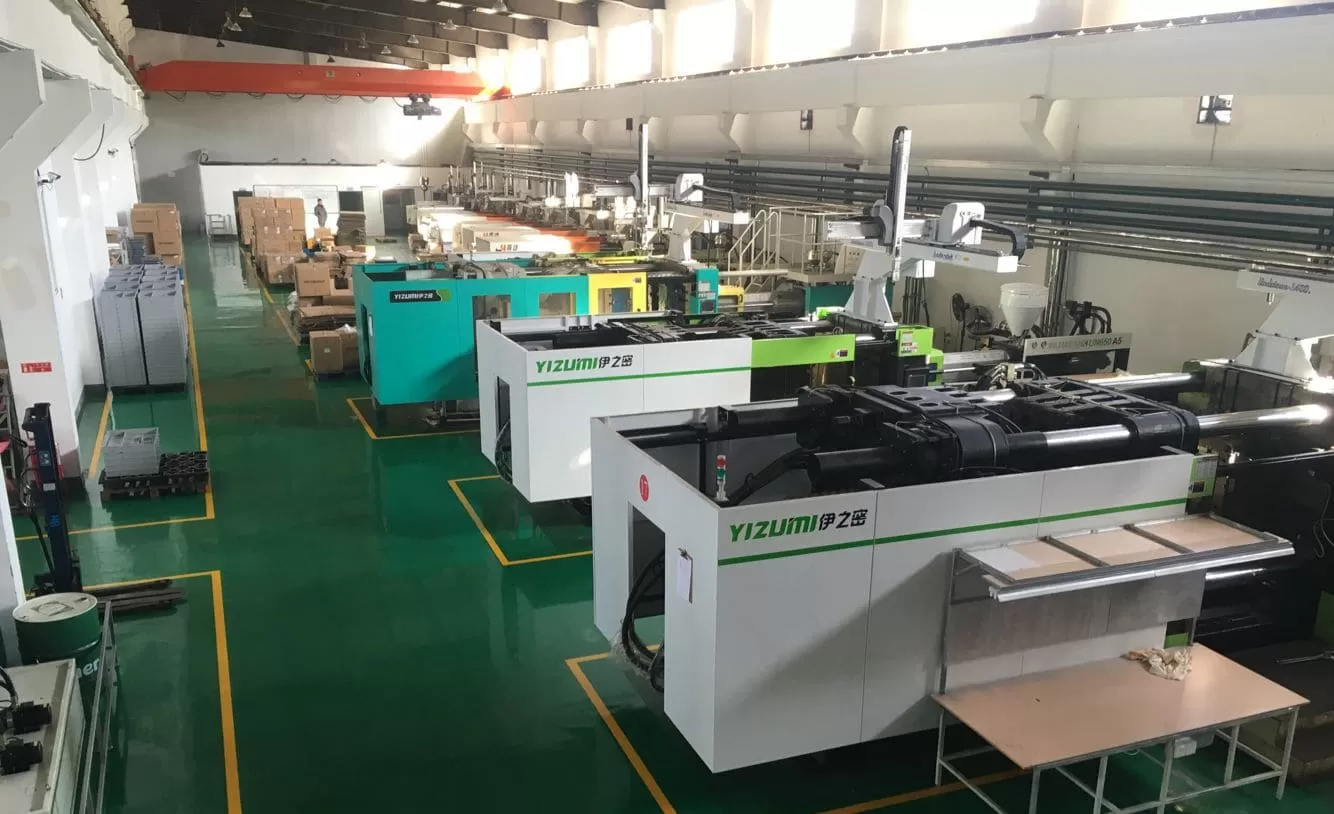
На нашей фабрике в Шанхае работают 47 термопластавтоматов усилием от 90T до 1850T, и мы поставляем детали по всему миру — от небольших прецизионных компонентов до крупных автомобильных панелей. За годы работы мы убедились, что упаковка должна соответствовать геометрии детали и месту назначения. Электронному корпусу массой 500g, отправляемому авиаперевозкой в Германию, нужна совершенно иная защита, чем автомобильной декоративной детали массой 2kg, идущей морем в США.
Как упаковывать детали, изготовленные литьём под давлением, для безопасной транспортировки?
Детали, отлитые под давлением, являются лучше всего отгружать с трехслойной упаковкой: индивидуальная обертка, внутренние лотки и двухслойная внешняя коробка. Уровень 1 — индивидуальная защита. Каждая деталь получает отдельную защиту. Для небольших дорогостоящих деталей это индивидуальные полиэтиленовые пакеты, желательно с VCI или осушителем для материалов, чувствительных к коррозии. Крупные детали однократно оборачивают вспененным PE или пузырчатой плёнкой и фиксируют шов лентой. Цель — полностью исключить контакт деталей друг с другом.
Слой 2 — внутренняя упаковка. Детали размещают в лотках, ячеистых вставках или формованных лотках из целлюлозы, фиксирующих каждую деталь. Материал лотка имеет значение: лотки из вспененного полиэтилена (EPE) отлично поглощают удары, а лотки из гофрированной целлюлозы дешевле и экологичнее, но обеспечивают меньшую амортизацию. Для деталей с поверхностями класса A мы рекомендуем разделители из листового PET — они не царапают поверхность, прозрачны для контроля и пригодны для повторного использования. Слой 3 — наружный контейнер. Двухслойные гофрокороба с минимальным показателем Edge Crush Tes (ECT) 32 lb/in являются базовым вариантом для большинства injec ion mold поставок компонентов. Для тяжелых деталей или деталей высокой плотности могут потребоваться трехслойные коробки либо даже деревянные ящики.
Внутренние размеры наружной коробки должны обеспечивать зазор не более 25mm с каждой стороны после размещения внутренней упаковки — избыточное свободное пространство допускает перемещение содержимого, что приводит к повреждениям.
"Индивидуальная упаковка каждой детали в полиэтиленовый пакет — один из наиболее эффективных способов предотвратить появление царапин на поверхности"True
Верно. Индивидуальные пакеты исключают контакт между деталями — основную причину повреждения поверхности. Стоимость одного пакета минимальна по сравнению с затратами на доработку или списание поврежденных деталей.
"Стандартные однослойные гофрокороба обеспечивают достаточную защиту большинства деталей, изготовленных литьём под давлением"False
Неверно. Короба из однослойного гофрокартона регулярно разрушаются под нагрузкой при штабелировании и от вибрации во время морской перевозки. Короба из двухслойного гофрокартона с показателем ECT 32+ — минимальный базовый стандарт, который мы устанавливаем для всех отгрузок.
Какие упаковочные материалы лучше всего подходят для прецизионных пластиковых компонентов?
Вспененный PE — наиболее универсальный упаковочный материал для прецизионных пластиковых компонентов. Для чувствительных электронных и медицинских деталей добавляйте материалы с защитой ESD и влагобарьерными свойствами. Выбор материала определяется не только амортизацией, но и химической совместимостью, защитой от статического электричества и условиями среды при перевозке.
Для более тяжёлых изделий пузырьки необратимо сжимаются под нагрузкой, и после первого удара упаковка утрачивает защитные свойства. Используйте крупнопузырчатую плёнку только для заполнения пустот, а не как основной амортизирующий материал. Гофрированные лотки из формованной целлюлозы становятся популярнее, поскольку пригодны для переработки и могут формоваться под конкретную геометрию детали. Недостаток: они почти не поглощают удары. Мы применяем их для жестких деталей, где фиксация важнее амортизации, например для резьбовых вставок или толстостенных кронштейнов.
Антистатические и ESD-материалы требуют отдельного обсуждения, которому посвящён следующий раздел. Кратко: если детали будут использоваться рядом со сборкой электроники, нужна ESD-безопасная упаковка на всём пути — от индивидуального пакета до внешнего короба.
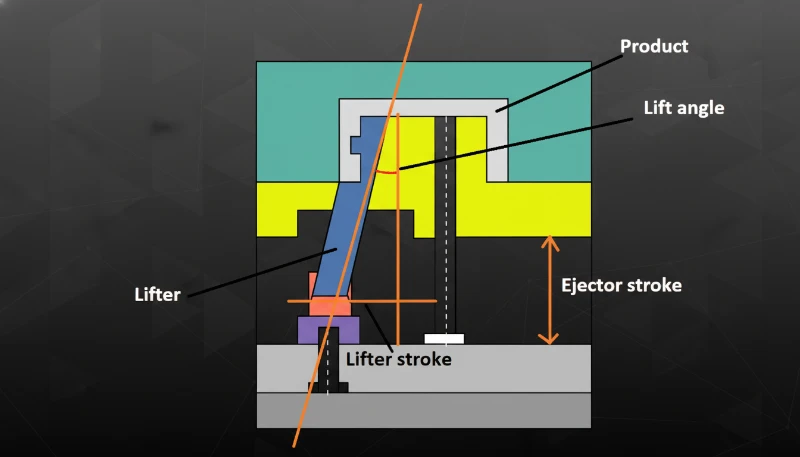
Даже для деталей со сложными наклонными выталкивателями или большим ходом выталкивания нужны лотки, надежно удерживающие изделие. Деталь с хрупким поднутрением под наклонный выталкиватель может быть повреждена, если при упаковке лоток давит под неправильным углом.
Почему при упаковке деталей важен контроль влажности и статического электричества?
Два фактора среды повреждают больше отгруженных деталей, чем удары: влага и электростатический разряд. Оба незаметны до повреждения и предотвращаются правильной упаковкой. Повреждение от влаги проявляется в нескольких формах. Гигроскопичные материалы, такие как нейлон (PA6, PA66) и поликарбонат, поглощают атмосферную влагу, что вызывает изменение размеров: деталь, соответствовавшая требованиям на заводе, после двухнедельной морской перевозки через регионы с влажным климатом может выйти за пределы допуска.
Решение простое: пакеты влагопоглотителя (силикагеля или молекулярного сита), помещенные в герметичные влагозащитные пакеты (MBBs). В упаковке военного класса применяются барьерные материалы по MIL-DTL-81705, но для большинства коммерческих применений достаточно пакета с внутренним слоем PE и 2-3 пакетами силикагеля на кубический фут свободного объема.
Для максимальной защиты после укладки осушителя герметично упакуйте пакет под вакуумом. Электростатический разряд является скрытой угрозой для электронных компонентов. Когда пакет из PE трётся о пластмассовую деталь при транспортировке, статический заряд накапливается до тысяч вольт. Если это корпус, держатель датчика или корпус разъёма, чувствительный к ESD, разряд может повредить встроенную схему или создать скрытый дефект, который проявится в эксплуатации. Решение — многослойная упаковочная система ESD: розовые антистатические пакеты с низкой электризуемостью или металлизированные экранирующие пакеты для отдельных деталей, розовый пеноматериал или проводящие лотки для внутренней упаковки и безопасные по ESD внешние коробки с маркировкой заземления.
Обладая более чем 20-летним опытом литья под давлением и штатом из 8 старших инженеров, мы поставляли детали заказчикам более чем в 50 странах. Мы видели, как влага уничтожила целый контейнер нейлоновых зубчатых колёс, направлявшихся в Германию, потому что поставщик не вложил пакеты с влагопоглотителем. Это небольшое решение обернулось огромными затратами на брак и срочную авиадоставку замены.
"Антистатическая упаковка должна защищать каждый уровень — от индивидуального пакета до внешней коробки"True
Верно. Один слой с ESD-защитой недостаточен. Статический заряд может накопиться на любой незащищенной поверхности и разрядиться через защищенный слой. Вся цепочка — пакет, лоток и внешняя коробка — должна иметь ESD-рейтинг.
"Одних пакетиков силикагеля достаточно, чтобы защитить нейлоновые детали от повреждения влагой при морской перевозке"False
Неверно. Силикагель действует только внутри герметичного влагонепроницаемого пакета. В стандартной картонной коробке осушитель насыщается за несколько часов и больше не обеспечивает защиту. Необходим герметичный пакет с PE-вкладышем или металлизированный барьерный пакет вместе с осушителем.
Какие отраслевые стандарты регулируют упаковку деталей, изготовленных литьём под давлением?
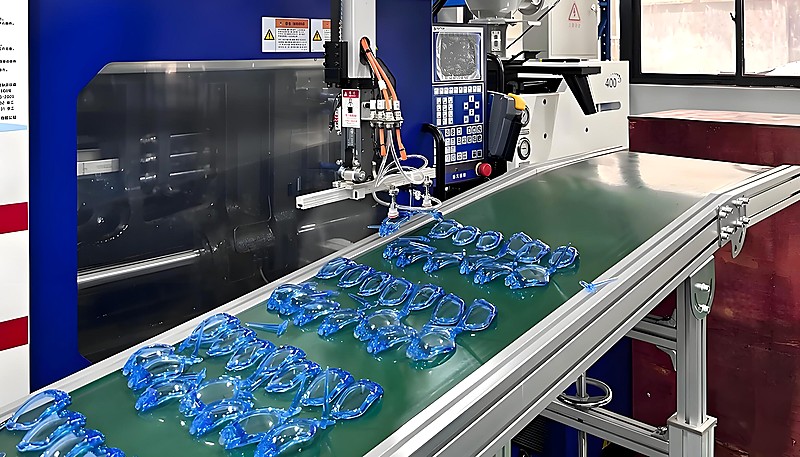
ISTA 3A, ASTM D4169 и JEDEC J-STD-033 — три основных стандарта проверки упаковки литьевых деталей. Каждый охватывает свой профиль риска: от опасностей посылочной доставки до требований к медицинским изделиям и влагочувствительности. Многие поставщики используют цветные контейнеры для сортировки деталей по партиям и спецификациям, упрощая привязку результатов упаковки к конкретной конфигурации лотка.
Стандарт ASTM D4169 [стандарт ASTM D41692] является стандартом для производства медицинских изделий и фармацевтики, часто обязательным по требованиям FDA. Он определяет испытания транспортной упаковки с имитацией последовательности опасных воздействий. DC-13 — наиболее распространённый план испытаний для небольших посылок. ASTM D4169 [as m-d4169] строже ISTA 3A и включает дополнительные этапы кондиционирования, например температурные циклы и имитацию высоты для авиаперевозок.
JEDEC J-STD-033 регулирует обращение с чувствительными к влаге компонентами. Если вы поставляете детали из гигроскопичных смол (нейлона, поликарбоната, PBT), этот стандарт определяет требования к влагозащитным пакетам, расчету количества осушителя и карточкам-индикаторам влажности. Он также задает допустимое время вне упаковки — сколько деталь может находиться вне защитного пакета до необходимости повторной сушки для удаления поглощенной влаги.
Как поставщики могут проверить эффективность упаковки до отгрузки?
Валидация упаковки является повторяемый протокол испытаний, выполняемый поставщиками с реальными серийными деталями по стандартам ISTA 3A или ASTM D4169. Важно испытывать реальные детали, а не имитаторы массы или пустые коробки, поскольку геометрия деталей влияет на распределение нагрузок в упаковке при падениях и вибрации. Упакуйте реальные серийные детали с использованием именно тех материалов и конфигурации, которые планируются для поставки, затем выполните полный протокол и проверьте каждую деталь по тем же критериям, которые заказчик применит при входном контроле.
После испытаний проверяйте каждую деталь по тем же критериям, которые будет применять заказчик, а не ограничивайтесь беглым осмотром. Для медицинских деталей это означает измерение размеров по спецификации чертежа. Для деталей с требованиями к внешнему виду — проверку царапин при правильном освещении и угле наблюдения. Зафиксируйте результаты в отчёте об испытаниях с фотографиями упаковки до и после испытаний. Этот отчёт станет доказательной базой, если заказчик проведёт аудит процесса упаковки. Шаг 3: документируйте и зафиксируйте спецификацию упаковки. Найдя конфигурацию, успешно прошедшую испытания, задокументируйте каждую деталь: тип пакета, количество осушителя, ориентацию лотка, размеры коробки, тип клейкой ленты и размещение этикетки. Подготовьте рабочую инструкцию по упаковке с фотографиями.
Это становится зафиксированным стандартом в рамках ISO 9001 [стандарт iso-90013] управление качеством — никаких изменений без официальной повторной валидации и документированного одобрения. Если заказчик запрашивает изменение упаковки, перед внедрением на производственной линии всегда проводите краткое валидационное испытание. Мы наблюдали случаи, когда добросовестная замена вспененного PE на гофрированные вставки удваивала частоту повреждений, поскольку новый материал хуже поглощал вибрацию при имитационных испытаниях падением. Каждое изменение, каким бы незначительным оно ни казалось, должно проходить тот же протокол валидации, что и исходная спецификация. Эта дисциплина отличает поставщиков со стабильно низкой частотой повреждений от тех, у кого периодически возникают всплески дефектности.
Когда следует выбирать индивидуальную упаковку вместо стандартных решений?
Индивидуальная упаковка нужна не всегда, но когда ситуация ее требует, ROI неоспорим. Решение зависит от стоимости и хрупкости детали, а также годового объема. Вот как принять решение. Индивидуальное решение целесообразно, когда: ваша деталь имеет хрупкие элементы (тонкие ребра менее 1mm, защелки, выступающие резьбовые металлические вставки), поверхность должна соответствовать Class A (наружные автомобильные детали, видимые поверхности бытовой электроники) либо годовой объем превышает 10 000 единиц и важна стоимость упаковки одной детали. Термоформованные ложементы, изготовленные точно по геометрии детали, — наиболее эффективная инвестиция в упаковку при средне- и крупносерийном производстве.
Они фиксируют каждую деталь на месте, предотвращают любое перемещение при транспортировке и могут быть спроектированы для эффективного штабелирования в стандартных коробках.
Выбирайте стандартный вариант, если: ваши детали прочны (толщина стенки более 3mm, отсутствуют хрупкие элементы), объемы невелики (менее 1,000 изделий в одной партии) либо поверхность должна быть функциональной, а не декоративной. Для таких условий вполне достаточно стандартных листов пенополиэтилена PE, пузырчатой пленки и коробов из двухслойного гофрокартона. Главное — объективно оценивать уязвимость деталей: оптимизм не заменяет стратегию упаковки. Стоимостный компромисс выглядит так: индивидуальный термоформованный лоток при объеме 5,000 штук может стоить от $0.30 до $1.00 за единицу по сравнению с $0.08–$0.15 за стандартную упаковку из вспененного материала и пакета.
Но если стандартная упаковка дает 5% повреждений для детали стоимостью $20, фактическая себестоимость одной годной детали составит $21.00 — уже выше, чем при индивидуальной упаковке с уровнем повреждений 0.5%. Для деталей стоимостью более $5 за единицу индивидуальная упаковка почти всегда окупается в первый год. Рекомендации по поиску подходящего injec ion molding supplier с надлежащими упаковочными возможностями см. наше полное руководство по закупкам.
Как требования к упаковке зависят от геометрии и материала детали?
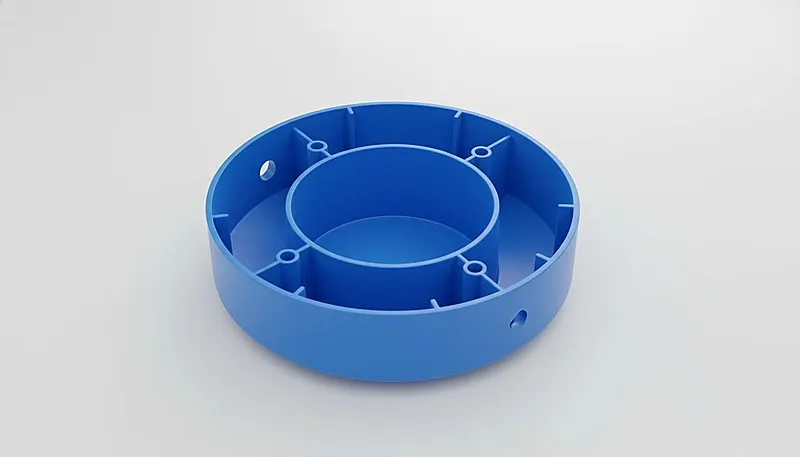
Геометрия детали и материал являются — два основных фактора, определяющих требования к упаковке. Тонким стенкам требуется жесткая опора, мягким материалам — свободное пространство, а хрупким композитам — направленная амортизация ударов.
Тонкостенные детали (толщина стенки менее 1.5mm) хрупки при сжатии, поэтому их нельзя штабелировать без жесткой опоры. Используйте отдельные ячейки формованного лотка с жесткой верхней крышкой, исключающей вертикальное сжатие. Не рассчитывайте, что сама деталь выдержит вес штабеля — она треснет. Большие плоские панели (более 300mm по любой стороне) подвержены короблению из-за неравномерного давления и температурных градиентов. Перевозите их в однослойных лотках с прокладками из пеноматериала с обеих сторон, укладывая горизонтально в коробке. Никогда не устанавливайте крупные панели вертикально — изгибающие напряжения от вибрации при транспортировке вызывают необратимую деформацию.
Мягкие материалы (TPE, TPU, LDPE) хорошо выдерживают удары, но деформируются под длительным давлением. Не упаковывайте их плотно: оставляйте пространство, чтобы детали не сжимались между собой или стенками лотка. Индивидуальные пакеты с тальком предотвращают слипание липких поверхностей. Для деталей с жёсткими допусками, полученных как прецизионным литьём под давлением, так и вторичной обработкой CNC, упаковка должна исключать даже небольшую деформацию, способную вывести размеры за пределы допуска.
Работая с более чем 400 различными пластиковыми материалами и производя более 100 комплектов пресс-форм в месяц, мы на собственном опыте знаем, что требования к упаковке кардинально различаются в зависимости от материала. Мягкая рукоятка из ТПУ, полученная методом литья, требует совершенно иного обращения, чем жесткая шестерня из стеклонаполненного нейлона — и ошибка на этапе упаковки может свести на нет недели тщательной работы по формованию.
Какие вопросы чаще задают о требованиях к упаковке литьевых изделий?
Часто задаваемые вопросы
Что такое тест ISTA 3A и нужна ли он для моей упаковки?
ISTA 3A — это стандартизированный протокол испытаний, разработанный Международной ассоциацией безопасной транспортировки (ISTA), который моделирует реальные риски при перевозке для посылок весом до 70 кг, отправляемых через сети курьерской доставки. Протокол испытаний включает свободное падение с высоты 76 см на каждую грань, ребро и угол, случайные вибрационные испытания при 0,73 grms в течение 60 минут и статическое сжатие, эквивалентное нагрузкам при складировании на складе. Если вы отправляете литьевые детали через курьерские или почтовые службы, соответствие стандарту ISTA 3A дает уверенность, что упаковка выдержит реальные условия транспортировки. Мы рекомендуем сертификацию ISTA 3A для любой детали со стоимостью единицы выше трех долларов или там, где косметические повреждения являются критерием браковки.
Сколько пакетиков с осушителем следует использовать в влагозащитном пакете?
Стандартный расчет следует рекомендациям JEDEC J-STD-033. В качестве практического правила используйте одну единицу силикагеля на кубический фут объема пакета для перевозок сроком менее семи дней и две единицы на кубический фут для более длительных перевозок, таких как морские перевозки. Всегда помещайте внутрь барьерного пакета индикаторную карточку влажности без кобальта, чтобы инспектор по качеству на приемке мог с первого взгляда проверить, подвергались ли детали чрезмерной влажности во время транспортировки. Для особо чувствительных материалов, таких как нейлон или поликарбонат, рассмотрите возможность добавления дополнительной индикаторной этикетки влажности на внешнюю сторону картонной коробки.
Можно ли повторно использовать упаковочные лотки из предыдущей отгрузки?
Многоразовые лотки допустимы, если они изготовлены из прочных материалов, таких как ПЭТ или жесткий ПВХ, и проходят визуальный осмотр на наличие трещин, деформации или загрязнения перед каждым использованием. Лотки из пенополиэтилена (EPE) и гофрированные целлюлозные лотки, как правило, не следует использовать повторно, поскольку они сжимаются под нагрузкой и теряют свои амортизирующие свойства после первого цикла отгрузки. Если вы переходите с одноразовых на многоразовые лотки, всегда повторяйте упрощенный тест на падение ISTA, чтобы подтвердить, что использованный лоток по-прежнему обеспечивает адекватную защиту деталей. Задокументируйте максимально допустимое количество циклов повторного использования в инструкции по упаковке.
Какая упаковка требуется моему поставщику для медицинских литьевых деталей?
Медицинские детали требуют упаковки, соответствующей стандартам испытаний на производительность ASTM D4169, а также требованиям ISO 11607 для стерильных барьерных систем, если требуется терминальная стерилизация. Совместимые с чистым помещением упаковочные материалы, такие как пакеты Tyvek, медицинские полиэтиленовые пакеты и проверенные пакеты с отрывной головкой, являются стандартом в отрасли. На каждый слой упаковки должны быть нанесены этикетки с отслеживаемостью, содержащие номера партий, даты изготовления и коды партий стерилизации. Кроме того, сам процесс упаковки должен выполняться в контролируемой среде, соответствующей требованиям к чистоте деталей, и все упаковочные материалы должны иметь сертификат соответствия.
Как рассчитать рентабельность инвестиций в индивидуальную упаковку по сравнению со стандартной?
Начните с расчета текущих годовых потерь от повреждений при перевозке: умножьте процент повреждений на стоимость единицы детали, умноженную на годовой объем, плюс любые связанные с этим расходы на фрахт для возвратов и замен. Затем сравните эту общую сумму с ежегодной премиальной стоимостью перехода на индивидуальные термоформованные лотки. По нашему опыту, индивидуальные лотки обычно окупаются, когда стоимость единицы детали превышает пять долларов, а годовой объем составляет более десяти тысяч штук, поскольку они снижают процент повреждений примерно с пяти процентов до менее половины процента. Точка безубыточности наступает быстрее для деталей с дорогой обработкой поверхности.
В чем разница между антистатической и ESD-безопасной упаковкой?
Антистатические материалы предназначены для сопротивления генерации статического заряда при обычном обращении — они просто не накапливают заряд легко. ESD-безопасная упаковка идет дальше, обеспечивая контролируемый путь рассеивания, который позволяет любому накопленному заряду безопасно стекать на землю, предотвращая внезапный разряд через саму деталь. Для литых корпусов электронных устройств, держателей датчиков и корпусов разъемов правильной спецификацией является ESD-безопасная упаковка с поверхностным сопротивлением от десяти в пятой до десяти в одиннадцатой степени ом на квадрат. Одного антистатического эффекта недостаточно для деталей, которые будут собираться в электронные системы.
Почему стоит выбрать ZetarMold для изготовления литых деталей с валидированной упаковкой?
Упаковка — не второстепенная задача, а последний этап производства, который определяет, прибудут ли ваши детали в соответствии со спецификацией или в контейнере для брака. В ZetarMold наши более 30 англоговорящих менеджеров проекта согласовывают спецификации упаковки с каждым клиентом до запуска первого производства. Мы работаем в соответствии с системами менеджмента качества ISO 9001 [iso-9001] и ISO 13485, что означает, что каждое решение по упаковке документируется, проверяется и является воспроизводимым.
Нужна ли вам посылочная упаковка, испытанная по ISTA 3A, совместимая с чистыми помещениями медицинская упаковка или индивидуальные термоформованные лотки для хрупких компонентов, наш опыт и системы позволяют поставлять готовые к сборке детали. Получить бесплатное предложение для вашего следующего проекта литья под давлением — и расскажите о требованиях к упаковке.
Мы включим проверенную спецификацию упаковки в ваше коммерческое предложение без дополнительной оплаты.
стандарт is a-3a: ISTA 3A — протокол испытаний In erna ional Safe Transi Associa ion для упакованной продукции массой менее 70 kg, доставляемой службами посылочной доставки. ↩
стандарт ASTM D4169: ASTM D4169 — стандартная методика эксплуатационных испытаний транспортной тары и систем, широко применяемая при валидации упаковки медицинских изделий. ↩
стандарт iso-9001: ISO 9001 — международный стандарт требований к системе менеджмента качества, включая документированные процедуры упаковки и обращения. ↩