Usted diseñó la parte perfecta, su herramienta se marca, y la inspección de primer artículo pasado con los colores voladores. Luego el envío llega al muelle de sus clientes, y el 15% de las piezas están rasguñadas, deformadas o agrietadas. ¿Te suena familiar? En nuestra experiencia, el embalaje es el paso más subestimado en toda la cadena de suministro de moldeo por inyección. Esta guía desglosa los requisitos de embalaje que realmente previenen daños en el envío, en base a lo que hemos visto trabajar (y fallar) en miles de envíos desde nuestra fábrica de Shanghai.
Cada año, los fabricantes pierden millones por daños durante el transporte que podrían haberse evitado con un embalaje adecuado. En el caso concreto de los componentes moldeados por inyección, hay mucho en juego porque estas piezas suelen tener tolerancias estrechas, acabados superficiales delicados y características geométricas que se deforman fácilmente bajo carga. Tanto si envía carcasas electrónicas como componentes de dispositivos médicos o molduras de automoción, la estrategia de embalaje debe diseñarse con tanto cuidado como las propias piezas. Este artículo aborda los requisitos específicos de embalaje, los materiales, los estándares de ensayo y los procesos de validación que distinguen a los proveedores fiables de aquellos que dejan sus piezas expuestas a daños durante el transporte.
- Los arañazos, las grietas y la contaminación representan más del 80% de las reclamaciones por daños durante el transporte de piezas de plástico
- Un embalaje adecuado comienza en el diseño de la pieza: los bordes afilados y las paredes delgadas exigen protección adicional
- Los materiales con protección ESD y barrera antihumedad son imprescindibles para los componentes electrónicos y médicos
- ISTA 3A y ASTM D4169 [astm-d4169] son las dos normas de ensayo que todo proveedor debe consultar
- El embalaje personalizado cuesta más al principio, pero reduce las tasas de defectos en un 60-80% frente a las soluciones genéricas
¿Cuáles son los daños de transporte más habituales en piezas moldeadas por inyección?
Los arañazos superficiales, las grietas, el alabeo y la contaminación por partículas son los cuatro modos de fallo predominantes que observamos en las piezas moldeadas por inyección enviadas. Los daños superficiales encabezan la lista: el roce de las piezas entre sí dentro de una bolsa o bandeja es la principal causa de rechazo de los envíos. Las grietas suelen originarse en puntos de concentración de tensiones: esquinas interiores agudas, transiciones de paredes delgadas o restos del punto de inyección que no se recortaron por completo. El alabeo durante el transporte es menos frecuente, pero más costoso, y suele deberse a una exposición desigual a la temperatura dentro de los contenedores de transporte. La contaminación —polvo, virutas metálicas o residuos químicos— es un problema silencioso, especialmente en piezas médicas y ópticas, donde incluso las partículas microscópicas provocan el rechazo.
Según los datos de ISTA [ista-3a1], aproximadamente el 70% de todos los daños en el paquete ocurren durante el manejo de la última milla: movimientos de carretilla elevadora, transferencias de cinta transportadora y caídas de cintura y altura. Esto significa que su embalaje tiene que sobrevivir a un manejo rudo, no sólo apilamiento suave dentro de un contenedor.
Rasguños de superficie causados por contacto parcial en envases a granel. Las cubiertas estéticas, los biseles de lentes y las carcasas brillantes son las que corren mayor riesgo. Generalmente reelaborable pero costoso en volumen.
Grietas y fracturas, causadas por choque de impacto o estrés en paredes delgadas. Los clips de ajuste rápido, los conectores de bayoneta y las costillas delgadas son las víctimas habituales. Resultado: pérdida de chatarra.
Warpage y deformación — causada por el ciclo de temperatura o la presión de apilamiento desigual. Grandes paneles planos y perfiles largos y delgados sufren más. Este es un evento 100% de chatarra.
Contaminación de partículas: causada por embalajes abiertos o entornos de tránsito sucios. Los componentes médicos, las lentes ópticas y las partes de contacto con alimentos se ven afectados. Conduce a cuarentena y costosa limpieza.
Daño por ESD — causado por descarga estática durante la manipulación.
Las carcasas electrónicas y los portadores de sensores están en riesgo, y las fallas latentes en servicio son el peor resultado posible.
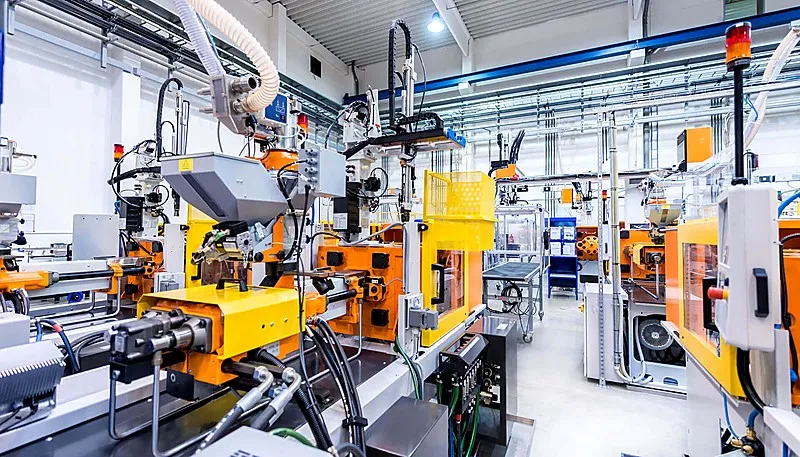
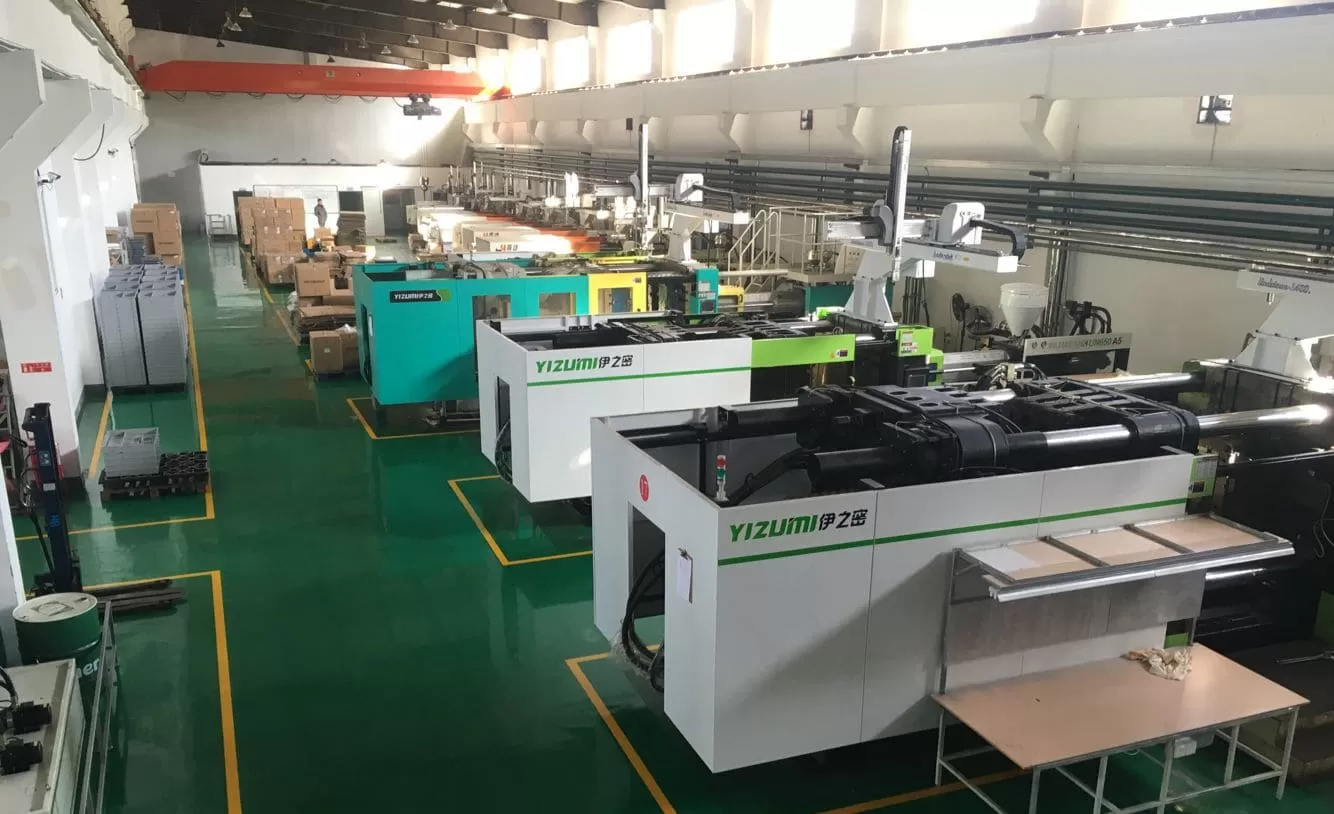
En nuestra fábrica de Shanghái operamos 47 máquinas de moldeo por inyección de entre 90T y 1850T, y enviamos piezas a todo el mundo, desde pequeños componentes de precisión hasta grandes paneles de automoción. Con los años hemos aprendido que las decisiones de embalaje deben adaptarse a la geometría y al destino de la pieza. Una carcasa electrónica de 500g enviada a Alemania por transporte aéreo necesita una protección completamente distinta a la de una moldura de automoción de 2kg enviada por mar a EE. UU.
¿Cómo deben embalarse las piezas moldeadas por inyección para transportarlas de forma segura?
Las piezas moldeadas por inyección se envían mejor en tres capas: envoltura individual, bandejas interiores y una caja exterior de doble pared. Capa 1 — Protección individual. Cada parte tiene su propia barrera. Para piezas pequeñas y de alto valor, esto significa bolsas de polietileno individuales (idealmente con VCI o desecante para materiales sensibles a la corrosión). Para piezas más grandes, una sola envoltura de espuma de PE o envoltura de burbuja con cinta que asegura la costura. El objetivo es cero contacto de parte a parte.
Capa 2 — Embalaje interior. Las piezas están dispuestas en bandejas, insertos de huevo-cartón o bandejas de pulpa moldeadas a medida que sostienen cada parte en una posición fija. El material de la bandeja importa: las bandejas de espuma de polietileno expandido (EPE) son excelentes para la absorción de choque, mientras que las bandejas de pulpa corrugada son más baratas y más respetuosas con el medio ambiente, pero ofrecen menos amortiguación. Para las piezas con superficies de clase A, recomendamos divisores de láminas de PET, que son no abrasivos, transparentes para la inspección y reutilizables. Capa 3 — Contenedor exterior. Cartones corrugados de doble pared con una calificación mínima Edge Crush Test (ECT) de 32 lb/in son la línea de base para la mayoría de envíos de componentes de moldes por inyección. Las piezas pesadas o de alta densidad pueden requerir cajas de triple pared o incluso cajas de madera.
Las dimensiones interiores de la caja exterior no deben dejar más de 25mm de espacio vacío en ningún lado una vez colocado dentro el embalaje interior; el exceso de espacio permite desplazamientos que causan daños.
"El envasado individual de cada pieza en una bolsa de polietileno es una de las formas más eficaces de evitar arañazos superficiales"True
Cierto. Las bolsas individuales eliminan el contacto entre piezas, que es la principal causa de daños superficiales. El coste por bolsa es mínimo en comparación con el coste de retrabajar o desechar piezas dañadas.
"Las cajas estándar de cartón ondulado de pared simple protegen adecuadamente la mayoría de las piezas moldeadas por inyección"False
Falso. Las cajas de pared simple suelen fallar bajo cargas de apilamiento y vibraciones durante el transporte marítimo. Las cajas de cartón de doble pared con clasificación ECT 32+ son el mínimo de referencia que especificamos para todos los envíos.
¿Qué materiales de embalaje funcionan mejor para componentes plásticos de precisión?
La espuma de PE es el material de embalaje más versátil para componentes plásticos de precisión. Añada materiales seguros frente a ESD y con barrera contra la humedad para piezas electrónicas y médicas sensibles. La selección del material no solo depende de la amortiguación, sino también de la compatibilidad química, el control de la electricidad estática y las condiciones ambientales durante el transporte.
Para cualquier cosa más pesada, las burbujas se comprimen permanentemente bajo carga y se pierde la protección después del primer impacto. Utilice la envoltura de burbuja de gran célula sólo como relleno vacío, no como amortiguación primaria. Las bandejas de pulpa corrugadas están ganando popularidad porque son reciclables y se pueden moldear para adaptarse a geometrías de partes específicas. La desventaja: no proporcionan casi ninguna absorción de choque. Las usamos para piezas robustas donde el posicionamiento importa más que la amortiguación — piense en inserciones roscadas o soportes de pared pesados.
Los materiales antiestáticos y ESD merecen su propia conversación, que cubrimos en la siguiente sección. Pero la versión corta: si sus piezas van en cualquier lugar cerca de ensamblaje electrónico, usted necesita embalaje seguro ESD de la bolsa individual hasta el cartón exterior.
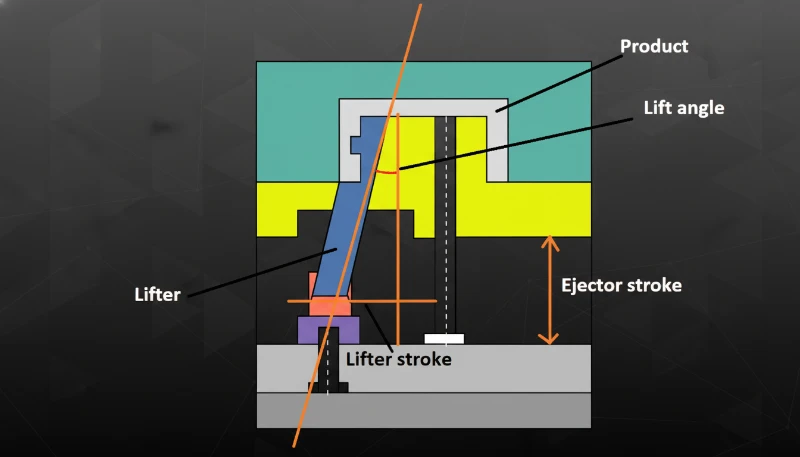
Incluso las piezas con mecanismos complejos de elevadores de molde o características con largas carreras de expulsión necesitan bandejas que las sujeten firmemente. Una pieza con una contrasalida delicada accionada por un elevador puede dañarse si la bandeja aplica presión en un ángulo incorrecto durante el proceso de embalaje.
¿Por qué son importantes el control de la humedad y la electricidad estática en el embalaje de piezas?
Dos enemigos ambientales destruyen más piezas enviadas que el impacto físico: humedad y descarga electrostática. Ambos son invisibles hasta que el daño se hace, y ambos son evitables con la estrategia de embalaje adecuada. El daño por humedad adopta varias formas. Los materiales higroscópicos como el nylon (PA6, PA66) y el policarbonato absorben la humedad atmosférica, lo que causa cambios dimensionales, una parte que estaba dentro de las especificaciones de la fábrica puede medirse por tolerancia después de un viaje marítimo de dos semanas a través de climas húmedos.
La solución es sencilla: paquetes de desecante (gel de sílice o tamiz molecular) dentro de bolsas selladas con barrera contra la humedad (MBBs). Los envases de grado militar utilizan materiales de barrera con clasificación MIL-DTL-81705, pero para la mayoría de las aplicaciones comerciales basta una bolsa revestida de PE con 2-3 paquetes de gel de sílice por pie cúbico de espacio vacío.
Para máxima protección, cierre al vacío la bolsa después de insertar el desecante. La descarga estática es el asesino oculto de componentes electrónicos. Cuando una bolsa de PE se frota contra una pieza de plástico durante el tránsito, las cargas estáticas se acumulan hasta miles de voltios. Si esa parte es una carcasa sensible a ESD, portador de sensores o cuerpo de conector, la descarga puede dañar los circuitos integrados o crear defectos latentes que fallan en el campo. La solución es un sistema de empaquetado en capas ESD: bolsas de polietileno rosa (bajo-carga) o bolsas de escudo metalizadas para piezas individuales, espuma rosa o bandejas conductoras para embalaje interior, y cajas exteriores seguras ESD con etiquetas de tierra.
Con más de 20 años de experiencia en moldeo por inyección y 8 ingenieros sénior en plantilla, hemos enviado piezas a clientes de más de 50 países. Hemos visto cómo los daños por humedad arruinaban un contenedor entero de engranajes de nailon con destino a Alemania porque el proveedor omitió las bolsas desecantes. Esa pequeña decisión costó una fortuna en desechos y transporte aéreo urgente para un envío de sustitución.
"El embalaje con protección ESD debe abarcar todas las capas, desde la bolsa individual hasta la caja exterior"True
Verdadero. Una sola capa con protección ESD no proporciona una protección adecuada. La electricidad estática puede acumularse en cualquier superficie sin protección ESD y descargarse a través de la capa protegida. Toda la cadena —bolsa, bandeja y caja exterior— debe tener clasificación ESD.
"Los sobres de gel de sílice por sí solos son suficientes para proteger las piezas de nailon contra los daños por humedad durante el transporte marítimo"False
Falso. El gel de sílice solo funciona dentro de una bolsa sellada con barrera contra la humedad. En una caja de cartón estándar, el desecante se satura en cuestión de horas y deja de ofrecer protección. Se necesita una bolsa de barrera sellada, revestida de PE o metalizada, además del desecante.
¿Qué normas industriales regulan el embalaje de piezas moldeadas por inyección?
ISTA 3A, ASTM D4169 y JEDEC J-STD-033 son las tres normas principales que rigen la validación del embalaje de piezas moldeadas por inyección. Cada una aborda un perfil de riesgo diferente, desde los peligros del envío de paquetería hasta los requisitos de los productos sanitarios y la sensibilidad a la humedad. Muchos proveedores utilizan cajas de almacenamiento codificadas por colores para organizar las piezas por lote y especificación durante el proceso de validación, lo que facilita vincular el rendimiento del embalaje con configuraciones concretas de bandejas.
ASTM D4169 [astm-d41692] es el estándar de la industria médica y farmacéutica (a menudo requerido por la FDA). Define pruebas de rendimiento de contenedores de envío a través de secuencias de peligro simuladas. DC-13 es el plan de pruebas más común para envíos de paquetes pequeños. ASTM D4169 [astm-d4169] es más estricto que ISTA 3A e incluye pasos de acondicionamiento adicionales como el ciclismo de temperatura y la simulación de altitud para el transporte aéreo.
JEDEC J-STD-033 regula la manipulación de componentes sensibles a la humedad. Si envía piezas hechas de resinas higroscópicas (nylon, policarbonato, PBT), este estándar define las especificaciones de la bolsa de barrera de humedad, cálculos de la cantidad desecante y requisitos de la tarjeta indicadora de humedad. También especifica la vida útil del suelo — cuánto tiempo puede permanecer una parte fuera de su bolsa de barrera antes de que necesite ser re-cocinada para eliminar la humedad absorbida.
¿Cómo pueden los proveedores validar la eficacia del embalaje antes del envío?
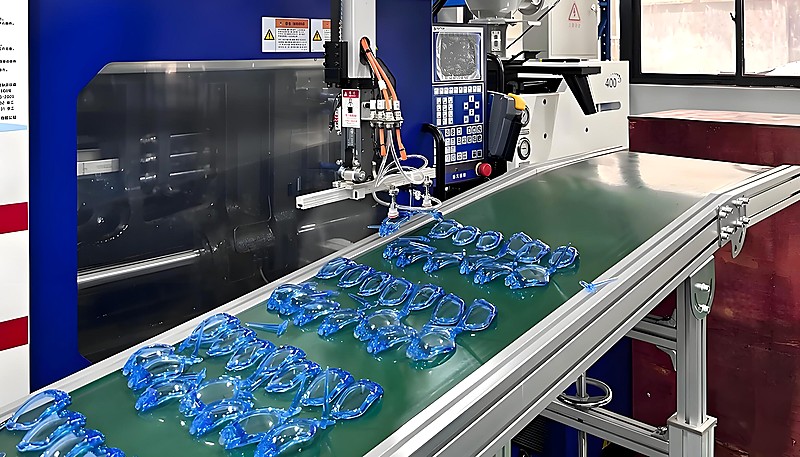
La validación de embalajes es un protocolo de prueba repetible que los proveedores ejecutan con piezas de producción reales utilizando estándares ISTA 3A o ASTM D4169. La clave es probar con piezas reales, no con pesas simuladas o cajas vacías, porque la geometría real de la pieza afecta la distribución de cargas dentro del paquete durante las gotas y la vibración. Paquete de piezas de producción reales utilizando los materiales exactos y la configuración que planea enviar, luego ejecute el protocolo de prueba completo e inspeccione cada pieza después utilizando los mismos criterios que su cliente utilizará para la inspección de calidad entrante.
Después de la prueba, inspeccione cada pieza usando los mismos criterios que su cliente utilizará, no una vez visual. Para las piezas médicas, esto significa medición dimensional con arreglo a la especificación de dibujo. Para piezas estéticas, significa comprobar si hay arañazos bajo iluminación adecuada en el ángulo de visión correcto. El documento resulta en un informe de prueba con fotos del envase antes y después de la prueba. Este informe se convierte en su base de pruebas si el cliente audita su proceso de empaquetado. Paso 3: Documentar y bloquear la especificación de embalaje. Una vez que encuentre una configuración que pase las pruebas, documente cada detalle: tipo de bolsa, cantidad desecante, orientación de la bandeja, dimensiones de la caja, tipo de cinta y colocación de etiquetas. Cree una instrucción de trabajo de empaquetado con fotos.
Esto se convierte en el estándar bloqueado bajo la gestión de calidad ISO 9001 [iso-90013] — ningún cambio sin revalidación formal y aprobación documentada. Si su cliente envía una solicitud de cambio de embalaje, siempre ejecute una prueba de validación rápida antes de implementarla en la línea de producción. Hemos visto casos en los que un cambio bien intencionado de espuma de PE a inserciones corrugadas duplicó la tasa de daño porque el nuevo material no absorbió la vibración con la misma eficacia durante las pruebas simuladas de caída. Cada modificación, no importa lo menor que parezca, necesita pasar por el mismo protocolo de validación que la especificación original. Esta disciplina es lo que separa a los proveedores con tasas de daños constantemente bajas de aquellos que experimentan picos periódicos de calidad.
¿Cuándo debe elegir envases personalizados en vez de soluciones estándar?
El embalaje personalizado no siempre es necesario, pero cuando la situación lo requiere, el ROI es innegable. La decisión se reduce al valor en parte, a la fragilidad en parte y al volumen anual. Aquí está cómo decidir. Vaya a medida cuando: su parte tiene características frágiles (diminutas costillas por debajo de 1 mm, clips de ajuste rápido, inserciones metálicas roscadas que sobresalen), cuando el acabado de superficie es de clase A (superficies exteriores automotrices, electrónica de consumo visibles), o cuando su volumen anual supera las 10.000 unidades y el coste de embalaje por pieza importa. Las bandejas termoformadas personalizadas moldeadas a la geometría exacta de la pieza son la inversión de embalaje más efectiva para la producción de volumen medio a alto.
Fijan cada pieza en su lugar, impiden cualquier movimiento durante el transporte y pueden diseñarse para apilarse de forma eficiente en tamaños de caja estándar.
Se adhieren a la norma cuando: sus piezas son robustas (espesor de pared superior a 3 mm, sin características frágiles), los volúmenes son bajos (menos de 1.000 unidades por envío), o el acabado superficial es funcional en lugar de cosmético. Las láminas de espuma de PE estándar, el envoltorio de burbujas y los envases de doble pared son perfectamente adecuados para estos escenarios. La clave es ser honesto contigo mismo acerca de la vulnerabilidad de tus partes: el optimismo no es una estrategia de empaque. La compensación de costos se ve así: una bandeja termoformada personalizada podría costar entre 0,30 y 1,00 dólares por unidad a un volumen de 5.000 piezas, frente a 0,08 dólares a 0,15 dólares para embalaje genérico de espuma y bolsas.
Pero si el embalaje genérico le da una tasa de daño del 5% en una parte de $20, su costo efectivo por buena parte es $21,00 — ya más caro que el embalaje personalizado en la tasa de daño del 0,5%. Para piezas de más de $5 valor unitario, empaque a medida casi siempre se paga por sí mismo dentro del primer año. Para obtener orientación sobre cómo encontrar el proveedor de moldeo por inyección adecuado con las capacidades de embalaje adecuadas, vea nuestra guía de abastecimiento integral.
¿Cómo varían los requisitos de embalaje según la geometría y el material de la pieza?
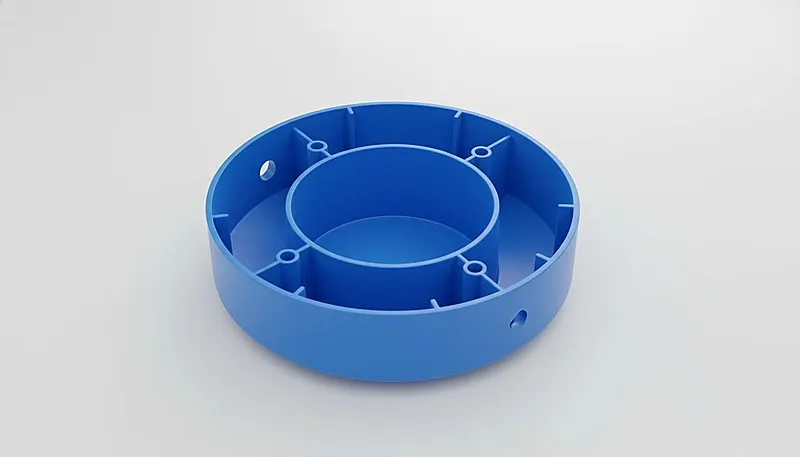
La geometría de las piezas y el material son los dos factores más importantes que impulsan los requisitos de embalaje. Las paredes delgadas requieren soporte rígido, los materiales blandos necesitan espacio para respirar y los compuestos frágiles requieren absorción de choque dirigida.
Las piezas de pared delgada (espesor de pared inferior a 1,5 mm) son frágiles bajo cargas de compresión y nunca deben apilarse sin soporte rígido. Utilice cavidades individuales en una bandeja moldeada con una cubierta superior rígida que impida la compresión vertical. No confíe en la parte misma para soportar el peso de apilamiento — se romperá. Los paneles planos grandes (más de 300 mm en cualquier lado) son susceptibles a la urdimbre de los gradientes desiguales de presión y temperatura. Enviar estos en bandejas de una sola capa con relleno de espuma en ambas caras, orientado plano dentro del cartón. Nunca apilar paneles grandes verticalmente — el esfuerzo de flexión de la vibración durante el tránsito causa deformación permanente.
Los materiales blandos (TPE, TPU, LDPE) resisten el impacto bien pero se deforman bajo presión sostenida. No los empaquete apretadamente, deje espacio para que las piezas no se compriman unas contra otras o las paredes de la bandeja. Bolsas individuales con talco evitan que las superficies pegajosas se adhieran. En el caso de piezas que requieran una tolerancia estricta, ya sea mediante moldeo por inyección de precisión o operaciones de mecanizado CNC secundarias, el embalaje debe evitar incluso una deformación menor que pueda sacar las dimensiones de las especificaciones.
Tras haber trabajado con más de 400 materiales plásticos distintos y producir 100+ juegos de moldes al mes, sabemos por experiencia directa que los requisitos de embalaje varían enormemente según el material. Una empuñadura blanda sobremoldeada de TPU requiere una manipulación totalmente distinta a la de un engranaje rígido de nailon con fibra de vidrio; equivocarse en la fase de embalaje puede echar por tierra semanas de moldeo cuidadoso.
¿Cuáles son las preguntas más comunes sobre los requisitos de empaque para moldeo por inyección?
Preguntas frecuentes
¿Qué es la prueba ISTA 3A y mi empaque la necesita?
ISTA 3A es un protocolo de prueba estandarizado desarrollado por la International Safe Transit Association que simula los peligros del envío en el mundo real para paquetes que pesan menos de 70 kg enviados a través de redes de entrega de paquetes. El protocolo de prueba incluye una caída libre de 76 cm en cada cara, borde y esquina, pruebas de vibración aleatoria a 0.73 grms durante 60 minutos y compresión estática equivalente a las cargas de apilamiento en almacén. Si envía piezas moldeadas por inyección a través de mensajería o servicios postales, aprobar la ISTA 3A le da confianza en que el empaque sobrevivirá a las condiciones reales de tránsito. Recomendamos la certificación ISTA 3A para cualquier pieza con un valor unitario superior a tres dólares o donde el daño cosmético sea un criterio de rechazo.
¿Cuántos paquetes desecantes debo usar en una bolsa con barrera de humedad?
El cálculo estándar sigue las pautas JEDEC J-STD-033. Como regla práctica general, utilice una unidad de gel de sílice por pie cúbico de volumen de bolsa para envíos con un tiempo de tránsito inferior a siete días, y dos unidades por pie cúbico para viajes más largos, como el transporte marítimo. Incluya siempre una tarjeta indicadora de humedad sin cobalto dentro de la bolsa de barrera para que el inspector de calidad receptor pueda verificar de un vistazo si las piezas estuvieron expuestas a humedad excesiva durante el tránsito. Para materiales especialmente sensibles como el nailon o el policarbonato, considere agregar también una etiqueta indicadora de humedad secundaria en el exterior del cartón.
¿Puedo reutilizar bandejas de empaque de un envío anterior?
Las bandejas reutilizables son aceptables si están hechas de materiales duraderos como PET o PVC rígido y pasan una inspección visual de grietas, deformación o contaminación antes de cada uso. Las bandejas de espuma EPE y las bandejas de pulpa corrugada generalmente no deben reutilizarse porque se comprimen bajo carga y pierden sus propiedades de amortiguación después del primer ciclo de envío. Si cambia de bandejas de un solo uso a reutilizables, siempre vuelva a realizar una prueba de caída ISTA simplificada para confirmar que la bandeja reutilizada aún proporciona una protección adecuada a la pieza. Documente el número máximo de ciclos de reutilización permitidos en su instrucción de trabajo de empaque.
¿Qué empaque necesita mi proveedor para piezas médicas moldeadas por inyección?
Las piezas médicas requieren un empaque que cumpla con los estándares de prueba de rendimiento ASTM D4169 más los requisitos ISO 11607 para sistemas de barrera estéril si se requiere esterilización terminal. Los materiales de empaque compatibles con salas limpias, como bolsas de Tyvek, bolsas de polietileno de grado médico y cabezales de apertura por pelado validados, son estándar en la industria. Las etiquetas de trazabilidad con números de lote, fechas de fabricación y códigos de lote de esterilización deben colocarse en cada capa del empaque. Además, el proceso de empaque en sí debe realizarse en un ambiente controlado que coincida con los requisitos de limpieza de la pieza, y todos los materiales de empaque necesitan documentación de certificado de conformidad.
¿Cómo calculo el ROI del empaque personalizado frente al estándar?
Comience calculando su pérdida anual actual por daños en el envío: multiplique su porcentaje de tasa de daños por el valor unitario de la pieza por el volumen anual más cualquier costo de flete asociado por devoluciones y reemplazos. Luego compare ese total con el costo anual adicional de cambiar a bandejas termoformadas personalizadas. En nuestra experiencia, las bandejas personalizadas generalmente se pagan solas cuando el valor unitario de la pieza supera los cinco dólares y el volumen anual es superior a diez mil piezas, porque reducen las tasas de daños de aproximadamente el cinco por ciento a menos de medio por ciento. El punto de equilibrio llega más rápido para piezas con acabados superficiales costosos.
¿Cuál es la diferencia entre el empaque antiestático y el seguro para ESD?
Los materiales antiestáticos están diseñados para resistir la generación de carga estática durante el manejo normal — simplemente no acumulan carga fácilmente. El empaque seguro para ESD va más allá al proporcionar una ruta de disipación controlada que permite que cualquier carga acumulada se descargue de manera segura a tierra, evitando un evento de descarga repentina a través de la pieza misma. Para carcasas electrónicas moldeadas por inyección, portadores de sensores y cuerpos de conectores, la especificación correcta es el empaque seguro para ESD con una resistividad superficial entre diez a la quinta y diez a la onceava ohmios por cuadrado. Solo antiestático es insuficiente para piezas que se ensamblarán en sistemas electrónicos.
¿Por qué elegir ZetarMold para piezas moldeadas por inyección con empaque validado?
El embalaje no es una idea tardía: es el último paso de fabricación que determina si sus piezas llegan dentro de las especificaciones o a la papelera de chatarra. En ZetarMold, nuestros más de 30 gerentes de proyecto de habla inglesa coordinan las especificaciones de embalaje con cada cliente antes de la primera ejecución de producción. Operamos bajo los sistemas de gestión de calidad ISO 9001 [iso-9001] e ISO 13485, lo que significa que cada decisión de embalaje está documentada, validada y es repetible.
Ya sea que necesite empaquetado de paquetes ISTA 3A probado, empaquetado médico compatible con la sala limpia o bandejas termoformadas personalizadas para componentes delicados, tenemos la experiencia y los sistemas para entregar las piezas que llegan listas para el montaje. Obtenga una cotización gratuita para su próximo proyecto de moldeo por inyección y cuéntenos sobre sus requisitos de embalaje.
Incluiremos una especificación de empaque validada en su cotización sin costo adicional.
ista-3a: ISTA 3A es un protocolo de prueba de la Asociación Internacional de Tránsito Seguro para productos envasados de un peso inferior a 70 kg enviados a través de la entrega de paquetes. ↩
astm-d4169: ASTM D4169 se refiere a una práctica estándar para la prueba de rendimiento de contenedores y sistemas de envío, ampliamente utilizado en la validación de embalajes de dispositivos médicos. ↩
iso-9001: ISO 9001 se refiere a una norma internacional que especifica los requisitos para un sistema de gestión de la calidad, incluidos los procedimientos documentados de envasado y manipulación. ↩