Siparişi verdiniz. Tedarikçi takvimi onayladı. Şimdi ne olacak? Yurt dışındaki alıcıların çoğu, takım ve malzeme özelliklerini müzakere etmek için haftalar harcar; ardından üretim sırasında sessiz kalır ve sorunları ancak ürünler depolarına ulaştığında fark eder. Yapılandırılmış bir injection molding üretim takip kontrol listesi bu boşluğu kapatır. Bu makale, sorunları erkenden yakalamanız, hata oranlarını azaltmanız ve güvenilir, uzun vadeli bir tedarikçi ilişkisi kurmanız için üretim öncesi doğrulamadan süreç içi izlemeye ve üretim sonrası belgelendirmeye kadar aşama aşama bir kontrol listesi sunar.
- Yalnızca sonunda değil, üretimden önce, üretim sırasında ve üretimden sonra takip edin
- Tam üretim onayından önce ilk parça kontrolü (FAI) raporlarını isteyin
- Her sapmayı belgeleyin — fotoğraflar, ölçüler, lot numaraları
- Aktif üretim sırasında haftalık durum görüşmeleri planlayın
- Kritik kontrol noktalarını atlamamak için standart bir kontrol listesi kullanın
Yurt dışındaki alıcılar açısından risk özellikle yüksektir. Farklı saat dilimleri, diller ve bazen kalite raporlamasına ilişkin kültürel beklentiler arasında çalışırsınız. Sistematik bir takip yaklaşımı olmadan küçük süreç sapmaları birleşerek büyük kalite kaçaklarına dönüşür; bunların sevkiyattan sonra düzeltilmesi, üretim sırasında önlenmesinden çok daha pahalıdır. Bu kontrol listesi, kalıbınızın depodan çıkarıldığı andan süreç içi numune almaya ve sevkiyatınız fabrika yükleme alanından ayrılmadan önce çekilen son ambalaj fotoğraflarına kadar üretimin her aşamasını kapsar.
Neden Bir Üretim Takip Kontrol Listesine İhtiyacınız Var?
Üretim takip kontrol listesi, presin başında bizzat bulunamadığınızda kalite kontrolünü sürdürmek için kullanabileceğiniz en etkili tek araçtır. Yurt dışındaki alıcılarla çalışma deneyimimize göre en pahalı sorunlarla karşılaşan projeler neredeyse her zaman alıcının PO’yu verip sevkiyat onayını beklediği projelerdir.
Takip sistemi olmadığında genellikle şunlar ters gider: Tedarikçi üretime başlar, ancak gece vardiyasında bir makine parametresi sapar. Kalite gereklilikleriniz başlangıç toplantısından sonra kimsenin bakmadığı bir PDF’de kaldığı için bunu kimse fark etmez. Üç hafta sonra toleransınızın dışında boyutsal sapmaya sahip 5,000 parça gelir. Artık ürün satmak yerine farklı saat dilimlerindeki taraflarla yeniden işleme maliyetlerini müzakere edersiniz.
Tedarikçileri karşılaştırıyor veya satın alma planlıyorsanız injection molding supplier sourcing guide başlıklı rehberimiz RFQ hazırlığını, yeterlilik değerlendirmesini ve ticari risk kontrollerini kapsar.
Temel neden üretim kabiliyetinin zayıf olması değil, iletişim boşluğudur. İyi yapılandırılmış bir kontrol listesi neyin, ne zaman, kim tarafından kontrol edileceğini ve sapmaların nasıl bildirileceğini açıkça tanımlayarak bu boşluğu kapatır. Society of Manufacturing Engineers araştırmaları, yapılandırılmış süreç izlemenin geçici yaklaşımlara kıyasla hata oranlarını sürekli olarak %30–50 azalttığını göstermektedir. Şöyle düşünün: injection mold on binlerce dolar değerinde hassas bir araçtır. Takip kontrol listesi, bu araçtan çıkan her parçanın şartnamenizi karşılamasını sağlayan sigorta poliçesidir.
Üretim Başlamadan Önce Neleri Kontrol Etmelisiniz?
Üretim öncesi doğrulama, sonraki aşamalardaki sorunların %80’ini önlediğiniz noktadır. Operatör yeşil düğmeye basmadan önce şu maddeleri doğrulayın:
Malzeme Doğrulaması: Reçinenin tam sınıfının, parti numarasının ve tedarikçisinin onaylı şartnamenizle eşleştiğini doğrulayın. Malzeme partisi için analiz sertifikası (CoA1) isteyin. Sabic 500P polipropilen belirttiyseniz, belgelenmiş eşdeğerlik olmadan genel bir PP kabul etmeyin. Kalıp Durum Raporu: Takılan kalıbın fotoğraflarını veya videolu incelemesini isteyin. Görünür hasar, pas veya aşınmış bileşen olup olmadığını kontrol edin. Kalıp son üretiminizden beri depodaysa bakım kaydı isteyin. Aylarca atıl kalan bir kalıbın kavite yüzeyinde korozyon oluşabilir ve bu da parçalarınızda kozmetik kusurlara yol açabilir.
Makine Ayar Formu: Tedarikçi enjeksiyon basıncını, tutma basıncını, eriyik sıcaklığını, kalıp sıcaklığını, soğutma süresini ve çevrim süresini belgelemelidir. Bunları son başarılı üretiminizin parametreleriyle karşılaştırın. Açıklanamayan her sapma bir uyarı işaretidir. İlk Parça Muayenesi (FAI2): Bu pazarlık konusu değildir. Seri üretimi onaylamadan önce ilk çevrimden çıkan ilk 3–5 numuneyi inceleyin. Kritik ölçüleri çiziminize göre ölçün. Görsel kaliteyi; çapak, çökme izi, eksik dolum ve birleşme çizgileri açısından kontrol edin. Üretimi yalnızca FAI geçtikten sonra onaylayın.
ZetarMold olarak 47 enjeksiyon kalıplama makinemizdeki (90T–1850T) her üretim çalışması için tüm makine kurulum parametrelerini belgeliyoruz. Bu, yeniden sipariş verdiğinizde tam olarak aynı parametreleri kullanmamız anlamına gelir; tahmin yok, sapma yok.
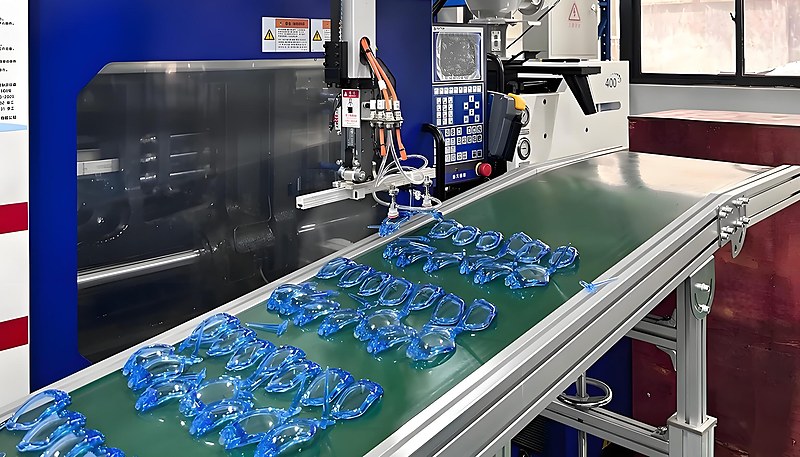
Üretim Sırasında Kaliteyi Nasıl İzlersiniz?
Süreç içi izleme, kontrol listesinin maliyetini çıkardığı aşamadır. Amaç, eğilimleri kusura dönüşmeden yakalamaktır. Aktif üretim sırasında uygulamanız gereken kontrol noktaları şunlardır: Planlı Numune Alma: Her 2 saatte bir veya her 500 baskıda bir, hangisi önce gerçekleşirse, 3–5 parça alın. Kritik ölçüleri ölçün ve sonuçları bir SPC3 grafiğine kaydedin. Parçalar hâlâ tolerans içinde olsa bile bir eğilim görürseniz erkenden işaretleyin. Saatte 0.02mm kayan bir ölçü sonunda şartname dışına çıkacaktır. Görsel Muayene Protokolü: Çapak, eksik dolum, kirlenme (siyah noktalar, yabancı madde), renk tutarlılığı ve yüzey kalitesini kontrol edin. Kabul kriterlerinizi üretim sırasında değil, üretim başlamadan önce tanımlayın.
Risk toleransınıza göre AQL (Kabul Edilebilir Kalite Seviyesi) numunelemesi kullanın. Çoğu B2B uygulamasında kritik kusurlar için AQL 1.0, küçük kusurlar için AQL 2.5 standarttır. Süreç Parametrelerinin Kaydı: Tedarikçiden her numuneleme aralığında çevrim süresini, enjeksiyon basıncını ve eriyik sıcaklığını kaydetmesini isteyin. Modern makineler bu veriyi otomatik çıkarır; paylaşmamak için mazeret yoktur. Çevrim süresindeki ani değişiklik çoğu zaman aşınmış yolluk, kirlenmiş çek valf veya soğutma sorunu gibi gelişen bir probleme işaret eder. Renk ve Malzeme Doğrulaması: Parçanızda belirli bir renk eşleşmesi gerekiyorsa numuneleri aynı aydınlatma koşullarında (D65 standart ışık kaynağı) onaylı renk standardınızla karşılaştırın.
Üretim sırasında renk kayması genellikle malzemenin bozunduğu veya renklendiricinin homojen dağılmadığı anlamına gelir.
"Tedarikçinizden proses parametresi kayıtlarını istemek, parçalar tolerans dışına çıkmadan önce kalite sapmasını yakalamanıza yardımcı olur."True
Proses verileri — çevrim süresi, enjeksiyon basıncı, eriyik sıcaklığı — en erken uyarı sisteminizdir. Bu parametrelerdeki eğilimler, boyutsal sapmayı toleransı aşmadan önce öngörür.
"Aynı kalıpla verilen tekrar siparişlerde ilk ürün muayenesi (FAI) isteğe bağlıdır."False
Tekrarlanan siparişlerde bile FAI gereklidir. Malzeme partisi değişiklikleri, makine aşınması ve çevresel değişimler parça kalitesini etkileyebilir. Tam üretimi onaylamadan önce daima doğrulayın.
| Süreç İçi Kontrol Noktası | Örnekleme Sıklığı | Kabul Kriterleri | Yükseltme Eylemi |
|---|---|---|---|
| Boyutsal kontrol | Her 2 saatte / 500 atışta | Çizimdeki tolerans dahilindeki boyutlar | Üretimi durdurun, parametreleri ayarlayın |
| Görsel kontrol | Her 2 saatte / 500 atışta | Taşma, eksik dolum, kirlenme olmamalı | Şüpheli parçaları karantinaya alın, kalıbı inceleyin |
| İşlem parametreleri | Her 2 saatte / 500 atışta | Sabit döngü süresi, basınç, sıcaklık | Devam etmeden önce kök nedenini araştırın |
| Renk uyumu | Her 4 saatte bir | D65 altında onaylanmış standartla eşleştirin | Malzemeyi, vidaları ve sıcaklığı kontrol edin |
| Ağırlık kontrolü | Her 2 saatte | Parça ağırlığı FAI numunesinin ±0,5%'si içinde | Kısa çekim, flaş veya kavite dengesizliğini gösterir |
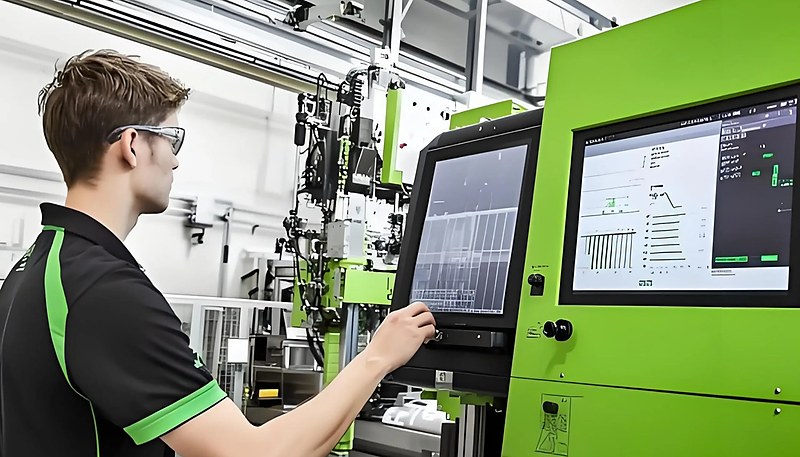
Her Üretim Serisinden Sonra Hangi Belgeleri Talep Etmelisiniz?
Belgeler kanıt zincirinizdir. Aylar sonra müşterinizin montaj hattında veya sahada bir kalite sorunu ortaya çıkarsa üretim sırasında tam olarak ne olduğunu izleyebilmeniz gerekir. Her üretimden sonra şunları isteyin: Muayene Raporu: Üretim sırasında alınan tüm boyutsal ölçümlerin çizim toleranslarınızla karşılaştırılmış özeti. Her ölçüm için tarih, saat, operatör adı ve kullanılan cihaz yer almalıdır. Malzeme Sertifikaları: Üretiminizde kullanılan reçine partisine ait analiz sertifikası (CoA). Bu, malzemenin belirtilen özellikleri karşıladığını kanıtlar ve düzenlemeye tabi sektörler için zorunludur. Süreç Parametre Kaydı: Üretim boyunca makine ayarlarının eksiksiz kaydı.
Tedarikçiniz süreç izleme özellikli modern bir makine kullanıyorsa ham veri dışa aktarımını isteyin. Verim ve Hurda Raporu: Kaç parça üretildi, kaçı muayeneden geçti ve kaçı reddedildi; ret nedenleri sınıflandırılmış olmalıdır. Olgun bir kalıpta %3’ün üzerindeki hurda oranı araştırma gerektirir. Sevkiyat ve Ambalaj Kayıtları: Paketlenmiş ürünlerin, koli etiketlerinin ve palet düzeninin fotoğrafları. Bunlar sizi taşıma hasarı anlaşmazlıklarına karşı korur ve teslimatta miktarı doğrulamanıza yardımcı olur. Bu belgeleri en az 3 yıl saklayın. Bunlar gerekli özeni gösterdiğinizin kanıtı ve gelecekteki üretimler için referansınızdır.
ISO 9001, ISO 13485, ISO 14001 ve ISO 45001 sertifikalı sistemlerimiz kapsamında, ZetarMold'da her üretim serisi, kayıtlarınız için hazır olacak şekilde eksiksiz bir dokümantasyon paketi — denetim raporları, malzeme CoA'ları ve süreç kayıtları — oluşturur.
Takip Sırasında Bulunan Kusurları Nasıl Ele Alırsınız?
Takip sırasında kusur bulmak bir başarısızlık değildir — sistemin tasarlandığı gibi çalıştığının göstergesidir. Asıl soru, ne kadar hızlı ve sistematik şekilde tepki verdiğinizdir. Önerdiğimiz karar çerçevesi şudur:
Adım 1 — Sorunu Sınırlayın: Son başarılı muayeneden sonra üretilen tüm parçaları derhâl karantinaya alın. Şüpheli parçaların paketleme akışına girmesine izin vermeyin. Numuneleme sıklığının önemi budur; kontroller ne kadar sık olursa karantina partisi o kadar küçük olur. Adım 2 — Kusuru Sınıflandırın: Kritik mi (işlevi veya güvenliği etkiler), büyük mü (görünümü veya montajı etkiler), yoksa küçük mü (yalnızca kozmetik)? Sınıflandırma müdahalenin aciliyetini belirler. Kritik kusur üretimin derhâl durdurulması demektir. Küçük kusur, artırılmış izlemeyle devam edilebileceği anlamına gelebilir.
Adım 3 — Kök Neden Analizi: Tedarikçi 24 saat içinde 5 Neden analizi veya balık kılçığı diyagramı sunmalıdır. Enjeksiyon kalıplamadaki yaygın kök nedenler arasında aşınmış kalıp bileşeni, malzeme kirlenmesi, makine parametresi kayması ve operatör hatası bulunur. Parametrenin başta neden kaydığını anlamadan “makineyi ayarladık” yanıtını kabul etmeyin. Adım 4 — Düzeltici Faaliyetin Doğrulanması: Tedarikçi düzeltmeyi uyguladıktan sonra üretime dönmeden önce yeniden FAI yapın. Düzeltmeyi vaatlerle değil verilerle doğrulayın. Kök neden aşınmış bir kavite inserti ise yeni insertin takılmış ve ölçülmüş hâlini görmeyi isteyin. Adım 5 — Her Şeyi Belgeleyin: Kusur açıklamasını, kök nedeni, düzeltici faaliyeti ve doğrulama sonuçlarını kaydedin.
Bu, gelecekteki çalıştırmalar için kurumsal bilginiz haline gelir.
Sorunları Ne Zaman Tedarikçinizin Yönetimine Taşımalısınız?
Kusurlar düzeltici faaliyetten sonra tekrarladığında, özellikler onayınız olmadan değiştirildiğinde veya belge sunulmadığında konuyu üst seviyeye taşıyın. Her sorun eskalasyon gerektirmez; ancak belirli tetikleyiciler yönetimin devreye girmesini gerektirir. Aynı Üretimde Tekrarlanan Kusurlar: Aynı kusur düzeltici faaliyetten sonra iki kez görülürse rastlantısal değil sistemik bir sorunla karşı karşıyasınız. Satış temsilcisiyle değil üretim müdürüyle toplantı isteyin. Mutabık Kalınan Şartnameden Sapma: Tedarikçi yazılı onayınız olmadan malzeme sınıfını, renklendiriciyi veya süreç parametrelerini tek taraflı değiştirirse bu, derhâl eskalasyon gerektiren sözleşmesel bir sorundur.
Önceden Bildirilmeden Kaçırılan Terminler: Gecikmeleri gizleyen bir tedarikçi, bunları ileten bir tedarikçiden daha büyük risktir. Sevkiyat tarihiniz proaktif iletişim olmadan kayarsa gerçek durumu anlamak için konuyu üst seviyeye taşıyın.
Kalite Belgelerinin Reddedilmesi: Tedarikçi muayene raporlarını, malzeme sertifikalarını veya süreç verilerini sunamıyor ya da sunmak istemiyorsa şeffaflık sorununuz vardır. Bu, konuyu üst seviyeye taşımak ve ilişkiyi yeniden değerlendirmek için geçerli bir nedendir.
"Yapılandırılmış takip kontrol listeleri, geçici kalite kontrolüne kıyasla kusur oranlarını genellikle 30–50% azaltır."True
İmalat mühendisliği kuruluşlarının araştırmaları, sistematik proses izlemenin sorunları daha erken yakaladığını, zincirleme kusurları önlediğini ve genel hurda oranlarını azalttığını tutarlı biçimde gösterir.
"Bir kusur minör olarak sınıflandırılırsa üretime devam etmeli ve seri tamamlandıktan sonra müdahale etmelisiniz."False
Küçük kusurlar bile gelişmekte olan bir soruna işaret edebilir. Gelişmiş izlemeye devam edin; kusur tekrarlanır veya kötüleşirse kök neden analizi için üretimi durdurun.
Doğru Eskalasyon Yöntemi: Somut ve veri odaklı olun. Fotoğraflar, ölçüm verileri ve beklenen sonuçlarla fiilî sonuçlar arasındaki farkı açıkça anlatan bir e-posta gönderin. Konuyu suçlama olarak değil ortaklık çerçevesinde sunun. Sizi ortak olarak gören tedarikçilerin sorunu çözmek için en iyi kaynaklarını seferber etme olasılığı daha yüksektir.
Denizaşırı Alıcıların En Yaygın Takip Hataları Nelerdir?
En büyük hatalar takibi atlamak, belirsiz şartnameler kullanmak, FAI’yi atlamak ve sözlü vaatlere güvenmektir. Yurt dışındaki alıcılarla yirmi yıllık çalışmamızdan sonra kaçınmanız gerekenler şunlardır: Hata 1 — Sevkiyata Kadar Takip Yapmamak: En pahalı tek hata budur. Parçalar ulaştığında herhangi bir şeyi düzeltmek için çok geçtir. Yeniden işleme, iade nakliyesi ve kaybedilen üretim süresinin maliyeti ilk sipariş değerini aşabilir. Hata 2 — Belirsiz Kalite Gereklilikleri: “İyi kalite” demek bir şartname değildir.
Kesin toleransları, yüzey kalitesi standartlarını (SPI sınıfları), kabul edilebilir renk sapmasını (Delta E değerleri) ve belirli kontrol yöntemlerini tanımlayın. Belirsizlik her zaman tedarikçinin yorumuna yarar.
Hata 3 — İlk Parça Muayenesini Atlamak: İlk 5 parça, ayarın kalan 50,000 parça için doğru olup olmadığını gösterir. Birkaç saatlik muayene süresinden tasarruf etmek için FAI’yi atlamak sahte tasarruftur; doğrulanmamış bir süreç uğruna tüm partiyi riske atarsınız. Hata 4 — Süreç Verilerini İstememek: Tedarikçinizde modern enjeksiyon kalıplama makineleri varsa (çoğunda vardır) ayrıntılı süreç verileri üretirler. Bu verileri istememek kör uçuş yapmaktır. Süreç verileri erken uyarı sisteminizdir. Hata 5 — Sözlü Güvenceleri Kabul Etmek: “Her şey yolunda” üretimdeki en pahalı cümledir. Her zaman fotoğraflı kanıt, ölçüm verisi ve yazılı rapor isteyin. Güven iyidir; doğrulama daha iyidir.
20+ yıllık enjeksiyon kalıplama deneyimimiz ve 2013'ten beri yurt dışı işlerine özel odağımız sayesinde yapılabilecek her takip hatasını gördük — ve müşterilerimizin bunları önleyen prosesler oluşturmasına yardımcı olduk.
Takip Kontrol Listesi Uzun Vadeli Maliyetleri Nasıl Azaltır?
Takip kontrol listesi ek yük değil, ölçülebilir getirisi olan bir yatırımdır. Maliyet dökümü şöyledir: Kusur Önleme ve Kusur Düzeltme: Üretim sırasında boyutsal kaymayı yakalamanın maliyeti bir telefon görüşmesi ve parametre ayarıdır. Sevkiyattan sonra yakalamanın maliyeti ise iade navlunu, yeniden işleme işçiliği, malzeme kaybı ve muhtemelen kaybedilen müşteri sözleşmeleridir. Oran genellikle 1:10 ile 1:50 arasındadır; önleme çok daha ucuzdur. Azalan Hurda Oranları: Sürekli izlendiklerini bilen tedarikçiler daha az hurda üretir. İnsan doğası böyledir. Performans ölçüldüğünde iyileşir. Yalnızca yapılandırılmış süreç içi kontroller uygulayarak hurda oranlarının %5’ten %1.5’in altına düştüğünü gördük.
Daha Hızlı Pazara Çıkış: Takip kontrol listesi, takviminize 2–4 hafta ekleyen “sorunları teslimatta fark etme” senaryosunu önler. İlk seferde doğru kalite, parçalarınızın teslimattan doğrudan montaja gitmesi ve giriş muayenesi darboğazı yaşanmaması demektir. Daha Düşük Toplam Sahip Olma Maliyeti: Yeniden işleme, iadeler, gecikmeler ve kaçan kalite sorunları hesaba katıldığında zayıf takibin toplam maliyeti parça fiyatınıza %15–30 ekleyebilir. Üretim başına 30 dakika alan bir kontrol listesi bu primi ortadan kaldırır. Daha Güçlü Tedarikçi İlişkileri: Çelişkili görünse de özenli takip tedarikçi ilişkilerini kötüleştirmez, güçlendirir. İhtiyaçlarınızı açıkça iletip veri odaklı geri bildirim verdiğinizde tercih edilen müşteri olursunuz.
Tercih edilen müşteriler ihtiyaç duyduklarında öncelikli planlama, daha hızlı yanıt ve daha fazla mühendislik desteği alır.
Sıkça Sorulan Sorular
Tedarikçimden Ne Sıklıkla Üretim Güncellemesi İstemeliyim?
Aktif üretim çalışmaları için haftada en az iki kez — ideal olarak her numune kontrol noktasından sonra yapılandırılmış bir durum raporuyla — güncelleme isteyin. İlk kurulum veya ilk parça muayenesi gibi kritik aşamalarda günlük güncellemeler uygundur. Proses verilerini, boyutsal eğilimleri ve sapmaları gözden geçirmek üzere üretim ekibiyle haftalık görüntülü görüşme planlayın. Temel unsur tutarlılıktır: raporlama sıklığını sorunlar ortaya çıktıktan sonra değil, üretim başlamadan önce belirleyin. Güncelleme sıklığına ilişkin beklentilerini baştan açıkça ortaya koyan alıcılar, sevkiyat sırasında sürekli olarak daha az sürprizle karşılaşır.
İlk Numune Muayenesi Nedir ve Neden Önemlidir?
İlk parça muayenesi (FAI), bir üretim çalışmasında üretilen ilk parçaların mühendislik çizimlerinize göre kapsamlı biçimde ölçülmesi ve görsel olarak kontrol edilmesidir. Tam hacimli üretime geçmeden önce kalıbın, malzeme seçiminin ve makine parametrelerinin doğru ayarlandığını doğrular. FAI’yi atlamak, yurt dışındaki alıcıların yapabileceği en pahalı takip hatasıdır; çünkü proses kabiliyetini önceden doğrulamadan binlerce parçayı onaylamak, düzenli olarak muayenenin kendi maliyetini çok aşan pahalı yeniden işleme, sevkiyat gecikmeleri ve zarar görmüş müşteri ilişkileriyle sonuçlanır.
Üretim Sırasında Fabrikayı Ziyaret Etmeli miyim?
İlk üretim partileri veya yüksek değerli siparişlerde, ilk kurulum aşamasında fabrikayı ziyaret etmek gerçek üretim ortamı, ekipman durumu ve sahadaki ekip yetkinlikleri hakkında yeri doldurulamaz birinci elden bilgi sağlar. Kalıbın durumunu yerinde doğrulayabilir, FAI sürecini doğrudan gözlemleyebilir ve üretim ekibiyle tüm proje yaşam döngüsü boyunca fayda sağlayacak yüz yüze bir çalışma ilişkisi kurabilirsiniz. Yerleşik ve güvenilir bir tedarikçiden verilen tekrar siparişlerde ise yapılandırılmış raporlar ve planlı görüntülü görüşmelerle uzaktan izleme genellikle yeterli ve çok daha uygun maliyetlidir.
Enjeksiyonla Kalıplanmış Parçalar İçin Hangi AQL Düzeyini Belirtmeliyim?
İşlevi veya güvenliği etkileyen kritik kusurlar için AQL 1.0, küçük kozmetik kusurlar için AQL 2.5, dünya genelindeki çoğu işletmeler arası üretim uygulamasında standart şartnamedir. Tıbbi cihazlar veya otomotiv bileşenlerinde, özel mevzuat yükümlülüklerinize ve nihai kullanım gereksinimlerinize bağlı olarak AQL 0.65 gibi daha sıkı kabul seviyeleri uygun olabilir. AQL seviyelerinizi, üretim tamamlanıp parçalar sevk edildikten sonra geriye dönük olarak müzakere etmeye çalışmak yerine üretim başlamadan önce satın alma siparişinde açıkça belirtin.
Proses Verilerini Paylaşmayı Reddeden Bir Tedarikçiyle Nasıl Başa Çıkabilirim?
Bu, ciddi dikkat gerektiren önemli bir uyarı işaretidir. Modern enjeksiyon kalıplama makineleri her baskı için çevrim süresi, tepe enjeksiyon basıncı ve eriyik sıcaklığı dâhil proses parametrelerini otomatik olarak kaydeder. Tedarikçi bu verileri paylaşamıyor veya paylaşmıyorsa nedenini sorun; olası nedenler arasında veri yakalama özelliği olmayan eski ekipman, tutarsızlık oluşturan manuel proses kontrolü veya üretim uygulamalarına ilişkin kasıtlı kapalılık bulunur. Süregelen tedarikçi değerlendirme ve seçim prosesinizde veri şeffaflığını temel ölçüt olarak kabul edin.
Bir Takip Kontrol Listesi Çoklu Boşluklu Kalıplara Yardımcı Olabilir mi?
Kesinlikle, ve bir takip kontrol listesi özellikle çoklu boşluklu kalıplar için önemlidir. Çoklu boşluklu bir kalıptaki her boşluk, soğutma kanalı etkinliği, akış uzunluğu veya havalandırma koşullarındaki farklılıklar nedeniyle biraz farklı parçalar üretebilir. Takip kontrol listeniz, her örnekleme aralığında tam olarak hangi boşlukların ölçüleceğini ve boşluk başına boyutsal verilerin takip edilmesini belirtmelidir. Boşluk dengesizliği, çoklu boşluklu üretimdeki en yaygın gizli kalite sorunlarından biridir ve sistematik boşluk düzeyinde takip olmadan, yalnızca belirli boşlukları tutarlı bir şekilde etkileyen kusurları kaçırma riskiyle karşı karşıya kalırsınız.
Üretim Takip Sürecinizi Düzenlemeye Hazır mısınız?
En iyi sonraki adım, şeffaflığı sürecine yerleştiren bir tedarikçi seçmektir. ZetarMold’da 120+ üretim çalışanı ve 8 kıdemli mühendis, takibi sorunsuz hâle getiren ISO sertifikalı kalite sistemleri altında çalışır. Şeffaflık kalıcı ortaklıklar kurduğu için FAI raporlarını, süreç verilerini ve muayene kayıtlarını proaktif olarak paylaşırız. Looking for a supplier who makes follow-up easy? Ücretsiz teklif alın ve her şeyi belgeleyen bir ortakla çalışmanın farkını yaşayın.
CoA: CoA, bir üretim partisindeki kabul edilebilir en yüksek kusur oranını tanımlayan ve üretim muayene protokollerinde yaygın kullanılan istatistiksel kalite kontrol standardını ifade eder. ↩
FAI: FAI, süreç ayarının mühendislik çizimlerine uygunluğunu doğrulamak için bir üretimde çıkan ilk parçaların ayrıntılı boyutsal ve görsel muayenesini ifade eder. ↩
SPC: SPC, bir üretim sürecini izlemek ve kontrol etmek için istatistiksel tekniklerden yararlanan, parametre kaymasının erkenden belirlenmesini sağlayan kalite kontrol yöntemidir. ↩