الترجمة العربية للنص: You placed the order. The supplier confirmed the schedule. Now what? Most overseas buyers invest weeks negotiating tooling and material specs, then go silent during production — only to discover problems after the goods arrive at their warehouse. A structured injection molding production follow-up checklist closes that gap. This article gives you a phase-by-phase checklist — from pre-production verification through in-process monitoring to post-run documentation — so you catch issues early, reduce defect rates, and build a reliable long-term supplier relationship.
- المتابعة قبل الإنتاج وأثناءه وبعده — وليس في نهايته فحسب
- اطلب تقارير فحص القطعة الأولى (FAI) قبل اعتماد دورة الإنتاج الكاملة
- وثّق كل انحراف — الصور والأبعاد وأرقام الدفعات
- جدولة مكالمات أسبوعية لمتابعة الحالة أثناء الإنتاج الفعلي
- استخدم قائمة تحقق موحّدة لتجنب إغفال نقاط الفحص الحرجة
تكون المخاطر مرتفعة بوجه خاص للمشترين من الخارج. فأنت تعمل عبر مناطق زمنية ولغات مختلفة، وأحيانًا ضمن توقعات ثقافية متباينة بشأن تقارير الجودة. ومن دون اتباع نهج منهجي للمتابعة، تتراكم الانحرافات البسيطة في العملية لتتحول إلى حالات تسرب كبيرة لعيوب الجودة، تكون تكلفة إصلاحها بعد الشحن أعلى بكثير من تكلفة منعها أثناء الإنتاج. وتغطي قائمة التحقق هذه كل مرحلة من مراحل الإنتاج — بدءًا من لحظة إخراج قالبك من التخزين، مرورًا بأخذ العينات أثناء العملية، ووصولًا إلى صور التغليف النهائية قبل مغادرة شحنتك رصيف المصنع.
لماذا تحتاج إلى قائمة تحقق لمتابعة الإنتاج؟
تُعد قائمة التحقق لمتابعة الإنتاج أداتك الوحيدة الأكثر فعالية للحفاظ على مراقبة الجودة عندما يتعذر عليك الوقوف بنفسك بجوار المكبس. ومن واقع خبرتنا في العمل مع المشترين من الخارج، فإن المشاريع التي تواجه أعلى المشكلات تكلفةً تكاد تكون دائمًا تلك التي أصدر فيها المشتري أمر الشراء PO وانتظر تأكيد الشحن.
إليك ما يحدث عادةً عند غياب نظام للمتابعة. يبدأ المورد الإنتاج، لكن إحدى معلمات الماكينة تنحرف خلال الوردية الليلية. ولا يلاحظ أحد ذلك لأن متطلبات الجودة الخاصة بك موجودة في ملف PDF لم يرجع إليه أحد بعد اجتماع بدء المشروع. وبعد ثلاثة أسابيع، تصل 5,000 قطعة بانحراف أبعادي يتجاوز حدود التفاوت المسموح بها. وعندئذ تجد نفسك تتفاوض عبر مناطق زمنية مختلفة بشأن تكاليف إعادة التشغيل بدلًا من بيع المنتج.
الترجمة العربية للنص: If you are comparing vendors or planning procurement, our injection molding supplier sourcing guide covers RFQ prep, qualification, and commercial risk checks.
الترجمة العربية للنص: The root cause is not poor manufacturing capability — it is a communication gap. A well-structured checklist bridges that gap by defining exactly what gets checked, when, by whom, and how deviations get reported. Research from the Society of Manufacturing Engineers consistently shows that structured process monitoring reduces defect rates by 30–50% compared to ad-hoc approaches. Think of it this way: your injection mold is a precision tool worth tens of thousands of dollars. The follow-up checklist is the insurance policy that ensures every part coming out of that tool meets your specification.
ما الذي ينبغي التحقق منه قبل بدء الإنتاج؟
مرحلة التحقق قبل الإنتاج هي التي تمنع فيها 80% من المشكلات اللاحقة. وقبل أن يضغط المشغّل الزر الأخضر، تحقّق من العناصر التالية:
الترجمة العربية للنص: Material Confirmation: Verify the exact resin grade, lot number, and supplier match your approved specification. Request a certificate of analysis (CoA1) for the material batch. If you specified Sabic 500P polypropylene, do not accept a generic PP without documented equivalence. Mold Condition Report: Ask for photos or a video walkthrough of the mold being installed. Check for visible damage, rust, or worn components. If the mold has been in storage since your last run, request a maintenance log. A mold that sits idle for months can develop corrosion on the cavity surface, leading to cosmetic defects on your parts.
الترجمة العربية للنص: Machine Setup Sheet: The supplier should document the injection pressure, hold pressure, melt temperature, mold temperature, cooling time, and cycle time. Compare these against the parameters from your last successful run. Any unexplained deviation is a red flag. First Article Inspection (FAI2): This is non-negotiable. Before approving volume production, inspect the first 3–5 samples from the initial cycle. Measure critical dimensions against your drawing. Check visual quality — flash, sink marks, short shots, weld lines. Only approve the run after FAI passes.
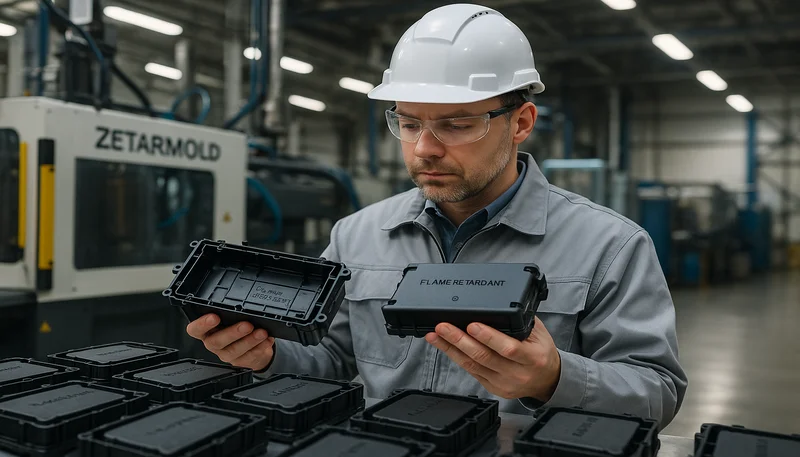
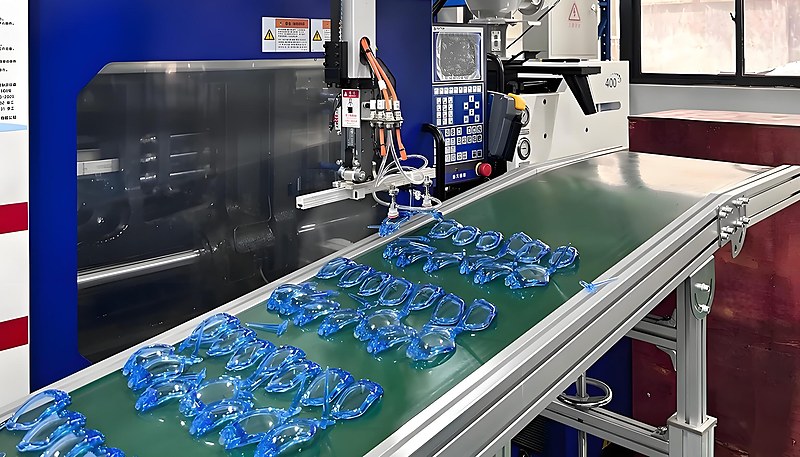
في ZetarMold، نوثّق كل معلمة من معلمات إعداد الماكينة لكل دورة إنتاج عبر ماكينات القولبة بالحقن الـ47 لدينا (90T–1850T). وهذا يعني أننا عند إعادة طلبك نسترجع المعلمات نفسها تمامًا — دون تخمين أو انحراف.
كيف تراقب الجودة أثناء الإنتاج؟
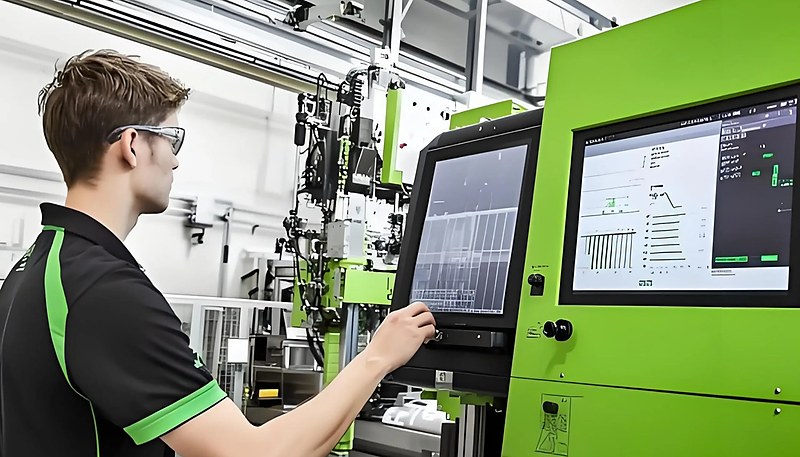
الترجمة العربية للنص: In-process monitoring is where the checklist pays for itself. The goal is to catch trends before they become defects. Here are the checkpoints you should run during active production: Scheduled Sampling: Pull 3–5 parts every 2 hours (or every 500 shots, whichever comes first). Measure critical dimensions and log the results on an SPC3 chart. If you see a trend — even if parts are still within tolerance — flag it early. A dimension drifting 0.02mm per hour will eventually go out of spec. Visual Inspection Protocol: Check for flash, short shots, contamination (black specks, foreign material), color consistency, and surface finish. Define your acceptance criteria before production starts, not during.
الترجمة العربية للنص: Use AQL (Acceptable Quality Level) sampling based on your risk tolerance. For most B2B applications, AQL 1.0 for critical defects and AQL 2.5 for minor defects is standard. Process Parameter Logging: Request that the supplier logs cycle time, injection pressure, and melt temperature at each sampling interval. Modern machines output this data automatically — there is no excuse for not sharing it. A sudden change in cycle time often indicates a developing problem: worn gate, contaminated check ring, or cooling issue. Color and Material Verification: If your part has a specific color match, compare samples against your approved color standard under the same lighting conditions (D65 standard illuminant).
يعني تغير اللون أثناء دورة الإنتاج عادةً أن المادة تتحلل أو أن الملوّن لا يتشتت بالتساوي.
"يساعد طلب سجلات معلمات العملية من مورّدك على اكتشاف انحراف الجودة قبل أن تتجاوز القطع حدود التفاوت."True
بيانات العملية — زمن الدورة وضغط الحقن ودرجة حرارة المصهور — هي نظام الإنذار المبكر لديك. وتكشف اتجاهات هذه المعلمات انحراف الأبعاد قبل أن يتجاوز حدود التفاوت.
"يُعد فحص القطعة الأولى (FAI) اختياريًا للطلبات المتكررة التي تستخدم القالب نفسه."False
حتى في الطلبات المتكررة، فإن FAI (فحص أول قطعة) ضروري. تغيرات دفعة المواد، واهتراء الماكينة، والتغيرات البيئية يمكن أن تغير جودة الجزء. تحقق دائماً قبل الموافقة على الإنتاج الكامل.
| نقطة فحص أثناء العملية | تكرار أخذ العينات | معايير القبول | إجراء التصعيد |
|---|---|---|---|
| فحص الأبعاد | كل ساعتين / 500 طلقة | الأبعاد ضمن حدود التسامح في الرسم | إيقاف الإنتاج، تعديل المعلمات |
| فحص مرئي | كل ساعتين / 500 طلقة | لا زوائد، ولا نقص في الحقن، ولا تلوث | عزل الأجزاء المشتبه بها، فحص القالب |
| معلمات العملية | كل ساعتين / 500 طلقة | وقت دورة ثابت، ضغط، درجة حرارة | تحقق من السبب الجذري قبل الاستمرار |
| مطابقة اللون | كل 4 ساعات | مطابقة للمعيار المعتمد تحت إضاءة D65 | فحص المادة، والبرغي، ودرجة الحرارة |
| فحص الوزن | كل ساعتين | وزن القطعة ضمن ±0.5% من عينة التفتيش الأولي | يشير إلى قصر الحقن، أو الزيادة، أو عدم توازن التجويف |
ما المستندات التي ينبغي طلبها بعد كل دورة إنتاج؟
الترجمة العربية للنص: Documentation is your evidence trail. If a quality issue surfaces months later — at your customer’s assembly line or in the field — you need to trace exactly what happened during production. Here is what to request after every run: Inspection Report: A summary of all dimensional measurements taken during production, compared against your drawing tolerances. This should include the date, time, operator name, and instrument used for each measurement. Material Certificates: The certificate of analysis (CoA) for the resin lot used in your production. This proves the material met the specified properties and is essential for regulated industries. Process Parameter Log: The complete record of machine settings throughout the run.
الترجمة العربية للنص: If your supplier runs a modern machine with process monitoring, request the raw data export. Yield and Scrap Report: How many parts were produced, how many passed inspection, and how many were rejected — with rejection reasons categorized. A scrap rate above 3% on a mature mold warrants investigation. Shipping and Packaging Records: Photos of packed goods, carton labels, and pallet configuration. This protects you against shipping damage disputes and helps you verify quantity at receipt. Keep these documents for at least 3 years. They are your proof of due diligence and your reference for future production runs.
تحت أنظمتنا المعتمدة ISO 9001 وISO 13485 وISO 14001 وISO 45001، كل دورة إنتاج في ZetarMold تولد حزمة وثائق كاملة — تقارير التفتيش، شهادات تحليل المواد، وسجلات العمليات — جاهزة لسجلاتك.
كيف تتعاملون مع العيوب المكتشفة أثناء المتابعة؟
اكتشاف العيوب أثناء المتابعة ليس فشلاً - إنه النظام يعمل كما هو مقصود. السؤال هو مدى سرعة واستجابة منهجيتك. إليك إطار القرار الذي نوصي به:
الترجمة العربية للنص: Step 1 — Contain the Problem: Immediately quarantine all parts produced since the last passing inspection. Do not let suspect parts enter the packaging flow. This is why sampling frequency matters — the more frequent the checks, the smaller the quarantine batch.\n\nStep 2 — Classify the Defect: Is it critical (affects function or safety), major (affects appearance or assembly), or minor (cosmetic only)? The classification determines response urgency. A critical defect means stop production immediately. A minor defect might mean continue with enhanced monitoring.
الترجمة العربية للنص: Step 3 — Root Cause Analysis: The supplier should provide a 5-Why analysis or fishbone diagram within 24 hours. Common root causes in injection molding include: worn mold component, material contamination, machine parameter drift, or operator error. Do not accept “we adjusted the machine” without understanding why the parameter drifted in the first place. Step 4 — Corrective Action Verification: After the supplier implements a fix, run another FAI before resuming production. Verify the fix with data, not promises. If the root cause was a worn cavity insert, ask to see the replacement insert installed and measured. Step 5 — Document Everything: Record the defect description, root cause, corrective action, and verification results.
هذا يصبح معرفتك المؤسسية للعمليات المستقبلية.
متى ينبغي لك تصعيد المشكلات إلى إدارة مورّدك؟
الترجمة العربية للنص: Escalate when defects recur after corrective action, when specs change without your approval, or when documentation is refused. Not every issue requires escalation, but specific triggers warrant management involvement. Repeated Defects on the Same Run: If the same defect appears twice after corrective action, you are dealing with a systemic problem, not a random event. Request a meeting with the production manager, not the sales rep. Deviation from Agreed Specifications: If the supplier unilaterally changes material grade, colorant, or process parameters without your written approval, this is a contractual issue that requires immediate escalation.
الترجمة العربية للنص: Missed Deadlines Without Prior Notice: A supplier who hides delays is a bigger risk than one who communicates them. If your shipping date slips without proactive communication, escalate to understand the real situation.
الترجمة العربية للنص: Quality Documentation Refusal: If the supplier cannot or will not provide inspection reports, material certificates, or process data, you have a transparency problem. This is a legitimate reason to escalate and potentially re-evaluate the relationship.
"تُخفّض قوائم التحقق المنظمة للمتابعة عادةً معدلات العيوب بنسبة 30–50% مقارنةً بمراقبة الجودة الارتجالية."True
تظهر الأبحاث من منظمات هندسة التصنيع باستمرار أن المراقبة المنهجية للعملية تكتشف المشكلات مبكرًا، مما يمنع عيوبًا متتالية ويقلل معدلات الخردة الإجمالية.
"إذا صُنّف العيب على أنه طفيف، فينبغي مواصلة الإنتاج ومعالجته بعد اكتمال دفعة التشغيل."False
حتى العيوب الطفيفة يمكن أن تشير إلى مشكلة متطورة. استمر مع مراقبة معززة، وإذا تكرر العيب أو ازداد سوءًا، أوقف الإنتاج لتحليل السبب الجذري.
الترجمة العربية للنص: The Right Way to Escalate: Be specific and data-driven. Send an email with photos, measurement data, and a clear description of the gap between expected and actual results. Frame it as a partnership rather than an accusation. Suppliers who see you as a partner are more likely to mobilize their best resources to solve the problem.
ما أكثر أخطاء المتابعة شيوعًا لدى المشترين من الخارج؟
الترجمة العربية للنص: The top mistakes are skipping follow-up, using vague specs, skipping FAI, and trusting verbal promises. After two decades of working with overseas buyers, here is what to avoid: Mistake 1 — No Follow-Up Until Shipment: The single most expensive mistake. By the time parts arrive, it is too late to fix anything. The cost of rework, return shipping, and lost production time can exceed the original order value. Mistake 2 — Vague Quality Requirements: Saying “good quality” is not a specification.
حدّد بدقة قيم التفاوت، ومعايير تشطيب الأسطح (درجات SPI)، والانحراف اللوني المقبول (قيم Delta E)، وطرق الفحص المحددة. فالغموض يصب دائمًا في مصلحة تفسير المورّد.
الترجمة العربية للنص: Mistake 3 — Skipping First Article Inspection: The first 5 parts tell you whether the setup is correct for the remaining 50,000. Skipping FAI to save a few hours of inspection time is a false economy — you are gambling the entire batch on an unverified process. Mistake 4 — Not Requesting Process Data: If your supplier has modern injection molding machines (most do), they generate detailed process data. Not asking for it means flying blind. Process data is your early warning system. Mistake 5 — Accepting Verbal Assurances: “Everything is fine” is the most expensive sentence in manufacturing. Always require photographic evidence, measurement data, and written reports. Trust is good; verification is better.
مع خبرة تزيد عن 20 عاماً في حقن القوالب وتركيز مخصص على الأعمال الخارجية منذ عام 2013، رأينا كل أخطاء المتابعة الموجودة – وساعدنا عملائنا في بناء عمليات تمنعها.
كيف يمكن لقائمة تحقق للمتابعة أن تقلل التكاليف طويلة الأجل؟
الترجمة العربية للنص: A follow-up checklist is not overhead — it is an investment with measurable returns. Here is the cost breakdown: Defect Prevention vs. Defect Correction: Catching a dimensional drift during production costs you a phone call and a parameter adjustment. Catching it after shipment costs you return freight, rework labor, material waste, and potentially lost customer contracts. The ratio is typically 1:10 to 1:50 — prevention is dramatically cheaper. Reduced Scrap Rates: Suppliers who know they are being monitored consistently produce lower scrap. It is human nature. When performance is measured, performance improves. We have seen scrap rates drop from 5% to under 1.5% simply by implementing structured in-process checks.
الترجمة العربية للنص: Faster Time to Market: A follow-up checklist prevents the “discover problems at receipt” scenario that adds 2–4 weeks to your timeline. First-pass quality means your parts go straight from receipt to assembly, no incoming inspection bottleneck required. Lower Total Cost of Ownership: When you account for rework, returns, delays, and quality escapes, the total cost of poor follow-up can add 15–30% to your per-part price. A checklist that costs 30 minutes per production run eliminates that premium. Stronger Supplier Relationships: Paradoxically, diligent follow-up builds better supplier relationships, not worse ones. When you communicate clearly what you need and provide data-driven feedback, you become a preferred customer.
يحصل العملاء المفضلون على جدولة أولوية، وردود أسرع، ودعم هندسي أكبر عندما يحتاجونه.
الأسئلة المتداولة
كم مرة يجب أن أطلب تحديثات الإنتاج من المورد؟
لعمليات الإنتاج النشطة، اطلب تحديثات مرتين على الأقل أسبوعيًا — من الناحية المثالية مع تقرير حالة منظم بعد كل نقطة فحص عينة. خلال المراحل الحرجة مثل الإعداد الأولي أو فحص العينة الأولى، التحديثات اليومية مناسبة. حدد مكالمة فيديو أسبوعية مع فريق الإنتاج لمراجعة بيانات العملية، والاتجاهات الأبعاد، وأي انحرافات. المفتاح هو الاتساق: أنشئ وتيرة التقارير قبل بدء الإنتاج، وليس بعد ظهور المشكلات. المشترون الذين يحددون توقعات واضحة لتكرار التحديثات مسبقًا يواجهون باستمرار مفاجآت أقل عند الشحن.
ما هو فحص العينة الأولى ولماذا هو مهم؟
فحص العينة الأولى (FAI) هو قياس شامل وفحص بصري لأول القطع المنتجة من عملية إنتاج مقابل رسوماتك الهندسية. يؤكد أن القالب، واختيار المادة، ومعلمات الآلة جميعها مضبوطة بشكل صحيح قبل الالتزام بالإنتاج بالحجم الكامل. تخطي فحص العينة الأولى هو أغلى خطأ في المتابعة يمكن أن يرتكبه المشترون الخارجيون، لأن الموافقة على آلاف القطع دون التحقق أولاً من قدرة العملية يؤدي باستمرار إلى إعادة عمل مكلفة، وتأخيرات في الشحن، وتضرر علاقات العملاء التي تتجاوز بكثير تكلفة التفتيش نفسه.
هل يجب أن أزور المصنع أثناء الإنتاج؟
لعمليات الإنتاج الأولى أو الطلبات ذات القيمة العالية، توفر زيارة المصنع خلال مرحلة الإعداد الأولية نظرة مباشرة لا يمكن تعويضها عن بيئة التصنيع الفعلية، وحالة المعدات، وقدرات الفريق على أرض الواقع. يمكنك التحقق من حالة القالب شخصياً، ومراقبة عملية فحص العينة الأولى (FAI) مباشرةً، وبناء علاقة عمل وجهًا لوجه مع فريق الإنتاج التي تؤتي ثمارها طوال دورة حياة المشروع بأكملها. بالنسبة للطلبات المتكررة مع مورد موثوق ومثبت، عادةً ما يكون المراقبة عن بُعد عبر التقارير المنظمة والمكالمات المرئية المجدولة كافية وأكثر فعالية من حيث التكلفة بشكل كبير.
ما مستوى AQL الذي يجب أن أحدده للأجزاء المصبوبة بالحقن؟
AQL 1.0 للعيوب الحرجة التي تؤثر على الوظيفة أو السلامة، وAQL 2.5 للعيوب الجمالية الثانوية، هو المواصفة القياسية لمعظم تطبيقات التصنيع من شركة إلى شركة على مستوى العالم. بالنسبة للأجهزة الطبية أو مكونات السيارات، قد تكون مستويات قبول أكثر صرامة مثل AQL 0.65 أكثر ملاءمة اعتمادًا على التزاماتك التنظيمية المحددة ومتطلبات الاستخدام النهائي. حدد دائمًا مستويات AQL الخاصة بك بشكل صريح في أمر الشراء قبل بدء الإنتاج، بدلاً من محاولة التفاوض عليها بأثر رجعي بعد اكتمال دورة الإنتاج بالفعل ووصول القطع في طريقها.
كيف أتعامل مع مورد يرفض مشاركة بيانات العملية؟
هذا مؤشر خطر كبير يستحق اهتماماً جاداً. تقوم آلات حقن القوالب الحديثة تلقائياً بتسجيل معلمات العملية بما في ذلك وقت الدورة، وضخ الحقن الأقصى، ودرجة حرارة المنصهر لكل حقنة. إذا لم يتمكن المورد أو يرفض مشاركة هذه البيانات، يجب أن تسأل عن السبب – قد تشمل الأسباب معدات قديمة تفتقر إلى تسجيل البيانات، أو تحكم يدوي في العملية يؤدي إلى عدم الاتساق، أو تعتّد متعمد حول ممارساتهم التصنيعية. اعتبر شفافية البيانات معياراً أساسياً في عملية تقييم واختيار الموردين المستمرة.
هل يمكن لقائمة مراجعة للمتابعة المساعدة في قوالب متعددة التجاويف؟
بالتأكيد، وقائمة المراجعة المتابعة مهمة بشكل خاص للقوالب متعددة التجاويف. يمكن لكل تجويف في قالب متعدد التجاويف إنتاج قطع تختلف قليلاً بسبب اختلافات في فعالية قنوات التبريد، أو طول التدفق، أو ظروف التهوية. يجب أن تحدد قائمة المراجعة المتابعة الخاصة بك بدقة أي التجاويف يجب قياسها في كل فترة أخذ عينات وتتبع البيانات الأبعادية لكل تجويف. عدم توازن التجاويف هو أحد أكثر مشاكل الجودة الخفية شيوعاً في الإنتاج متعدد التجاويف، وبدون تتبع منهجي على مستوى التجويف، فإنك تخاطر بفقدان العيوب التي تؤثر فقط على تجاويف معينة بشكل متسق.
هل أنت مستعد لتبسيط عملية متابعة الإنتاج؟
الترجمة العربية للنص: The best next step is choosing a supplier who builds transparency into their process. At ZetarMold, 120+ production workers and 8 senior engineers operate under ISO-certified quality systems that make follow-up seamless. We proactively share FAI reports, process data, and inspection records because transparency builds lasting partnerships. Looking for a supplier who makes follow-up easy? Get a free quote and experience the difference of working with a partner who documents everything.
الترجمة العربية للنص: CoA: CoA refers to a statistical quality control standard defining the maximum acceptable defect rate in a production batch, widely used in manufacturing inspection protocols. ↩
الترجمة العربية للنص: FAI: FAI refers to a detailed measurement and visual inspection of the first parts produced in a run to verify process setup correctness against engineering drawings. ↩
الترجمة العربية للنص: SPC: SPC refers to a method of quality control using statistical techniques to monitor and control a production process, enabling early detection of parameter drift. ↩