Avete effettuato l’ordine e il fornitore ha confermato il programma. E ora? Molti acquirenti esteri dedicano settimane a negoziare stampi e materiali, poi non seguono la produzione e scoprono i problemi soltanto all’arrivo della merce. Una checklist strutturata di follow-up dello stampaggio a iniezione colma questa lacuna. Questo articolo offre controlli fase per fase, dalla verifica preproduzione al monitoraggio in processo e alla documentazione finale, per individuare presto i problemi, ridurre i difetti e costruire un rapporto affidabile.
- Segui prima, durante e dopo la produzione — non solo alla fine
- Richiedi report di ispezione del primo articolo (FAI) prima dell'approvazione della produzione completa
- Documenta ogni deviazione — foto, dimensioni, numeri di lotto
- Programma chiamate di stato settimanali durante la produzione attiva
- Usa una checklist standardizzata per evitare di tralasciare punti di controllo critici
La posta in gioco è particolarmente alta per gli acquirenti esteri. Lavori attraverso fusi orari, lingue e talvolta aspettative culturali diverse sulla segnalazione della qualità. Senza un approccio sistematico al follow-up, piccole deviazioni di processo si sommano in gravi difetti di qualità che costano molto di più da correggere dopo la spedizione che da prevenire durante la produzione. Questa checklist copre ogni fase della produzione — dal momento in cui lo stampo viene prelevato dal magazzino, attraverso il campionamento in corso, fino alle foto dell’imballaggio finale prima che la spedizione lasci il molo della fabbrica.
Perché Hai Bisogno di una Checklist per il Follow-Up della Produzione?
Una checklist per il follow-up della produzione è il tuo strumento singolo più efficace per mantenere il controllo qualità quando non puoi essere presente fisicamente presso la pressa. Nella nostra esperienza con gli acquirenti esteri, i progetti che incontrano i problemi più costosi sono quasi sempre quelli in cui l’acquirente ha emesso l’ordine d’acquisto e ha atteso la conferma di spedizione.
Ecco cosa tipicamente va male senza un sistema di follow-up. Il fornitore inizia la produzione, ma un parametro della macchina varia durante un turno di notte. Nessuno lo nota perché i requisiti di qualità sono in un PDF non consultato dopo la riunione di kick-off. Tre settimane dopo, arrivano 5.000 parti con deviazione dimensionale oltre la tua tolleranza. Ora stai negoziando costi di riparazione tra zone temporali invece di vendere prodotto.
Se state confrontando fornitori o pianificando gli acquisti, la nostra guida alla selezione dei fornitori di stampaggio a iniezione tratta la preparazione della RFQ, la qualifica e i controlli dei rischi commerciali.
La causa principale non è una scarsa capacità produttiva, ma una lacuna comunicativa. Una checklist ben strutturata definisce cosa controllare, quando, da chi e come segnalare le deviazioni. Le ricerche della Society of Manufacturing Engineers mostrano che il monitoraggio strutturato riduce i difetti del 30–50% rispetto agli approcci estemporanei. Lo stampo a iniezione è uno strumento di precisione che vale decine di migliaia di dollari; la checklist è la polizza che assicura la conformità di ogni pezzo.
Cosa dovresti controllare prima che inizi la produzione?
La verifica pre-produzione è dove previeni l’80% dei problemi a valle. Prima che l’operatore prema il pulsante verde, conferma questi elementi:
Conferma del materiale: verificate che grado di resina, lotto e produttore corrispondano alla specifica approvata. Richiedete il certificato di analisi (CoA1) del lotto. Se avete specificato polipropilene Sabic 500P, non accettate un PP generico senza equivalenza documentata. Rapporto sulle condizioni dello stampo: chiedete foto o video dell’installazione e controllate danni, ruggine o usura. Dopo mesi di inattività può formarsi corrosione sulla cavità e causare difetti estetici.
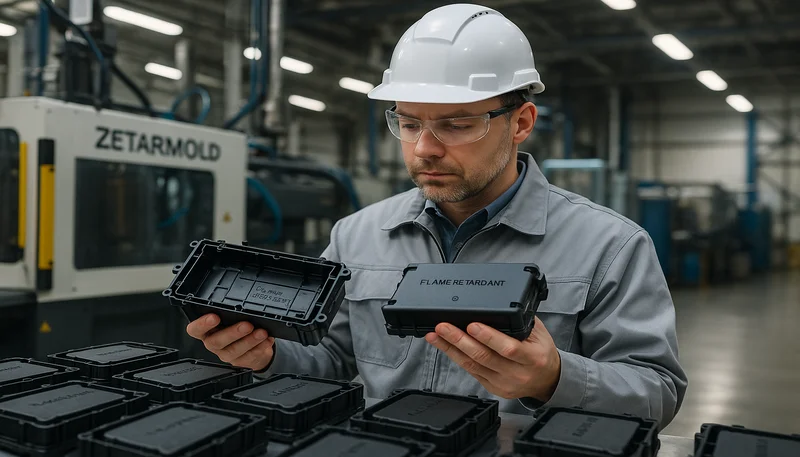
Scheda di configurazione della pressa: il fornitore deve registrare pressione di iniezione e mantenimento, temperature di fusione e stampo, raffreddamento e tempo ciclo. Confrontatele con l’ultima produzione riuscita; deviazioni inspiegate sono un allarme. First Article Inspection (FAI2): è imprescindibile. Prima della serie, ispezionate i primi 3–5 campioni, misurate le quote critiche e controllate bave, risucchi, riempimenti incompleti e linee di giunzione. Approvate la produzione solo dopo il superamento della FAI.
In ZetarMold, documentiamo ogni parametro di setup della macchina per ogni produzione attraverso i nostri 47 stampi a iniezione (90T–1850T). Questo significa che quando riordini, utilizziamo gli esatti parametri — nessuna approssimazione, nessuna deriva.
Come Monitori la Qualità Durante la Produzione?
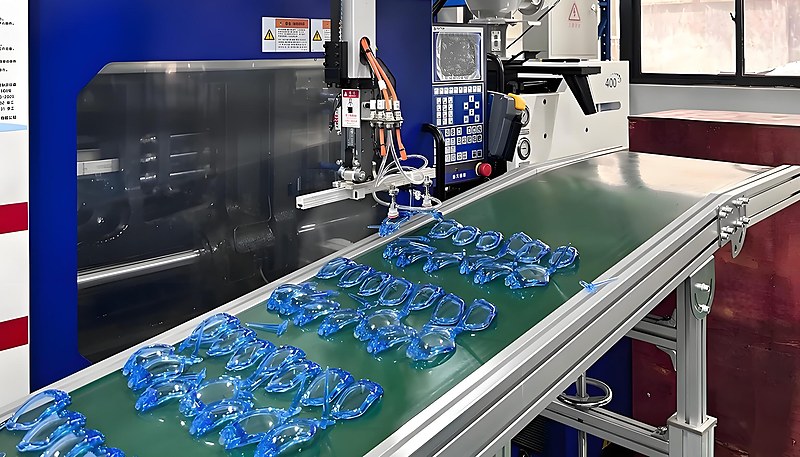
Il monitoraggio in processo è dove la checklist ripaga il suo costo: bisogna individuare le tendenze prima che diventino difetti. Campionamento programmato: prelevate 3–5 pezzi ogni 2 ore o 500 cicli, misurate le quote critiche e registratele su un grafico SPC3. Segnalate subito ogni deriva, anche entro tolleranza: 0,02 mm l’ora finiranno fuori specifica. Ispezione visiva: controllate bave, riempimenti incompleti, contaminazione, uniformità del colore e finitura. Definite prima i criteri di accettazione.
Usate un campionamento AQL commisurato al rischio; per molte applicazioni B2B sono standard AQL 1.0 per difetti critici e AQL 2.5 per quelli minori. Registrazione dei parametri: chiedete tempo ciclo, pressione di iniezione e temperatura del fuso a ogni intervallo. Le presse moderne forniscono automaticamente i dati. Variazioni improvvise possono indicare usura del punto di iniezione, anello di non ritorno contaminato o problemi di raffreddamento. Per il colore, confrontate i campioni con lo standard approvato sotto illuminante D65.
Uno spostamento di colore durante una produzione di solito significa che il materiale si sta degradando o che il colorante non si sta distribuendo uniformemente.
"Richiedere al fornitore i registri dei parametri di processo aiuta a rilevare la deriva qualitativa prima che i pezzi escano dalle tolleranze."True
I dati del processo — tempo di ciclo, pressione di iniezione, temperatura di fusione — sono il tuo sistema di allerta più immediato. Le tendenze in questi parametri predicono la deriva dimensionale prima che superi la tolleranza.
"L'ispezione del primo articolo (FAI) è facoltativa per gli ordini ripetuti realizzati con lo stesso stampo."False
Anche per ordini ripetuti, la FAI è essenziale. Cambiamenti nel lotto del materiale, usura della macchina e variazioni ambientali possono alterare la qualità del pezzo. Verificare sempre prima di approvare la produzione completa.
| Punto di controllo in corso | Frequenza di campionamento | Criteri di accettazione | Azione di segnalazione |
|---|---|---|---|
| Controllo dimensionale | Ogni 2 ore / 500 colpi | Dimensioni entro la tolleranza nel disegno | Fermare la produzione, regolare i parametri |
| Ispezione visiva | Ogni 2 ore / 500 colpi | Nessuna bava, mancanza di materiale, contaminazione | Mettere in quarantena i pezzi sospetti, ispezionare lo stampo |
| Parametri del processo | Ogni 2 ore / 500 colpi | Tempo di ciclo, pressione, temperatura stabili | Indagare la causa principale prima di continuare |
| Corrispondenza colore | Ogni 4 ore | Corrispondenza allo standard approvato sotto D65 | Controllare materiale, vite e temperatura |
| Controllo del peso | Ogni 2 ore | Peso della parte entro ±0,5% rispetto al campione FAI | Indica mancanza di materiale, bave o squilibrio della cavità |
Quali Documenti Dovresti Richiedere Dopo Ogni Produzione?
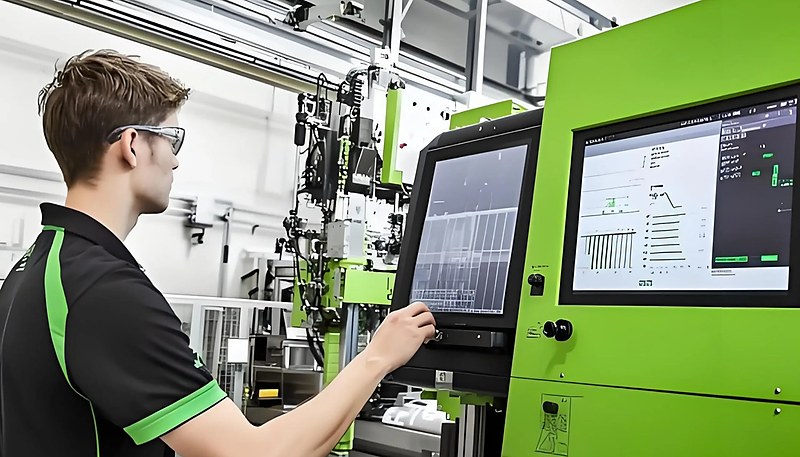
La documentazione è la vostra traccia probatoria. Se un problema emerge mesi dopo, dovete ricostruire cosa è accaduto. Dopo ogni produzione chiedete: rapporto di ispezione con tutte le misure confrontate alle tolleranze, data, ora, operatore e strumento; certificato di analisi (CoA) del lotto di resina, essenziale nei settori regolamentati; registro completo dei parametri della pressa durante la produzione.
Se il fornitore usa presse moderne con monitoraggio, chiedete l’esportazione dei dati grezzi. Rapporto resa e scarti: quantità prodotte, conformi e respinte, con motivi classificati. Su uno stampo maturo, scarti oltre il 3% richiedono indagine. Registri di spedizione e imballaggio: foto, etichette e configurazione dei pallet proteggono dalle controversie e confermano le quantità. Conservate tutto almeno 3 anni come prova di due diligence e riferimento futuro.
Sotto i nostri sistemi certificati ISO 9001, ISO 13485, ISO 14001 e ISO 45001, ogni ciclo di produzione presso ZetarMold genera un pacchetto di documentazione completo — rapporti di ispezione, certificati di analisi del materiale e registri di processo — pronto per i vostri archivi.
Come Gestire i Difetti Rilevati Durante il Follow-Up?
Trovare difetti durante il follow-up non è un fallimento — è il sistema che funziona come previsto. La domanda è quanto velocemente e sistematicamente rispondi. Ecco il quadro decisionale che raccomandiamo:
Passo 1 — Contenere il problema: mettete subito in quarantena tutti i pezzi prodotti dall’ultima ispezione superata e non fateli entrare nell’imballaggio. Controlli più frequenti riducono il lotto da isolare.\n\nPasso 2 — Classificare il difetto: è critico (funzione o sicurezza), maggiore (aspetto o assemblaggio) o minore (solo estetico)? Un difetto critico impone l’arresto immediato; uno minore può consentire di proseguire con monitoraggio rafforzato.
Passo 3 — Analisi della causa radice: il fornitore deve presentare entro 24 ore un’analisi dei 5 perché o un diagramma di Ishikawa. Cause tipiche: componente usurato, materiale contaminato, deriva dei parametri o errore dell’operatore. Non accettate «abbiamo regolato la pressa» senza capirne il motivo. Passo 4 — Verifica dell’azione correttiva: eseguite una nuova FAI prima di ripartire e verificate con dati. Passo 5 — Documentare tutto: difetto, causa, correzione e risultati della verifica.
Diventa la tua conoscenza istituzionale per le future produzioni.
Quando è necessario sottoporre i problemi alla direzione del fornitore?
Escalate se i difetti ricompaiono dopo la correzione, le specifiche cambiano senza approvazione o la documentazione viene negata. Difetti ripetuti nella stessa produzione indicano un problema sistemico: coinvolgete il responsabile di produzione, non il commerciale. Se il fornitore modifica unilateralmente materiale, colorante o parametri senza consenso scritto, è una violazione contrattuale da escalare immediatamente.
Scadenze mancate senza preavviso: un fornitore che nasconde i ritardi è più rischioso di uno che li comunica. Se la data di spedizione slitta senza comunicazione preventiva, escalate per capire la situazione reale.
Rifiuto della documentazione qualità: se il fornitore non può o non vuole fornire rapporti di ispezione, certificati dei materiali o dati di processo, manca trasparenza. È un motivo legittimo per escalare e rivalutare il rapporto.
"Le checklist strutturate di controllo successivo riducono generalmente i tassi di difettosità del 30–50% rispetto a un controllo qualità ad hoc."True
La ricerca delle organizzazioni di ingegneria manifatturiera mostra costantemente che il monitoraggio sistematico del processo identifica i problemi in anticipo, prevenendo difetti a cascata e riducendo i tassi complessivi di scarto.
"Se un difetto è classificato come minore, si deve proseguire la produzione e correggerlo al termine del lotto."False
Anche difetti minori possono indicare un problema in sviluppo. Continua con un monitoraggio potenziato e, se il difetto si ripresenta o peggiora, ferma la produzione per un'analisi della causa radice.
Il modo corretto di escalare: siate specifici e basati sui dati. Inviate foto, misure e una descrizione chiara dello scarto tra risultati attesi e reali. Presentate la questione come collaborazione, non accusa: chi vi considera partner mobiliterà più facilmente le risorse migliori.
Quali Sono gli Errori di Follow-Up Più Comuni Commessi dagli Acquirenti Oltremare?
Gli errori principali sono saltare il follow-up, usare specifiche vaghe, omettere la FAI e fidarsi di promesse verbali. Errore 1 — Nessun controllo fino alla spedizione: quando i pezzi arrivano è troppo tardi e rilavorazione, reso e fermo produzione possono superare il valore dell’ordine. Errore 2 — Requisiti qualitativi vaghi: «buona qualità» non è una specifica.
Definire tolleranze esatte, standard di finitura superficiale (gradi SPI), deviazione cromatica accettabile (valori Delta E) e metodi di ispezione specifici. Ogni ambiguità favorisce l’interpretazione del fornitore.
Errore 3 — Saltare la First Article Inspection: i primi 5 pezzi mostrano se il setup è corretto per i successivi 50.000. Risparmiare poche ore significa scommettere l’intero lotto. Errore 4 — Non chiedere i dati di processo: le presse moderne li generano e costituiscono il vostro allarme precoce. Errore 5 — Accettare rassicurazioni verbali: «va tutto bene» è la frase più costosa della produzione. Pretendete foto, misure e rapporti scritti. Fidarsi è bene, verificare è meglio.
Con oltre 20 anni di esperienza nello stampaggio a iniezione e un focus dedicato al business estero dal 2013, abbiamo visto ogni errore di follow-up del settore — e abbiamo aiutato i nostri clienti a creare processi che li prevengono.
Come Può una Lista di Controllo di Follow-Up Ridurre i Costi a Lungo Termine?
Una checklist di follow-up non è burocrazia, ma un investimento misurabile. Prevenzione contro correzione: una deriva rilevata in produzione richiede una telefonata e una regolazione; dopo la spedizione comporta reso, rilavorazione, scarti e possibili contratti persi. Il rapporto tipico è 1:10–1:50. Riduzione degli scarti: i fornitori monitorati producono meno scarti. Abbiamo visto tassi scendere dal 5% a meno dell’1,5% introducendo controlli strutturati in processo.
Time-to-market più rapido: la checklist evita di scoprire problemi al ricevimento, aggiungendo 2–4 settimane. Con la qualità al primo passaggio, i pezzi vanno direttamente all’assemblaggio. Costo totale inferiore: rilavorazioni, resi, ritardi e fughe qualitative possono aggiungere il 15–30% al prezzo unitario; 30 minuti di controllo eliminano questo sovrapprezzo. Rapporti più forti: un follow-up rigoroso e feedback basati sui dati vi rendono un cliente preferenziale.
I clienti preferiti ottengono una programmazione prioritaria, risposte più veloci e un maggiore supporto tecnico quando ne hanno bisogno.
Domande frequenti
Con Quale Frequenza Dovrei Richiedere Aggiornamenti sulla Produzione al Mio Fornitore?
Per le serie di produzione attive, richiedi aggiornamenti almeno due volte a settimana — idealmente con un report di stato strutturato dopo ogni punto di controllo del campionamento. Durante le fasi critiche come l’avviamento iniziale o l’ispezione del primo articolo, sono appropriati aggiornamenti giornalieri. Pianifica una videochiamata settimanale con il team di produzione per rivedere i dati del processo, le tendenze dimensionali e qualsiasi deviazione. La chiave è la coerenza: stabilisci il ritmo di reporting prima che inizi la produzione, non dopo che compaiono i problemi. Gli acquirenti che impostano aspettative chiare sulla frequenza degli aggiornamenti in anticipo sperimentano sistematicamente meno sorprese alla spedizione.
Cos’è un’Ispezione del Primo Articolo e Perché è Importante?
Un’ispezione del primo articolo (FAI) è un controllo completo di misurazione e visivo dei primissimi pezzi prodotti da una serie di produzione rispetto ai tuoi disegni tecnici. Conferma che lo stampo, la selezione del materiale e i parametri della macchina siano tutti impostati correttamente prima di impegnarsi nella produzione completa. Saltare la FAI è l’errore di follow-up più costoso che gli acquirenti esteri possono commettere, perché approvare migliaia di pezzi senza prima verificare la capacità del processo porta sistematicamente a costose rilavorazioni, ritardi nelle spedizioni e relazioni danneggiate con i clienti che superano di gran lunga il costo dell’ispezione stessa.
Devo Visitare la Fabbrica Durante la Produzione?
Per le prime produzioni o ordini di alto valore, una visita in fabbrica durante la fase di impostazione iniziale fornisce un’idea diretta insostituibile dell’ambiente di produzione reale, delle condizioni delle attrezzature e delle capacità del team sul campo. Puoi verificare personalmente le condizioni dello stampo, osservare direttamente il processo FAI e costruire una relazione di lavoro faccia a faccia con il team di produzione che ripaga dividendi durante l’intero ciclo di vita del progetto. Per ordini ripetuti con un fornitore consolidato e affidabile, il monitoraggio remoto tramite report strutturati e videochiamate programmate è solitamente sufficiente e significativamente più conveniente.
Quale Livello AQL Dovrei Specificare per i Componenti Stampati a Iniezione?
AQL 1.0 per difetti critici che influenzano la funzione o la sicurezza, e AQL 2.5 per difetti estetici minori, è la specifica standard per la maggior parte delle applicazioni di produzione business-to-business in tutto il mondo. Per dispositivi medici o componenti automobilistici, livelli di accettazione più stringenti come AQL 0,65 possono essere più appropriati a seconda dei tuoi specifici obblighi normativi e requisiti d’uso finale. Specifica sempre esplicitamente i tuoi livelli AQL nell’ordine di acquisto prima che inizi la produzione, piuttosto che tentare di negoziarli retroattivamente dopo che la produzione è già completata e le parti sono in viaggio.
Come Gestisco un Fornitore che Rifiuta di Condividere i Dati del Processo?
Questo è un segnale d’allarme significativo che richiede seria attenzione. Le moderne macchine per lo stampaggio a iniezione registrano automaticamente i parametri del processo, inclusi il tempo di ciclo, la pressione di iniezione massima e la temperatura di fusione per ogni singolo colpo. Se un fornitore non può o non vuole condividere questi dati, dovresti chiedere perché — possibili ragioni includono attrezzature obsolete prive di acquisizione dati, controllo manuale del processo che introduce incoerenza, o opacità deliberata sulle loro pratiche di produzione. Considera la trasparenza dei dati un criterio fondamentale nel tuo processo di valutazione e selezione continua dei fornitori.
Una Lista di Controllo di Follow-Up Può Aiutare con gli Stampi Multi-Cavità?
Assolutamente, e una lista di controllo di follow-up è particolarmente importante per gli stampi multi-cavità. Ogni cavità in uno stampo multi-cavità può produrre parti leggermente diverse a causa di variazioni nell’efficacia dei canali di raffreddamento, nella lunghezza del flusso o nelle condizioni di sfiato. La tua lista di controllo di follow-up dovrebbe specificare esattamente quali cavità misurare ad ogni intervallo di campionamento e tracciare i dati dimensionali per cavità. Lo squilibrio tra le cavità è uno dei problemi di qualità nascosti più comuni nella produzione multi-cavità, e senza un monitoraggio sistematico a livello di cavità si rischia di perdere difetti che colpiscono solo determinate cavità in modo costante.
Pronto a Ottimizzare il Tuo Processo di Follow-Up della Produzione?
Il passo migliore è scegliere un fornitore che integri la trasparenza nel processo. In ZetarMold, oltre 120 addetti e 8 ingegneri senior operano con sistemi qualità certificati ISO. Condividiamo proattivamente rapporti FAI, dati di processo e registri di ispezione. Cercate un fornitore che semplifichi il follow-up? Richiedete un preventivo gratuito e scoprite la differenza di un partner che documenta tutto.
CoA: indica uno standard di controllo statistico della qualità che definisce il tasso massimo accettabile di difetti in un lotto, ampiamente usato nei protocolli di ispezione industriale ↩
FAI: indica la misura dettagliata e l'ispezione visiva dei primi pezzi prodotti, per verificare che il setup sia corretto rispetto ai disegni tecnici ↩
SPC: metodo di controllo qualità che usa tecniche statistiche per monitorare e controllare il processo produttivo, consentendo di rilevare precocemente la deriva dei parametri ↩