Je hebt de bestelling geplaatst. De leverancier bevestigde het schema. Wat nu? De meeste buitenlandse kopers besteden weken aan het onderhandelen over gereedschaps- en materiaalspecificaties en zwijgen vervolgens tijdens de productie - om vervolgens problemen te ontdekken nadat de goederen in hun magazijn zijn aangekomen. Een gestructureerde spuitgieten-controlelijst voor de follow-up van de productie sluit deze kloof. Dit artikel geeft u een stapsgewijze checklist – van verificatie vóór de productie via monitoring tijdens het proces tot documentatie na de uitvoering – zodat u problemen vroegtijdig kunt onderkennen, het aantal defecten kunt terugdringen en een betrouwbare leveranciersrelatie voor de lange termijn kunt opbouwen.
- Volg op vóór, tijdens en na de productie — niet alleen aan het einde
- Vraag vóór goedkeuring van de volledige productierun om FAI-rapporten (First Article Inspection)
- Documenteer elke afwijking — foto's, afmetingen en lotnummers
- Plan wekelijkse statusgesprekken tijdens actieve productie
- Gebruik een gestandaardiseerde checklist om geen kritieke controlepunten over te slaan
Voor buitenlandse inkopers zijn de belangen bijzonder groot. U werkt over tijdzones en taalgrenzen heen en soms met andere culturele verwachtingen rond kwaliteitsrapportage. Zonder een systematische opvolgingsaanpak stapelen kleine procesafwijkingen zich op tot grote kwaliteitsproblemen die na verzending veel meer kosten om te verhelpen dan tijdens de productie om te voorkomen. Deze checklist bestrijkt elke productiefase: vanaf het moment dat uw matrijs uit de opslag wordt gehaald, via tussentijdse bemonstering, tot de laatste verpakkingsfoto’s voordat uw zending de fabriekskade verlaat.
Waarom hebt u een checklist voor productieopvolging nodig?
Een checklist voor productieopvolging is het doeltreffendste hulpmiddel om de kwaliteitscontrole te handhaven wanneer u niet zelf bij de machine kunt staan. Uit onze ervaring met buitenlandse inkopers blijkt dat de projecten met de kostbaarste problemen vrijwel altijd de projecten zijn waarbij de inkoper de PO plaatste en vervolgens op de verzendbevestiging wachtte.
Dit gaat doorgaans mis zonder opvolgsysteem. De leverancier start de productie, maar tijdens een nachtdienst wijkt een machineparameter af. Niemand merkt het op omdat uw kwaliteitseisen in een PDF staan die na de kick-offvergadering niemand meer heeft geraadpleegd. Drie weken later arriveren 5,000 onderdelen met een maatafwijking buiten uw tolerantie. U onderhandelt dan over herstelkosten over tijdzones heen in plaats van producten te verkopen.
Als u leveranciers vergelijkt of inkoop plant, dekt onze inkoopgids voor spuitgietleveranciers de voorbereiding van offerteaanvragen, kwalificatie en controles op commerciële risico’s.
De hoofdoorzaak is niet een slechte productiecapaciteit; het is een communicatiekloof. Een goed gestructureerde checklist overbrugt deze kloof door precies te definiëren wat er wordt gecontroleerd, wanneer, door wie en hoe afwijkingen worden gerapporteerd. Uit onderzoek van de Society of Manufacturing Engineers blijkt consequent dat gestructureerde procesmonitoring het aantal defecten met 30-50% vermindert in vergelijking met ad-hocbenaderingen. Zie het zo: uw spuitgietmatrijs is een precisiegereedschap ter waarde van tienduizenden dollars. De vervolgchecklist is de verzekeringspolis die ervoor zorgt dat elk onderdeel dat uit dat gereedschap komt, aan uw specificaties voldoet.
Wat moet u controleren voordat de productie begint?
Met verificatie vóór productie voorkomt u 80% van de problemen verderop in het proces. Controleer de volgende punten voordat de operator op de groene knop drukt:
Materiaalbevestiging: Controleer of de exacte harskwaliteit, het lotnummer en de leverancier overeenkomen met uw goedgekeurde specificatie. Vraag een analysecertificaat (CoA1) aan voor de materiaalpartij. Als u Sabic 500P polypropyleen heeft gespecificeerd, accepteer dan geen generieke PP zonder gedocumenteerde gelijkwaardigheid. Mold Conditierapport: Vraag om foto’s of een video-walkthrough van de mal die wordt geïnstalleerd. Controleer op zichtbare schade, roest of versleten onderdelen. Als de mal sinds uw laatste run in opslag is geweest, vraag dan een onderhoudslogboek aan. Een mal die maandenlang niet wordt gebruikt, kan corrosie op het oppervlak van de holte veroorzaken, wat kan leiden tot cosmetische defecten aan uw onderdelen.
Machine-installatieblad: De leverancier moet de injectiedruk, de houddruk, de smelttemperatuur, de matrijstemperatuur, de koeltijd en de cyclustijd documenteren. Vergelijk deze met de parameters van uw laatste succesvolle run. Elke onverklaarde afwijking is een rode vlag. Eerste artikelinspectie (FAI2): hierover kan niet worden onderhandeld. Voordat u de volumeproductie goedkeurt, inspecteert u de eerste 3 tot 5 monsters uit de eerste cyclus. Meet kritische afmetingen aan de hand van uw tekening. Controleer de visuele kwaliteit: flits, zinksporen, korte shots, laslijnen. Keur de run pas goed nadat FAI is geslaagd.
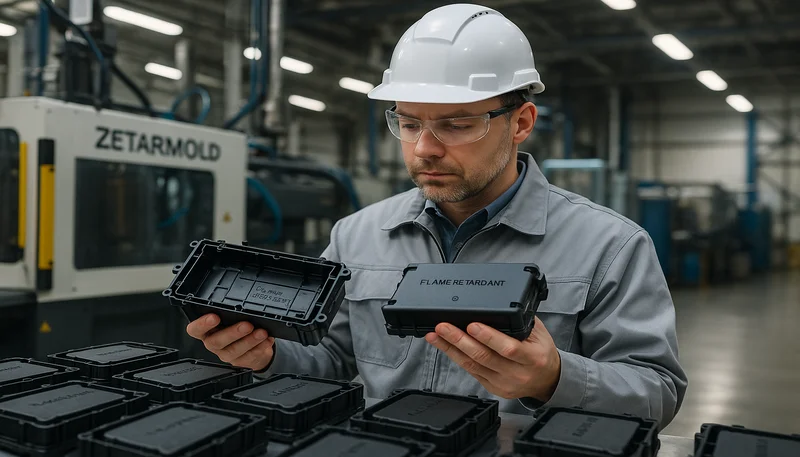
Bij ZetarMold documenteren we voor elke productierun elke machine-instelparameter op onze 47 spuitgietmachines (90T–1850T). Wanneer u opnieuw bestelt, halen we dus exact dezelfde parameters op — geen giswerk, geen afwijking.
Hoe bewaakt u de kwaliteit tijdens de productie?
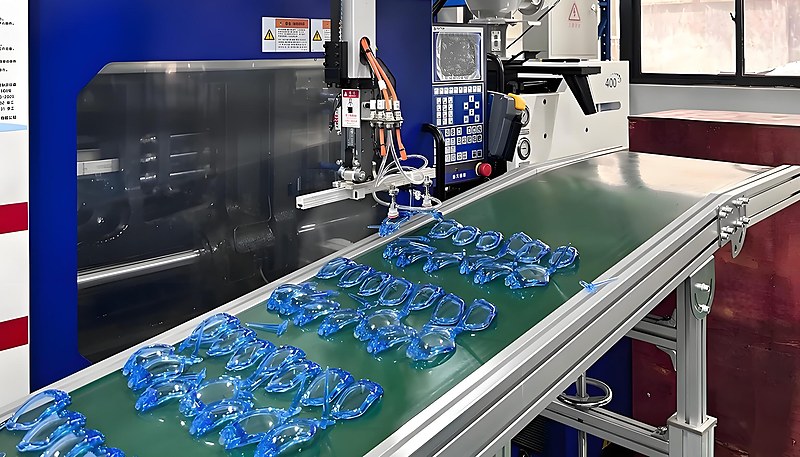
Bij procesbewaking betaalt de checklist zichzelf terug. Het doel is om trends op te sporen voordat ze defecten worden. Dit zijn de controlepunten die u tijdens actieve productie moet uitvoeren: Geplande bemonstering: trek 3–5 onderdelen elke 2 uur (of elke 500 opnamen, afhankelijk van wat zich het eerst voordoet). Meet kritische afmetingen en registreer de resultaten in een SPC3-diagram. Als u een trend ziet – zelfs als onderdelen nog binnen de tolerantie vallen – signaleer deze dan vroegtijdig. Een afmeting die 0,02 mm per uur afwijkt, zal uiteindelijk buiten de specificaties vallen. Protocol voor visuele inspectie: Controleer op flitslicht, korte opnames, vervuiling (zwarte stippen, vreemd materiaal), kleurconsistentie en oppervlakteafwerking. Definieer uw acceptatiecriteria voordat de productie start, niet tijdens.
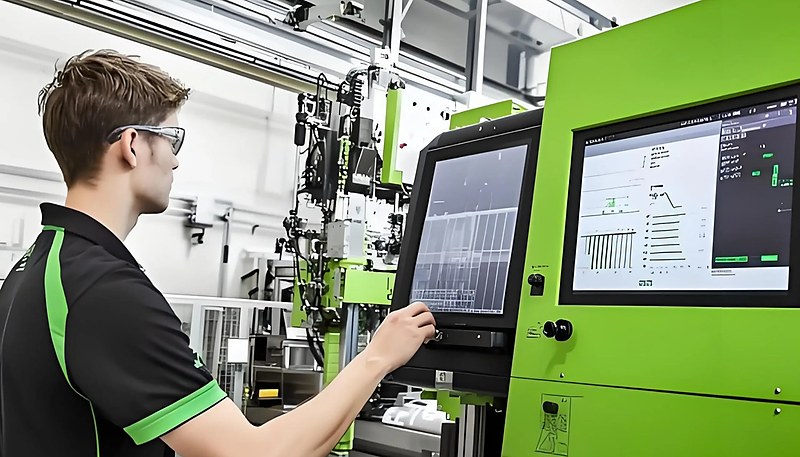
Gebruik AQL-steekproeven (Acceptable Quality Level) op basis van uw risicotolerantie. Voor de meeste B2B-toepassingen is AQL 1.0 voor kritische defecten en AQL 2.5 voor kleine defecten standaard. Registratie van procesparameters: Verzoek dat de leverancier de cyclustijd, injectiedruk en smelttemperatuur bij elk bemonsteringsinterval registreert. Moderne machines voeren deze gegevens automatisch uit – er is geen excuus om deze niet te delen. Een plotselinge verandering in de cyclustijd duidt vaak op een zich ontwikkelend probleem: versleten poort, vervuilde keerring of probleem met de koeling. Kleur- en materiaalverificatie: Als uw onderdeel een specifieke kleurovereenkomst heeft, vergelijk dan de monsters met uw goedgekeurde kleurstandaard onder dezelfde lichtomstandigheden (standaardlichtbron D65).
Kleurverschuiving tijdens een run betekent doorgaans dat het materiaal degradeert of de kleurstof niet gelijkmatig wordt verspreid.
"Door procesparameterlogboeken bij uw leverancier op te vragen, ontdekt u kwaliteitsverloop voordat onderdelen buiten tolerantie raken."True
Procesgegevens — cyclustijd, injectiedruk en smelttemperatuur — vormen uw vroegste waarschuwingssysteem. Trends in deze parameters voorspellen maatafwijkingen voordat de tolerantie wordt overschreden.
"Een eersteproductinspectie (FAI) is optioneel voor herhaalorders met dezelfde matrijs."False
Zelfs bij herhaalorders is een EAI essentieel. Wijzigingen in materiaallot, slijtage van machines en omgevingsverschuivingen kunnen de onderdeelkwaliteit beïnvloeden. Verifieer altijd voordat u de volledige productie goedkeurt.
| Tussentijds controlepunt | Steekproeffrequentie | Acceptatiecriteria | Escaleeractie |
|---|---|---|---|
| Maatcontrole | Elke 2 uur / 500 shots | Afmetingen binnen tolerantie op tekening | Stop productie, pas parameters aan |
| Visuele inspectie | Elke 2 uur / 500 shots | Geen uitstulpingen, onvolledige injecties, contaminatie | Isoleer verdachte onderdelen, inspecteer matrijs |
| Procesparameters | Elke 2 uur / 500 shots | Stabiele cyclustijd, druk, temperatuur | Onderzoek de hoofdoorzaak voordat u verdergaat |
| Kleurmatch | Elke 4 uur | Komt overeen met goedgekeurde standaard onder D65 | Controleer materiaal, schroef en temperatuur |
| Gewichtscontrole | Elke 2 uur | Onderdeelgewicht binnen ±0,5% van FAI-monster | Geeft een kortschot, uitstulping of onbalans in de holte aan |
Welke documenten moet u na elke productierun opvragen?
Documentatie is uw bewijsspoor. Als zich maanden later een kwaliteitsprobleem voordoet – aan de assemblagelijn van uw klant of in het veld – moet u precies traceren wat er tijdens de productie is gebeurd. Dit is wat u na elke run moet opvragen: Inspectierapport: een samenvatting van alle maatmetingen die tijdens de productie zijn uitgevoerd, vergeleken met uw tekeningtoleranties. Dit moet de datum, tijd, naam van de operator en het instrument dat voor elke meting wordt gebruikt, bevatten. Materiaalcertificaten: het analysecertificaat (CoA) voor de harspartij die bij uw productie wordt gebruikt. Dit bewijst dat het materiaal aan de gespecificeerde eigenschappen voldoet en is essentieel voor gereguleerde industrieën. Procesparameterlog: het volledige overzicht van de machine-instellingen tijdens de run.
Heeft uw leverancier een moderne machine met procesbewaking? Vraag dan de ruwe data-export aan. Opbrengst- en uitvalrapport: hoeveel onderdelen er zijn geproduceerd, hoeveel onderdelen de inspectie hebben doorstaan en hoeveel er zijn afgekeurd – met gecategoriseerde afwijzingsredenen. Een schrootpercentage van meer dan 3% op een volwassen schimmel rechtvaardigt onderzoek. Verzend- en verpakkingsgegevens: foto’s van verpakte goederen, kartonnen etiketten en palletconfiguratie. Dit beschermt u tegen geschillen over transportschade en helpt u de hoeveelheid bij ontvangst te verifiëren. Bewaar deze documenten minimaal 3 jaar. Ze zijn uw bewijs van due diligence en uw referentie voor toekomstige productieruns.
Onder onze ISO 9001, ISO 13485, ISO III 14001 en ISO 45001 gecertificeerde systemen genereert elke productierun bij ZetarMold een complete documentatiepakket — inspectierapporten, materiaal-CoA's en proceslogboeken — klaar voor uw archief.
Hoe behandelt u defecten die tijdens de opvolging worden gevonden?
Het vinden van defecten tijdens de follow-up is geen mislukking — het is het systeem dat werkt zoals bedoeld. De vraag is hoe snel en systematisch u reageert. Hier is het beslissingskader dat wij aanbevelen:
Stap 1 — Beheers het probleem: Plaats alle onderdelen die sinds de laatste inspectie zijn geproduceerd onmiddellijk in quarantaine. Laat geen verdachte onderdelen in de verpakkingsstroom terechtkomen. Dit is de reden waarom de bemonsteringsfrequentie belangrijk is: hoe frequenter de controles, hoe kleiner de quarantainebatch.\n\nStap 2 — Classificeer het defect: is het kritiek (heeft invloed op de werking of veiligheid), groot (heeft invloed op het uiterlijk of de montage) of klein (alleen cosmetisch)? De classificatie bepaalt de responsurgentie. Een kritiek defect betekent dat de productie onmiddellijk moet worden stopgezet. Een klein defect kan betekenen dat u doorgaat met verbeterde monitoring.
Stap 3 — Analyse van de hoofdoorzaak: De leverancier moet binnen 24 uur een 5-Waarom-analyse of een visgraatdiagram verstrekken. Veelvoorkomende oorzaken bij spuitgieten zijn: versleten matrijscomponenten, materiaalverontreiniging, afwijkende machineparameters of bedieningsfouten. Accepteer niet “we hebben de machine aangepast” zonder te begrijpen waarom de parameter überhaupt afdreef. Stap 4 — Verificatie van corrigerende maatregelen: Nadat de leverancier een oplossing heeft geïmplementeerd, voert u nog een FAI uit voordat u de productie hervat. Controleer de oplossing met gegevens, niet met beloftes. Als de hoofdoorzaak een versleten caviteitsinzetstuk was, vraag dan of het vervangende inzetstuk geïnstalleerd en gemeten kan worden. Stap 5 — Documenteer alles: noteer de defectbeschrijving, de hoofdoorzaak, de corrigerende actie en de verificatieresultaten.
Dit wordt uw institutionele kennis voor toekomstige runs.
Wanneer moet u problemen escaleren naar het management van uw leverancier?
Escaleer wanneer defecten zich herhalen na corrigerende maatregelen, wanneer specificaties zonder uw toestemming veranderen of wanneer documentatie wordt geweigerd. Niet elk probleem vereist escalatie, maar specifieke triggers rechtvaardigen betrokkenheid van het management. Herhaalde defecten tijdens dezelfde run: Als hetzelfde defect tweemaal verschijnt na corrigerende maatregelen, heeft u te maken met een systemisch probleem en niet met een willekeurige gebeurtenis. Vraag een gesprek aan met de productiemanager, niet met de verkoper. Afwijking van overeengekomen specificaties: Als de leverancier eenzijdig de materiaalkwaliteit, kleurstof of procesparameters wijzigt zonder uw schriftelijke toestemming, is dit een contractuele kwestie die onmiddellijke escalatie vereist.
Gemiste deadlines zonder voorafgaande kennisgeving: Een leverancier die vertragingen verbergt, is een groter risico dan iemand die deze meldt. Als uw verzenddatum verschuift zonder proactieve communicatie, escaleer dan om de werkelijke situatie te begrijpen.
Weigering van kwaliteitsdocumentatie: Als de leverancier geen inspectierapporten, materiaalcertificaten of procesgegevens kan of wil verstrekken, heeft u een transparantieprobleem. Dit is een legitieme reden om de relatie te escaleren en mogelijk opnieuw te evalueren.
"Gestructureerde opvolgchecklists verlagen het defectpercentage doorgaans met 30–50% ten opzichte van ad-hockwaliteitscontrole."True
Onderzoek van organisaties voor productietechniek toont consequent aan dat systematische procesbewaking problemen eerder opspoort, waardoor opeenvolgende defecten worden voorkomen en het totale uitvalpercentage daalt.
"Als een defect als gering is geclassificeerd, moet u de productie voortzetten en het na voltooiing van de run aanpakken."False
Zelfs kleine defecten kunnen wijzen op een beginnend probleem. Ga door met verscherpte bewaking; stop de productie voor een oorzaakanalyse als het defect terugkeert of verergert.
De juiste manier om te escaleren: wees specifiek en datagedreven. Stuur een e-mail met foto’s, meetgegevens en een duidelijke beschrijving van het verschil tussen verwachte en daadwerkelijke resultaten. Kader het als een partnerschap in plaats van als een beschuldiging. Leveranciers die u als partner zien, zullen eerder hun beste middelen inzetten om het probleem op te lossen.
Wat zijn de meest voorkomende fouten die buitenlandse inkopers bij de opvolging maken?
De grootste fouten zijn het overslaan van de follow-up, het gebruik van vage specificaties, het overslaan van FAI en het vertrouwen op mondelinge beloften. Na twintig jaar met buitenlandse kopers te hebben gewerkt, is dit wat u moet vermijden: Fout 1: geen follow-up tot verzending: de duurste fout. Tegen de tijd dat de onderdelen arriveren, is het te laat om iets te repareren. De kosten van herbewerking, retourzending en verloren productietijd kunnen de oorspronkelijke orderwaarde overschrijden. Fout 2 – Vage kwaliteitseisen: Zeggen ‘goede kwaliteit’ is geen specificatie.
Definieer exacte toleranties, normen voor oppervlakteafwerking (SPI-klassen), aanvaardbare kleurafwijking (Delta E-waarden) en specifieke inspectiemethoden. Onduidelijkheid werkt altijd in het voordeel van de interpretatie van de leverancier.
Fout 3 – Eerste artikelinspectie overslaan: De eerste vijf delen vertellen u of de opstelling correct is voor de overige 50.000. Het overslaan van FAI om een paar uur inspectietijd te besparen is een valse besparing: u gokt de hele batch op een niet-geverifieerd proces. Fout 4: Geen procesgegevens opvragen: Als uw leverancier over moderne spuitgietmachines beschikt (de meeste hebben deze wel), genereren deze gedetailleerde procesgegevens. Er niet om vragen betekent blind vliegen. Procesdata is uw waarschuwingssysteem. Fout 5 – Het aanvaarden van mondelinge garanties: ‘Alles is in orde’ is de duurste zin in de productie. Vereist altijd fotografisch bewijsmateriaal, meetgegevens en schriftelijke rapporten. Vertrouwen is goed; verificatie is beter.
Met ruim 20 jaar spuitgietervaring en sinds 2013 een gerichte focus op internationale activiteiten hebben we elke denkbare opvolgingsfout gezien — en klanten geholpen processen te bouwen die deze voorkomen.
Hoe kan een opvolgchecklist de kosten op lange termijn verlagen?
Een vervolgchecklist is geen overhead – het is een investering met meetbaar rendement. Hier volgt een overzicht van de kosten: Defectpreventie versus defectcorrectie: Het opvangen van een dimensionale afwijking tijdens de productie kost u een telefoontje en een parameteraanpassing. Als u het na verzending ophaalt, kost het u retourvracht, herbewerking, materiaalverspilling en mogelijk verloren klantcontracten. De verhouding is doorgaans 1:10 tot 1:50 – preventie is aanzienlijk goedkoper. Lagere uitvalpercentages: Leveranciers die weten dat ze voortdurend worden gecontroleerd, produceren minder uitval. Het is de menselijke natuur. Wanneer prestaties worden gemeten, verbeteren de prestaties. We hebben het uitvalpercentage zien dalen van 5% naar minder dan 1,5%, simpelweg door het implementeren van gestructureerde controles tijdens het proces.
Snellere time-to-market: een vervolgchecklist voorkomt het scenario ‘problemen bij ontvangst ontdekken’, waardoor uw tijdlijn 2 tot 4 weken langer wordt. First-pass-kwaliteit betekent dat uw onderdelen rechtstreeks van ontvangst naar montage gaan, zonder dat er knelpunten bij de inkomende inspectie nodig zijn. Lagere totale eigendomskosten: Als u rekening houdt met herbewerking, retourzendingen, vertragingen en kwaliteitsverlies, kunnen de totale kosten van een slechte follow-up 15 tot 30% toevoegen aan de prijs per onderdeel. Een checklist die 30 minuten per productierun kost, elimineert die premie. Sterkere leveranciersrelaties: Paradoxaal genoeg zorgt een zorgvuldige follow-up voor betere leveranciersrelaties, en niet voor slechtere. Wanneer je duidelijk communiceert wat je nodig hebt en datagedreven feedback geeft, word je een voorkeursklant.
Voorkeursklanten krijgen prioriteit in de planning, snellere reacties en meer technische ondersteuning wanneer nodig.
Veelgestelde vragen
Hoe vaak moet ik mijn leverancier om productie-updates vragen?
Vraag tijdens actieve productieruns ten minste tweemaal per week om een update, bij voorkeur met een gestructureerd statusrapport na elk bemonsteringsmoment. Tijdens kritieke fasen zoals de eerste instelling of de inspectie van het eerste product zijn dagelijkse updates passend. Plan wekelijks een videogesprek met het productieteam om procesgegevens, maattrends en eventuele afwijkingen te beoordelen. Consistentie is doorslaggevend: leg de rapportagefrequentie vast voordat de productie begint, niet nadat problemen ontstaan. Kopers die vooraf duidelijke verwachtingen over de updatefrequentie stellen, ervaren aantoonbaar minder verrassingen bij verzending.
Wat is een eerste-artikelinspectie en waarom is deze belangrijk?
Een First Article Inspection (FAI) is een volledige maat- en visuele controle van de eerste onderdelen uit een productierun aan de hand van technische tekeningen. Hiermee wordt vóór serieproductie bevestigd dat matrijs, materiaalkeuze en machineparameters correct zijn ingesteld. FAI overslaan is een kostbare fout: duizenden onderdelen goedkeuren zonder eerst de procescapaciteit te verifiëren leidt tot nabewerking, vertraging en beschadigde klantrelaties die veel meer kosten dan de inspectie.
Moet ik de fabriek tijdens de productie bezoeken?
Voor eerste productieruns of orders met een hoge waarde biedt een fabrieksbezoek tijdens de initiële instelfase onvervangbaar direct inzicht in de werkelijke productieomgeving, de staat van de apparatuur en de capaciteiten van het team ter plaatse. U kunt de staat van de matrijs persoonlijk controleren, het FAI-proces rechtstreeks observeren en een persoonlijke werkrelatie met het productieteam opbouwen die gedurende de hele projectlevenscyclus voordeel oplevert. Voor herhaalorders bij een gevestigde en betrouwbare leverancier is bewaking op afstand via gestructureerde rapporten en geplande videogesprekken doorgaans voldoende en aanzienlijk kosteneffectiever.
Welk AQL-niveau moet ik specificeren voor spuitgietonderdelen?
AQL 1.0 voor kritieke defecten die de werking of veiligheid beïnvloeden en AQL 2.5 voor kleine cosmetische defecten is wereldwijd de standaardspecificatie voor de meeste B2B-productietoepassingen. Voor medische hulpmiddelen of auto-onderdelen kunnen strengere acceptatieniveaus, zoals AQL 0.65, geschikter zijn, afhankelijk van uw specifieke wettelijke verplichtingen en eisen voor het eindgebruik. Vermeld uw AQL-niveaus altijd expliciet in de inkooporder voordat de productie begint, in plaats van er achteraf over te proberen onderhandelen wanneer de productierun al is voltooid en de onderdelen onderweg zijn.
Hoe ga ik om met een leverancier die weigert procesgegevens te delen?
Dit is een belangrijk waarschuwingssignaal dat serieuze aandacht verdient. Moderne spuitgietmachines registreren automatisch procesparameters, waaronder cyclustijd, piekinjectiedruk en smelttemperatuur, voor elk afzonderlijk shot. Als een leverancier deze gegevens niet kan of wil delen, moet u vragen waarom — mogelijke redenen zijn verouderde apparatuur zonder gegevensregistratie, handmatige procesregeling die inconsistentie veroorzaakt of opzettelijke ondoorzichtigheid over de productiepraktijken. Beschouw gegevenstransparantie als een kerncriterium in uw doorlopende beoordeling en selectie van leveranciers.
Kan een opvolgchecklist helpen bij meervoudige holtevormen?
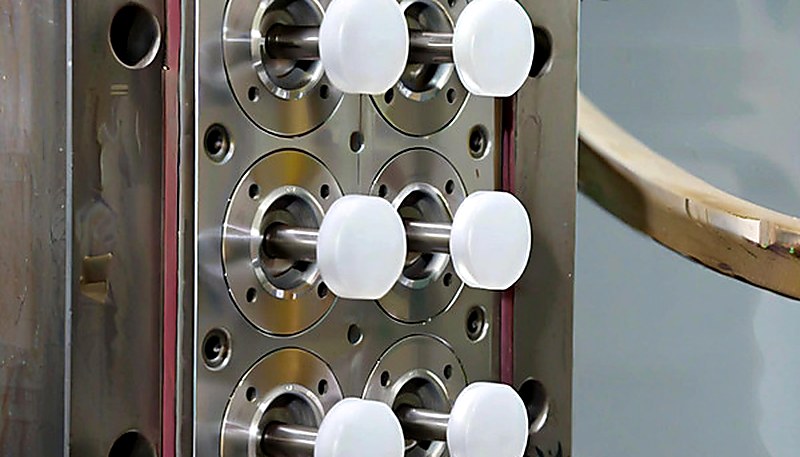
Absoluut, en een opvolgchecklist is vooral belangrijk voor meervoudige holtevormen. Elke holte in een meervoudige holtevorm kan licht verschillende onderdelen produceren door variaties in de effectiviteit van koelkanalen, stroomlengte of ontluchtingsomstandigheden. Uw opvolgchecklist moet precies specificeren welke holten bij elk bemonsteringsinterval gemeten moeten worden en dimensionale gegevens per holte bijhouden. Holte-onbalans is een van de meest voorkomende verborgen kwaliteitsproblemen bij meervoudige holteproductie, en zonder systematische holteniveau-tracking loopt u het risico defecten te missen die alleen bepaalde holten consistent beïnvloeden.
Klaar om uw productie-opvolgproces te stroomlijnen?
De beste volgende stap is het kiezen van een leverancier die transparantie in hun proces inbouwt. Bij ZetarMold werken meer dan 120 productiemedewerkers en 8 senior engineers onder ISO-gecertificeerde kwaliteitssystemen die de opvolging naadloos maken. We delen proactief FAI-rapporten, procesgegevens en inspectiegegevens omdat transparantie duurzame partnerschappen opbouwt. Op zoek naar een leverancier die de opvolging eenvoudig maakt? Ontvang een gratis offerte en ervaar het verschil van samenwerken met een partner die alles documenteert.
CoA: CoA verwijst naar een statistische kwaliteitscontrolestandaard die het maximaal aanvaardbare defectpercentage in een productiebatch definieert, en die veel wordt gebruikt in productie-inspectieprotocollen. ↩
FAI: FAI verwijst naar een gedetailleerde meting en visuele inspectie van de eerste onderdelen die in een run worden geproduceerd om de juistheid van de procesinstellingen te verifiëren aan de hand van technische tekeningen. ↩
SPC: SPC verwijst naar een methode voor kwaliteitscontrole waarbij gebruik wordt gemaakt van statistische technieken om een productieproces te monitoren en te controleren, waardoor vroegtijdige detectie van parameterafwijkingen mogelijk wordt. ↩