Het kiezen van een spuitgieten een leverancier aan de andere kant van de wereld is een berekend risico. U zet gereedschapsgeld, productieplanning en productkwaliteit in op een partner die u mogelijk nooit persoonlijk hebt ontmoet. Eén verkeerde leverancierskeuze kan tienduizenden dollars aan onbruikbare matrijzen, maanden vertraging en gemiste marktkansen kosten.
- Leveranciersrisico gaat verder dan prijs – evalueer kwaliteitssystemen, communicatie en eigendom van gereedschap
- Verifieer altijd ISO-certificeringen en vraag rapporten van derdenpartij audits op voordat u zich vastlegt
- Word volledig eigenaar van uw matrijsgereedschap en verduidelijk de IP-voorwaarden in het contract
- Fabrieksbezoeken onthullen risico's die e-mails en videogesprekken niet kunnen
- Gebruik mijlpaalgebaseerde betalingen en duidelijke afspraken over defectpercentages om uw investering te beschermen
Wat Is Leveranciersrisico in Spuitgieten?
Leveranciersrisico is de kans dat uw productiepartner onderdelen niet levert die voldoen aan uw specificaties, tijdschema of budget. In tegenstelling tot commodity-aankopen bindt spuitgieten u aan een specifieke leverancier voor de levensduur van de matrijs.
Kwaliteitsrisico betekent dat de leverancier toleranties niet kan aanhouden of geen geschikte inspectieapparatuur heeft. Matrijsrisico betekent dat uw matrijs van minderwaardig staal is gemaakt, waardoor na slechts enkele duizenden cycli bramen, inval of kromtrekken ontstaan.
Communicatierisico ondervangt taalbarrières en tijdzoneverschillen die tot onjuiste specificaties leiden. Financieel risico ontstaat wanneer leveranciers grote vooruitbetalingen eisen en vervolgens te laat leveren. Risico in de toeleveringsketen ontstaat wanneer de leverancier afhankelijk is van één grondstofbron of geen noodstroom heeft.
Waarom Lopen Overzeese Spuitgietdeals Misluk?
Overzeese deals mislukken omdat de laagste offerte zelden betrouwbaar is. Kopers die verificatie overslaan betalen het verschil later terug in herwerk, vertragingen en verspild gereedschap.
Onrealistische prijstelling leidt tot shortcuts. Wanneer een leverancier 30 tot 50 procent onder het markttarief offreert, wordt er bezuinigd — meestal op matrijsstaal1 kwaliteit, oppervlakteafwerking of inspectiestrengheid. Eerste monsters kunnen goed lijken, maar productieonderdelen wijken af doordat de matrijs voortijdig slijt.
Geen goedkeuringsproces voor monsters. Inkopers die de First Article Inspection (FAI) overslaan, vragen om problemen. Een correcte FAI controleert elke kritieke maat aan de hand van de tekening en legt de kwaliteitsreferentie vast.
Vage kwaliteitsafspraken. Zonder een gedocumenteerde AQL en een systeem voor defectclassificatie worden geschillen subjectief. Onderzoek toont aan dat 64 procent van inkoop van spuitgietwerk professionals melden aanzienlijke kwaliteitsproblemen2 met offshoreleveranciers.
"Het opvragen van externe auditrapporten is de investering waard"True
Audits door derden signaleren problemen die leveranciers zelf niet melden. De kosten van een audit zijn een fractie van een mislukte productierun.
"De laagste offerte is bij spuitgieten altijd de beste deal"False
Extreem lage offertes betekenen vaak dat de leverancier bezuinigt op matrijzenstaal, oppervlakteafwerking of inspectie. De werkelijke kosten komen tijdens de productie naar voren wanneer onderdelen falen bij kwaliteitscontroles.
Hoe kunt u een leverancier evalueren voor ondertekening?
Ja, je kunt een leverancier effectief evalueren voordat je een verbintenis aangaat. Gebruik een verificatiechecklist van vijf stappen die certificeringen, capaciteiten, referenties, communicatie en monsterkwaliteit dekt.
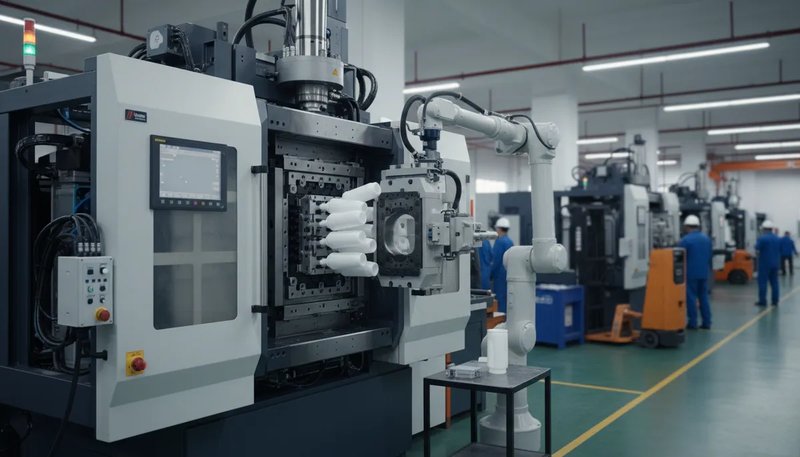
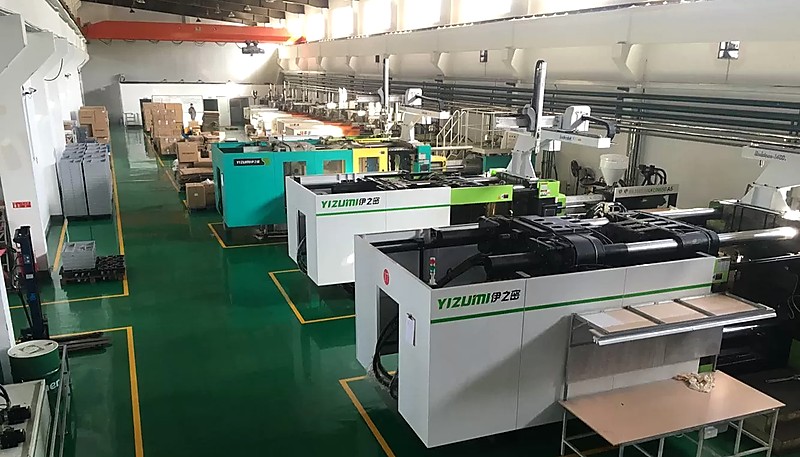
Onze fabriek in Shanghai beschikt over 47 spuitgietmachines van 90T tot 1850T, met interne matrijzenproductie van meer dan 100 matrijsets per maand onder ISO 9001, ISO 13485, ISO 14001 en ISO 45001 systemen.
Stap 1: Verifieer certificeringen onafhankelijk. Vraag om ISO 9001-, ISO 13485- of IATF 16949-certificaten en verifieer deze vervolgens bij de certificerende instelling. Een leverancier die werkt volgens ISO 9001, ISO 13485, ISO 14001 en ISO 45001 toont zijn inzet voor kwaliteit.
Stap 2: Vraag een overzicht van de fabriekscapaciteiten aan. Vermeld het machinetonnagebereik, de maximale matrijsgrootte, materialen en inspectieapparatuur. Een fabriek met 45 of meer persen van 90T tot 1850T kan de meeste onderdeelafmetingen verwerken.
Stap 3: Vraag om recente klantreferenties. Geen aanbevelingen op websites — maar echte contactgegevens van klanten in uw sector. Bel hen en vraag naar leveringspercentages en consistente kwaliteit.
Stap 4: Test de kwaliteit van de Engelse communicatie. Stuur een technische aanvraag met specifieke afmetingen en materiaalvereisten. Een team van 30 of meer medewerkers die vloeiend Engels spreken, behandelt complexe projecten zonder kostbare misverstanden.
Stap 5: Beoordeel de monsterkwaliteit met gegevens. Keur een monster nooit uitsluitend op het uiterlijk goed. Vraag om een volledig maatrapport met GD&T-aanduidingen.
Welke kwaliteitssystemen moet u zoeken?
Een robuust kwaliteitsmanagement systeem (QMS) is uw beste verzekering tegen leveranciersrisico. Zoek naar deze specifieke elementen.
Inspectie van inkomende materialen. Elke partij grondstof moet vóór productie worden getest op smeltvloei-index, vochtgehalte en verontreiniging. Leveranciers die dit overslaan, kunnen maalgoed met nieuw materiaal mengen.
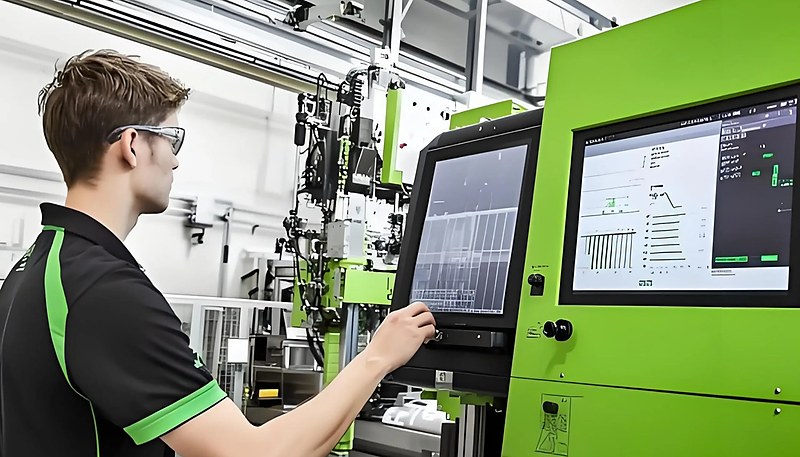
In-proces monitoring. Moderne machines registreren voor elk shot het shotgewicht, de inspuitdruk en de cyclustijd. Statistische procesbeheersing3 grafieken signaleren afwijkingen voordat deze onderdelen buiten de tolerantie opleveren.
Eindcontrole met gedocumenteerde resultaten. Uw leverancier moet voor elke productierun een maatrapport verstrekken, niet alleen voor eerste artikelen. AQL-steekproeven volgens ISO 2859-1 zijn de standaardpraktijk.
Traceerbaarheid en CAPA. Elke partij moet herleidbaar zijn tot de grondstofbatch, machine, operator en caviteit. Wanneer defecten optreden, is een gedocumenteerd 8D-proces essentieel — “we gaan beter ons best doen” is geen corrigerende maatregel.
Hoe Beschermt U Uw Matrijsinvestering?
"Eigendom van uw matrijsgereedschap beschermt u als u van leverancier moet wisselen"True
Wanneer uw contract malkeuring met overdrachtsbepalingen vermeldt, kunt u gereedschap naar een nieuwe leverancier verplaatsen. Zonder deze clausule kan de oorspronkelijke leverancier weigeren vrijgave te verlenen.
"Alleen ISO 9001-certificering garandeert een constante productkwaliteit"False
ISO 9001 certificeert dat een kwaliteitsmanagement systeem bestaat, niet dat elk onderdeel de specificatie haalt. Verifieer de werkelijke inspectiecapaciteiten en procescontrole.
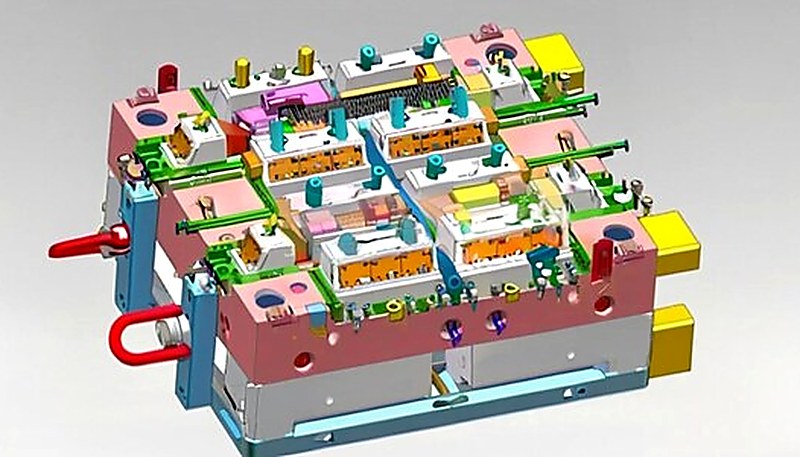
Gereedschapsbescherming is eenvoudig: bezit uw eigen mal, specificeer kwaliteitsstaal en handhaaf duidelijke overdrachtsbepalingen in uw contract.
Met interne matrijsproductie die meer dan 100 matrijzen per maand ondersteunt en meer dan 20 jaar matrijzenervaring, houden we levenscyclusregistraties voor elke matrijs. Onze 8 senior engineers begeleiden ontwerpbeoordelingen voordat staal wordt gesneden.
Bezit de matrijs volledig. In uw koopovereenkomst moet staan dat de matrijs uw eigendom is. Neem een bepaling op die de leverancier verbiedt uw matrijs voor andere klanten te gebruiken.
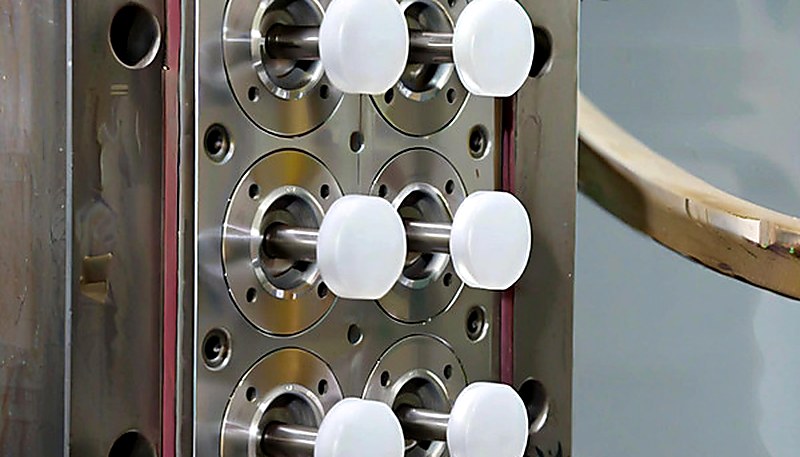
Specificeer malstaal en componenten. Eis P20- of H13-staal voor productiematrijzen. Een matrijs die met kwaliteitscomponenten is gebouwd, gaat 500,000 of meer cycli mee; een goedkope matrijs kan al na 50,000 cycli bezwijken.
Eis onderhoudsregistraties en overdrachtsbepalingen. Houd het aantal matrijscycli en het onderhoud bij. Neem een duidelijke overdrachtstermijn op — doorgaans 15 tot 30 dagen na een schriftelijk verzoek.
Raadpleeg voor de basisprincipes van gereedschap onze gids voor spuitgietmatrijzen.
Overmacht en opzegbepalingen. Leg vast wat er gebeurt tijdens pandemieën, natuurrampen of politieke verstoringen. Neem een opzeggingsclausule zonder opgaaf van reden op met een opzegtermijn van 60 tot 90 dagen en duidelijke bepalingen voor de overdracht van matrijzen.
Voeg een beëindiging voor gemak clausule in met een opzegtermijn van 60 tot 90 dagen. Dit geeft beide partijen een duidelijk uitweg als de relatie niet meer werkt, zonder de juridische complexiteit van beëindiging op basis van schending.
Deze contractuele elementen werken samen om verantwoordelijkheid te creëren en uw investatie te beschermen in elke fase van de productierelatie.

Welke contractvoorwaarden voorkomen verstoring van de toeleveringsketen?
Goed opgestelde contractvoorwaarden zijn uw belangrijkste hefboom om verstoring te voorkomen. Zes specifieke clausules maken het verschil.
Mijlpaalgebaseerde betalingen. Standaardstructuur: 30 tot 50 procent bij bestelling, 30 tot 40 procent na goedkeuring van het T1-monster en het saldo na productieacceptatie.
Leveringsschema met boetes. Leg doorlooptijden voor matrijzen (4 tot 8 weken) en productie (2 tot 4 weken) vast, met een vooraf bepaalde schadevergoeding bij vertraging.
AQL en defectclassificatie. Definieer AQL 1.0 voor kritieke, AQL 2.5 voor ernstige en AQL 4.0 voor geringe defecten. Leg vast wie defecte onderdelen en nabewerking betaalt.
IP-bescherming en geschillenbeslechting. Registreer ontwerpen in het land van de leverancier voordat u ze deelt. Leg de arbitrageplaats vast — CIETAC wordt vaak gebruikt voor leveranciers die in China zijn gevestigd.
Wanneer Moet U Van Spuitgietleverancier Wisselen?
Leveranciers wisselen is kostbaar en verstorend. De beslissing vereist duidelijke criteria gebaseerd op trends, niet op incidenten.
Wissel wanneer: Uw afkeurpercentage overschrijdt de afgesproken AQL gedurende drie of meer opeenvolgende productieruns en corrigerende maatregelen mislukken. Leveringsvertragingen overschrijden gedurende zes maanden 20 procent van de toegezegde termijnen. De leverancier vervangt materialen zonder toestemming.
Schakel niet over wanneer: U hebt één slechte productierun gehad op twaalf. Eén probleem met een gedocumenteerde CAPA is normale productie, geen systemische tekortkoming.
Rode vlaggen die directe actie vereisen: De leverancier weigert kwaliteitsregistraties, produceert met uw projectkennis onderdelen voor concurrenten of zijn ISO-certificering is verlopen. Reserveer budget voor een nieuw T1-bemonsteringsproces bij de vervangende leverancier; dit duurt doorgaans twee tot vier weken voordat de productie weer op volledige capaciteit kan draaien.
Hoe Kan Een Fabrieksbezoek Verborgen Risico’s Onthullen?
Onze Shanghai-faciliteit verwerkt meer dan 400 kunststofmaterialen met meer dan 10 QC-specialisten en meer dan 120 productiemedewerkers. We verwelkomen bezoeken van kopers omdat transparante operaties vertrouwen bouwen.
Volgens onze ervaring bij ZetarMold is een fabrieksbezoek het meest effectieve risicobeoordelingsinstrument dat beschikbaar is voor buitenlandse kopers. Een wandeling over de productievloer onthult wat geen enkel document kan laten zien.
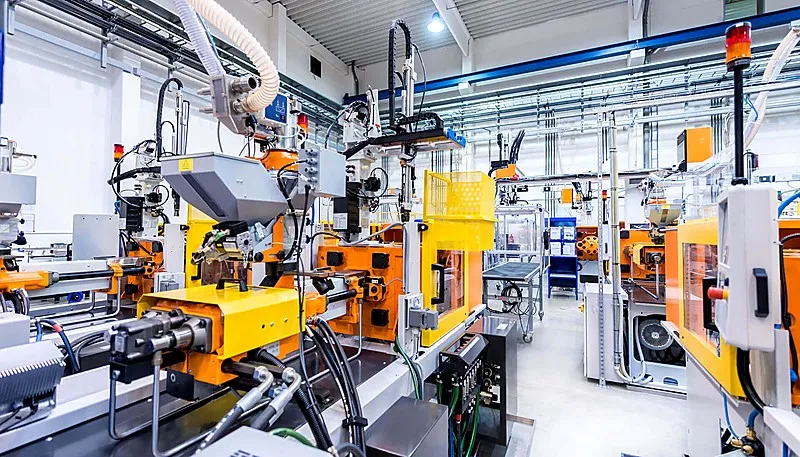
Machineconditie. Goed onderhouden, gelabelde apparatuur met onderhoudsschema’s wijst op gedisciplineerde bedrijfsvoering. Machines met olielekken of handgeschreven instellingen wijzen op het tegenovergestelde.
Materiaalopslag. Goed gedroogde en afgesloten containers in klimaatgecontroleerde ruimten wijzen op serieuze materiaalvoorbereiding. Open zakken met hygroscopische materialen op de vloer zijn een waarschuwingssignaal.
Inspectiegebied en matrijsopslag. Bezoek het QC-laboratorium en controleer gekalibreerde apparatuur met actuele stickers. Controleer of matrijzen klimaatgeregeld, roestwerend en met duidelijke klantlabels worden opgeslagen.
Praat rechtstreeks met de productie-engineers — niet met het verkoopteam — over hun grootste kwaliteitsuitdaging vorige maand en hoe ze die hebben opgelost. De specificiteit van hun antwoord onthult de operationele cultuur veel beter dan welke certificering die aan de muur hangt. Een team dat root cause-analyse gedetailleerd kan beschrijven, is een team dat u kunt vertrouwen met uw productie.
Wat vragen kopers vaak over het risico bij spuitgietleveranciers?
Dit zijn de meest voorkomende vragen die buitenlandse kopers stellen over risico’s bij spuitgietleveranciers en kwaliteitsmanagement.
Veelgestelde vragen
Hoe verifieer ik of een spuitgietleverancier legitiem is?
Vraag naar hun bedrijfslicentie en verifieer ISO-certificeringen via de uitgevende registrar, niet alleen door een kopie van het certificaat te controleren dat ze u mailen. Vraag om drie tot vijf klantreferenties in uw branche en bel ze daadwerkelijk om te bespreken: leverbetrouwbaarheid, kwaliteitsconsistentie en hoe de leverancier productieproblemen aanpakt. In China kunt u bedrijfsregistratie verifiëren via het National Enterprise Credit Information Publicity System, dat gratis toegang biedt tot geregistreerde bedrijfsgegevens, inclusief wettelijke vertegenwoordiger, geregistreerd kapitaal en operationele status. Dit is een cruciaal aandachtspunt voor elke inkoper die relaties met buitenlandse leveranciers en langetermijnproductiekwaliteit beheert.
Wat is een acceptabel foutenpercentage voor spuitgietonderdelen?
De industriestandaard gebruikt AQL-steekproeven volgens ISO 2859-1, met AQL 1,0 voor kritieke afmetingen, AQL 2,5 voor grote functionele gebreken en AQL 4,0 voor kleine cosmetische problemen. Uw specifieke acceptabele percentage hangt af van de eindtoepassing: behuizingen voor medische apparaten en interieurcomponenten voor auto’s vereisen strengere limieten dan standaard behuizingen voor consumentenelektronica. Definieer altijd defectclassificaties en AQL-niveaus in uw aankoopovereenkomst voordat de productie begint, zodat beide partijen werken met een duidelijke, meetbare kwaliteitsstandaard gedurende de hele productierelatie en toekomstige productieruns.
Moet ik vooraf betalen voor spuitgietmatrijsgereedschap?
Betaal nooit de volledige gereedschapskosten vooraf. Gebruik mijlpaalgebaseerde betalingen: typisch 30 tot 50 procent bij de bestelbon om materiaalaankoop en initiële bewerking te dekken, 30 tot 40 procent na T1-monster goedkeuring die bevestigt dat de matrijs acceptabele onderdelen produceert, en het resterende saldo na definitieve productieacceptatie. Deze betalingsstructuur beschermt uw investering in elke fase en houdt de leverancier financieel gemotiveerd om kwaliteitsgereedschap op tijd te leveren, in plaats van volledige betaling te ontvangen voordat hun werkelijke productiecapaciteit en kwaliteitsnormen zijn bewezen.
Kan ik mijn spuitgietmatrijs naar een andere leverancier verplaatsen?
Ja, mits uw contract duidelijk vermeldt dat u eigenaar bent van het gereedschap en specifieke overdrachtsbepalingen bevat. De overeenkomst moet een vrijgaveperiode van 15 tot 30 dagen na schriftelijk verzoek specificeren, samen met eventuele bijbehorende kosten voor verpakking en verzending van de matrijs. Laat voordat u overdraagt de ontvangende leverancier de matrijsconditie grondig inspecteren en budgeteer voor een volledig T1-kwalificatiebemonsteringsproces bij de nieuwe faciliteit, wat doorgaans twee tot vier weken duurt voordat de volledige productie op normale capaciteit kan worden hervat.
Welke certificeringen moet een spuitgietleverancier hebben?
Minimaal is ISO 9001 voor kwaliteitsmanagement essentieel voor elke spuitgietleverancier. Voor medische apparaatcomponenten is ISO 13485-certificering vereist om naleving van regelgevende kwaliteitsnormen aan te tonen. Auto-onderdelen vereisen IATF 16949-certificering. Certificeringen voor milieumanagement (ISO 14001) en arbeidsveiligheid en gezondheid (ISO 45001) wijzen op bredere operationele discipline. Verifieer certificeringen altijd onafhankelijk via de uitgevende registrar in plaats van fotokopieën op hun gezichtswaarde te accepteren, omdat vervalste of verlopen certificaten vaker voorkomen dan de meeste buitenlandse kopers beseffen.
Hoe lang gaat spuitgietmatrijsgereedschap doorgaans mee?
Een productiematrijs gebouwd met P20- of H13-gereedschapsstaal kan onder normale bedrijfsomstandigheden 500.000 cycli of meer meegaan. Consumentenmatrijzen met zachtere staalsoorten zoals S50C halen mogelijk slechts 50.000 tot 100.000 cycli voordat aanzienlijke renovatie of volledige vervanging van kritieke componenten nodig is. De werkelijke levensduur hangt af van de abrasiviteit van het materiaal, de complexiteit van het onderdeel, de onderhoudsfrequentie van de koelkanalen en de juiste opslagomstandigheden tussen productieruns door. Met glasgevuld nylon en andere slijtende vormmengsels slijten matrijzen aanzienlijk sneller dan met ongevulde kunststoffen zoals standaard polypropyleen of polyetheen.
Hoe kunt u uw leveranciersrisico verminderen met een bewezen partner?
Leveranciersrisicovermindering is een proces in drie delen: evaluatie, contracten en verificatie. Bij ZetarMold hebben we deze systemen in 20 jaar opgebouwd.
Ontvang een gratis offerte en technische beoordeling — wij beoordelen uw onderdeelontwerp, adviseren het optimale materiaal en de beste matrijsaanpak en geven u eerlijk advies voordat u ook maar één dollar vastlegt.
matrijsstaal: matrijsstaal verwijst naar p20-gereedschapsstaal dat 100,000-500,000 vormcycli ondersteunt; H13-gereedschapsstaal ondersteunt 1,000,000+ cycli in abrasieve toepassingen of vormtoepassingen bij hoge temperatuur. ↩
kwaliteitsproblemen: kwaliteitsproblemen verwijst naar onderzoeken naar productie-inkoop waaruit consequent blijkt dat meer dan 60 procent van de inkoopprofessionals aanzienlijke kwaliteitsproblemen met buitenlandse leveranciers heeft ondervonden. ↩
Statistische procesbeheersing: Statistische procesbeheersing verwijst naar de sPC Reference Manual van AIAG, waarin de methodiek voor regelkaarten voor de bewaking van spuitgietprocessen is vastgelegd. ↩