Na meer dan 20 jaar leidinggeven aan spuitgietactiviteiten in Shanghai heb ik talloze buitenlandse inkoopdeals goed en slecht zien verlopen. Sommige kopers besparen 40–60% en bouwen duurzame relaties op; anderen worden getroffen door kwaliteit, gemiste deadlines en verborgen kosten. Het verschil is geen geluk, maar weten welke vragen en waarschuwingssignalen tellen en hoe u een beschermende deal structureert. Deze gids voor spuitgietinkoop beschrijft wat echt werkt op basis van projecten voor kopers in Noord-Amerika, Europa en Azië-Pacific.
- Kostenbesparingen van 40-60% zijn realistisch bij een juiste leveranciersselectie en due diligence
- Kwaliteitscontrole vereist locatiebezoeken en inspecties door derden voor de eerste zendingen
- Doorlooptijden omvatten 2-4 weken verzending plus 8-12 weken voor productiegereedschappen
- Verborgen kosten kunnen 15-25% aan de offerteprijzen toevoegen — bereken altijd de totale kosten tot bestemming
- Langdurige partnerschappen verlagen de stukkosten en verbeteren de leverbetrouwbaarheid aanzienlijk
Wat is het inkopen van spuitgietwerk in het buitenland?
Internationale inkoop van spuitgietwerk betekent samenwerken met buitenlandse fabrikanten om kunststofonderdelen tegen lagere kosten te produceren.
In onze fabriek in Shanghai verzorgen we voor kopers wereldwijd alles van prototypes tot massaproductie. Het proces omvat doorgaans drie hoofdonderdelen: productie van spuitgietmatrijzen, onderdelenproductie en kwaliteitsborging. We zagen eenvoudige consumentenproducten met ±0,5 mm tolerantie en complexe automobielcomponenten met ±0,05 mm. Buitenlandse inkoop wordt meestal economisch boven 10.000 stuks per jaar; daaronder wint lokale inkoop vaak door opstartkosten en minimumaantallen. Voor nieuwe gereedschapsprojecten eisen we doorgaans minimaal 5.000 stuks.
Het belangrijkste verschil met binnenlandse inkoop is de langere communicatiecyclus. Bij een tijdsverschil van 12 uur verloopt besluitvorming trager. Wat binnenlands één dag kost, duurt internationaal vaak 2-3 dagen. Slimme kopers houden hier in hun planning rekening mee en leggen vooraf duidelijke communicatieprotocollen vast, waaronder vaste contactvensters en escalatieprocedures voor urgente kwesties.
Waarom kiezen inkopers voor spuitgieten in het buitenland in plaats van binnenlands?
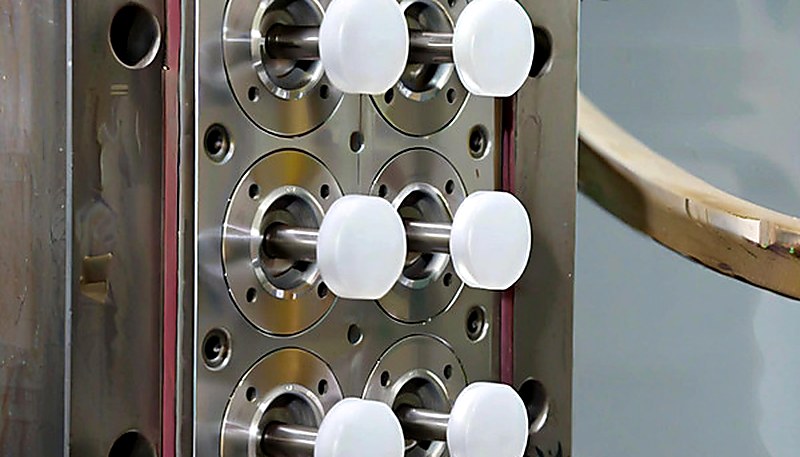
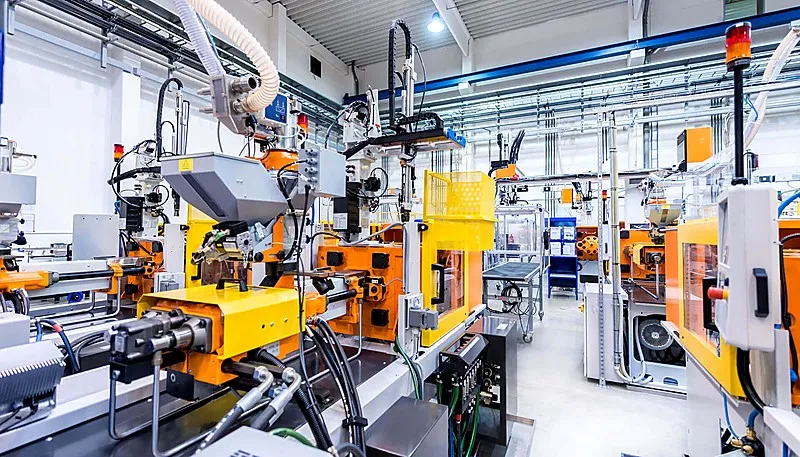
In onze fabriek in Shanghai draaien 47 spuitgietmachines van 90T tot 1850T en verwerken we 400+ kunststofmaterialen. Dit bereik loopt van precisiemicrospuitgieten tot grote autopanelen en biedt buitenlandse inkopers capaciteiten die veel lokale bedrijven niet hebben.
Kostenverlaging bepaalt 80% van de beslissingen over buitenlandse inkoop, met gebruikelijke besparingen van 40-60% ten opzichte van Amerikaanse of Europese prijzen. In onze fabriek bedragen de matrijskosten voor matrijzen van gemiddelde complexiteit $8,000-$25,000, tegenover $20,000-$60,000 op de binnenlandse markt. Een kortere marktintroductietijd is een ander voordeel. Amerikaanse bedrijven offreren voor nieuw matrijsgereedschap vaak 12-16 weken, terwijl wij binnen 8-12 weken leveren. Onze eigen matrijzenmakerij produceert maandelijks 100+ matrijzen, zodat externe matrijzenmakers geen knelpunt vormen.
Het niveau van technische ondersteuning verrast veel inkopers. Onze 8 senior engineers en 30+ Engelssprekende projectmanagers bieden meer praktische ondersteuning dan gebruikelijke binnenlandse leveranciers. Wij investeerden sterk in communicatie-infrastructuur omdat die cruciaal is voor internationale samenwerking. De afwegingen zijn echter reëel: langere transporttijden, mogelijke kwaliteitsvariatie tijdens de opschaling en communicatieproblemen. De besparing is echt, maar een verkeerde partner veroorzaakt ook echte problemen.
"Spuitgietmatrijzen uit het buitenland kosten doorgaans 40-60% minder dan binnenlandse prijzen in de VS."True
Juist. In onze vestiging in Shanghai kosten matrijzen met gemiddelde complexiteit $8,000-$25,000, tegenover $20,000-$60,000 in de VS. De besparing komt voort uit lagere arbeidskosten en geïntegreerde interne matrijsproductie.
"Chinese spuitgietfabrieken leveren altijd een lagere kwaliteit dan Amerikaanse of Europese fabrikanten."False
Onjuist. Kwaliteit hangt af van de specifieke fabriek, niet van het land. Onze volgens ISO 9001, 13485, 14001 en 45001 gecertificeerde fabriek in Shanghai handhaaft met SPC bewaakte processen en stelt voor elk project Cpk1-gegevens beschikbaar.
Hoe beoordeelt u een buitenlandse spuitgietleverancier?
Leveranciers beoordelen betekent certificeringen controleren, machines inspecteren, de communicatiekwaliteit testen en proefprojecten uitvoeren.
Begin met certificeringen, maar stop daar niet — wij hebben ISO 9001, 13485, 14001 en 45001, maar veel middelmatige leveranciers ook. De echte beoordeling vindt plaats tijdens fabrieksbezoeken en proefprojecten. Machinecapaciteit zegt alles over de mogelijkheden. Vraag een gedetailleerde apparatuurlijst met tonnage, schotvolumes en leeftijden. Onze nieuwste machines zijn jonger dan 3 jaar, maar apparatuur van 10 jaar oud kan bij goed onderhoud nog steeds kwaliteitsonderdelen produceren.
Communicatie-infrastructuur is belangrijker dan u denkt. Wij hebben Engelssprekende projectmanagers omdat miscommunicatie projecten ruïneert. Test dit vroeg: als technische vragen nu al lastig zijn, stel u dan een crisis om 2 uur ‘s nachts voor. Kwaliteitssystemen moeten ingangscontrole, procesbewaking en eindinspectie omvatten. Wij voeren voor elk nieuw gereedschap capabiliteitsonderzoek uit en bewaren SPC2-gegevens.
Financiële stabiliteit is essentieel maar moeilijk te verifiëren. Let op langdurige klantrelaties, consistente investeringen in faciliteiten en bereidheid om referenties te geven. Wij bedienen sinds 2013 buitenlandse klanten. Voer vooral een proefproject uit voordat u groot gereedschap bestelt. Een prototype van $2,000 zegt meer over de werkelijke capaciteiten dan elk auditrapport.
Wat zijn de belangrijkste stappen in het inkoopproces?
Het inkoopproces bestaat uit zes stappen: offerteaanvraag, beoordeling, prototyping, onderhandeling, matrijzenbouw en productie.
Het begint met een gedetailleerde RFQ met 3D-bestanden, materiaalspecificaties, kwaliteitseisen en jaarvolumes. Volledige informatie is nodig voor nauwkeurige offertes; vage specificaties leiden later tot wijzigingsorders. Stap twee is leveranciersbeoordeling volgens de criteria in onze inkoopgids. Vergelijk maximaal 3–5 leveranciers; meer veroorzaakt verwarring zonder extra waarde.
Daarna volgt prototyping, meestal 2-3 weken voor eenvoudige onderdelen of 4-6 weken voor complexe geometrieën. Contractonderhandelingen moeten prijsvoorwaarden, leveringsschema’s, kwaliteitsnormen en bescherming van intellectueel eigendom omvatten. Voor toegezegde volumes boven 50,000 stuks per jaar bieden wij doorgaans 2 jaar prijsbescherming.
Wij ondersteunen ons inkoopproces met 8 senior ingenieurs en 10+ QC-specialisten in onze fabriek in Shanghai. Onze 30+ Engelssprekende projectmanagers zorgen dat elke stap soepel verloopt.
Hoe beheert u de kwaliteitscontrole bij inkoop uit het buitenland?
Kwaliteitsbeheersing betekent duidelijke specificaties vaststellen, inspecties door derden inzetten en SPC-bewaking invoeren.
Kwaliteitscontrole begint met duidelijke specificaties — niet alleen voor afmetingen, maar ook voor uiterlijke normen, verpakkingseisen en acceptatiecriteria. Wij stellen voor elk project gedetailleerde beheersplannen op, maar u moet definiëren wat voor uw toepassing aanvaardbaar is. Protocollen voor ingangscontrole moeten 100% van de kritieke maten en statistische steekproeven van andere kenmerken omvatten. Onze 10+ QC-specialisten volgen AQL 2.5-normen, maar afhankelijk van uw eindtoepassing kunnen strengere of soepelere controles nodig zijn.
Inspectiediensten van derden bieden onafhankelijke verificatie, vooral bij de eerste zendingen. Bedrijven zoals SGS of Bureau Veritas kosten -800 per inspectie maar ontdekken problemen vóór verzending. Wij verwelkomen externe audits omdat ze beide partijen beschermen. Digitale realtimebewaking volgt kwaliteitstrends. Wij fotograferen eerste producten, maatrapporten en afwijkingen voor directe beoordeling. WhatsApp en WeChat werken bij urgente kwaliteitsproblemen sneller dan e-mail.
Regelmatige fabrieksbezoeken versterken relaties en brengen systemische problemen vroeg aan het licht. Wij adviseren in het eerste jaar elk kwartaal een bezoek en daarna jaarlijks bij stabiele leveranciers. Virtuele fabrieksrondleidingen zijn geschikt voor routinematige updates, maar kunnen fysieke aanwezigheid bij een kwaliteitsbeoordeling niet vervangen. De meeste kwaliteitsproblemen ontstaan door gebrekkige communicatie tijdens de opstart. Wij staan erop dat monsters worden goedgekeurd voordat de productie begint, maar kopers haasten deze stap vaak vanwege tijdsdruk.
Op welke verborgen kosten moet u letten bij inkoop in het buitenland?
"Verzendkosten voegen doorgaans 8-15% toe aan de totale landed cost3 van overzeese spuitgietonderdelen."True
Juist. Zeevracht kost $0.50-1.50 per kg met een transittijd van 3-4 weken, terwijl luchtvracht $4-8 per kg kost voor levering binnen 5-7 dagen. Bereken altijd de totale kosten bij aankomst voordat u offertes vergelijkt.
"Inkoop in het buitenland is alleen financieel zinvol voor orders van meer dan 100,000 stuks."False
Onjuist. Voor middelmatig complexe onderdelen ligt het break-evenpunt doorgaans rond 25,000-50,000 stuks per jaar. Eenvoudige consumentenproducten kunnen zelfs bij lagere volumes kosteneffectief zijn.
Verzendkosten voegen afhankelijk van de onderdeeldichtheid en verzendmethode 8-15% toe aan de totale kosten bij aankomst. Zeevracht duurt 3-4 weken en kost $0.50-1.50 per kg. Luchtvracht kost $4-8 per kg, maar wordt binnen 5-7 dagen geleverd. Tijdens de productieopschaling zijn aanpassingen aan de matrijs onvermijdelijk; deze verhogen de oorspronkelijke matrijskosten doorgaans met 10-20%. We proberen dit te beperken met grondige DFM-beoordelingen.
Kwaliteitsproblemen tijdens de opstart kunnen meer kosten dan de onderdelen zelf. Herbewerking, nieuwe verzendingen en klachten lopen snel op. We hebben gereedschapsprojecten van $10,000 gezien die door een overhaaste productiestart $50,000 aan kwaliteitskosten veroorzaakten. Valutaschommelingen beïnvloeden prijzen bij meerjarige contracten. De RMB fluctueerde de afgelopen jaren 15% of meer tegenover de USD.
Voorraadkosten nemen toe met langere doorlooptijden en minimale bestelhoeveelheden. Als lokale leveranciers wekelijks leveren maar overzee maandelijkse zendingen vereist, verdubbelt of verdrievoudigt uw werkkapitaalbehoefte. Invoerrechten, douanekosten en compliancekosten variëren per productcategorie en land van herkomst. Recente tariefwijzigingen hebben 10-25% toegevoegd aan veel plastic producten.
Wanneer is overzee inkopen zinvol versus lokaal blijven?
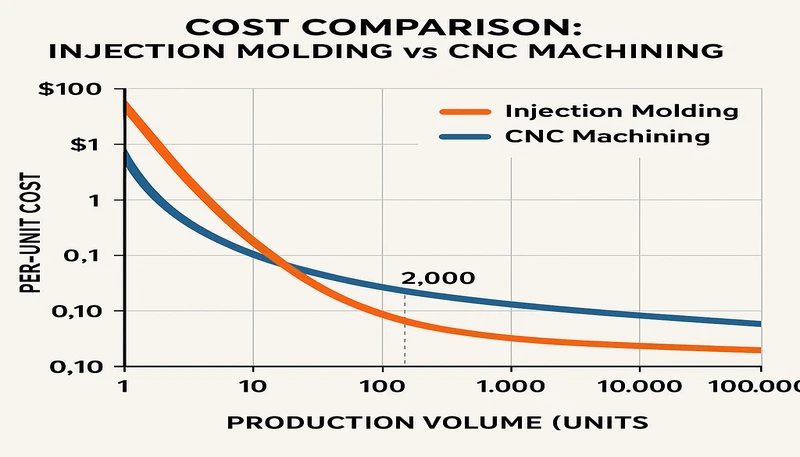
Overzee inkopen is het meest kosteneffectief boven 25.000 stuks jaarlijks, met een echt break-even punt rond 50.000 stuks voor de meeste onderdelen.
Volume bepaalt de economie — overzeese sourcing is zinvol boven 25.000 stuks per jaar voor de meeste producten. Onder die drempel evenaren binnenlandse leveranciers vaak de overzeese prijzen wanneer u alle kosten en risico’s meerekent. Productcomplexiteit is belangrijker dan grootte. Eenvoudige onderdelen met ruime toleranties (±0,2 mm) werken uitstekend overzee. Complexe assemblages die toleranties van ±0,02 mm vereisen, hebben uitgebreide procesontwikkeling nodig die moeilijker op afstand te beheren is.
Doorlooptijdgevoeligheid is cruciaal. Als u onderdelen binnen 2-3 weken nodig hebt, wint lokaal elke keer. Onze standaard doorlooptijden zijn 4-6 weken plus 2-4 weken verzending. Kwaliteitseisen bepalen de haalbaarheid. Consumentenproducten met visuele foutpercentages van 1-2% werken prima. Medische apparaten die 99,9% opbrengsten vereisen hebben uitgebreide validatie nodig die duur is om overzee te beheren.
Hoe bouw je een langdurige relatie op met je overzeese matrijzenmaker?
Langetermijnrelaties opbouwen vereist consistente communicatie, volumecommitments, technische samenwerking en regelmatige fabrieksbezoeken.
Consistente communicatie bouwt vertrouwen op over tijd — wij geven de voorkeur aan kopers die regelmatig prognoses verstrekken en ons betrekken bij nieuwe productontwikkeling in plaats van ons als een commodity-leverancier te behandelen. Langetermijnklanten krijgen prioritaire planning en betere prijzen. Volumecommitments maken betere planning en prijzen mogelijk. Wij bieden 10-15% korting voor 2-jarige volumecommitments boven 100.000 stuks jaarlijks.
Technische samenwerking verbetert de resultaten voor beide partijen. Deel uw ontwerpuitdagingen vroegtijdig. Ons technisch team kan materiaalwijzigingen, ontwerpmodificaties of procesverbeteringen voorstellen die kosten verlagen en kwaliteit verbeteren. Betalingsvoorwaarden weerspiegelen vertrouwensniveaus. Nieuwe klanten betalen typisch 50% aanbetaling, 50% voor verzending. Langetermijnpartners kunnen 30-dagen voorwaarden onderhandelen.
Regelmatige fabrieksbezoeken versterken persoonlijke relaties die belangrijk zijn in de Chinese bedrijfscultuur. Jaarlijkse bezoeken met belangrijke besluitvormers bouwen goodwill op die zich uitbetaalt tijdens moeilijke situaties of spoedprojecten. Eerlijke feedback helpt ons te verbeteren en bouwt wederzijds respect op.
Veelgestelde vragen over overzee spuitgieten inkopen
Veelgestelde vragen
Hoeveel kan ik besparen door spuitgieten overzee in te kopen?
Typische besparingen variëren van 40-60% op gereedschapskosten en 30-50% op prijs per onderdeel in vergelijking met Amerikaanse fabrikanten. In onze Shanghai-faciliteit kosten matrijzen van gemiddelde complexiteit $8.000-$25.000 versus $20.000-$60.000 in eigen land. Besparingen per onderdeel hangen af van materiaal, complexiteit en volume — eenvoudige consumentenonderdelen zien vaak 50% of grotere reducties. U moet echter rekening houden met verzendkosten van 8-15% van de onderdeelkosten, invoerrechten, kosten voor inspectie door derden en voorraadkosten om uw werkelijke totale besparingen te berekenen. De meeste kopers vinden netto besparingen van 25-40% na aftrek van alle bijkomende kosten.
Wat is de typische doorlooptijd voor overzee spuitgieten?
Productiegereedschap kost 8-12 weken van ontwerpgoedkeuring tot eerste artikel inspectie. Voeg 2-3 weken toe voor eerste artikel beoordeling en eventuele aanpassingen, daarna 3-4 weken voor zeevracht naar de meeste wereldwijde bestemmingen. Totale doorlooptijd van bestelling tot geleverde onderdelen is typisch 14-19 weken voor nieuwe gereedschapsprojecten. Herbestelling productieruns zijn sneller met 4-6 weken plus verzending. Luchtvracht kan de doorlooptijd verkorten tot 5-7 dagen maar kost €4-8 per kg versus €0,50-1,50 voor zeevracht, dus de meeste kopers gebruiken lucht alleen voor urgente situaties of monsterverschepingen.
Hoe kan ik de kwaliteit waarborgen bij het inkopen van spuitgietonderdelen uit China?
Begin met duidelijke specificaties, inclusief dimensionale toleranties, uiterlijkseisen en materiaalvereisten, gedocumenteerd in een formeel kwaliteitsakkoord. Vraag eerst-artikel inspectierapporten aan met dimensionale gegevens voor elk kritiek kenmerk. Gebruik inspectiediensten van derden zoals SGS of Bureau Veritas voor initiële zendingen tegen $300-$800 per inspectie. Stel SPC-monitoring in met Cpk-doelen van 1,67 of hoger voor kritieke afmetingen tijdens lopende productie. Onze Shanghai-faciliteit behoudt ISO 9001-certificering en levert real-time dimensionale gegevens met foto’s, waardoor kwaliteitsproblemen zichtbaar zijn vóór verzending in plaats van na levering.
Welke minimale bestelhoeveelheden vereisen overzee spuitgieters?
De meeste overzeese matrijzenmakers vereisen minimale gereedschapsbestellingen van 5.000-10.000 stuks voor nieuwe projecten om opstartkosten effectief te amortiseren. Minimale hoeveelheden per bestelling variëren doorgaans van 2.000-5.000 stuks, afhankelijk van de complexiteit van het onderdeel en de beschikbaarheid van materiaal. In onze faciliteit kunnen we kleinere proefseries van 1.000-2.000 stuks accommoderen tijdens de kwalificatiefase voordat we overgaan op volledige productievolumes. Het economische break-evenpunt voor overzeese versus binnenlandse sourcing ligt doorgaans rond 25.000-50.000 stuks per jaar voor matig complexe onderdelen, waardoor hogere-volume programma’s de sterkste kandidaten zijn voor overzeese productiepartnerschappen.
Moet ik de fabriek bezoeken voordat ik een bestelling plaats?
Ja, een fabrieksbezoek wordt sterk aanbevolen voor eerste partnerschappen, vooral bij investeringen in gereedschap boven €10.000. Tijdens een bezoek aan onze Shanghai faciliteit ziet u de werkelijke machinecondities, ontmoet u uw toegewijde Engelssprekende projectmanager persoonlijk en verifieert u dat kwaliteitssystemen zoals ISO 9001 daadwerkelijk op de productievloer worden geïmplementeerd, niet alleen gedocumenteerd in handboeken. Wij verwelkomen bezoeken en kunnen uitgebreide virtuele rondleidingen met live video regelen voor initiële screening voordat u tot reizen besluit. Kwartaalbezoeken gedurende het eerste jaar bouwen de persoonlijke relaties op die probleemoplossing sneller en soepeler maken.
Welke betalingsvoorwaarden zijn standaard voor overzee spuitgieten?
Nieuwe klanten betalen typisch 50% aanbetaling bij orderbevestiging en 50% voor verzending voor productieonderdelen. Gereedschapsbetalingen worden meestal 50-50 gesplitst tussen aanbetaling en eerste artikel goedkeuring, apart van productiedeelbetalingen. Gevestigde partnerschappen met 6-12 maanden consistente betalingsgeschiedenis kunnen netto-30 of netto-60 voorwaarden na levering onderhandelen. Wij bieden ook mijlpaalgebaseerde betalingsschema’s voor grote projecten en kunnen akkreditiefregelingen accommoderen voor kopers wiens accountingbeleid deze vereist. Valutarisico kan worden beheerd via USD-genoteerde contracten of hedgingregelingen voor meerjarige overeenkomsten.