Het kiezen van de verkeerde spuitgietleverancier kan u maanden aan vertragingen, duizenden aan afgedankte onderdelen en een mislukte productlancering kosten. We hebben het zien gebeuren: bedrijven die de auditstap overslaan, eindigen met mallen die na 5.000 schoten verslijten, onderdelen met chronische zinksporen en leveranciers die niet meer reageren als kwaliteitsproblemen zich voordoen. Deze gids biedt u een praktische, in de praktijk geteste checklist voor de audit van een spuitgietleverancier. Of u nu een nieuwe leverancier evalueert voor een cruciaal project of een bestaand project opnieuw kwalificeert, dit zijn de vragen, metingen en waarschuwingssignalen die er echt toe doen – afkomstig uit meer dan twintig jaar lopende productie in Shanghai.
- Audit het tonnagebereik van de apparatuur en het aantal machines
- Verifieer minimaal ISO 9001; ISO 13485 en ISO 14001 duiden op een diepere kwaliteitsvolwassenheid
- Controleer of matrijzen intern worden vervaardigd — het uitbesteden van matrijzen brengt kosten- en tijdsrisico's met zich mee
- Vraag om echte eerste-artikel-inspectierapporten, niet alleen certificaten
- Alarmsignalen: geen in-proces QC-gegevens, weigering om de machinelijst te delen, of rondleidingen die zich beperken tot de showroom
Wat moet u controleren voordat u een spuitgietfabriek bezoekt
Een bureau-audit vóór het bezoek is essentieel voordat u tijd en geld investeert in een fabrieksrondleiding. Vraag hun apparatuurlijst, kwaliteitscertificeringen en recente FAI-rapporten op, en verifieer hun bedrijfsregistratie online. Als ze aarzelen of algemene brochures sturen in plaats van echte gegevens, is dat uw eerste waarschuwingssignaal. Vergelijk hun beweerde aantal machines en tonnagebereik met hun productiefoto’s en de omvang van hun faciliteit.
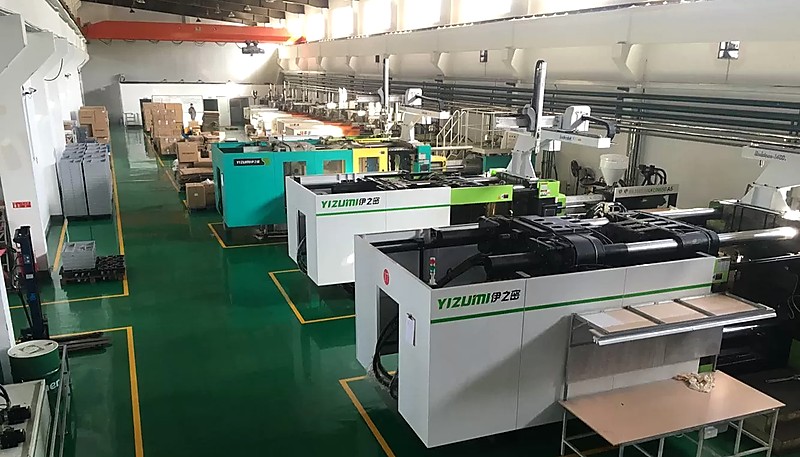
Vergelijk het opgegeven aantal machines en tonnagebereik met productiefoto’s en de omvang van de fabriek. Als een leverancier 50 machines claimt maar op foto’s van de productiehal slechts 10 machines staan, klopt er iets niet. Beoordeel de klantenlijst zorgvuldig. Leveranciers die alleen vage omschrijvingen geven, zoals ‘Fortune 500-bedrijven’, zonder specifieke sectoren of onderdeeltypen te noemen, kunnen hun staat van dienst overdrijven. Zoek leveranciers die relevante, vergelijkbare projecten kunnen beschrijven: dezelfde materiaalfamilie, vergelijkbare onderdeelcomplexiteit en vergelijkbare productievolumes. Deze voorselectie elimineert doorgaans 60-70% van de kandidaten voordat u tijd investeert in een fabrieksbezoek.
Voor een dieper inzicht in het totale spuitgietproces en welke mogelijkheden er toe doen, behandelt onze spuitgietgids de basisprincipes die aan elke auditbeslissing ten grondslag liggen.
Hoe evalueert u de apparatuur en capaciteit van een fabriek
De belangrijkste beoordeling is of het machinepark van de leverancier aansluit op uw onderdeeleisen. Controleer het tonnagebereik, het aantal machines en de hulpapparatuur. Een fabriek met machines van 90T tot 1850T kan alles verwerken, van kleine precisieconnectoren tot grote carrosseriepanelen. Als uw onderdelen 500T sluitkracht vereisen maar de grootste machine van de leverancier 300T is, bestaat er een fundamentele mismatch.
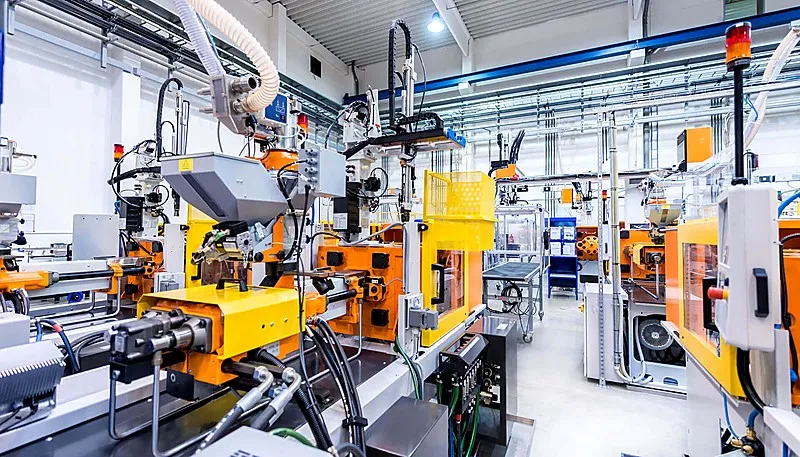
Tel de daadwerkelijk operationele machines, niet de nominale capaciteit. Vraag om prototypemonsters en tentoongestelde onderdelen van recente projecten te zien — dit vertelt u wat de fabriek daadwerkelijk produceert versus wat zij beweert. We hebben fabrieken 60 machines zien claimen terwijl de helft buiten gebruik is gesteld of voor onderdelen is gekannibaliseerd. Controleer ook hun hulpapparatuur. Drogers, maltemperatuurregelaars, robots voor het verwijderen van onderdelen en geautomatiseerde materiaalhanteringssystemen vertellen u of de fabriek is ingericht voor consistente productie of handmatige improvisatie.
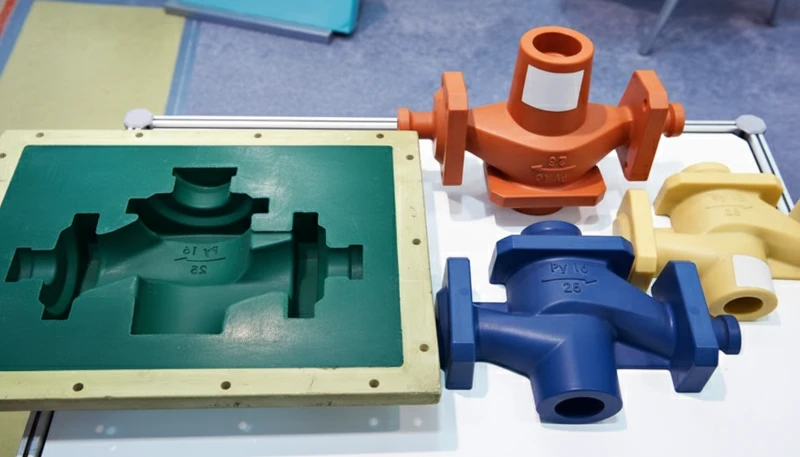
In onze fabriek in Shanghai draaien we 47 spuitgietmachines van 90T tot 1850T, wat ons de flexibiliteit geeft om onderdelen te produceren, van micro-gespuitgiete medische componenten tot grote industriële behuizingen, zonder uit te besteden aan onbekende derde partijen.
In onze fabriek in Shanghai gebruiken we 47 spuitgietmachines van 90T tot 1850T, voor alles van microconnectoren tot grote industriële behuizingen.
Welke kwaliteitssystemen moet een betrouwbare leverancier hebben
De minimumvereiste is ISO 90011 certificering gecombineerd met een gedocumenteerde kwaliteitsworkflow die IQC tot en met OQC omvat. Kwaliteitssystemen scheiden professionele fabrikanten van garagebedrijven. Vraag om hun meest recente auditrapport, niet alleen het certificaat. Non-conformiteiten en corrigerende maatregelen vertellen u meer over de kwaliteitscultuur van een leverancier dan een schoon certificaat ooit zal doen.
Een fabriek die werkt onder ISO 9001, ISO 134852, ISO 14001 en ISO 45001 heeft zwaar geïnvesteerd in procesdiscipline; die investering vertaalt zich direct in een consistentere onderdeelkwaliteit voor u. Kijk verder dan de certificaten naar de daadwerkelijke workflow. Een robuust kwaliteitsproces omvat inspectie van inkomend materiaal (IQC), controles tijdens het gieten, inspectie van het eerste artikel voor elke nieuwe opstelling en uiteindelijke uitgaande kwaliteitscontrole (OQC). Vraag om een echt inspectierapport van een recente productierun. Controleer of ze dimensionale gegevens registreren met daadwerkelijke metingen, en niet alleen met vinkjes die wel of niet goed zijn.
Een leverancier die kritische afmetingen meet op 100% van de eerste artikelen en monsters tijdens productieruns, is fundamenteel anders dan iemand die alleen het eerste stuk inspecteert en er het beste van hoopt. Onze kwaliteitsworkflow volgt een proces van zes stappen: IQC, monstercontrole, procesinspectie, verpakkings- en assemblage-inspectie, FQC en OQC - elke stap heeft gedefinieerde acceptatiecriteria en gedocumenteerde records. Met meer dan 10 QC-specialisten die zich bezighouden met deze controlepunten, kunnen we problemen opsporen voordat ze de klant REACH3.
Wij werken volgens ISO 9001, ISO 13485, ISO 14001 en ISO 45001, met een kwaliteitsworkflow in 6 stappen en meer dan 10 QC-specialisten die het traject van IQC tot OQC bestrijken.
Hoe beoordeelt u de capaciteiten voor matrijsgereedschap
Matrijskwaliteit bepaalt de onderdeelkwaliteit — hierover valt niet te onderhandelen. Bij het auditen van een leverancier is de allerbelangrijkste vraag over gereedschap of ze matrijzen in eigen huis bouwen of uitbesteden aan een externe matrijzenmakerij. Eigen gereedschapsproductie betekent directe controle over ontwerpiteraties, snellere aanpassingen en verantwoordelijkheid wanneer er problemen ontstaan. Uitbesteed gereedschap introduceert een tussenpersoon, langere doorlooptijden voor wijzigingen en het naar elkaar wijzen wanneer afmetingen afwijken. Loop indien mogelijk over de werkvloer van de matrijzenmakerij. Let op CNC-bewerkingscentra, EDM-machines (zowel draad- als zinkerosie), precisieslijpapparatuur en CMM-inspectiecapaciteit (coördinatenmeetmachine). Het aantal matrijssets dat ze per maand produceren, vertelt u iets over hun doorvoer en ervaringsniveau.
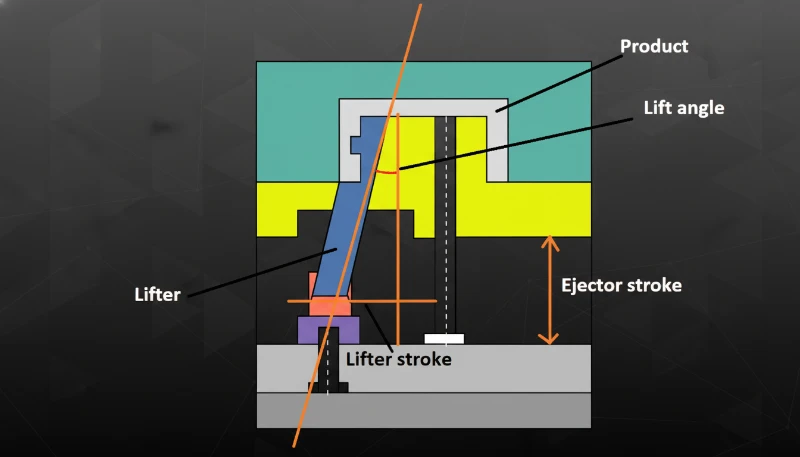
Een faciliteit die meer dan 100 matrijzensets per maand kan produceren, beschikt over de schaal en herhaalbare processen om uw project efficiënt af te handelen. Vraag naar hun matrijsontwerpproces. Voeren ze schimmelstroomanalyses uit voordat ze staal snijden? Kunnen ze u voorbeelden laten zien van complexe matrijskenmerken, zoals lifters, schuifkernen of lay-outs met meerdere holtes? Dit zijn de details die een competente matrijzenbouwer onderscheiden van een basiswinkel. Onze gids over het ontwerp van spuitgietmatrijzen behandelt de basisprincipes die elke koper moet begrijpen. Controleer ook hun matrijsonderhoudsprogramma. Mallen zijn precisiegereedschappen die regelmatig moeten worden gereinigd, onderdelen moeten worden vervangen en afmetingen moeten worden geverifieerd.
Een leverancier zonder een gedocumenteerd matrijsonderhoudsschema laat uw gereedschap in stilte verslechteren — totdat u braam, dimensionale verschuivingen of oppervlaktedefecten begint te zien die er nooit zouden mogen zijn. Met onze eigen matrijsfabriek die 100+ matrijssets per maand produceert, beheersen wij de volledige levenscyclus van het gereedschap, van ontwerp tot productieonderhoud.
Onze eigen matrijzenfabriek produceert meer dan 100 matrijssets per maand, waardoor we volledige controle hebben over de kwaliteit en doorlooptijden van het matrijsgereedschap.
Op welke waarschuwingssignalen moet u letten tijdens een fabrieksaudit
De grootste alarmsignalen zijn rondleidingen die alleen de showroom laten zien, ontbrekende inspectiegegevens, bakken met afgekeurde onderdelen en werknemers die ongedocumenteerde handmatige aanpassingen maken. We hebben in twee decennia van het evalueren van spuitgietleveranciers geleerd deze waarschuwingssignalen te herkennen. Als uw fabrieksrondleiding nooit de daadwerkelijke productievloer bereikt, is er iets mis.
Hoe dan ook is het een risico. In de praktijk heeft een goed geleide fabriek deze documenten geordend en toegankelijk — ze weten dat auditors ernaar vragen. Ten derde, overmatige nabewerking en afval zichtbaar op de werkvloer. Een paar afgekeurde onderdelen is normaal in elke spuitgietoperatie, maar bakken die overlopen van afval of een nabewerkingsgebied dat groter is dan het kwaliteitslab wijzen op systemische problemen met procesbeheersing. Ten vierde, werknemers die handmatige aanpassingen doen zonder gedocumenteerde procedures. Als u operators cyclusparameters op gevoel ziet bijstellen in plaats van gestandaardiseerde procesbladen te volgen, dan vertrouwt de fabriek op individuele vaardigheid in plaats van op geëngineerde processen. Dit werkt totdat die ervaren operator vertrekt of op vakantie gaat. Ten vijfde, controleer hun materiaalverwerking.
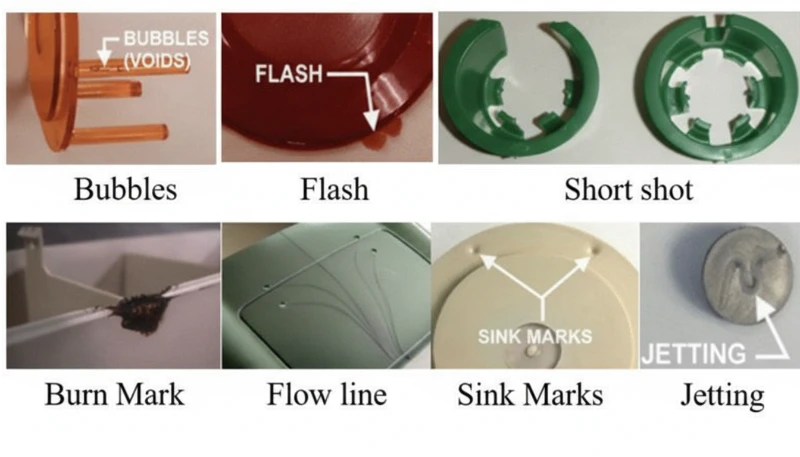
Ten vijfde, controleer hun materiaalbehandeling en cleanroomfaciliteiten. Worden hygroscopische materialen zoals nylon en polycarbonaat opgeslagen in afgesloten containers met droogmiddel? Gebruiken ze trechterdrogers met gedocumenteerde temperatuurinstellingen? Als de fabriek beschikt over cleanroomcapaciteit voor medische of gevoelige onderdelen, verifieer dan de classificatie en onderhoudsrecords. Correct materiaaldrogen is fundamenteel — een leverancier die dit verwaarloost, levert onderdelen met bellen, splaymarkeringen en verminderde mechanische eigenschappen.

Hoe verifieert u materiaalbehandeling en naleving
Materiaalbeheer is een kerncapaciteit die direct de consistentie van onderdelen en de defectpercentages bepaalt. Een leverancier die met meer dan 400 materialen werkt, zou gedocumenteerde procedures moeten hebben voor materiaalidentificatie, opslag, droging en omschakeling tussen productieruns. Loop door hun magazijn en controleer of materialen duidelijk zijn gelabeld met kwaliteit, lotnummer en ontvangstdatum. Worden ze op pallets bewaard, uit de buurt van muren en vocht? Is er een first-in-first-out (FIFO)-systeem om te voorkomen dat verouderd materiaal per ongeluk wordt gebruikt? Besteed speciale aandacht aan hoe ze materiaalomschakelingen afhandelen — kruisbesmetting tussen verschillende harsen kan cosmetische defecten en mechanische storingen veroorzaken.
Vraag ook naar hun mogelijkheden voor materiaaltesten. Beschikken ze over een vochtanalysator voor hygroscopische harsen? Kunnen ze MFI-testen (melt flow index) uitvoeren op inkomend materiaal om te verifiëren dat het aan de specificaties voldoet voordat het de productielijn ingaat? Dit zijn basale kwaliteitsinstrumenten voor elke serieuze spuitgietoperatie, maar veel kleinere bedrijven slaan ze volledig over en vertrouwen op conformiteitscertificaten van leveranciers in plaats van onafhankelijke verificatie. Naleving strekt zich ook uit tot milieu- en veiligheidsvoorschriften — RoHS, REACH en FDA-voorschriften voor voedselcontact leggen specifieke materiaalbeperkingen op die een competente leverancier in zijn volledige voorraad moet volgen en handhaven.
Voor gereguleerde sectoren is materiaaltraceerbaarheid essentieel en niet onderhandelbaar. Uw leverancier moet elke productiepartij kunnen herleiden tot de grondstofbatch, inclusief het analysecertificaat van de materiaalleverancier. Deze keten moet gedocumenteerd en opvraagbaar zijn — niet alleen mondeling beloofd tijdens een verkoopgesprek. Voor automotive, medische of luchtvaarttoepassingen is dit een wettelijke eis die auditors tijdens conformiteitsbeoordelingen controleren. Vraag een voorbeeld van een recent traceerbaarheidsdocument om te bevestigen dat het systeem dagelijks echt werkt en niet alleen op papier.

Als zij geen REACH- of RoHS-verklaring kunnen overleggen voor een materiaal dat ze naar eigen zeggen regelmatig op voorraad hebben, is dat een aanzienlijke tekortkoming.
Welke vragen moet u een leverancier stellen voordat u tekent
De laatste beoordelingsfase is een gestructureerd technisch gesprek dat echte productiepartners onderscheidt van ordernemers. Deze vragen doorbreken het verkooppraatje: Kunt u een recent project beschrijven dat op het mijne lijkt, waarbij kwaliteitsproblemen optraden, en uitleggen hoe u die hebt opgelost? Deze vraag dwingt de leverancier werkelijk probleemoplossend vermogen te tonen. Leveranciers die alleen succesverhalen delen, verbergen mogelijk terugkerende problemen of missen ervaring met echte productie-uitdagingen. Welk garantiebeleid hanteert u voor matrijzen en wat gebeurt er als het gereedschap voortijdig uitvalt? Een leverancier die vertrouwen heeft in zijn matrijskwaliteit biedt een duidelijke garantie — doorgaans uitgedrukt in shots of jaren.
Vage garanties of afwijkingen over de levensduur van gereedschappen suggereren dat ze niet achter hun werk staan. Hoe ga je om met ontwerpwijzigingen nadat de matrijsconstructie is begonnen? Het antwoord onthult hun technische volwassenheid. Goede leveranciers beschikken over een gedocumenteerd wijzigingsproces met kosten- en tijdlijnimpactanalyse. Leveranciers die zeggen dat veranderingen gemakkelijk zijn zonder de afwegingen te maken, zijn onervaren of oneerlijk. Wat is uw percentage tijdige leveringen over de afgelopen twaalf maanden en kunt u de gegevens delen? Productieprestaties spreken luider dan beloften. Zoek naar bezorgpercentages boven de 95% met transparante tracking. Voor meer informatie over het systematisch selecteren en evalueren van leveranciers biedt onze sourcinggids een uitgebreid raamwerk.
Wie wordt mijn toegewijde projectmanager en wat is zijn of haar Engelse taalvaardigheid? Communicatiefouten veroorzaken meer projectvertragingen dan technische problemen. Een leverancier met meer dan 30 Engelssprekende projectmanagers heeft geïnvesteerd in de communicatie-infrastructuur die internationale projecten vereisen. Vraag om uw toegewezen PM te ontmoeten voordat u tekent — een gesprek van vijf minuten zegt u meer dan welk taalcertificaat dan ook.
Met 20+ jaar ervaring, expertise in 400+ materialen en 30+ Engelssprekende projectmanagers bieden we de technische diepgang en betrouwbare communicatie die internationale inkopers nodig hebben.
"Interne matrijsproductiecapaciteit verkort de doorlooptijden en geeft u één rechtstreeks aanspreekpunt voor de matrijskwaliteit"True
Wanneer een leverancier matrijzen in de eigen faciliteit bouwt, vinden ontwerpiteraties plaats op dezelfde vloer als de productieproeven. Er is geen tussenpersoon om te coördineren, geen verzendvertragingen voor matrijsaanpassingen en geen schuldvingerwijzen als het gereedschap herbewerking nodig heeft. Deze directe controle verkort de matrijsiteratiecycli doorgaans met 30-50% ten opzichte van uitbesteed gereedschap.
"Een leverancier met ISO 9001-certificering produceert automatisch hoogwaardige spuitgietonderdelen"False
ISO 9001 certificeert dat er een kwaliteitsmanagementsysteem bestaat — het garandeert niet dat elk onderdeel aan uw specificaties voldoet. U moet nog steeds hun werkelijke procesbeheersingen, inspectieregisters en dimensionale gegevens verifiëren. Beschouw ISO-certificering als een noodzakelijke basis, niet als een voldoende garantie.
Het begrijpen van deze verschillen is cruciaal voor het nemen van weloverwogen inkoopbeslissingen. Veel kopers verwarren certificeringen met capaciteit, of gaan ervan uit dat een grote fabriekshal automatisch betere resultaten betekent. In de praktijk combineren de meest betrouwbare leveranciers systematische kwaliteitsprocessen met praktische engineeringexpertise — zij kunnen niet alleen uitleggen wat ze doen, maar ook waarom elke stap van belang is voor uw specifieke onderdeelgeometrie en materiaaleisen. Het verschil wordt duidelijk wanneer u gedetailleerde technische vragen stelt en beoordeelt of hun antwoorden echte productiekennis weerspiegelen of ingestudeerde verkooppraatjes.
"Controle van de materiaaldroogprocedures is een cruciaal onderdeel van een leveranciersaudit"True
Onjuist gedroogde hygroscopische materialen zoals Nylon, polycarbonaat en ABS behoren tot de meest voorkomende oorzaken van onderdeeldefecten — waaronder spreidsporen, bellen, verminderde mechanische sterkte en dimensionale instabiliteit. Een leverancier die het drogen van materiaal overslaat of afraffelt, neemt een loopje met de meest fundamentele processvereiste in spuitgieten.
"Een fabriek met meer machines produceert altijd onderdelen van betere kwaliteit"False
Het aantal machines zegt iets over de capaciteit, niet over de bekwaamheid. Wat telt is of de machines aansluiten op uw onderdeelvereisten, of ze goed onderhouden worden en of de procesparameters worden beheerst door gedocumenteerde procedures. Een fabriek met 20 goed gekalibreerde machines en robuuste procesbeheersing presteert beter dan een fabriek met 50 verwaarloosde persen die op de intuïtie van de operator draaien.
Veelgestelde vragen
Wat zijn de belangrijkste zaken om te controleren bij het auditen van een spuitgietleverancier?
Bij het auditen van een spuitgietleverancier zijn de meest kritische gebieden om te evalueren hun apparatuurcapaciteit, kwaliteitsmanagementsystemen, matrijsgereedschapsinfrastructuur, materiaalbehandelingsprocedures en communicatiebetrouwbaarheid. Begin met te verifiëren of hun bereik aan machinetonnage overeenkomt met uw onderdeelvereisten, en onderzoek vervolgens hun ISO-certificeringen en de daadwerkelijke inspectieworkflow op de productievloer. Controleer of ze matrijzen in eigen huis bouwen of uitbesteden aan derden, aangezien dit direct van invloed is op doorlooptijden en verantwoordelijkheid. Vraag echte inspectierapporten met daadwerkelijke dimensionale gegevens, niet alleen geslaagd- of afgekeurd-vinkjes. Loop over de fabrieksvloer om te bevestigen dat wat u waarneemt overeenkomt met wat ze beweren in hun marketingmateriaal en documentatie.
Moet ik een leverancier persoonlijk auditen of volstaat een videorondleiding?
Een persoonlijke audit is altijd onthullender dan een videorondleiding, omdat u dingen kunt observeren die de camera opzettelijk vermijdt: de staat van hulpapparatuur, de normen voor orde en netheid, het niveau van afval op de productievloer, en hoe werknemers materialen en matrijzen daadwerkelijk hanteren. Videorondleidingen zijn nuttig voor een eerste screening, maar mogen nooit een fysiek bezoek vervangen voordat u een belangrijk productiecontract ondertekent. Voor kleinere orders kan een goed gestructureerde video-audit met live vraag-en-antwoordsessies acceptabel zijn als u documentatie zoals ISO-certificaten, inspectieregistraties en materiaalconformiteitsverklaringen onafhankelijk verifieert via externe bronnen.
Hoeveel ISO-certificeringen moet een goede spuitgietleverancier hebben?
Een goede spuitgietleverancier moet ten minste beschikken over ISO 9001-certificering voor kwaliteitsmanagement. Voor onderdelen van medische hulpmiddelen is ISO 13485 essentieel en niet onderhandelbaar. ISO 14001 voor milieumanagement en ISO 45001 voor gezondheid en veiligheid op het werk wijzen op een volwassen organisatie die systematisch management serieus neemt. Meer certificeringen betekenen niet automatisch onderdelen van betere kwaliteit, maar ze wijzen wel op een fabriek die investeert in gedisciplineerde processen en continue verbetering. Verifieer altijd bij de uitgevende instantie of certificeringen actueel zijn en vraag om recente auditrapporten met gedocumenteerde corrigerende maatregelen in plaats van alleen het certificaat zelf.
Wat dekt een matrijsgarantie doorgaans?
De meeste gerenommeerde spuitgietleveranciers geven garantie op matrijzen voor een specifiek aantal schoten of een bepaalde tijdsperiode, doorgaans variërend van 100.000 tot 500.000 schoten of één tot drie jaar productiegebruik. De garantie moet dimensionale nauwkeurigheid, integriteit van de oppervlakteafwerking en structurele degelijkheid onder normale bedrijfsomstandigheden dekken. Verduidelijk voordat u een overeenkomst tekent wat normale slijtage versus een fabricagefout is, wie de verzendkosten voor garantiereparaties draagt en hoe snel garantiekwesties worden opgelost. Een leverancier die vertrouwen heeft in zijn gereedschapskwaliteit zal duidelijke garantievoorwaarden bieden zonder buitensporige uitsluitingen of voorwaarden die de dekking feitelijk teniet doen.
Kan ik een leverancier vertrouwen die de bouw van zijn matrijzen uitbesteedt?
Of u een leverancier die het bouwen van matrijzen uitbesteedt kunt vertrouwen, hangt af van de specifieke regeling en uw risicotolerantie voor het project. Als de leverancier een langdurige samenwerking heeft met een gecontroleerde matrijzenwerkplaats en volledige contractuele verantwoordelijkheid neemt voor matrijskwaliteit en -prestaties, kan het werken voor eenvoudiger gereedschap. Uitbesteed gereedschap voegt echter communicatielagen toe tussen u en de matrijsbouwer, verlengt doorlooptijden voor ontwerpaanpassingen en creëert verantwoordingsleemtes wanneer er problemen ontstaan met dimensionale of oppervlaktekwaliteit. Voor complexe matrijzen met nauwe toleranties, meervoudige holtelay-outs of krappe projecttijdlijnen verdient in-house gereedschap sterk de voorkeur, omdat de leverancier elke stap beheerst, van het initiële ontwerp tot en met de productiebemonstering.
Hoe verifieer ik de beweringen van een leverancier over zijn productiecapaciteiten?
Om de beweringen van een leverancier over productiecapaciteiten te verifiëren, moet u elke bewering kruiscontroleren met verifieerbaar bewijs. Als ze beweren 50 machines te bedienen, tel ze dan fysiek tijdens uw fabrieksbezoek en noteer hoeveel er daadwerkelijk productie draaien. Als ze ISO-certificeringen hebben, verifieer deze dan rechtstreeks via de database van de uitgevende certificeringsinstantie in plaats van ingelijste certificaten aan de muur te accepteren. Vraag om productieregistraties die de werkelijke cyclustijden, uitvalpercentages en on-time leveringspercentages over de afgelopen zes tot twaalf maanden tonen. Een betrouwbare leverancier verstrekt deze gegevens bereidwillig en transparant, terwijl iemand die excuses maakt, reacties uitstelt of alleen geaggregeerde statistieken biedt, legitieme zorgen zou moeten oproepen over de nauwkeurigheid van al hun voorstellingen.
Klaar om uw volgende spuitgietleverancier te evalueren
De juiste leverancier vinden betekent verifiëren dat apparatuur, kwaliteitssystemen en matrijscapaciteit aan uw eisen voldoen. De echte test is altijd wat u op de fabrieksvloer ziet, niet wat in een verkooppresentatie verschijnt.
Vraag een gratis offerte aan en laat ons u tonen waarom serieuze kopers ervoor kiezen met ons samen te werken voor hun spuitgietprojecten.
ISO 9001: ISO 9001 verwijst naar de vereisten voor kwaliteitsmanagementsystemen uit 2015 ↩
ISO 13485: ISO 13485 verwijst naar de internationale norm voor kwaliteitsmanagementsystemen voor medische hulpmiddelen ↩
REACH: REACH verwijst naar de EU REACH-verordening EC 1907/2006 inzake registratie, evaluatie, autorisatie en beperking van chemische stoffen ↩