Geometrische toleranties – de limieten die de vorm, oriëntatie, locatie en slingering van kenmerken op een spuitgegoten onderdeel bepalen – zijn het verschil tussen een onderdeel dat perfect in elkaar klikt en een onderdeel dat in de afvalbak belandt. In tegenstelling tot eenvoudige plus/minus-dimensionale toleranties, gebruikt geometrische dimensionering en tolerantie (GD&T) een gestandaardiseerde symbolische taal gedefinieerd in ASME Y14.51 en ISO 11012 om de ontwerpintentie ondubbelzinnig over te brengen. Als u plastic onderdelen specificeert voor toepassingen in de auto-, medische of consumentenelektronica, is het begrijpen van geometrische toleranties niet optioneel; het is een fundamentele technische vaardigheid.
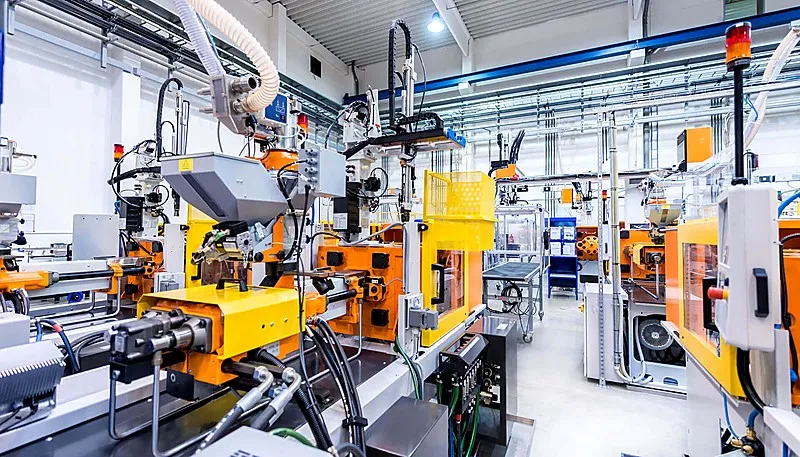
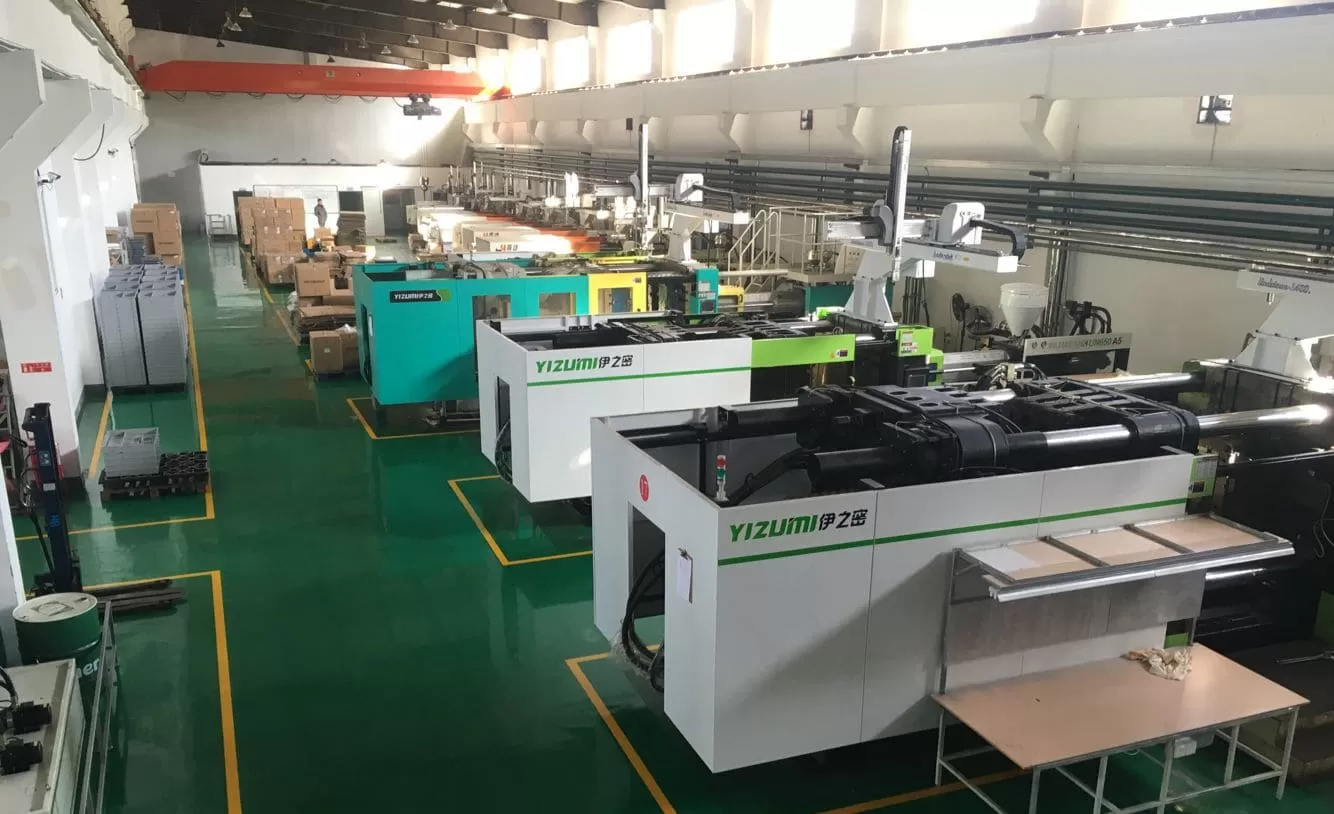
In onze fabriek in Shanghai gebruiken we 47 spuitgietmachines van 90T tot 1850T om voor klanten wereldwijd onderdelen met nauwkeurige geometrische toleranties te produceren. Dankzij 20+ jaar ervaring met 400+ kunststoffen hebben we uit eerste hand gezien hoe een correcte GD&T-specificatie kostbare geschillen tussen ontwerpers, matrijzenmakers en kwaliteitsteams voorkomt. Deze gids behandelt de belangrijkste typen geometrische toleranties voor spuitgieten, legt uit welke het belangrijkst zijn voor kunststofonderdelen en geeft praktische tips uit de productie.
- GD&T gebruikt gestandaardiseerde symbolen (ASME Y14.5 / ISO 1101) om vorm, oriëntatie, positie en rondloop te definiëren.
- Vlakheid en rechtlijnigheid zijn de meest kritische geometrische toleranties voor spuitgegoten onderdelen.
- Materiaalkrimp en vervorming maken geometrische toleranties moeilijker vast te houden dan bij metaalbewerking.
- Referentiepuntselectie moet de functionele montage weerspiegelen — niet alleen het gemak van bewerking.
- Het te streng specificeren van geometrische toleranties verhoogt de gereedschaps- en inspectiekosten zonder waarde toe te voegen.
Wat zijn Geometrische Toleranties en Waarom Zijn Ze Belangrijk bij Spuitgieten?
Geometrische toleranties en waarom ze belangrijk zijn bij spuitgieten, zijn de hoofdcategorieën of opties die in dit gedeelte worden uitgelegd. Geometrische toleranties zijn de grenzen voor toegestane variatie in vorm, oriëntatie en positie van een onderdeel, boven wat alleen lineaire afmetingen kunnen vastleggen. Een gat kan de juiste diameter hebben maar toch verkeerd gepositioneerd zijn; een oppervlak kan de juiste dikte hebben maar te krom zijn om af te dichten. GD&T behandelt deze realiteit met 14 tolerantiesoorten, ingedeeld in vijf categorieën: vorm, oriëntatie, locatie, rondloop en profiel.
Bij spuitgieten zijn geometrische toleranties vooral belangrijk omdat plastic onderdelen tijdens het afkoelen krimpen, kromtrekken en interne spanningen ondergaan. Een onderdeel dat er op het moment van uitwerpen perfect uitziet, kan de komende 24 tot 48 uur vervormen naarmate de resterende spanningen afnemen. Dit betekent dat de geometrische tolerantie die u opgeeft niet alleen rekening moet houden met het gietproces zelf, maar ook met de maatveranderingen na het gieten. Een vlakheidsmarkering van 0,1 mm op een polycarbonaatbehuizing van 150 mm kan bijvoorbeeld een speciaal poortontwerp, een geoptimaliseerde houddruk en mogelijk een armatuur vereisen om het onderdeel tijdens het afkoelen tegen te houden.
De norm ASME Y14.5 definieert de volledige symbolische taal voor GD&T in de Verenigde Staten, terwijl ISO 1101 internationaal dezelfde rol vervult. Beide normen gebruiken een tolerantiekader — een rechthoekig vak met het symbool van het geometrische kenmerk, de tolerantiewaarde en eventuele datumreferenties. Begrijpen hoe u deze kaders leest en toepast, vormt de basis voor het communiceren van tolerantie-eisen aan uw leverancier van spuitgietmatrijzen.
Welke GD&T-symbolen zijn het meest relevant voor kunststof spuitgietonderdelen?
Niet alle 14 GD&T-symbolen zijn even relevant voor spuitgieten. In de praktijk vertegenwoordigt een handvol geometrische toleranties het overgrote deel van de aanduidingen op tekeningen van kunststofonderdelen. Hieronder staat een gerangschikt overzicht van de meest gebruikte symbolen en waarom ze van belang zijn voor spuitgegoten componenten.
| GD&T-symbool | Categorie | Typische toepassing | Moeilijkheidsgraad om Vast te Houden |
|---|---|---|---|
| Vlakheid | Vorm | Afdichtingsvlakken, montagevlakken | Hoog (vervorming) |
| Rechtheid | Vorm | Ribben, randen, cilindrische kenmerken | Gemiddeld |
| Cilindriciteit | Vorm | Cilindrische pennen, gaten | Gemiddeld |
| Loodrechtheid | Oriëntatie | Pen-naar-vlak, wand-naar-flens | Middelhoog |
| Paralleliteit | Oriëntatie | Tegenoverliggende wanden, snap-fit kenmerken | Hoog |
| Positie | Locatie | Gatpatronen, bevestigingspunten | Gemiddeld |
| Concentriciteit | Locatie | Roterende kenmerken, lagerzittingen | Zeer hoog |
| Profiel van een Oppervlak | Profiel | Complexe gebogen oppervlakken | Hoog |
Vlakheid is wellicht de belangrijkste geometrische tolerantie voor spuitgietonderdelen. Een afdichtingsvlak dat slechts 0,15 mm doorbuigt, kan al lekken. Een montagevlak dat 0,2 mm vervormt, kan voor montage-uitlijning zorgen. In onze ervaring zijn vlakheidsproblemen verantwoordelijk voor ongeveer 30-40% van alle geometrische afwijkingen op gegoten onderdelen. De oorzaken zijn meestal ongelijke afkoeling, onvoldoende plaatsing van de aanvoer, of krimp van het materiaal die niet goed gesimuleerd is tijdens het matrijsontwerp.
Positietolerantie is vervolgens het belangrijkst. Bij een patroon van montagegaten of klikclips bepaalt hun onderlinge positie of de assemblage past. Positietolerantie is vaak nuttiger dan afzonderlijke coördinaattoleranties, omdat deze bonustolerantie op basis van de werkelijke grootte van het kenmerk toestaat — wat vooral waardevol is bij kunststofonderdelen, waar gatdiameters door krimp kunnen variëren.
Hoe Beïnvloedt Materiaalkeuze de Geometrische Tolerantie bij Spuitgieten?
Het materiaal dat u kiest heeft een directe en vaak aanzienlijke impact op de geometrische toleranties die u realistisch kunt aanhouden. Amorfe materialen zoals polycarbonaat (PC) en ABS krimpen meestal gelijkmatiger en behouden een betere vlakheid dan semi-kristallijne materialen zoals nylon (PA6, PA66) of POM, die aanzienlijke kristallisatiegedreven krimp ondergaan. Met glasvezel versterkte composieten maken zaken nog complexer omdat vezeloriëntatie anisotrope krimp veroorzaakt — het onderdeel krimpt anders langs de stroomrichting dan loodrecht daarop.
Neem een praktijkvoorbeeld: een vlakke afdekking van 200 mm x 150 mm in PA66-GF30 (30% glasgevuld nylon 66). De vormstroomsimulatie3 zou een krimp van 0,6% in de stroomrichting en 0,3% in dwarsrichting kunnen voorspellen – een verhouding van 2:1. Als u een vlakheid van 0,1 mm specificeert, vraagt u waarschijnlijk om iets dat het materiaal eenvoudigweg niet kan leveren zonder buitengewone maatregelen zoals in-mold-bevestigingen of post-mold-gloeien. Een meer realistische vlakheidswaarde voor dit scenario zou 0,3-0,5 mm zijn.
Hier levert een ervaren leverancier van spuitgietmatrijzen echte meerwaarde. Met 8 senior engineers en ervaring met 400+ materialen helpen we klanten begrijpen welke geometrische toleranties haalbaar zijn voor hun specifieke materiaal, onderdeelgeometrie en productievolume. Fysiek onhaalbare toleranties specificeren verbetert de kwaliteit niet, maar verhoogt alleen het uitvalpercentage en de kosten.
"GD&T kan toleranties specificeren die rekening houden met materiaalkrimp na het vormen."True
Door GD&T te combineren met gegevens uit matrijsstroomsimulaties kunnen ontwerpers de geometrie na krimp voorspellen en toleranties specificeren die de uiteindelijke evenwichtstoestand van het onderdeel weerspiegelen, niet alleen de toestand direct na het gieten.
"Strengere geometrische toleranties leveren altijd betere onderdelen op."False
Overmatig nauwe toleranties verhogen de gereedschapskosten, inspectietijd en het uitvalpercentage zonder de functionele prestaties te verbeteren. De juiste tolerantie is de ruimste tolerantie die nog aan de eisen voor assemblage en functie voldoet.
Welke Normen Regelen Geometrische Toleranties voor Gegoten Kunststofonderdelen?
Wereldwijd vallen geometrische tolerantienormen hoofdzakelijk onder twee kaders: ASME Y14.5 en ISO 1101. ASME Y14.5 domineert in Noord-Amerika, terwijl ISO 1101 (met de aanvullende normen ISO 5458 en ISO 5459) in Europa en Azië wordt gebruikt. Beide definiëren dezelfde basisconcepten, maar verschillen in bepaalde notatiedetails en standaardregels.
Specifiek voor spuitgegoten onderdelen biedt ISO 20457:2018 aanvullende richtlijnen voor maattoleranties, inclusief een classificatiesysteem dat rekening houdt met matrijsgerelateerde factoren zoals onderdeelgeometrie, positie van het aanspuitpunt en materiaalgedrag. Deze norm erkent dat kunststof onderdelen fundamenteel andere tolerantiemogelijkheden hebben dan verspaande metalen onderdelen en dat GD&T op verspaningsniveau economisch onrealistisch is voor gevormde kunststoffen.
Vermeld bij het opstellen van tekeningen voor spuitgietoffertes altijd welke norm u gebruikt. Een tolerantiekader dat volgens ASME Y14.5 wordt geïnterpreteerd, kan andere resultaten opleveren dan hetzelfde kader volgens ISO 1101, met name voor positietoleranties en het gebruik van datums. Verschillende interpretaties van normen zijn een van de meest voorkomende oorzaken van kwaliteitsgeschillen tussen inkopers en spuitgieters.
Hoe Specificeer je Geometrische Toleranties op Tekeningen van Spuitgietonderdelen?
Voor geometrische toleranties zijn drie elementen nodig: tolerantietype, tolerantiewaarde en datumreferentiekader. Het datumreferentiekader is waarschijnlijk het belangrijkste en vaakst verkeerd toegepaste element. Datums definiëren de referentievlakken van waaruit alle overige maten worden genomen. Bij gespuitgiete onderdelen moet de datumkeuze rekening houden met de inspectiemethode, niet alleen met de functie.
Een veelgemaakte fout is het gebruik van de deellijn als datumvlak. De deellijn is het grensvlak tussen de matrijshelften. Hoewel deze een stabiele referentie lijkt, kan er gedurende de levensduur van de matrijs braamvorming, verschuiving of slijtage optreden. Een betere aanpak is functionele kenmerken — zoals een vlakke montagebossage of een nauwkeurig geboorde opening — als datum te definiëren. Deze kenmerken worden rechtstreeks in het matrijsstaal bewerkt en behouden hun geometrische integriteit gedurende honderdduizenden cycli.
Hier is een praktische specificatieworkflow: Identificeer eerst de functies die moeten passen bij andere componenten. Ten tweede: wijs datums toe aan de meest stabiele en toegankelijke van deze kenmerken. Ten derde: pas de meest losse geometrische tolerantie toe die nog steeds de functie garandeert. Ten vierde: valideer uw toelichtingen bij uw spuitgietleverancier voordat u de tekening voltooit. Zij kunnen u vertellen wat realistisch haalbaar is gezien de geometrie van het onderdeel, het materiaal en de productiebeperkingen.
Wat Veroorzaakt Afwijkingen in Geometrische Tolerantie Tijdens het Spuitgieten?
Kromtrekken, ongelijkmatige koeling, uitwerpkrachten en matrijsslijtage zijn de voornaamste oorzaken van afwijkingen in geometrische toleranties tijdens het spuitgieten. Inzicht in deze oorzaken helpt u realistische toleranties vast te stellen en maatvastere onderdelen te ontwerpen.
Kromtrekken is de grootste vijand van geometrische toleranties bij spuitgieten. Het ontstaat wanneer verschillende zones van het onderdeel met verschillende snelheden afkoelen en krimpen. Dunne secties koelen sneller af dan dikke. Zones nabij de aanspuiting krijgen meer nadruk dan verder gelegen zones. Vezelgevulde materialen ontwikkelen door georiënteerde vezels interne spanningen die vrijkomen wanneer het onderdeel stabiliseert. Het resultaat is een onderdeel dat in de matrijs geometrisch correct was, maar 24 uur later vervormd wordt gemeten.

Uitwerpkrachten zijn een andere belangrijke factor. Terwijl het onderdeel afkoelt, krimpt het om de matrijskern. De uitwerppennen moeten het onderdeel losduwen en deze kracht kan dunne wanden of kwetsbare kenmerken tijdelijk vervormen. Goed ontworpen uitwerpsystemen verdelen de kracht gelijkmatig, maar zelfs optimale uitwerping kan op kritieke oppervlakken geometrische afwijkingen van minder dan een tiende millimeter veroorzaken.
Matrijsslijtage en onderhoud spelen eveneens een rol. Na 100,000+ cycli kunnen matrijsoppervlakken eroderen, vooral rond aanspuitingen en schuifkernen. Deze geleidelijke slijtage verschuift afmetingen en kan geometrische kenmerken buiten tolerantie brengen. Regelmatig onderhoud en periodieke eerste-productinspecties zijn essentieel om deze drift te detecteren voordat de productiekwaliteit wordt geraakt.
"Matrijsstroomsimulatie kan geometrische tolerantieresultaten voorspellen voordat staal wordt verspaand."True
Moderne matrijsvulsimulatietools zoals Moldflow en Moldex3D kunnen kromtrekken, krimp en vezeloriëntatie nauwkeurig genoeg voorspellen om tijdens de ontwerpfase de haalbaarheid van geometrische toleranties te valideren.
"Gloeien na het vormen verbetert altijd de naleving van geometrische toleranties."False
Gloeien vermindert interne spanningen, maar kan bij onvoldoende beheersing ook extra vervorming veroorzaken. Bij sommige materialen en geometrieën verslechtert gloeien juist de vlakheid of positienauwkeurigheid. Dit moet per geval worden beoordeeld.
Hoe Kan je Onderdeelontwerp Optimaliseren voor Betere Naleving van Geometrische Toleranties?
Uniforme wanddikte, juiste ribverhoudingen en strategische aanspuitpuntplaatsing zijn de belangrijkste ontwerpstrategieën om geometrische toleranties te halen. Ze verbeteren de maatvastheid zonder de kosten te verhogen.
Een gelijkmatige wanddikte is de ontwerpbeslissing met de grootste invloed op geometrische beheersing. Wanneer de wanddikte binnen een onderdeel sterk varieert, krimpen dikke secties meer dan dunne en ontstaan interne spanningen die kromtrekken veroorzaken. Een wanddiktevariatie van meer dan 15–20% in een kristallijn materiaal leidt op vlakke oppervlakken vrijwel zeker tot geometrische afwijkingen. Waar dikteovergangen onvermijdelijk zijn, gebruikt u geleidelijke verlopen in plaats van scherpe treden om spanning gelijkmatiger te verdelen.
Ook het ribontwerp beïnvloedt de geometrie. Ribben voegen stijfheid toe en helpen zo de vlakheid te behouden — maar creëren ook plaatselijk dikke secties die meer krimpen dan de omringende wand. Houd voor de meeste materialen een ribdikte van 50-60% van de nominale wanddikte aan en vermijd kruisende ribben die dikke knooppunten vormen. Gegolfde wandsecties kunnen dezelfde stijfheid bieden met een betere geometrische stabiliteit dan traditionele ribben.
Poortpositie en -type vereisen zorgvuldige afweging. Via de poort stroomt gesmolten kunststof de holte in; de positie bepaalt stromingspatroon, laslijnpositie en verdeling van de nadruk — en daarmee de eindgeometrie. Eén zijpoort geeft een eenrichtingsstroming die parallelliteit in stromingsrichting bevordert. Meerdere poorten kunnen de vulling balanceren, maar veroorzaken laslijnen met zwakke punten en geometrische discontinuïteiten.
Het kwaliteitsteam van ZetarMold bestaat uit 10+ QC-specialisten die een inspectieproces in 6 stappen volgen, met IQC, procescontroles en een definitieve OQC, om bij elke productierun de naleving van geometrische toleranties te verifiëren.
Hoe Meet en Inspecteer Je Geometrische Toleranties op Gegoten Onderdelen?
CMM’s, optische scanners en functionele kalibers zijn de drie belangrijkste methoden voor het meten van geometrische toleranties op spuitgegoten kunststofonderdelen. Elke methode biedt specifieke voordelen, afhankelijk van het type tolerantie en het productievolume.
CMM-metingen met tastkoppen zijn de standaard voor controles van positie, haaksheid en parallelliteit. Kunststofonderdelen zijn echter vervormbaar — de contactkracht van de tastkop kan het oppervlak doen doorbuigen en zo een meetfout veroorzaken. Dit probleem wordt beperkt door CMM’s met lage tastkracht (doorgaans minder dan 50 mN) of contactloze lasersensoren te gebruiken. Voor vlakheidsmetingen levert optisch scannen met gestructureerd licht gegevens van het volledige oppervlak in plaats van de beperkte puntenverzameling van tastkoppen, waardoor de werkelijke oppervlaktetoestand nauwkeuriger in beeld komt.
Functionele kalibers blijven de praktischste methode voor productie in grote volumes. Een go/no-go-kaliber dat het bijpassende onderdeel simuleert, geeft een goed/fout-resultaat dat rechtstreeks samenhangt met de assemblagefunctie. Kalibers tonen niet exact hoeveel geometrische afwijking bestaat, maar zijn snel, herhaalbaar en vereisen weinig operatorvaardigheid — ideaal voor procesinspectie op de productievloer.
Wat zijn Realistische Bereiken voor Geometrische Toleranties bij Spuitgegoten Onderdelen?
Geometrische tolerantiebereiken voor spuitgegoten onderdelen liggen doorgaans tussen 0 en 1 mm, afhankelijk van het tolerancetype, het materiaal en de onderdeelgeometrie. De volgende tabel geeft praktische bereiken op basis van praktijkervaring en standaardreferenties voor spuitgiettoleranties.
| Tolerantietype | Precisie (nauw) | Standaard (normaal) | Grof (los) |
|---|---|---|---|
| Vlakheid (per 100 mm) | 0.05–0.10 mm | 0.10–0.30 mm | 0.30–0.60 mm |
| Rechtheid (per 100 mm) | 0.05–0.10 mm | 0.10–0.25 mm | 0,25–0,50 mm |
| Rondheid (diameter) | 0.03–0.08 mm | 0.08–0.15 mm | 0.15–0.30 mm |
| Haaksheid (per 100 mm) | 0.05–0.10 mm | 0.10–0.25 mm | 0,25–0,50 mm |
| Paralleliteit (per 100 mm) | 0.08–0.15 mm | 0.15–0.35 mm | 0.35–0.70 mm |
| Positie (RFS) | Diameter Ø0.10–0.20 mm | Ø0.20–0.50 mm | Ø0,50–1,00 mm |
| Profiel van een Oppervlak | 0.10–0.20 mm | 0.20–0.50 mm | 0.50–1.00 mm |
Deze bereiken gaan uit van standaardverwerkingsomstandigheden met geoptimaliseerd matrijsontwerp. Het realiseren van de ‘Precisie’-kolom vereist doorgaans gespecialiseerde gereedschapsfuncties zoals conforme koeling, in-mold druksensoren en mogelijk post-mold opspanning. De kolom ‘Standaard’ geeft weer wat een goed ontworpen matrijs die op een moderne spuitgietmachine draait, consistent kan produceren. De kolom ‘Grof’ is geschikt voor niet-kritische esthetische of structurele kenmerken.
"Conforme koelkanalen in de matrijs kunnen de vlakheid met maximaal 40% verbeteren."True
Conforme koelkanalen volgen de contour van het onderdeel en zorgen voor gelijkmatigere koeling, waardoor thermische gradiënten en de daaruit voortvloeiende vervorming afnemen. Onderzoeken tonen een verbetering van de vlakheid met 30-50% ten opzichte van conventioneel geboorde kanalen.
"Glasgevulde materialen verbeteren altijd maatstabiliteit en geometrische tolerantie."False
Glasvezels verhogen de stijfheid en verminderen de totale krimp, maar veroorzaken anisotrope krimp die kromtrekken en vlakheidsafwijkingen kan verergeren. De vezeloriëntatie hangt af van de stromingsrichting; parallelliteit en vlakheid kunnen in bepaalde richtingen juist verslechteren.
Waarom Zou Je Geometrische Tolerantie-eisen Vroeg Met Je Spuitgietleverancier Moeten Bespreken?
De grootste problemen met geometrische toleranties die we in onze fabriek zien, worden niet veroorzaakt door slecht spuitgieten — ze worden veroorzaakt door slechte specificaties. Ontwerpers die toleranties vastleggen zonder hun leverancier van spuitgietmatrijzen te raadplegen, specificeren vaak toleranties die onrealistisch krap zijn of verkeerd zijn gericht op niet-kritieke kenmerken. Beide fouten kosten geld.
Vroege samenwerking tussen het ontwerpteam en de spuitgietleverancier maakt meerdere cruciale optimalisaties mogelijk. Ten eerste kan de leverancier matrijsstroomsimulaties uitvoeren om te valideren of de opgegeven toleranties haalbaar zijn voor de geometrie en het materiaal. Ten tweede kan het gereedschapsteam de aanspuitlocatie, koelindeling en uitwerpstrategie optimaliseren voor de belangrijkste geometrische kenmerken. Ten derde kan het kwaliteitsteam inspectieprotocollen en fixtures ontwerpen die de meetinspanning richten op de functioneel belangrijkste kenmerken.
Met onze interne matrijzenmakerij, die meer dan 100 matrijzensets per maand kan leveren, kunnen we het gereedschapsontwerp snel itereren om de best mogelijke geometrische toleranties te realiseren. Onze volgens ISO 9001, ISO 13485, ISO 14001 en ISO 45001 gecertificeerde kwaliteitssystemen waarborgen dat de eisen aan geometrische toleranties gedurende de gehele productie worden gehandhaafd, van het eerste product tot het miljoenste onderdeel.
Precisie Spuitgietonderdelen Nodig met Strenge Geometrische Toleranties?
ZetarMold is een fabrikant uit Shanghai die precisiespuitgietdelen met nauwe geometrische toleranties levert en beschikt over 20+ jaar ervaring. Onze 8 senior engineers werken vanaf de ontwerpfase met u samen om onderdeelgeometrie, materiaalkeuze en matrijsontwerp te optimaliseren voor de beste maatresultaten. Of u nu vlakke afdichtingsoppervlakken binnen 0.1 mm of positietoleranties voor nauwkeurige montagegaten nodig hebt, ons team beschikt over de expertise en apparatuur om die te realiseren. Vraag vandaag nog een gratis offerte aan; wij helpen u de juiste geometrische toleranties voor uw project te specificeren en te behalen.
Veelgestelde Vragen over Geometrische Toleranties bij Spuitgieten
Veelgestelde vragen
Wat is het verschil tussen maattoleranties en geometrische toleranties?
Maattoleranties bepalen de toegestane variatie in één lineaire maat, zoals lengte, breedte of diameter, uitgedrukt als plus/minbereik. Geometrische toleranties bepalen daarentegen vorm, oriëntatie of ruimtelijke relatie van een kenmerk: vlakheid, haaksheid of gatpositie ten opzichte van een datum. Voor spuitgietonderdelen zijn geometrische toleranties vaak kritischer omdat ze rechtstreeks bepalen of componenten passen en correct functioneren. In de praktijk vereisen de meeste tekeningen beide typen om de ontwerpintentie volledig vast te leggen.
Kan spuitgieten dezelfde geometrische toleranties bereiken als CNC-verspaning?
Over het algemeen niet. CNC-verspaning kan routinematig geometrische toleranties van 0.01-0.05 mm halen, omdat het snijgereedschap de geometrie rechtstreeks vormt met minimale variatie in materiaalgedrag. Bij spuitgieten maken materiaalkrimp, kromtrekken en procesvariatie toleranties kleiner dan 0.05 mm voor de meeste geometrieën en materialen onpraktisch. Voor grote series is spuitgieten echter veel voordeliger, zelfs met iets ruimere toleranties. Ontwerp onderdelen die betrouwbaar functioneren binnen het geometrische tolerantiebereik dat spuitgieten consistent kan leveren, in plaats van spuitgieten tot verspaningsnauwkeurigheid te dwingen.
Hoe beïnvloedt de onderdeelgrootte de haalbare geometrische tolerantie?
Grotere onderdelen zijn moeilijker binnen nauwe geometrische toleranties te houden, omdat krimp zich over grotere afstanden ophoopt en ongelijkmatige koeling sterker naar voren komt. Een vlakheid van 0.1 mm over 50 mm is voor de meeste technische kunststoffen haalbaar, maar dezelfde 0.1 mm over 300 mm is bij semikristallijne materialen uiterst moeilijk. Tolerantiespecificaties moeten schalen met de grootte van het kenmerk, vaak uitgedrukt als percentage of waarde per lengte-eenheid. Een praktische richtlijn is een vlakheidscapaciteit van ongeveer 0.1 tot 0.2 procent van de kenmerklengte voor amorfe materialen en 0.2 tot 0.4 procent voor semikristallijne materialen.
Wat is de meest voorkomende fout met geometrische toleranties op tekeningen van kunststofonderdelen?
De meest voorkomende fout is overtolerantie: geometrische toleranties specificeren die strenger zijn dan de functionele eisen. Dit verhoogt de gereedschapskosten, het uitvalpercentage en vertraagt de inspectiedoorvoer zonder voordeel voor het eindproduct. De op een na meest voorkomende fout is een onjuiste datumselectie, waarbij de gekozen datumkenmerken niet stabiel, toegankelijk of functioneel relevant voor meting zijn. Beide fouten ontstaan vaak doordat tolerantiewerkwijzen voor metaalbewerking op kunststofdelen worden toegepast zonder rekening te houden met de fundamentele verschillen in dimensionaal gedrag van vormdelen tijdens en na productie.
Levert een spuitgietmachine met hogere druk betere geometrische toleranties?
Alleen een hogere injectiedruk verbetert de geometrische nauwkeurigheid niet. De nadrukdruk moet zorgvuldig worden geoptimaliseerd voor elke combinatie van onderdeel en materiaal. Te weinig druk veroorzaakt onvolledige vulling en invalplekken, terwijl te veel druk braamvorming, overvulling en interne spanningen veroorzaakt die tot kromtrekken en maatinstabiliteit leiden. Procesoptimalisatie volgens wetenschappelijke spuitgietprincipes, waaronder gescheiden vul- en nadrukfasen met druk- en temperatuursensoren, is veel effectiever dan zonder systematische aanpak simpelweg de machineterugkracht of injectiedruk te verhogen.
Hoe snel na het spuitgieten moet u geometrische toleranties meten?
Voor de meeste technische kunststoffen moet u na het spuitgieten minstens 24 uur wachten voordat u kritieke geometrische metingen uitvoert. Sommige semikristallijne materialen, zoals nylon en PEEK, stabiliseren nog 48-72 uur door nakristallisatie en spanningsrelaxatie. Amorfe materialen zoals polycarbonaat en ABS stabiliseren sneller, maar hebben nog steeds baat bij een equilibratieperiode van minstens 12 tot 24 uur. Te vroeg meten geeft misleidende resultaten die de uiteindelijke productgeometrie niet weerspiegelen en kan leiden tot onjuiste procesaanpassingen die de kwaliteit juist verslechteren.
Kunt u GD&T toepassen op 3D-geprinte spuitgietmatrijzen voor prototypes?
3D-geprinte matrijzen, zoals matrijzen van SLA-hars of geproduceerd via poederbedfusie van metaal, kunnen prototypeonderdelen leveren voor vorm- en passingstests. De haalbare geometrische toleranties zijn echter aanzienlijk ruimer dan bij stalen productiematrijzen, omdat geprinte matrijzen een lagere thermische geleidbaarheid, minder nauwkeurige caviteitsoppervlakken en een beperkte drukbestendigheid hebben. Reken op toleranties die 3 tot 5 keer ruimer zijn dan met een matrijs van gehard gereedschapsstaal haalbaar is. GD&T-aanduidingen op prototypeonderdelen moeten duidelijk als voorlopig worden gemarkeerd en opnieuw worden beoordeeld bij de overgang naar productiematrijzen van gehard staal.
Welke rol speelt matrijstemperatuur bij de beheersing van geometrische toleranties?
De matrijstemperatuur beïnvloedt rechtstreeks koelsnelheid, kristallisatie en restspanningen en daarmee de geometrische nauwkeurigheid. Hogere temperaturen geven gelijkmatigere koeling en lagere interne spanning, wat vlakheid en kromtrekking doorgaans verbetert, maar cyclustijd en kosten verhoogt. Bij semikristallijne materialen beïnvloedt de temperatuur ook de kristallisatiegraad en dus de krimp. De optimale temperatuur balanceert geometrische kwaliteit, productie-efficiëntie en kosten.
ASME Y14.5: ASME Y14.5 verwijst naar de Amerikaanse nationale standaard voor geometrische dimensionering en toleranties, gepubliceerd door de American Society of Mechanical Engineers. ↩
ISO 1101: ISO 1101 verwijst naar de internationale norm voor geometrische productspecificaties (GPS) – geometrische toleranties – toleranties van vorm, oriëntatie, locatie en uitloop. ↩
matrijsstroomsimulatie: matrijsstroomsimulatie verwijst naar computationele analyse van het spuitgietproces dat het vulpatroon, de drukverdeling en het kromtrekken voorspelt vóór de fabricage van de matrijs. ↩