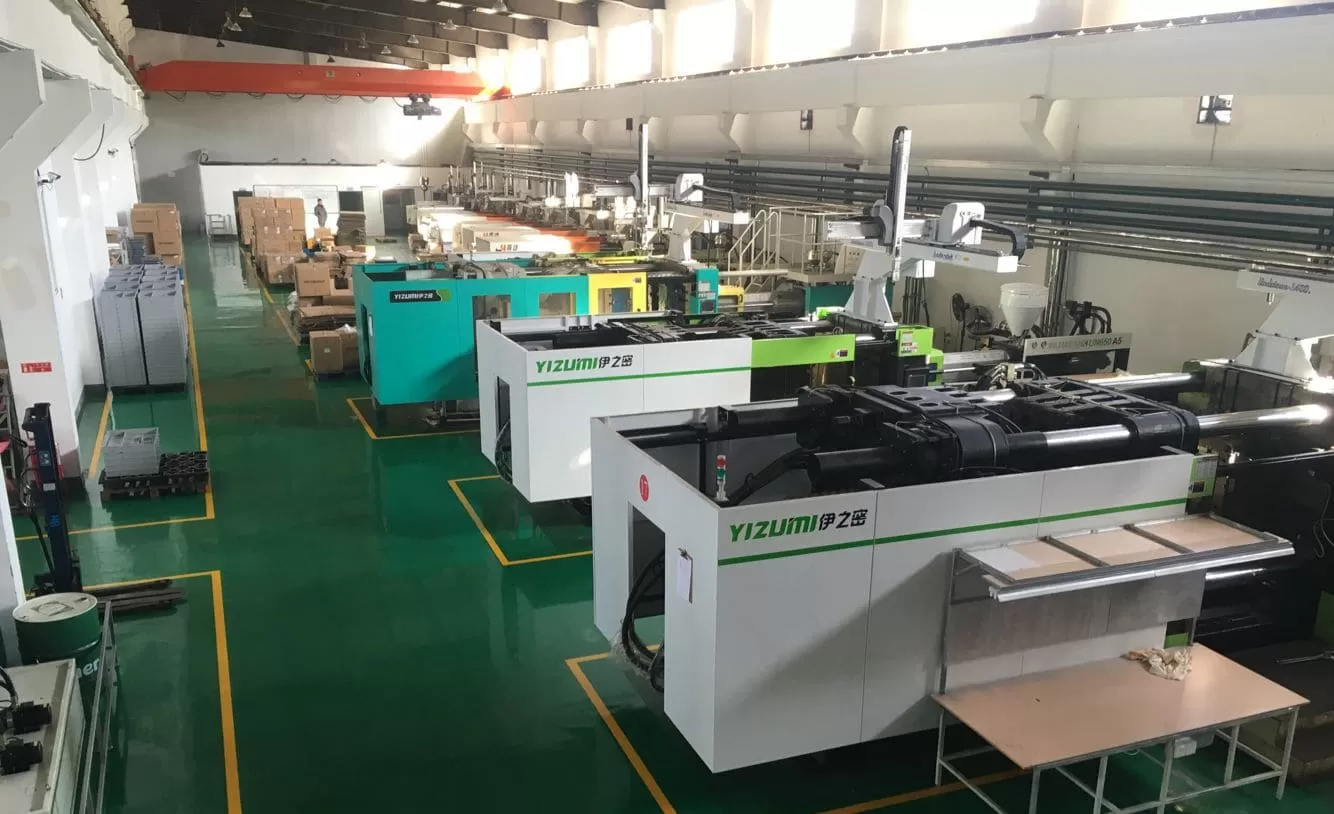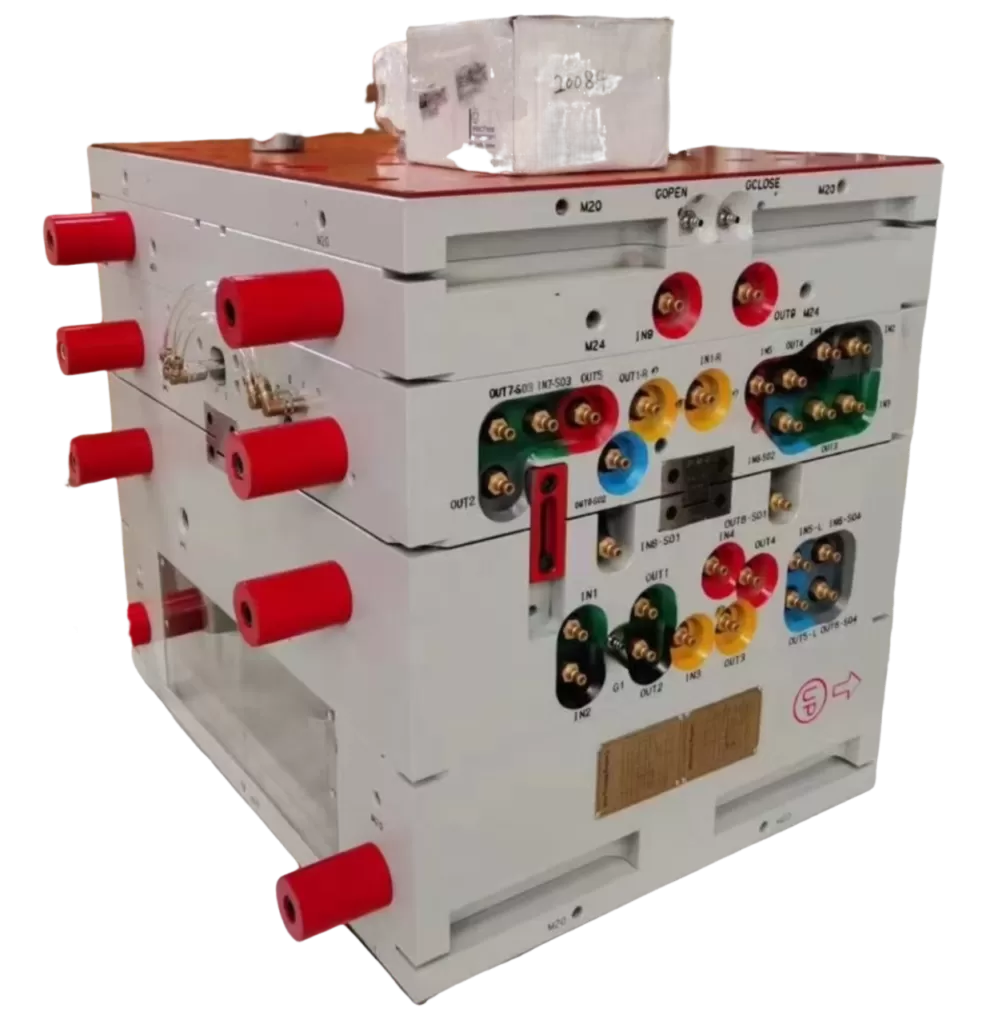
Spuitgieten is een van de energie-intensiefste productieprocessen in de fabriek. Eén hydraulische machine kan continu 30–60 kW verbruiken, waarbij het meeste energieverlies warmte wordt en geen bruikbaar product. Bij tientallen machines die dag en nacht draaien is de elektriciteitsrekening niet alleen een kostenpost — maar een concurrentienadeel. Deze gids legt uit hoe u energieverbruik verlaagt met energiezuinige machines en geoptimaliseerde procesparameters.
Bij ZetarMold volgen we maandelijks de energie-intensiteit van onze 47 machines. Tijdens productiebeoordelingen vergelijken onze engineers het aantal kWh per goedgekeurd onderdeel vóór en na machine-upgrades, parameterwijzigingen en aanpassingen aan de matrijskoeling, omdat een lager uurvermogen alleen relevant is als het de kosten per verkoopbaar onderdeel verlaagt.
- Volledig elektrische machines verbruiken 50–70% minder energie dan conventionele hydraulische machines
- Servogestuurde hydraulische systemen kunnen als retrofitoptie het energieverbruik met 30–50% verminderen
- Optimalisatie van koeltijd, cilindertemperatuur en injectiesnelheid levert cumulatieve besparingen op
- Keuzes in het matrijsontwerp (koelkanalen, wanddikte) beïnvloeden rechtstreeks de cyclustijd en het energieverbruik
- Een eenvoudige energie-audit van uw spuitgietafdeling kan binnen 30 dagen snel realiseerbare besparingen opleveren
Wat is energiezuinig spuitgieten en waarom is het belangrijk?
Energie-efficiënt spuitgieten betekent kunststofonderdelen produceren met het laagst haalbare elektriciteitsverbruik per kilogram goedgekeurde output. Het is niet één dure machineaankoop, maar een beheerst bedrijfssysteem dat machineselectie, spuitgietprocesparameters, matrijsontwerp, hulpapparatuur, uitvalbeheersing en productieplanning combineert. Het specifieke energieverbruik1 ligt doorgaans rond 0,6–2,5 kWh/kg; zelfs 10% reductie kan in een fabriek met meerdere machines maandelijks aanzienlijk besparen.
Als u leveranciers vergelijkt of inkoop voorbereidt, behandelt onze gids voor de selectie van spuitgietleveranciers de RFQ-voorbereiding, kwalificatie en commerciële risicocontroles.
Hoe verbruiken spuitgietmachines energie?
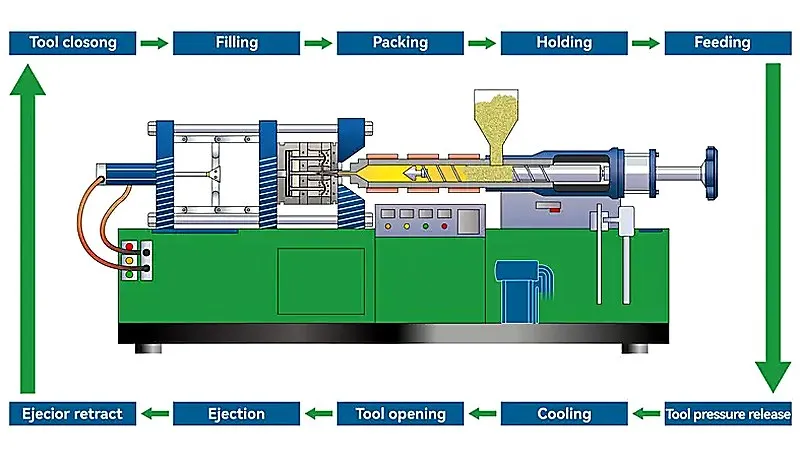
De belangrijkste energiebelastingen zijn harsverwarming, schroefbeweging, sluiten, nadruk, koeling, stationaire hydrauliek en hulpapparatuur. Bij conventionele hydraulische cellen komen de grootste vermijdbare verliezen van pompen die tussen bewegingen draaien, te grote motoren, warmteverlies uit de cilinder en lange koelcycli waarin de machine stroom verbruikt zonder waarde toe te voegen.
Plastificeren — de hars smelten met verwarmingsbanden en schroefafschuiving — is de op één na grootste verbruiker. Koeltijd vraagt relatief weinig directe energie, omdat vooral passieve warmteoverdracht naar matrijs en koelwatercircuit plaatsvindt. Langere koeltijd verlengt echter de totale injectiecyclustijd2, en dus het aantal pompuren per onderdeel.
Welk machinetype is het energiezuinigst voor spuitgieten?
De belangrijkste energiebeslissing die u neemt, is welk type machine u gebruikt. Er zijn drie hoofdcategorieën en hun energieprofielen verschillen sterk.
Conventionele hydraulische machines
Deze machines gebruiken een elektromotor met vast toerental die een hydraulische pomp aandrijft. De pomp draait ongeacht de vraag met constant toerental en overtollige hydraulische vloeistof wordt via een overdrukventiel afgevoerd — waardoor energie feitelijk als warmte verloren gaat. Typisch specifiek energieverbruik: 1.5–2.5 kWh/kg. Ze zijn goedkoop in aanschaf en kunnen zeer hoge sluitkrachten leveren (tot 4000T+), waardoor ze veel bij de productie van grote onderdelen worden gebruikt. Het energieverlies is echter inherent aan de architectuur.
Servogestuurde hydraulische machines
Deze vervangen de motor met vast toerental door een servomotor met variabel toerental die het pompvermogen aan de werkelijke vraag aanpast. Tijdens koelen of stationair draaien vertraagt of stopt de motor. Een besparing van 30–50% ten opzichte van conventionele hydraulische machines is gebruikelijk. Een servoaangedreven hydraulisch systeem3 kost aanvankelijk 15–25% meer, maar verdient zich vaak binnen 18–24 maanden terug via elektriciteitsbesparing. Voor fabrieken die hoge sluitkracht én efficiëntie nodig hebben, is dit vaak de optimale oplossing.
Volledig elektrische machines
Een volledig elektrische spuitgietmachine gebruikt geen hydrauliek maar afzonderlijke servomotoren voor injectie, sluiten, uitwerpen en schroefrotatie. Energiebesparingen van 50–70% tegenover hydraulische machines zijn goed gedocumenteerd. Ze bieden betere herhaalbaarheid (±0.01 mm positionering), schonere werking (geen hydraulische vloeistof) en minder lawaai. Nadelen zijn hogere aanschafkosten en beperkte maximale sluitkracht — meestal circa 800T, al bereiken sommige 1000T. Voor precisieonderdelen onder 500T is volledig elektrisch vrijwel altijd de beste keuze voor energie en kwaliteit.
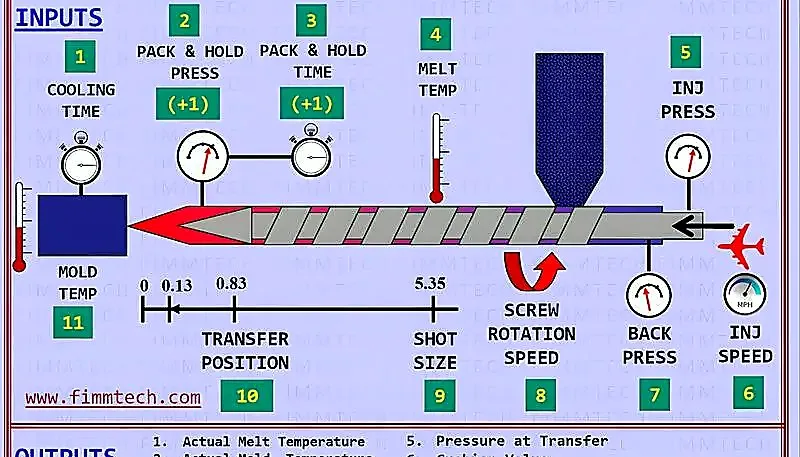
Hoe kunnen procesparameters het energieverbruik verminderen?
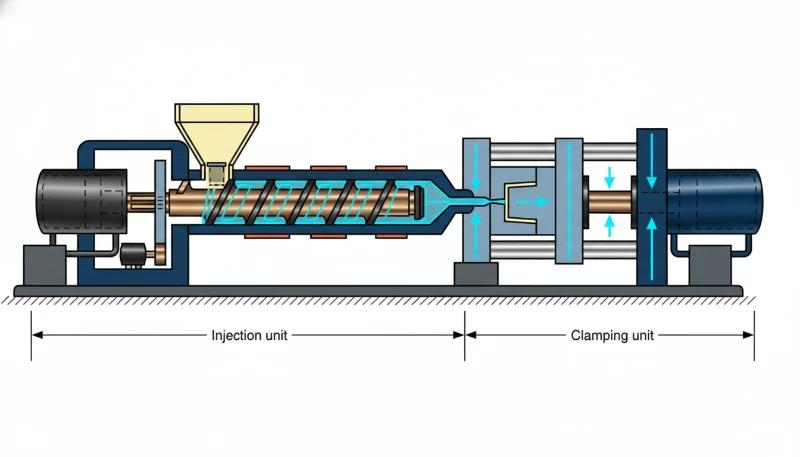
Zelfs op dezelfde machine kunnen procesparameters het energieverbruik 20–40% veranderen. Dit zijn de belangrijkste parameters en hun optimalisatie.
Optimalisatie van de cilindertemperatuur
Een hogere cilindertemperatuur dan nodig verspilt op twee manieren energie: de verwarmingsbanden nemen meer vermogen op en de extra warmte moet vervolgens tijdens het koelen weer worden afgevoerd. Stel de cilindertemperaturen in op het minimum dat nodig is voor volledige homogeniteit van de smelt. Bij de meeste technische harsen kan de temperatuur van de achterste zone 10–20°C lager worden ingesteld dan die van de midden- en voorste zones, omdat de afschuiving door de schroef achterin aanzienlijk bijdraagt aan de verwarming. We hebben vastgesteld dat een verlaging van de cilindertemperatuur met 15°C op een 200T-machine die PP-onderdelen produceert, het energieverbruik met ongeveer 8% verminderde zonder verandering in onderdeelkwaliteit.
Profilering van injectiesnelheid en -druk
Een hogere injectiesnelheid betekent niet noodzakelijk meer energie — vaak juist minder, omdat het onderdeel vult voordat een te dikke bevroren laag ontstaat, waardoor minder druk en dus energie nodig is voor navullen. Profileer de injectiesnelheid: begin snel om door de aanspuitingen te komen en vertraag voordat de matrijsholte vol is om braam en overvulling te voorkomen. Een goed afgesteld snelheidsprofiel kan de hydraulische piekvraag met 15–25% verlagen.
Verkorting van de koeltijd
Koeltijd vormt doorgaans 50–70% van de totale spuitgietcyclus. Elke seconde minder koeltijd verlaagt het energieverbruik per onderdeel evenredig. De effectiefste hefboom is de matrijstemperatuur: verlaging van de koelmiddeltemperatuur van 15°C naar 8°C kan bij veel onderdelen de koeltijd met 15–20% verkorten. Conforme koelkanalen (3D-geprint of gesinterd metaal) volgen de onderdeelcontour rechtstreeks, bieden uniformere koeling en verkorten de cyclustijd verder.
"Een verlaging van de cilindertemperatuur met 10-20°C kan het energieverbruik bij spuitgieten met 5-10% verlagen zonder de onderdeelkwaliteit te beïnvloeden."True
Lagere cilindertemperaturen verminderen het stroomverbruik van de verwarmingsbanden en verlagen de hoeveelheid warmte die tijdens het koelen moet worden afgevoerd. Onze productiegegevens bevestigen een energiebesparing van ongeveer 8% bij een verlaging van de cilindertemperatuur met 15°C voor PP-onderdelen, zonder meetbare verandering in onderdeelafmetingen, oppervlakteafwerking of mechanische eigenschappen.
"Volledig elektrische spuitgietmachines verbruiken altijd minder energie dan hydraulische machines, ongeacht onderdeelgeometrie en productievolume."False
Hoewel volledig elektrische machines gemiddeld aanzienlijk energiezuiniger zijn, kunnen voor zeer grote onderdelen met een vereiste sluitkracht boven 1000T nog steeds hydraulische machines nodig zijn. Het energievoordeel van volledig elektrische machines is het grootst bij precisieonderdelen onder 500T, waarbij de cyclustijden kort zijn en de machine een groot deel van de tijd actief vormt.
Vermindering van onbelaste tijd en stand-byverliezen
Bij hydraulische machines is de onbelaste tijd tussen cycli verrassend duur — de pomp blijft draaien. Automatische stand-bymodi (de pomp ontlasten of de motor na een ingestelde stilstandtijd uitschakelen) kunnen 5–15% van het totale energieverbruik besparen. Bij volledig elektrische machines zijn stand-byverliezen minimaal, omdat servomotoren alleen tijdens beweging stroom opnemen. Ook een productieplanning die het aantal start-stopcycli van machines beperkt, helpt, omdat het opwarmen bij de start veel energie vraagt.
Welke rol speelt matrijsontwerp bij energie-efficiëntie?
Matrijsontwerp is een onderschatte hefboom voor energie-efficiëntie. Een goed ontworpen spuitgietmatrijs verkort de cyclustijd en verlaagt direct het energieverbruik per onderdeel. Dit zijn de ontwerpbeslissingen die ertoe doen.
Ontwerp van koelkanalen
Conventioneel geboorde koelkanalen zijn rechte lijnen die complexe onderdeelgeometrieën niet kunnen volgen. Hierdoor ontstaan hete zones waar de koeling traag verloopt, wat de cyclustijd van het hele onderdeel verlengt. Conforme koelkanalen, mogelijk gemaakt door 3D-metaalprinten (DMLS/SLM), volgen de onderdeelcontour en voeren koelmiddel precies naar warmteconcentraties. Onderzoeken hebben met conforme koeling cyclustijdverkortingen van 20–40% aangetoond, wat rechtstreeks 20–40% minder energie per onderdeel betekent.
De hogere matrijskosten worden bij onderdelen met hoge productievolumes doorgaans binnen de eerste productierun terugverdiend.
Wanddikte en onderdeelgeometrie
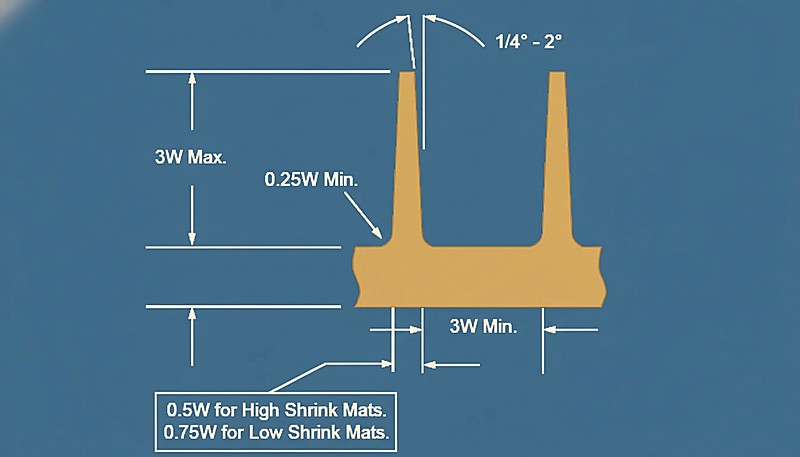
Dikkere wanden vereisen een langere koeltijd. Vanuit energieoogpunt kan elke vermindering van de nominale wanddikte met 0.5 mm de koeltijd met 10–15% verkorten. Ontwerp onderdelen met een uniforme wanddikte om plaatselijke dikke zones te vermijden die het knelpunt bij het koelen worden. Gebruik ribben en verstevigingsplaten voor stijfheid in plaats van de totale wanddikte te vergroten. Dit is een ontwerpbeslissing voor maakbaarheid die voordeel oplevert in energieverbruik, cyclustijd en materiaalkosten.
Loopwagen- en poortontwerp
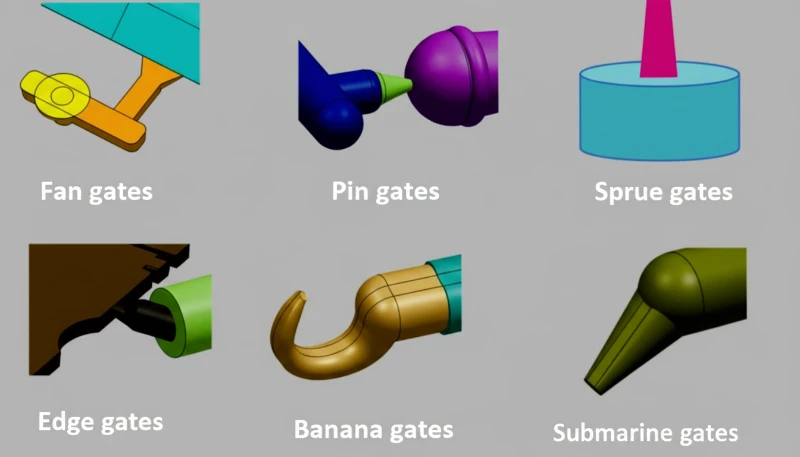
Heetkanaalsystemen voorkomen het koudkanaalafval dat conventionele matrijzen produceren en besparen doorgaans 5–15% materiaal. Ze besparen ook energie door het schotvolume te verkleinen (minder materiaal om te smelten) en maken vaak kortere cyclustijden mogelijk (geen aanspuitkanaal dat moet afkoelen en worden uitgeworpen). Bij matrijzen met meerdere holten zijn heetkanalen ondanks de hogere initiële matrijskosten vrijwel altijd de energiezuinige keuze.
In de vestiging van ZetarMold in Shanghai werken we met 47 spuitgietmachines van 90T tot 1850T, waaronder volledig elektrische en servohydraulische modellen. Nadat we drie intensief gebruikte machines hadden omgebouwd van conventionele hydrauliek naar servoaandrijving, daalden de energiekosten per onderdeel in die cellen gemiddeld met 38%. Niet alleen de machinetechnologie was bepalend: we hebben ook de procesparameters opnieuw afgesteld (lagere cilindertemperaturen en geoptimaliseerde nadrukprofielen) om de snelle servorespons volledig te benutten. Onze 8 senior engineers, elk met 10+ jaar ervaring, voerden deze parameteroptimalisatie intern uit als onderdeel van hun programma voor continue verbetering.
"Het installeren van energiemeters op elke spuitgietmachine is de essentiële eerste stap om het energieverbruik van de fabriek te verlagen."True
U kunt niet optimaliseren wat u niet meet. Vermogensmeting op machineniveau laat zien welke machines de grootste energieverbruikers zijn, kwantificeert de verhouding tussen vermogen bij stilstand en tijdens bedrijf en volgt de gevolgen van optimalisatiewijzigingen. De meeste fabrieken ontdekken dat ongeveer 20% van hun machines 50% van de totale energie verbruikt, zodat zij upgrades kunnen prioriteren waar de besparingen het grootst zijn.
"Hotrunnermatrijzen besparen in elk productiescenario altijd meer energie dan matrijzen met koude aanspuitsystemen."False
Hotrunnersystemen vereisen eigen verwarmingsbanden die continu energie verbruiken. Bij matrijzen met weinig caviteiten en korte productieruns kan het energieverbruik van de hotrunnerverwarming groter zijn dan de besparing door een kleiner shotgewicht en kortere cycli. Hotrunners zijn het energie-efficiëntst bij grootschalige productie met meerdere caviteiten, waar materiaal- en cyclustijdbesparingen zich over miljoenen shots opstapelen.
Hoe meet en bewaakt u het energieverbruik bij spuitgieten?
Het energieverbruik wordt gemeten door per machine kWh per cyclus, kWh per kilogram en kWh per goedgekeurd onderdeel te volgen. Een praktische bewakingsopstelling combineert hoofdenergiemeters, machinecyclusgegevens, afkeuraantallen en productievolume, zodat het team procesverspilling van de normale machinebelasting kan onderscheiden.
Dosering op machineniveau
Installeer opklembare of deelbare vermogensmeters op de hoofdvoeding van elke machine. Moderne meters kosten USD 200-500 per machine en leveren realtimegegevens over kW, kWh en arbeidsfactor. Voer deze gegevens in uw MES of een eenvoudig dashboard in. We raden aan het piekvermogen tijdens injectie, het gemiddelde vermogen per cyclus en het nullastvermogen tussen cycli te volgen. Als het nullastvermogen van een hydraulische machine hoger is dan 30% van het actieve vermogen, is er ruimte om de stand-bystand te optimaliseren.
Benchmarking met de energie-intensiteitsindex
Bereken maandelijks uw energie-intensiteitsindex: het totale elektriciteitsverbruik van de fabriek (kWh) gedeeld door de totale productie (kg goede onderdelen). Volg de ontwikkeling en vergelijk met sectorgemiddelden. Een goed geoptimaliseerde volledig elektrische fabriek kan 0.5–0.8 kWh/kg halen, terwijl een conventionele hydraulische fabriek vaak 1.5–2.5 kWh/kg verbruikt. Wij volgen deze maatstaf op onze eigen productievloer in Shanghai; hij toont direct welke machines of ploegen onderpresteren. Het verschil met de best-in-classbenchmark is uw besparingspotentieel.
Wat is de ROI van energiezuinig spuitgieten?
De ROI van energiezuinig spuitgieten is de terugverdientijd op basis van elektriciteitsbesparing ten opzichte van de kosten voor modernisering of retrofit. De beste terugverdientijd wordt doorgaans behaald bij machines met een hoge bezettingsgraad, energie-intensieve materialen, onderdelen met lange cycli en oudere hydraulische persen met een hoog stationair vermogen.
ROI van machine-upgrade
De overstap van een conventionele hydraulische naar een servohydraulische machine bij een pers van 200T die 6000 uur per jaar draait, bespaart doorgaans $8,000–15,000 per jaar aan elektriciteit (uitgaande van $0.10/kWh). De meerprijs van $15,000–25,000 voor de upgrade wordt in 18–24 maanden terugverdiend. Een volledig elektrische machine voor dezelfde toepassing bespaart $12,000–22,000 per jaar, maar kost vooraf $40,000–80,000 meer, wat een terugverdientijd van 2–4 jaar oplevert. Bij machines met een hoge benuttingsgraad (80%+) is de terugverdientijd nog korter.
ROI van procesoptimalisatie
Procesoptimalisatie — het afstellen van cilindertemperaturen, injectieprofielen en koelparameters — kost alleen engineeringtijd. Een ervaren procesengineer kan doorgaans binnen 1-2 dagen gericht optimalisatiewerk een energiebesparing van 10-20% op een machine vaststellen en realiseren. Als u 20 machines hebt die elk USD 20,000/jaar aan elektriciteit verbruiken, bespaart een gemiddelde reductie van 15% jaarlijks USD 60,000 bij vrijwel nul kapitaalkosten. Tijdens onze productiebeoordelingen benchmarken onze engineers het aantal kWh per goedgekeurd onderdeel vóór en na elke parameterwijziging, zodat de besparing gekoppeld is aan voor uitval gecorrigeerde output en niet alleen aan het stationaire machinevermogen.
ROI van matrijsontwerp
Investeren in conforme koelkanalen verhoogt de matrijskosten met 15-30%, maar kan de cyclustijd met 20-40% verkorten. Voor een onderdeel dat 500,000 cycli per jaar draait tegen totale kosten van USD 0.50 per cyclus, bespaart een verkorting van de cyclustijd met 30% ongeveer USD 75,000 per jaar. De meerprijs van USD 5,000-15,000 voor de matrijs kan bij productie in grote volumes binnen 1-3 maanden worden terugverdiend. Zelfs bij middelgrote volumes rechtvaardigen de gecombineerde besparingen op energie, machinetijd en arbeid doorgaans de investering.
Veelgestelde vragen
Wat is het meest energiezuinige type spuitgietmachine?
Het energieverbruik varieert sterk per machinegrootte, type en bedrijfsomstandigheden. Een volledig elektrische machine van 100T verbruikt doorgaans 5–10 kWh per hour, terwijl een conventionele hydraulische machine van 500T tijdens actieve productie 40–80 kWh kan verbruiken. Servohydraulische machines zitten daartussenin en verbruiken doorgaans 30–50% minder dan conventionele hydraulische machines met hetzelfde tonnage. De nuttigste vergelijkingsmaatstaf is het specifieke energieverbruik, gemeten in kWh per kilogram geproduceerde onderdelen, waarmee machines, materialen en onderdeelgeometrieën ongeacht de machinegrootte rechtstreeks kunnen worden vergeleken.
Hoeveel energie verbruikt een spuitgietmachine per uur?
Een volledig elektrische machine van 100 ton verbruikt tijdens productie vaak circa 5 tot 10 kWh per uur; een conventionele hydraulische machine van 500 ton kan onder belasting circa 40 tot 80 kWh verbruiken. De betere vergelijkingsmaat is kWh per kilogram goedgekeurde onderdelen, omdat onderdeelgewicht, cyclustijd, aantal holten, uitval en stilstand het uurverbruik beïnvloeden. Vraag leveranciers voor inkoopbeslissingen om gemeten energiegegevens van een vergelijkbaar onderdeel in plaats van alleen catalogusvermogen. Zo vergelijken inkoop-, gereedschaps- en productieteams opties op dezelfde gemeten basis.
Kunt u een bestaande hydraulische machine achteraf energiezuiniger maken?
Ja. Veelvoorkomende upgrades voor hydraulische machines zijn servopompaandrijvingen, isolatiedekens voor de cilinder, regeling van stand-bypompen, vermindering van hydraulische lekkage en betere koelwaterregeling. Servopomp-upgrades verlagen het energiegebruik vaak met 30 tot 50 procent, maar de terugverdientijd hangt af van machine-tonnage, benutting, elektriciteitsprijs en stilstand in het huidige proces. Begin met één intensief gebruikte machine, meet voor en na de upgrade en schaal het plan pas daarna naar vergelijkbare persen. Deze context helpt inkoop-, gereedschaps- en productieteams opties op dezelfde gemeten basis te vergelijken.
Heeft het matrijsontwerp een grote invloed op het energieverbruik bij spuitgieten?
Het matrijsontwerp beïnvloedt het energieverbruik sterk, omdat het de koeltijd, drukbehoefte, shotgrootte en het afvalrisico bepaalt. Betere koelkanalen, gebalanceerde vulling, uniforme wanddikte en hotrunnerindelingen kunnen cyclustijd en materiaalafval verminderen. Daardoor daalt het aantal kWh per goedgekeurd onderdeel zonder de spuitgietmachine te wijzigen. Een slecht gekoelde matrijs op een efficiënte machine kan nog steeds energie verspillen, terwijl een goed ontworpen matrijs vaak zowel de elektriciteitskosten als de onderdeelconsistentie verbetert. Deze context helpt inkoop-, gereedschaps- en productieteams opties op dezelfde gemeten basis te vergelijken.
Hoe berekent u de energiekosten per spuitgegoten onderdeel?
Bereken de energiekosten per onderdeel door het aantal kWh per cyclus te meten, dit te delen door het aantal goedgekeurde onderdelen per shot en te vermenigvuldigen met het elektriciteitstarief. Zo is 0.15 kWh per cyclus met een matrijs met 4 caviteiten gelijk aan 0.0375 kWh per onderdeel; bij 0.12 USD per kWh bedragen de energiekosten circa 0.0045 USD per onderdeel. Registreer afkeur afzonderlijk, want uitval verhoogt de werkelijke energiekosten van elk verkoopbaar onderdeel. Deze extra context helpt inkoop-, gereedschaps- en productieteams opties op basis van dezelfde gemeten uitgangswaarde te vergelijken.
Wat is de gebruikelijke terugverdientijd van energiezuinige spuitgietapparatuur?
De gebruikelijke terugverdientijd varieert van 12 tot 36 maanden voor intensief gebruikte servo-hydraulische upgrades en is langer voor weinig gebruikte machines. De snelste terugverdientijd wordt doorgaans behaald bij machines die twee of drie ploegen draaien, onderdelen met lange koelcycli en processen met een hoog hydraulisch vermogen tijdens stilstand. Neem besparingen op onderhoud, een lagere koelbehoefte en lagere piekvermogenskosten mee in de berekening, maar verifieer het resultaat met gemeten energiegegevens van de uitgangssituatie voordat u nieuwe apparatuur koopt. Deze extra context helpt inkoop-, gereedschaps- en productieteams opties te vergelijken op basis van dezelfde gemeten uitgangssituatie.
Hoe beïnvloedt de injectiesnelheid het energieverbruik bij spuitgieten?
De injectiesnelheid beïnvloedt het energieverbruik via de drukbehoefte, vulstabiliteit, afschuifverwarming en totale cyclustijd. Een snellere, beheerste vulling kan de aangroei van de gestolde laag verminderen en de nadruk- of koelfase verkorten, maar een te hoge snelheid veroorzaakt braam, brandplekken of overvulling. Het beste profiel is doorgaans getrapt: snel door dunne secties en vervolgens langzamer wanneer de caviteit bijna vol is. Valideer de instelling aan de hand van het onderdeelgewicht, de afmetingen, visuele defecten en gegevens van een vermogensmeter in plaats van alleen de kortste cyclustijd na te streven. Deze extra context helpt inkoop-, matrijs- en productieteams opties te vergelijken op basis van dezelfde gemeten uitgangssituatie.
Welk percentage van de energie bij spuitgieten wordt tijdens stilstand verspild?
Stilstand kan bij conventionele hydraulische machines een groot deel van de elektriciteit verspillen, omdat de pompen blijven draaien wanneer er geen onderdeel wordt geproduceerd. Als een machine 30 procent van de dienst stationair draait, kunnen stand-byverliezen meer dan 10 procent van het totale energieverbruik vertegenwoordigen. Servoaandrijvingen en automatische stand-bymodi beperken deze verspilling, maar ook een gedisciplineerde planning is van belang. Groepeer vergelijkbare opdrachten, verkort wachttijden voor operators of materiaal en schakel randapparatuur tijdens geplande pauzes uit. Deze extra context helpt inkoop-, matrijzenbouw- en productieteams opties op basis van dezelfde gemeten uitgangssituatie te vergelijken.
specifiek energieverbruik: SEC meet het aantal kilowattuur dat nodig is om één kilogram spuitgietonderdelen te produceren, berekend als de totale machine-energie gedeeld door het totale onderdeelgewicht. ↩
injectiecyclustijd: de totale verstreken tijd van het sluiten tot het openen van de matrijs voor één productieshot, inclusief injecteren, nadrukken, koelen en uitwerpen. ↩
servoaangedreven hydraulisch systeem: gebruikt een servomotor met variabel toerental om het hydraulische pompvermogen te regelen en debiet en druk aan de werkelijke vraag aan te passen, in plaats van constant te draaien. ↩