Het controleren van het productiebewijs van een leverancier van spuitgieten1 is de belangrijkste stap vóór het ondertekenen van een productiecontract. In de ruim 20 jaar dat ik in onze fabriek in Shanghai werk, heb ik buitenlandse inkopers zescijferige aanbetalingen zien verliezen doordat ze op een professionele website vertrouwden in plaats van echte documentatie op te vragen. Deze gids legt precies uit welk productiebewijs u moet aanvragen, hoe u dit beoordeelt en op welke waarschuwingssignalen u moet letten bij het evalueren van een spuitgietleverancier voor productie in het buitenland.
- Vraag altijd om ISO 9001 en branchespecifieke certificeringen voordat u een aanbetaling doet
- Machinelijsten met tonnagebereiken bewijzen werkelijke productiecapaciteit, niet alleen brochures
- FAI-rapporten valideren de maatnauwkeurigheid vóór massaproductie
- Materiaalcertificaten bevestigen dat u de betaalde harskwaliteit ontvangt
- Documenten over gereedschapseigendom voorkomen geschillen als u later van leverancier wisselt
Waarom productiebewijs belangrijk is bij de beoordeling van spuitgietleveranciers
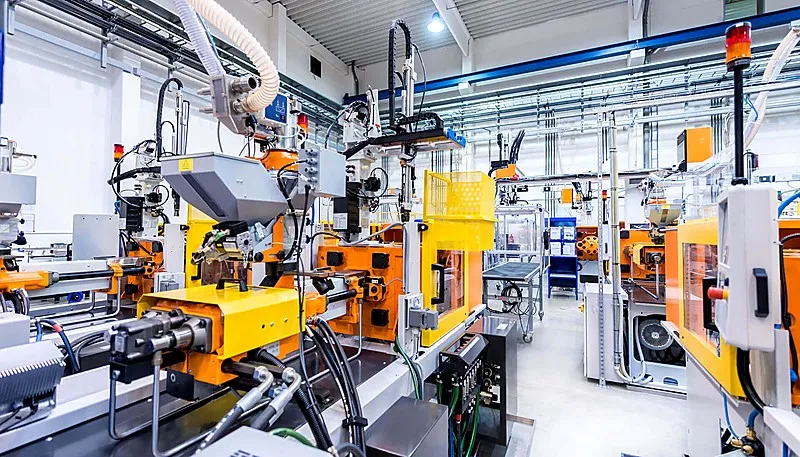
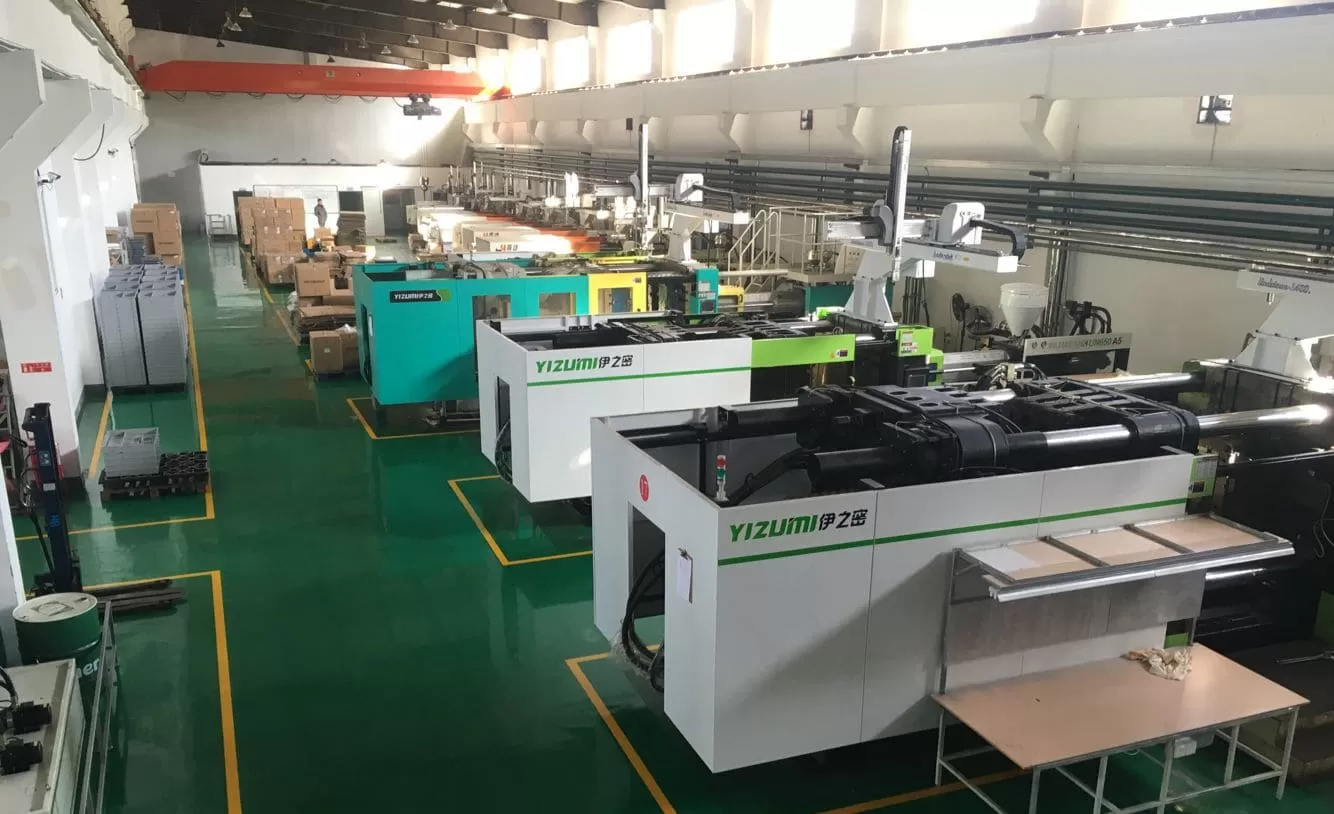
Productiebewijs van een leverancier is het documentatiespoor dat aantoont dat deze werkelijk kan wat hij beweert. In onze fabriek in Shanghai staan 47 spuitgietmachines van 90T tot 1850T, elk met onderhoudslogboeken, capaciteitsgegevens en procesregistraties. Kan een leverancier vergelijkbare documentatie niet overleggen, dan koopt u niet bij een fabrikant maar bij een tussenpersoon met een website.
Voor een breder overzicht behandelt onze complete gids voor spuitgieten de basisprincipes van het proces, het materiaalgedrag en productiebeslissingen.
Het risico is niet theoretisch. Ik heb zelf gezien hoe inkopers aanbetalingen overmaakten aan bedrijven die handelsbedrijven zonder eigen fabriek bleken te zijn. Ze hadden prachtige websites, professionele verkooppresentaties en brachten snel offertes uit. Maar toen er precisieonderdelen via spuitgieten moesten worden geproduceerd, wisselde de kwaliteit en liep de planning maanden uit. Een goede controle van het productiebewijs had dit in één middag aan het licht gebracht.
Hier is een korte checklist van de zeven categorieën productiebewijs die elke buitenlandse inkoper vóór toezegging van een spuitgietleverancier moet opvragen:
De zeven categorieën zijn: certificeringsdocumenten (ISO en branchespecifiek), machine- en apparatuurlijsten met specificaties, kwaliteitscontroleregistraties en inspectieprocedures, materiaaltest- en conformiteitsdocumentatie, rapporten van de Eerste-artikelinspectie2, registraties van gereedschapseigendom en matrijsonderhoud, en productie- en batchtraceerbaarheidsgegevens.
Welke certificeringen moet u van een spuitgietleverancier vragen?
De minimaal vereiste certificering is ISO 90013, aangevuld met branchespecifieke normen. Een legitieme spuitgietleverancier moet ten minste ISO 9001 hebben als basiskwaliteitsmanagementnorm. Veel leveranciers beschikken daarnaast over ISO 13485 voor medische hulpmiddelen, ISO 14001 voor milieumanagement of ISO 45001 voor gezond en veilig werken.
In onze fabriek in Shanghai werken we gelijktijdig volgens ISO 9001, ISO 13485, ISO 14001 en ISO 45001. Wanneer een koper om bewijs vraagt, sturen we gescande kopieën met zichtbare afgifte- en vervaldatums. Als een leverancier aarzelt of een wazige foto van een certificaat stuurt waarop de datum is afgesneden, is dat een ernstig waarschuwingssignaal.
Vraag naast ISO of de leverancier branchespecifieke certificeringen heeft die relevant zijn voor uw product. Auto-onderdelen kunnen IATF 16949 vereisen. Medische hulpmiddelen hebben FDA-registratie of CE-markering nodig. Consumentenelektronica kan UL-materiaalcertificeringen vereisen. De specifieke certificeringen tonen voor welke productieomgevingen de leverancier daadwerkelijk is gekwalificeerd, niet alleen wat op de website wordt beweerd.
Essentiële certificeringen: ISO 9001 is de verplichte basis, ISO 13485 geldt voor medische componenten, IATF 16949 voor auto-onderdelen, UL- of RoHS-conformiteit voor elektronica en REACH-conformiteit voor levering aan de EU.
Hoe verifieert u de machinecapaciteit en mogelijkheden van de apparatuur?
Vraag eerst om een volledige machinelijst met sluitkrachtklassen en merknamen. Een leverancier die beweert uw ABS-behuizing van 1500g te kunnen produceren, heeft minimaal een 650T-machine nodig; als de machinelijst bij 300T eindigt, kan hij uw onderdeel fysiek niet spuitgieten zonder het uit te besteden.
In onze fabriek draaien 47 spuitgietmachines van 90T tot 1850T. Bij een verzoek om apparatuurbewijs leveren we een spreadsheet met per machine tonnage, fabrikant (Haitian, ENGEL, KraussMaffei), sluittype en shotcapaciteit. Dit kost vijf minuten en toont direct dat we over de juiste apparatuur beschikken.
Wees kritisch als een leverancier een algemene brochure stuurt in plaats van een actuele machinelijst. Brochures tonen welke machines een merk aanbiedt, niet welke machines daadwerkelijk bij de leverancier staan. Vraag om foto’s van de aanwezige apparatuur met zichtbare serienummerplaten, of vraag om een live videorondleiding door de fabriek.
In onze fabriek in Shanghai gebruiken we 47 spuitgietmachines van 90T tot 1850T. Elke machine heeft een eigen procesparameterblad en onderhoudslogboek. Bij apparatuurverificatie door buitenlandse inkopers leveren we het werkelijke machineregister, geen gedownloade cataloguspagina.
Welke kwaliteitscontrolegegevens moet u beoordelen?
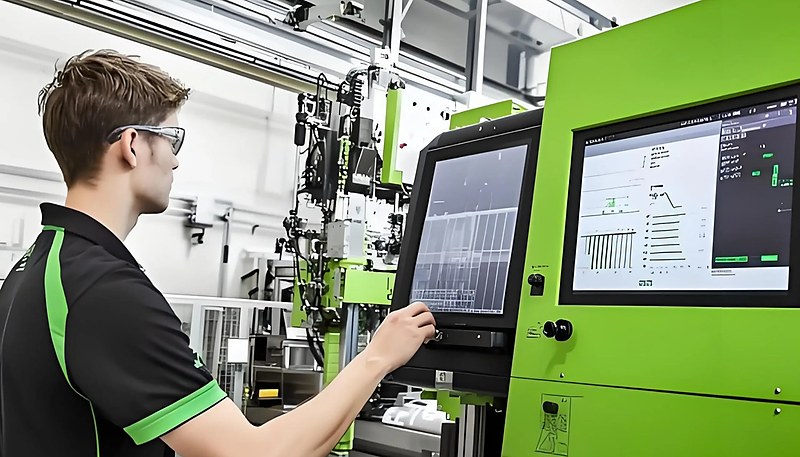
Kwaliteitscontroleregistraties maken het verschil tussen een leverancier die defecten onderschept en een die ze verzendt. Vraag minimaal om: registraties van tussentijdse inspecties (IPC-grafieken), eindinspectierapporten (FQIR), gegevens van statistische procesbeheersing (SPC) en afwijkingsrapporten (NCR) met corrigerende maatregelen.
Ons kwaliteitsteam bestaat uit meer dan 10 QC-specialisten die voor elke productierun gedetailleerde inspectielogboeken bijhouden. Bij een fabrieksaudit kan een buitenlandse inkoper willekeurig een batchregistratie uit de afgelopen twee jaar opvragen en die herleiden tot de specifieke machine, operator, materiaalbatch en gebruikte spuitgietmatrijs. Dat traceerbaarheidsniveau mag u van elke legitieme leverancier verwachten.
Let goed op hoe een leverancier defecten afhandelt. Vraag om een echt afwijkingsrapport — geen sjabloon. Controleer: wat was het defect, wanneer werd het ontdekt, hoeveel onderdelen waren getroffen, wat was de hoofdoorzaak en welke corrigerende maatregel is uitgevoerd? Een leverancier zonder NCRs is niet defectvrij; hij registreert ze alleen niet.
"Het beoordelen van de afwijkingsrapporten van een leverancier voordat u een bestelling plaatst, is een standaard due-diligencepraktijk die legitieme fabrieken verwachten."True
Waar. Professionele fabrikanten houden NCR-logboeken bij als onderdeel van hun kwaliteitssysteem en delen deze standaard met gekwalificeerde potentiële klanten. Als een leverancier dit als een ongebruikelijk verzoek beschouwt, duidt dat op zwakke of ontbrekende kwaliteitsdocumentatie.
"Een leverancier zonder afwijkingsrapporten is de veiligste keuze voor buitenlandse inkopers."False
Onjuist. Elke echte fabriek produceert af en toe defecten. Nul NCR's betekent doorgaans dat ze niet worden gedocumenteerd — een groter risico dan enkele gedocumenteerde defecten met corrigerende maatregelen.
Hoe valideert u materiaaltests en conformiteitsdocumentatie?
Materiaalfraude is een van de meest voorkomende problemen bij overzeese productie. U specificeert ABS LG HF380 en de leverancier stapt stilletjes over op een goedkoper generiek merk met een slechtere slagvastheid. De onderdelen zien er identiek uit, totdat ze in de praktijk falen. Vraag daarom voor elke materiaallevering altijd om een analysecertificaat (CoA) of conformiteitscertificaat (CoC).
Ons team heeft gedurende twee decennia met meer dan 400+ kunststofmaterialen gewerkt. Wanneer we een materiaalpartij certificeren, bevat de CoA: harskwaliteit, partijnummer, testresultaat van de smeltvloei-index, treksterktegegevens en het materiaalcertificaat van de leverancier. Als een inkoper verificatie door een extern laboratorium (SGS, Intertek) vraagt, faciliteren we dat ook — het beschermt beide partijen.
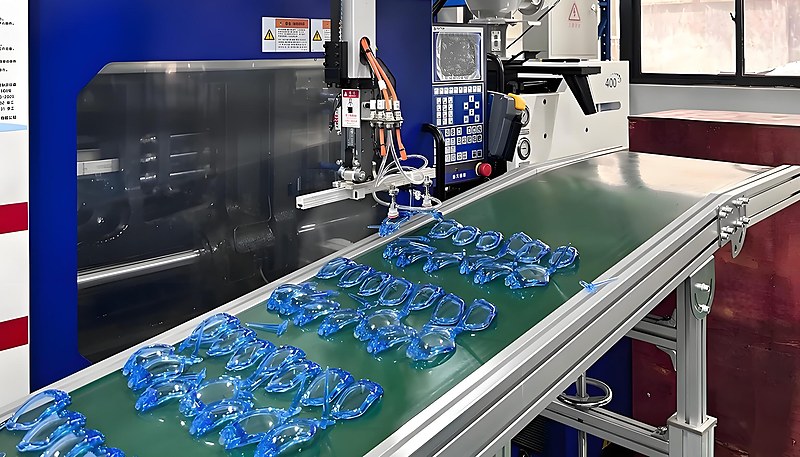
Belangrijke materiaaldocumenten om op te vragen: CoA/CoC voor elke partij hars, veiligheidsinformatiebladen (MSDS), RoHS-conformiteitsrapporten bij verzending naar de EU, REACH SVHC-verklaringen en FDA-conformiteitsbrieven voor toepassingen met voedselcontact. Kan de leverancier deze niet verstrekken, dan hebt u geen bewijs dat het materiaal in uw onderdelen overeenkomt met waarvoor u hebt betaald.
Wat is First Article Inspection en waarom is dit belangrijk voor buitenlandse kopers?
First Article Inspection (FAI) is een volledige dimensionale en functionele controle van de eerste onderdelen die uit een nieuwe of gewijzigde matrijs worden geproduceerd. Deze toont aan dat de matrijs correct is gebouwd en dat het proces onderdelen binnen tolerantie kan produceren. Geef nooit toestemming voor massaproductie zonder een goedgekeurd FAI-rapport — dit is het belangrijkste bewijsdocument voor productie in het hele proces.
Een correct FAI-rapport omvat: CMM-gegevens (coördinatenmeetmachine) voor elke kritische maat, vergelijking met tekeningtoleranties inclusief goed-/afkeurstatus, materiaalverificatie, resultaten van kleurafstemming en gewichtsmeting. Onze 8 senior engineers beoordelen elke FAI voordat een matrijs voor productie wordt vrijgegeven. Als een maat buiten tolerantie ligt, corrigeren we eerst de matrijs — niet het inspectierapport.
Voor buitenlandse inkopers is de FAI het go/no-go-beslismoment. Controleer het rapport zorgvuldig: liggen de werkelijke afmetingen binnen de toleranties van uw tekening? Zijn er afwijkingen gemarkeerd? Heeft de leverancier corrigerende maatregelen voorgesteld voor afmetingen buiten tolerantie? Als de FAI problemen aantoont en de leverancier toch wil doorgaan, beëindig dan de samenwerking.
"Het opvragen van materiaalcertificaten voor elke harslevering is een standaardpraktijk die bonafide spuitgietleveranciers verwachten en direct ondersteunen."True
Juist. Professionele fabrikanten bewaren CoA-/CoC-registraties als onderdeel van hun standaardkwaliteitssysteem. Als een leverancier dit als een ongebruikelijk of belastend verzoek behandelt, wijst dat op zwakke kwaliteitscontroles.
"Alleen een ISO 9001-certificering garandeert een constante productkwaliteit in elke productiebatch."False
Onjuist. ISO 9001 bewijst dat er op papier een kwaliteitsmanagementsysteem bestaat, maar garandeert niet dat elke batch aan uw specificaties voldoet. U hebt nog steeds ingangscontrole, SPC-bewaking en periodieke herkwalificatie nodig om een blijvend consistente kwaliteit te waarborgen.
Hoe beoordeel ik gereedschapseigendom en matrijzenonderhoudsregistraties?
Gereedschapseigendom is het meest juridisch gevoelige onderwerp in buitenlandse productie. Als uw contract niet expliciet vermeldt dat u eigenaar bent van de matrijs, kan de leverancier deze wettelijk behouden en gebruiken om onderdelen voor uw concurrenten te produceren. Vraag, voordat u voor gereedschap betaalt, een gereedschapseigendomsakkoord aan dat specificeert: de matrijs behoort toe aan de koper, de leverancier mag deze niet voor andere klanten gebruiken en de koper kan de matrijs op elk moment terughalen.
Met onze interne matrijzenproductiecapaciteit — die meer dan 100 matrijzensets per maand ondersteunt — houden we gedetailleerde onderhoudsregistraties bij voor elk gereedschap dat we bouwen. Elke matrijs heeft een onderhoudslogboek dat bijhoudt: schoten sinds de laatste service, vervangen slijtonderdelen, schoonmaakdata en eventuele dimensionale aanpassingen. Een goed onderhouden matrijs kan miljoenen onderdelen produceren; een verwaarloosde matrijs begeeft het bij 50.000.
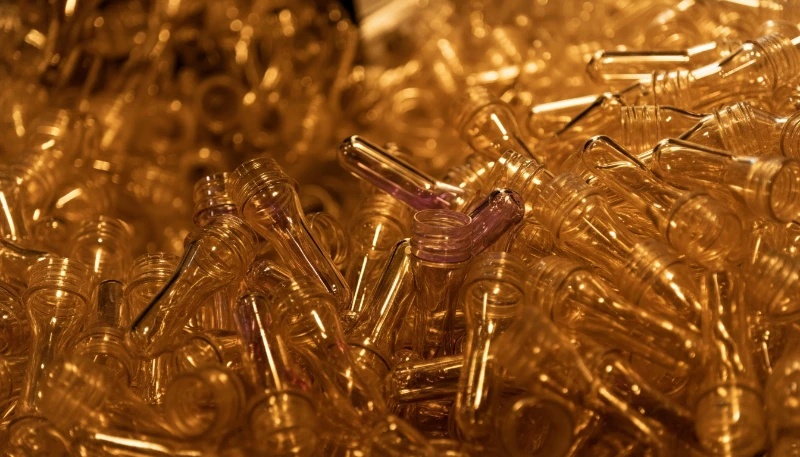
Bewijs van matrijzenonderhoud om aan te vragen: preventief onderhoudsschema, reparatiegeschiedenislogboek, registratie van onderdeelvervangingen (hotrunner-spuitmonden, uitstootpennen, afdichtingen) en tracking van het aantal schoten. Als een leverancier niet kan vertellen hoeveel cycli een matrijs heeft gedraaid, houden ze de gereedschapslevensduur niet bij — en u bent degene die betaalt voor voortijdige gereedschapsuitval.
Welke productietraceerbaarheidsdocumenten moeten leveranciers bijhouden?
Productietraceerbaarheid betekent dat elk onderdeel kan worden teruggevoerd naar de grondstoffenbatch, productiedatum, machine, operator en procesparameters. Dit is niet optioneel voor gereguleerde industrieën — het is een wettelijke vereiste. Voor niet-gereguleerde producten is het nog steeds de beste indicator van een goed geleide fabriek.
In onze fabriek in Shanghai volgen onze 120+ productiemedewerkers een gedocumenteerd proces voor elke productierun: materiaalbatch wordt geregistreerd op de productieorder, procesparameters (smelttemperatuur, injectiedruk, koeltijd) worden bij de start gelogd, operator-ID en ploeg worden geregistreerd, en kwaliteitscontroles krijgen een tijdstempel tijdens de run. Onze 30+ Engelssprekende projectmanagers vertalen deze registraties voor buitenlandse kopers die volledige traceerbaarheidsdocumentatie nodig hebben.
Belangrijke traceerbaarheidsdocumenten: productieorders/reisbiljetten, materiaalpartijlogboeken, procesparameterregistraties, operator-aftekenlogboeken en batchvrijgavecertificaten. Als een leverancier tijdens de auditfase geen traceerbaarheid kan leveren voor een steekproefbatch, zullen ze die na het plaatsen van uw order niet op magische wijze ontwikkelen.
Met meer dan 120 productiemedewerkers, meer dan 10 QC-specialisten en meer dan 30 Engelssprekende projectmanagers houdt onze fabriek in Shanghai volledige traceerbaarheid bij voor elke productierun. Buitenlandse kopers ontvangen vertaalde batchregistraties inclusief materiaalpartijen, procesparameters en kwaliteitsaftekeningen — niet alleen een verzendfactuur.
Veelgestelde vragen
Veelgestelde vragen
Welke documenten moet ik aanvragen voordat ik een aanbetaling plaats bij een spuitgietleverancier?
Vraag voordat u een aanbetaling doet om kopieën van de ISO 9001-certificering met zichtbare data, een lijst van machineapparatuur met tonnageclassificaties, een voorbeeld-FAI-rapport van een eerder project, materiaal-CoA-sjablonen en een sjabloon voor een gereedschapseigendomsovereenkomst. Als de leverancier deze vijf documenten niet binnen 48 uur kan verstrekken, beschouw dit dan als een ernstig waarschuwingssignaal. Legitieme fabrikanten hebben deze gereed omdat professionele kopers er regelmatig om vragen. Vraag ook om een sjabloon voor een non-conformiteitsrapport zodat u kunt zien hoe zij kwaliteitsproblemen documenteren.
Hoe kan ik verifiëren of een leverancier daadwerkelijk eigenaar is van zijn machines?
Vraag een machinelijst met serienummers, merknamen en tonnagespecificaties, en vraag vervolgens om foto’s van de werkelijke apparatuur met zichtbare serienummerplaatjes. Voor sterkere verificatie plant u een live videorondleiding door de fabriek in of huurt u een inspectiedienst van derden in de leveranciersregio. Een handelsmaatschappij zal meestal excuses maken of een fabriek tonen die niet overeenkomt met hun beweerde adres. U kunt ook het fabrieksadres op Google Maps controleren en nagaan of de omvang van de fabriek overeenkomt met het beweerde aantal machines.
Wat is het verschil tussen een CoA en een CoC voor kunststofmaterialen?
Een Analyse Certificaat (CoA) biedt specifieke testgegevens voor een materiaalbatch, inclusief smeltstroomindex, treksterkte en slagvastheidswaarden gemeten in een laboratorium. Een Conformiteitscertificaat (CoC) stelt simpelweg dat het materiaal aan een genoemde specificatie voldoet zonder daadwerkelijke testgegevens te verstrekken. Vraag altijd de CoA aan wanneer materiaalprestaties cruciaal zijn voor de veiligheid of eindgebruiksfunctie van uw product. De CoC alleen geeft u geen mogelijkheid tot verhaal als het materiaal faalt omdat er geen meetbare gegevens in staan om te vergelijken.
Moet ik een audit ter plaatse uitvoeren voordat ik een spuitgietleverancier selecteer?
Voor grootschalige of gereguleerde productie wordt een audit ter plaatse sterk aanbevolen en is vaak vereist volgens industriestandaarden. Voor projecten met een lager risico kan een virtuele audit via een live videorondleiding gecombineerd met grondige documentverificatie voldoende zijn voor initiële kwalificatie. Controleer tijdens de audit op schone fabrieksomstandigheden, georganiseerde materiaalopslag met juiste etikettering, gekalibreerde meetapparatuur met actuele kalibratiestickers, gedocumenteerde processen die op de productievloer worden gevolgd, en opgeleide operators die de kwaliteitsprocedures voor de lijn die zij bedienen duidelijk kunnen uitleggen.
Wat gebeurt er als mijn leverancier weigert een gereedschapseigendomsakkoord te ondertekenen?
Als een leverancier weigert een gereedschapseigendomsakkoord te ondertekenen, zoek dan onmiddellijk een andere leverancier. Zonder dit document kan de leverancier wettelijk uw matrijs behouden, identieke onderdelen voor uw concurrenten produceren of een aanzienlijke vrijgavevergoeding vragen om uw eigen gereedschap terug te krijgen. Dit is een van de meest voorkomende en kostbare geschillen in buitenlandse productie, en het is volledig te voorkomen met een eenvoudige contractclausule die wordt ondertekend voor de eerste aanbetaling. Een gerenommeerde spuitgietleverancier zal altijd zonder aarzeling of weerstand instemmen met standaardvoorwaarden voor gereedschapseigendom.
Hoe vaak moeten onderhoudsregistraties voor mallen worden bijgewerkt?
Onderhoudsregistraties voor mallen moeten worden bijgewerkt na elke preventieve onderhoudscyclus, meestal elke 50.000 tot 100.000 shots afhankelijk van het materiaal en de complexiteit van het onderdeel. Een goed onderhouden mal omvat shot-telling, vervangingsschema’s voor slijtonderdelen en schoonmaaklogboeken die overeenkomen met de werkelijke productiegeschiedenis van uw onderdelen. Als een leverancier deze gegevens niet kan verstrekken, laat hij het gereedschap draaien tot het defect raakt in plaats van het proactief te onderhouden, wat leidt tot onverwachte stilstand, kwaliteitsachteruitgang en hogere gereedschapskosten op lange termijn.
Conclusie: Werk samen met een leverancier die bewijs levert, geen beloftes
De juiste spuitgietleverancier kiezen komt neer op één principe: bewijs boven beloften. Een fabrikant die uw zaken waard is, zal zonder aarzeling certificeringen, machinelijsten, kwaliteitsregistraties, materiaaltestgegevens, FAI-rapporten, gereedschapsovereenkomsten en traceerbaarheidsdocumentatie verstrekken. Bij ZetarMold bieden we sinds 2013 precies dit niveau van transparantie aan buitenlandse kopers. Met 20+ jaar ervaring, 47 spuitgietmachines en een team van 30+ Engelssprekende projectmanagers verwelkomen wij uw audits — documentbeoordeling, videorondleiding of bezoek ter plaatse.
Wilt u werken met een leverancier die echt productiebewijs levert? Neem vandaag nog contact op met ZetarMold voor een gratis projectbeoordeling. Nog voordat u een bestelling plaatst, sturen wij u onze certificaten, apparatuurlijst en voorbeelden van kwaliteitsregistraties.
spuitgieten: Spuitgieten is een productieproces waarbij onderdelen worden gemaakt door gesmolten materiaal in een matrijs te injecteren. ↩
Eerste-artikelinspectie: Een First Article Inspection (FAI) is een formele methode om te controleren of het eerste onderdeel uit een nieuw of gewijzigd productieproces voldoet aan de eisen en specificaties van de technische tekening. ↩
ISO 9001: ISO 9001 is de internationale norm voor kwaliteitsmanagementsystemen en stelt eisen aan consistente productkwaliteit en naleving van regelgeving. ↩