Verificar as provas de produção de um fornecedor de moldagem por injeção1 é o passo mais importante antes de assinar um contrato de fabrico. Ao longo de mais de 20 anos de trabalho na nossa fábrica em Xangai, vi compradores internacionais perderem adiantamentos de seis algarismos por confiarem num site elegante em vez de pedirem documentação real. Este guia explica exatamente que provas de produção deve solicitar, como interpretá-las e a que sinais de alerta deve estar atento ao avaliar um fornecedor de moldagem por injeção para produção no estrangeiro.
- Solicite sempre a ISO 9001 e as certificações específicas do setor antes de pagar um sinal
- Listas de máquinas com gamas de tonelagem comprovam uma capacidade de produção real, não apenas a indicada nos folhetos
- Os relatórios de inspeção da primeira peça validam a precisão dimensional antes da produção em massa
- Os certificados de material confirmam que recebe a classe de resina pela qual pagou
- Os documentos de propriedade do molde evitam litígios se mudar de fornecedor mais tarde
Porque são importantes as provas de produção ao avaliar fornecedores de moldação por injeção
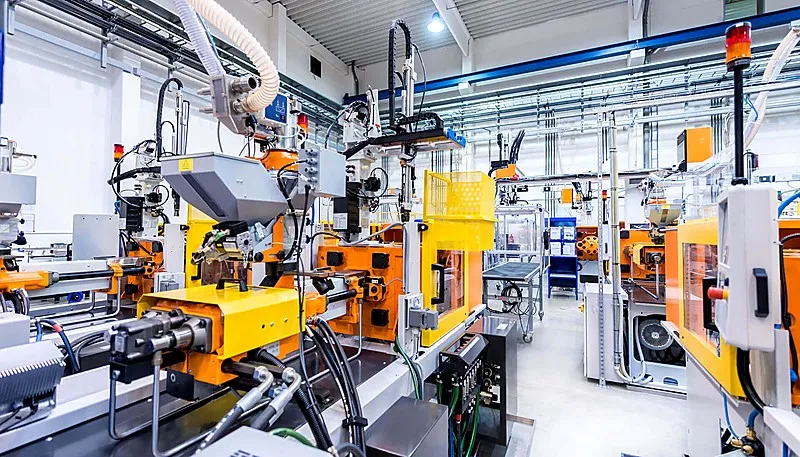
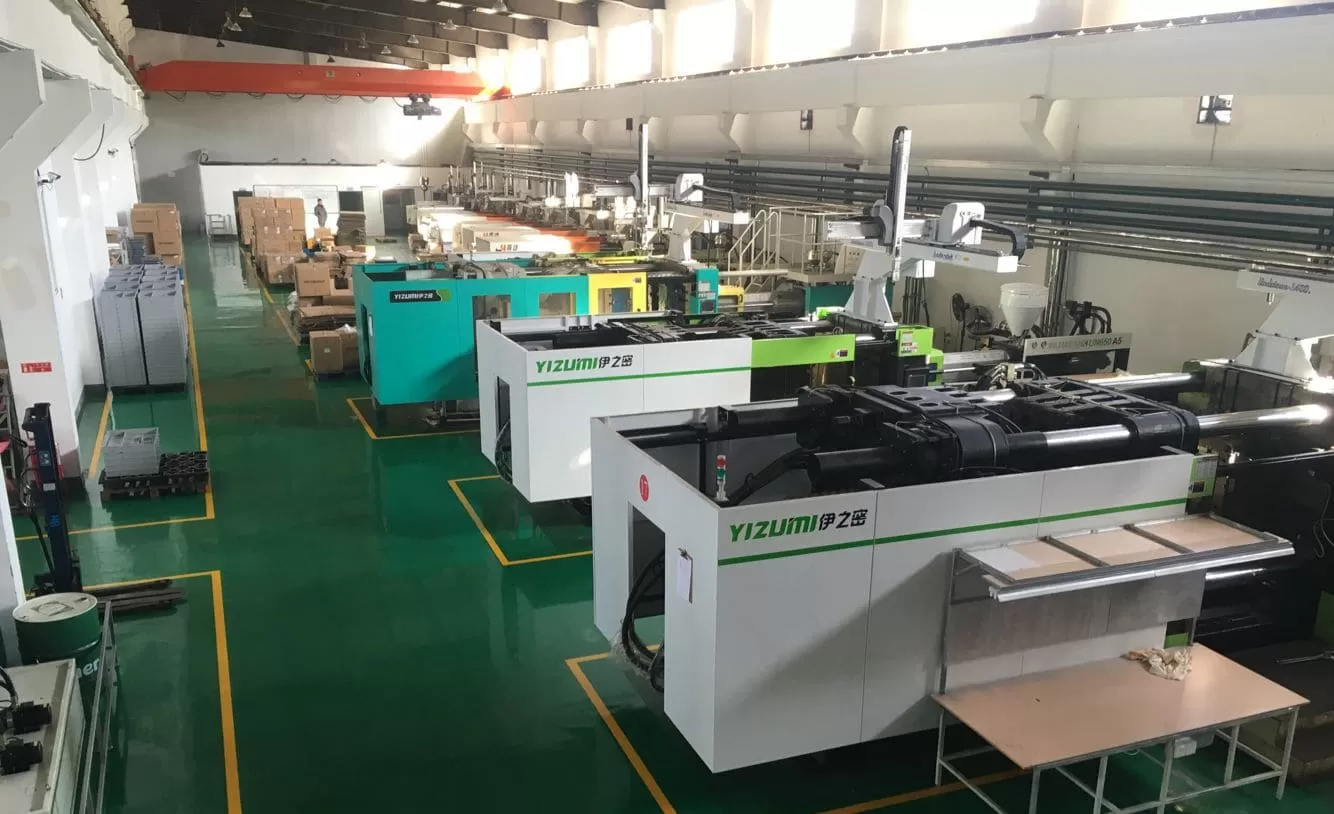
As provas de produção de um fornecedor são o rasto documental que demonstra que este consegue efetivamente fazer o que afirma. Na nossa fábrica de Xangai, temos 47 máquinas de moldação por injeção entre 90T e 1850T, todas com registos de manutenção, dados de capacidade e registos de processo. Se um fornecedor não conseguir apresentar documentação semelhante, não está a comprar a um fabricante — está a comprar a um intermediário com um site.
Para uma visão mais ampla, o nosso guia completo de moldagem por injeção aborda os fundamentos do processo, o comportamento dos materiais e as decisões de produção.
O risco não é teórico. Vi pessoalmente compradores transferirem adiantamentos para empresas que acabaram por ser meras sociedades comerciais, sem fábrica. Tinham sites apelativos, apresentações comerciais profissionais e respondiam rapidamente aos pedidos de orçamento. Mas, quando chegou o momento de produzir peças de moldagem por injeção de precisão, a qualidade revelou-se inconsistente e os prazos prolongaram-se por vários meses. Uma verificação adequada das provas de produção teria revelado o problema numa única tarde.
Eis uma lista de verificação rápida do que iremos abordar — as sete categorias de provas de produção que todos os compradores estrangeiros devem solicitar antes de assumirem um compromisso com um fornecedor de moldação por injeção:
As sete categorias são: documentos de certificação (ISO e específicos do setor), listas de máquinas e equipamentos com especificações, registos de controlo de qualidade e procedimentos de inspeção, documentação de ensaios e conformidade dos materiais, relatórios de inspeção do primeiro artigo2, registos de propriedade das ferramentas e manutenção dos moldes, e registos de rastreabilidade da produção e dos lotes.
Que certificações deve solicitar a um fornecedor de moldação por injeção?
As certificações essenciais são, no mínimo, a ISO 90013, além das normas específicas do setor. Um fornecedor legítimo de moldagem por injeção deve possuir a ISO 9001 como norma de referência para a gestão da qualidade, e muitos também possuem a ISO 13485 para dispositivos médicos, a ISO 14001 para gestão ambiental ou a ISO 45001 para saúde e segurança no trabalho.
Na nossa fábrica de Xangai, operamos simultaneamente de acordo com as normas ISO 9001, ISO 13485, ISO 14001 e ISO 45001. Quando um comprador solicita comprovativos, enviamos cópias digitalizadas com as datas de emissão e de validade visíveis. Se um fornecedor hesitar ou enviar uma fotografia desfocada de um certificado com a data cortada, trata-se de um sinal de alerta crítico.
Para além da ISO, pergunte se o fornecedor possui certificações específicas do setor relevantes para o seu produto. As peças automóveis podem exigir a IATF 16949. Os dispositivos médicos necessitam de registo na FDA ou marcação CE. A eletrónica de consumo pode exigir certificações UL dos materiais. As certificações específicas indicam os ambientes de produção para os quais o fornecedor está efetivamente qualificado — não apenas o que afirma no seu site.
Lista de verificação das certificações essenciais: a ISO 9001 é a base obrigatória, a ISO 13485 aplica-se a componentes médicos, a IATF 16949 abrange peças automóveis, a conformidade UL ou RoHS é necessária para produtos eletrónicos e a conformidade REACH aplica-se às expedições para o mercado da EU.
Como verificar a capacidade da máquina e a aptidão do equipamento?
O primeiro passo consiste em solicitar uma lista completa das máquinas, com as respetivas forças de fecho e marcas. Um fornecedor que afirme poder produzir a sua caixa de ABS de 1500g necessita, no mínimo, de uma prensa de 650T; se a maior máquina da sua lista for de 300T, é fisicamente impossível moldar a peça sem subcontratar o trabalho.
Na nossa fábrica, operamos 47 máquinas de moldação por injeção entre 90T e 1850T. Quando um comprador pede provas do equipamento, fornecemos uma folha de cálculo com todas as máquinas identificadas por tonelagem, fabricante (Haitian, ENGEL, KraussMaffei), tipo de unidade de fecho e capacidade de injeção. A preparação demora cinco minutos e demonstra de imediato que dispomos do equipamento adequado ao projeto.
Desconfie se um fornecedor enviar uma brochura genérica em vez de uma lista das máquinas efetivamente disponíveis. As brochuras mostram as máquinas que uma marca oferece — não as máquinas instaladas nas instalações do fornecedor. Peça fotografias do equipamento real com as placas de número de série visíveis ou solicite uma visita em direto às instalações por vídeo.
Na nossa fábrica de Xangai, operamos 47 máquinas de moldação por injeção, entre 90T e 1850T. Cada máquina dispõe de uma ficha específica de parâmetros do processo e de um registo de manutenção. Quando os compradores estrangeiros solicitam a verificação do equipamento, fornecemos o registo real das máquinas — não uma página de catálogo descarregada.
Que registos de controlo de qualidade deve analisar?
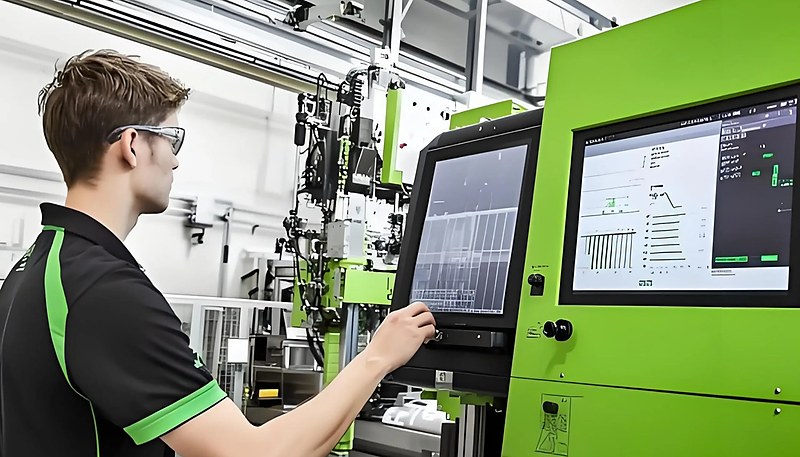
Os registos de controlo de qualidade distinguem um fornecedor que deteta os defeitos de outro que os envia. Solicite, no mínimo: registos de inspeção em processo (gráficos IPC), relatórios de inspeção da qualidade final (FQIR), dados de controlo estatístico do processo (SPC) e relatórios de não conformidade (NCR) com ações corretivas.
A nossa equipa de qualidade inclui mais de 10 especialistas em controlo de qualidade que mantêm registos de inspeção detalhados de cada produção. Quando um comprador internacional audita as nossas instalações, pode selecionar aleatoriamente qualquer registo de lote dos últimos dois anos e rastreá-lo até à máquina, ao operador, ao lote de material e ao molde de injeção específicos utilizados. Este é o nível de rastreabilidade que deve esperar de qualquer fornecedor legítimo.
Preste especial atenção à forma como o fornecedor trata os defeitos. Peça para ver um relatório de não conformidade real — não um modelo. Verifique: qual foi o defeito, quando foi detetado, quantas peças foram afetadas, qual foi a causa principal e que ação corretiva foi implementada. Um fornecedor com zero NCRs não está isento de defeitos; simplesmente não os regista.
"Analisar os relatórios de não conformidade de um fornecedor antes de efetuar uma encomenda é uma prática normal de diligência devida que as fábricas legítimas esperam."True
Verdadeiro. Os fabricantes profissionais mantêm registos NCR como parte do seu sistema de qualidade e partilham-nos regularmente com potenciais clientes qualificados. Se um fornecedor tratar isto como um pedido invulgar, é sinal de que a sua documentação de qualidade é deficiente ou inexistente.
"Um fornecedor sem qualquer relatório de não conformidade é a escolha mais segura para compradores estrangeiros."False
Falso. Todas as fábricas reais produzem defeitos ocasionalmente. Zero NCR significa normalmente que não estão a documentá-los — o que representa um risco maior do que ter alguns defeitos documentados com ações corretivas.
Como validar a documentação de ensaios de materiais e conformidade?
A fraude de materiais é um dos problemas mais comuns no fabrico no estrangeiro. Especifica-se ABS LG HF380 e o fornecedor substitui-o discretamente por uma marca genérica mais barata, com menor resistência ao impacto. As peças parecem idênticas — até falharem em serviço. Para evitar esta situação, solicite sempre um certificado de análise (CoA) ou um certificado de conformidade (CoC) para cada remessa de material.
A nossa equipa trabalhou com mais de 400+ materiais plásticos ao longo de duas décadas. Quando certificamos um lote de material, o CoA inclui: classe da resina, número do lote, resultado do ensaio do índice de fluidez, dados de resistência à tração e certificado de material do fornecedor. Se um comprador solicitar a verificação por um laboratório independente (SGS, Intertek), também a disponibilizamos — protege ambas as partes.
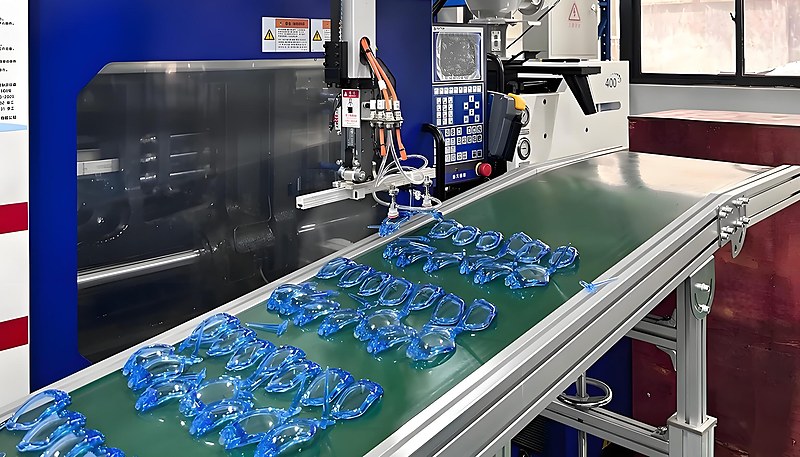
Principais documentos de material a solicitar: CoA/CoC para cada lote de resina, fichas de dados de segurança do material (MSDS), relatórios de conformidade RoHS se o envio se destinar à UE, declarações REACH SVHC e cartas de conformidade FDA para aplicações em contacto com alimentos. Se o fornecedor não os puder apresentar, não dispõe de qualquer prova de que o material das suas peças corresponde àquele pelo qual pagou.
O que é a inspeção do primeiro artigo e por que é importante para os compradores estrangeiros?
A inspeção do primeiro artigo (FAI) é uma verificação dimensional e funcional completa das primeiras peças produzidas por um molde novo ou modificado. Demonstra que o molde foi construído corretamente e que o processo consegue produzir peças dentro das tolerâncias. Nunca autorize a produção em massa sem um relatório FAI aprovado — é o documento de prova da produção mais crítico de todo o processo.
Um relatório FAI adequado inclui: dados da CMM (máquina de medição por coordenadas) para cada dimensão crítica, comparação com as tolerâncias do desenho e indicação de aprovação/reprovação, verificação do material, resultados da correspondência de cor e medição do peso. Os nossos 8 engenheiros seniores analisam cada FAI antes de libertarem um molde para produção. Se alguma dimensão estiver fora da tolerância, corrigimos primeiro o molde — não o relatório de inspeção.
Para compradores estrangeiros, a FAI funciona como um ponto de decisão de aprovação ou rejeição. Analise-a cuidadosamente: as dimensões reais estão dentro das tolerâncias do desenho? Existem desvios assinalados? O fornecedor propôs medidas corretivas para alguma dimensão fora da tolerância? Se a FAI revelar problemas e, ainda assim, o fornecedor quiser avançar, desista.
"Solicitar certificados de material para cada remessa de resina é uma prática habitual, que os fornecedores legítimos de moldagem por injeção esperam e cumprem prontamente."True
Verdadeiro. Os fabricantes profissionais mantêm registos CoA/CoC como parte do seu sistema de qualidade habitual. Se um fornecedor considerar este pedido invulgar ou oneroso, isso indica controlos de qualidade deficientes.
"A certificação ISO 9001, por si só, garante uma qualidade consistente das peças em todos os lotes de produção."False
Falso. A ISO 9001 comprova que existe, no papel, um sistema de gestão da qualidade, mas não garante que todos os lotes cumprem as suas especificações. Continua a ser necessária a inspeção à receção, a monitorização por SPC e a requalificação periódica para assegurar a consistência contínua da qualidade.
Como Avaliar a Propriedade da Ferramentaria e os Registos de Manutenção de Moldes?
A propriedade do ferramental é o tema legalmente mais sensível na fabricação no exterior. Se o seu contrato não declarar explicitamente que é o proprietário do molde, o fornecedor pode legalmente retê-lo e usá-lo para produzir peças para os seus concorrentes. Antes de pagar pelo ferramental, solicite um acordo de propriedade do ferramental que especifique: o molde pertence ao comprador, o fornecedor não pode usá-lo para outros clientes e o comprador pode recuperar o molde a qualquer momento.
Com a nossa capacidade interna de fabrico de moldes — que suporta mais de 100 conjuntos de moldes por mês — mantemos registos detalhados de manutenção para cada ferramenta que construímos. Cada molde tem um registo de manutenção que monitoriza: ciclos desde o último serviço, componentes de desgaste substituídos, datas de limpeza e quaisquer ajustes dimensionais. Um molde bem mantido pode produzir milhões de peças; um negligenciado falha às 50.000.
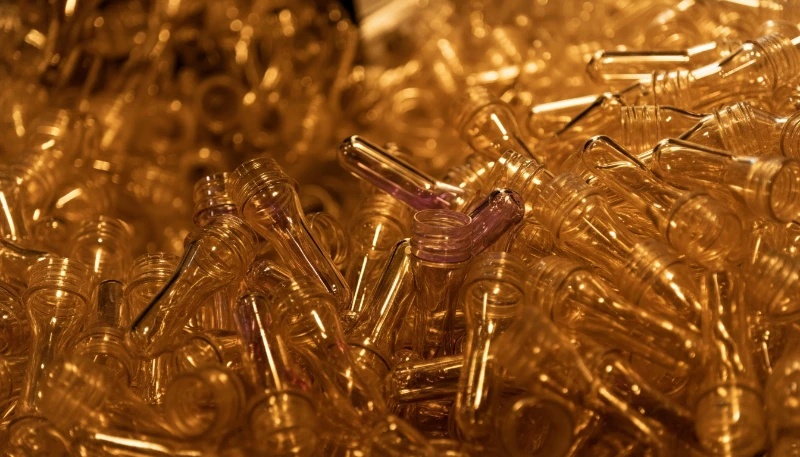
Evidências de manutenção de moldes a solicitar: calendário de manutenção preventiva, registo de histórico de reparações, registos de substituição de componentes (bicos de hot runner, pinos ejectores, vedantes) e monitorização da contagem de ciclos. Se um fornecedor não conseguir dizer quantos ciclos um molde já executou, não está a monitorizar a vida útil da ferramenta — e será você a pagar pela falha prematura da ferramenta.
Que Documentos de Rastreabilidade da Produção Devem os Fornecedores Manter?
Rastreabilidade da produção significa que qualquer peça pode ser rastreada até ao seu lote de matéria-prima, data de produção, máquina, operador e parâmetros do processo. Isto não é opcional para indústrias regulamentadas — é um requisito legal. Para produtos não regulamentados, continua a ser o melhor indicador de uma fábrica bem gerida.
Nas nossas instalações de Xangai, os nossos mais de 120 trabalhadores de produção seguem um processo documentado para cada produção: o lote de material é registado na ordem de produção, os parâmetros do processo (temperatura de fusão, pressão de injeção, tempo de arrefecimento) são registados no arranque, o ID do operador e o turno são registados, e as verificações de qualidade são marcadas com hora ao longo da produção. Os nossos mais de 30 gestores de projeto anglófonos traduzem estes registos para compradores estrangeiros que necessitam de documentação completa de rastreabilidade.
Documentos-chave de rastreabilidade: ordens de produção/folhas de acompanhamento, registos de lotes de materiais, registos de parâmetros de processo, registos de aprovação de operadores e certificados de liberação de lotes. Se um fornecedor não conseguir fornecer rastreabilidade para um lote de amostra durante a fase de auditoria, não irá magicamente desenvolvê-la depois de colocar uma encomenda.
Com mais de 120 trabalhadores de produção, mais de 10 especialistas de QC e mais de 30 gestores de projeto de língua inglesa, a nossa fábrica em Xangai mantém rastreabilidade completa para cada produção. Os compradores estrangeiros recebem registos de lotes traduzidos, incluindo lotes de materiais, parâmetros de processo e aprovações de qualidade — não apenas uma fatura de envio.
Perguntas mais frequentes
Perguntas mais frequentes
Que documentos devo solicitar antes de efetuar um depósito junto de um fornecedor de moldação por injeção?
Antes de pagar qualquer depósito, solicite cópias da certificação ISO 9001 com datas visíveis, uma lista de equipamentos de máquinas com classificações de tonelagem, um relatório FAI de amostra de um projeto anterior, modelos de CoA de material e um modelo de acordo de propriedade da ferramentaria. Se o fornecedor não conseguir fornecer estes cinco documentos no prazo de 48 horas, considere isso um sinal de aviso sério. Fabricantes legítimos têm-nos prontos porque compradores profissionais pedem-nos regularmente. Solicite também um modelo de relatório de não conformidade para poder ver como documentam problemas de qualidade.
Como posso verificar se um fornecedor é realmente proprietário das suas máquinas?
Solicite uma lista de máquinas com números de série, marcas e especificações de tonelagem, depois peça fotos do equipamento real com placas de série visíveis. Para verificação mais forte, agende uma visita guiada por vídeo ao vivo às instalações ou contrate um serviço de inspeção de terceiros sediado na região do fornecedor. Uma empresa de trading normalmente dará desculpas ou mostrará uma fábrica que não corresponde ao endereço que alegam. Também pode cruzar o endereço da fábrica no Google Maps e verificar se o tamanho das instalações corresponde ao número de máquinas que alegam ter.
Qual é a diferença entre uma CoA e uma CoC para materiais plásticos?
Um Certificado de Análise (CoA) fornece dados de teste específicos para um lote de material, incluindo índice de fluidez, resistência à tração e valores de resistência ao impacto medidos em laboratório. Um Certificado de Conformidade (CoC) simplesmente afirma que o material cumpre uma especificação nomeada sem fornecer quaisquer dados de teste reais. Solicite sempre o CoA quando o desempenho do material for crítico para a segurança do seu produto ou função de uso final. O CoC sozinho não lhe dá qualquer recurso se o material falhar, porque não contém dados mensuráveis para comparação.
Devo exigir uma auditoria no local antes de selecionar um fornecedor de moldação por injeção?
Para produção de alto volume ou regulamentada, uma auditoria no local é fortemente recomendada e frequentemente exigida por normas da indústria. Para projetos de menor risco, uma auditoria virtual através de visita guiada por vídeo ao vivo combinada com verificação documental completa pode ser suficiente para qualificação inicial. Durante a auditoria, verifique condições limpas das instalações, armazenamento organizado de materiais com etiquetagem adequada, equipamento de medição calibrado com etiquetas de calibração atualizadas, processos documentados a serem seguidos no chão de fábrica e operadores formados que possam explicar claramente os procedimentos de qualidade para a linha que estão a operar.
O que acontece se o meu fornecedor se recusar a assinar um acordo de propriedade da ferramentaria?
Se um fornecedor se recusar a assinar um acordo de propriedade do molde, encontre outro fornecedor imediatamente. Sem este documento, o fornecedor pode legalmente reter o seu molde, produzir peças idênticas para os seus concorrentes ou cobrar uma taxa substancial para recuperar o seu próprio ferramental. Este é um dos litígios mais comuns e dispendiosos na fabricação no exterior e é totalmente evitável com uma simples cláusula contratual assinada antes do pagamento do depósito inicial. Um fornecedor reputado de moldagem por injeção concordará sempre com os termos padrão de propriedade do ferramental sem hesitação ou resistência.
Com que frequência devem ser atualizados os registos de manutenção do molde?
Os registos de manutenção do molde devem ser atualizados após cada ciclo de manutenção preventiva, normalmente a cada 50.000 a 100.000 peças, dependendo do material e da complexidade da peça. Um molde bem mantido inclui o rastreamento da contagem de peças, cronogramas de substituição de componentes desgastados e registos de limpeza que se correlacionam com o histórico real de produção das suas peças. Se um fornecedor não conseguir fornecer estes dados, está a operar o ferramental até que este falhe em vez de o manter proativamente, o que leva a paragens inesperadas, degradação da qualidade e custos mais elevados de ferramental a longo prazo.
Conclusão: Parceria com um Fornecedor que Fornece Evidências, Não Promessas
Escolher o fornecedor certo de moldagem por injeção resume-se a um princípio: evidências em vez de promessas. Um fabricante que mereça o seu negócio fornecerá certificações, listas de máquinas, registos de qualidade, dados de testes de materiais, relatórios FAI, acordos de ferramental e documentação de rastreabilidade sem hesitação. Na ZetarMold, temos vindo a fornecer exatamente este nível de transparência a compradores estrangeiros desde 2013. Com mais de 20 anos de experiência, 47 máquinas de moldagem por injeção e uma equipa de mais de 30 gestores de projeto de língua inglesa, damos as boas-vindas às suas auditorias — revisão de documentos, visita virtual por vídeo ou visita presencial.
Está pronto para trabalhar com um fornecedor que apresenta provas de produção reais? Contacte hoje a ZetarMold para uma análise gratuita do seu projeto. Enviaremos as nossas certificações, a lista de equipamentos e exemplos de registos de qualidade antes de efetuar qualquer encomenda.
moldagem por injeção: A moldagem por injeção é um processo de fabrico de peças que consiste em injetar material fundido num molde. ↩
inspeção do primeiro artigo: A inspeção do primeiro artigo (FAI) é um método formal para verificar se a primeira peça produzida por um processo de fabrico novo ou modificado cumpre os requisitos e as especificações do desenho de engenharia. ↩
ISO 9001: A ISO 9001 é a norma internacional para sistemas de gestão da qualidade e especifica requisitos para assegurar uma qualidade consistente dos produtos e a conformidade regulamentar. ↩