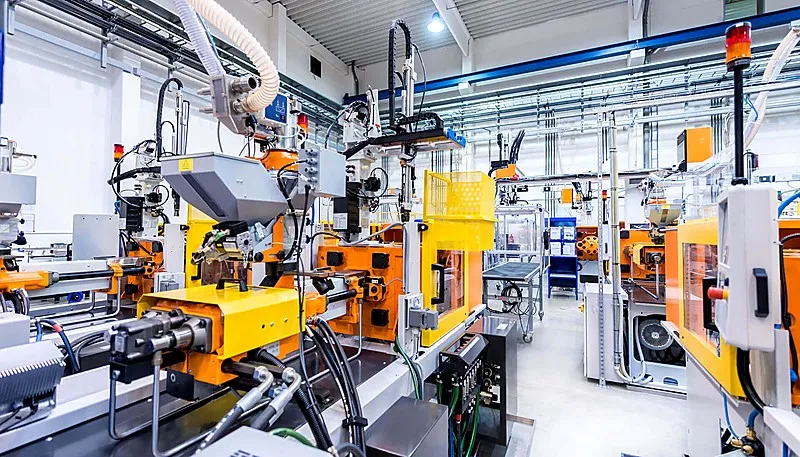
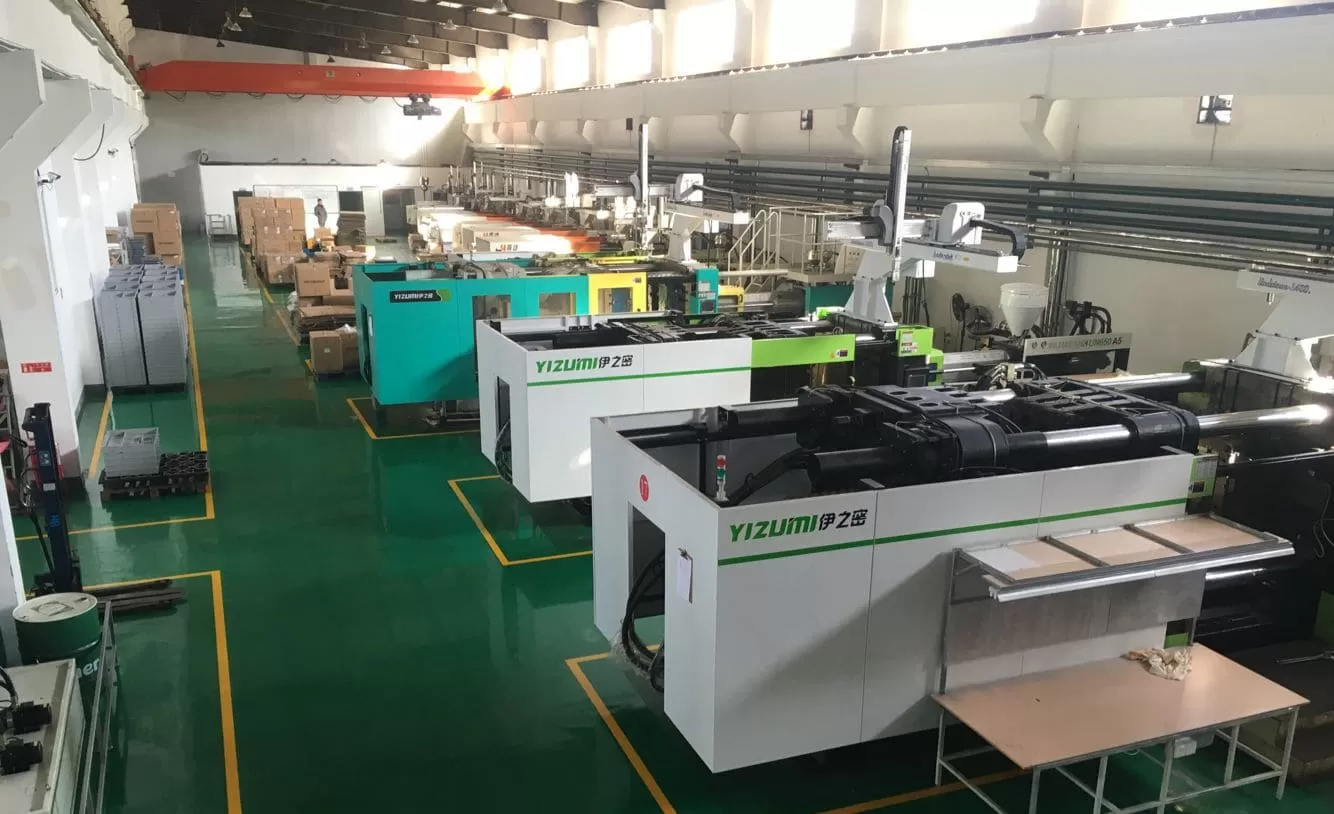
製造契約を締結する前に、射出成形1サプライヤーの生産証拠を検証することが最も重要です。上海工場で20年以上働く中で、見栄えのよいウェブサイトを信じ、実際の書類を求めなかったために、海外バイヤーが6桁ドルの手付金を失う事例を見てきました。本ガイドでは、海外生産向けの射出成形サプライヤーを評価する際に、どの生産証拠を求め、どう読み取り、どの危険信号に注意すべきかを具体的に解説します。
- 前金を支払う前に、必ずISO 9001および業界固有の認証書を要求してください
- 型締力範囲を記載した設備一覧は、パンフレット上の記載ではなく実際の生産能力を証明します
- 初回品検査報告書により、量産前に寸法精度を検証する
- 材料証明書により、購入した樹脂グレードが納入されたことを確認できます
- 金型所有権に関する文書を整備しておけば、将来サプライヤーを変更する際の紛争を防止できます
射出成形サプライヤーの評価で生産実績が重要な理由
サプライヤーの生産実績資料とは、主張どおりの生産能力が実際にあることを証明する一連の記録です。当社の上海工場には90Tから1850Tまで47台の射出成形機があり、すべての設備について保守記録、能力データ、工程記録を保管しています。サプライヤーが同様の文書を提示できない場合、取引相手はメーカーではなく、ウェブサイトを持つ仲介業者です。
より広い視点については、射出成形完全ガイドでプロセスの基礎、材料の挙動、生産上の意思決定を解説しています。
このリスクは机上の話ではありません。工場を持たない商社だと後で判明した企業へ、バイヤーが手付金を送金する場面を実際に見てきました。ウェブサイトは美しく、営業資料は専門的で、見積回答も迅速でした。しかし精密射出成形部品の生産段階になると、品質は不安定で、納期は数か月遅れました。生産証拠を適切に検証していれば、わずか半日で見抜けたはずです。
ここでは、射出成形サプライヤーとの契約を決定する前に、すべての海外購入企業が提出を求めるべき7種類の生産実績資料について、簡単なチェックリストで説明します。
7つのカテゴリーは、認証書類(ISOおよび業界固有規格)、仕様付きの機械・設備一覧、品質管理記録と検査手順、材料試験・適合書類、初回品検査2レポート、金型の所有権・保守記録、生産トレーサビリティ・バッチ記録です。
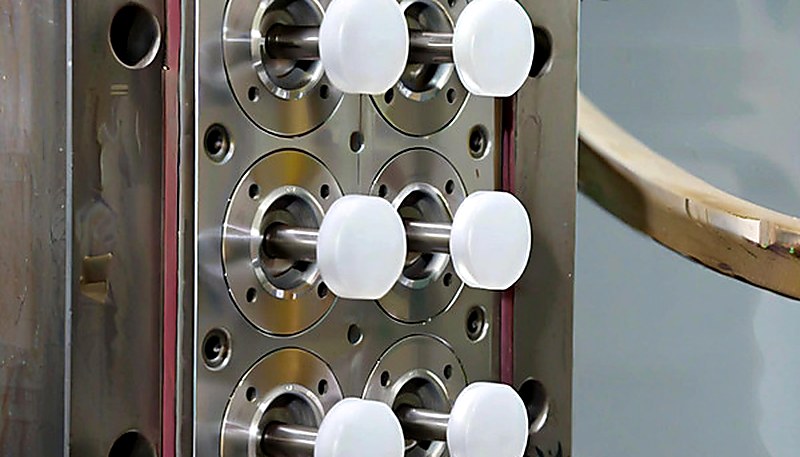
射出成形サプライヤーにどの認証の提示を求めるべきですか?
必須認証は最低でもISO 90013であり、加えて業界固有規格が必要です。正規の射出成形サプライヤーは品質マネジメントの基本規格としてISO 9001を取得し、多くは医療機器向けISO 13485、環境マネジメント向けISO 14001、労働安全衛生向けISO 45001も取得しています。
当社の上海工場では、ISO 9001、ISO 13485、ISO 14001、ISO 45001を同時に運用しています。買い手から証拠を求められた場合、発行日と有効期限が確認できるスキャンコピーを送付します。サプライヤーが提出を渋ったり、日付部分を切り取った不鮮明な認証書写真を送ってきたりする場合は、重大な危険信号です。
ISOに加え、製品に関連する業界固有の認証をサプライヤーが取得しているか確認してください。自動車部品ではIATF 16949が求められる場合があります。医療機器にはFDA登録またはCEマーキングが必要です。民生電子機器ではUL材料認証が必要になる場合があります。具体的な認証を確認すれば、ウェブサイト上の主張だけでなく、そのサプライヤーが実際にどの生産環境への適合を認められているかが分かります。
必須認証のチェックリストは次のとおりです。ISO 9001は必須の基準、ISO 13485は医療部品、IATF 16949は自動車部品に適用されます。電子機器にはULまたはRoHSへの適合が必要で、EU市場へ出荷する場合はREACHへの適合が必要です。
成形機の容量と設備能力を確認する方法
最初の手順は、型締力とブランド名を記載した完全な成形機リストを求めることです。1500gのABSハウジングを生産できると主張するサプライヤーには、最低でも650Tの成形機が必要です。保有機の上限が300Tなら、外注せずにその部品を成形することは物理的に不可能です。
当社工場では、90Tから1850Tまで47台の射出成形機を稼働させています。買い手から設備の証明を求められた場合は、全成形機の型締力、メーカー(Haitian、ENGEL、KraussMaffei)、型締方式、射出容量を一覧にしたスプレッドシートを提出します。作成には5分しかかからず、そのプロジェクトに適した設備があることをすぐに証明できます。
サプライヤーが実際の設備一覧ではなく一般的なパンフレットを送ってきた場合は注意が必要です。パンフレットに示されるのは、そのブランドが提供する機械であり、サプライヤーの工場に実際に設置されている機械ではありません。シリアル番号プレートが確認できる実機写真を求めるか、工場内をライブ映像で案内するよう依頼してください。
上海工場では、90Tから1850Tまで計47台の射出成形機を稼働しています。すべての成形機に専用の成形条件表と保守記録を備えています。海外の購入企業から設備確認を求められた際には、ダウンロードしたカタログページではなく、実際の設備台帳を提示します。
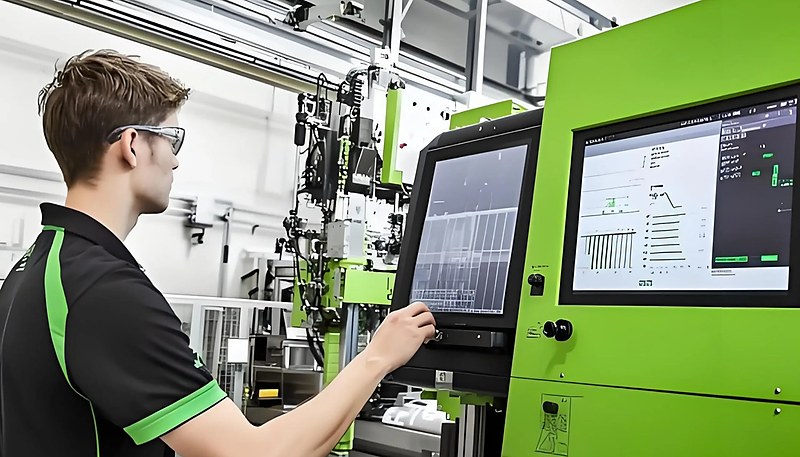
どの品質管理記録を確認すべきですか?
品質管理記録の有無が、不良を出荷前に発見できるサプライヤーと、そのまま出荷してしまうサプライヤーを分けます。最低限、工程内検査記録(IPCチャート)、最終品質検査報告書(FQIR)、統計的工程管理データ(SPC)、ならびに是正措置を含む不適合報告書(NCR)の提出を求めてください。
当社の品質チームには10名以上のQC専門員がおり、すべての生産ロットについて詳細な検査記録を維持しています。海外バイヤーが工場監査を行う際は、過去2年間の任意のバッチ記録を抽出し、使用した機械、作業者、材料ロット、射出成形金型まで追跡できます。正規サプライヤーには、この水準のトレーサビリティを求めるべきです。
サプライヤーによる不良処理には特に注意してください。テンプレートではなく、実際の不適合報告書の提示を求めます。確認点は、不良の内容、発見時期、影響を受けた部品数、根本原因、実施した是正措置です。NCRがゼロのサプライヤーに不良がないわけではなく、単に記録していないだけです。
「発注前にサプライヤーの不適合報告書を確認することは、正規の工場も想定している標準的なデューデリジェンスです。」True
正しい。専門的なメーカーは品質システムの一環としてNCR記録を維持し、適格な見込み顧客には通常これを共有します。サプライヤーがこれを異例の依頼として扱う場合、その品質文書が不十分か、存在しないことを示しています。
「不適合報告がゼロのサプライヤーは、海外バイヤーにとって最も安全な選択肢である。」False
誤りです。実在する工場では、どこでも時折不良が発生します。NCRがゼロというのは通常、それらを記録していないことを意味します。是正措置を伴う不良が数件記録されていることより、こちらの方が大きなリスクです。
材料試験および適合性文書を検証する方法
材料偽装は、海外生産で最もよく見られる問題の1つです。ABS LG HF380を指定しても、サプライヤーが衝撃強度に劣る安価な汎用品へひそかに切り替えることがあります。部品の外観は同じでも、市場で使用され始めてから不具合が発生します。これを防ぐため、材料の出荷ごとに必ず分析証明書(CoA)または適合証明書(CoC)を提出するよう求めてください。
当社チームは20年間にわたり、400種類を超えるプラスチック材料を扱ってきました。材料ロットを認証する際、CoAには樹脂グレード、ロット番号、メルトフローインデックス試験結果、引張強度データ、サプライヤーの材料証明書を記載します。購入者から第三者試験機関(SGS、Intertek)による検証を求められた場合にも対応します。これは双方を保護するためです。
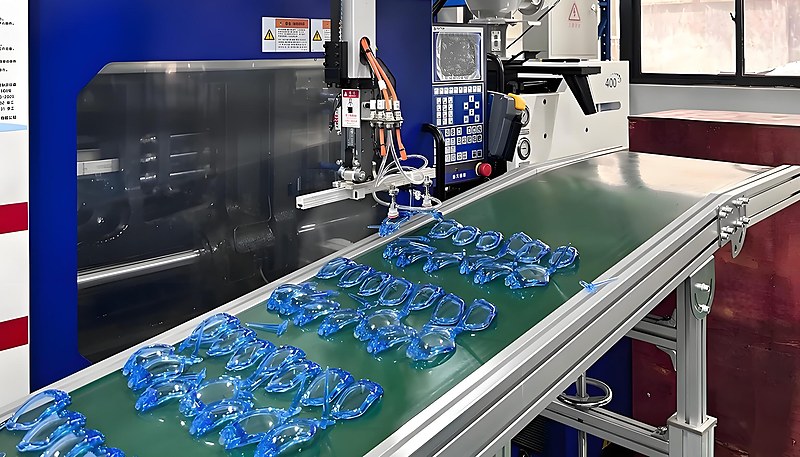
提出を求めるべき主要な材料書類は、樹脂ロットごとのCoA/CoC、製品安全データシート(MSDS)、EU向けに出荷する場合のRoHS適合報告書、REACH SVHC宣言書、食品接触用途向けのFDA適合証明書です。サプライヤーがこれらを提出できなければ、部品に使用された材料が発注した材料と同一であることを証明できません。
初回品検査とは何ですか?また、海外のバイヤーにとってなぜ重要ですか?
初回製品検査(FAI)は、新規または変更した金型で初めて生産した製品に対する完全な寸法・機能検査です。金型が正しく製作され、工程に公差内の製品を生産する能力があることを証明します。承認済みFAI報告書なしに量産を許可してはなりません。これは全工程で最も重要な生産エビデンス文書です。
適切なFAI報告書には、すべての重要寸法に対するCMM(三次元測定機)データ、図面公差との比較および合否判定、材料検証、色合わせ結果、重量測定を含めます。当社では、金型を量産に移行する前に8名のシニアエンジニアがすべてのFAIをレビューします。公差外の寸法があれば、検査報告書ではなく、まず金型を修正します。
海外バイヤーにとって、FAIは生産移行の可否を判断するゲートです。慎重に確認してください。実測寸法は図面公差内に収まっているか、逸脱が指摘されていないか、公差外の寸法についてサプライヤーが是正措置を提案しているかを確認します。FAIに問題があるにもかかわらずサプライヤーがそのまま進めようとする場合は、取引を見送るべきです。
「樹脂の出荷ごとに材料証明書を求めることは、正規の射出成形サプライヤーが想定し、容易に対応する標準的な慣行である。」True
正しい。専門メーカーは標準品質システムとしてCoA/CoC記録を保管します。これを異例または負担と扱うサプライヤーは品質管理が弱い兆候です。
「ISO 9001認証だけで、すべての生産バッチにおける一貫した部品品質が保証される。」False
誤りです。ISO 9001は品質マネジメントシステムが文書上存在することを証明しますが、すべてのロットが仕様を満たすことを保証するものではありません。継続的な品質の一貫性を確保するには、受入検査、SPC監視、定期的な再適格性評価が引き続き必要です。
金型所有権と金型メンテナンス記録をどのように評価しますか?
金型所有権は、海外製造において最も法的にデリケートなトピックです。契約書にあなたが金型を所有することを明示していない場合、サプライヤーは法的にそれを保持し、競合他社向けの部品生産に使用することができます。金型代金を支払う前に、以下のことを明記した金型所有権契約を要求してください: 金型は購入者に帰属する、サプライヤーは他の顧客のために使用できない、購入者はいつでも金型を取り戻すことができる。
当社の自社金型製造能力(月間100セット以上の金型をサポート)により、当社が製造するすべての工具について詳細なメンテナンス記録を維持しています。各金型には、前回サービスからのショット数、交換された摩耗部品、清掃日付、寸法調整を追跡するメンテナンスログがあります。適切にメンテナンスされた金型は数百万個の部品を生産できますが、放置された金型は50,000個で故障します。
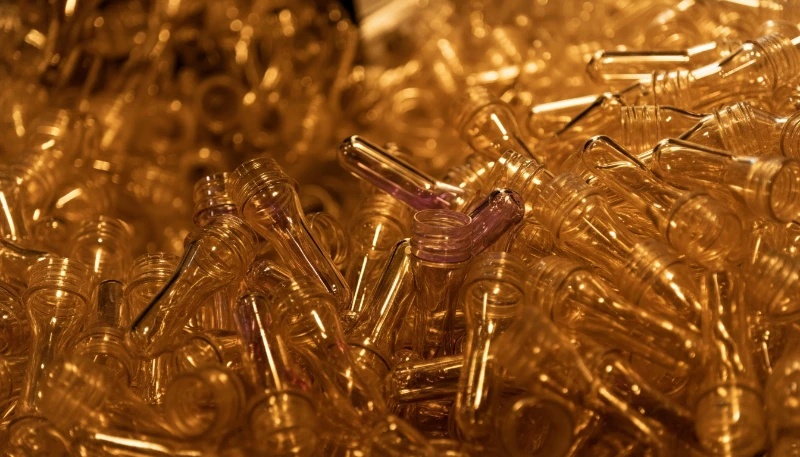
要求すべき金型メンテナンスの証拠: 予防保守スケジュール、修理履歴ログ、部品交換記録(ホットランナーノズル、エジェクタピン、シール)、ショット数追跡。サプライヤーが金型が何サイクル稼働したかを説明できない場合、彼らは工具寿命を追跡していないことになります。そして早期の工具故障の代償を支払うのはあなた自身です。
サプライヤーはどのような生産追跡可能性文書を維持すべきですか?
生産トレーサビリティとは、あらゆる部品を原材料ロット、製造日、機械、作業員、工程パラメータまで遡って追跡できることを意味します。これは規制業界では任意ではなく法的要件です。非規制品においても、これは適切に運営された工場の最も優れた指標です。
当社の上海工場では、120名以上の生産作業員がすべての生産ロットで文書化されたプロセスに従っています: 材料ロットは生産指示書に記録され、プロセスパラメータ(溶融温度、射出圧力、冷却時間)は開始時に記録され、作業員IDとシフトが記録され、品質チェックは生産中にタイムスタンプ付きで記録されます。当社の30名以上の英語を話すプロジェクトマネージャーは、完全な追跡可能性文書を必要とする海外バイヤー向けにこれらの記録を翻訳します。
キートレーサビリティ文書:製造指示書/トラベラーシート、材料ロットログ、工程パラメータ記録、作業員サインオフログ、バッチリリース証明書。監査段階でサプライヤーがサンプルバッチのトレーサビリティを提供できない場合、発注後に魔法のように整備されることはありません。
120名以上の生産作業員、10名以上のQC専門家、30名以上の英語を話すプロジェクトマネージャーを擁する当社の上海工場は、すべての生産ロットに対して完全なトレーサビリティを維持しています。海外バイヤーは、単なる送り状ではなく、材料ロット、工程パラメータ、品質サインオフを含む翻訳済みバッチ記録を受け取ります。
よくある質問
よくある質問
射出成形サプライヤーにデポジットを支払う前に、どのような書類を要求すべきですか?
前払金を支払う前に、日付が確認できるISO 9001認証書のコピー、トンネージ定格付き機械設備リスト、過去プロジェクトのサンプルFAI報告書、材料CoAテンプレート、金型所有権契約テンプレートを要求してください。サプライヤーがこれら5つの文書を48時間以内に提供できない場合は、重大な警告サインとみなしてください。正当な製造業者は、プロのバイヤーが定期的にこれらを要求するため、準備ができています。また、非適合報告書テンプレートも要求し、彼らが品質問題をどのように文書化しているかを確認してください。
サプライヤーが実際に機械を所有しているかどうかを確認する方法は?
シリアル番号、ブランド名、トンネージ仕様を含む機械リストを要求し、シリアルプレートが確認できる実際の設備の写真を求めます。より強力な検証のため、施設のライブビデオ見学を予約するか、サプライヤー地域に拠点を置く第三者検査サービスを利用します。商社は通常、言い訳をしたり、申告された住所と一致しない工場を見せたりします。Googleマップで工場住所をクロスリファレンスし、施設の規模が申告された機械台数と一致するか確認することもできます。
プラスチック材料におけるCoAとCoCの違いは何ですか?
分析証明書(CoA)は、材料ロットの具体的な試験データ(研究所で測定された溶融流動指数、引張強度、衝撃抵抗値など)を提供します。適合証明書(CoC)は、実際の試験データを一切提供せず、単に材料が指定された仕様を満たすことを述べるだけです。材料性能が製品の安全性や最終用途機能にとって重要な場合は、常にCoAを要求してください。CoCだけでは、材料が不合格になった場合に比較可能な測定データが含まれていないため、何の救済策も得られません。
射出成形サプライヤーを選定する前に、現地監査を要求すべきですか?
大量生産または規制対象の生産では、現地監査が強く推奨され、業界基準でしばしば要求されます。リスクの低いプロジェクトでは、ライブビデオによる仮想監査と徹底した文書検証を組み合わせることで、初期認定には十分な場合があります。監査中は、清潔な施設環境、適切なラベル付けがされた整理された材料保管、現在の校正ステッカーが貼られた校正済み測定機器、生産現場で遵守されている文書化されたプロセス、担当ラインの品質手順を明確に説明できる訓練された作業員を確認してください。
サプライヤーが金型所有権契約への署名を拒否した場合はどうなりますか?
サプライヤーが金型所有権契約への署名を拒否した場合、直ちに別のサプライヤーを探してください。この書類がなければ、サプライヤーは法的にあなたの金型を保持し、競合他社向けに同一部品を製造したり、自社の金型を取り戻すために多額のリリース費用を請求することができます。これは海外製造における最も一般的で高額な紛争の一つであり、初期デポジット支払い前に署名された単純な契約条項で完全に防止可能です。信頼できる射出成形サプライヤーは、躊躇や抵抗なく標準的な金型所有権条項に常に同意します。
金型メンテナンス記録はどのくらいの頻度で更新すべきですか?
金型メンテナンス記録は、予防保守サイクルごとに更新する必要があります。通常、材料と部品の複雑さに応じて5万~10万ショットごとに行います。適切に維持された金型には、ショット数追跡、摩耗部品交換スケジュール、実際の部品生産履歴と関連付けられた清掃記録が含まれます。サプライヤーがこのデータを提供できない場合、彼らは金型を積極的に維持するのではなく故障するまで使用しており、予期しないダウンタイム、品質低下、長期的な金型コストの増加につながります。
結論:約束ではなく証拠を提供するサプライヤーと提携する
適切な射出成形サプライヤーの選択は、一つの原則に帰着します:約束よりも証拠。貴社のビジネスに値する製造業者は、認証、機械リスト、品質記録、材料試験データ、FAI報告書、金型契約、トレーサビリティ文書を躊躇なく提供します。ZetarMoldでは、2013年以降、海外バイヤーにまさにこのレベルの透明性を提供してきました。20年以上の経験、47台の射出成形機、30名以上の英語を話すプロジェクトマネージャーを擁し、文書審査、ビデオ見学、現地訪問を含む貴社の監査を歓迎します。
実際の生産証拠を提示するサプライヤーと取引しませんか?無料のプロジェクトレビューについて、今すぐZetarMoldにお問い合わせください。発注前に、認証書、設備一覧、品質記録のサンプルをお送りします。