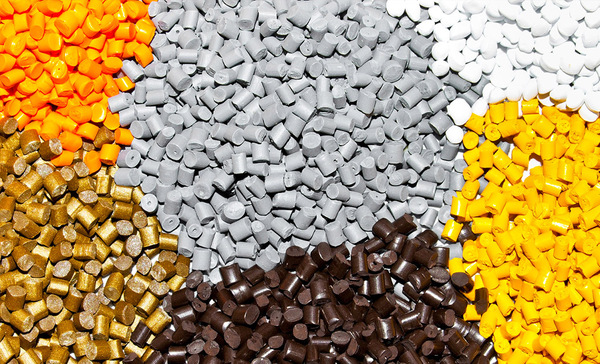
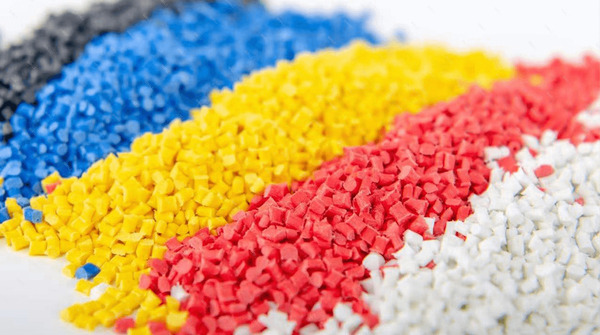
Wat zijn biogebaseerde kunststoffen en waarom moeten spuitgieters er aandacht aan besteden?
Biogebaseerde kunststoffen1 zijn polymeren uit hernieuwbare biomassa die veel conventionele harsen in spuitgiettoepassingen kunnen vervangen.
Als u leveranciers vergelijkt of inkoop voorbereidt, behandelt onze gids voor de selectie van spuitgietleveranciers de RFQ-voorbereiding, kwalificatie en commerciële risicocontroles.
Biogebaseerde kunststoffen — polymeren die geheel of gedeeltelijk zijn afgeleid van hernieuwbare biomassa zoals maïszetmeel, suikerriet of plantaardige oliën — zijn niet langer een niche. De wereldwijde productiecapaciteit voor biokunststoffen zal naar verwachting stijgen van 2.2 million tonnes in 2022 tot 7.4 million tonnes in 2028. Voor spuitgieters betekent dit dat meer klanten vragen of hun onderdelen van duurzame materialen kunnen worden gemaakt en of biogebaseerde harsen de prestaties van alternatieven op aardoliebasis kunnen evenaren.
Het korte antwoord: sommige kunnen het, andere niet, en de kloof wordt elk jaar kleiner. In onze fabriek hebben we op productieapparatuur spuitgietproeven uitgevoerd met PLA, bio-PE en bio-PET — geen prototypes op laboratoriumschaal. De resultaten zijn bemoedigend, maar er zijn wezenlijke verwerkingsverschillen die engineers verrassen als zij biogebaseerde harsen als directe vervangers behandelen. Deze gids beschrijft wat we hebben geleerd.
Belangrijkste conclusie: biogebaseerd betekent niet automatisch biologisch afbreekbaar. Bio-PE en bio-PET zijn chemisch identiek aan hun fossiele tegenhangers; ze worden alleen uit andere grondstoffen gemaakt. PLA en PHA zijn beide biogebaseerd en biologisch afbreekbaar, maar gedragen zich op de productievloer zeer verschillend.
- Biobased ≠ biologisch afbreekbaar: bio-PE en bio-PET zijn chemisch identiek aan fossiele varianten en verschillen alleen in grondstofbron.
- PLA is momenteel de praktischste biogebaseerde hars voor spuitgieten, maar vereist zorgvuldig drogen (<250 ppm) en temperatuurregeling (<220°C).
- Bio-PE en bio-PET zijn volwaardige drop-invervangers — er zijn geen wijzigingen aan matrijzen, machines of procesparameters nodig.
- PHA- en zetmeelmengsels zijn verkrijgbaar, maar kosten 2–4× meer dan conventionele harsen en zijn beperkt beschikbaar in commerciële kwaliteiten.
- Begin met bio-PE/bio-PET voor eenvoudig te behalen duurzaamheidswinst; stap alleen over op PLA/PHA als biologische afbreekbaarheid een harde eis is.
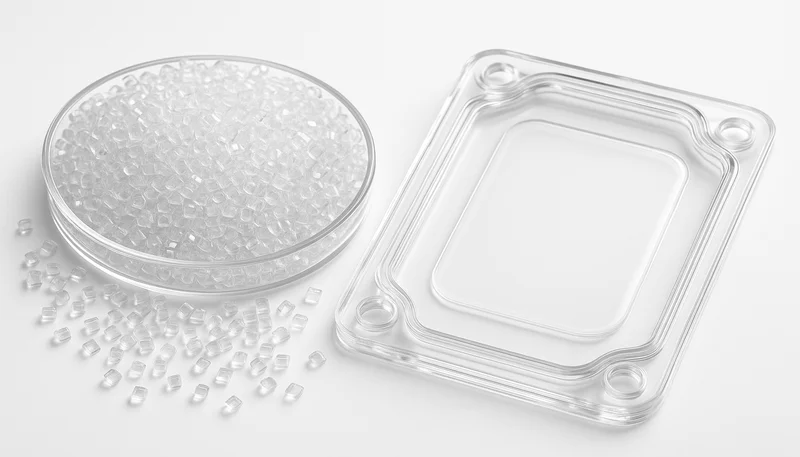
Hoe verhouden biogebaseerde kunststoffen zich tot traditionele petroleumgebaseerde polymeren?
Bio-PE en bio-PET zijn directe vervangers voor fossiele varianten; PLA en PHA leveren een deel van hun prestaties in voor biologische afbreekbaarheid.
Bio-PE en bio-PET zijn direct inzetbare vervangers. Ze hebben dezelfde moleculaire structuur als fossiel PE en PET, waardoor mechanische eigenschappen, verwerkingstemperaturen en chemische bestendigheid gelijk zijn. Alleen de grondstof verschilt — suikerrietethanol in plaats van aardolienafta. Uw matrijzen, machines en procesparameters hoeven niet te veranderen.
PLA (polymelkzuur)2 is de meest voorkomende biogebaseerde en biologisch afbreekbare kunststof, maar geen directe vervanger. De treksterkte (50–70 MPa) is vergelijkbaar met PS, maar de hittebestendigheid is lager (Tg ≈ 55–60°C), wat gebruik bij heet afvullen of in auto’s beperkt. PLA is bros vergeleken met ABS of PP — de slagsterkte bedraagt ongeveer een derde van die van ABS.
"PLA moet vóór het spuitgieten worden gedroogd, net als conventioneel PET."True
PLA is hygroscopisch en moet worden gedroogd tot een vochtgehalte van <250 ppm (doorgaans 4–6 uur bij 80–90°C). Overtollig vocht veroorzaakt tijdens de verwerking hydrolyse3, waardoor het molecuulgewicht afneemt en oppervlaktedefecten ontstaan.
"Alle biogebaseerde kunststoffen zijn biologisch afbreekbaar."False
Bio-PE en bio-PET zijn biogebaseerd maar NIET biologisch afbreekbaar. Ze hebben dezelfde chemische structuur als fossiel PE en PET. Alleen bepaalde biogebaseerde polymeren zoals PLA en PHA zijn onder specifieke omstandigheden biologisch afbreekbaar.
PHA (polyhydroxyalkanoaat) is flexibeler en heeft betere barrière-eigenschappen dan PLA, maar is aanzienlijk duurder ($4–$8/kg tegenover $1.50–$3/kg voor PLA) en heeft een smaller verwerkingsvenster. Onze ervaring is dat PHA het meest geschikt is voor voedselverpakkingen voor eenmalig gebruik en medische wegwerpproducten waarbij biologische afbreekbaarheid de belangrijkste eis is.
Welke biogebaseerde materialen zijn het meest geschikt voor spuitgieten?
Niet elk biogebaseerd polymeer is praktisch voor spuitgieten op productieschaal. Dit zijn de materialen die wij daadwerkelijk op onze 45 machines (90T–1850T) hebben verwerkt, gerangschikt naar verwerkingsgemak. De belangrijkste kandidaten zijn PLA, PHA (polyhydroxyalkanoaat), bio-PE en bio-PET — elk met andere verwerkingseigenschappen en kostenprofielen.
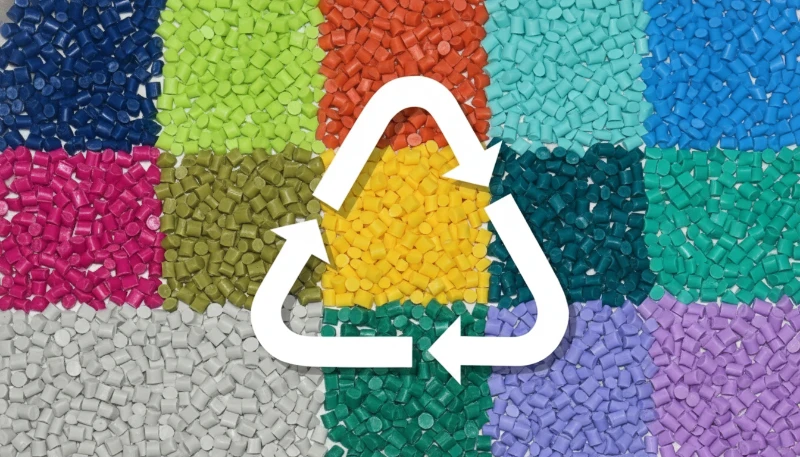
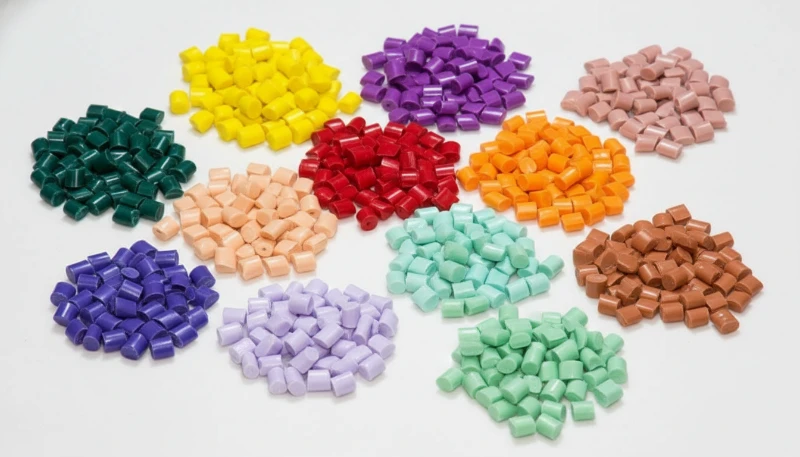
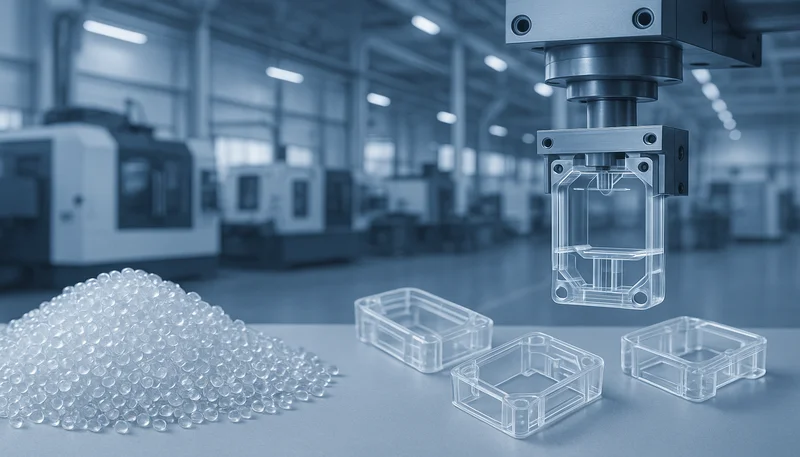
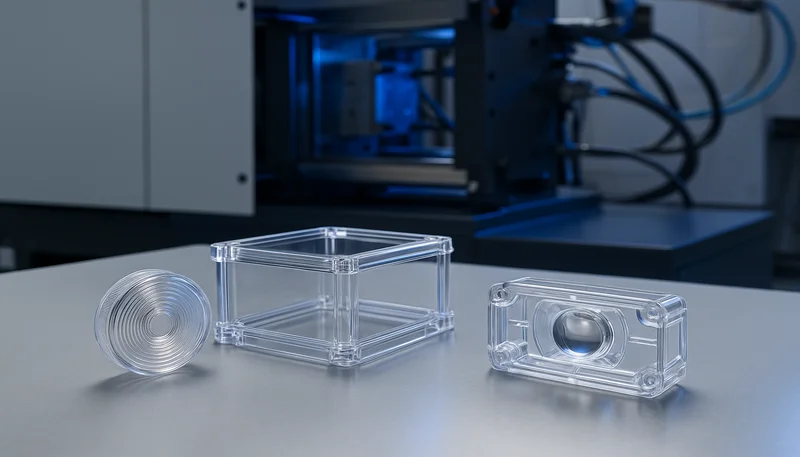
PLA (polymelkzuur) — Het werkpaard van biogebaseerd spuitgieten. Afkomstig van maïs of suikerriet. Verwerkingstemperatuur 170–200°C, matrijstemperatuur 15–25°C (een koude matrijs is cruciaal voor de beheersing van kristallisatie). De krimp is laag (0.3–0.5%), wat gunstig is voor de maatvastheid. De voornaamste uitdagingen: het is bros, vochtgevoelig (moet tot <250 ppm worden gedroogd) en heeft een smal verwerkingsvenster. Als u het tot boven 220°C oververhit, degradeert het snel — de smelt verkleurt en verliest molecuulgewicht.
Bio-PE (biopolyethyleen) — door Braskem gemaakt uit suikerrietethanol (I’m green™). Chemisch identiek aan fossiel PE. Verwerk het precies als conventioneel LDPE, HDPE of LLDPE — dezelfde temperaturen (160–260°C afhankelijk van de dichtheid), dezelfde krimp (1,5–3%) en hetzelfde matrijsontwerp. Dit is het eenvoudigste biogebaseerde materiaal om toe te passen, omdat op de productievloer niets verandert.
Bio-PET — Deels gemaakt van plantaardig MEG (mono-ethyleenglycol). De verwerking is gelijk aan die van nieuw PET: smelttemperatuur 260–280°C, matrijstemperatuur 10–20°C voor amorfe onderdelen en 130–150°C voor gekristalliseerde onderdelen. Grondige droging is vereist (<50 ppm vocht). Het is chemisch identiek aan fossiel PET en daardoor geschikt voor dezelfde toepassingen, zoals drankflessen, voedselverpakkingen en textielvezels.
PHA (polyhydroxyalkanoaat) — polymeer uit bacteriële fermentatie. Verwerkingstemperatuur 160–180°C — overschrijd 190°C NIET, anders degradeert het. Matrijstemperatuur 20–40°C. Lage krimp (0.5–0.7%). De grootste uitdagingen zijn de kosten ($4–8/kg) en de beperkte beschikbaarheid van commerciële kwaliteiten. We hebben kleine productieseries uitgevoerd voor verpakkingen van medische hulpmiddelen.
PHA (Polyhydroxyalkanoate) — Polymeer uit bacteriële fermentatie. Verwerkingstemperatuur 160–180°C — NIET hoger dan 190°C, anders degradeert het snel, wordt de smelt donkerbruin en gaan de mechanische eigenschappen verloren. Matrijstemperatuur 20–40°C. Lage krimp (0.5–0.7%). De grootste uitdaging is de prijs ($4–8/kg) en de beperkte beschikbaarheid van commerciële grades met consistente smeltindexen. We hebben kleine productiebatches voor verpakkingen van medische hulpmiddelen gedraaid; variatie in viscositeit tussen batches was onze belangrijkste kwaliteitszorg. Vraag daarom voor elke levering altijd een analysecertificaat (CoA) met smeltstroomgegevens aan.
Wat zijn de belangrijkste verwerkingsparameters voor biogebaseerde kunststoffen?
Temperatuurregeling, vochtbeheersing en verblijftijd zijn de drie verwerkingsparameters die het meest afwijken van conventionele harsen. Biogebaseerde polymeren zoals PLA en PHA hebben nauwe verwerkingsvensters die een strakkere regeling vereisen dan standaard technische kunststoffen.
Temperatuurregeling is de belangrijkste factor. PLA en PHA hebben smalle verwerkingsvensters — PLA degradeert boven 220°C en PHA boven 190°C. Daarom zijn nauwkeurige cilindertemperatuurregeling (±2°C) en aandacht voor de verblijftijd nodig. Materiaal dat tijdens machinestilstand in een hete cilinder blijft, degradeert. Onze aanpak: stel de cilinderzones oplopend in, met de nozzle op de doeltemperatuur en de toevoerzone 20–30°C lager om voortijdig smelten te voorkomen.
Injectiesnelheid is ook belangrijker bij biogebaseerde materialen. PLA en PHA zijn afschuifgevoelig — hoge injectiesnelheden genereren wrijvingswarmte die de smelttemperatuur boven de degradatiedrempel kan brengen. We beginnen doorgaans op 50–70% van de snelheid die we voor ABS of PP zouden gebruiken en stellen vanaf daar bij. De schroefsnelheid tijdens het plastificeren moet gematigd zijn (50–100 rpm) om afschuifverwarming te minimaliseren.
De koeltijd voor biogebaseerde materialen is over het algemeen vergelijkbaar met die van conventionele tegenhangers. PLA koelt snel af in een koude matrijs (15–25°C), wat gunstig is voor de cyclustijd, maar betekent dat een goed uitwerpontwerp nodig is — het onderdeel kan direct na het ontvormen bros zijn. We hebben vastgesteld dat iets langere koeltijden (10–20% langer dan bij PP) schade bij het uitwerpen verminderen.
Hoe regelt u droging en vochtbeheersing voor biobased materialen?
Vochtbeheersing is waar de meeste projecten voor het spuitgieten van biogebaseerde materialen mislukken. Elke hygroscopische biogebaseerde hars — PLA, bio-PET, PHA en zetmeelmengsels — moet vóór verwerking worden gedroogd. Er staat meer op het spel dan bij conventionele harsen, omdat biogebaseerde polymeren gevoeliger zijn voor hydrolyse — watermoleculen breken tijdens de smeltverwerking de polymeerketens af, waardoor het molecuulgewicht afneemt en oppervlaktedefecten, brosheid en maatinstabiliteit ontstaan.
PLA drogen: 4–6 uur bij 80–90°C, doelvocht <250 ppm. Gebruik een ontvochtigingsdroger met dauwpunt ≤ -30°C. Overschrijd 95°C NIET, anders kleven de korrels samen en vormen ze een brug in de trechter. Verwerk binnen 2 uur na droging of bewaar afgesloten met droogmiddel.
Drogen van Bio-PET: 4–6 uur bij 150–170°C, streefvochtgehalte <50 ppm. Dit is hetzelfde protocol als voor fossiel PET — dezelfde drogereisen en dezelfde vochtgrenswaarden. Als u al PET verwerkt, is uw drooginstallatie gereed.
PHA drogen: 3–4 uur bij 60–80°C, doelvochtgehalte <200 ppm. Gebruik een lagere temperatuur dan voor PLA, omdat de thermische degradatiedrempel van PHA lager is. We hebben dit uit ervaring geleerd — PHA drogen bij PLA-temperaturen veroorzaakte verkleuring en verlies van mechanische eigenschappen.
"Biobased kunststoffen kosten in alle gevallen aanzienlijk meer dan conventionele kunststoffen."True
Bio-PE kost slechts 15-30% meer dan fossiel PE en de kosten van bio-PET zijn vergelijkbaar. PLA en PHA zijn duurder, maar het kostenverschil neemt af nu de productie wereldwijd opschaalt. Sommige toepassingen bereiken op schaal zelfs kostenpariteit.
"PLA kan ABS in de meeste spuitgiettoepassingen vervangen."False
PLA heeft een aanzienlijk lagere slagvastheid (≈2–5 kJ/m2) dan ABS (≈20–40 kJ/m2) en een lagere hittebestendigheid (Tg ≈ 55°C tegenover ≈105°C voor ABS). Het is geschikt voor stijve verpakkingen en consumptiegoederen, maar niet voor veeleisende structurele toepassingen.
Mengsels op zetmeelbasis: 2–4 uur bij 70–80°C. Deze materialen zijn extreem hygroscopisch — ze nemen binnen minuten vocht uit de omgevingslucht op. Gebruik een hopperdroger op de machine en houd de toevoertijd van droger tot cilinder onder 30 minuten.
Welke ontwerpoverwegingen gelden voor onderdelen van biogebaseerde kunststof?
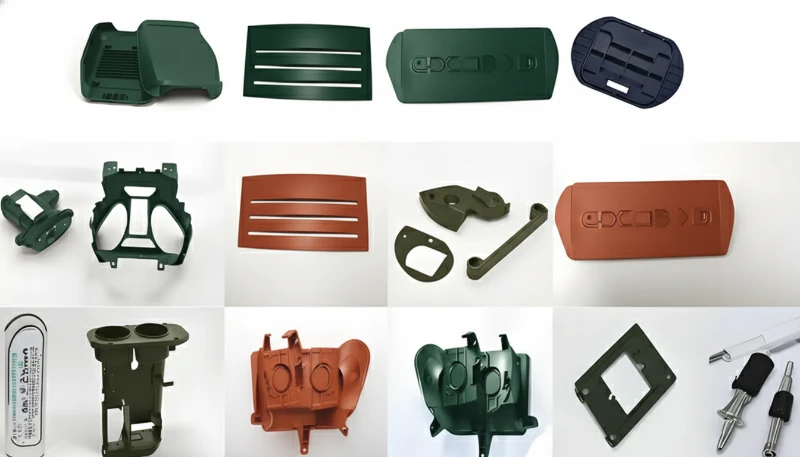
Biogebaseerde kunststofdelen worden het best ontworpen met ruime lossingshoeken, uniforme wanden en afgeronde hoeken.
Wanddikte: PLA-onderdelen moeten een gelijkmatige wanddikte behouden (idealiter 2–3 mm) met geleidelijke overgangen. Abrupte veranderingen in de doorsnede veroorzaken spanningsconcentraties die tot scheuren leiden, vooral door de brosheid van PLA. Voor PHA helpen iets dikkere wanden (2,5–4 mm) de lagere stijfheid te compenseren.
Lossingshoeken: gebruik voor PLA-onderdelen minimaal 1–2° lossingshoek per zijde — meer dan voor PP of PE nodig is. Door de stijfheid van PLA vervormt het niet tijdens het uitwerpen; ondersnijdingen of nauwe lossingen leiden daardoor tot scheuren tijdens het ontvormen. Overweeg bij complexe geometrieën uitwerppennen bij elke rib en bevestigingsnok toe te voegen.
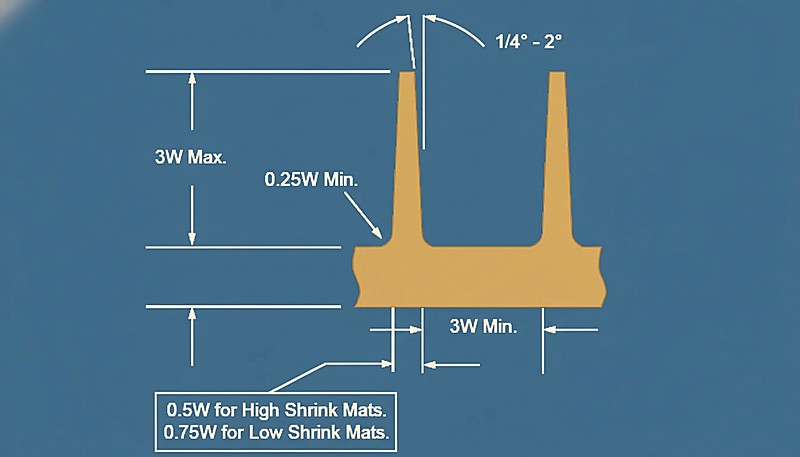
Ribontwerp: beperk de ribhoogte voor PLA tot maximaal 2.5× de nominale wanddikte. Te hoge ribben veroorzaken inzakkingen of kromtrekken door de lage krimp en hoge stijfheid van PLA. De dikte aan de ribvoet moet 50–60% van de wanddikte bedragen.
Afrondingen: ruime rondingen zijn cruciaal voor biogebaseerde onderdelen. PLA en zetmeelmaterialen zijn kerfgevoelig; scherpe binnenhoeken veroorzaken spanningsconcentraties die de sterkte sterk verminderen. Gebruik minimaal 0.5mm binnenradius, bij dragende elementen bij voorkeur 1.0mm.
Wanneer kiest u biogebaseerde kunststoffen in plaats van conventionele kunststoffen?
Biobased kunststoffen zijn de juiste keuze wanneer duurzaamheidscertificaten belangrijker zijn dan maximale mechanische prestaties of bestendigheid tegen hoge temperaturen.
Beste toepassingen voor biogebaseerde kunststoffen: consumentenverpakkingen (PLA en zetmeelmengsels voor voedselbakjes, bekers en klapverpakkingen), landbouwproducten (ankers van PLA voor mulchfolie, plantenpotten van PHA), medische hulpmiddelen voor eenmalig gebruik (PHA-spuiten, PLA-chirurgische instrumenten) en behuizingen voor consumentenelektronica (bio-PE voor niet-structurele afdekkingen). In al deze gevallen biedt het duurzaamheidsverhaal van het materiaal marketingwaarde die de hogere materiaalkosten kan compenseren.
Waar biobased kunststoffen nog niet concurrerend zijn: automotive-onderdelen onder de motorkap bij hoge temperaturen, constructiedelen met vereiste slagvastheid boven 20 kJ/m², langdurige buitentoepassingen (PLA degradeert onder UV-blootstelling) en toepassingen met continu gebruik boven 80°C. Hiervoor blijven conventionele technische kunststoffen de betere keuze.
Realistische kostencontrole: PLA is momenteel 20–50% duurder dan standaard-PP of -PS. Bio-PE heeft een meerprijs van 15–30% ten opzichte van fossiel PE. PHA kost 2–4× zoveel als PP. Het kostenverschil neemt af naarmate de productie opschaalt, maar bij toepassingen met hoge volumes blijft de meerprijs aanzienlijk. Sommige klanten nemen het kostenverschil op in hun marketingbudget voor duurzaamheid.
Ons advies: begin met bio-PE of bio-PET als uw klant een duurzaamheidsclaim wenst zonder iets op de productievloer te veranderen. Dit zijn volwaardige, direct inzetbare vervangers. Stap alleen over op PLA of PHA als biologische afbreekbaarheid een specifieke eis is en houd rekening met extra verwerkingswerk en kosten.
Wat vragen engineers vaak over biogebaseerd spuitgieten?
Dit zijn de praktische vragen die ons engineeringteam het vaakst hoort van klanten die biogebaseerde materialen voor productieseries overwegen.
Veelgestelde vragen
Kunnen biogebaseerde kunststoffen op standaard spuitgietmachines worden verwerkt?
Ja, biogebaseerde kunststoffen kunnen zonder aanpassingen op standaardspuitgietmachines worden verwerkt. PLA, bio-PE, bio-PET en PHA zijn allemaal te verwerken op conventionele machines met reciprocerende schroef en standaard L/D-verhoudingen. Nauwkeurige temperatuurregeling is essentieel: vanwege de smalle verwerkingsvensters van PLA en PHA is een nauwkeurigheid van ±2°C voor de cilindertemperatuur nodig. Machines met PID-temperatuurregeling in gesloten lus voldoen hier eenvoudig aan. Een speciaal schroefontwerp is niet nodig; universele schroeven met een L/D-verhouding van 18:1 tot 20:1 werken goed voor de meeste biogebaseerde harsen.
Is PLA sterk genoeg voor functionele onderdelen?
PLA heeft een treksterkte van 50–70 MPa, vergelijkbaar met polystyreen en voldoende voor veel toepassingen in harde verpakkingen en consumentenproducten. De slagvastheid (2–5 kJ/m²) is echter veel lager dan die van ABS (20–40 kJ/m²) of PP (3–30 kJ/m²). PLA is geschikt voor behuizingen met klikverbindingen, displaybehuizingen en wegwerpartikelen waarbij het onderdeel tijdens de levensduur niet aan aanzienlijke slagbelastingen wordt blootgesteld. Overweeg voor toepassingen die taaiheid vereisen PLA-blends met PBAT of slagvastheidsmodificatoren, waarmee de slagvastheid kan worden verdubbeld of verdrievoudigd.
Hoe lang gaan biogebaseerde kunststofonderdelen mee?
Dit hangt af van het materiaal en de omgeving. Bio-PE en bio-PET gaan even lang mee als hun fossiele equivalenten — tientallen jaren bij normaal gebruik, omdat ze chemisch identiek zijn. PLA en PHA zijn anders: onder normale binnenomstandigheden blijven PLA-onderdelen jarenlang stabiel. Onder composteringsomstandigheden (58°C, hoge luchtvochtigheid) wordt PLA echter binnen 3–6 maanden biologisch afgebroken. PHA breekt sneller af — in de bodem of een mariene omgeving kan het binnen 3–6 maanden worden afgebroken. De materiaalkeuze is daarom cruciaal: kies bio-PE/bio-PET voor duurzaamheid en PLA/PHA voor geplande biologische afbraak aan het einde van de levensduur.
Vereisen biogebaseerde kunststoffen speciale matrijsmaterialen?
Nee, biogebaseerde kunststoffen vereisen geen speciale matrijsmaterialen. Standaard voorgehard P20-staal is geschikt voor productiematrijzen die PLA, bio-PE, bio-PET of PHA tot 500,000 cycli verwerken. H13-gereedschapsstaal wordt aanbevolen voor productiematrijzen met veel caviteiten die meer dan 1,000,000 cycli halen. De verwerkingstemperaturen vallen binnen hetzelfde bereik als bij conventionele kunststoffen, zodat de thermische belasting van de matrijs vergelijkbaar is. Voor productiematrijzen met veel caviteiten die biogebaseerde harsen verwerken, gelden dezelfde ontwerpprincipes: voldoende koelkanalen, correcte ontluchting en een passende specificatie van de oppervlakteafwerking.
Wat is de houdbaarheid van biogebaseerde kunststofgranulaten?
Ongeopende zakken PLA-granulaat die bij kamertemperatuur (20–25°C) en lage luchtvochtigheid (<50% RH) worden opgeslagen, zijn 12–18 maanden houdbaar. Bio-PE en bio-PET hebben een vergelijkbare houdbaarheid als hun fossiele equivalenten—18–24 maanden bij correcte opslag. PHA-granulaat is gevoeliger en moet binnen 12 maanden worden gebruikt. Na opening moeten alle hygroscopische biogebaseerde harsen opnieuw in vochtwerende zakken worden afgesloten of snel worden verwerkt. Het belangrijkste degradatiemechanisme tijdens opslag is vochtopname, die tijdens verwerking tot hydrolyse leidt.
Kunnen biogebaseerde kunststoffen net als conventionele kunststoffen worden gekleurd en van een oppervlakteafwerking worden voorzien?
Ja, biogebaseerde kunststoffen zijn geschikt voor standaardkleurstoffen en oppervlakteafwerkingen. PLA kan met masterbatch worden gekleurd met behulp van PLA-gebaseerde dragerharsen — gebruik geen standaardmasterbatches voor PE of PP, omdat het dragerpolymeer mogelijk incompatibel is. Voor bio-PE en bio-PET worden dezelfde kleurstoffen gebruikt als voor hun fossiele equivalenten. Opties voor oppervlakteafwerking zijn textuur (VDI 12–45), polijsten (SPI A-2 tot B-1) en tampondruk. PLA kan goed worden geverfd en bedrukt, maar vereist voor hechting een oppervlaktebehandeling (plasma of corona) vanwege de lage oppervlakte-energie.
Zijn biogebaseerde kunststoffen door de FDA goedgekeurd voor contact met levensmiddelen?
Veel biogebaseerde kunststoffen voldoen aan FDA-eisen voor voedselcontact, maar u moet de specifieke commerciële kwaliteit verifiëren. PLA is volgens 21 CFR 177.1630 door de FDA goedgekeurd voor voedselcontact, met specifieke beperkingen voor temperatuur en gebruiksomstandigheden. Bio-PE en bio-PET voldoen aan dezelfde FDA-regelgeving als hun fossiele equivalenten, omdat het chemisch identieke polymeren zijn. Voor bepaalde PHA-kwaliteiten die in voedselverpakkingen worden gebruikt, bestaat een FDA-kennisgeving voor voedselcontact. Vraag uw harsleverancier altijd om de specifieke conformiteitsverklaring voor voedselcontact voor exact de kwaliteit die u in productie wilt gebruiken.
Hoe groot is de vermindering van de koolstofvoetafdruk bij gebruik van biogebaseerde kunststoffen?
Bio-PE uit suikerriet kan de koolstofvoetafdruk van wieg tot fabriekspoort met 70–80% verminderen ten opzichte van fossiel PE, omdat het suikerriet tijdens de groeicyclus CO₂ opneemt. PLA vermindert de koolstofuitstoot met ongeveer 25–50% ten opzichte van PS of PET, afhankelijk van de grondstof en energiebron voor de productie. PHA biedt mogelijk de grootste vermindering (tot 80–90%), omdat het door bacteriële fermentatie wordt geproduceerd. Gegevens uit levenscyclusanalyses op commerciële schaal zijn voor PHA echter nog beperkt vergeleken met de goed gedocumenteerde milieuvoetafdruk van bio-PE en PLA.
Wilt u biogebaseerde materialen onderzoeken voor uw volgende spuitgietproject? Onze 8 senior engineers hebben praktijkervaring met PLA, bio-PE, bio-PET en PHA op productieschaal. Neem contact op met ZetarMold: we beoordelen uw onderdeelontwerp, adviseren het juiste biogebaseerde materiaal en leveren binnen 48 uur een gedetailleerde offerte.
Biogebaseerde kunststoffen: verwijst naar kunststof die gedeeltelijk of volledig is vervaardigd uit hernieuwbare biomassa, zoals maïszetmeel, suikerriet of plantaardige oliën, in plaats van grondstoffen op aardoliebasis. ↩
PLA (polymelkzuur): is een thermoplastische polyester uit gefermenteerd plantaardig zetmeel (meestal maïs of suikerriet), veelgebruikt voor verpakkingen, wegwerpartikelen en filament voor 3D-printen. ↩
hydrolyse: verwijst naar een chemische reactie waarbij watermoleculen polymeerketens afbreken, waardoor het molecuulgewicht en de mechanische eigenschappen afnemen — een cruciaal aandachtspunt bij vochtgevoelige biogebaseerde harsen. ↩