Wanneer u een matrijsbetaling naar een buitenlandse spuitgietleverancier overmaakt, gaat uw project van evaluatie naar definitieve opdracht. Gaat het goed, dan hebt u jarenlang een betrouwbare productiepartner. Gaat het mis, dan kunt u $15,000–$50,000 aan gereedschapskosten verliezen voordat er één onderdeel is verzonden. Deze checklist behandelt elke categorie die een inkoper vóór de aanbetaling moet controleren, van de legitimiteit en technische kennis van het bedrijf tot contractvoorwaarden en betalingsbescherming. We hebben hem samengesteld op basis van twintig jaar ervaring met spuitgieten, inclusief fouten die we buitenlandse inkopers zelf hebben zien maken.
- Verifieer de juridische status, het bedrijfslicentie en het fysieke fabrieksadres van de leverancier vóór enige betalingsbespreking
- Bevestig dat de leverancier machines heeft in het door u vereiste tonnagebereik en ervaring met uw materiaal
- ISO 9001-certificering is de minimale kwaliteitsdrempel—accepteer geen mondelinge claims
- Eigendom van gereedschap, IP-rechten en exitvoorwaarden moeten schriftelijk worden vastgelegd voordat de aanbetaling wordt gedaan
- Betaal nooit 100% vooraf; gebruik mijlpaalbetalingen die gekoppeld zijn aan de goedkeuring van T0-bemonstering
Waarom is due diligence vóór betaling belangrijk?
De matrijsbetaling is de grootste financiële verplichting binnen elk project voor een maatwerk-spuitgietmatrijs. Een productiematrijs met één caviteit kost al snel $8,000–$25,000 en matrijzen met meerdere caviteiten of familiematrijzen kosten gemakkelijk meer dan $50,000. Blijkt de leverancier onbekwaam, onbereikbaar of erger nog—na betaling niet te bestaan—dan verliest u niet alleen geld, maar ook 6–12 weken van uw productintroductie. Onze engineers bij ZetarMold zien dat ongeveer 30% van de bedrijven die ons voor een reddingsproject benaderen eerder een mislukt matrijsproject bij een andere leverancier had. De vorige leverancier was meestal geen fraudeur; de meeste waren legitieme fabrieken. Het probleem was dat de inkoper vóór betaling niet had gecontroleerd of de leverancier aansloot bij de specifieke projecteisen.
Due diligence gaat niet over wantrouwen. Het gaat erom ervoor te zorgen dat beide partijen de projectomvang, technische eisen en commerciële voorwaarden goed genoeg begrijpen om kostbare geschillen later te voorkomen. Een leverancier die zich verzet tegen redelijke verificatievragen is een leverancier die zich zal verzetten tegen redelijke kwaliteitsklachten.
Wat moet u controleren in het bedrijfsprofiel van de leverancier?
Bedrijfsverificatie is de eerste stap, maar veel inkopers slaan deze over omdat de website van de leverancier professioneel oogt. Een verzorgde Alibaba-winkel of moderne website zegt niets over de vraag of het bedrijf daadwerkelijk een eigen fabriek heeft of een handelsonderneming is die uitbesteedt aan de laagste bieder. Begin met de bedrijfsvergunning. In China heeft elke legitieme fabrikant een Unified Social Credit Code die bij de lokale Administration for Market Regulation is geregistreerd. Vraag om een kopie en controleer de bedrijfsnaam, het geregistreerde adres, de wettelijke vertegenwoordiger en de bedrijfsactiviteiten. De bedrijfsactiviteiten moeten productie of matrijzenbouw omvatten—bij handelsondernemingen zijn ze vaak beperkt tot in- en verkoop.
Verifieer vervolgens het fysieke adres. Niet het kantooradres op de website—het daadwerkelijke fabrieksadres. Vraag om een Google Maps-pin of coördinaten. Regel indien mogelijk een videogesprek waarbij de leverancier u in realtime rondleidt over de productievloer. We hebben gevallen gezien waarin een zogenaamde fabrieksrondleiding beelden van een compleet andere faciliteit gebruikte. Controleer hoe lang het bedrijf onder hetzelfde eigendom actief is. Spuitgieten vereist opgebouwde proceskennis—bedrijven die meerdere keren van eigenaar zijn veranderd of minder dan vijf jaar actief zijn, missen mogelijk de diepgang die nodig is voor complexe projecten. Zoek naar een leverancier met minstens 10 jaar continue bedrijfsvoering.
Hoe evalueert u de technische en productiecapaciteiten?
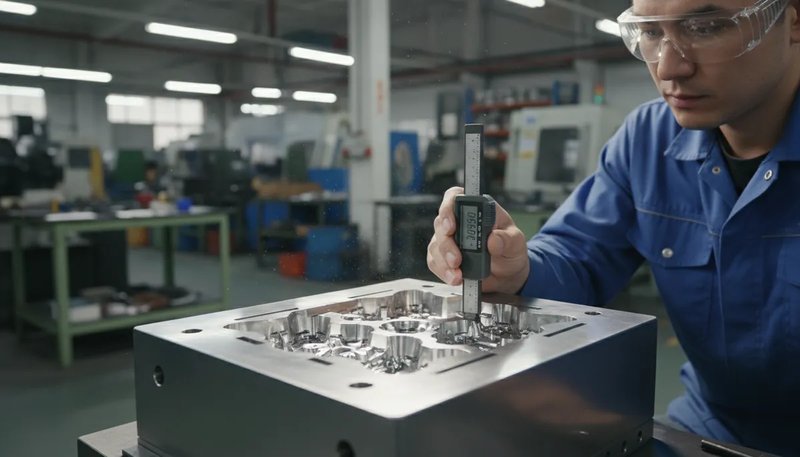
Vraag of matrijsontwerp en productie in eigen huis plaatsvinden. Wanneer matrijsontwerp en productie in eigen huis gebeuren, krijgt u één verantwoordelijk team in plaats van losstaande leveranciers en toeleveranciers. Vraag wie CAD en CAE intern uitvoert, of ze software zoals SOLIDWORKS en MOLDFLOW gebruiken en hoe vaak engineeringwijzigingen tijdens het gereedschapmaken worden vrijgegeven. Vraag hoe ze staal voor uw matrijs selecteren. P20-staal is standaard voor matrijzen met gematigd volume, terwijl H13 of S136 gebruikelijk is voor zeer hoge volumes of veeleisende onderdelen.
Bekijk referenties van de gereedschapsmaker voordat u geld overmaakt. Vraag om 3D-printvoorbeelden, procesplannen en dossiers van eerdere projecten voor vergelijkbare matrijzen. Een leverancier die echte matrijsstroomanalyse, koelindeling en ontwerpwijzigingsgeschiedenis kan tonen, is meestal degene met gecontroleerde engineeringcapaciteiten. Vermijd leveranciers die beweren alles in één dag te kunnen doen en toch succes bij de eerste poging garanderen.
Welke kwaliteitsmanagementsystemen moeten worden geverifieerd?
Kwaliteitsmanagement is geen certificaat aan de muur, maar dagelijkse werkpraktijk. Een gerenommeerde leverancier moet minimaal ISO 90011 hebben en duidelijke inspectieprocedures hanteren. Als uw project gericht is op medische, automotive- of gereguleerde markten, vraag dan of de eisen van ISO 134852 of IATF 169493 gelden en vraag voorbeeldregistraties op die aantonen dat het systeem tijdens de productie wordt gebruikt, en niet alleen in verkoopgesprekken.
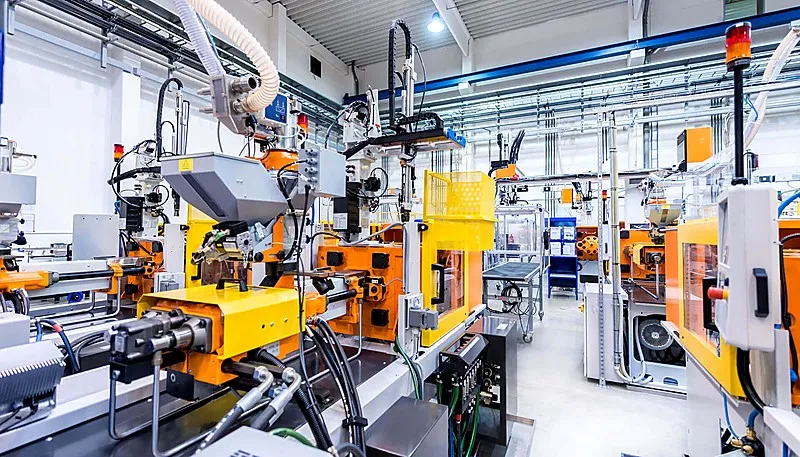
In onze fabriek in Shanghai gebruiken we 47 spuitgietmachines van 90T tot 1850T, met 8 senior engineers en 10+ QC-specialisten op de productievloer. We ondersteunen meer dan 400+ kunststofmaterialen en produceren matrijzen intern om de overdracht van gereedschapsontwerp naar productie beheerst te houden.
Voordat u een certificaat als bewijs accepteert, vraag de leverancier om het certificaat te koppelen aan dagelijkse registraties: inkomende inspectielogs, dimensiecontroles tijdens het proces, eerste-artikel-goedkeuring, afwijkingsrapporten, registraties van corrigerende maatregelen en eindinspectiedossiers. Een serieuze leverancier moet kunnen aantonen hoe een order verloopt van materiaalontvangst tot monstergoedkeuring en vrijgave voor massaproductie.
Het sterkste bewijs is niet het certificaatnummer zelf; het is het herhaalbare spoor van inspectieregistraties, verantwoordelijke eigenaren, tijdstempels en ondertekende acceptatiecriteria. Voor buitenlandse kopers is dit van belang omdat gereedschapsbetalingen vaak worden gedaan voordat een verzendinspectie mogelijk is. Dit is ook waar fabrieksbezoeken, video-audits en monsterinspectierapporten met elkaar moeten overeenkomen in plaats van verschillende verhalen te vertellen.
Als de leverancier kan uitleggen wie de matrijsproef controleert, welke afmetingen worden gemeten, hoe defecten worden geëscaleerd en wanneer corrigerende maatregelen worden afgesloten, dan werkt het kwaliteitssysteem als een operationele methode in plaats van als verkoopdecoratie.
Vraag vóór betaling om één geanonimiseerd inspectiepakket van een vergelijkbaar exportproject. Het moet gemeten afmetingen, tolerantiegrenzen, inspectiegereedschappen, goedkeuringsstatus, ondertekende dispositie en de persoon die verantwoordelijk is voor de vrijgave, tonen.
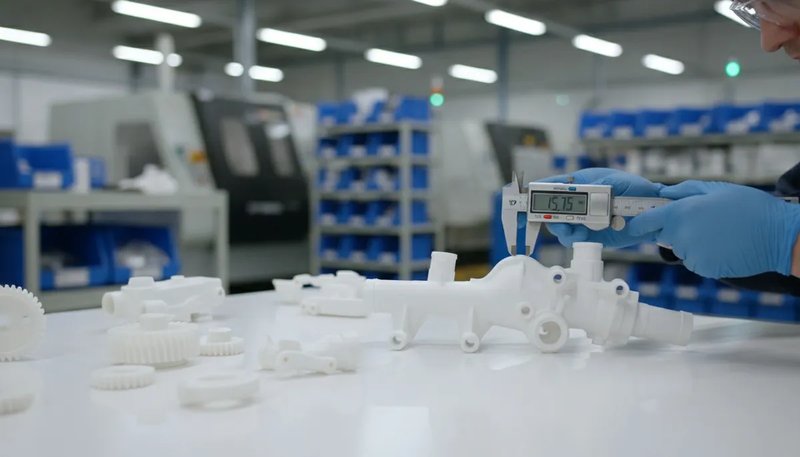
Bewaar deze inspectiedossiers bij het commerciële mijlpaaldossier, niet alleen in de kwaliteitsmap. Dat voorkomt dat een goedgekeurd monster los van de betalingsverantwoordelijkheid wordt besproken.
Bevestig na de stap van de monsterinspectie dat dezelfde discipline wordt voortgezet in het beheer van de gereedschapsovereenkomst. Inspectiebewijs moet rechtstreeks worden verwerkt in acceptatiecriteria, betalingsvoorwaarden per mijlpaal, timing van corrigerende maatregelen, registraties van monstergoedkeuring en betalingsophoudpunten, zodat kwaliteitsbevindingen niet kunnen worden losgekoppeld van de commerciële verantwoordelijkheid.
Vraag naast certificaten ook naar de ingangscontrole van materialen. Test de leverancier materiaaleigenschappen bij ontvangst of vertrouwt deze op het gegevensblad van zijn leverancier? Traceerbaarheid van materiaalbatches is cruciaal voor oorzaakanalyse van defecten. Als de leverancier niet kan aangeven welke harsbatch in een productierun is gebruikt, kan hij kwaliteitsproblemen niet isoleren. Vraag welke inspectiefrequentie geldt voor kritieke afmetingen en hoe de afkeurcriteria voor eerste monsters en lopende productie worden vastgesteld.
Hoe beoordeelt u communicatie en projectbeheer?
De kwaliteit van de communicatie voorspelt de kwaliteit van de levering. Bevestig vóór betaling of er een toegewijde Engelssprekende projectmanager is en of zij gestructureerde rapportage gebruiken. Vraag wie verantwoordelijk is voor engineeringgoedkeuringen, wie voor de communicatie en wie commerciële vragen afhandelt. Een leverancier die geen duidelijk enkelvoudig aanspreekpunt kan voorstellen, zal waarschijnlijk vertragingen veroorzaken wanneer het lastig wordt.
Vraag naar de rapportagefrequentie. Vraag om een voorbeeld van een wekelijkse voortgangssjabloon en een wekelijkse engineering-update. Zijn er foto’s bijgevoegd? Worden risicopunten genoteerd met verantwoordelijken en deadlines? Wat gebeurt er wanneer zich een staalprobleem voordoet? Als escalatie alleen op het laatste moment via een WhatsApp-ping plaatsvindt, heeft de leverancier geen stabiele projectworkflow opgebouwd voor internationale kopers.
Wat moet de gereedschapsovereenkomst omvatten?
Een gereedschapsovereenkomst is het schriftelijke controledocument voor eigendom, reikwijdte, acceptatiecriteria, overdrachtsrechten en de afhandeling van afgekeurde monsters. Voordat u voor gereedschap betaalt, moet de overeenkomst de wettelijke eigenaar van het gereedschap benoemen, het matrijsnummer identificeren, de inbegrepen technische wijzigingen opsommen en beschrijven hoe de matrijs kan worden verplaatst als de relatie met de leverancier eindigt.
Beschermende betalingsvoorwaarden koppelen elke betaling aan een zichtbare technische mijlpaal, niet aan vage kalenderbeloften. Een praktische structuur is een aanbetaling na bevestiging van de inkooporder, nog een betaling na goedkeuring van het gereedschapsontwerp, nog een na de eerste aanvaardbare monsters en het eindsaldo nadat de inspectierapporten zijn beoordeeld. Vraag de leverancier voor hoogwaardige gereedschappen om te documenteren welk bewijs vereist is voordat elke betaling wordt vrijgegeven.
Welke betalingsvoorwaarden beschermen buitenlandse kopers?
Betalingsvoorwaarden beschermen buitenlandse kopers wanneer elke overdracht is gekoppeld aan een zichtbare technische mijlpaal en schriftelijk acceptatiebewijs. Een gebruikelijke startstructuur is 30% aanbetaling bij inkooporder, 30% bij vrijgave van het gereedschapsontwerp, 30% bij het eerste monster en 10% na acceptatie. Zo blijft de onderhandelingspositie beschikbaar totdat de leverancier echte voortgang aantoont met documenten, foto’s, proefverslagen en inspectieresultaten.
Gebruik een bankoverschrijving voor grensoverschrijdende betalingen en controleer of de begunstigde overeenkomt met de vergunde juridische entiteit. Overweeg het gebruik van een kredietbrief (letter of credit) voor grotere projecten, vooral wanneer de matrijscomplexiteit hoog is.
"Betalingen per mijlpaal geven kopers bij elk technisch controlepunt invloed en verlagen het totale risico."True
Wanneer betalingen gekoppeld zijn aan verifieerbare mijlpalen zoals T0-bemonstering en eerste-artikelinspectie, moet de leverancier vooruitgang aantonen voordat er geld wordt ontvangen. Deze structuur dwingt op natuurlijke wijze verantwoording af en brengt problemen vroegtijdig aan het licht.
"Een aanbetaling van 30% betekent dat de leverancier automatisch contractueel garandeert het gereedschap op tijd te leveren."False
Een aanbetaling is een vooruitbetaling en elimineert niet automatisch het leverings- en prestatierisico. Prestatieproblemen worden opgelost via contract- en projectbeheer, niet door het bedrag van de aanbetaling alleen.
Nadat u de betalingsvoorwaarden hebt beoordeeld, vraagt u de leverancier om precies te tonen welk bewijs bij elke mijlpaal wordt geleverd. Nuttig bewijs omvat screenshots van het matrijsontwerp, aankoopregistraties van staal, bewerkingsfoto’s, T0-proefrapporten, dimensionale inspectieresultaten en korte video’s van de matrijs die op de toegewezen machine draait. Dit verandert de betalingsgoedkeuring van een op vertrouwen gebaseerde beslissing in een op bewijs gebaseerde beslissing en verkleint de kans dat u vooruit betaalt op echte voortgang. Als de leverancier het bewijspakket niet kan definiëren, vertraag het project dan voordat u geld overmaakt.
"Betaling naar een privérekening is een duidelijk waarschuwingssignaal bij matrijsprojecten."True
Namen van begunstigden moeten overeenkomen met de rechtspersoon in het contract en de registratiedocumenten. Persoonlijke rekeningen kunnen juridische en fiscale onduidelijkheid creëren en de handhaving vertragen wanneer zich problemen voordoen.
"Een zeer lage matrijsofferte is altijd een goed teken voor het uiteindelijke projectrendement."False
Abnormaal lage prijzen betekenen vaak verborgen compromissen zoals onvoldoende gereedschapsanalyse, tragere revisiecycli, of kwaliteitsproblemen later die de totale kosten verhogen.
Welke waarschuwingssignalen zouden een betaling moeten tegenhouden?
Rode vlaggen zijn leveranciersgedragingen die juridisch, fabrieks-, technisch of betalingsrisico tonen voordat geld wordt overgemaakt. Stop de betaling wanneer de leverancier geen juridische identiteit, fabriekscontrole, technische capaciteit en mijlpaalverantwoording schriftelijk kan aantonen. Rode vlaggen zijn onder meer betalingsverzoeken aan persoonlijke rekeningen, weigering om fabrieksbewijs te delen, vage gereedschapsantwoorden, druk om te betalen voor DFM-beoordeling, en inconsistente bedrijfsnamen in contracten, facturen, bankgegevens en certificaten.
Een leverancier die geen duidelijke verslagen kan verstrekken voor de aanbetaling is een teken om te vertragen, niet om te versnellen. Controleer de sourcing gids en gebruik elke rode vlag als een praktisch controlepunt voor projectgoedkeuring.
Hoe Verifieert U Materiële Mogelijkheden en Verwerkingskennis?
Materiaalkennis is waar middenklasse leveranciers hun grenzen tonen. Stel materiaalspecifieke vragen: droogparameters voor nylon, vochtcontrole voor PC en PEEK, en temperatuurvensters voor TPU. Als de leverancier algemene antwoorden geeft, test dan communicatieverslagen van monsters voor de aanbetaling.
Het materiaalverificatieproces onthult ook de kwaliteitsdiscipline. Een betrouwbare leverancier houdt lotlogboeken bij en kan elk gegoten lot terugvoeren naar ruwmateriaalgegevens. Vraag of het inkomende vochtgehalte wordt gemeten en of verwerkingsafwijkingen per ploeg worden gedocumenteerd.
Controleer bij aankomst de etikettering, verontreiniging en schade aan materiaalzakken en containers. Onjuiste opslag voor verwerking kan de afval- en kwaliteitsrisico’s verhogen voordat het spuitgieten begint.
Vraag materiaalcertificaten (COA) en traceerbaarheidsdocumenten van leveranciers op. Zonder COA en traceerbaarheid op lotniveau is het moeilijk om defecten te isoleren en snel corrigerende maatregelen te nemen.
Voor harsgevoelige projecten: vraag de leverancier om droogtijd, droogtemperatuur, hermaalgrenzen, kleurmasterbatchcontrole en hoe zij loten isoleren tijdens proefproductie toe te lichten. Een betrouwbare leverancier moet elk antwoord kunnen koppelen aan een document op de werkvloer, niet alleen aan een mondelinge belofte. Als het antwoord vaag is, vraag dan om een kort geschreven procesblad voor de aanbetaling.
Vraag leveranciers hoe ze capaciteit tijdens piekvraag aanpakken. Een goede leverancier heeft duidelijke prioriteitsregels en escalatiepaden zodat uw project niet wordt vertraagd door opportunistische herplanning.
Stel één praktische regel op: als er vóór de aanbetaling een kritiek antwoord schriftelijk ontbreekt, pauzeer dan en vraag om een gesprek om de lacune op te lossen voordat u verdergaat.
Vraag voor bevestiging van de productiecapaciteit om een korte uitleg van hoe de leverancier proefmonsters, proefproductie en massaproductie scheidt. De beste leveranciers kunnen machineplanning op basis van tonnage, onderhoudsvensters voor gereedschap, dekking door kwaliteitsinspecteurs en escalatieregels laten zien wanneer er dringende technische wijzigingen zijn tijdens het nemen van monsters. Deze capaciteitsbewijzing maakt planningstoezeggingen meetbaar.
Vraag een gedetailleerde offerte voor gereedschap aan en bekijk de reikwijdtedetails: holtes, koeling, verwachte wijzigingen en monsterschema. Transparante offertes verminderen misverstanden en maken projectbeheer eenvoudiger.
Capaciteitsverificatie moet zowel beschikbaarheid van apparatuur als technische beschikbaarheid omvatten. Een leverancier kan genoeg machines hebben, maar niet genoeg projectingenieurs, gereedschapsonderhoudscapaciteit of kwaliteitsinspecteurs tijdens piekmaanden. Vraag voor betaling wie verantwoordelijk is voor DFM-feedback, wie staalverspaning goedkeurt, wie deelneemt aan beoordelingsgesprekken over monsters en wie corrigerende maatregelen na proefschoten ondertekent.
Veelgestelde vragen
Veelgestelde vragen?
Wat zijn de meest voorkomende oorzaken van vertragingen in spuitgiet gereedschapsprojecten?
De meest voorkomende oorzaken zijn ontwerpwijzigingen, communicatievertragingen en testafstemming. De meeste vertragingen zijn herstelbaar als ze vroegtijdig worden gemeld met duidelijke eigenaren en ondertekende mijlpalen.
Welke certificeringen moet een spuitgietleverancier hebben?
Voor de meeste wereldwijde leveringsscenario’s zijn ISO 9001 en ISO 13485 basisverwachtingen, met ISO 14001 en ISO 45001 als aanvullende procesindicatoren voor volwassen leveranciers.
Ben ik eigenaar van het spuitgietgereedschap na betaling ervoor?
Eigendom moet expliciet in het contract worden vastgelegd. Kopers moeten formulering eisen die eigendomsoverdracht en vrijgave termijnen bevestigt na acceptatie van het project en betalingsmijlpalen.
Wat is het verschil tussen een handelsbedrijf en een echte spuitgietfabriek?
Een handelsbedrijf verkoopt en bemiddelt projecten naar fabrieken maar bezit meestal geen volledige gereedschapsontwerp-tot-productie continuïteit. Een echte fabriek bezit het procesverloop en is transparanter over capaciteit en middelen.
Kan ik betalingsvoorwaarden onderhandelen na de eerste offerte?
Ja, maar doe dit vóór de definitieve aanbetaling. Onderhandel eerst over mijlpaalpercentages en acceptatietests, leg wijzigingen vervolgens vast via een schriftelijke addendum.
Waarom is een sourcing gids nuttig voor het aanbetalen van gereedschap?
Gebruik deze inkoopgids om juridische, technische en commerciële risico’s te controleren voordat u geld overmaakt. De gids helpt teams die met checklists werken om de juiste vragen in de juiste volgorde te stellen.
We hebben niet al uw onderdelen op dag één nodig. Stel eerst gestructureerde vragen en ga pas over tot aanbetaling nadat de leverancier traceerbare capaciteit heeft aangetoond.