Quality disputes with an overseas injection molding supplier rarely begin at final inspection. They usually begin when drawings, cosmetic limits, sampling rules, or approval authority remain ambiguous before tooling starts. This guide turns those vague points into a documented prevention system for buyers. It complements our injection molding supplier sourcing guide by focusing on what happens after shortlist selection, when engineering evidence must replace sales promises and every acceptance decision needs an owner.
The practical goal is not a contract that tries to predict every defect. It is a shared operating record that tells both teams what conforming means, how a deviation is measured, who can approve it, and what happens next. Buyers who understand the wider injection molding process can place these controls at design review, mold trial, pilot production, and shipment release instead of discovering disagreements after parts arrive.
Use the workflow below before paying the tooling deposit, then keep the same evidence package alive through T0, corrective trials, golden-sample approval, and mass production. It is written for international programs where time zones and language differences make informal decisions especially risky. The examples apply to industrial, consumer, medical, and automotive parts, but the acceptance limits must always come from the buyer's actual drawing, application, and regulatory obligations.
- Freeze drawings, material, color, texture, and test methods in one controlled specification
- Translate subjective cosmetic language into signed samples and measurable viewing conditions
- Connect every tooling payment to evidence, not merely to a calendar date
- Use one deviation log with owner, containment, root cause, corrective action, and closure proof
- Keep the approved sample and process window under change control after launch

What causes injection molding quality disputes?
Injection molding quality disputes are caused mainly by undefined acceptance criteria and uncontrolled changes. A drawing may specify dimensions but omit gate witness, weld-line position, gloss range, color tolerance, or packaging damage limits. The supplier then judges parts by normal shop practice while the buyer judges them by the finished product experience. Both parties may be acting reasonably, yet they are evaluating different standards. Prevention begins by listing every characteristic that can trigger rejection and naming the document that controls it.
A second cause is evidence arriving too late. Photos taken under different lighting cannot settle a cosmetic disagreement, and a pass/fail spreadsheet without instrument details cannot settle a dimensional one. Require raw measurement data, gauge identification, sampling quantity, cavity number, resin lot, machine, process settings, and inspector identity. When evidence is traceable, the discussion moves from opinion to a specific condition that engineering teams can reproduce. That shortens containment and prevents the argument from becoming personal.
Map likely disputes during quotation instead of waiting for the first sample. Ask design, quality, sourcing, assembly, and customer-service teams what they have rejected on comparable products. Convert those lessons into drawing notes, boundary samples, inspection instructions, or packaging tests. A short pre-mortem often reveals hidden expectations such as no visible ejector marks on an A-surface, cavity separation in every carton, or a required assembly force. Requirements discovered before tooling are inexpensive; expectations introduced after validation become schedule and cost disputes.
"A signed visual boundary sample can prevent disputes that a drawing alone cannot resolve."True
Texture, gloss, flow marks, color, and gate vestige often require a physical reference evaluated under defined lighting and viewing distance.
"An ISO 9001 certificate guarantees that every delivered molded part meets the buyer's drawing."False
Certification indicates a quality-management framework; product conformity still depends on project-specific specifications, capable processes, inspection, and release evidence.
How should the buyer freeze the technical baseline?
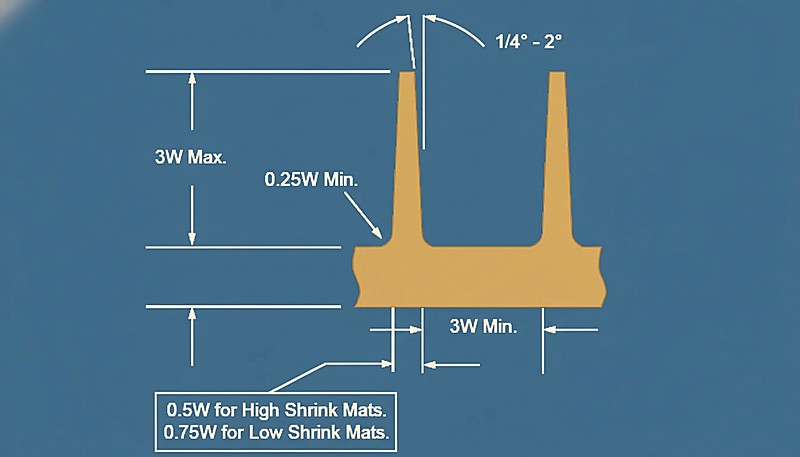
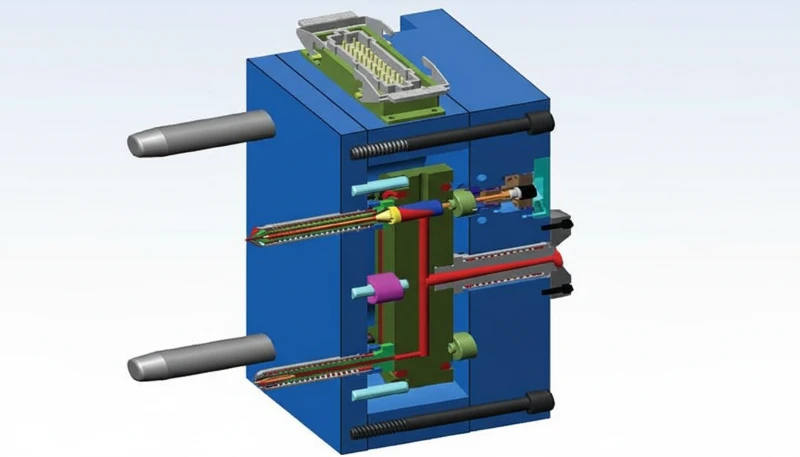
The technical baseline is one revision-controlled package that defines the approved part and process obligations. It should include the 3D model, 2D drawing, resin grade, color standard, texture callout, regulatory declarations, critical-to-quality features, assembly tests, packaging, and approved deviations. The mold specification should separately define cavities, steel, cooling, runner, ejection, expected life, spare parts, and maintenance. Our injection mold guide explains why tool construction decisions must be controlled alongside part requirements.
Create a requirement matrix rather than emailing attachments without hierarchy. Give each requirement an identifier, source revision, acceptance method, sampling rule, and approval owner. Mark conflicts before steel cutting: for example, a texture may require draft that the 3D model does not provide, or a flatness tolerance may be incompatible with the selected resin and wall geometry. The supplier should return a signed DFM response showing accepted requirements, exceptions, and recommended design changes. Silence is not acceptance; every open point needs a disposition.
Control translation as part of the baseline. Bilingual notes are useful, but one language and revision must be legally authoritative, and technical terms should be defined consistently. During the kickoff call, have the supplier explain critical requirements back to the buyer using marked images or screen sharing. This read-back catches different interpretations of words such as flush, no flash, production material, or minor scratch. Record the answer in meeting minutes and link each decision to the requirement matrix rather than relying on personal chat history.
Which acceptance criteria must be measurable?
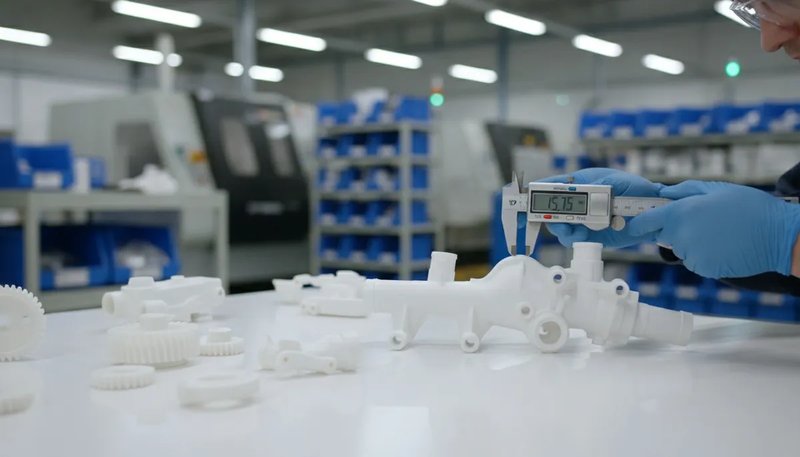
Measurable acceptance criteria are repeatable methods or controlled references for every rejection-sensitive characteristic. Dimensions need datum strategy, gauge type, conditioning time, and temperature. Color needs a master plaque or numerical color-difference limit. Appearance needs defect zones, lighting, distance, angle, and observation time. Functional tests need fixtures, load, speed, cycles, and failure definition. Packaging tests need pack quantity, separators, drop conditions, and maximum transit damage. If two inspectors cannot repeat the decision, the criterion is not ready for supplier release.
Use ISO 2859-11 only when its lot-sampling approach fits the risk and contract; do not treat an AQL number as permission to ship known defects. Safety, regulatory, and fit-critical characteristics may require zero-acceptance logic, automated control, or 100% screening. Less critical appearance features may use statistical sampling. Record the rationale by characteristic. The important point is that supplier and buyer use the same lot definition, inspection level, defect classification, and acceptance number before the first production lot exists.
| Control point | Required evidence | Release owner |
|---|---|---|
| DFM freeze | Signed requirement matrix and marked drawing | Buyer engineering |
| T0 trial | Process sheet, samples by cavity, issue list | Joint project team |
| Golden sample | Dimensional, cosmetic, functional approval | Buyer quality |
| Shipment | Lot report, traceability, packaging photos | Supplier quality |
How should mold trials and sample approvals be controlled?
A mold trial is an engineering experiment, not a shipment rehearsal. Before T0, agree on the resin lot, machine tonnage, dryer conditions, mold temperature, injection profile, cooling time, and samples required from every cavity. The supplier should identify which results come from temporary handwork or non-production settings. Buyers should not approve a cosmetically attractive sample that was produced outside a stable process window, because the same appearance may disappear when cycle time and production constraints return.
Separate three decisions: tool progress, part approval, and production release. A T0 sample can justify the next correction while still failing the drawing. A golden sample can define appearance while dimensional actions remain open. Production release should occur only after the agreed validation package closes critical issues and shows repeatable output. Write the status on every report. Ambiguous words such as acceptable, improved, or almost complete allow commercial milestones to advance while technical obligations remain unresolved.
Sample custody also matters. Ship parts in cavity-labeled bags, protect cosmetic surfaces, and include a packing list that ties each part to the trial record. The buyer should photograph the package on receipt and report transport damage separately from molding defects. Measurement should begin only after the agreed conditioning period, especially for hygroscopic resins or dimensions affected by post-mold shrinkage. These details prevent a valid engineering comparison from being distorted by mixed cavities, damaged specimens, or inconsistent measurement timing.
What belongs in a quality dispute escalation clause?
A quality dispute escalation clause is a written rule for response times, evidence, containment, disposition authority, and cost responsibility. It should say how quickly the supplier acknowledges a complaint, isolates stock, checks work in progress, and reports shipment exposure. It should also define when sorting, rework, replacement, expedited freight, or credit is appropriate. The clause should not force engineers to argue about liability before protecting the customer's line. Containment comes first; commercial allocation follows verified cause and the agreed contract.
Require an 8D2 or equivalent corrective-action record for systemic defects, with problem definition, immediate containment, root-cause evidence, permanent corrective action, verification, and recurrence prevention. The buyer must distinguish a plausible story from demonstrated cause. If a short shot is blamed on material, the record should connect resin condition and process data to the affected cavities and show the corrective trial. Close the complaint only after objective evidence proves effectiveness across an agreed quantity or time window.
"A deviation approved in writing can protect schedule without silently changing the product baseline."True
A controlled deviation names the affected quantity, temporary condition, risk, approver, expiration, and corrective follow-up while preserving the original specification.
"The supplier should automatically pay every downstream cost whenever a buyer reports a defect."False
Cost allocation requires contract terms, traceable evidence, reasonable containment, and verified responsibility; automatic assumptions often delay the technical response.
How can payment milestones reduce dispute risk?
Evidence-based payment milestones are release points tied to named deliverables and approval status. Tie the deposit to the signed scope and DFM baseline, the next payment to design release or documented steel progress, the sample payment to defined trial evidence, and the final tooling balance to approved acceptance records. Avoid triggers such as tool finished or samples sent because they describe activity, not conformity. The contract should also explain what happens when buyer changes, supplier corrections, or delayed approvals affect the schedule.
Keep a milestone dossier containing the purchase order, invoice, approved revision, trial report, issue log, photos, inspection results, and approval email or signature. Finance should release payment only after the technical owner confirms the dossier is complete. This control protects both sides: the supplier can prove earned progress, and the buyer can show why a hold exists. It also prevents a project manager's informal message from being interpreted as final acceptance of the tool or molded parts.
Define partial approval rules before a deadline creates pressure. If ten dimensions pass and one critical feature fails, the team may authorize correction work but should not label the part approved. If a noncritical cosmetic item is accepted temporarily, issue a deviation limited by quantity and date. The milestone record should show the exact commercial consequence of each status. This prevents the supplier from treating permission to continue as unconditional acceptance and prevents the buyer from withholding unrelated earned payments without a documented basis.
How do you keep the approved process from drifting?
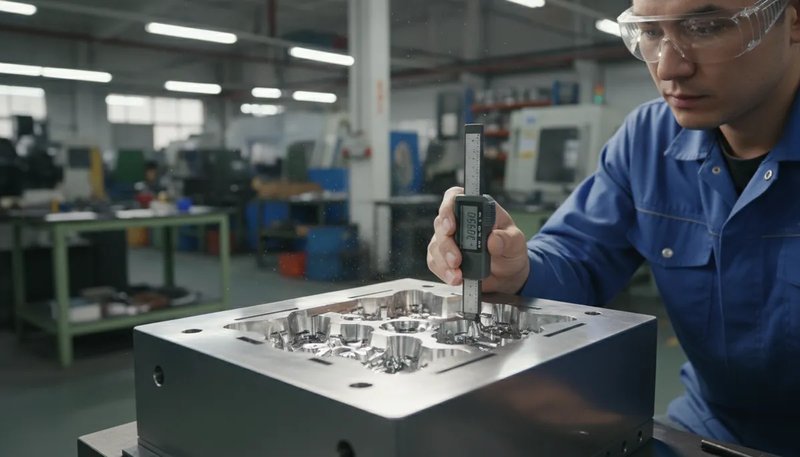
Process drift is controlled by preserving the approved settings, materials, tooling condition, and change history. After validation, record the machine, mold setup, resin and colorant grades, drying conditions, pressure profile, temperatures, cycle time, cavity balance, and key inspection results. Define which parameter changes require notification or reapproval. Statistical process control3 can reveal movement before parts cross a tolerance, but only if measurement systems are reliable and reactions are assigned to trained owners.
Apply change control to resin substitutions, colorant sources, mold repairs, cavity shutdowns, subcontracted operations, packaging changes, and production-site transfers. The supplier should describe the change, risk, validation plan, affected inventory, and proposed effective date before implementation. Buyers should answer within an agreed window so urgent decisions do not move to informal chat. Periodic scorecards should track repeat defects, response time, corrective-action closure, delivery, and unapproved changes rather than only the number of complaints.
Retain records for the service life expected by the product and market. At minimum, the buyer should be able to reconstruct which drawing, tool revision, cavity, resin lot, process window, inspection plan, and release decision produced a disputed shipment. Agree on record format, retention period, backup responsibility, and access before the relationship becomes difficult. A shared archive with stable filenames and permissions is more dependable than searching individual inboxes months later, and it gives new project members the same evidence as the people who made the original decision during launch. Keep the archive readable after personnel, software, or supplier contacts change.
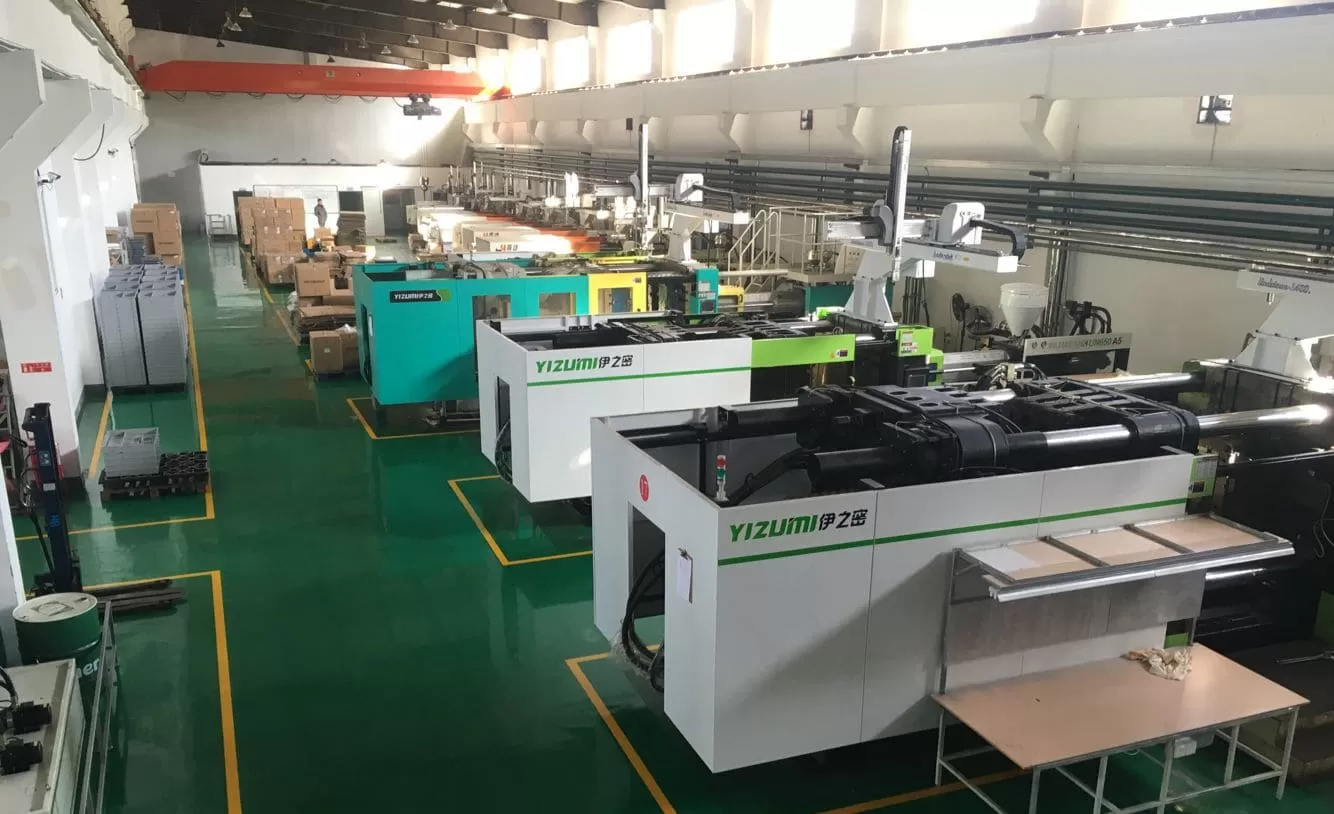
In our Shanghai factory, more than 10 QC specialists work with 8 senior engineers across 47 injection molding machines from 90T to 1850T. We use a six-step quality flow from incoming material through final release, while project records connect mold trials, dimensional checks, corrective actions, and shipment approval. That operating trail matters more in a dispute than a sales claim because it shows what was checked, by whom, and against which revision. It also gives both teams a shared timeline for rapid containment.
What are common questions about supplier quality disputes?
Frequently Asked Questions
Should a buyer approve T0 injection molding samples?
T0 samples should normally be reviewed as diagnostic evidence, not treated as automatic production approval. The first trial confirms filling behavior, ejection, cooling, visible tool issues, and whether dimensions are moving in the expected direction. Record each finding by cavity and separate tool corrections from buyer-requested design changes. If a T0 part happens to meet requirements, the team should still confirm that it came from documented, repeatable settings. Final approval should name the exact sample, revision, resin, color, cavity, test results, and remaining limitations.
Who should own the golden sample?
Both parties should retain controlled golden samples or an equivalent approved digital and measurement record. The buyer's sample supports incoming inspection and appearance decisions, while the supplier's matching sample supports setup and final inspection. Label each sample with part number, revision, material, color, cavity, approval date, and approver. Store it to prevent fading, distortion, or contamination, and define when it expires or must be replaced. If physical samples cannot capture a functional requirement, attach the validated fixture method and numerical result to the approval package.
What if the drawing and approved sample conflict?
The contract should define document precedence, but the safest response is to stop and issue a written clarification before production continues. Do not let an approved sample silently override a critical drawing requirement or let a later drawing invalidate an accepted cosmetic boundary without review. Engineering should identify the conflict, assess inventory and product risk, decide which requirement governs, and release a revised drawing, deviation, or sample approval. The supplier then acknowledges the new baseline and records when it takes effect. This prevents the same disagreement from returning during the next lot.
Can an AQL inspection eliminate quality disputes?
No. An AQL-based plan can standardize lot sampling, defect classes, and acceptance decisions, but it cannot repair unclear specifications, weak process control, or an incapable measurement method. It also does not mean that the accepted lot contains no defects. Buyers should use sampling where the risk supports it and apply stronger controls to safety, regulatory, fit, and function characteristics. The supplier and buyer must agree on lot size, inspection level, defect classification, sample selection, reinspection rules, and disposition before relying on the result for shipment release.
What evidence should accompany a supplier corrective action?
A corrective action should include a precise defect definition, affected part numbers and lots, containment scope, traceability review, verified root cause, permanent action, implementation date, and effectiveness evidence. Useful attachments include photographs under controlled conditions, raw measurements, machine and material records, cause-and-effect trials, revised work instructions, training records, and results from subsequent production. The response should also identify whether similar tools or products share the risk. Close the action only when evidence demonstrates that recurrence is controlled, not simply when a report template has been completed.
ISO 2859-1: ISO 2859-1 is a standard that describes sampling procedures for inspection by attributes using acceptance quality limits. ↩
8D: 8D is a structured problem-solving method that refers to eight disciplines for containment, root-cause correction, and recurrence prevention. ↩
Statistical process control: Statistical process control is a method that uses process data and control charts to distinguish common variation from special causes. ↩