Inviare il pagamento dello stampo a un fornitore estero di stampaggio a iniezione è il momento in cui il progetto passa dalla valutazione all’impegno. Se la scelta è giusta, si ottiene un partner produttivo affidabile per anni. Se è sbagliata, si rischia di perdere $15.000–$50.000 in costi di attrezzaggio prima ancora che venga spedito un solo pezzo. Questa checklist illustra ogni categoria che un acquirente deve verificare prima di bonificare l’anticipo, dalla legittimità dell’azienda e dalla competenza tecnica fino alle condizioni contrattuali e alla protezione dei pagamenti. L’abbiamo elaborata sulla base di vent’anni di esperienza nello stampaggio a iniezione, compresi gli errori che abbiamo visto commettere direttamente dagli acquirenti esteri.
- Verificare lo status legale del fornitore, la licenza commerciale e l'indirizzo fisico dello stabilimento prima di qualsiasi discussione sul pagamento
- Verifica che il fornitore disponga di macchine nell’intervallo di tonnellaggio richiesto e di esperienza con il tuo materiale
- La certificazione ISO 9001 è la soglia minima di qualità: non accettare affermazioni verbali
- La proprietà dell'attrezzatura, i diritti di proprietà intellettuale e i termini di uscita devono essere messi per iscritto prima del deposito
- Non pagare mai il 100% in anticipo; utilizza pagamenti basati su milestone legati all'approvazione della campionatura T0
Perché la due diligence prima del pagamento è importante?
Il pagamento dello stampo è il maggiore impegno finanziario di qualsiasi progetto di stampo a iniezione personalizzato. Uno stampo di produzione a cavità singola può costare $8.000–$25.000, mentre gli stampi multicavità o familiari superano facilmente $50.000. Se il fornitore si rivela incompetente, irreperibile o, peggio, inesistente dopo il pagamento, non si perde soltanto denaro, ma anche 6–12 settimane del programma di lancio del prodotto. Gli ingegneri di ZetarMold hanno constatato che circa il 30% delle aziende che ci contattano per progetti di recupero ha già subito il fallimento di uno stampo con un altro fornitore. Il denominatore comune non era la frode del fornitore precedente: la maggior parte erano fabbriche legittime. Il problema era che, prima di pagare, l’acquirente non aveva mai verificato se il fornitore fosse adatto ai requisiti specifici del progetto.
La due diligence non è una questione di sfiducia. Si tratta di assicurarsi che entrambe le parti comprendano l’ambito del progetto, i requisiti tecnici e le condizioni commerciali abbastanza bene da evitare costose controversie in seguito. Un fornitore che si oppone a ragionevoli domande di verifica è un fornitore che si opporrà a ragionevoli reclami sulla qualità.
Cosa verificare nel profilo aziendale del fornitore?
La verifica dell’azienda è il primo passo, ma molti acquirenti la omettono perché il sito del fornitore sembra professionale. Una vetrina Alibaba curata o un sito moderno non dimostrano che l’azienda possieda realmente lo stabilimento né escludono che sia una società commerciale che subappalta al concorrente con il prezzo più basso. Iniziate dalla licenza commerciale. In Cina, ogni produttore legittimo possiede un Codice unificato di credito sociale registrato presso l’Amministrazione locale per la regolamentazione del mercato. Richiedetene una copia e verificate ragione sociale, sede legale, rappresentante legale e oggetto sociale. L’oggetto sociale deve comprendere la produzione o la costruzione di stampi; le società commerciali hanno spesso un ambito limitato ad acquisto e vendita.
Successivamente, verifica l’indirizzo fisico. Non l’indirizzo dell’ufficio sul sito web — l’indirizzo effettivo della fabbrica. Chiedi un segnaposto o le coordinate su Google Maps. Se possibile, organizza una videochiamata in cui il fornitore ti accompagna attraverso il reparto produttivo in tempo reale. Abbiamo visto casi in cui un presunto tour della fabbrica utilizzava filmati di uno stabilimento completamente diverso. Verifica da quanto tempo l’azienda è operativa con la stessa proprietà. Lo stampaggio a iniezione richiede una conoscenza di processo accumulata — le aziende che hanno cambiato proprietà più volte o che sono operative da meno di cinque anni potrebbero non avere la profondità necessaria per progetti complessi. Cerca un fornitore con almeno 10 anni di attività continuativa.
Come si valutano le capacità tecniche e produttive?
Chiedi se la progettazione e la produzione degli stampi sono interne. Quando la progettazione e la produzione degli stampi sono interne, ottieni un unico team responsabile anziché fornitori e vendor scollegati. Chiedi chi gestisce il CAD e il CAE internamente, se utilizzano software come SOLIDWORKS e MOLDFLOW e con quale frequenza vengono rilasciate le modifiche ingegneristiche durante l’attrezzaggio. Chiedi come selezionano l’acciaio per il tuo stampo. L’acciaio P20 è standard per stampi a volume moderato, mentre H13 o S136 è comune per parti ad altissimo volume o esigenti.
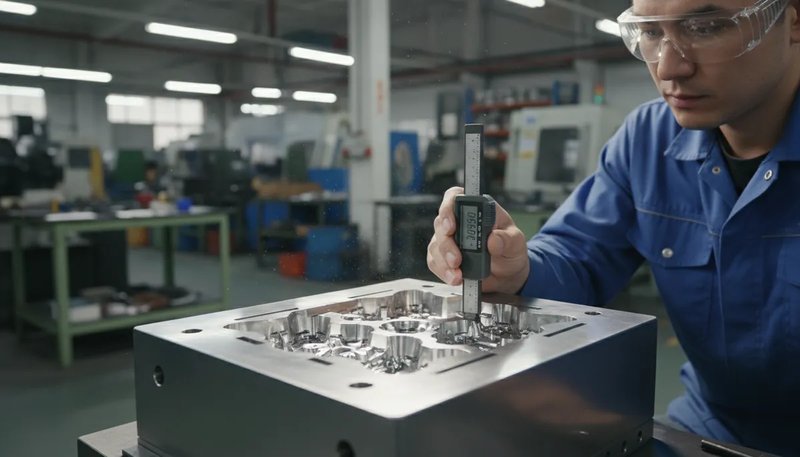
Esamina le referenze del costruttore di stampi prima di trasferire denaro. Richiedi anteprime di stampa 3D, piani di processo e registri di progetti precedenti per stampi simili. Un fornitore in grado di mostrare una reale analisi del flusso dello stampo, il layout di raffreddamento e la cronologia delle modifiche di progettazione è di solito quello che possiede capacità ingegneristiche controllate. Evita i fornitori che affermano di poter fare tutto in un giorno e garantire comunque il successo al primo tentativo.
Quali sistemi di gestione della qualità devono essere verificati?
La gestione della qualità non è un certificato appeso al muro, ma una pratica operativa quotidiana. Come minimo, un fornitore affidabile deve possedere ISO 90011 e mantenere procedure di ispezione chiare. Se il progetto riguarda mercati medicali, automobilistici o regolamentati, verificare se si applicano i requisiti ISO 134852 o IATF 169493 e richiedere registri di esempio che dimostrino che il sistema viene utilizzato durante la produzione, non soltanto nelle discussioni commerciali.
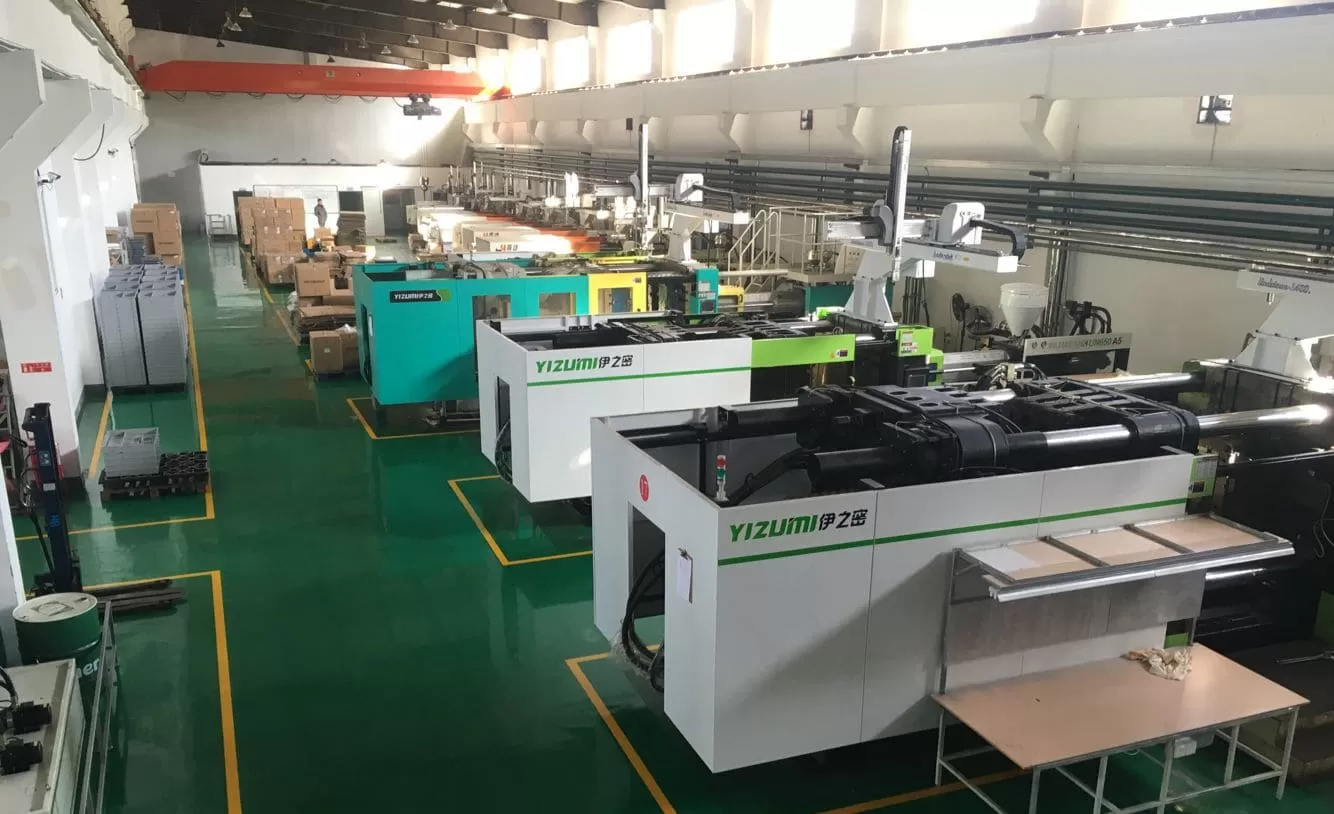
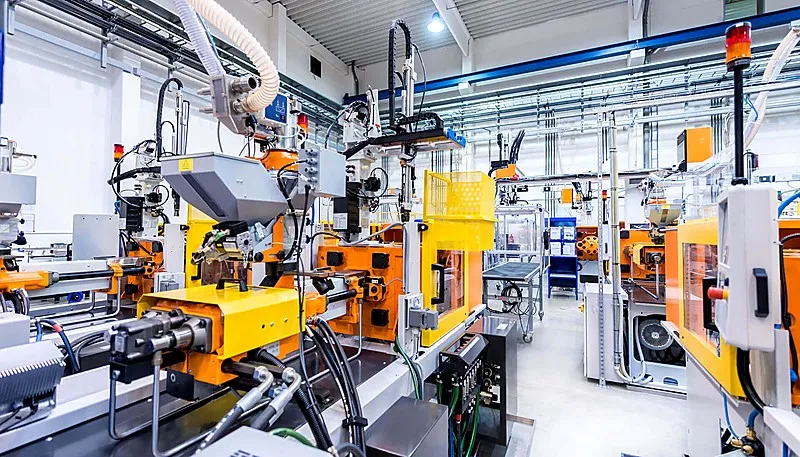
Nel nostro stabilimento di Shanghai utilizziamo 47 presse a iniezione da 90T a 1850T, con 8 ingegneri senior e 10+ specialisti QC nel reparto produttivo. Supportiamo oltre 400+ materiali plastici e produciamo internamente gli stampi per mantenere sotto controllo il passaggio dalla progettazione degli utensili alla produzione.
Prima di accettare qualsiasi certificato come prova, chiedi al fornitore di collegare il certificato ai registri quotidiani: registri di ispezione in ingresso, controlli dimensionali in process, approvazione del primo articolo, rapporti di non conformità, registri delle azioni correttive e file di ispezione finale. Un fornitore serio dovrebbe essere in grado di mostrare come un ordine passa dal ricevimento del materiale all’approvazione del campione e al rilascio per la produzione di massa.
L’evidenza più solida non è il numero del certificato in sé; è la tracciabilità ripetibile dei registri di ispezione, dei responsabili, delle marcature temporali e dei criteri di accettazione firmati. Per gli acquirenti esteri, questo è importante perché i pagamenti dell’attrezzatura vengono spesso effettuati prima che sia possibile l’ispezione della spedizione. È anche qui che le visite in fabbrica, gli audit video e i rapporti di ispezione dei campioni dovrebbero coincidere tra loro anziché raccontare storie diverse.
Se il fornitore è in grado di spiegare chi controlla il collaudo dello stampo, quali dimensioni vengono misurate, come vengono gestiti i difetti e quando le azioni correttive vengono chiuse, il sistema qualità funziona come metodo operativo e non come mera decorazione commerciale.
Prima del pagamento, richiedi un pacchetto di ispezione anonimizzato di un progetto di esportazione simile. Dovrebbe mostrare le dimensioni misurate, i limiti di tolleranza, gli strumenti di ispezione, lo stato di approvazione, la disposizione firmata e la persona responsabile del rilascio.
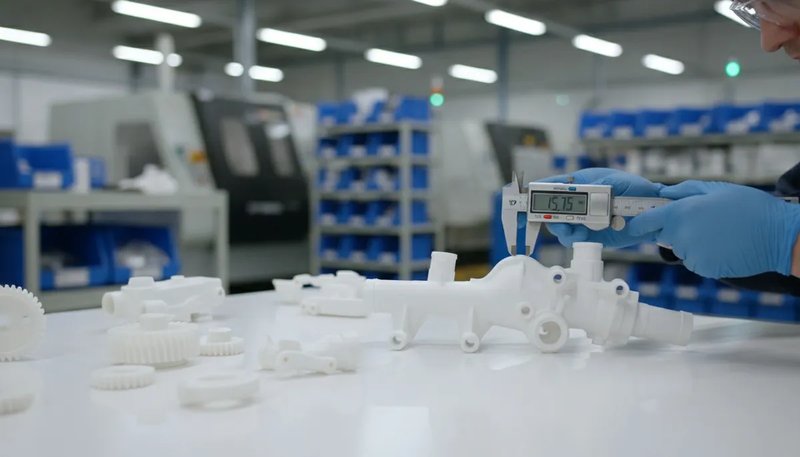
Conserva questi verbali di ispezione allegati al fascicolo delle milestone commerciali, non solo nella cartella qualità. In questo modo si evita che un campione approvato venga discusso separatamente dalla responsabilità di pagamento.
Dopo la fase di ispezione dei campioni, confermate che la stessa disciplina prosegua nel controllo dell’accordo sull’attrezzatura. Le prove di ispezione dovrebbero confluire direttamente nei criteri di accettazione, nelle condizioni di pagamento per milestone, nella tempistica delle azioni correttive, nelle registrazioni di approvazione dei campioni e nei punti di sospensione dei pagamenti, in modo che i risultati sulla qualità non possano essere separati dalla responsabilità commerciale.
Oltre ai certificati, chiedete informazioni sul controllo dei materiali in ingresso. Il fornitore verifica le proprietà del materiale all’arrivo o si affida alla scheda tecnica del produttore? La tracciabilità dei lotti è fondamentale per l’analisi delle cause profonde dei difetti. Se il fornitore non sa indicare quale lotto di resina è stato utilizzato in una produzione, non può isolare i problemi di qualità. Chiedete con quale frequenza vengono controllate le dimensioni critiche e come sono definiti i criteri di scarto per il primo articolo e per la produzione ordinaria.
Come si valutano la comunicazione e la gestione del progetto?
La qualità della comunicazione predice la qualità della consegna. Prima del pagamento, verificare se è presente un project manager dedicato di lingua inglese e se viene utilizzata una reportistica strutturata. Chiedere chi è responsabile delle approvazioni tecniche, chi della comunicazione e chi gestisce le questioni commerciali. Un fornitore che non è in grado di indicare un chiaro referente unico rischia di creare ritardi quando le cose si complicano.
Chiedi informazioni sulla cadenza dei report. Richiedi un modello di esempio di avanzamento settimanale e un aggiornamento ingegneristico settimanale. Sono allegate delle foto? Gli elementi di rischio sono documentati con responsabili e scadenze? Cosa succede quando emerge un problema con l’acciaio? Se l’escalation avviene solo con un messaggio WhatsApp all’ultimo minuto, il fornitore non ha costruito un flusso di lavoro di progetto stabile per gli acquirenti internazionali.
Cosa dovrebbe includere l’accordo sull’attrezzaggio?
Un accordo sull’attrezzatura è il documento di controllo scritto per la proprietà, l’ambito, i criteri di accettazione, i diritti di trasferimento e la gestione dei campioni non conformi. Prima di pagare per l’attrezzatura, esigete che l’accordo indichi il proprietario legale dello stampo, identifichi il numero dello stampo, elenchi le modifiche tecniche incluse e descriva come lo stampo possa essere spostato in caso di cessazione del rapporto con il fornitore.
I termini di pagamento protettivi legano ogni pagamento a una milestone tecnica visibile, non a vaghe promesse di calendario. Una struttura pratica prevede un acconto dopo la conferma dell’ordine, un altro pagamento dopo l’approvazione della progettazione dell’attrezzatura, un altro dopo i primi campioni accettabili e il saldo finale dopo l’esame dei registri di ispezione. Per gli utensili di alto valore, chiedi al fornitore di documentare quali prove sono richieste prima del rilascio di ogni pagamento.
Quali termini di pagamento tutelano gli acquirenti esteri?
I termini di pagamento proteggono gli acquirenti esteri quando ogni bonifico è legato a una milestone tecnica visibile e a una prova di accettazione scritta. Una struttura di partenza comune è il 30% di acconto con l’ordine, il 30% al rilascio della progettazione dell’attrezzatura, il 30% al primo campione e il 10% dopo l’accettazione. Questo mantiene la leva disponibile finché il fornitore non dimostra un reale avanzamento con documenti, foto, registri di prova e risultati di ispezione.
Utilizzate il bonifico bancario per i pagamenti transfrontalieri e verificate che il beneficiario corrisponda all’entità legale autorizzata. Considerate l’uso di una lettera di credito per progetti più grandi, specialmente quando la complessità dell’utensile è elevata.
"I pagamenti legati alle milestone danno agli acquirenti potere contrattuale a ogni checkpoint tecnico, riducendo l'esposizione complessiva al rischio."True
Quando i pagamenti sono legati a traguardi verificabili come la campionatura T0 e l'ispezione del primo articolo, il fornitore deve dimostrare i progressi prima di ricevere i fondi. Questa struttura impone naturalmente la responsabilità e fa emergere i problemi tempestivamente.
"Un acconto del 30% significa che il fornitore è automaticamente obbligato per contratto a consegnare lo stampo nei tempi previsti."False
Un acconto è un pagamento anticipato e non elimina automaticamente il rischio di consegna e prestazione. I problemi di prestazione si risolvono tramite il contratto e la governance del progetto, non solo con l'importo dell'acconto.
Dopo aver esaminato i termini di pagamento, chiedete al fornitore di mostrare esattamente quali prove verranno fornite a ciascuna milestone. Tra le prove utili rientrano screenshot della progettazione dello stampo, registri di acquisto dell’acciaio, foto della lavorazione, rapporti di prova T0, risultati delle ispezioni dimensionali e brevi video dello stampo in funzione sulla macchina assegnata. Ciò trasforma l’approvazione del pagamento da una decisione basata sulla fiducia a una decisione basata sulle prove e riduce la probabilità di pagare prima di un progresso reale. Se il fornitore non è in grado di definire il pacchetto di prove, rallentate il progetto prima di inviare fondi.
"Il pagamento su un conto personale è un forte segnale d'allarme nei progetti di costruzione stampi."True
I nomi dei beneficiari devono corrispondere all'entità legale indicata nel contratto e nei documenti di registrazione. I conti personali possono creare ambiguità legali e fiscali e ritardare l'applicazione delle norme in caso di problemi.
"Un preventivo per lo stampo molto basso è sempre un buon segnale per l'economia complessiva del progetto."False
Prezzi anormalmente bassi spesso significano compromessi nascosti come analisi insufficiente degli utensili, cicli di revisione più lenti o problemi di qualità successivi che aumentano il costo totale.
Quali Segnali di Allarme Dovrebbero Fermare il Pagamento?
Segnali di allarme sono comportamenti del fornitore che mostrano rischi legali, di fabbrica, tecnici o di pagamento prima che i soldi vengano inviati. Interrompi il pagamento quando il fornitore non può dimostrare per iscritto identità legale, controllo della fabbrica, capacità tecnica e responsabilità delle milestone. I segnali di allarme includono richieste di pagamento a conti personali, rifiuto di condividere prove della fabbrica, risposte vaghe sugli utensili, pressione per pagare prima della revisione DFM e nomi aziendali incoerenti tra contratti, fatture, dettagli bancari e certificati.
Un fornitore che non può fornire documenti chiari prima del deposito è un segnale per rallentare, non accelerare. Controlla la guida all’approvvigionamento e usa ogni segnale di allarme come punto di controllo pratico per la gestione del progetto.
Come Verifichi le Capacità dei Materiali e la Conoscenza del Processo?
L’esperienza sui materiali è dove i fornitori di medio livello rivelano i loro limiti. Fai domande specifiche sui materiali: parametri di essiccazione per il nylon, controllo dell’umidità per PC e PEEK, e finestre di temperatura per il TPU. Se il fornitore fornisce risposte generiche, verifica i registri di comunicazione dei campioni prima del deposito.
Il processo di verifica dei materiali rivela anche la disciplina della qualità. Un fornitore affidabile mantiene registri dei lotti di materiale e può risalire da ogni lotto stampato ai dati delle materie prime. Chiedi se viene misurato il contenuto di umidità in ingresso e se le deviazioni di processo sono documentate per ogni turno.
Ispeziona i sacchi e i contenitori dei materiali all’arrivo per chiarezza dell’etichettatura, contaminazione e danni. Uno stoccaggio improprio prima della lavorazione può aumentare gli scarti e il rischio di qualità prima che inizi lo stampaggio.
Richiedi certificati dei materiali (COA) e documenti di tracciabilità del fornitore. Senza COA e tracciabilità a livello di lotto, è difficile isolare i difetti e applicare rapidamente azioni correttive.
Per progetti sensibili alle resine, chiedi al fornitore di spiegare il tempo di essiccazione, la temperatura di essiccazione, i limiti di rigranulo, il controllo del masterbatch di colore e come isolano i lotti durante la produzione di prova. Un fornitore affidabile dovrebbe essere in grado di collegare ogni risposta a un documento di reparto, non solo a una promessa verbale. Quando la risposta è vaga, richiedi una breve scheda di processo scritta prima del deposito.
Chiedi ai fornitori come gestiscono la capacità durante la domanda di picco. Un buon fornitore ha regole di priorità chiare e percorsi di escalation in modo che il tuo progetto non venga ritardato da una riprogrammazione opportunistic.
Stabilisci una regola pratica: se manca qualsiasi risposta critica per iscritto prima del deposito, metti in pausa e richiedi una chiamata per colmare le lacune prima di procedere.
Prima di confermare la capacità produttiva, chiedi una breve spiegazione di come il fornitore separa il campionamento di prova, la produzione pilota e il lavoro di produzione di massa. I migliori fornitori possono mostrare la pianificazione della potenza delle macchine, le finestre di manutenzione degli stampi, la copertura degli ispettori di qualità e le regole di escalation quando compaiono modifiche ingegneristiche urgenti durante il campionamento. Questa prova di capacità mantiene le promesse di pianificazione misurabili.
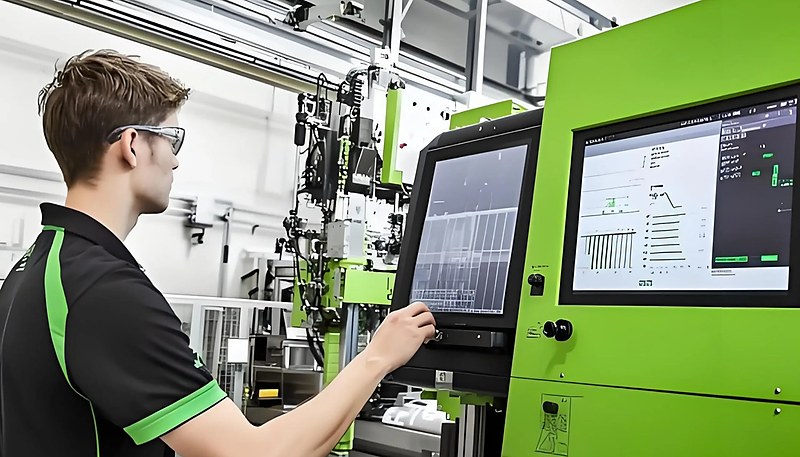
Richiedi un preventivo dettagliato per l’attrezzatura e rivedi i dettagli dell’ambito: cavità, raffreddamento, modifiche previste e programma di campionamento. Preventivi trasparenti riducono i disallineamenti e rendono la governance del progetto più semplice.
La verifica della capacità dovrebbe includere sia la disponibilità delle attrezzature che la disponibilità ingegneristica. Un fornitore potrebbe avere abbastanza macchine ma non abbastanza ingegneri di progetto, capacità di manutenzione degli stampi o ispettori qualità durante i mesi di picco. Prima del pagamento, chiedi chi è responsabile del feedback DFM, chi approva il taglio dell’acciaio, chi partecipa alle chiamate di revisione dei campioni e chi approva le azioni correttive dopo i tiri di prova.
Domande frequenti
Domande Frequenti?
Quali sono le cause più comuni di ritardi nei progetti di attrezzatura per lo stampaggio a iniezione?
Le cause più comuni sono cambiamenti nel design, ritardi nella comunicazione e disallineamenti nei test. La maggior parte dei ritardi è recuperabile se vengono identificati precocemente con proprietari chiari e milestone firmate.
Quali certificazioni dovrebbe possedere un fornitore di stampaggio a iniezione?
Per la maggior parte degli scenari di fornitura globale, ISO 9001 e ISO 13485 sono aspettative di base, con ISO 14001 e ISO 45001 come indicatori di processo aggiuntivi per fornitori maturi.
Possiedo lo stampo per iniezione dopo aver pagato l’attrezzatura?
La proprietà dovrebbe essere scritta esplicitamente nel contratto. Gli acquirenti dovrebbero richiedere una formulazione che confermi il trasferimento della proprietà e le tempistiche di rilascio dopo l’accettazione del progetto e il raggiungimento delle milestone di pagamento.
Qual è la differenza tra una società di trading e una vera fabbrica di stampaggio a iniezione?
Una società di trading vende e media progetti per le fabbriche ma di solito non possiede la continuità completa dal design alla produzione dell’attrezzatura. Una vera fabbrica possiede il flusso del processo ed è più trasparente su capacità e risorse.
Posso negoziare le condizioni di pagamento dopo il preventivo iniziale?
Sì, ma fallo in anticipo rispetto alla finalizzazione dei depositi. Negozia prima le percentuali delle milestone e i test di accettazione, poi vincola le modifiche con un addendum scritto.
Perché la guida all’approvvigionamento è utile prima di depositare l’attrezzatura?
Utilizzate questa guida all’approvvigionamento per verificare i rischi legali, tecnici e commerciali prima di trasferire i fondi. La guida aiuta i team che usano le checklist a porre le domande giuste nell’ordine corretto.
Non abbiamo bisogno di tutti i tuoi componenti il primo giorno. Fai prima domande strutturate e passa al deposito solo dopo che il fornitore ha dimostrato capacità tracciabile.
ISO 9001: ISO 9001 si riferisce alla norma del 2015 Sistemi di gestione per la qualità — Requisiti ↩
ISO 13485: ISO 13485 si riferisce alla norma del 2016 Dispositivi medici — Sistemi di gestione per la qualità ↩
IATF 16949: IATF 16949 si riferisce alla norma del 2016 Sistema di gestione della qualità per la produzione automobilistica ↩