Injection mold tooling ownership becomes a practical problem when a buyer needs to reshore, dual-source, sell a product line, or recover a tool from a supplier. Payment alone does not guarantee that the mold is identifiable, transferable, complete, maintained, or legally free of competing claims. This guide turns ownership into an operating system: contract language, asset identification, payment evidence, technical data, maintenance records, access rights, and a tested release process. It extends our supplier sourcing guide into the full tooling life cycle.
The business objective is continuity, not a plaque that says property of customer. A buyer needs a mold that can be located, inspected, released, shipped, installed, and qualified at another facility without losing essential knowledge. That requires alignment between commercial documents and the technical reality described in our injection mold guide. Ownership, custody, intellectual property, production rights, maintenance responsibility, and transfer costs are related but separate questions that should never be compressed into one vague sentence.
This article provides operational guidance for procurement and engineering teams, not jurisdiction-specific legal advice. Local counsel should adapt contracts to the governing law, supplier location, financing structure, and enforcement risk. The controls below are still useful because they create the facts counsel and managers need: a defined asset, a documented chain of payment and acceptance, clear obligations, current condition evidence, and a release path that can be executed before a supply emergency removes negotiating time.
- Define title, custody, production rights, intellectual property, and transfer obligations separately
- List every mold component, spare, fixture, gauge, program, drawing, and record in an asset schedule
- Mark the physical tool and maintain photographs, location, condition, maintenance, and cycle history
- Tie milestone payments to deliverables while preserving inspection and transfer rights
- Run a transfer-readiness drill before reshoring becomes urgent
What does injection mold tooling ownership actually include?
Tooling ownership is the buyer's documented title to a specifically identified asset and its agreed accessories and records. It does not automatically include supplier know-how, general process knowledge, software licenses, patents, or every drawing used to build the mold. It also does not automatically answer who may possess, use, modify, insure, maintain, or relocate the tool. The contract should define each right and obligation, while the asset schedule describes exactly what property those terms cover.
Bailment1 is a legal concept that describes possession of property by one party while ownership remains with another. A buyer-owned mold stored at a supplier can resemble that relationship, but legal treatment varies. Operationally, the parties should record the supplier as custodian, restrict unauthorized use and liens, define standard of care, require location and condition reporting, and state how the asset is returned. Ask counsel to select enforceable language rather than copying an internet clause without local review.
Separate the mold from adjacent rights. The buyer may own the physical steel but lack editable CAD, controller passwords, hot-runner documentation, electrode files, inspection fixtures, or authority to use a supplier's proprietary mold-base standard elsewhere. Conversely, the supplier may retain general manufacturing know-how while agreeing not to produce the buyer's part for others. A rights matrix should list physical assets, design data, part IP, process data, software, confidential information, production authorization, and post-transfer support, with an owner and permitted use for each.
"A buyer-owned mold can remain in the supplier's lawful custody under a written tooling agreement."True
Title and physical possession are separate; the agreement should define custody, care, permitted use, access, reporting, insurance, and return.
"Paying the final tooling invoice automatically transfers every mold file, program, fixture, spare, and intellectual-property right."False
The scope of physical and digital deliverables depends on the contract, asset schedule, third-party licenses, and applicable law.
How should the tooling contract define the asset?
The tooling contract is a controlled asset schedule attached to the purchase order or master agreement. Include buyer and supplier tool numbers, part numbers and revisions, cavities, mold base, inserts, slides, lifters, hot runner and controller, sensors, water manifolds, spare components, fixtures, gauges, lifting hardware, and dedicated packaging. Record whether each item is included in the price, buyer-furnished, leased, or owned by a third party. Photographs and serial markings make the schedule enforceable in daily operations.
Digital deliverables need equal precision. List native and neutral CAD formats, mold drawings, bill of materials, steel certificates, heat-treatment and texture records, hot-runner manuals, electrical diagrams, controller parameters, machining or electrode files where purchased, trial history, validated process sheets, maintenance logs, dimensional reports, and open-change records. State delivery milestones and usable file formats. A PDF screenshot may document a design but cannot replace an editable model needed to manufacture an insert during transfer.
Link the schedule to the approved injection molding process and product revision. When an engineering change replaces an insert, update asset identity, drawings, photographs, ownership status, obsolete-part disposition, and effective date. Otherwise the contract may describe the original mold while the factory holds a materially different configuration. Require supplier acknowledgment after each change and periodic inventory confirmation. The buyer should be able to reconstruct the current tool without comparing scattered quotations and chat messages.
When should title transfer during milestone payments?
Title transfer is a deliberate contract event linked to payment and identifiable work in progress. Buyers often choose title to vest progressively as dedicated steel, hot-runner components, and completed work are paid, while suppliers seek protection against unpaid balances. The agreement should state when title passes, how partially completed tooling is identified, what evidence accompanies each milestone, and whether risk of loss follows the same timing. Counsel must adapt this structure to local insolvency, secured-creditor, tax, and commercial rules.
Article 9 of the Uniform Commercial Code2 is a United States framework concerning secured transactions in personal property. Depending on the parties and facts, buyers may need legal advice on whether ownership language, filings, or other protections are required against creditor claims. A purchase order statement alone may be weak if the asset is not segregated, identifiable, and supported by consistent records. For overseas tooling, obtain advice in the jurisdiction where the mold is physically located, because recovery occurs there rather than only at the buyer's headquarters.
Use milestone dossiers to connect commercial and technical facts. For each payment, retain the signed order, supplier invoice, material or component evidence, dated photographs, tool number, design approval, machining or assembly status, trial report, and acceptance status. Avoid wording that makes part approval a hidden precondition for ownership of already-paid work unless that is intentional. Also avoid unconditional final acceptance merely because a balance is paid. Title, technical acceptance, warranty, and remaining corrections should have separate status fields.
| Ownership control | Evidence | Transfer value |
|---|---|---|
| Asset identity | Serial plate, photos, component schedule | Proves which tool is claimed |
| Title milestone | Payment and work-in-progress dossier | Supports ownership timeline |
| Current condition | Cycles, maintenance, open issues | Prevents surprise repairs |
| Digital package | CAD, BOM, manuals, process records | Enables restart elsewhere |
How are identification, access, and unauthorized use controlled?
Physical identification is a durable plate or engraving tied to the buyer's asset register. Show the buyer, tool number, part family, and required identifiers without exposing unnecessary confidential data. Mark major removable inserts, dedicated fixtures, and storage containers where practical. Maintain timestamped photographs of the complete mold and accessory set. The supplier's register should show exact location, custody owner, status, last cycle count, maintenance condition, and any movement. Periodically reconcile that register with a physical inventory selected by the buyer.
The agreement should grant reasonable inspection access and define notice, safety, confidentiality, and production-disruption limits. Remote video checks can supplement visits, but the buyer should retain the right to appoint an independent local inspector when risk warrants. Prohibit use for third-party production, copying, relocation, modification, scrapping, pledge, or subcontracting without written authorization. Require immediate notice of seizure threats, creditor claims, damage, loss, site closure, or ownership disputes so the buyer can act before the asset disappears from normal control.
Control samples and production data because unauthorized use can occur without moving the mold. Define permitted quantities for trials, setup, validation, scrap, and approved orders; require reconciliation of molded quantities and resin where commercial risk is high. Protect part files, labels, packaging, and customer identity through role-based access and confidentiality. When the relationship ends, specify return or destruction of buyer-confidential copies subject to legal retention obligations. Audit logs and document inventories make that obligation verifiable.

Who maintains, insures, and records the mold condition?
Maintenance responsibility is the documented duty to preserve the mold in production-capable condition under an agreed preventive plan. Define routine cleaning, lubrication, vents, cooling circuits, ejectors, slides, hot runner, sensors, connectors, corrosion protection, storage, and cycle-based inspection. Clarify which work is included in the molding price, which requires buyer approval, and how damage caused by misuse differs from normal wear. The buyer should receive cycle count, completed maintenance, findings, photographs, replaced components, and open-risk reports at agreed intervals.
Insurance and risk of loss require specific legal and commercial review. The parties should identify who insures the tool, covered events, valuation basis, deductible, proof of coverage, claim control, and beneficiary or loss-payee arrangements where appropriate. Confirm whether policies cover customer-owned property at the exact site, during internal movement, at subcontractors, and in transit. Insurance does not replace prevention: fire protection, secure storage, lifting methods, water draining, corrosion control, cyber backups, and emergency contacts should still be audited.
Condition records protect both buyer and supplier during transfer. Before pickup, conduct a joint inspection covering visible damage, leaks, rust, wear, hot-runner operation, cooling flow, sensors, connectors, spare inventory, recent sample quality, cycle history, and open repairs. Document normal wear separately from disputed damage and agree on immediate work versus transfer-as-is. Preserve a final validated shot and process record where feasible. Without a signed condition baseline, problems discovered at the new molder quickly become an unresolvable argument about timing and cause.
"A current mold-condition report reduces disputes when tooling is released to a new supplier."True
Cycles, maintenance, photographs, open issues, sample results, and accessory inventory establish a shared baseline before packing and transport.
"Tool ownership means the current supplier must provide unlimited free maintenance and transfer engineering forever."False
Care, warranty, wear, approved repairs, release work, data, training, and post-transfer support must be defined and priced in the agreement.
What should a tooling release and transfer clause require?
A tooling release clause is a timed workflow for inspection, documents, packing, pickup, cooperation, and undisputed balances. State who may issue the release notice, required notice period, access for inspection, hours of cooperation, export or customs documents, packing standard, lifting points, accessory checklist, and handover signature. Prevent unrelated commercial disputes from becoming indefinite leverage over buyer property, while preserving lawful remedies for genuinely disputed ownership or unpaid obligations as advised by counsel.
Incoterms3 are standardized trade terms that allocate selected delivery responsibilities, costs, and risks between seller and buyer. If the tool crosses borders, specify the applicable Incoterms 2020 rule and named place, but do not assume the term covers title, export eligibility, insurance adequacy, tax, import classification, or unloading. Assign exporter and importer responsibilities, harmonized classification, wooden-packaging compliance, lifting and crating, dangerous goods if any, freight insurance, and customs-document preparation with a logistics specialist.
Require the technical transfer package before or at pickup, not weeks later. It should include the current asset schedule, CAD and drawings purchased by the buyer, bill of materials, manuals, maintenance and repair history, cycle count, trial and process records, open issues, spare list, controller passwords or lawful access method, approved sample, inspection fixture information, and named support contacts. Use a checklist signed by both parties. Encrypt confidential digital transfer and verify that files open before the truck departs.
How do you prepare buyer-owned molds for reshoring?
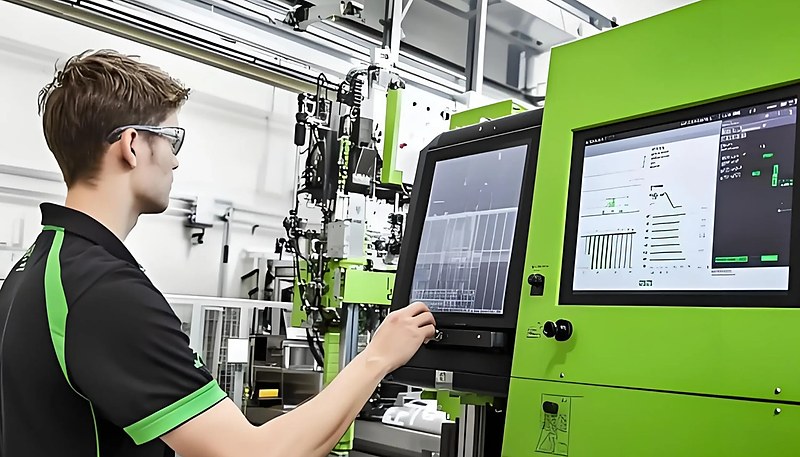
Reshoring readiness is the ability to restart a buyer-owned mold at a qualified new facility with controlled risk. Begin with a gap assessment months before the move: confirm title evidence, asset location, tool dimensions and weight, utility and press compatibility, hot-runner and controller needs, resin, auxiliary equipment, safety, automation, gauges, data, spares, condition, and remaining life. Identify approvals needed from customers, regulators, licensors, and product engineering.
Plan the receiving process before release. The new supplier should review the tool and part files, perform compatibility and safety review, prepare connections and handling, define incoming mold inspection, and create a validation plan. Decide whether to sample at the current supplier immediately before shipment so the last known output can be compared with the first output after transfer. Establish inventory coverage for transit, installation, corrections, validation, customer approval, and ramp. A rushed move without buffer turns every technical surprise into a supply crisis.
| Reshoring stage | Required control | Decision evidence |
|---|---|---|
| Before release | Title, inventory, condition, data | Signed transfer checklist |
| In transit | Crating, insurance, tracking, customs | Handover and shipment record |
| At receipt | Inventory, damage, utilities, safety | Incoming mold inspection |
| At restart | Trial, correlation, validation, approval | New controlled baseline |
Use a transfer FMEA4 or equivalent risk register covering damage, missing components, customs delay, corrosion, incompatible fittings, controller access, machine differences, material change, gauge correlation, lost process knowledge, and approval timing. Name owners and contingency actions. After arrival, photograph unpacking, reconcile inventory, inspect the mold, test utilities, complete safe installation, and run a structured process-development trial rather than copying settings blindly. The new validated baseline becomes a controlled change, with traceability separating old-site and new-site production.
Run a transfer-readiness drill while the relationship is healthy. Ask the supplier to produce the current asset register, condition report, technical-data index, maintenance history, accessory list, packing requirements, release contacts, and estimated preparation time. Do not remove the mold; test whether the information can be assembled within the contractual window. Close gaps through updated schedules and files. This low-disruption exercise reveals ownership and continuity weaknesses before a quality failure, insolvency concern, capacity conflict, or strategic reshoring decision makes time critical.
In our Shanghai factory, our tooling team connects mold identity, engineering revisions, maintenance, trial evidence, and production records across 47 injection molding machines from 90T to 1850T. Our 8 senior engineers, more than 10 QC specialists, and over 30 English-speaking project managers can support a documented handover. We recommend that buyers verify the exact asset schedule and transfer package early, because factory capacity does not compensate for missing ownership evidence or unusable technical files.
What are common buyer-owned tooling questions?
Frequently Asked Questions
Does paying for an injection mold mean the buyer owns it?
Payment is important evidence, but the legal answer depends on the contract, asset definition, payment status, governing law, supplier jurisdiction, creditor rights, taxes, and the facts of possession. The agreement should state when title transfers and identify the mold, work in progress, components, spares, fixtures, gauges, and digital deliverables covered. Keep invoices, payment records, photographs, serial numbers, and supplier acknowledgments consistent. Ask qualified counsel in the jurisdiction where the mold is located to review enforceability, especially when tooling value, insolvency risk, or cross-border recovery is significant.
Can a supplier refuse to release buyer-owned tooling?
A supplier may assert rights based on unpaid balances, contractual terms, local lien law, ownership disputes, export restrictions, or other facts, so there is no universal answer. Prevention is stronger than emergency argument: separate tooling invoices from production accounts where appropriate, define undisputed and disputed balances, prohibit cross-collateralization if enforceable, maintain title evidence, and establish a release workflow. If refusal occurs, preserve communications and asset evidence, avoid unsafe self-help, and obtain local legal advice immediately. Operational teams should also activate inventory, alternate supply, and customer-communication plans.
What files should transfer with an injection mold?
The purchased package commonly includes current native and neutral CAD, mold assembly and component drawings, bill of materials, steel and heat-treatment records, hot-runner and controller manuals, electrical and water diagrams, repair and maintenance history, cycle count, validated process sheets, trial reports, approved changes, dimensional and sample records, spare-parts list, fixture and gauge information, and open-issue log. Exact entitlement depends on the contract and third-party licenses. Verify file formats, revisions, passwords or lawful access, and readability before pickup rather than assuming a compressed folder is complete.
Who pays to move and requalify a buyer-owned mold?
The agreement should allocate inspection, preparation, repairs, crating, lifting, freight, insurance, export, customs, duties, receiving, installation, sampling, validation, and customer approval. The answer may differ for a planned strategic move, supplier breach, warranty issue, capacity failure, or normal program end. Obtain quotations before issuing the release notice and identify work that needs buyer approval. Keep ownership separate from cost responsibility: a buyer can own the mold while still agreeing to reasonable release or transfer costs. Disputed charges should not remain undefined until the truck is scheduled.
How often should a buyer verify tooling location and condition?
Frequency should follow tool value, product criticality, production activity, supplier risk, geographic distance, and continuity exposure. High-value or sole-source tools may justify quarterly status records and annual physical verification, while lower-risk active tools can align checks with maintenance, audits, or business reviews. Require immediate notification of relocation, damage, extended storage, creditor threat, site closure, or unauthorized change. Each check should reconcile serial identity, photographs, location, custody, cycle count, maintenance, accessories, open repairs, and data-package status. Trend gaps and escalate repeated late or inconsistent reporting.
Bailment: Bailment is a legal relationship that refers to transferring possession of personal property without transferring ownership. ↩
Article 9 of the Uniform Commercial Code: Article 9 of the Uniform Commercial Code is a United States legal framework that governs many secured transactions involving personal property. ↩
Incoterms: Incoterms refers to standardized trade terms that describe selected delivery obligations, costs, and risks between sellers and buyers. ↩
transfer FMEA: Transfer FMEA is a risk-analysis application that uses failure mode and effects analysis to identify and control potential failures during a tooling transfer. ↩