Выбор неправильного поставщик литья под давлением может стоить вам месяцев задержек, тысяч бракованных деталей и неудачного запуска продукта. Мы видели, как это происходит: компании, пропускающие этап аудита, в конечном итоге получают формы, которые изнашиваются после 5000 выстрелов, детали с хроническими вмятинами, а поставщики перестают отвечать, когда всплывают проблемы с качеством. В этом руководстве представлен практический, проверенный на практике контрольный список для аудита поставщика литьевого оборудования. Независимо от того, оцениваете ли вы нового поставщика для важного проекта или переквалифицируете существующего, именно эти вопросы, измерения и тревожные сигналы действительно имеют значение — они основаны на более чем 20-летнем опыте работы производства в Шанхае.
- Проверьте диапазон тоннажа оборудования и количество машин
- Проверьте наличие как минимум ISO 9001; ISO 13485 и ISO 14001 сигнализируют о более глубокой зрелости качества
- Проверьте наличие собственного изготовления оснастки — передача пресс-форм на аутсорсинг создаёт риски по стоимости и срокам
- Запросите реальные отчёты о контроле первого образца, а не только сертификаты
- Тревожные сигналы: отсутствие данных пооперационного контроля качества, отказ предоставить список оборудования или экскурсии только по демонстрационному залу
Что следует проверить перед посещением завода литья под давлением
Предварительный кабинетный аудит необходим, прежде чем тратить время и деньги на посещение завода. Запросите их список оборудования, сертификаты качества, недавние отчёты FAI и проверьте регистрацию их бизнеса онлайн. Если они колеблются или присылают общие брошюры вместо реальных данных — это ваш первый тревожный сигнал. Сопоставьте заявленное количество машин и диапазон тоннажа с их производственными фотографиями и размером предприятия.
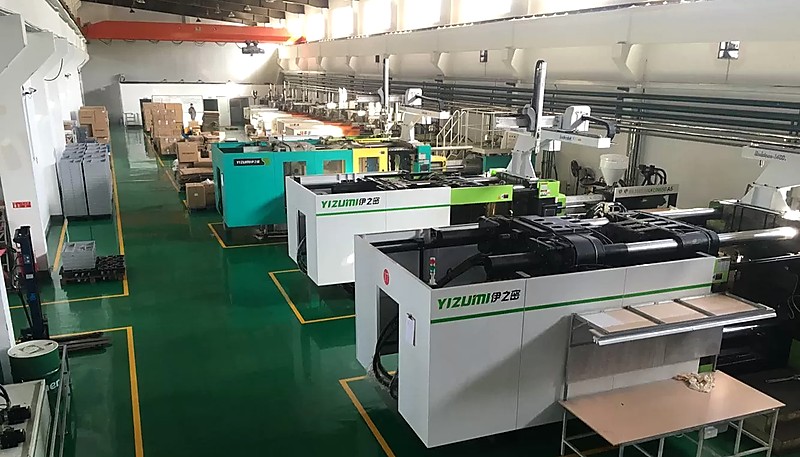
Сопоставьте заявленные количество машин и диапазон усилия смыкания с фотографиями производства и размером предприятия. Если поставщик заявляет 50 машин, а на фотографиях цеха видно 10, данные не сходятся. Тщательно изучите список клиентов. Поставщики, указывающие лишь расплывчатые формулировки вроде «компании Fortune 500» без конкретных отраслей или типов деталей, могут преувеличивать свой опыт. Ищите поставщиков, способных описать проекты, сопоставимые с вашим: то же семейство материалов, аналогичная сложность деталей и сходные объёмы выпуска. Такая предварительная проверка обычно отсеивает 60-70% кандидатов ещё до затрат времени на посещение предприятия.
Для более глубокого понимания всего процесса литья под давлением и того, какие возможности имеют значение, наш литье под давлением Руководство охватывает основные принципы, которые лежат в основе каждого аудиторского решения.
Как оценить оборудование и мощности завода
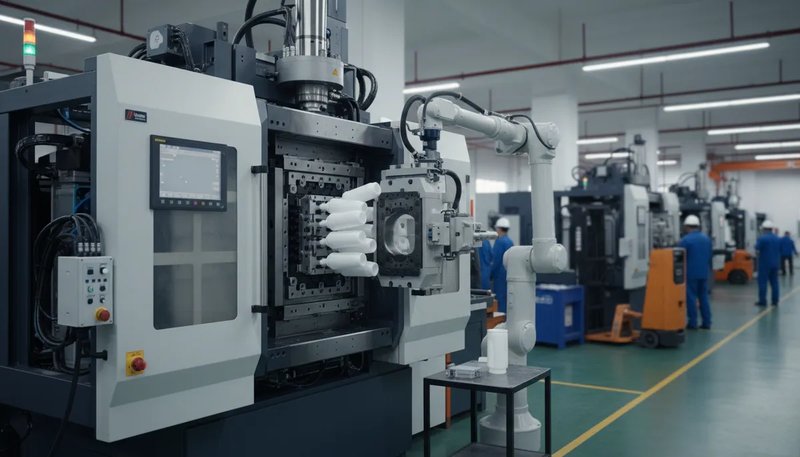
Самая важная часть оценки — соответствие парка термопластавтоматов поставщика требованиям к вашей детали. Проверьте диапазон усилия смыкания, количество машин и вспомогательное оборудование. Предприятие с термопластавтоматами усилием от 90T до 1850T способно выпускать все — от миниатюрных прецизионных разъемов до крупных автомобильных панелей. Если для ваших деталей требуется усилие смыкания 500T, а самая крупная машина поставщика рассчитана лишь на 300T, это принципиальное несоответствие.
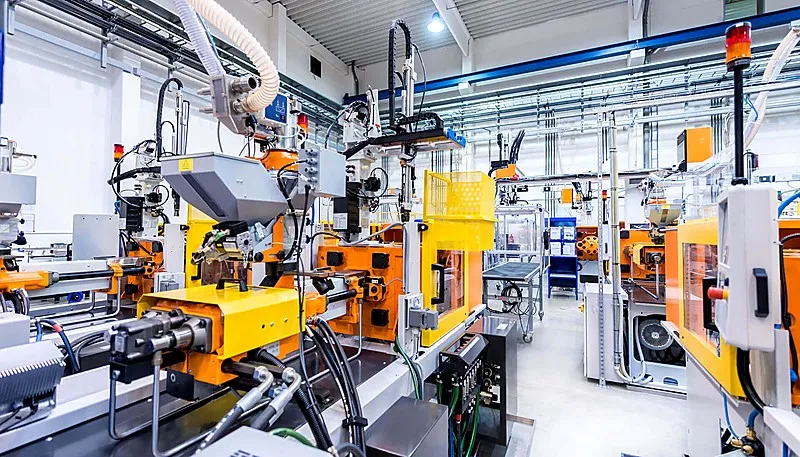
Считайте фактически работающие станки, а не паспортную мощность. Попросите показать образцы прототипов и детали недавних проектов — это покажет, что завод действительно производит, а не только заявляет. Мы видели заводы, заявлявшие о 60 станках, половина из которых законсервирована или разобрана на запчасти. Проверяйте и вспомогательное оборудование. Сушилки, регуляторы температуры пресс-формы, роботы для съёма деталей и автоматизированные системы подачи материала показывают, настроен ли завод на стабильное производство или на ручную импровизацию.
На нашем шанхайском заводе работают 47 машин для литья под давлением с усилием от 90 до 1850 тонн, что даёт нам гибкость в производстве деталей от микроформованных медицинских компонентов до крупных промышленных корпусов без передачи заказов неизвестным третьим сторонам.
На нашем заводе в Шанхае эксплуатируются 47 термопластавтоматов усилием от 90T до 1850T, на которых изготавливается всё — от микроразъёмов до крупных промышленных корпусов.
Какие системы качества должен иметь надёжный поставщик
Минимальное требование ИСО 90011 сертификация в сочетании с документированным рабочим процессом обеспечения качества, охватывающим IQC и OQC. Системы качества отделяют профессиональных производителей от гаражных предприятий. Попросите показать последний отчет об аудите, а не только сертификат. Несоответствия и корректирующие действия расскажут вам больше о культуре качества поставщика, чем чистый сертификат.
Завод работает по стандарту ISO 9001, ИСО 134852, ISO 14001 и ISO 45001 — это значительные инвестиции в дисциплину процесса — эти инвестиции напрямую приводят к более стабильному качеству деталей для вас. Посмотрите не только на сертификаты, но и на реальный рабочий процесс. Надежный процесс обеспечения качества включает входной контроль материалов (IQC), текущие проверки во время формования, проверку первого изделия для каждой новой установки и окончательный выходной контроль качества (OQC). Попросите показать настоящий отчет о проверке недавнего производственного цикла. Проверьте, записывают ли они размерные данные с фактическими измерениями, а не просто с галочками «прошел/не прошел».
Поставщик, который измеряет критические размеры 100% первых изделий и образцов во время производства, принципиально отличается от того, кто проверяет только первую деталь и надеется на лучшее. Наш рабочий процесс обеспечения качества состоит из 6 этапов: IQC, проверка образцов, технологический контроль, контроль упаковки и сборки, FQC и OQC — каждый этап имеет определенные критерии приемки и документированные записи. Благодаря более чем 10 специалистам по контролю качества, работающим на этих контрольных точках, мы выявляем проблемы до того, как они возникнут. ДОСТИГАТЬ3 клиент.
Мы работаем в соответствии с ISO 9001, ISO 13485, ISO 14001 и ISO 45001, применяем 6-этапный процесс контроля качества и располагаем 10+ специалистами QC, охватывающими этапы от IQC до OQC.
Как оценить возможности изготовления оснастки пресс-форм
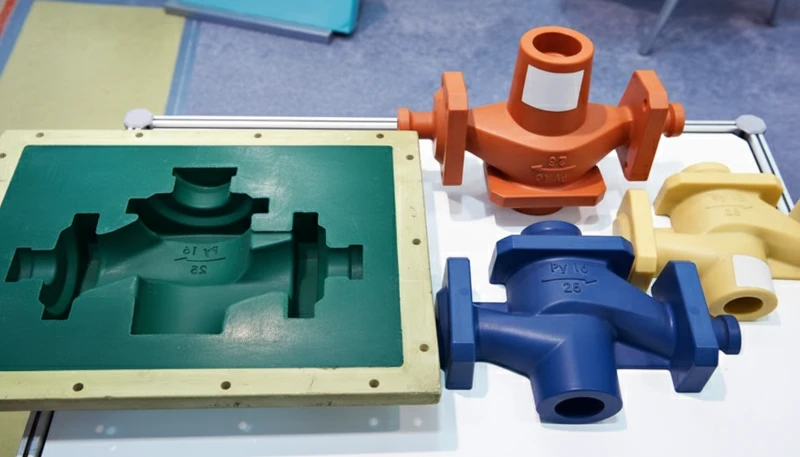
Качество пресс-формы определяет качество детали — это не обсуждается. При аудите поставщика самый важный вопрос об оснастке — изготавливают ли они формы собственными силами или передают на аутсорсинг стороннему инструментальному цеху. Собственное производство оснастки означает прямой контроль над итерациями конструкции, более быстрые доработки и ответственность при возникновении проблем. Аутсорсинг оснастки добавляет посредника, увеличивает сроки внесения изменений и приводит к перекладыванию вины при отклонении размеров. По возможности пройдитесь по цеху изготовления форм. Ищите обрабатывающие центры с ЧПУ, электроэрозионные станки (как проволочные, так и копировально-прошивочные), прецизионное шлифовальное оборудование и возможность контроля на КИМ (координатно-измерительной машине). Количество комплектов форм, которые они производят в месяц, говорит об их производительности и уровне опыта.
Предприятие, способное производить более 100 комплектов пресс-форм в месяц, имеет масштаб и повторяемые процессы для эффективной реализации вашего проекта. Спросите об их процессе проектирования пресс-форм. Проводят ли они анализ текучести пресс-формы перед резкой стали? Могут ли они показать вам примеры сложных функций пресс-форм, таких как подъемники, скользящие сердечники или схемы с несколькими полостями? Это детали, которые отличают компетентного производителя пресс-форм от простого мастера. Наш гид по пресс-форма для литья под давлением дизайн охватывает основы, которые должен понимать каждый покупатель. Также проверьте их программу обслуживания пресс-форм. Пресс-формы — это точные инструменты, которые требуют регулярной очистки, замены компонентов и проверки размеров.
Поставщик без документированного графика обслуживания пресс-форм позволит вашей оснастке незаметно деградировать — пока вы не начнёте замечать облой, отклонения размеров или дефекты поверхности, которых быть не должно. Благодаря собственному производству пресс-форм, выпускающему более 100 комплектов в месяц, мы контролируем весь жизненный цикл оснастки — от проектирования до обслуживания в ходе производства.
Наш собственный цех изготавливает 100+ комплектов пресс-форм в месяц, обеспечивая полный контроль качества оснастки и сроков поставки.
На какие тревожные признаки следует обращать внимание при аудите завода
Самые серьёзные тревожные сигналы — это экскурсии только по выставочному залу, отсутствие данных контроля, ящики с бракованными деталями и рабочие, вносящие незадокументированные ручные корректировки. За два десятилетия оценки поставщиков литья под давлением мы научились распознавать эти предупреждающие признаки. Если ваша экскурсия по заводу так и не доходит до реального производственного цеха, что-то не так.
В любом случае это риск. На практике на хорошо организованном заводе эти документы систематизированы и доступны — там знают, что аудиторы их запрашивают. Во-вторых, чрезмерный объем переделок и брака, заметный в цехе. Несколько отбракованных деталей — норма для любого литьевого производства, но переполненные браком контейнеры или зона переделки больше лаборатории качества указывают на системные проблемы контроля процесса. В-третьих, рабочие, вносящие ручные корректировки без документированных процедур. Если вы видите, что операторы регулируют параметры цикла на ощупь, а не по стандартизированным технологическим картам, значит, завод полагается на индивидуальное мастерство, а не на инженерно отработанные процессы. Это работает до тех пор, пока опытный оператор не уволится или не уйдет в отпуск. В-четвертых, проверьте их обращение с материалами.
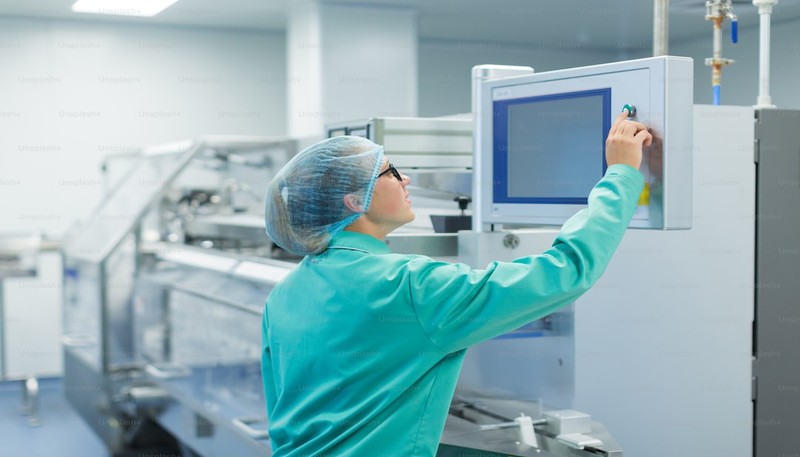
В-пятых, проверьте их обращение с материалами и помещения с чистой комнатой. Хранятся ли гигроскопичные материалы, такие как нейлон и поликарбонат, в герметичных контейнерах с осушителем? Используют ли они бункерные сушилки с задокументированными настройками температуры? Если завод имеет возможность чистой комнаты для медицинских или чувствительных деталей, проверьте класс и записи об обслуживании. Правильная сушка материала имеет основополагающее значение — поставщик, пренебрегающий ею, поставит детали с пузырями, следами разбрызгивания и ухудшенными механическими свойствами.
Как проверить обращение с материалами и соответствие требованиям
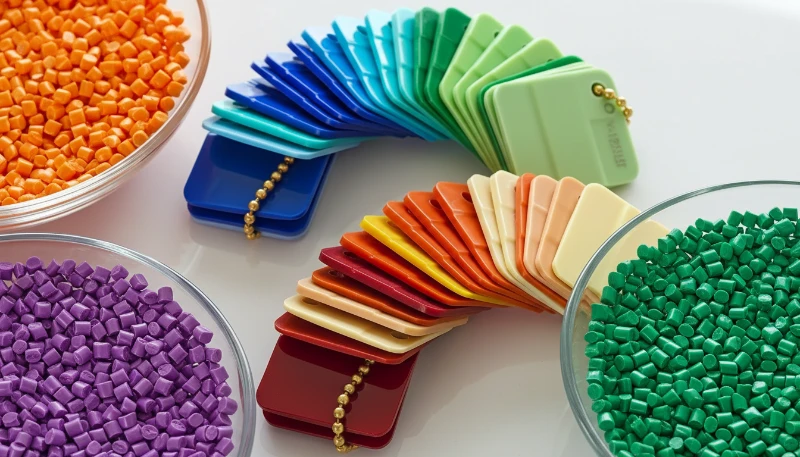
Обращение с материалами — это ключевая возможность, которая напрямую определяет постоянство деталей и уровень брака. У поставщика, работающего с более чем 400 материалами, должны быть документированные процедуры идентификации, хранения, сушки материалов и переналадки между производственными сериями. Пройдитесь по их складу и проверьте, четко ли маркированы материалы с указанием марки, номера партии и даты получения. Хранятся ли они на паллетах вдали от стен и влаги? Существует ли система «первым пришел — первым ушел» (FIFO), чтобы предотвратить случайное использование старого материала? Обратите особое внимание на то, как они выполняют переналадку материалов — перекрестное загрязнение между разными смолами может вызвать косметические дефекты и механические отказы.
Спросите также об их возможностях испытания материалов. Есть ли у них анализатор влажности для гигроскопичных смол? Могут ли они проводить испытание MFI (индекс текучести расплава) входящего материала, чтобы убедиться, что он соответствует спецификациям, до того как он попадёт на производственную линию? Это базовые инструменты контроля качества для любого серьёзного литьевого производства, однако многие небольшие цеха полностью их игнорируют и полагаются на сертификаты соответствия поставщика вместо независимой проверки. Соответствие также распространяется на экологические нормы и нормы безопасности — RoHS, REACH и правила FDA о контакте с пищевыми продуктами накладывают специфические ограничения на материалы, которые компетентный поставщик должен отслеживать и соблюдать по всему своему складу.
Для регулируемых отраслей прослеживаемость материала критична и обязательна. Поставщик должен проследить каждую производственную партию до партии сырья, включая сертификат анализа изготовителя материала. Эта цепочка должна быть документирована и доступна, а не только обещана устно при продаже. Для автомобильных, медицинских и аэрокосмических изделий это нормативное требование, которое аудиторы проверят при оценке соответствия. Попросите пример записи прослеживаемости недавней партии, чтобы убедиться, что система реально работает ежедневно, а не только существует на бумаге.
Если они не могут предоставить декларацию REACH или RoHS для материала, который, по их словам, регулярно есть на складе, это значительный пробел.
Какие вопросы следует задать поставщику перед подписанием договора
Заключительный этап оценки — структурированное техническое собеседование, позволяющее отличить настоящего производственного партнёра от простого исполнителя заказов. Следующие вопросы помогают выйти за рамки рекламных заявлений: можете ли вы описать недавний проект, аналогичный моему, в котором возникли проблемы с качеством, и рассказать, как вы их решили? Этот вопрос заставляет поставщика продемонстрировать реальные навыки решения проблем. Поставщики, рассказывающие только об успешных проектах, могут скрывать повторяющиеся проблемы или не иметь опыта преодоления реальных производственных трудностей. Каковы ваши гарантийные условия на пресс-форму и что произойдёт при преждевременном отказе оснастки? Поставщик, уверенный в качестве своих пресс-форм, предложит чёткую гарантию, обычно выраженную в количестве циклов или годах.
Расплывчатые гарантии или отклонения в отношении ожидаемого срока службы инструмента позволяют предположить, что они не отвечают за свою работу. Как вы относитесь к изменениям в конструкции после начала изготовления пресс-формы? Ответ показывает их инженерную зрелость. У хороших поставщиков есть документированный процесс инженерных изменений с анализом влияния затрат и сроков. Поставщики, которые говорят, что изменения — это легко, не обсуждая компромиссы, либо неопытны, либо нечестны. Каков ваш показатель своевременной доставки за последние 12 месяцев и можете ли вы поделиться этими данными? Результаты производства говорят громче, чем обещания. Ищите показатели доставки выше 95 % с прозрачным отслеживанием. Дополнительную информацию о систематическом выборе и оценке поставщиков можно найти в нашем руководство по поиску обеспечивает всеобъемлющую основу.
Кто будет моим выделенным менеджером проекта и каков его уровень владения английским языком? Сбои в коммуникации вызывают больше задержек в проектах, чем технические проблемы. Поставщик, имеющий более 30 англоговорящих менеджеров проектов, вложился в коммуникационную инфраструктуру, которую требуют международные проекты. Попросите встретиться с назначенным вам менеджером проекта до подписания договора — пятиминутный разговор скажет вам больше, чем любой языковой сертификат.
Благодаря 20+ годам опыта, работе с 400+ материалами и команде из 30+ англоязычных руководителей проектов мы обеспечиваем техническую компетентность и надёжную коммуникацию, необходимые международным покупателям.
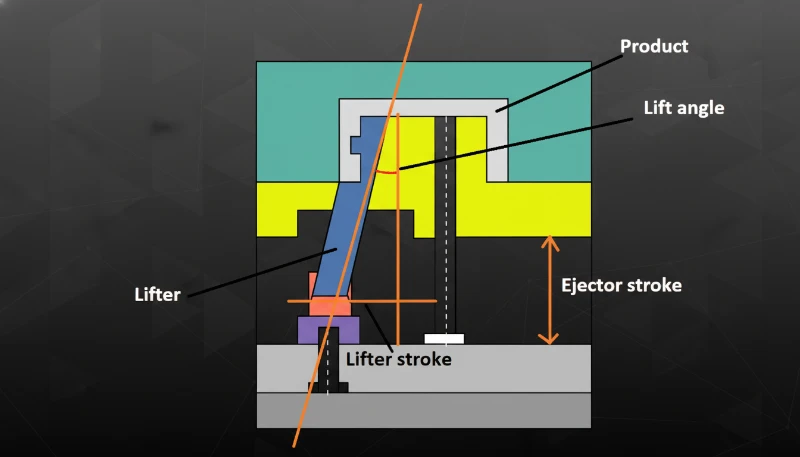
"Собственные мощности по изготовлению пресс-форм сокращают сроки выполнения заказа и обеспечивают прямую ответственность за качество оснастки"True
Когда поставщик изготавливает пресс-формы на собственном предприятии, итерации по проектированию происходят на том же участке, что и производственные испытания. Нет посредников для координации, нет задержек на пересылку для модификаций пресс-формы, и не возникает перекладывания ответственности, если оснастка требует доработки. Этот прямой контроль обычно сокращает циклы итераций по пресс-форме на 30-50% по сравнению с аутсорсинговым изготовлением оснастки.
"Поставщик с сертификатом ISO 9001 автоматически выпускает высококачественные детали, изготовленные литьём под давлением"False
ISO 9001 подтверждает существование системы менеджмента качества — она не гарантирует, что каждая деталь соответствует вашим спецификациям. Вам все еще необходимо проверять их фактические средства контроля процесса, записи инспекций и данные о размерах. Рассматривайте сертификацию ISO как необходимую основу, а не как достаточную гарантию.
Понимание этих различий критически важно для принятия обоснованных решений по выбору поставщика. Многие покупатели смешивают сертификаты с возможностями или предполагают, что большая производственная площадь автоматически означает лучшие результаты. На практике самые надежные поставщики сочетают системные процессы обеспечения качества с практическим инженерным опытом — они могут объяснить не только что они делают, но и почему каждый шаг важен для конкретной геометрии вашей детали и требований к материалу. Разница становится очевидной, когда вы задаете подробные технические вопросы и оцениваете, отражают ли их ответы подлинные знания в области производства или заученные коммерческие тезисы.
"Проверка процедур сушки материала — важнейшая часть аудита поставщика"True
Неправильно высушенные гигроскопичные материалы, такие как нейлон, поликарбонат и АБС, являются одной из самых распространенных причин дефектов деталей — включая следы от впрыска, пузыри, снижение механической прочности и нестабильность размеров. Поставщик, который пропускает или упрощает сушку материала, экономит на самом фундаментальном требовании процесса литья под давлением.
"Завод с большим количеством машин всегда выпускает более качественные детали"False
Количество машин говорит о мощности, а не о возможностях. Важно то, соответствуют ли машины требованиям вашей детали, хорошо ли они обслуживаются и контролируются ли параметры процесса задокументированными процедурами. Завод с 20 хорошо откалиброванными машинами и надежным контролем процесса будет работать лучше, чем завод с 50 заброшенными прессами, работающими на интуиции оператора.
Часто задаваемые вопросы
Какие моменты наиболее важны для проверки при аудите поставщика услуг литья под давлением?
При аудите поставщика литья под давлением наиболее критичными областями для оценки являются возможности оборудования, системы менеджмента качества, инфраструктура оснастки пресс-форм, процедуры обращения с материалами и надежность коммуникации. Начните с проверки соответствия диапазона тоннажа их машин вашим требованиям к детали, затем изучите их сертификаты ISO и фактический рабочий процесс контроля на производственном участке. Проверьте, изготавливают ли они пресс-формы собственными силами или передают на аутсорсинг третьим сторонам, так как это напрямую влияет на сроки поставки и ответственность. Запросите реальные отчеты о контроле с фактическими размерными данными, а не просто отметки «годен/не годен». Пройдитесь по производственному участку, чтобы подтвердить, что то, что вы наблюдаете, соответствует тому, что они заявляют в своих маркетинговых материалах и документации.
Следует ли проводить аудит поставщика лично или достаточно видео-тура?
Личный аудит всегда более показателен, чем видео-тур, потому что вы можете наблюдать то, что камера намеренно избегает: состояние вспомогательного оборудования, стандарты чистоты и порядка, уровень брака на производственной площадке и то, как рабочие фактически обращаются с материалами и пресс-формами. Видео-туры полезны для первоначального отбора, но никогда не должны заменять физический визит перед подписанием значительного производственного контракта. Для небольших заказов хорошо структурированный видео-аудит с сессиями вопросов и ответов в прямом эфире может быть приемлемым, если вы независимо проверяете документацию, такую как сертификаты ISO, записи инспекций и декларации о соответствии материалов, через сторонние источники.
Сколько сертификатов ISO должен иметь хороший поставщик услуг литья под давлением?
Как минимум, хороший поставщик литья под давлением должен иметь сертификат ISO 9001 на систему менеджмента качества. Для деталей медицинских изделий ISO 13485 является обязательным и не подлежит обсуждению. ISO 14001 для экологического менеджмента и ISO 45001 для охраны труда и техники безопасности указывают на зрелое предприятие, которое серьезно относится к системному управлению. Большее количество сертификатов не означает автоматически более высокое качество деталей, но они указывают на завод, который инвестирует в дисциплинированные процессы и постоянное улучшение. Всегда проверяйте актуальность сертификатов через орган по сертификации и просите показать последние отчеты по аудиту с задокументированными корректирующими действиями, а не только сам сертификат.
Что обычно покрывает гарантия на пресс-форму?
Большинство авторитетных поставщиков литья под давлением дают гарантию на пресс-формы на определенное количество циклов или определенный период времени, обычно от 100 000 до 500 000 циклов или от одного до трех лет производственного использования. Гарантия должна покрывать точность размеров, целостность поверхности и структурную надежность в нормальных условиях эксплуатации. Перед подписанием любого соглашения уточните, что считается нормальным износом, а что — производственным дефектом, кто несет расходы на пересылку для гарантийного ремонта и как быстро будут решаться гарантийные вопросы. Поставщик, уверенный в качестве своей оснастки, предложит четкие гарантийные условия без чрезмерных исключений или условий, которые фактически аннулируют покрытие.
Можно ли доверять поставщику, который передает изготовление пресс-форм на аутсорсинг?
Можно ли доверять поставщику, который передает изготовление пресс-форм на аутсорсинг, зависит от конкретных условий соглашения и вашей терпимости к рискам по проекту. Если поставщик имеет долгосрочное партнерство с проверенной мастерской по изготовлению пресс-форм и берет на себя полную договорную ответственность за качество и работоспособность пресс-формы, это может сработать для более простого инструментария. Однако аутсорсинг изготовления пресс-форм добавляет дополнительные уровни коммуникации между вами и изготовителем пресс-форм, увеличивает сроки внесения изменений в конструкцию и создает пробелы в ответственности при возникновении проблем с размерами или качеством поверхности. Для сложных пресс-форм с жесткими допусками, многогнездными компоновками или сжатыми сроками проекта предпочтительнее собственное изготовление пресс-форм, поскольку поставщик контролирует каждый этап от первоначального проектирования до производственных образцов.
Как проверить заявления поставщика о его производственных возможностях?
Чтобы проверить заявления поставщика о производственных возможностях, сверьте каждое утверждение с проверяемыми доказательствами. Если они заявляют, что у них работает 50 машин, физически пересчитайте их во время посещения завода и отметьте, сколько из них фактически работают на производстве. Если у них есть сертификаты ISO, проверьте их напрямую через базу данных органа по сертификации, а не принимайте рамки с сертификатами на стене. Запросите производственные записи, показывающие фактические времена цикла, процент брака и процент своевременной поставки за последние шесть-двенадцать месяцев. Надежный поставщик предоставляет эти данные легко и прозрачно, в то время как тот, кто ищет оправдания, задерживает ответы или предлагает только сводную статистику, должен вызывать законные опасения относительно точности всех его заявлений.
Готовы оценить вашего следующего поставщика услуг литья под давлением?
Поиск подходящего поставщика означает проверку соответствия оборудования, систем качества и возможностей оснастки вашим требованиям. Реальным испытанием всегда является то, что вы видите на производственном участке, а не то, что показывают в презентации отдела продаж.
Получите бесплатный расчет стоимости и позвольте нам показать, почему серьезные покупатели выбирают сотрудничество с нами для своих проектов литья под давлением.
ИСО 9001: ISO 9001 относится к требованиям к системам менеджмента качества 2015 года. ↩
ИСО 13485: ISO 13485 относится к международному стандарту систем управления качеством медицинского оборудования. ↩
ДОСТИГАТЬ: REACH относится к Регламенту ЕС REACH EC 1907/2006 о разрешении на регистрацию, оценке и ограничении использования химических веществ. ↩