Şanghay’da 20 yılı aşkın süredir enjeksiyon kalıplama operasyonları yürütürken yurt dışı tedarik anlaşmalarının her iki yönde de sonuçlandığını sayısız kez gördüm. Bazı alıcılar %40–60 tasarruf edip güvenilir tedarikçilerle kalıcı ortaklıklar kuruyor. Diğerleri kalite sorunları, kaçırılan teslim tarihleri ve hiç öngörmedikleri gizli maliyetler nedeniyle zarar görüyor. Aradaki fark şans değil; hangi soruların sorulacağını, hangi tehlike işaretlerinin gerçekten önemli olduğunu ve çıkarlarınızı koruyan bir anlaşmanın nasıl yapılandırılacağını bilmektir. Bu enjeksiyon kalıplama tedarik kılavuzu, Kuzey Amerika, Avrupa ve Asya-Pasifik’teki alıcılara teslim ettiğimiz gerçek projelere dayanarak gerçekten neyin işe yaradığını ortaya koyar.
- Doğru tedarikçi seçimi ve ayrıntılı incelemeyle 40-60% maliyet tasarrufu gerçekçidir
- Kalite kontrol, ilk sevkiyatlarda saha ziyaretleri ve üçüncü taraf denetimleri gerektirir
- Teslim sürelerine 2-4 haftalık nakliye ile üretim kalıpları için 8-12 hafta dahildir
- Gizli maliyetler teklif fiyatlarına 15-25% ekleyebilir — toplam teslim maliyetini daima hesaplayın
- Uzun vadeli ortaklıklar parça başı maliyetleri düşürür ve teslimat güvenilirliğini önemli ölçüde artırır
Yurt Dışından Enjeksiyon Kalıplama Tedariki Nedir?
Yurt dışından enjeksiyon kalıplama tedariki, plastik parçaları daha düşük maliyetle üretmek için yabancı üreticilerle ortaklık kurmak demektir.
Şanghay tesisimizde dünya çapındaki alıcılar için prototiplemeden seri üretime kadar her şeyi yürütüyoruz. Süreç genellikle üç ana bileşenden oluşur: enjeksiyon kalıbı üretimi, parça üretimi ve kalite güvencesi. Alıcıların ±0,5 mm toleranslı basit tüketici ürünleri ile ±0,05 mm hassasiyet gerektiren karmaşık otomotiv bileşenlerini tedarik ettiğini gördük. Çoğu yurt dışı tedarik projesi yıllık 10.000 adedin üzerindeki miktarlarla başlar; ekonominin anlamlı olduğu nokta budur. Bu eşiğin altında kurulum maliyetleri ve asgari sipariş miktarları nedeniyle yerel tedarik çoğu zaman avantajlıdır. Yeni kalıp projelerinde genellikle asgari 5.000 adet isteriz.
Yurt içi tedarikten temel fark, iletişim döngüsünün daha uzun olmasıdır. 12 saatlik zaman farkı karar almayı yavaşlatır. Yurt içinde bir gün süren işler, uluslararası tedarikte çoğu zaman 2-3 gün sürer. Bilinçli alıcılar bunu planlar ve acil sorunlar için belirlenmiş iletişim saatleri ile eskalasyon prosedürleri dahil net iletişim protokollerini baştan oluşturur.
Alıcılar Neden Yurt İçi Yerine Yurt Dışı Enjeksiyon Kalıplamayı Seçiyor?
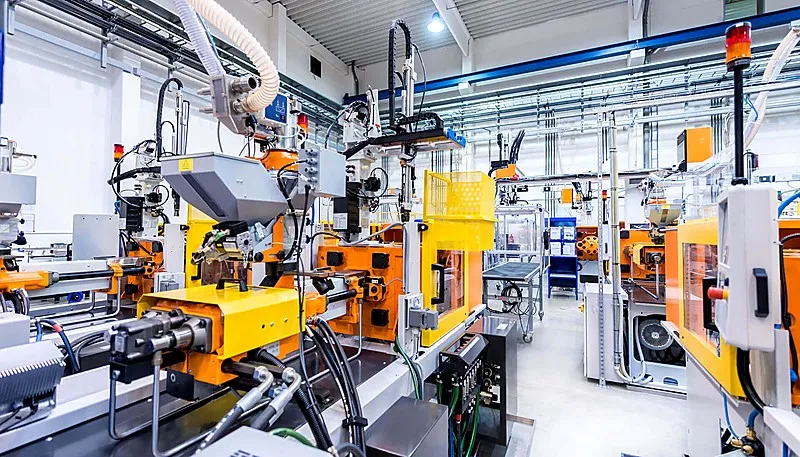
Şanghay fabrikamızda 90T ile 1850T arasında 47 enjeksiyon kalıplama makinesi işletiyor ve 400+ plastik malzemeyle çalışma deneyimine sahibiz. Bu aralık, hassas mikro kalıplamadan büyük otomotiv panellerine kadar her şeyi kapsayarak yurt dışındaki alıcılara çoğu yerel atölyenin karşılayamayacağı yetkinlikler sunar.
Maliyet azaltma, denizaşırı tedarik kararlarının %80’ini yönlendirir; ABD veya Avrupa fiyatlarına kıyasla tipik tasarruf 40-60% aralığındadır. Tesisimizde orta karmaşıklıktaki kalıpların maliyeti, yurt içinde $20,000-$60,000 iken $8,000-$25,000 aralığındadır. Pazara çıkış hızı da başka bir avantajdır. ABD’deki atölyeler yeni kalıplar için genellikle 12-16 hafta teklif ederken biz 8-12 haftada teslimat yapıyoruz. Şirket içi kalıp atölyemiz ayda 100+ kalıp ürettiğinden, dış kalıp üreticilerinden kaynaklanan darboğaz yaşamıyoruz.
Mühendislik desteğinin düzeyi birçok alıcıyı şaşırtır. 8 kıdemli mühendisimiz ve İngilizce konuşan 30+ proje yöneticimiz, tipik yerel tedarikçilerden daha fazla uygulamalı destek sağlar. Yurt dışı ortaklıkları için kritik olduğunu bildiğimizden iletişim altyapısına büyük yatırım yaptık. Ancak ödünler konusunda dürüst olalım. Daha uzun sevkiyat süreleri, üretim artışı sırasında olası kalite tutarsızlıkları ve iletişim zorluklarıyla karşılaşacaksınız. Tasarruf gerçektir; yanlış ortağı seçerseniz sorunlar da gerçektir.
"Yurt dışı enjeksiyon kalıplama kalıpları, ABD içi fiyatlara göre genellikle 40-60% daha ucuzdur."True
Doğru. Shanghai tesisimizde orta karmaşıklıktaki kalıplar $8,000-$25,000 iken ABD'de $20,000-$60,000'dır. Tasarruf, daha düşük işçilik maliyetlerinden ve entegre şirket içi kalıp üretiminden kaynaklanır.
"Çinli enjeksiyon kalıplama fabrikaları her zaman ABD'li veya Avrupalı üreticilerden daha düşük kalite sunar."False
Yanlış. Kalite ülkeye değil, belirli fabrikaya bağlıdır. ISO 9001, 13485, 14001 ve 45001 sertifikalı Şanghay tesisimiz, her proje için Cpk1 verileri bulunan SPC izlemeli prosesleri sürdürür.
Yurt Dışındaki Bir Enjeksiyon Kalıplama Tedarikçisi Nasıl Değerlendirilir?
Tedarikçileri değerlendirmek; sertifikaları kontrol etmek, makineleri incelemek, iletişim kalitesini test etmek ve pilot projeler yürütmek demektir.
Sertifikalarla başlayın ancak bununla yetinmeyin — bizde ISO 9001, 13485, 14001 ve 45001 vardır; birçok vasat tedarikçide de bulunur. Asıl değerlendirme fabrika ziyaretleri ve numune projeleri sırasında yapılır. Makine kapasitesi kabiliyet hakkında çok şey söyler. Tonaj, atım boyutları ve yaşları içeren ayrıntılı ekipman listesi isteyin. En yeni makinelerimiz 3 yaşından küçüktür; ancak bakımı doğru yapıldığında 10 yıllık ekipman da kaliteli parçalar üretebilir.
İletişim altyapısı düşündüğünüzden daha önemlidir. İletişimsizlik projeleri öldürdüğü için özel İngilizce konuşan proje yöneticilerimiz var. Bunu ilk görüşmelerde sınayın; teknik sorularda şimdi zorlanıyorlarsa sizin saatinize göre gece 2’de bir krizi yönetmeyi düşünün. Kalite sistemleri giriş malzemesi muayenesini, proses içi izlemeyi ve nihai muayene protokollerini içermelidir. Tüm yeni kalıplarda yeterlilik çalışmaları yürütüyor ve SPC2 verilerini tutuyoruz.
Finansal istikrar kritik önemdedir, ancak doğrulanması zordur. Uzun süreli müşteri ilişkilerine, düzenli tesis yatırımlarına ve referans verme isteğine bakın. 2013’ten beri denizaşırı müşterilere hizmet veriyoruz. En önemlisi, büyük bir takım yatırımına geçmeden önce pilot proje yürütün. $2,000 tutarındaki bir prototip, gerçek kabiliyetleri hakkında herhangi bir denetim raporundan daha çok bilgi verir.
Tedarik Sürecinin Temel Adımları Nelerdir?
Tedarik süreci altı adımlı bir iş akışıdır: RFQ, değerlendirme, prototipleme, müzakere, kalıplama ve üretim.
Süreç; 3D dosyaları, malzeme şartnamelerini, kalite gereksinimlerini ve yıllık hacimleri içeren ayrıntılı bir RFQ ile başlar. Doğru teklif verebilmek için eksiksiz bilgiye ihtiyacımız vardır; belirsiz şartnameler daha sonra değişiklik siparişlerine yol açar. İkinci adım, tedarik kılavuzu kriterlerimizi kullanarak tedarikçiyi değerlendirmektir. En fazla 3–5 tedarikçiyi karşılaştırın; daha fazlası değer katmadan kafa karışıklığı yaratır.
Sırada prototipleme gelir; bu aşama basit parçalar için genellikle 2-3 hafta, karmaşık geometriler içinse 4-6 hafta sürer. Sözleşme görüşmeleri fiyatlandırma koşullarını, teslimat programlarını, kalite standartlarını ve fikrî mülkiyet korumasını kapsamalıdır. Yıllık 50,000 adedin üzerindeki taahhütlü hacimler için genellikle 2 yıllık fiyat koruması sunuyoruz.
Tedarik sürecimizi Şanghay tesisimizdeki 8 kıdemli mühendis ve 10+ QC uzmanıyla destekliyoruz. İngilizce konuşan 30+ proje yöneticimiz her adımın sorunsuz ilerlemesini sağlar.
Yurt Dışından Tedarikte Kalite Kontrolü Nasıl Yönetilir?
Kalite kontrol; net spesifikasyonlar belirlemek, üçüncü taraf muayeneleri kullanmak ve SPC izleme sistemi kurmaktır.
Kalite kontrol yalnızca ölçülerle değil; görünüm standartları, ambalaj gereksinimleri ve kabul kriterleriyle birlikte açık teknik şartnamelerle başlar. Her proje için ayrıntılı kontrol planları oluşturuyoruz; ancak uygulamanız açısından neyin kabul edilebilir olduğunu sizin tanımlamanız gerekir. Giriş kontrolü protokolleri kritik ölçülerin %100’ünü, diğer özelliklerin ise istatistiksel örneklemesini kapsamalıdır. 10+ kalite kontrol uzmanımız AQL 2.5 standartlarını uygular; ancak nihai kullanımınıza bağlı olarak daha sıkı veya daha esnek kontrollere ihtiyaç duyabilirsiniz.
Üçüncü taraf denetim hizmetleri bağımsız doğrulama sağlar ve özellikle ilk birkaç sevkiyat için önemlidir. SGS veya Bureau Veritas gibi şirketler denetim başına -800 maliyetle sorunları sevkiyattan önce yakalar. Her iki tarafı da koruduğu için üçüncü taraf denetimlerini memnuniyetle karşılıyoruz. Dijital sistemlerle gerçek zamanlı izleme, kalite eğilimlerini takip etmeye yardımcı olur. İlk parçaları, boyut raporlarını ve uygunsuzlukları anında inceleme için fotoğraflarız. Acil kalite sorunlarında WhatsApp ve WeChat, daha hızlı yanıt sağladıkları için e-postadan daha iyi çalışır.
Düzenli fabrika ziyaretleri ilişkileri güçlendirir ve sistemik sorunları erken yakalar. İlk yıl üç ayda bir, istikrarlı tedarikçiler için daha sonra yılda bir ziyaret öneriyoruz. Sanal fabrika turları rutin güncellemelerde işe yarar ancak kalite değerlendirmesi için fiziksel varlığın yerini tutamaz. Kalite sorunlarının çoğu kurulum sırasındaki yetersiz iletişimden kaynaklanır. Üretim başlamadan önce numune onayında ısrar ediyoruz; ancak alıcılar program baskısı altında bu adımı çoğu zaman aceleye getiriyor.
Denizaşırı Tedarikte Hangi Gizli Maliyetlere Dikkat Etmelisiniz?
"Nakliye maliyetleri, denizaşırı enjeksiyon kalıplı parçaların toplam teslim maliyeti3 üzerine genellikle %8-15 ekler."True
Doğru. Deniz taşımacılığı, 3-4 haftalık transit süresiyle kg başına $0.50-1.50 tutarken hava taşımacılığı 5-7 günlük teslimat için kg başına $4-8 tutar. Teklifleri karşılaştırmadan önce toplam teslim maliyetini daima hesaplayın.
"Denizaşırı tedarik yalnızca 100,000 adedin üzerindeki siparişlerde mali açıdan anlamlıdır."False
Yanlış. Orta karmaşıklıktaki parçalar için başabaş noktası genellikle yılda yaklaşık 25,000-50,000 adettir. Basit tüketici ürünleri daha düşük hacimlerde bile maliyet açısından avantajlı olabilir.
Nakliye maliyetleri, parça yoğunluğuna ve nakliye yöntemine bağlı olarak teslim maliyetine %8-15 ekler. Deniz taşımacılığı 3-4 hafta sürer ancak kg başına $0.50-1.50 maliyetlidir. Hava taşımacılığı kg başına $4-8 tutar, ancak 5-7 günde teslim eder. Üretim artışı sırasında kaçınılmaz olarak kalıp değişiklikleri ortaya çıkar ve genellikle ilk kalıp maliyetine %10-20 ekler. Kapsamlı DFM incelemeleriyle bunları en aza indirmeye çalışıyoruz.
Üretime başlama aşamasındaki kalite sorunları parçaların kendisinden daha pahalıya mal olabilir. Yeniden işleme, yeniden sevkiyat ve müşteri şikâyetlerinin maliyeti hızla birikir. Aceleyle üretime alınan $10,000 tutarındaki takım projelerinin $50,000 kalite maliyeti oluşturduğunu gördük. Kur dalgalanmaları, çok yıllı sözleşmelerde fiyatlandırmayı etkiler. RMB son yıllarda USD karşısında 15% veya daha fazla dalgalanmıştır.
Stok taşıma maliyetleri, daha uzun teslim süreleri ve minimum sipariş miktarlarıyla artar. Yerel tedarikçiler haftalık teslimat yaparken denizaşırı tedarikçiler aylık sevkiyat gerektiriyorsa işletme sermayesi ihtiyacınız iki veya üç katına çıkar. İthalat vergileri, gümrük ücretleri ve uyum maliyetleri ürün kategorisine ve menşe ülkeye göre değişir. Son tarife değişiklikleri birçok plastik ürüne 10-25% ek maliyet getirmiştir.
Yurt Dışından Tedarik, Yerel Tedarike Kıyasla Ne Zaman Mantıklıdır?
Yurt dışı tedarik, yıllık 25,000 adedin üzerinde en uygun maliyeti sağlar; çoğu parça için gerçek başabaş noktası yaklaşık 50,000 adettir.
Ekonomiyi hacim belirler — çoğu üründe yıllık 25,000 adedin üzerinde yurt dışı tedarik anlamlıdır. Bu eşiğin altında, tüm maliyetler ve riskler hesaba katıldığında yerli tedarikçiler genellikle yurt dışı fiyatlarını yakalar. Ürün karmaşıklığı boyuttan daha önemlidir. Geniş toleranslı (±0.2 mm) basit parçalar yurt dışında kolayca üretilebilir. ±0.02 mm tolerans gerektiren karmaşık montajlar ise uzaktan yönetilmesi daha zor olan kapsamlı proses geliştirme çalışmaları gerektirir.
Teslim süresine duyarlılık kritiktir. Parçalara 2-3 hafta içinde ihtiyacınız varsa yerli üretim her zaman kazanır. Standart teslim sürelerimiz 4-6 hafta, buna ek olarak nakliye 2-4 haftadır. Fizibiliteyi kalite gereksinimleri belirler. 1-2% görsel hata oranına sahip tüketici ürünleri sorunsuz üretilebilir. 99.9% verim gerektiren tıbbi cihazlar, yurt dışında yönetilmesi pahalı olan kapsamlı doğrulama gerektirir.
Yurt Dışındaki Kalıp Üreticinizle Uzun Vadeli İlişki Nasıl Kurulur?
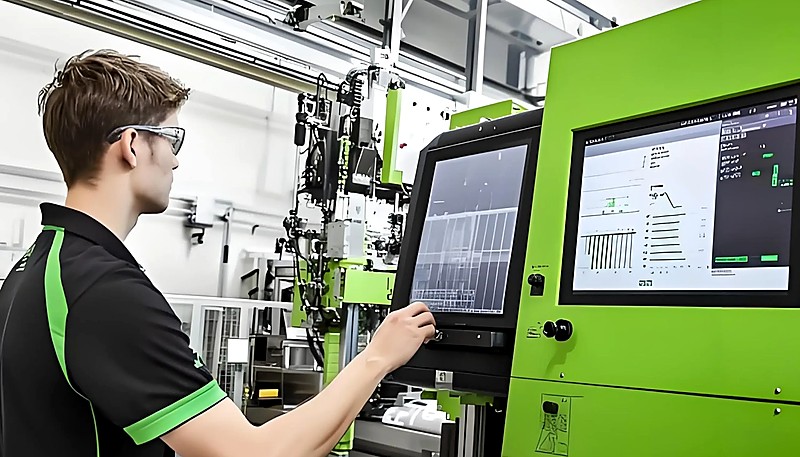
Uzun vadeli ilişkiler kurmak; tutarlı iletişim, hacim taahhütleri, teknik iş birliği ve düzenli fabrika ziyaretleri gerektirir.
Tutarlı iletişim zaman içinde güven oluşturur — bizi standart bir tedarikçi olarak görmek yerine düzenli tahminler sunan ve yeni ürün geliştirmeye dâhil eden alıcıları tercih ederiz. Uzun vadeli müşteriler öncelikli planlama ve daha iyi fiyatlandırma elde eder. Hacim taahhütleri daha iyi planlama ve fiyatlandırma sağlar. Yıllık 100,000 adedin üzerindeki 2 yıllık hacim taahhütleri için %10-15 indirim sunuyoruz.
Teknik iş birliği her iki tarafın da sonuçlarını iyileştirir. Tasarım zorluklarınızı erkenden paylaşın. Mühendislik ekibimiz maliyetleri azaltıp kaliteyi iyileştiren malzeme değişiklikleri, tasarım revizyonları veya proses iyileştirmeleri önerebilir. Ödeme koşulları güven düzeyini yansıtır. Yeni müşteriler genellikle 50% peşinat, 50% sevkiyat öncesi ödeme yapar. Uzun vadeli iş ortakları 30 günlük vade için anlaşabilir.
Düzenli fabrika ziyaretleri, Çin iş kültüründe önemli olan kişisel ilişkileri güçlendirir. Kilit karar vericilerle yıllık ziyaretler, zor durumlarda veya acil projelerde karşılığını veren iyi niyet oluşturur. Dürüst geri bildirim, karşılıklı saygı geliştirirken iyileşmemize yardımcı olur.
Yurt Dışından Enjeksiyon Kalıplama Tedariki Hakkında Sık Sorulan Sorular
Sıkça Sorulan Sorular
Enjeksiyon kalıplamayı yurt dışından tedarik ederek ne kadar tasarruf edebilirim?
ABD’li üreticilere kıyasla tipik tasarruf, kalıp maliyetlerinde 40-60%, parça başı fiyatlarda ise 30-50% aralığındadır. Şanghay tesisimizde orta karmaşıklıktaki kalıplar, ABD’deki $20,000-$60,000 aralığına karşı $8,000-$25,000 tutar. Parça başı tasarruf malzemeye, karmaşıklığa ve hacme bağlıdır; basit tüketici parçalarında indirim çoğu zaman 50% veya üzerindedir. Ancak gerçek toplam teslim edilmiş maliyet tasarrufunu hesaplarken parça maliyetinin 8-15% düzeyindeki nakliye giderini, ithalat vergilerini, üçüncü taraf kontrol ücretlerini ve stok taşıma maliyetlerini hesaba katmalısınız. Çoğu alıcı, tüm yan maliyetlerden sonra net 25-40% tasarruf sağlar.
Yurt dışı enjeksiyon kalıplamada tipik teslim süresi nedir?
Üretim kalıbının tasarım onayından ilk parça muayenesine kadar hazırlanması 8-12 hafta sürer. İlk parça incelemesi ve gerekli ayarlamalar için 2-3 hafta, ardından çoğu küresel varış noktasına deniz taşımacılığı için 3-4 hafta ekleyin. Yeni kalıp projelerinde siparişten parçaların teslimine kadar toplam süre genellikle 14-19 haftadır. Tekrar sipariş üretimleri daha hızlıdır: 4-6 hafta artı nakliye. Hava taşımacılığı transit süreyi 5-7 güne indirebilir; ancak deniz taşımacılığındaki kg başına $0.50-1.50 yerine $4-8 maliyetlidir. Bu nedenle çoğu alıcı havayolunu yalnızca acil durumlarda veya numune sevkiyatlarında kullanır.
Çin’den enjeksiyon kalıplı parça tedarik ederken kaliteyi nasıl güvence altına alabilirim?
Boyutsal toleransları, görünüm standartlarını ve malzeme gereksinimlerini resmi bir kalite sözleşmesinde belgeleyen açık spesifikasyonlarla başlayın. Her kritik özellik için boyutsal veriler içeren ilk ürün muayene raporları isteyin. İlk sevkiyatlarda muayene başına $300-800 maliyetle SGS veya Bureau Veritas gibi üçüncü taraf muayene hizmetlerini kullanın. Sürekli üretimde kritik boyutlar için 1.67 veya üzeri Cpk hedefleriyle SPC izleme kurun. Şanghay tesisimiz ISO 9001 sertifikasını sürdürür ve fotoğraflarla birlikte gerçek zamanlı boyutsal veriler sunar; böylece kalite sorunları teslimattan sonra değil, sevkiyattan önce görünür olur.
Denizaşırı enjeksiyon kalıpçıları hangi asgari sipariş miktarlarını ister?
Çoğu denizaşırı kalıpçı, kurulum maliyetlerini etkin biçimde amorti etmek için yeni projelerde en az 5,000-10,000 adetlik takım siparişi ister. Sipariş başına minimum miktar, parça karmaşıklığına ve malzeme bulunabilirliğine bağlı olarak genellikle 2,000-5,000 adettir. Tesisimizde, tam üretim hacimlerini taahhüt etmeden önce yeterlilik aşamasında 1,000-2,000 adetlik daha küçük pilot üretimleri karşılayabiliyoruz. Orta karmaşıklıktaki parçalar için denizaşırı ve yerel tedarik arasındaki ekonomik başabaş noktası genellikle yılda 25,000-50,000 adet civarındadır; bu nedenle yüksek hacimli programlar denizaşırı üretim ortaklıkları için en güçlü adaylardır.
Sipariş vermeden önce fabrikayı ziyaret etmeli miyim?
Evet, özellikle $10,000 üzerindeki takım yatırımlarına girişirken ilk kez kurulan ortaklıklarda fabrika ziyareti şiddetle önerilir. Şanghay tesisimizi ziyaret ettiğinizde gerçek makine koşullarını görür, size özel İngilizce konuşan proje yöneticinizle yüz yüze tanışır ve ISO 9001 gibi kalite sistemlerinin yalnızca kılavuzlarda belgelenmekle kalmayıp üretim sahasında gerçekten uygulandığını doğrularsınız. Ziyaretleri memnuniyetle karşılıyor ve seyahat kararı vermeden önce ilk eleme için canlı video üzerinden kapsamlı sanal turlar düzenleyebiliyoruz. İlk yıl boyunca üç ayda bir yapılan ziyaretler, sorun çözümünü daha hızlı ve sorunsuz hâle getiren kişisel ilişkiler kurar.
Yurt dışı enjeksiyon kalıplama işlerinde standart ödeme koşulları nelerdir?
Yeni müşteriler üretim parçaları için genellikle sipariş onayında 50% depozito, sevkiyat öncesinde 50% ödeme yapar. Kalıp ödemeleri çoğunlukla üretim parçası ödemelerinden ayrı olarak depozito ile ilk parça onayı arasında 50-50 bölünür. 6-12 aylık düzenli ödeme geçmişine sahip yerleşik iş ortaklıkları, teslimat sonrasında net-30 veya net-60 vadelerini müzakere edebilir. Büyük projeler için kilometre taşı bazlı ödeme planları da sunuyor ve muhasebe politikaları gerektiren alıcılar için akreditif düzenlemelerini kabul edebiliyoruz. Kur riski, USD cinsinden sözleşmeler veya çok yıllı anlaşmalardaki riskten korunma düzenlemeleriyle yönetilebilir.
Cpk: Cpk, proses performansının istatistiksel ölçüsü olan Proses Yeterlilik İndeksini ifade eder. ↩
SPC: SPC, İstatistiksel Proses Kontrolünü ifade eder. ↩
teslim edilmiş maliyet: teslim edilmiş maliyet; satın alma fiyatı, nakliye, gümrük vergileri, sigorta ve elleçleme dâhil toplam Teslim Edilmiş Maliyeti ifade eder. ↩