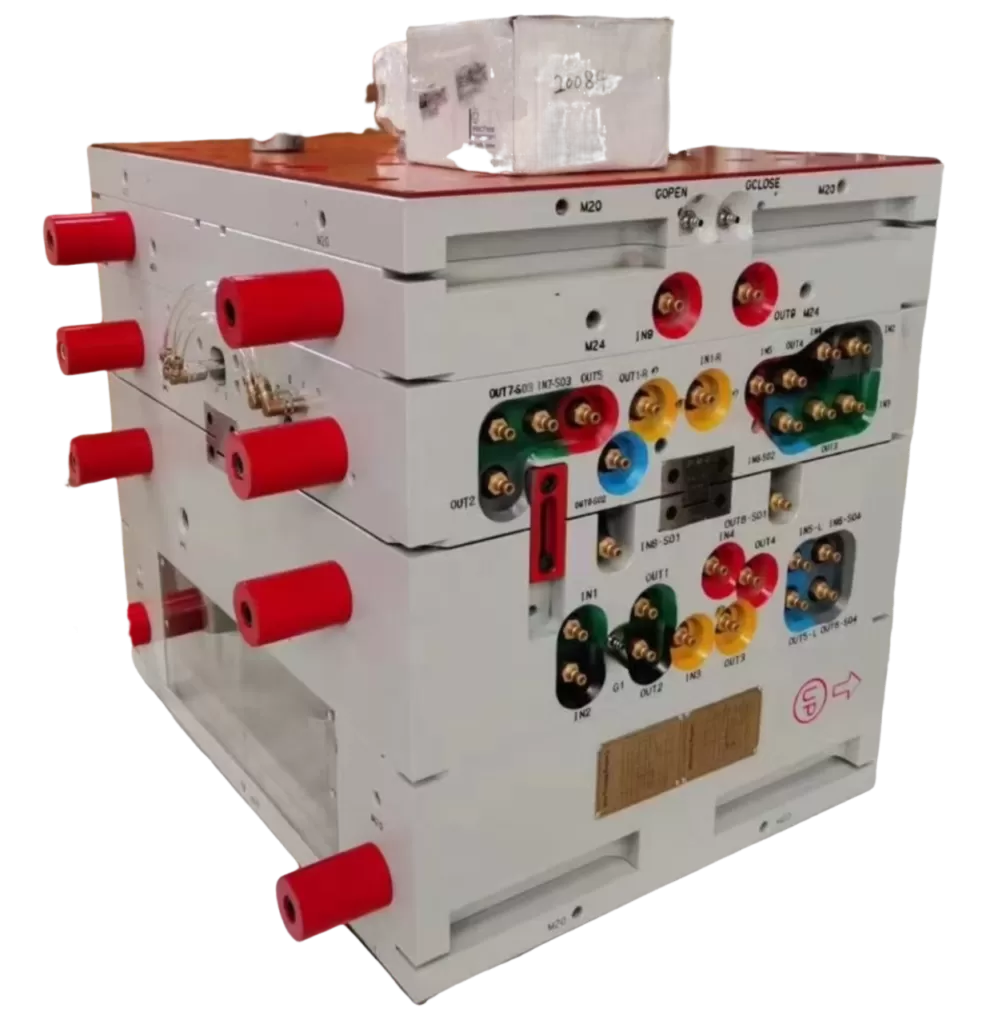
Pusiste la orden. El proveedor confirmó el horario. ¿Ahora qué? La mayoría de los compradores de ultramar invierten semanas negociando herramientas y especificaciones materiales, y luego se callan durante la producción, sólo para descubrir problemas después de que las mercancías lleguen a su almacén. Una lista de seguimiento de producción moldeo por inyección estructurada cierra esa brecha. Este artículo le da una lista de verificación de fase por fase, desde la verificación previa a la producción mediante la supervisión en el proceso a la documentación posterior a la ejecución, por lo que se obtienen problemas temprano, se reducen las tasas de defecto y se construye una relación confiable de proveedores a largo plazo.
- Seguir antes, durante y después de la producción — no solo al final
- Solicitar reportes de inspección de primer artículo (FAI) antes de aprobar la corrida completa
- Documente cada desviación: fotos, dimensiones, números de lote
- Programar llamadas de estado semanales durante la producción activa
- Usar una lista de verificación estandarizada para evitar omitir puntos críticos de control
Los riesgos son especialmente altos para compradores internacionales. Trabaja entre zonas horarias, idiomas y, en ocasiones, expectativas culturales diferentes sobre reportes de calidad. Sin un enfoque sistemático de seguimiento, pequeñas desviaciones del proceso se acumulan hasta convertirse en escapes de calidad mayores, cuyo costo de corrección después del embarque es mucho mayor que el de prevención durante la producción. Esta lista de verificación cubre cada fase de la producción — desde el momento en que su molde se saca del almacén, pasando por muestreos en proceso, hasta las fotos del empaque final antes que su embarque salga del muelle de la fábrica.
¿Por qué necesita una lista de verificación de seguimiento de producción?
Una lista de verificación de seguimiento de producción es su herramienta más efectiva para mantener control de calidad cuando no puede estar presente en la máquina. En nuestra experiencia trabajando con compradores internacionales, los proyectos que enfrentan los problemas más costosos son casi siempre aquellos donde el comprador colocó la orden de compra y esperó la confirmación de embarque.
Aquí es lo que normalmente falla sin un sistema de seguimiento. El proveedor comienza la producción, pero un parámetro de la máquina se desvía durante un turno nocturno. Nadie lo detecta porque sus requisitos de calidad están en un PDF que nadie consultó después de la reunión de inicio. Tres semanas después, llegan 5,000 piezas con una desviación dimensional fuera de su tolerancia. Ahora está negociando costos de retrabajo entre zonas horarias en lugar de vender producto.
Si usted está comparando los proveedores o la adquisición de planificación, nuestro guía de suministro de moldeo por inyección cubre prepago RFQ, calificación y cheques de riesgo comerciales.
La causa raíz no es una mala capacidad de fabricación, es una brecha de comunicación. Una lista de verificación bien estructurada puentes que separan definiendo exactamente lo que se verifica, cuando, por quién, y cómo se reportan las desviaciones. La investigación de la Sociedad de Ingenieros de Fabricación muestra constantemente que la vigilancia de procesos estructurados reduce las tasas de defectos en un 30–50% en comparación con los enfoques ad-hoc. Piénsalo de esta manera: tu inyección es una herramienta de precisión que vale decenas de miles de dólares. La lista de verificación de seguimiento es la póliza de seguro que asegura cada parte que sale de esa herramienta cumple con su especificación.
¿Qué debe verificar antes de que comience la producción?
La verificación previa a la producción es donde previene el 80% de los problemas posteriores. Antes de que el operador presione el botón verde, confirme estos puntos:
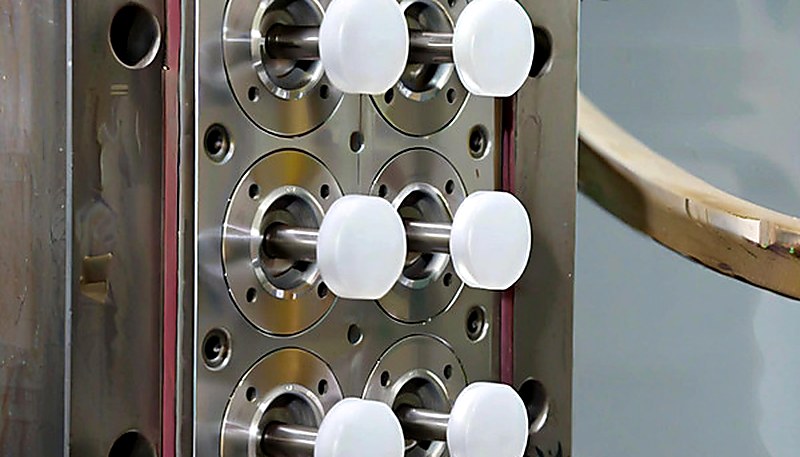
Confirmación de materiales: Verifique el grado exacto de resina, el número de lote y el proveedor coinciden con su especificación aprobada. Solicitar un certificado de análisis ( CoA1 ) para el lote de material. Si especificó el polipropileno Sabic 500P, no acepte un PP genérico sin equivalencia documentada. Mold Condition Report: Pregunte por fotos o un vídeo a través del molde que se está instalando. Compruebe los daños visibles, oxidación o componentes usados. Si el molde ha estado en almacenamiento desde su última ejecución, solicite un registro de mantenimiento. Un molde que se sienta ocioso durante meses puede desarrollar la corrosión en la superficie de la cavidad, dando lugar a defectos cosméticos en sus partes.
Hoja de montaje de la máquina: El proveedor debe documentar la presión de inyección, mantener la presión, la temperatura de fusión, la temperatura del molde, el tiempo de enfriamiento y el tiempo de ciclo. Compare estos contra los parámetros de su última carrera exitosa. Cualquier desviación inexplicable es una bandera roja. First Article Inspection ( FAI2): Esto no es negociable. Antes de aprobar la producción de volumen, inspeccione las primeras 3-5 muestras del ciclo inicial. Medir las dimensiones críticas contra tu dibujo. Compruebe la calidad visual — flash, marcas de lavabo, disparos cortos, líneas de soldadura. Sólo aprueba la carrera después de que pase la FAI.
En ZetarMold, documentamos cada parámetro de configuración de máquina para cada corrida de producción en nuestras 47 máquinas de moldeo por inyección (90T–1850T). Esto significa que cuando vuelve a pedir, utilizamos exactamente los mismos parámetros, sin conjeturas, sin desviaciones.
¿Cómo se monitorea la calidad durante la producción?
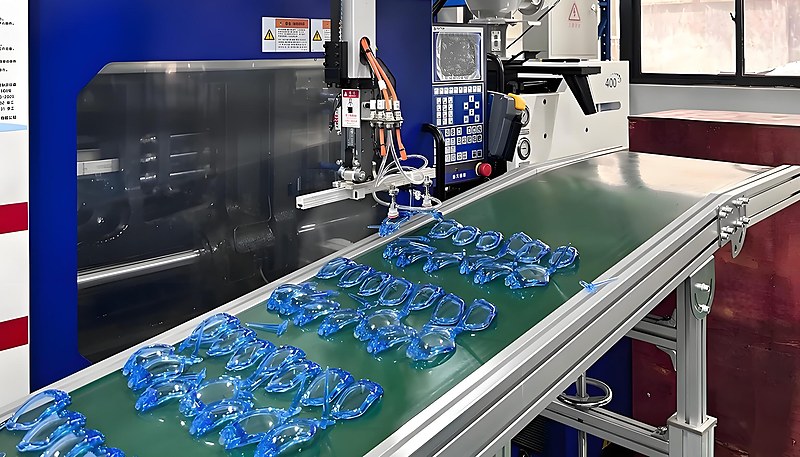
El monitoreo en proceso es donde la lista de verificación paga por sí misma. El objetivo es captar tendencias antes de convertirse en defectos. Aquí están los puntos de control que debe ejecutar durante la producción activa: muestreo programado: Tire de 3 a 5 partes cada 2 horas (o cada 500 disparos, lo que viene primero). Medir las dimensiones críticas y registrar los resultados en un gráfico SPC3. Si usted ve una tendencia —incluso si las partes todavía están dentro de la tolerancia— lo marcan temprano. Una dimensión derivando 0.02 mm por hora eventualmente saldrá de la espectro. Protocolo de Inspección Visual: Comprobar flash, tomas cortas, contaminación (especciones negras, material extranjero), consistencia de color y acabado superficial. Definir sus criterios de aceptación antes de que comience la producción, no durante.
Use el muestreo AQL (nivel de calidad aceptable) basado en su tolerancia al riesgo. Para la mayoría de las aplicaciones B2B, AQL 1.0 para defectos críticos y AQL 2.5 para defectos menores es estándar. Parámetro de proceso: Solicite que el proveedor cubra el tiempo de ciclo, presión de inyección y temperatura de fusión a cada intervalo de muestreo. Las máquinas modernas producen estos datos automáticamente — no hay excusa para no compartirlos. Un cambio repentino en el tiempo del ciclo a menudo indica un problema de desarrollo: puerta gastada, anillo de control contaminado, o problema de enfriamiento. Verificación de color y material: Si su parte tiene un partido de color específico, compare muestras contra su estándar de color aprobado bajo las mismas condiciones de iluminación (D65 iluminante estándar).
Un cambio de color durante una corrida generalmente significa que el material se está degradando o el colorante no se dispersa uniformemente.
"Solicitar a su proveedor los registros de parámetros del proceso ayuda a detectar desviaciones de calidad antes de que las piezas queden fuera de tolerancia."True
Los datos de proceso —tiempo de ciclo, presión de inyección, temperatura de fusión— son su sistema de alerta temprana. Las tendencias en estos parámetros predicen la desviación dimensional antes de que exceda la tolerancia.
"La inspección del primer artículo (FAI) es opcional en pedidos repetidos con el mismo molde."False
Incluso en pedidos repetidos, la FAI es esencial. Los cambios en el lote de material, el desgaste de la máquina y las variaciones ambientales pueden alterar la calidad de la pieza. Siempre verifique antes de aprobar la producción completa.
| Punto de Control en Proceso | Frecuencia de Muestreo | Criterios de aceptación | Acción de Escalada |
|---|---|---|---|
| Comprobación dimensional | Cada 2 horas / 500 disparos | Dimensiones dentro de la tolerancia en el plano | Detener la producción, ajustar parámetros |
| Inspección visual | Cada 2 horas / 500 disparos | Sin rebabas, piezas incompletas, contaminación | Cuarentena de piezas sospechosas, inspección del molde |
| Parámetros del proceso | Cada 2 horas / 500 disparos | Tiempo de ciclo, presión, temperatura estables | Investigar la causa raíz antes de continuar |
| Coincidencia de color | Cada 4 horas | Coincidencia con el estándar aprobado bajo D65 | Verifique material, tornillo y temperatura |
| Verificación de peso | Cada 2 horas | Peso de la pieza dentro de ±0,5% de la muestra FAI | Indica un llenado incompleto, rebabas o desequilibrio de cavidad |
¿Qué documentos debe solicitar después de cada corrida de producción?
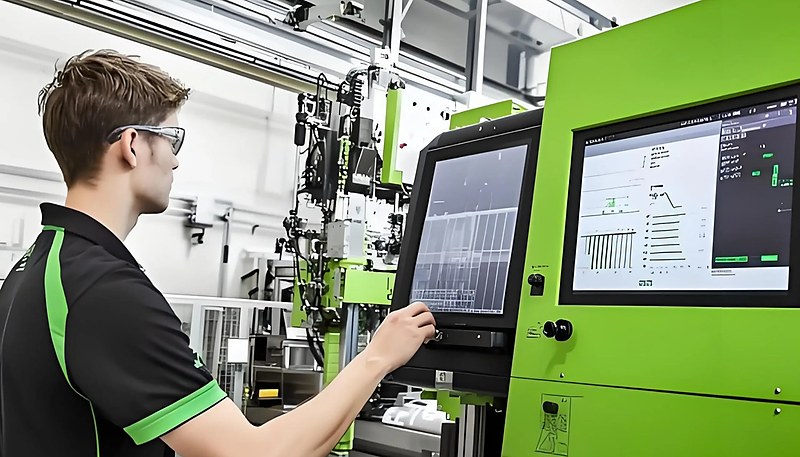
La documentación es su rastro de evidencia. Si un problema de calidad se extiende meses después —en la línea de montaje de su cliente o en el campo— debe rastrear exactamente lo que sucedió durante la producción. Esto es lo que debe solicitar después de cada carrera: Informe de inspección: Un resumen de todas las mediciones dimensionales tomadas durante la producción, en comparación con sus tolerancias de dibujo. Esto debe incluir la fecha, el tiempo, el nombre del operador y el instrumento utilizado para cada medición. Certificados de materiales: El certificado de análisis (CoA) para el lote de resina utilizado en su producción. Esto demuestra que el material cumplió las propiedades especificadas y es esencial para las industrias reguladas. Parámetro de proceso: El registro completo de la configuración de la máquina a lo largo de la carrera.
Si su proveedor ejecuta una máquina moderna con monitoreo de procesos, solicite la exportación de datos brutos. Yield and Scrap Report: How many parts were produced, how many passed inspection, and how many were rejected — with rejection reasons categorized. Una tasa de chatarra superior al 3% en una investigación de moldes maduros. Registros de envío y embalaje: Fotos de productos empaquetados, etiquetas de cartón y configuración de paletas. Esto le protege contra las disputas por daños de envío y le ayuda a verificar la cantidad a la recepción. Mantenga estos documentos durante al menos 3 años. Son su prueba de la debida diligencia y su referencia para futuras carreras de producción.
Bajo nuestros sistemas certificados ISO 9001, ISO 13485, ISO 14001 e ISO 45001, cada corrida de producción en ZetarMold genera un paquete completo de documentación — informes de inspección, CoA de materiales y registros del proceso — listos para sus archivos.
¿Cómo Maneja los Defectos Encontrados Durante el Seguimiento?
Encontrar defectos durante el seguimiento no es un fracaso — es el sistema funcionando según lo previsto. La pregunta es qué tan rápido y sistemáticamente responde. Este es el marco de decisión que recomendamos:
Paso 1 - Contener el problema: Cuarenten inmediatamente todas las partes producidas desde la última inspección que pasa. No permita que las partes sospechosas entren en el flujo de embalaje. Es por eso que la frecuencia de muestreo importa — cuanto más frecuente son los cheques, más pequeño es el lote de cuarentena.\n\nStep 2 — Clasifique el defecto: ¿Es crítico (función de los defectos o seguridad), mayor (aspecto o montaje de los defectos), o menor (cosmética solamente)? La clasificación determina la urgencia de la respuesta. Un defecto crítico significa detener la producción inmediatamente. Un defecto menor podría significar continuar con una mayor vigilancia.
Paso 3 — Análisis de la causa raíz: El proveedor debe proporcionar un diagrama de 5-Por qué el análisis o la pólvora dentro de 24 horas. Las causas profundas comunes en el moldeo por inyección incluyen: componente de moho usado, contaminación de material, deriva del parámetro de máquina o error del operador. No acepte “ajustamos la máquina” sin entender por qué el parámetro se desplazó en primer lugar. Paso 4 - Verificación de acción correctiva: Después de que el proveedor implemente una solución, ejecute otra FAI antes de reanudar la producción. Verifica la solución con datos, no promesas. Si la causa raíz era un inserto de cavidad usado, pida ver el inserto de reemplazo instalado y medido. Paso 5 — Documento Todo: Grabar la descripción de defectos, la causa raíz, la acción correctiva y los resultados de verificación.
Esto se convierte en su conocimiento institucional para futuras corridas.
¿Cuándo debe escalar los problemas a la dirección de su proveedor?
Escala cuando los defectos se repiten después de la acción correctiva, cuando las especificaciones cambian sin su aprobación, o cuando se rechaza la documentación. No todas las cuestiones requieren una escalada, pero los desencadenantes específicos justifican la participación de la administración. Defectos repetidos en la misma carrera: Si el mismo defecto aparece dos veces después de la acción correctiva, usted está tratando con un problema sistémico, no un evento aleatorio. Solicitar una reunión con el gerente de producción, no el representante de ventas. Desviación de especificaciones convenidas: Si el proveedor cambia unilateralmente los parámetros de grado material, colorante o proceso sin su aprobación escrita, este es un problema contractual que requiere una escalada inmediata.
Deadlines perdidos sin aviso previo: Un proveedor que esconde retrasos es un riesgo mayor que el que los comunica. Si su fecha de envío se desliza sin comunicación proactiva, escalar para entender la situación real.
Documentación de calidad Refusal: Si el proveedor no puede o no proporcionará informes de inspección, certificados de material o datos de proceso, usted tiene un problema de transparencia. Esta es una razón legítima para escalar y potencialmente reevaluar la relación.
"Las listas de comprobación estructuradas para el seguimiento suelen reducir las tasas de defectos entre un 30–50% frente al control de calidad improvisado."True
Los estudios de organizaciones de ingeniería de fabricación demuestran sistemáticamente que la supervisión metódica del proceso detecta antes los problemas, evita defectos en cascada y reduce las tasas globales de desperdicio.
"Si un defecto se clasifica como menor, debe continuar la producción y abordarlo una vez finalizada la tirada."False
Incluso los defectos menores pueden indicar un problema en desarrollo. Mantenga una supervisión reforzada y, si el defecto reaparece o empeora, detenga la producción para analizar la causa raíz.
La manera correcta de escalar: Ser específico y basado en datos. Enviar un correo electrónico con fotos, datos de medición y una descripción clara de la brecha entre los resultados esperados y reales. Es una asociación más que una acusación. Los proveedores que lo ven como socio son más propensos a movilizar sus mejores recursos para resolver el problema.
¿Cuáles son los errores de seguimiento más comunes de los compradores extranjeros?
Los errores principales están saltando el seguimiento, usando espectros vagos, saltando FAI y confiando en promesas verbales. Después de dos décadas de trabajo con compradores extranjeros, aquí es lo que hay que evitar: Error 1 — No Seguimiento Hasta el envío: El único error más caro. Para cuando lleguen las partes, es demasiado tarde para arreglar cualquier cosa. El costo de la retrabaja, el envío de retorno y el tiempo de producción perdido puede exceder el valor de pedido original. Error 2 — Requisitos de calidad de Vague: Decir “buena calidad” no es una especificación.
Defina tolerancias exactas, normas de acabado superficial (grados SPI), desviación de color aceptable (valores Delta E) y métodos de inspección específicos. La ambigüedad siempre favorece la interpretación del proveedor.
Error 3 — Skipping First Article Inspection: Las 5 primeras partes le dicen si la configuración es correcta para los 50.000 restantes. Skipping FAI to save a few hours of inspection time is a false economy — usted está apostando todo el lote en un proceso unverificado. Error 4 — No Solicitar datos del proceso: Si su proveedor tiene máquinas modernas de moldeo por inyección (la mayoría), generan datos detallados del proceso. No pedirlo significa volar ciego. Los datos del proceso son su sistema de alerta temprana. Error 5 — Aceptar garantías verbales: “Todo está bien” es la frase más cara en la fabricación. Siempre requieren evidencia fotográfica, datos de medición e informes escritos. La confianza es buena; la verificación es mejor.
Con más de 20 años de experiencia en moldeo por inyección y una dedicación específica al negocio internacional desde 2013, hemos visto todos los errores de seguimiento posibles y hemos ayudado a nuestros clientes a crear procesos que los evitan.
¿Cómo puede una lista de comprobación de seguimiento reducir los costes a largo plazo?
Una lista de verificación de seguimiento no es demasiado alta — es una inversión con rendimientos mensurables. Aquí está el desglose de costos: Prevención de defectos vs. Corrección de defectos: Atraer una deriva dimensional durante la producción le cuesta una llamada telefónica y un ajuste del parámetro. Atracarlo después de que el envío cuesta devolver el flete, retraer trabajo, desperdicio de materiales y potencialmente perdidos contratos de clientes. La relación es típicamente 1:10 a 1:50 — la prevención es dramáticamente más barata. Tarifas de raspa reducidas: Los proveedores que saben que están siendo monitoreados constantemente producen una menor chatarra. Es la naturaleza humana. Cuando se mide el rendimiento, el rendimiento mejora. Hemos visto que las tasas de chatarra bajan de 5% a menos de 1,5% simplemente implementando controles estructurados en el proceso.
Tiempo más rápido para el mercado: Una lista de verificación de seguimiento evita el escenario de “descubrimiento de problemas en la recepción” que añade 2-4 semanas a su cronología. La calidad de primer paso significa que sus partes van directamente de la recepción a la asamblea, sin necesidad de embotellar la inspección entrante. Costo total inferior de la propiedad: Cuando usted cuenta para retrabajo, devoluciones, retrasos y escapes de calidad, el costo total de pobre seguimiento puede añadir 15-30% a su precio por parte. Una lista de verificación que cuesta 30 minutos por ejecución de producción elimina esa prima. Relaciones de proveedores más fuertes: Paradójicamente, el seguimiento diligente construye mejores relaciones con los proveedores, no peores. Cuando usted comunica claramente lo que necesita y proporciona información basada en datos, se convierte en un cliente preferido.
Los clientes preferentes obtienen prioridad de programación, respuestas más rápidas y más asistencia de ingeniería cuando la necesitan.
Preguntas frecuentes
¿Con qué frecuencia debo solicitar actualizaciones de producción a mi proveedor?
Para series de producción activas, solicite actualizaciones al menos dos veces por semana, idealmente mediante un informe de estado estructurado tras cada punto de muestreo. Durante fases críticas como la configuración inicial o la inspección del primer artículo, son apropiadas las actualizaciones diarias. Programe una videollamada semanal con producción para revisar datos del proceso, tendencias dimensionales y desviaciones. La clave es la constancia: establezca la frecuencia de informes antes de producir, no después de que aparezcan problemas. Los compradores que fijan expectativas claras desde el principio sufren sistemáticamente menos sorpresas al enviar.
¿Qué es una inspección de primera pieza y por qué es importante?
Una inspección de primera pieza (FAI) es una medición exhaustiva y una comprobación visual de las primeras piezas producidas en una serie, comparándolas con sus planos de ingeniería. Confirma que el molde, la selección de material y los parámetros de la máquina están configurados correctamente antes de iniciar la producción de volumen completo. Omitir la FAI es el error posterior más costoso que pueden cometer los compradores extranjeros, porque aprobar miles de piezas sin verificar primero la capacidad del proceso deriva sistemáticamente en costosos reprocesamientos, retrasos en los envíos y relaciones dañadas con los clientes, consecuencias cuyo coste supera con creces el de la propia inspección.
¿Debo visitar la fábrica durante la producción?
Para las primeras series de producción o los pedidos de alto valor, una visita a la fábrica durante la fase de configuración inicial aporta información directa e insustituible sobre el entorno real de fabricación, el estado de los equipos y las capacidades del equipo sobre el terreno. Puede verificar en persona el estado del molde, observar directamente el proceso FAI y establecer una relación de trabajo cara a cara con el equipo de producción que dará frutos durante todo el ciclo de vida del proyecto. Para pedidos repetidos con un proveedor consolidado y de confianza, la supervisión remota mediante informes estructurados y videollamadas programadas suele ser suficiente y mucho más rentable.
¿Qué nivel de AQL debo especificar para las piezas moldeadas por inyección?
AQL 1.0 para defectos críticos que afecten a la función o la seguridad y AQL 2.5 para defectos estéticos menores son las especificaciones estándar para la mayoría de las aplicaciones de fabricación B2B en todo el mundo. Para dispositivos médicos o componentes de automoción, pueden ser más adecuados niveles de aceptación más estrictos, como AQL 0.65, según las obligaciones normativas y los requisitos de uso final. Especifique siempre los niveles AQL de forma explícita en la orden de compra antes de iniciar la producción, en lugar de intentar negociarlos retroactivamente cuando la producción ya haya terminado y las piezas estén en tránsito.
¿Cómo Manejo a un Proveedor que se Niega a Compartir Datos del Proceso?
Esta es una señal de alerta importante que merece atención seria. Las máquinas de moldeo por inyección modernas registran automáticamente parámetros del proceso, incluyendo tiempo de ciclo, presión de inyección máxima y temperatura de fusión para cada ciclo. Si un proveedor no puede o no quiere compartir estos datos, debes preguntar por qué — las posibles razones incluyen equipos obsoletos que carecen de captura de datos, control manual del proceso que introduce inconsistencia, u opacidad deliberada sobre sus prácticas de fabricación. Considera la transparencia de datos un criterio fundamental en tu proceso continuo de evaluación y selección de proveedores.
¿Puede una Lista de Verificación de Seguimiento Ayudar con Moldes Multicavidad?
Absolutamente, y una lista de verificación de seguimiento es especialmente importante para moldes multicavidad. Cada cavidad en un molde multicavidad puede producir piezas ligeramente diferentes debido a variaciones en la efectividad de los canales de enfriamiento, la longitud de flujo o las condiciones de ventilación. Su lista de verificación de seguimiento debe especificar exactamente qué cavidades medir en cada intervalo de muestreo y rastrear los datos dimensionales por cavidad. El desequilibrio de cavidades es uno de los problemas de calidad ocultos más comunes en la producción multicavidad, y sin un seguimiento sistemático a nivel de cavidad, corre el riesgo de pasar por alto defectos que afectan consistentemente solo a ciertas cavidades.
¿Listo para Optimizar su Proceso de Seguimiento de Producción?
El mejor siguiente paso es elegir un proveedor que construye transparencia en su proceso. En ZetarMold, 120+ trabajadores de producción y 8 ingenieros superiores operan bajo sistemas de calidad certificados por ISO que hacen que el seguimiento sea sin problemas. Compartimos proactivamente informes de FAI, datos de procesos e registros de inspección porque la transparencia crea alianzas duraderas. Buscando un proveedor que hace el seguimiento fácil? Obtenga una cotización gratuita y experimente la diferencia de trabajar con un socio que documenta todo.
CoA: CoA se refiere a un estándar de control de calidad estadística que define la tasa de defecto máximo aceptable en un lote de producción, ampliamente utilizado en protocolos de inspección de fabricación. ↩
FAI: FAI se refiere a una medición detallada e inspección visual de las primeras partes producidas en una carrera para verificar la corrección de configuración del proceso contra los dibujos de ingeniería. ↩
SPC: SPC se refiere a un método de control de calidad utilizando técnicas estadísticas para monitorear y controlar un proceso de producción, permitiendo la detección temprana de la deriva del parámetro. ↩