Üç enjeksiyon kalıplama tedarikçisini kısa listeye aldınız, tekliflerini karşılaştırdınız ve numune kalitelerini kontrol ettiniz. Kağıt üzerinde her şey rekabetçi görünüyor. Ancak üretimin altıncı haftasında bir tedarikçi programın şimdiden iki hafta gerisinde, bir diğeri sürekli kısmi sevkiyat gönderiyor ve üçüncüsü kalıp revizyonunuz konusunda sessizliğe büründü. Tanıdık geliyor mu? Teslimat yönetimi, projenizin zamanında piyasaya çıkmasını veya yeniden işleme ve mazeretler altında kalmasını belirleyen gizli değişkendir.
Zamanında teslimat yapan tedarikçilerle yapmayanlar arasındaki fark genellikle tek bir şeye dayanır: sözleşmeyi imzalamadan önce sorduğunuz sorular. Bu makalede, deneyimli alıcıların güvenilir iş ortaklarını maliyetli sürprizlerden ayırmak için kullandığı belirli enjeksiyon kalıplama teslimat yönetimi sorularını, fabrika sahasında üretim programlarını yönetme konusunda yirmi yılı aşkın deneyimimize dayanarak paylaşıyoruz.
- Sözleşme imzalanmadan önce doğru teslimat sorularının sorulması, geç sevkiyat sorunlarının çoğunu önler
- Kalıp üretimi zaman çizelgesinin doğruluğu, güvenilir tedarikçileri aşırı vaat verenlerden ayırır
- Malzeme tedarik süreleri, çoğu alıcının unuttuğu gizli bir teslimat riskidir
- Haftalık ilerleme raporlaması ve tek irtibat noktası vazgeçilmezdir
- Teslimat sorularına somut yanıt veremeyen bir tedarikçi teslim tarihlerini kaçırır
Enjeksiyon Kalıplama Tedarikçisi Seçmeden Önce Teslimat Durum Tespitini Neden Değerlendirmelisiniz?
Çoğu alıcı, tedarikçi değerlendirme süresinin 90%‘ını fiyat ve kaliteye, ancak 10%‘ını teslimat kabiliyetine ayırır. Bu yaklaşım terstir. Fiyat anlık bir görüntüdür. Kalite denetlenebilir. Ancak teslimat, haftalar veya aylar boyunca ilerleyen bir süreçtir ve raydan çıktığında projenizdeki sonraki her kilometre taşı da onunla birlikte kayar. Ürün lansman tarihleri, pazarlama kampanyaları, sezonluk stok dönemleri, müşteri taahhütleri — bunların hepsi tedarikçinizin kararlaştırılan zaman çizelgesine uymasına bağlıdır.
Sürekli olarak zamanında teslimat yapan tedarikçilerin ortak bir özelliği vardır: teslimat yönetimi süreçleri hakkındaki belirli soruları tereddüt etmeden yanıtlayabilirler. Farklı kalıp karmaşıklıkları için ortalama kalıp üretimi teslim sürelerini bilirler. Malzeme tedarikindeki gecikmeleri tam olarak nasıl ele aldıklarını size anlatabilirler. Sizi güncel tutacaklarına dair yalnızca söz vermek yerine yapılandırılmış bir ilerleme raporlama sistemine sahiptirler. Zamanında teslimat oranlarını sorduğunuzda, teslim tarihlerini çok ciddiye aldıklarına dair belirsiz bir güvence değil, size bir sayı verirler.
Uluslararası alıcılar için enjeksiyon kalıbı üretim programlarını yönetme deneyimimize göre, yolunda giden projeler, satın alma siparişi imzalanmadan önce teslimat beklentilerinin ayrıntılı biçimde görüşüldüğü projelerdir. İlk gecikmeden sonra veya kalıp zaten yeniden işlenirken değil — önceden. Aşağıdaki sorular müşterilerimizi bize sormaya teşvik ettiğimiz sorularla aynıdır, çünkü teslimat yönetimini anlayan tedarikçileri her şeyin yolunda gitmesini ummakla yetinenlerden ayırırlar.
Bir Tedarikçinin Gerçek Üretim Kapasitesi Hakkında Ne Sormalısınız?
Temel metrikler makine sayısı, kapasite kullanım oranı ve tonaj aralığı kapsamıdır. Toplam 47 enjeksiyon kalıplama makinesini 60% kapasite kullanımıyla çalıştıran bir tedarikçinin teslimat için hareket alanı, 10 makineyi 95% kapasiteyle çalıştıran bir tedarikçiden çok daha fazladır. Kullanım oranı önemlidir, çünkü siparişinizi başka bir müşteriyi geri plana atmadan veya kaliteyi tehlikeye atan fazla mesai vardiyaları çalıştırmadan karşılayıp karşılayamayacaklarını gösterir.
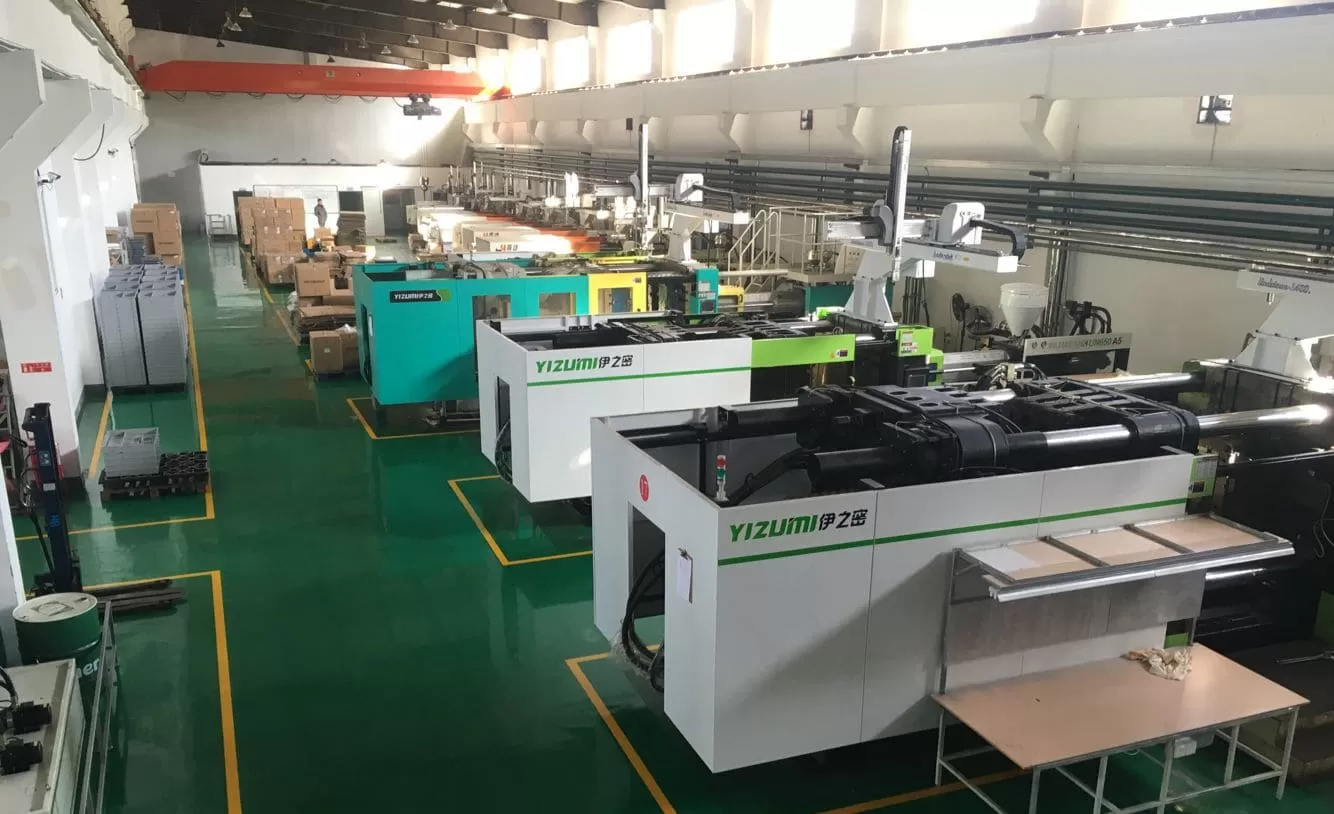
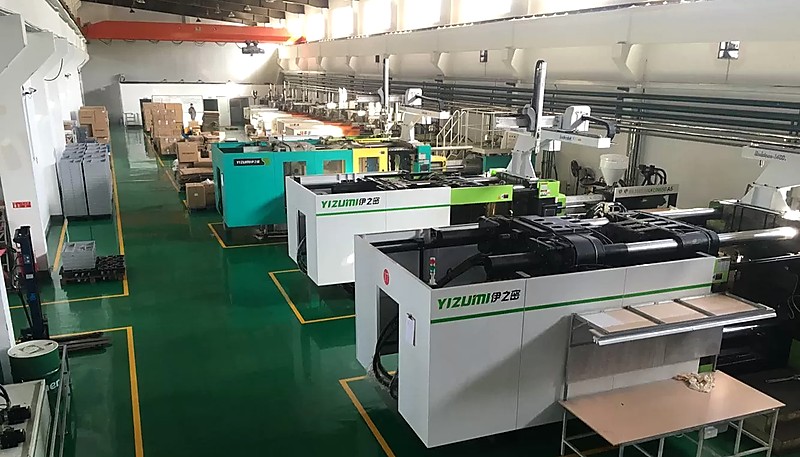
Tonaj aralıklarını ve parça gereksinimlerinize uygun makineleri olup olmadığını sorun. Parçalarınız 500T’lik bir pres gerektiriyor ve tedarikçinin makineleri yalnızca 300T’ye kadar çıkıyorsa taşeron kullanmaları gerekir; bu da görünmeyen bir teslimat riski katmanı ekler. Şanghay fabrikamızda 47 presi 90T ile 1850T aralığında çalıştırıyoruz; bu sayede dış tedarikçilere bağımlı kalmadan çoğu parça boyutunu şirket içinde üretebiliyoruz. Üretim süreci üzerindeki bu doğrudan kontrol, tutarlı zamanında teslimatın en büyük etkenlerinden biridir.
Şanghay tesisimiz 47 enjeksiyon kalıplama makinesini 90T ile 1850T aralığında işletiyor ve bu da mikro hassas parçalardan büyük otomotiv bileşenlerine kadar her şeyi taşeron kullanmadan üretme esnekliği sağlıyor. Bu şirket içi kapasite, müşterilerimiz için doğrudan daha öngörülebilir teslimat zaman çizelgelerine dönüşüyor.
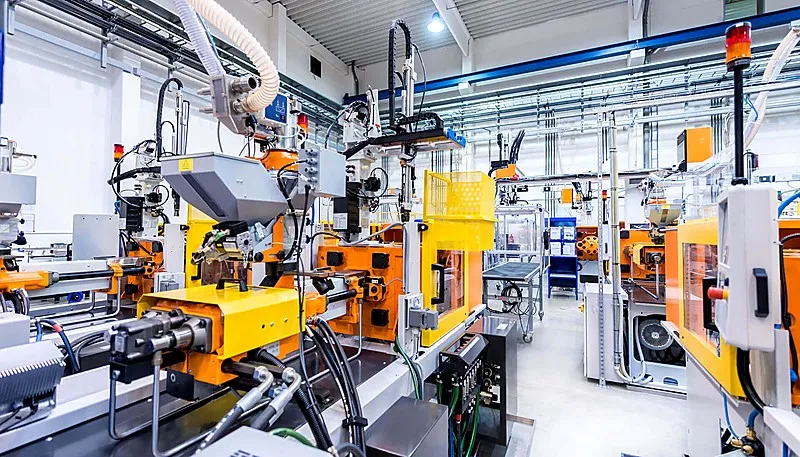
Ayrıca talep aniden arttığında ne olduğunu sorun. Yedek makine kapasiteleri var mı? İkinci vardiyayı çalıştırabilirler mi? Üretimi 30% artırmaları ne kadar sürer? Bu senaryoları önceden düşünmüş tedarikçiler, teslimat baskısını paniğe kapılmadan yönetenler olma eğilimindedir. Bu sorularla daha önce hiç karşılaşmamış tedarikçiler ise gecikmelere omuz silkerek ve zaman çizelgelerini revize ederek yanıt verenler olma eğilimindedir.
Bir Tedarikçinin Kalıp Üretimi Zaman Çizelgesinin Doğruluğunu Nasıl Değerlendirebilirsiniz?
Kalıp üretimi, herhangi bir enjeksiyon kalıplama projesinde genellikle teslim süresi en uzun olan ve gecikme olasılığı en yüksek kalemdir. Tedarikçinizden her aşamayı ayıran ayrıntılı bir kalıp üretimi zaman çizelgesi isteyin: tasarım incelemesi, kalıp için malzeme tedariki, kaba işleme, EDM1, parlatma, alıştırma ve T1 numune alımı2. Zaman çizelgeleri aşamalara ayrılmadan “6-8 hafta” gibi tek bir sayıdan oluşuyorsa bu bir uyarı işaretidir. Güvenilir tedarikçiler kilometre taşı düzeyinde ayrıntı verebilir, çünkü risklerin nerede olduğunu bilecek kadar çok kalıp üretmişlerdir.
Özellikle kalıp revizyon geçmişlerini sorun. Kalıplarının yüzde kaçı T1 sonrası çelik değişikliği gerektiriyor? Fabrikamızda bu metriği yakından izliyoruz ve kapsamlı bir DFM incelemesinden3 sonra üretilen kalıpların 15%‘ten daha azında revizyon gerektiğini, uygun tasarım analizi yapılmadan aceleyle işlemeye alınan kalıplarda ise bu oranın 40-50% olduğunu gördük. Size revizyon oranını söyleyebilen tedarikçi, teslimat performansını yalnızca tahmin etmekle kalmayıp gerçekten ölçen tedarikçidir.
Bir başka kritik soru şudur: şirket içi kalıp üretimleri var mı, yoksa kalıp üretimini dışarıya mı yaptırıyorlar? Şirket içi kalıp üretimine sahip bir enjeksiyon kalıplama tedarikçisi, kalıp yapımının her aşamasını doğrudan görebilir ve kontrol edebilir. Size elektrot erozyonunun gerçek zamanlı fotoğraflarını gösterebilir, alıştırma sırasında CMM ölçüm verilerini paylaşabilir ve projenizin öne alınması gerektiğinde öncelikleri ayarlayabilirler. Kalıp üretimini dışarıya yaptıran bir tedarikçi, teslimat zaman çizelgenizi hiç tanışmadığınız üçüncü bir tarafa devrediyor demektir.
Malzeme Tedariki ve Teslim Süreleri Hakkında Ne Sormalısınız?
Malzeme tedariki, özel enjeksiyon kalıplamada teslimatı sessizce aksatan etkendir. Çoğu alıcı, kalıp tamamlandıktan sonra üretimin hemen başlayabileceğini varsayar. Gerçekte PEEK, PEI veya cam elyaf dolgulu naylon gibi mühendislik sınıfı reçinelerin tedariki, özellikle küresel tedarik zincirinde aksama yaşanan dönemlerde 6-12 hafta sürebilir. Özel renk eşlemeli bileşikler buna ek olarak 2-4 hafta daha gerektirir. Tedarikçiniz teklif aşamasında malzeme teslim sürelerini proaktif olarak ele almıyorsa ya deneyimsizdir ya da sizin sormayacağınızı umuyordur.
Tedarikçinize malzemeyle ilgili üç belirli soru sorun. Birincisi, yaygın reçineleri stokta tutuyorlar mı, yoksa her sipariş için yeniden mi tedarik ediyorlar? ABS, PP ve PC gibi popüler malzemelerin stoğunu tutan tedarikçiler üretime haftalar yerine günler içinde başlayabilir. İkincisi, özel ve mühendislik sınıfı malzemeler için ortalama teslim süreleri nedir? 400+ malzemeyle çalışan bir tedarikçi, bir tedarik kanalı tükendiğinde alternatif sağlayan birden fazla reçine distribütörüyle yerleşik ilişkilere sahiptir. Üçüncüsü, belirtilen reçine bulunamadığında malzeme ikamesi taleplerini nasıl ele alıyorlar?
Binlerce projede 400'den fazla plastik malzemeyle çalışarak Asya ve Avrupa'daki büyük reçine distribütörleriyle doğrudan ilişkiler kurduk. Bu ağ, tedarik zinciri aksamaları sırasında bile çoğu standart malzemeyi 3-5 iş günü, mühendislik sınıfı reçineleri ise 2-4 hafta içinde tedarik etmemizi sağlıyor.
En iyi tedarikçiler, siz daha sormadan malzeme tedarikini ele alır. İlk proje incelemesi sırasında malzeme gereksinimlerinizi belirler, bulunabilirliği kontrol eder ve olası teslim süresi risklerini işaretlerler. Bu, teslimatı profesyonelce yöneten fabrikalarda standart uygulamadır ve zaman çizelgenizi bir öneri değil, bir kısıt olarak gören bir tedarikçiyle çalıştığınızın açık bir işaretidir.
Kalite Kontrol Süreçleri Teslimat Güvenilirliğini Nasıl Etkiler?
Kalite sorunları ve teslimat gecikmeleri aynı madalyonun iki yüzüdür. Parçalar muayeneden geçemediğinde yeniden işlenmeleri veya yeniden üretilmeleri gerekir ve bu da programa hiç dahil edilmemiş süre ekler. Bir tedarikçinin kalite kontrol sistemi ne kadar güçlü olursa ihtiyaç duyduğu yeniden işleme döngüsü o kadar az, teslimat zaman çizelgeleri de o kadar öngörülebilir olur. Bu teorik bir iddia değildir — kendi üretim sahamızdaki verileri izledik ve baştan kalite planlaması yapılan projeler, QC’nin son kontrol noktası olarak ele alındığı projelerden sürekli olarak 20-30% daha hızlı teslim ediliyor.
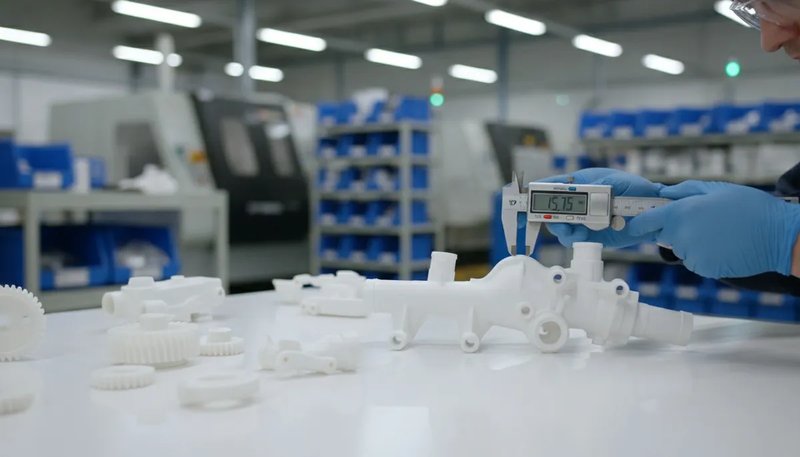
Tedarikçinize muayene protokollerini sorun. Her yeni kalıpta ilk parça muayenesi yapıyorlar mı? Üretim çalışmaları sırasında istatistiksel proses kontrolü kullanıyorlar mı? Üretim personeline kıyasla kaç QC müfettişleri var? 10+ QC uzmanının 120+ kişilik bir üretim ekibine oranı, sorunları teslimat acil durumlarına dönüşmeden yakalayacak kadar kaliteyi ciddiye alan bir fabrikaya işaret eder.
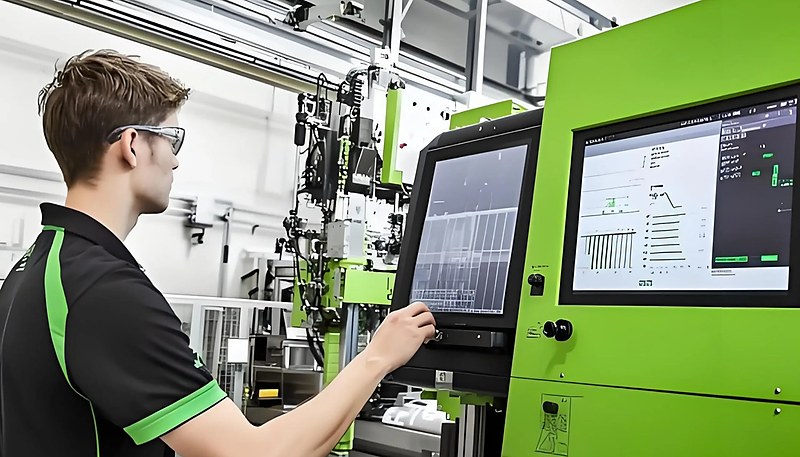
Deneyimli alıcıların kalite ve teslimatı iki ayrı metrik değil, tek bir metrik olarak ele almasının nedeni budur. Bir tedarikçiyi değerlendirirken yalnızca hurda oranını değil, muayene sonuçları ile üretim ayarlamaları arasındaki geri bildirim döngüsünü nasıl yönettiklerini de sorun. Bu döngüyü hızlı kapatan — proses parametrelerini günler yerine saatler içinde ayarlayan — tedarikçiler hem kaliteyi hem de teslimatı aynı anda yolunda tutar.
Ayrıca boyutsal toleranslandırma yaklaşımlarını sorun. DFM aşamasında toleranslandırma düzeninizi gözden geçirip hurda oranlarını ve yeniden işlemeyi artıracak aşırı sıkı teknik özellikleri işaretliyorlar mı? Çizime koyduğunuz toleransları pasif biçimde kabul eden bir tedarikçi, ikinizi de teslimat sorunlarına hazırlıyor demektir. Doğru tedarikçi, ilk baskılar muayeneden geçemedikten sonra değil, kalıp üretimi başlamadan önce gerçekçi olmayan toleranslara itiraz eder.
Hangi İletişim Uygulamaları Güvenilir Tedarikçileri Riskli Olanlardan Ayırır?
İletişim, her başarılı üretim ortaklığının görünmez altyapısıdır. Zamanında teslimat yapan tedarikçiler, tepkisel değil proaktif biçimde iletişim kuranlardır. Şu soruları sorun: Bu proje için tek irtibat noktam kim? Ne sıklıkla ilerleme güncellemesi alacağım? Bir kilometre taşı risk altındayken eskalasyon süreciniz nedir? Her kalıp üretimi kilometre taşında fotoğraf ve ölçüm verisi alabilir miyim? Yanıtlar belirsizse veya ilk ve ikinci görüşmeniz arasında irtibat kişisi değişiyorsa bu tutarsızlık teslimat zaman çizelgenizde de ortaya çıkar.
Ekibimiz, uluslararası müşteriler için özel tek irtibat noktası olarak görev yapan 30'dan fazla İngilizce konuşan proje yöneticisini içeriyor. Her projeye, her kilometre taşını izleyen, mühendislik ile üretim arasında koordinasyon sağlayan ve fotoğraflar ile ölçüm verileri içeren haftalık ilerleme raporları sunan bir PM atanıyor.
Uluslararası alıcılar için dil kabiliyeti bir lüks değil, bir teslimat riski etkenidir. Üretim sırasında teknik sorunlar ortaya çıktığında bunları çeviri gecikmeleri olmadan açık bir İngilizceyle görüşebilme yeteneği, bir günlük çözüm ile iki haftalık yanlış anlama arasındaki fark anlamına gelebilir. İngilizceyi akıcı konuşan 30+ kişilik bir ekip, karar vermeyi yavaşlatan iletişim darboğazları yaratmadan eş zamanlı birden fazla projeyi yürütebilir.
Bir Tedarikçinin Zamanında Teslimat Geçmişini Nasıl Doğrulayabilirsiniz?
En güvenilir yöntem, ölçülen metrikler ile referans kontrollerinin birleşimidir. Zamanında teslimat yüzdelerini isteyin, müşteri referanslarıyla çapraz kontrol edin ve fabrika denetimi yapın. Her tedarikçi zamanında teslimat yaptığını iddia edebilir, ancak asıl soru bunu verilerle kanıtlayıp kanıtlayamadığıdır. Son 12 aydaki zamanında teslimat oranlarını yüzde olarak sorun. Güvenilir bir tedarikçi bu metriği izler ve tereddüt etmeden paylaşabilir. “Her zaman elimizden gelenin en iyisini yaparız” veya “müşterilerimizin çoğu memnundur” gibi nitel güvencelerle yanıt veren tedarikçilere karşı dikkatli olun. Bunlar teslimat metriği değil, pazarlama ifadeleridir.
Sektörünüzde benzer karmaşıklıkta projeleri tamamlamış müşterilerden referans isteyin. Herhangi bir referans değil — özellikle belirlenmiş teslimat kilometre taşlarıyla özel kalıp ve üretim çalışmaları sipariş etmiş müşteriler. Bu referanslarla konuşurken yalnızca teslimatın zamanında yapılıp yapılmadığını değil, sorunlar ortaya çıktığında tedarikçinin bunları nasıl ele aldığını da sorun. Geç teslimat yapmasına rağmen şeffaf iletişim kuran ve sorunları hızla çözen bir tedarikçi, kusursuzluk vaat edip işler ters gittiğinde ortadan kaybolan bir tedarikçiden daha güvenilirdir.
Yüz yüze veya canlı video turuyla fabrika denetimi talep etmeyi düşünün. Üretim alanını, takım odasını ve muayene alanını görmek, teslimat kabiliyeti hakkında size herhangi bir broşürden daha fazlasını anlatır. Denetiminiz sırasında yapılandırılmış bir enjeksiyon kalıplama tedarik yaklaşımını izlemek; makine sayısını, çalışma durumunu ve iş akışı düzenini gerçek zamanlı doğrulamanızı sağlar ve bu da verdikleri teslimat zaman çizelgelerine uyma kabiliyetlerini doğrudan yansıtır.
Tedarikçilerin Teslimat Yanıtlarında Hangi Uyarı İşaretlerine Dikkat Etmelisiniz?
Tüm doğru soruları sorduktan sonra aldığınız yanıtlar da soruların kendisi kadar önemlidir. Bir tedarikçinin teslimat kabiliyeti hakkında iki kez düşünmenize yol açması gereken uyarı işaretleri şunlardır. Birincisi, kilometre taşı düzeyinde bir kalıp üretimi zaman çizelgesi sunamazlar. Aşamaları ayırmadan kalıp teslimatı için tek bir sayı veriyorlarsa ya kendi süreçlerini yeterince iyi bilmiyorlar ya da bazı aşamaların düzenli olarak programı aştığı gerçeğini gizliyorlar.
İkincisi, resmi bir ilerleme raporlama sistemleri yoktur. “İlerleme hakkında beni nasıl güncelleyeceksiniz” sorusunun yanıtı “size e-posta göndereceğiz” ise bu bir sistem değil, bir umuttur. Güvenilir tedarikçiler; güncelleme almak için peşlerinden koşmanıza gerek kalmadan projenizin her aşamasını görmenizi sağlayan kilometre taşı takipçileri, paylaşılan elektronik tablolar veya proje yönetimi araçları kullanır.
Son olarak, geçmiş teslimat sorunlarını görüşmekte isteksiz olan tedarikçilere dikkat edin. Her fabrikanın geciken projeleri olmuştur — soru gecikme yaşayıp yaşamadıkları değil, bunlardan ne öğrendikleridir. Geçmişteki bir teslimat başarısızlığını açıkça görüşen, neyin yanlış gittiğini açıklayan ve tekrarını önlemek için uyguladığı süreç değişikliğini anlatan bir tedarikçi, tam olarak aradığınız teslimat yönetimi olgunluğunu gösterir. Hiç geç teslimat yapmadığını iddia eden bir tedarikçi ya yalan söylüyordur ya da gerçek sorunlarla karşılaşacak kadar uzun süredir faaliyet göstermiyordur.
Üçüncüsü, temel süreçlerini dışarıya yaptırırlar. Kalıp üretimini, kalıplamayı veya muayeneyi doğrulayamadığınız üçüncü taraflara taşere eden bir tedarikçi, her devir noktasında teslimat riski ekler. Her taşeronun kendi programı, kendi öncelikleri ve kendi “zamanında” tanımı vardır. Kalıp üretimi ve kalıplama için şirket içi kabiliyet yalnızca bir kalite avantajı değil, projenizin ömrü boyunca katlanarak büyüyen bir teslimat öngörülebilirliği avantajıdır.
Dördüncüsü, tek bir irtibat noktası belirleyemezler. “Projemin teslimatından kim sorumlu” diye sorduğunuzda genel bir gelen kutusuna veya sürekli değişen satış görevlilerine yönlendiriliyorsanız aslında kimse sorumluluk taşımıyordur. Zamanında teslim edilen projelerde her iki tarafta zaman çizelgesini sahiplenen, kilometre taşlarını izleyen ve sorunları acil duruma dönüşmeden eskale eden birer kişi bulunur.
"Kilometre taşı düzeyinde kalıp üretimi zaman çizelgeleri sunan tedarikçiler, yalnızca toplam teslim süresi belirtenlerden daha öngörülebilir teslimat yapar."True
Ayrıntılı bir aşama dökümü, tedarikçinin kendi sürecini anladığını, ilerlemeyi dahili olarak izlediğini ve gecikmeleri telafi edecek kadar erken belirleyebildiğini gösterir. Yalnızca toplam teslim süresi belirten tedarikçiler sorunları çoğu zaman rotayı düzeltmek için çok geç olduğunda keşfeder.
"Rekabetçi bir fiyat teklifi, güvenilir bir enjeksiyon kalıplama teslimat programının en iyi göstergesidir."False
Fiyat ve teslimat güvenilirliği büyük ölçüde bağımsız değişkenlerdir. En ucuz teklif çoğu zaman karmaşıklığı hafife alan, DFM incelemelerini atlayan veya malzeme tedariki için yetersiz bütçe ayıran tedarikçilerden gelir — bunların tümü, başlangıçtaki tasarrufları çok aşan teslimat gecikmeleri yaratır.
Teslimatı bir süreç olarak yöneten tedarikçilerle onu bir umut olarak görenler arasındaki farkı anlamak, üretim zaman çizelgenizi korumak açısından kritik öneme sahiptir. Aşağıdaki iddialar, deneyimli alıcıların bir tedarikçinin gerçekten verdiği tarihlere uyup uymayacağını veya bu tarihlerin proje ilerledikçe sessizce uzayacak iyimser tahminlerden ibaret olup olmadığını değerlendirmek için kullandığı ek teslimat yönetimi etkenlerini vurgular. Varsayımlarınızı enjeksiyon kalıplama teslimat yönetimi hakkındaki bu yaygın yanlış kanılara karşı sınayın.
"Şirket içi kalıp üretimi kabiliyeti, dışarıya yaptırılan kalıp üretimine kıyasla ortalama teslimat süresi değişkenliğini 50%'ye kadar azaltır."True
Kalıp üretimi şirket içinde yapıldığında kalıp üreticisi ve üretim ekibi aynı tesisi, programı ve yönetim zincirini paylaşır. Bu durum, dışarıya yaptırılan kalıp üretimi düzenlemelerinde yaygın olan koordinasyon gecikmelerini, öncelik çatışmalarını ve iletişim boşluklarını ortadan kaldırır.
"İlk teslimat zaman çizelgesi makul görünüyorsa tedarikçinizden haftalık ilerleme raporu almak gereksizdir."False
En iyi planlanmış zaman çizelgeleri bile malzeme gecikmeleri, ekipman sorunları veya tasarım revizyonları nedeniyle aksayabilir. Haftalık raporlar, düzeltici eylemin hâlâ mümkün olduğu erken aşamada bu aksamaları yakalar. Bu raporlar olmadan bir sorunun ilk göstergesi genellikle kaçırılan bir teslim tarihidir.
Sıkça Sorulan Sorular
Sıkça Sorulan Sorular
Bir enjeksiyon kalıplama tedarikçisine sorulacak en önemli teslimat soruları nelerdir?
Beş kritik alana odaklanın: kalıp üretimi zaman çizelgesinin aşamalara göre dökümü, kapasite kullanım oranı ve yedek makine bulunabilirliği, belirli reçine sınıfınız için malzeme tedarik süreleri, ilerleme raporlama sıklığı ve biçimi ile geçen yıl boyunca izlenen zamanında teslimat yüzdesi. Bu alanlar birlikte, özel enjeksiyon kalıplama projelerindeki teslimat gecikmelerinin yüzde 80’inden fazlasının temel nedenlerini kapsar. Beşinin tümünü belirli ve ölçülebilir sayılarla yanıtlayan bir tedarikçi, beklenmedik zorluklar ortaya çıktığında bile üretim programlarını öngörülebilir tutan teslimat yönetimi disiplinini gösterir.
Bir tedarikçinin zamanında teslimat oranını nasıl doğrulayabilirim?
Geçmiş 12 ay için izledikleri zamanında teslimat yüzdesini isteyin ve sektörünüzde benzer karmaşıklıkta projeleri tamamlamış müşteri referanslarını sorun. Operasyonel kabiliyeti doğrudan doğrulamak için canlı video fabrika denetimi düzenlemeyi düşünün. Bu metriği aktif olarak izleyen her tedarikçi, tereddüt etmeden hemen paylaşabilir. Belirli bir sayı veremiyor veya genel memnuniyet iddialarıyla konuyu saptırıyorsa bu veri eksikliği, teslimat yönetimi olgunlukları ve zamanında performansı bir hedef yerine ölçülen operasyonel öncelik olarak görüp görmedikleri hakkında başlı başına anlamlı bir işarettir.
Şirket içi kalıp üretimi teslimat zaman çizelgeleri için neden önemlidir?
Şirket içi kalıp üretimi, kalıp yapımının üçüncü bir tarafa yaptırılması sırasında ortaya çıkan koordinasyon gecikmelerini ve öncelik çatışmalarını ortadan kaldırır. Takım odası ve üretim alanı aynı yönetim zincirini, kalite sistemini ve günlük programı paylaşır; bu da sorunların daha erken yakalanıp daha hızlı çözülmesi anlamına gelir. Kalıbınız T1 numune alımından sonra çelik değişikliği gerektirdiğinde şirket içi ekip, harici bir atölyenin kendi iş sırasına eklemesini beklemek yerine revizyona aynı gün başlayabilir. Bu doğrudan kontrol, kalıp üretimi teslim süresi değişkenliğini azaltan ve genel teslimat zaman çizelgenizi yolunda tutan en etkili etkenlerden biridir.
Malzeme tedariki teslimat gecikmelerinde nasıl bir rol oynar?
PEEK, PEI veya cam elyaf dolgulu naylon gibi mühendislik sınıfı reçinelerin tedariki, özellikle küresel tedarik zincirinde aksama yaşanan dönemlerde 6 ila 12 hafta sürebilir. Özel renk eşlemeli bileşikler buna ek olarak 2 ila 4 hafta daha gerektirir. Tedarikçiniz teklif aşamasında malzeme teslim sürelerini proaktif olarak görüşmüyorsa proje zaman çizelgenizi muhtemelen hafife alıyordur. Deneyimli tedarikçiler teklif vermeden önce reçine bulunabilirliğini kontrol eder, yaygın malzemeleri stokta tutar ve bir tedarik kanalında üretimi durdurabilecek gecikmeler yaşandığında diğerine geçebilmek için birden fazla distribütörle ilişki sürdürür.
Bir enjeksiyon kalıplama tedarikçisi ne sıklıkla ilerleme güncellemesi sağlamalıdır?
Kalıp üretimi ve üretim öncesi aşamalarda haftalık güncellemeler, güvenilir teslimat yönetimi için asgari standarttır. Her güncelleme; gerçekleşen ve planlanan tarihlerle birlikte kilometre taşı tamamlanma durumunu, takım odasından fotoğrafları veya ölçüm verilerini ve yaklaşan kilometre taşları için ileriye dönük risk değerlendirmesini içermelidir. İki haftada bir veya aylık güncellemeler, sorunları düzeltici eylemi uygulayacak kadar erken yakalamak için yetersizdir. Biçim de önemlidir — yapılandırılmış kilometre taşı takip araçları veya paylaşılan proje panoları, durum bilgisini paragraf metninden çıkarmanızı gerektiren gayriresmî e-posta güncellemelerinden çok daha yararlıdır.
Bir tedarikçinin teslimat kabiliyetini değerlendirirken en büyük uyarı işareti nedir?
En büyük uyarı işareti, teslimat sorularına belirli ve ölçülebilir yanıtlar veremeyen bir tedarikçidir. “Her zaman elimizden gelenin en iyisini yaparız” veya “müşterilerimizin çoğu memnundur” gibi belirsiz güvenceler teslimat metriği değildir. Diğer kritik uyarı işaretleri arasında projeniz için tek bir irtibat noktası belirleyememe, kilometre taşı düzeyinde kalıp üretimi zaman çizelgelerini paylaşma konusunda isteksizlik ve kalıp üretimi ya da muayene gibi temel süreçlerin doğrulanmamış üçüncü taraflara yaptırılması bulunur. Bunların her biri, söz konusu tedarikçide teslimat yönetiminin yapılandırılmış bir disiplin olmadığını gösterir ve zamanında performansı bir süreç değil, şans meselesine dönüştürür.
Teslimat yönetimi sorularını ne zaman sormaya başlamalıyım?
Herhangi bir satın alma siparişini imzalamadan veya kalıp depozitosu ödemeden önce, ilk tedarikçi değerlendirmesi sırasında. İdeal zaman, birden fazla tedarikçiyi karşılaştırdığınız teklif aşamasıdır, çünkü teslimat yanıtlarının niteliği fiyatlandırmaları kadar bilgilendiricidir. İlk gecikmeden sonrasını beklemek, teslimat sürecini hiç uygun biçimde incelemediğiniz bir tedarikçiye zaten taahhütte bulunduğunuz anlamına gelir. Bu soruları erken sormak, teslimat sorumluluğunun sizin için önemli olduğu mesajını da tedarikçiye verir ve üretim ortaklığının başlangıcından itibaren doğru beklentileri belirler.
ISO sertifikaları teslimat güvenilirliğiyle nasıl ilişkilidir?
ISO 9001 ve ISO 13485 sertifikaları, bir tedarikçinin kalite yönetimi ve izlenebilirlik için belgelenmiş süreçlere sahip olduğunu gösterir; bu süreçler yeniden işleme ve hurdaya bağlı gecikmeleri azaltarak teslimat tutarlılığını dolaylı olarak destekler. Ancak sertifikalar tek başına zamanında teslimatı garanti etmez. Bunları tedarikçi değerlendirmesi sırasında temel yeterlilik ölçütü olarak kullanın, ardından izlenen metrikler ve müşteri referanslarıyla gerçek teslimat performansını doğrulayın. Zamanında teslimat oranını da ölçen, kilometre taşı sapmalarını izleyen ve proje sonrası teslimat incelemeleri yapan sertifikalı bir tedarikçi, aynı sertifikalara sahip ancak gösterecek teslimat verisi olmayan bir tedarikçiden çok daha güvenilirdir.
Kalıp üretimi sırasında hangi teslimat kilometre taşları izlenmelidir?
DFM tamamlanmasını, kalıp tasarımı onayını, ham çelik malzeme tedarikini, kaba işlemeyi, karmaşık geometriler için EDM’yi, parlatmayı, alıştırma ve montajı, T1 kalıp denemesi numune alımını, boyutsal muayeneyi ve ilk parça muayene raporunu izleyin. Her kilometre taşının planlanan ve gerçek tamamlanma tarihi olmalıdır. Herhangi bir kilometre taşında 3 ila 5 iş gününden fazla sapma, telafi planları hakkında proaktif bir görüşmeyi tetiklemelidir. Bu kilometre taşlarını gerçek zamanlı olarak izleyen ve paylaşan tedarikçiler, profesyonel üretim ortaklarını zaman çizelgelerini umutla yönetenlerden ayıran teslimat şeffaflığını gösterir.
Uzaktan denetimler tedarikçinin teslimat kabiliyetini etkili biçimde değerlendirebilir mi?
Canlı video turları kullanan iyi yapılandırılmış bir uzaktan denetim; makine sayısını, çalışma durumunu, takım odası kabiliyetini ve muayene süreçlerini yüz yüze ziyaretin yaklaşık yüzde 70 ila 80’i kadar etkili biçimde doğrulayabilir. Aktif vardiyalar sırasında üretim alanının canlı videosunu, enjeksiyon kalıplama makinelerinden gerçek zamanlı proses parametresi ekranlarını ve her kalite kontrol noktasında fotoğraflarla belgelenmiş muayene raporlarını isteyin. Uzaktan denetimler, özellikle ilk tedarikçi elemesi ve bir fabrikanın sahip olduğunu iddia ettiği ekipmanı gerçekten işlettiğini doğrulamak için değerlidir; bu da verdikleri zaman çizelgelerinde teslimat yapma kabiliyetlerini doğrudan etkiler.
EDM: EDM, Elektriksel Deşarjla İşleme anlamına gelir — geleneksel kesici takımlarla elde edilemeyen karmaşık kalıp gözü geometrilerini oluşturmak için kullanılan ve özellikle derin nervürler ile keskin iç köşelerde önem taşıyan hassas bir işleme prosesidir. ↩
T1 numune alımı: T1 numune alımı, tamamlanmış bir kalıptan alınan ilk deneme baskısını ifade eder ve kalıp üretim için onaylanmadan önce parça kalitesini, boyutsal doğruluğu ve proses parametrelerini değerlendirmek amacıyla kullanılır. ↩
DFM incelemesi: DFM incelemesi, Üretilebilirlik için Tasarım analizini ifade eder — işleme başlamadan önce kalıp üretimi karmaşıklığını, maliyeti veya teslim süresini artıran özellikleri belirlemek üzere parça tasarımının yapılandırılmış biçimde değerlendirilmesidir. ↩