初めての量産サンプルが戻ってきましたが、パーツが金型に張り付いています。エジェクターピンが跡を残しています。側面に引きずり傷が入っているパーツさえあります。金型メーカーはドラフトを増やす必要があると言います。CADがきれいに見えたのでドラフトゼロを要求しました。今、$12,000の金型が手直しを必要としています。良いニュース:金型製作開始前にドラフト角を理解していれば、これは最も簡単に防げる問題の一つです。
抜き勾配角度注1:この記事では、抜き勾配角度 1 とは何か、それが重要な理由、材料とテクスチャーごとの標準値、実際の生産作業で実際に見てきた間違い、多額の費用がかかった問題について説明します。
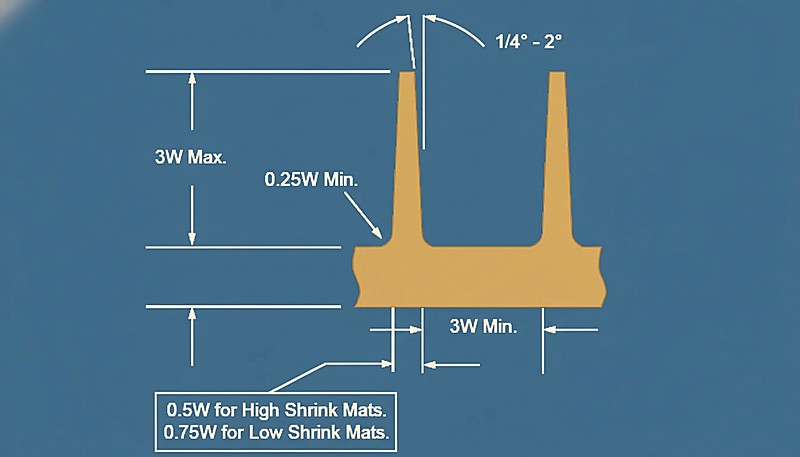
- 標準的な抜き勾配は、ほとんどの研磨面で片側1~2度である。
- テクスチャー加工された表面は、テクスチャーグレードごとに1〜1.5度の追加抜き勾配が必要です。
- ゼロ抜き勾配は可能だがリスクが高く、生産ではほとんど価値がない。
- 抜き勾配は工具加工開始前に適用する必要がある — 再加工は高価である。
- 収縮、材料、肉厚はすべて必要な最小抜き勾配に影響する。
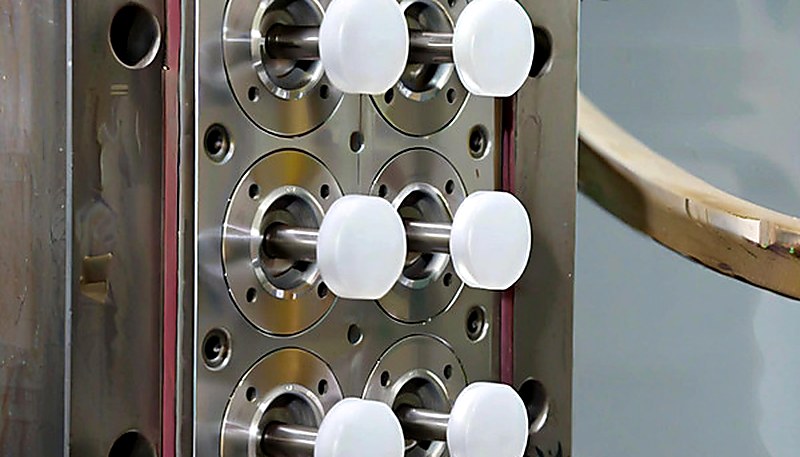
マイクロ成形部品のクローズアップ
射出成形:射出成形の抜き勾配は、金型キャビティのすべての垂直面に組み込まれた意図的なテーパーです。これは、パーツが冷えてコア上に収縮したときに自由に滑り出すことができるように、壁に加えるわずかな傾きと考えてください。これがないと、部品は真空シールのように鋼を掴み、突き出しの際にエジェクタ ピンと金型表面との間で衝突が発生します。
抜き勾配は金型開き方向の垂直軸からの角度で測定されます。1度の抜き勾配は、深さ1mmあたり約0.0175mm外側に傾くことを意味します。深さ50mmのポケットでは、上部で側面あたり約0.87mmのクリアランスが得られます。小さく聞こえますが、きれいなエジェクションと部品の詰まりの違いを生みます。
パーツのすべての垂直面にはドラフトが必要です。これには外壁、内部リブ、ボス、ポケット、さらにはスルーホールも含まれます。表面が金型開き方向に対して平行でテーパーがない場合、パーツはエジェクション時に引きずられ、傷、スコアリング、または反りが生じます。
なぜ抜き勾配は部品品質にとって重要なのか?
射出成形金型 排出システム注2:射出成形金型 排出システム 2:このセクションでは、部品の品質に対する抜き勾配の問題と、それがコスト、品質、タイミング、または調達リスクに与える影響について説明します。抜き勾配角度は、部品の外観、寸法精度、工具寿命、サイクル タイムの 4 つに直接影響します。部品が金型に固着すると、射出成形金型取り出しシステム 2 の負担が大きくなります。エジェクターピンには証跡が残ります。部品表面にドラッグ ラインが発生します。最悪の場合、部品が外れる前に亀裂が入ったり、変形したりすることがあります。
ドラフト不足は金型の摩耗も加速させます。毎サイクル、パーツはエジェクション時にキャビティ壁をこすります。10万サイクル以上にわたって、その絶え間ない摩擦が鋼材表面を研磨し、スコアリングします。50万サイクル持つはずの金型が、20万サイクルで研磨や手直しが必要になるかもしれません。
生産面では、脱型が難しい部品はサイクルを遅らせる。作業員が手動で部品を叩き出す必要がある場合、またはロボットが把持に苦労する場合、サイクルごとに数秒を失う。規模が大きくなると、それは実際のコストになる。30秒サイクルでの3秒の遅延は、10%の能力損失である。
「1度の抜き勾配を設けると、勾配がない場合に比べて離型力を最大50%低減できます。」True
テーパーは、収縮するプラスチックと金型コアの間の真空効果を打ち消します。わずかな角度でも、エジェクション時の摩擦係数を劇的に低下させ、エジェクターシステムに必要な力を軽減します。
"金型に十分な数のエジェクターピンがあれば、抜き勾配は必要ありません。"False
エジェクターピンを増やすと力が分散されますが、平行な壁と収縮するプラスチックの間の根本的な摩擦を克服することはできません。ドラフトがない場合、ピンは単に力をより小さな領域に集中させ、ピン跡やパーツ変形のリスクを高めます。
標準的な抜き勾配値は何か?
唯一の正しいドラフト角はありません。材料、表面仕上げ、深さ、公差要求によって異なります。しかし、ここでは何千もの量産金型で実践的に機能する値を示します。
| 表面仕上げ | 最小ドラフト | 推奨抜き勾配 | 備考 |
|---|---|---|---|
| 研磨仕上げ(SPI A-1~A-3) | 0.5° | 1° | 平滑面は容易に離型 |
| 標準 (SPI B-1 ~ B-3) | 1° | 1.5° | 軽い機械加工痕 |
| 微細テクスチャー (VDI 12-24) | 1° | 1.5° から 2° | テクスチャー深さグレードごとに1°追加 |
| 中程度のテクスチャー (VDI 27-33) | 1.5° | 2° ~ 3° | テクスチャーは部品表面に密着 |
| 強テクスチャー (VDI 36-45) | 2° | 3° から 5° | 深い粒目は微小アンダーカットのように機能する |
| 研磨、ゼロ抜き勾配 | 0° | 非推奨 | 10mm未満の浅い形状に限る |
私が使用する経験則:研磨面には側面あたり1度から始め、テクスチャーグレードが上がるごとに1度追加し、深さ10mmを超えるものでは0.5度を下回らないようにします。寸法制約のために顧客が抜き勾配に難色を示す場合は、0.5度のテーパーと再作業コストの計算を示してください。
リブやボスなどの内部形状では、ドラフト状況はより重要です。プラスチックは冷却中にコアに収縮して強く締め付けられます。リブは側面あたり最低0.5度のドラフトが必要ですが、1度の方が安全です。ボスは外側に少なくとも0.5度必要で、内部の穴がコアピンで形成される場合も同様にドラフトが必要です。
材料収縮は抜き勾配要件にどのように影響するか?
収縮注3:収縮 3 は、そもそもドラフトが存在する理由です。プラスチックは金型内で冷えると収縮します。パーツがカップや箱のような形状の場合、その収縮によって壁が金型コアにしっかりと引き寄せられます。収縮率が高いほど、グリップがきつくなり、より多くの抜き勾配が必要になります。
| 素材 | 収縮率 | 最小抜き勾配(鏡面仕上げ) | 最小ドラフト (テクスチャーあり) |
|---|---|---|---|
| ABS | 0.4–0.7% | 0.5° | 1.5° |
| ポリカーボネート(PC) | 0.5–0.7% | 0.5° | 1.5° |
| ナイロン6 (PA6) | 0.5–1.5% | 1° | 2° |
| ナイロン66 (PA66) | 0.8–2.0% | 1° | 2.5° |
| ガラス繊維強化ナイロン | 0.2–0.8% | 0.5° | 1.5° |
| PP(ポリプロピレン) | 1.0–2.5% | 1° | 2.5° |
| PE(ポリエチレン) | 1.5–3.0% | 1.5° | 3° |
| POM(アセタール) | 1.5–2.5% | 1° | 2.5° |
| PBT | 0.8–2.0% | 1° | 2° |
ナイロン、PP、POMなどの結晶性材料は、ABSやPCなどの非晶質材料よりも収縮が大きいです。つまり、コアをより強く把持するため、より多くのドラフトが必要です。ガラスフィラー入りナイロンは例外です:ガラス繊維が収縮を減少させるため、未充填ナイロンよりも実際にはドラフトが少なくて済みます(繊維が金型に対して材料をより磨耗性にしますが)。
かつてPPハウジングプロジェクトで、顧客が中程度のテクスチャで0.5度のドラフトを主張したことがあります。部品は1回おきに詰まってしまいました。結局、コアを再切削してさらに1.5度のドラフトを追加することになり、3週間の生産ロスが発生しました。テクスチャ表面で2.5%収縮するPPは、0.5度では決してうまくいきませんでした。
ドラフトが不十分な場合、何が起こるか?
症状は生産現場ですぐに現れます。以下に、深刻度の順に示します:
第一に、ドラグマーク(引きずり傷)。部品表面に射出方向に平行な傷がつきます。研磨部品では、これは直ちに目視可能で、部品を外観不良として不適合とします。テクスチャ部品では、テクスチャが筋状に研磨され、不均一な仕上げとなり、後処理では修正できません。
第二に、エジェクタピンの痕跡です。部品が排出に抵抗すると、ピンは小さな面積に力を集中させます。内部に白い応力痕が見えたり、ピンの押し出し痕が目に見えたり、壁が薄い場合にはピンが貫通する穴さえできることがあります。当社では、目に見える表面に対して0.1 mmより深いピン痕はすべて不良品と見なします。
第三に、部品の歪みです。部品が排出されたとしても、高い排出力がかかると、反ったり、曲がったり、ひび割れたりすることがあります。薄肉部品は特に脆弱です。深いキャビティからゼロドラフトの部品を押し出すのに必要な力は、壁の構造強度を超え、永久変形を引き起こす可能性があります。
第四に、金型の損傷です。時間の経過とともに、常に高い力での排出により、エジェクタピンホールが摩耗し、キャビティ表面に傷がつき、コアが割れる可能性があります。ゼロドラフトの深いポケットを有する金型では、20万サイクルごとではなく5万サイクルごとにピン交換が必要になるかもしれません。これはメンテナンスコストが4倍になることを意味します。
"シボ面に1度の抜き勾配を追加することで、離型時の引きずり痕を完全に解消できます。"True
追加のテーパーは、収縮するプラスチックとテクスチャ加工された鋼表面の間に隙間を作ります。この隙間は、テクスチャパターンと固化した部品表面の間の機械的なインターロックを破り、きれいな離型を可能にします。
「抜き勾配が重要なのは外観部品だけであり、構造部品には必要ありません。」False
ドラフト(抜き勾配)は単なる見た目の要件ではなく、機械的な必要事項です。構造部品も射出時に同じ収縮力と摩擦力に直面します。実際、公差の厳しい構造部品は、ドラフト不足による射出誘起歪みにさらに敏感です。
テクスチャと表面仕上げはドラフト要件をどのように変えるか?
これがほとんどのドラフト問題の根源です。研磨された金型表面は基本的に滑らかで、部品は最小限の摩擦で滑り出ます。しかし、テクスチャ表面には微細な凹凸があり、小さなアンダーカットのように作用します。プラスチックが収縮すると、それらの凹凸に巻き付き、排出に抵抗する機械的なロックを形成します。
業界標準ルール:テクスチャ深度0.01mmごとにドラフト1度を追加。ほとんどのテクスチャサプライヤーは、そのパターンを微細から粗まで評価します。微細なサンドブラストテクスチャは深さ0.01mmで、追加1度のみ必要かもしれません。深いレザーグレインは深さ0.05mmで、ベースドラフトに加えて5度追加が必要です。
部品にテクスチャを指定する場合は、金型が切削される前に必ず工具メーカーに伝えてください。加工後の表面仕上げ変更は、多くの場合、ドラフトを追加するためにキャビティを再切削することを意味し、高額で部品寸法に影響を与える可能性があります。当社の事例では、顧客が磨き仕上げ・1度ドラフトで設計された金型にVDI-33テクスチャを追加しました。金型は取り外し、キャビティを3.5度に再切削し、再研磨が必要でした。6週間のダウンタイムです。
部品の抜け勾配角度を計算する方法は?
基本的な計算は単純です。ドラフトクリアランスは、ドラフト角の正接に形状の深さを乗じたものに等しくなります:
片側クリアランス = tan(抜け勾配角度) × 深さ
例えば、深さ50mmの壁の1度ドラフトでは:tan(1°)×50 = 0.0175×50 = 側面ごとに0.87mmの隙間。2度では、側面ごとに1.75mm。3度では、側面ごとに2.62mm。
実用的な問題は計算ではなく、部品が底から上までそのような寸法変動を許容できるかどうかです。ほとんどの筐体やハウジングでは、50mmの壁で1〜2mmのテーパーはエンドユーザーには見えません。しかし、歯車、軸受座、嵌合インターフェースなどの精密部品では、より厳しいドラフトを保持するか、代替射出戦略を使用する必要があるかもしれません。
| 深さ(mm) | 0.5° ドラフト | 1° ドラフト | 1.5° ドラフト | 2° ドラフト | 3° ドラフト |
|---|---|---|---|---|---|
| 10 | 0.09 | 0.17 | 0.26 | 0.35 | 0.52 |
| 25 | 0.22 | 0.44 | 0.65 | 0.87 | 1.31 |
| 50 | 0.44 | 0.87 | 1.31 | 1.75 | 2.62 |
| 75 | 0.65 | 1.31 | 1.96 | 2.62 | 3.93 |
| 100 | 0.87 | 1.75 | 2.62 | 3.49 | 5.24 |
0.5度の10mmの深さでも0.09mmの隙間しかないことに注意してください。これは、特にテクスチャがある場合、表面摩擦を克服するのにわずかに十分なだけです。これが、ほとんどの工具メーカーが1度以下に対して反対する理由です — 誤差のマージンが薄すぎます。
一般的なドラフト角のミスは何ですか?
一般的なドラフト角度の間違いは、このセクションで説明する主なカテゴリーまたはオプションです。20年間金型を製作してきて、同じ間違いが何度も繰り返されます。以下は最もコストのかかるものです:
間違い 1: 外壁のみにドラフトを適用する。リブ、ボス、ガセットなどの内側の機能は忘れられがちです。これらの表面は外壁と同様にコアに向かって収縮しますが、エジェクタ ピンが直接到達できないため、突き出すのが難しくなります。すべてのリブには片側あたり少なくとも 0.5 度が必要です。どの上司も外気温が少なくとも 0.5 度必要です。
間違い 2: ドラフトの方向性が反対である。キャビティ側を一方の方向にドラフトし、コア側を他方の方向にドラフトすると、成形品は一方の端で厚くなり、他方の端で薄くなります。これにより肉厚が不均一になり、反りやヒケの原因となります。壁の厚さが一定に保たれるように、特定のフィーチャー上のすべての抜き勾配はパーティング ラインに向かって収束する必要があります。
間違い 3: 遮断面のドラフトを無視する。金型の両半分が合わさって貫通穴または窓が形成される場合、遮断面にも抜き勾配が必要になります。これがないと、型を開くときにスチールとスチールの接触領域がブレーキとして機能します。ドラフトゼロの水平面からの遮断摩擦を克服するためだけに、プレスのトン数を 20% 増やす必要がある金型を見たことがあります。
間違い 4: 成形後のテクスチャを考慮していない。成形後に塗装やパッド印刷などで質感を付加する予定のお客様もいらっしゃいます。研磨面に対して抜き勾配を計算し、後処理で厚みを加えた場合、実効クリアランスは低下します。成形時の状態ではなく、常に最終的な表面状態に合わせて設計してください。
間違い 5: 深いポケットではドラフトがゼロになる。これは最も高価な間違いです。ドラフトがゼロの深いポケットでは、ほとんどの場合、イジェクトの問題が発生します。どうしても抜き勾配を持たせない設計の場合は、最初から分割コアまたは折りたたみコアを計画してください。前払いの費用は高くなりますが、後でやり直しの請求を避けることができます。
複雑な部品形状でのドラフト処理方法
すべての部品が直線の壁を持つ単純な箱型とは限りません。実際の生産部品にはアンダーカット、側面の形状、斜めの穴、非対称なジオメトリがあります。ここでは、一般的な複雑なシナリオにおける抜け勾配の扱い方を説明します。
角度のある表面。壁がすでに必要なドラフトよりも大きく傾斜している場合は、さらに傾斜を追加する必要はありません。垂直から 5 度傾いた壁には、すでに 5 度の抜き勾配が生じています。サーフェスが最小要件よりも垂直に近い場合にのみ、ドラフトを追加します。
リブとガセット。根元から先端までドラフトリブを施します。ベースは最も厚い部分であり、リブが壁と接する部分です。先端が一番細いです。一般的なリブは片側あたり 0.5 ~ 1 度あり、当然先端は薄くなります。チップが 0.5 mm より薄くならないように注意してください。薄くなると、正しく充填されなくなります。
ネジ山とアンダーカット。キャビティ内に形成されたおねじには、ねじ山側面に抜き勾配が必要であり、これによりねじ山の輪郭が変化します。これが、ほとんどの生産ねじ部品が直接成形ねじの代わりにねじインサートまたはねじを外したコアを使用する理由です。ねじを成形する必要がある場合は、工具メーカーと協力して、抜き勾配を適用した後もねじゲージが適合するかどうかを確認してください。
ルーバーと通気口のパターン。これらのフィーチャーには薄い羽根があり、両側に抜き勾配が必要です。薄くて深いため、排出トラブル箇所となります。片側あたり少なくとも 1 度を使用し、これらのフィーチャーには金型の研磨面を指定します。
金型設計ではどのようなドラフト角を指定すべきですか?
以下は、成形品の抜き勾配の適切性を金型設計レビュー時に確認する際に私が使用する判断フレームワークです。これは95%の生産部品に適用できます:
ステップ 1: 型の開く方向に平行なすべての表面を特定します。 CAD システムでカラーコードを使用してマークを付けます。赤はドラフトゼロ、黄色は限界ドラフト (0.5 度以下)、緑は適切なドラフト (1 度以上) です。
ステップ 2: 赤または黄色の各表面について、表面仕上げを決定します。研磨された表面は隙間風が少なくても大丈夫です。テクスチャーのある表面にはさらに多くのことが必要です。パターンごとの推奨ドラフトについては、テクスチャのサプライヤーに確認してください。
ステップ 3: 材料の収縮を確認します。収縮率を上記のドラフト表と相互参照します。収縮率が高いということは、コアのグリップを克服するためにより多くの抜き勾配が必要であることを意味します。
ステップ 4: 壁の厚さが下から上まで一貫していることを確認します。抜き勾配を追加すると壁の一端が厚すぎたり薄すぎたりする場合は、パーツのジオメトリを調整して補正します。通常、パーティング ラインを移動するか壁のプロファイルを変更することが最も簡単な修正です。
ステップ 5: 鋼を切断する前に工具メーカーに確認してください。 30 分の設計レビューで数週間のやり直し作業を節約できます。ツールメーカーは経験から、どの機能が排出の問題点になるかを知っています。
私たちの工場では、エンジニアが加工開始前にすべての金型設計をドラフトの適切性についてレビューします。チームはリブ、ボス、テクスチャ側壁、および射出方向をDFM記録と照合し、上海工場から月に100以上の金型セットを納品する際、ドラフト関連の再作業率は1%以下に維持されています。
これが、私たちのチームがドラフト角度を生産リスクレビュー項目として扱い、見栄えのCAD設定ではない理由です。エンジニアは鋼切削前にゼロドラフトまたは限界ドラフト表面をマークし、加工開始前に顧客が小さなテーパーを受け入れることを確認します。
よくある質問
射出成形における最小ドラフト角度は?
最小抜き勾配は、ABSやPCなどの低収縮材料の研磨面で片面あたり0.5度です。テクスチャ面やPPやナイロンなどの高収縮材料の場合、実用的な最小値は1.5〜2度です。0.5度未満は非常に危険であり、10 mm未満の浅い形状で研磨された金型表面と堅牢な離型システムがある場合のみ試行可能です。生産環境では、経験豊富な工具製造者は、仕上げや材料に関係なく、15 mmより深い表面では1度以下にすることを推奨しません。
抜き勾配なしで射出成形できますか?
技術的に可能ですが、生産ラインではほとんど推奨されません。10 mm未満の非常に浅い形状で、研磨された金型表面と低収縮材料の場合、ゼロ抜き勾配が可能です。それ以上の深さの場合、ゼロ抜き勾配は離型時の引き跡、ピン押し、部品の反り、金型摩耗の加速を引き起こし、工具寿命を大幅に短縮します。設計が絶対にゼロ抜き勾配を必要とする場合、エアブラスト、ストリッパプレート、または折りたたみコアなどの代替離型方法を最初から計画してください。これらの代替案はコストと複雑さを増加させますが、生産問題を避けるために必要です。
テクスチャ射出成形部品にはどれくらいのドラフトが必要ですか?
標準的なルールは、テクスチャ深度0.01 mmに対して抜き勾配1度です。VDI 12〜24に分類される微細テクスチャは、基本の1度に加えて通常1〜1.5度の追加勾配が必要です。中程度のテクスチャは片面あたり合計2〜3度が必要です。革のような粗いテクスチャは片面あたり合計3〜5度が必要になる場合があります。特定のパターン深度によって正確な要件が決まるため、必ずテクスチャサプライヤーと確認してください。テクスチャに対する十分な抜き勾配を追加しないことは、業界で最も一般的かつ高額な金型設計ミスの一つです。
抜き勾配は部品公差に影響しますか?
はい、抜き勾配は部品の底面から上面までの寸法を変化させ、この影響は公差仕様で考慮されなければなりません。50 mm深い壁で抜き勾配1度の場合、壁の上面は底面より片面あたり約0.87 mm広くなります。ほとんどの外観部品では、このテーパーはユーザーには見えません。嵌合面を持つ精密部品では、抜き勾配のどちら側が重要な寸法を保持するかを制御し、公差仕様でこれを金型製造者に明確に伝える必要があります。そうしないと組み立て問題が発生します。
抜き勾配とテーパーの違いは何ですか?
射出成形の文脈では、ドラフト角度とテーパーは同じ幾何学的特徴を指し、部品射出のために垂直面に適用される意図的な傾きとして定義されます。ドラフト角度は金型設計で使用される標準用語であり、金型開口方向からの角度で測定されます。テーパーは加工文脈で使用され、1対50などの比率で表現される場合があります。金型設計議論の実用目的では、両者は交換可能ですが、設計と製造チーム間の混乱を避けるために、常に角度で値を指定するのが最善です。
リブとボスにドラフトを追加する方法は?
リブは、壁に接する基部から先端に向かって抜き勾配を付けるべきです。片面あたり0.5〜1度を使用し、成形時の充填問題を避けるため先端が0.5 mm未満にならないようにします。ボスは外面に最低0.5度の抜き勾配が必要であり、内側の穴がコアピンで形成される場合も抜き勾配が必要です。15 mmより高いボスでは、確実な離型を確保するために片面あたり1度に増やすことを考慮してください。リブとボスの抜き勾配方向が主壁の抜き勾配と一致していることを常に確認し、部品全体の肉厚を均一に保ちます。
ガラス充填ナイロンにはどの抜き勾配が必要ですか?
ガラス充填ナイロンは通常、研磨面には0.5〜1度/側、テクスチャ面には1.5〜2度のドラフトが必要です。ガラス繊維は充填なしナイロンと比較して収縮を減少させ、収縮側のドラフト要件を実際に低下させます。しかし、ガラス充填ナイロンは金型表面に研磨性があり、適切なドラフトは摩擦を減少させ、金型寿命を大幅に延長します。繊維は基本的なドラフト計算を変更しませんが、収縮減少により部品がコアを緩く保持し、充填なしナイロンよりも最小ドラフト値に少し余裕を与えます。
—text 次のプロジェクトに抜き勾配の知識をどう活用すべきですか?
ドラフト角度は、順調な生産と高価な再作業プロジェクトを分ける基本的な要素です。規則は簡単です:研磨面には最小1度/側、テクスチャグレードごとに1度追加、材料収縮を考慮し、適切なドラフトを確認せずに鋼を切削しないこと。
射出成形の手順:射出成形の手順:この記事から 1 つのことを理解するなら、これは次のとおりです。ドラフトを早めに追加し、十分に追加し、金型を切断する前に工具メーカーに確認してください。また、ドラフトは CAD の外観だけでなく、充填、冷却、取り出し、検査に影響を与えるため、射出成形のステップに対してドラフトの決定をマッピングするのにも役立ちます。設計段階での追加の抜き勾配のコストはゼロです。金型の構築後に追加するコストは数週間、数千ドルに上ります。
サプライヤー調達ガイド:最初から金型を正しく作成する必要がありますか?当社のサプライヤー調達ガイドを使用して、金型メーカーがツーリングに取り組む前に抜き勾配、DFM リスク、突出証拠をレビューできるかどうかを確認してください。