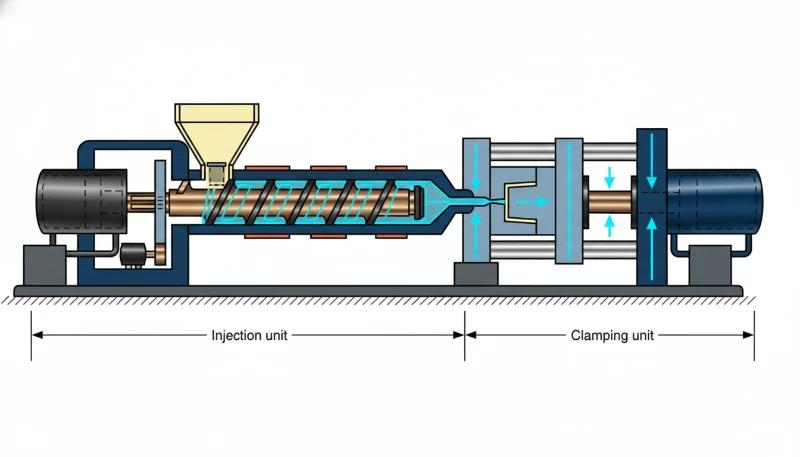
Spuitgietfouten zijn veelvoorkomende problemen in het productieproces die de productkwaliteit1 en productie-efficiëntie beïnvloeden. Inzicht in de oorzaken en oplossingen is essentieel voor betere resultaten.
Vergelijk dit onderwerp voor een bredere context met het ontwerp van spuitgietmatrijzen en de gids voor leveranciersselectie.
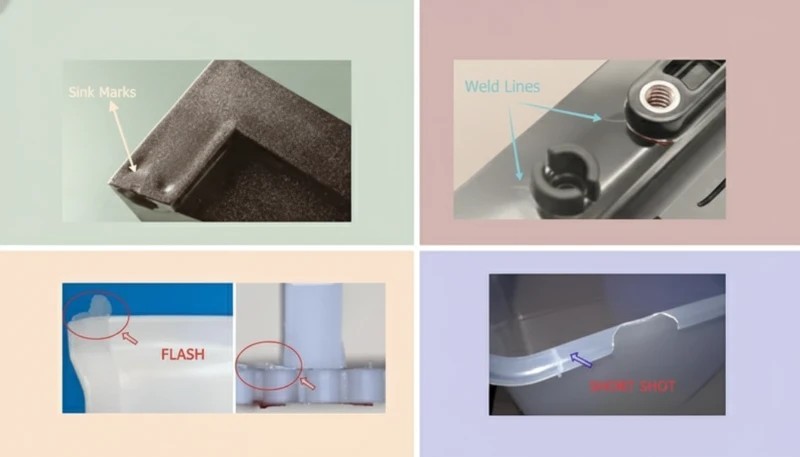
Veelvoorkomende spuitgietfouten zijn kromtrekken2, inval, onvolledige vulling en luchtinsluitingen. Oplossingen variëren van het aanpassen van temperatuur, druk of materiaal tot het optimaliseren van matrijsontwerp en procesparameters.
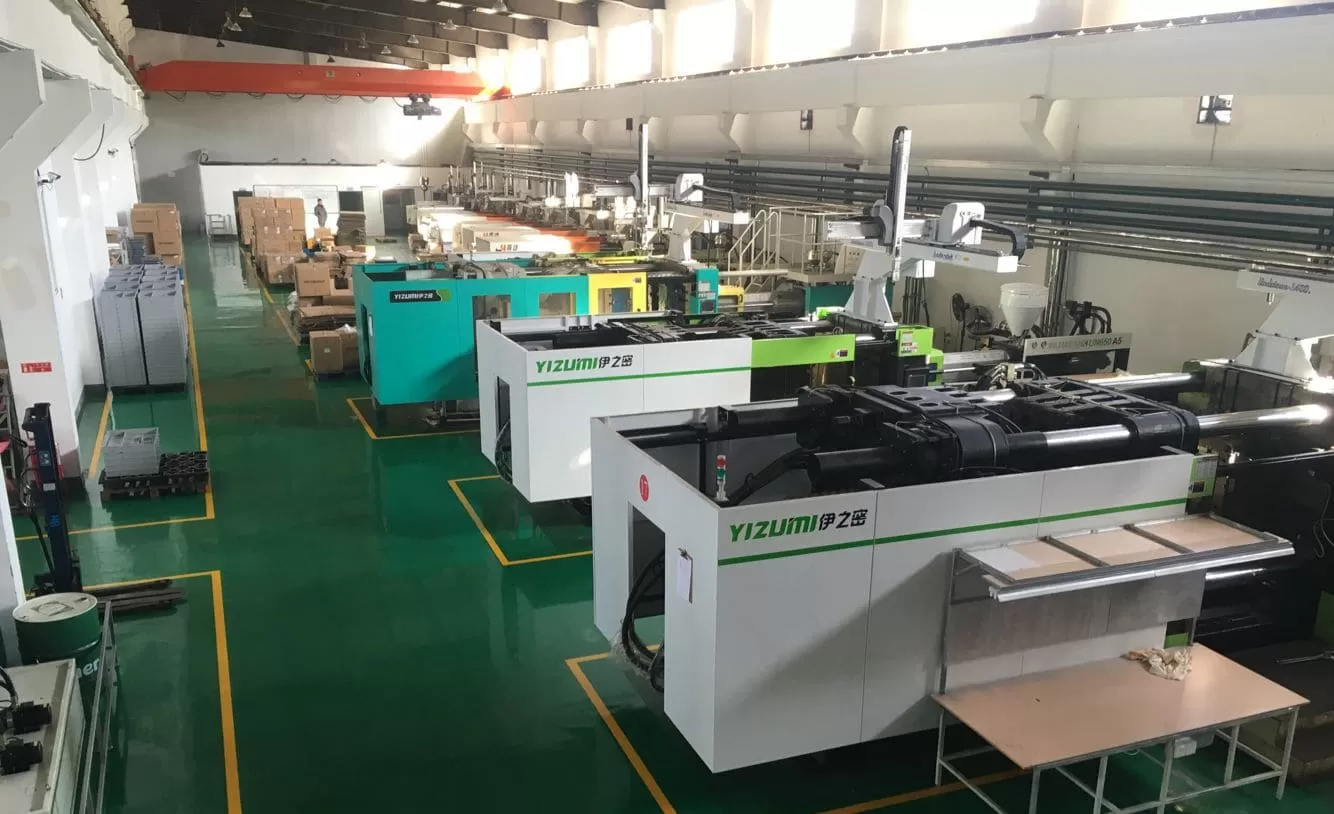
In onze Shanghai-fabriek hebben we 47 spuitgietmachines van 90T tot 1850T. Met meer dan 20 jaar praktijkervaring in het oplossen van spuitgietdefecten, hebben we elk type korte shot, flits, stroomspoor en laslijn gezien — en we weten precies welke procesaanpassingen elk probleem oplossen.
Als u de hoofdoorzaken van deze defecten begrijpt en de juiste oplossingen toepast, kunt u uw productieproces aanzienlijk verbeteren. Duik dieper in effectieve strategieën voor het voorkomen en oplossen van defecten.
"Kromtrekken is een veelvoorkomend spuitgietdefect."True
Vervorming treedt op wanneer ongelijkmatige koeling vervorming veroorzaakt in de vorm van het onderdeel. Dit kan worden opgelost door de matrijstemperatuur en koelsnelheden te regelen.
"Defecten bij spuitgieten zijn altijd het gevolg van een slecht matrijsontwerp."False
Hoewel het matrijsontwerp kan bijdragen aan defecten, spelen factoren zoals materiaalkeuze, temperatuur en druk ook een belangrijke rol bij defectvorming.
Wat is kunststof spuitgieten?
Kunststof spuitgieten is een productieproces dat wordt gebruikt om een breed scala aan producten te maken, van alledaagse voorwerpen tot ingewikkelde onderdelen. Het biedt snelheid, precisie en kosteneffectiviteit.
- Spuitgietfouten kunnen de productkwaliteit, productie-efficiëntie en kosten aanzienlijk beïnvloeden.
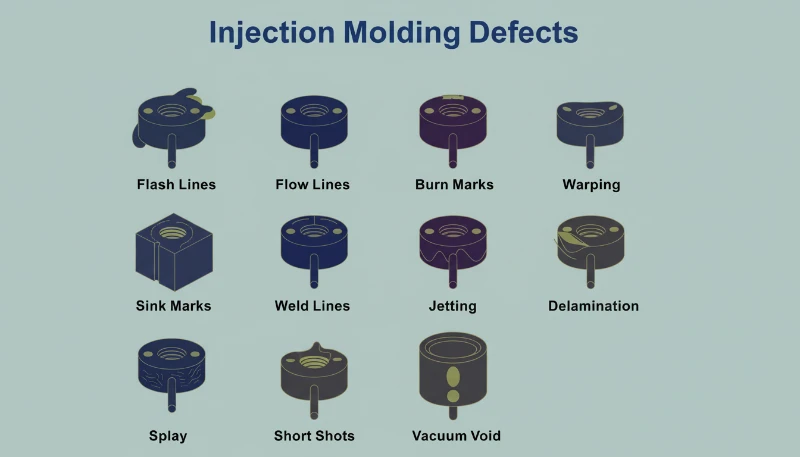
- Veelvoorkomende defecten zijn onvolledige vulling, bramen, deuken, kromtrekken, vloeistrepen, zilverstrepen en vloeinaden.
- De meeste defecten komen voort uit vier hoofdoorzaken: onjuiste materiaalvoorbereiding, fouten in het matrijsontwerp, onjuiste machine-instellingen of een slecht productontwerp.
- Systematische defectanalyse kan, in combinatie met goede procesbeheersing, het afvalpercentage met 60–80% verlagen.
Kunststof spuitgieten is een proces waarbij gesmolten kunststof in mallen wordt gespoten om onderdelen te vormen. Het wordt gebruikt in industrieën zoals de auto-industrie, elektronica en consumentengoederen en biedt een hoge efficiëntie, precisie en flexibiliteit.
Het spuitgietproces3 is het vervaardigen van halffabricaten met een bepaalde vorm uit gesmolten grondstoffen door stappen als onder druk zetten, injecteren, koelen en lossen.
"Kunststofspuitgieten maakt grootschalige productie van onderdelen mogelijk."True
Het proces is zeer efficiënt, waardoor het ideaal is voor grootschalige productie met een consistente kwaliteit.
"Kunststofspuitgieten is alleen geschikt voor eenvoudige producten."False
Spuitgieten kan zowel eenvoudige als complexe onderdelen produceren, waaronder ingewikkelde ontwerpen, waardoor het veelzijdig is voor verschillende industrieën.
Wat zijn de oorzaken van korte shots van spuitgietproducten en hun oplossingen?
De oorzaken van onvolledige vulling van spuitgietproducten en de bijbehorende oplossingen vormen de hoofdcategorieën of opties die in dit gedeelte worden uitgelegd. Onvolledige vulling ontstaat wanneer de gesmolten kunststof de matrijs niet volledig vult, waardoor onvolledige onderdelen ontstaan. Het vaststellen van de oorzaken en oplossingen is essentieel om de productkwaliteit en productie-efficiëntie te waarborgen.
Korte shots bij spuitgieten worden veroorzaakt door factoren zoals onvoldoende injectiedruk, lage matrijstemperatuur of onvoldoende materiaalstroom. Oplossingen zijn onder andere het aanpassen van de verwerkingsparameters, het verbeteren van het matrijsontwerp en ervoor zorgen dat het juiste materiaal wordt gebruikt.
Definitie
Er is sprake van een kort schot als de vormholte niet helemaal gevuld wordt.
Oorzaken van een kort schot
De matrijstemperatuur, materiaaltemperatuur of injectiedruk en -snelheid zijn te laag. De plastificatie van de grondstof is ongelijkmatig, de ontluchting is slecht, de vloeibaarheid van de grondstof is onvoldoende, het onderdeel is te dun of het aanspuitpunt is te klein, en de polymeersmelt stolt voortijdig door een ondoordacht constructief ontwerp.
Oplossingen
Materiaal: kies een materiaal dat beter stroomt, zoals toolox44.
Matrijsontwerp: vul dikke wanden voordat dunne wanden worden gevuld om vasthouden te voorkomen, verhoog het aantal aanspuitpunten en de runnergrootte, verlaag de proces- en stromingsweerstand en stel de positie en grootte van de ontluchtingsopening correct in om slechte ontluchting te voorkomen.
Spuitgietmachine: controleer of de terugslagklep en de binnenwand van de cilinder ernstig versleten zijn en controleer of er materiaal of brugvorming in de invoeropening aanwezig is.
Procescondities: verhoog de injectiedruk en injectiesnelheid, vergroot de schuifwarmte en het injectievolume en verhoog de cilinder- en matrijstemperatuur.
"Een hogere injectiedruk kan onvolledige vulling verminderen."True
Een hogere injectiedruk zorgt ervoor dat de mal volledig wordt gevuld, waardoor de kans op korte shots afneemt.
"Onvolledige vullingen worden uitsluitend veroorzaakt door apparatuurstoringen."False
Terwijl defecten aan apparatuur korte shots kunnen veroorzaken, spelen andere factoren zoals matrijsontwerp, materiaalviscositeit en verwerkingsparameters ook een belangrijke rol.
Wat zijn de oorzaken van Flash van spuitgietproducten en hun oplossingen?
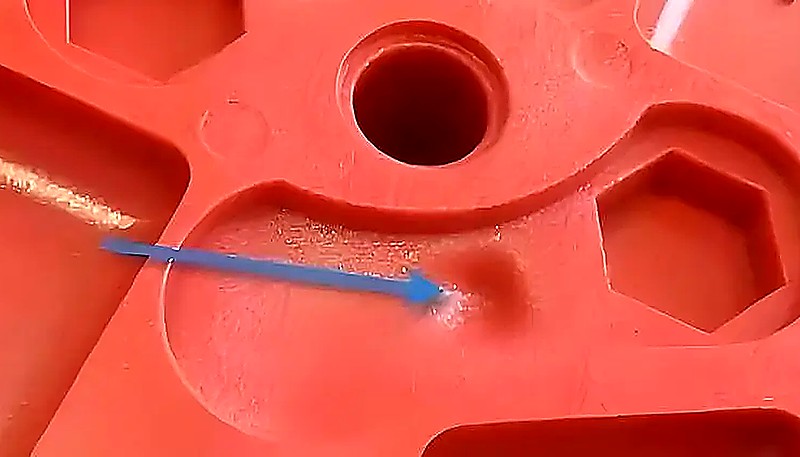
Flash bij spuitgieten verwijst naar overtollig materiaal dat uit de matrijsholte lekt, waardoor ongewenste uitsteeksels ontstaan. Dit kan de kwaliteit van onderdelen aantasten en de kosten verhogen.
Flash wordt veroorzaakt door factoren zoals hoge injectiedruk, versleten matrijzen of een verkeerd matrijsontwerp. Oplossingen zijn onder andere het aanpassen van de druk, het optimaliseren van de koeling en het onderhouden van matrijzen om precisie en kwaliteit te garanderen.
Definitie
Flash is het extra plastic op het schimmeloppervlak of de uitwerppin.
Oorzaken van Flash
niet genoeg klemkracht, problemen met de matrijs, slechte gietomstandigheden, verkeerd ontwerp van het uitlaatsysteem .
Oplossingen
Matrijsontwerp: ontwerp de matrijs zo dat deze bij het klemmen goed kan sluiten. Controleer de grootte van de ontluchtingsopening en reinig het matrijsoppervlak.
Spuitgietmachine: kies een spuitgietmachine met het juiste tonnage voor het geprojecteerde oppervlak van het onderdeel.
Vormproces: verhoog de injectietijd, verlaag de injectiesnelheid, verlaag de cilinder- en mondstuktemperatuur en verlaag de injectie- en nadruk.
"Een hoge injectiedruk veroorzaakt braamvorming."True
Een te hoge druk duwt gesmolten kunststof voorbij de matrijsholte, wat leidt tot vlamvorming.
"Braamvorming betekent altijd dat de inspuitdruk te hoog is."False
Bramen kunnen ook ontstaan door onvoldoende sluitkracht, versleten scheidingslijnen van de matrijs of een te hoge smelttemperatuur — niet alleen door hoge injectiedruk. De werkelijke hoofdoorzaak diagnosticeren voordat parameters worden aangepast voorkomt dat nieuwe defecten ontstaan.
In onze ervaring in de Shanghai-fabriek zijn flitsproblemen op persen met hoog tonnage (boven 1000T) bijna altijd terug te voeren op matrijsslijtage in plaats van procesinstellingen. Ons interne matrijsproductieteam kan scheidingslijnen opnieuw snijden en versleten inzetstukken binnen 24 uur vervangen, wat cruciaal is wanneer je productie draait met meer dan 400 materiaalsoorten en je zich geen dagen stilstand kunt veroorloven.
Naast drukgerelateerde oorzaken kunnen bramen ook ontstaan door matrijsslijtage en onvoldoende sluitkracht. Wanneer matrijsholten na verloop van tijd slijten, neemt de speling tussen de matrijsplaten toe, waardoor gesmolten kunststof tijdens de injectie kan ontsnappen. Regelmatig matrijsonderhoud — waaronder het polijsten van deellijnen en vervangen van versleten inzetstukken — is essentieel om bramen te voorkomen. Bovendien helpt voldoende sluitkracht van de spuitgietmachine voor de matrijsgrootte om de matrijs tijdens de hogedrukinjectiefase goed gesloten te houden.
"Versleten matrijzen kunnen braamvorming veroorzaken."True
Beschadigde of versleten mallen creëren gaten waardoor materiaal kan ontsnappen, wat resulteert in flash. Regelmatig onderhoud is essentieel om dit probleem te voorkomen.
"Vloeisporen ontstaan alleen op transparante onderdelen."False
Stroomsporen kunnen op elk kunststofonderdeel voorkomen, ongeacht de transparantie. Ze worden veroorzaakt door ongelijke smeltstroomsnelheid, lage matrijstemperatuur of onvoldoende injectiedruk tijdens het vullen van de matrijs.
Wat zijn de oorzaken van vloeimerken van spuitgietproducten en wat zijn de oplossingen?
De oorzaken van vloeistrepen op spuitgietproducten en de oplossingen daarvoor zijn de belangrijkste categorieën of opties die in dit deel worden toegelicht. Vloeistrepen bij spuitgieten kunnen de oppervlakteafwerking van producten aantasten, waardoor ze visueel minder aantrekkelijk en minder functioneel worden. Het vaststellen van de oorzaken en oplossingen is essentieel om de productkwaliteit te verbeteren.
Vloeimerken ontstaan door ongelijkmatige koeling, onjuiste injectiesnelheden of onvoldoende ontluchting. Oplossingen zijn onder andere het aanpassen van de matrijstemperatuur, het optimaliseren van de injectiesnelheid en het verbeteren van de ontluchting om gelijkmatig vullen en koelen te garanderen.
Definitie
Vloeimerken zijn een vormfout die eruitziet als golven op het oppervlak van het onderdeel. Het wordt veroorzaakt doordat het kunststof te langzaam in de matrijs vloeit, waardoor het lijkt alsof het kunststof als een kikker is gesprongen.
Oorzaken van vloeimerken
De matrijstemperatuur en materiaaltemperatuur zijn te laag, de injectiesnelheid en -druk zijn te laag, de grootte van de runner en de gate zijn te klein en door de structuur van het product is de versnelling te groot bij het vullen en stromen.
Oplossingen
Matrijsontwerp: maak de koudpropvanger in het verdeelkanaal groter, vergroot het verdeelkanaal en de aanspuiting, verkort het hoofdverdeelkanaal of gebruik in plaats daarvan een warmkanaal.
Procesomstandigheden: verhoog de injectiesnelheid, injectiedruk en nadruk; verleng de nadruktijd; verhoog de matrijs- en materiaaltemperatuur.
"Zilverstrepen worden veroorzaakt door vocht in de hars."True
Vocht in de hars leidt tot stoombelletjes tijdens het gieten, waardoor zilveren strepen op het oppervlak ontstaan. Goed drogen voor het gieten lost dit probleem op.
"Zilverstrepen beïnvloeden alleen het uiterlijk en nooit de constructieve integriteit."False
Hoewel zilverstrepen vooral cosmetisch zijn, kan de onderliggende oorzaak — vochtverontreiniging of thermische degradatie — de polymeermatrix verzwakken en de mechanische prestaties verminderen in kritieke toepassingen.
Wat zijn de oorzaken van zilverstrepen op spuitgietproducten en wat zijn de oplossingen?
De oorzaken van zilverstrepen op spuitgietproducten en de bijbehorende oplossingen zijn de hoofdcategorieën die in dit gedeelte worden toegelicht. Zilverstrepen bij spuitgieten worden veroorzaakt door problemen zoals vocht, temperatuurschommelingen of onjuiste materiaalbehandeling en beïnvloeden het uiterlijk en de prestaties van de producten.
Zilverstrepen worden vaak veroorzaakt door vocht in de hars, inconsistente smelttemperaturen of vervuiling. Oplossingen zijn onder andere het goed drogen van materialen, stabiele verwerkingsomstandigheden en het gebruik van harsen van hoge kwaliteit om gladdere producten te garanderen.
Definitie
Zilverstrepen ontstaan wanneer water, lucht of verkoold materiaal zich in de stroomrichting over het oppervlak van het onderdeel verspreidt.
Oorzaken van zilverstrepen
Het vochtgehalte in de grondstof is te hoog, er zit lucht vast in de grondstof, polymeerdegradatie: het materiaal is vervuild; de temperatuur van het vat is te hoog; het injectievolume is onvoldoende.
Oplossingen
Inhoud: droog de grondstof vóór het spuitgieten volgens de gegevens van de grondstofleverancier.
Matrijsontwerp: zorg voor voldoende ontluchtingen.
Spuitgietproces: kies de juiste spuitgietmachine en matrijs, verwijder bij materiaalwissels het oude materiaal volledig uit de cilinder, verbeter het ontluchtingssysteem en verlaag de smelttemperatuur, injectiedruk of injectiesnelheid.
"Ongelijkmatige koeling veroorzaakt deuken in spuitgegoten onderdelen."True
Ongelijke koelsnelheden leiden tot spanning en kromtrekken, wat zichtbare deuken veroorzaakt in gegoten producten.
"Alle deukproblemen bij spuitgieten kunnen uitsluitend door aanpassing van de koelinstellingen worden opgelost."False
Hoewel aanpassingen aan de koeling helpen, wordt de vorming van deuken ook veroorzaakt door onvoldoende nadruk, te kleine aanspuitpunten en wanddikteverhoudingen die de aanbevolen limieten overschrijden. Een gecombineerde aanpak van druk, tijd en ontwerp is effectiever.
Wat zijn de oorzaken van deuken in spuitgietproducten en wat zijn de oplossingen?
Deuken in spuitgietproducten zijn vaak het gevolg van verkeerde instellingen, materiaaldefecten of koelproblemen. Door ze aan te pakken, bent u zeker van productkwaliteit en vermindert u afval.
Deuken in spuitgietproducten zijn vaak het gevolg van inconsistente koeling, een slechte materiaalstroom of een verkeerd matrijsontwerp. Oplossingen zijn onder andere het optimaliseren van de koelsnelheden, het aanpassen van de injectiedruk en het verzekeren van het juiste matrijsontwerp.
Definitie
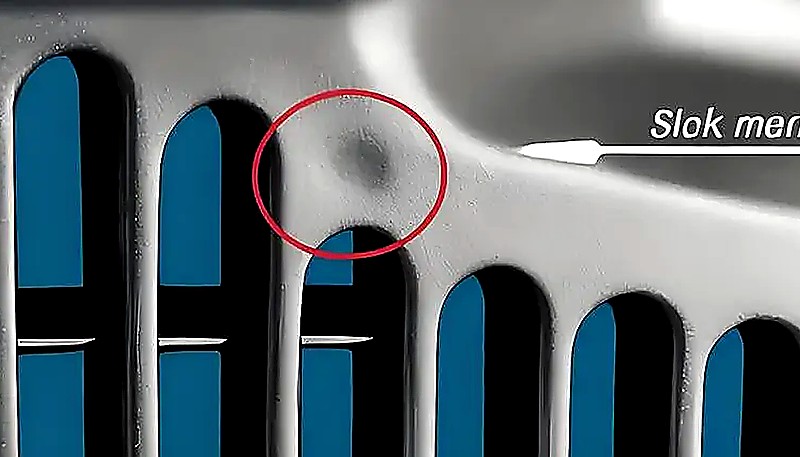
Deuk is wanneer het oppervlak van het onderdeel hol is op de wanddikte.
Oorzaken van de vorming van deuken
De injectiedruk of houddruk is te laag, de houd- of afkoeltijd is te kort, de smelttemperatuur of matrijstemperatuur is te hoog en de structuur van het onderdeel is verkeerd ontworpen.
Oplossingen
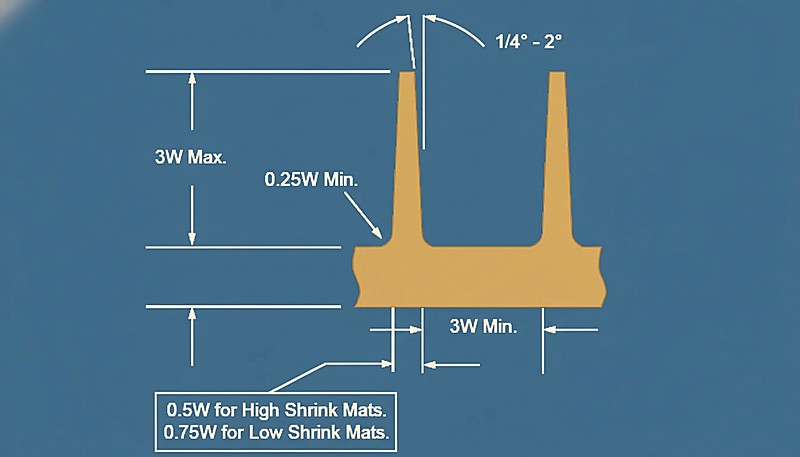
Ontwerpstructuur: ribbel het oppervlak dat gemakkelijk indeukt, verklein de dikke wandmaat van het onderdeel, minimaliseer de verhouding tussen dikte en diameter, houd de verhouding tussen aangrenzende wanddiktes op 1.5~2 en zorg voor een soepele overgang. Ontwerp de dikte van versterkingsribben, verzonken gaten en hoekribben opnieuw; voor hun dikte wordt doorgaans 40-80% van de basiswanddikte aanbevolen.
Vormproces: verhoog de injectiedruk en nadruk, vergroot het aanspuitpunt of wijzig de positie ervan.
"Vloeilijnen worden veroorzaakt door onjuiste spuitgietinstellingen."True
Lassporen kunnen het gevolg zijn van een slecht afgestelde temperatuur, snelheid of matrijsontwerp, wat leidt tot een ineffectieve hechting van de kunststofstroom.
"Lasnaden kunnen volledig worden geëlimineerd door simpelweg de injectiesnelheid te verhogen."False
Alleen de injectiesnelheid verhogen lost laslijnen mogelijk niet op wanneer de hoofdoorzaak de aanspuitpositie, een te lage smelttemperatuur of onvoldoende ontluchting bij de verbindingslijn is. Een integrale aanpak van matrijsontwerp, procesparameters en materiaalkeuze levert betere resultaten op.
Wat zijn de oorzaken van lassporen op spuitgietproducten en wat zijn de oplossingen?
In dit gedeelte worden de belangrijkste oorzaken en oplossingen voor vloeinaden in spuitgietproducten toegelicht. Vloeinaden ontstaan wanneer twee kunststofstromen samenkomen maar onvoldoende hechten, waardoor zichtbare littekens op het eindproduct achterblijven.
Lassporen worden veroorzaakt door een verkeerd matrijsontwerp, onvoldoende injectiesnelheid of onvoldoende temperatuurregeling. Oplossingen zijn onder andere het optimaliseren van het matrijsontwerp, het aanpassen van de injectiesnelheid en het regelen van de matrijstemperatuur voor een betere vloei.
Definitie
Er is sprake van een lasnaad wanneer twee materiaalstromen elkaar ontmoeten en aan elkaar lassen, en dit veroorzaakt een defect op het oppervlak.
Oorzaken van lasmarkering
Als er gaten, inzetstukken of een spuitgietmodus met meerdere poorten in het onderdeel zitten, of als de wanddikte van het onderdeel ongelijkmatig is, kunnen er lassporen ontstaan.
Materiaal: Kies een harskwaliteit met een hogere smeltvloei-index, zodat de twee vloeifronten bij het samenkomen beter hechten.
Productontwerp: Pas wanddikteovergangen aan en beperk scherpe hoeken nabij de laslijn. Een uniforme wanddikte houdt beide vloeifronten op vergelijkbare temperatuur.
Matrijsontwerp: Verplaats de ingangen om de laslijn naar een niet-kritiek gebied te verplaatsen. Voeg overloputten toe nabij de laslocatie om koud materiaal uit het lasgebied te duwen, en zorg voor voldoende ontluchting.
Procescondities: Verhoog de smelt- en matrijstemperatuur om de stromingsfronten heter te houden wanneer ze samenkomen. Verhoog de injectiesnelheid om de tijd tussen scheiding en hereniging van de stromingsfronten te verkorten, en pas de houddruk aan om de fusie bij de naadlijn te verbeteren.
Procesomstandigheden: maak de kunststof warmer en gebruik minder materiaal om te voorkomen dat deze aan de matrijs blijft kleven. Brandplekken ontstaan wanneer de lucht in de matrijs niet snel genoeg kan ontsnappen en de kunststof aan het einde van de stroming verbrandt.
Hoe Kun Je Spuitgietdefecten Systematisch Verminderen?
Dit deel gaat over het systematisch verminderen van spuitgietfouten en hun gevolgen voor kosten, kwaliteit, doorlooptijd of inkooprisico. Spuitgietfouten — onvolledige vulling, braamvorming, vloeisporen, zilverstrepen, deuken en laslijnen — hebben één gemeenschappelijke oorzaak: het procesvenster is van het gevalideerde optimum afgedreven. Wanneer elke fout tot de oorzaak wordt herleid, blijkt het patroon opvallend consistent bij verschillende materialen en machinegroottes.
Uit onze ervaring met het verwerken van meer dan 400 materiaalsoorten op 47 persen in Shanghai, is de grootste hefboom een gedisciplineerde eerste-artikelvalidatie gevolgd door consistente procesmonitoring. De meeste defecten die de productie bereiken, hadden tijdens de matrijsmonsterneming kunnen worden opgemerkt — als je weet waar je op moet letten en je procesvensters vanaf dag één correct instelt.
Of u nu een bestaande matrijs onderzoekt of een nieuw gereedschap kwalificeert, de checklist is hetzelfde: controleer de materiaaldroging, bevestig de afmetingen van aanspuiting en runner, valideer de nadrukdruk en nadruktijd en inspecteer de eerste 50 shots vóór goedkeuring. Ons engineeringteam volgt dit protocol bij elk project en houdt zo ons uitvalpercentage ruim onder het branchegemiddelde.
Deskundige hulp nodig bij uw spuitgietproject? Upload uw ontwerpbestanden en ontvang DFM-feedback, procesaanbevelingen en een concurrerende offerte van ons team.
Veelgestelde vragen
Wat is het meest voorkomende spuitgietdefect?
Korte shots worden algemeen beschouwd als het meest voorkomende spuitgietdefect. Ze ontstaan wanneer de matrijs niet volledig vult tijdens de injectiefase. Ze zijn meestal het gevolg van onvoldoende injectiedruk, lage smelttemperatuur of onvoldoende ontluchting in de matrijs. In productieomgevingen komen korte shots vaak voor wanneer de materiaalviscositeit verandert door inconsistente droging of wanneer de ingang te beperkt is voor de geometrie van het onderdeel. Het aanpakken van de oorzaak — in plaats van simpelweg de druk te verhogen — voorkomt herhaling en houdt de cyclus tijd zonder secundaire defecten zoals flits of brandvlekken te introduceren.
Hoe Voorkom Je Flits Bij Spuitgieten?
Het voorkomen van braamvorming begint met voldoende sluitkracht voor het geprojecteerde oppervlak van het onderdeel. Als de machine voldoende tonnage heeft, controleer dan de staat van de deellijn van de matrijs—door versleten of beschadigde oppervlakken kan gesmolten kunststof tijdens de injectiefase onder hoge druk ontsnappen. Verlaag injectiesnelheid en -druk bij het omschakelpunt, verlaag de smelttemperatuur licht en controleer of de ontluchtingsdiepte binnen de specificatie ligt. Bij precisieonderdelen houden regelmatig polijsten van de matrijs en tijdige vervanging van inzetstukken braamvorming onder controle zonder aan vulkwaliteit of cyclustijd in te boeten.
Kunnen spuitgietfouten worden verholpen zonder de matrijs te wijzigen?
Veel defecten — waaronder onvolledige vulling, zilverstrepen, vloeisporen en inval — kunnen met procesaanpassingen worden opgelost zonder de matrijs te wijzigen. De smelttemperatuur verhogen, de injectiesnelheid aanpassen, nadruk en nadruktijd verlengen of het materiaal beter drogen zijn gangbare eerste maatregelen. Defecten door fundamentele fouten in de plaatsing van het aanspuitpunt, onvoldoende ontluchtingskanalen of wanddikteverhoudingen onder 1,5:1 vereisen echter vaak matrijsreparatie. Een systematische, door DOE gestuurde aanpak helpt bepalen welke parameterwijzigingen de grootste invloed hebben voordat u zich vastlegt op kostbare gereedschapswijzigingen.
Waarom verschijnen zilverstrepen op spuitgegoten onderdelen?
Zilverstrepen ontstaan wanneer vocht, ingesloten lucht of gedegradeerd polymeer langs het stroomfront wordt meegevoerd en als zichtbare zilverwitte lijnen op het onderdeeloppervlak neerslaat. De meest voorkomende oorzaak is onvoldoende droging van het materiaal. Hygroscopische harsen zoals ABS, nylon en polycarbonaat vereisen vóór verwerking 2–4 uur ontvochtigend drogen bij materiaalspecifieke temperaturen. Andere oorzaken zijn een te hoge cilindertemperatuur, die thermische degradatie veroorzaakt, en onvoldoende ontluchting van de matrijsholte. Consistente droogprotocollen en bewaking van de cilindertemperatuur elimineren het overgrote deel van de problemen met zilverstrepen in de productie.
Hoe kan ZetarMold helpen bij de analyse van spuitgietdefecten?
ZetarMold biedt uitgebreide defectanalyse als onderdeel van elk spuitgietproject. Met 47 persen van 90T tot 1850T en meer dan 20 jaar ervaring in probleemoplossing voor meer dan 400 materiaalsoorten, identificeert ons technisch team de oorzaken tijdens de eerste-artikelmonsterneming en stelt gevalideerde procesvensters in voordat de productie begint. We delen procesgegevens, inspectierapporten en details over corrigerende maatregelen transparant, zodat je precies begrijpt wat er gebeurt en waarom. Upload je 3D-ontwerpbestanden om DFM-feedback, een procesaanbeveling en een concurrerende offerte te ontvangen, afgestemd op de specifieke geometrie en materiaaleisen van je onderdeel.
kwaliteit: een productiediscipline die DFM, matrijsvalidatie, procesvensters, inspectieplannen en corrigerende maatregelen verbindt tot reproduceerbare resultaten. ↩
kromtrekken: vervorming van een spuitgegoten onderdeel door ongelijkmatige krimp als gevolg van verschillen in afkoelsnelheid, vezeloriëntatie of materiaalstroomrichting. ↩
spuitgieten: een productieproces waarbij kunststof wordt gesmolten, in een matrijsholte wordt geïnjecteerd, het onderdeel afkoelt en de cyclus wordt herhaald voor stabiele serieproductie. ↩